1 free read left. Create a free account for unlimited reading + AI research.
Create free accountWhitepaper Springer
1 free read left. Create a free account for unlimited reading + AI research.
Create free accountWhitepaperSpringer
The COVID-19 pandemic fundamentally altered digital interaction, prompting a shift away from social gaming toward solitary play among adult populations in Europe and the Indian subcontinent. Contrary to broader industry trends suggesting a surge in communal digital activity during lockdowns, this analysis reveals a contraction in social gaming time and a reduction in network centrality. These findings indicate that the crisis did not universally foster digital connection, but rather prompted a retreat into individualistic gaming habits for many participants.
A clear cultural divergence defines these behavioral shifts. While European players largely maintained or increased their social engagement, participants from India experienced a sharper decline in both the number of active gaming partners and overall enjoyment. This disparity underscores the influence of socio-cultural factors on how individuals utilize digital spaces to sustain relationships during periods of isolation. The identification of four distinct behavioral profiles—ranging from highly active social participants to those who withdrew entirely—further illustrates the complexity of player responses to external crises.
These results emphasize that social gaming patterns are deeply rooted in cultural context rather than being uniform global phenomena. By utilizing ego-network analysis and mixed two-way ANOVAs, the research provides a granular look at how personal networks fluctuate under stress. Ultimately, the findings suggest that game developers and designers must move beyond monolithic assumptions about player behavior, instead leveraging network-based data to better understand the diverse ways individuals navigate social play in changing environments.
Springer · 2026
Springer · 2025
Springer · 2024


Springer Science and Business Media LLC · 2024
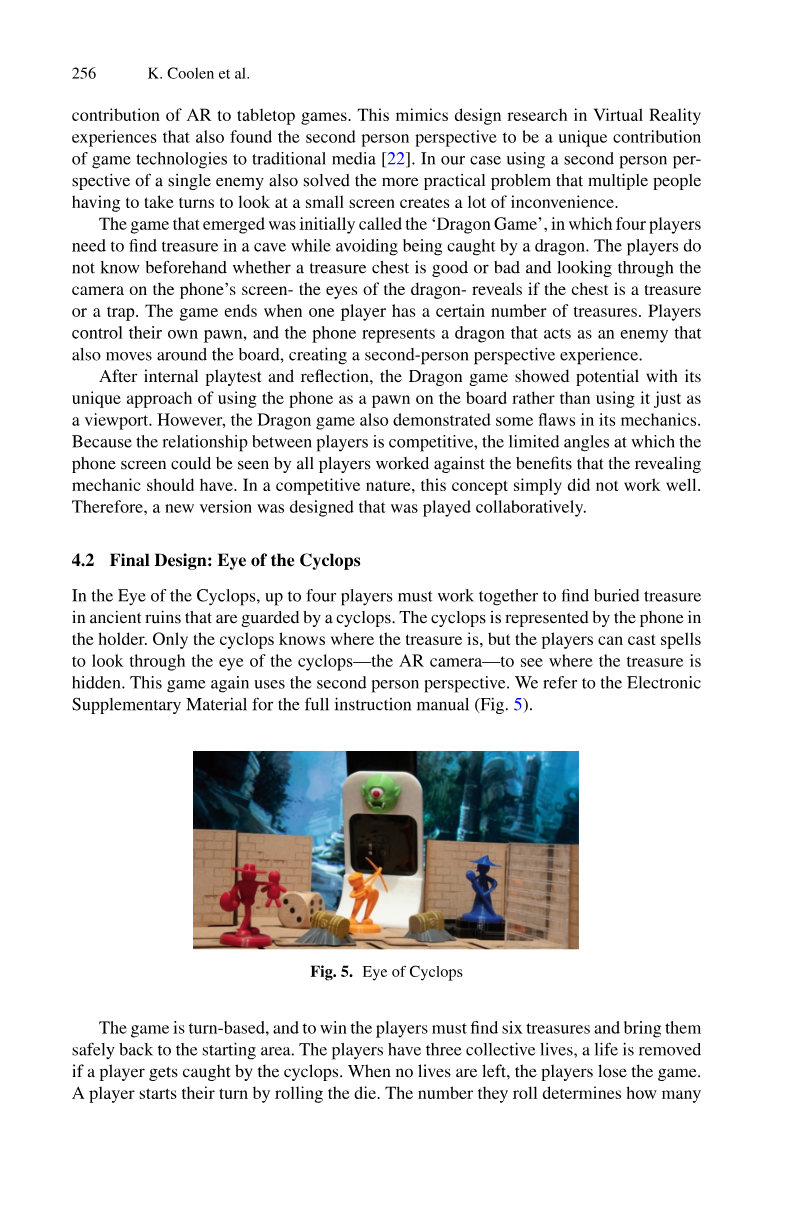
Springer · 2023
University of Jyväskylä · 2021
Springer · 2020
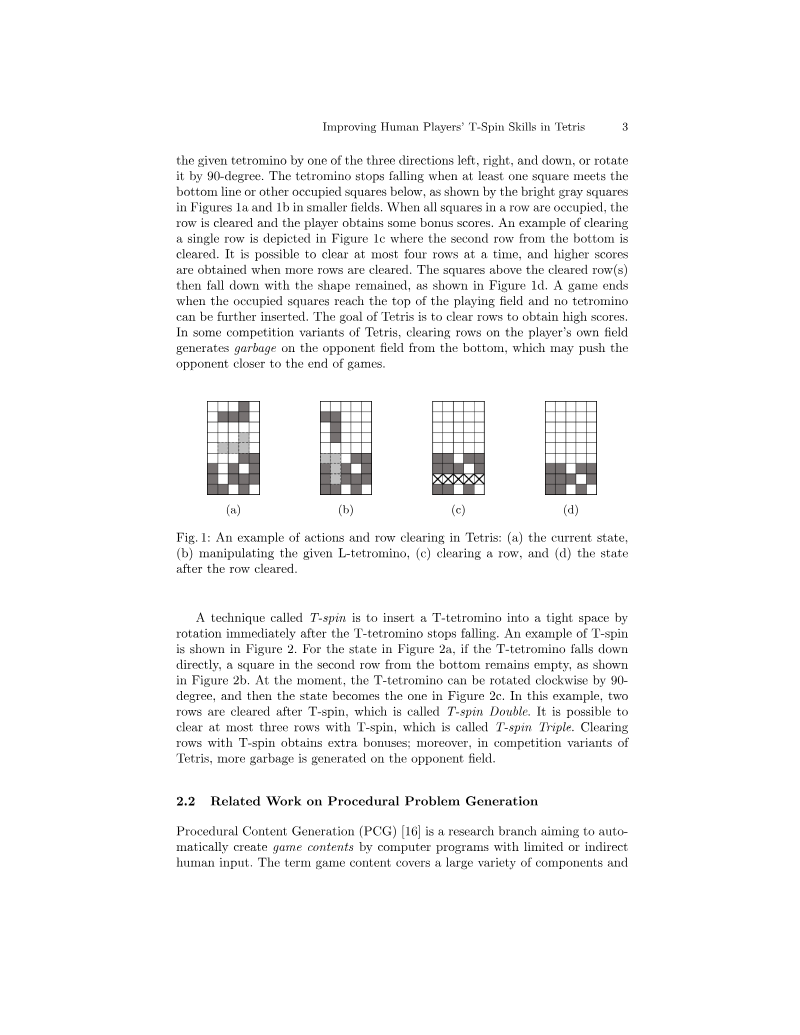
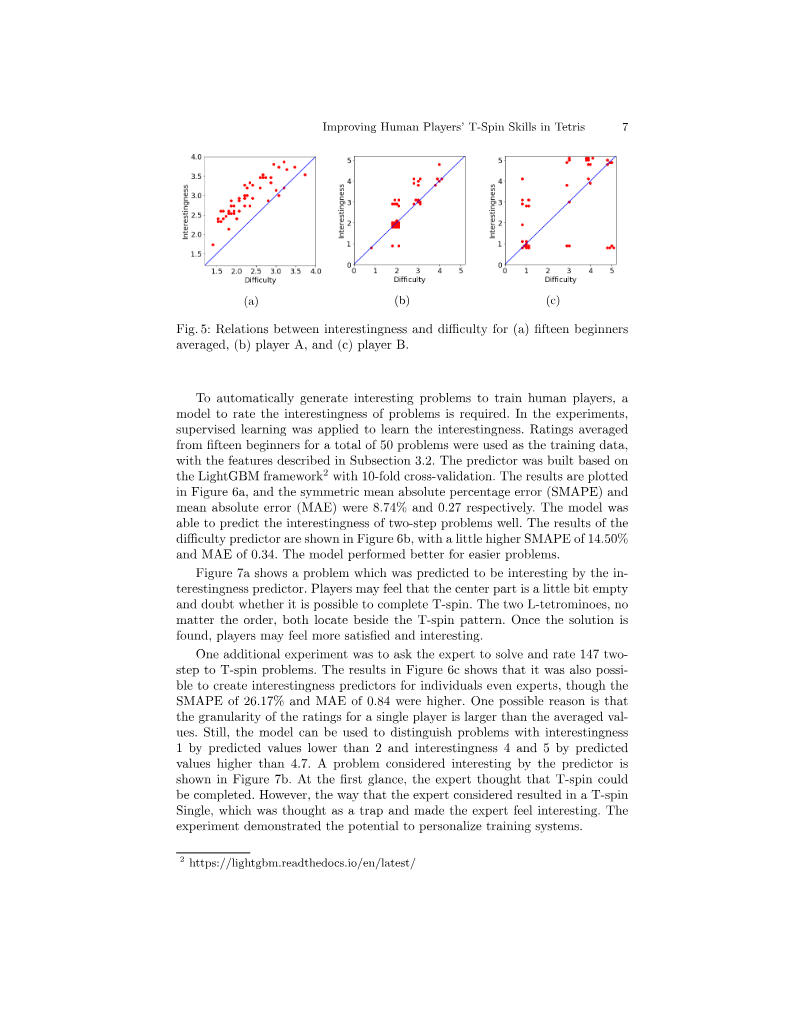
Springer · 2020
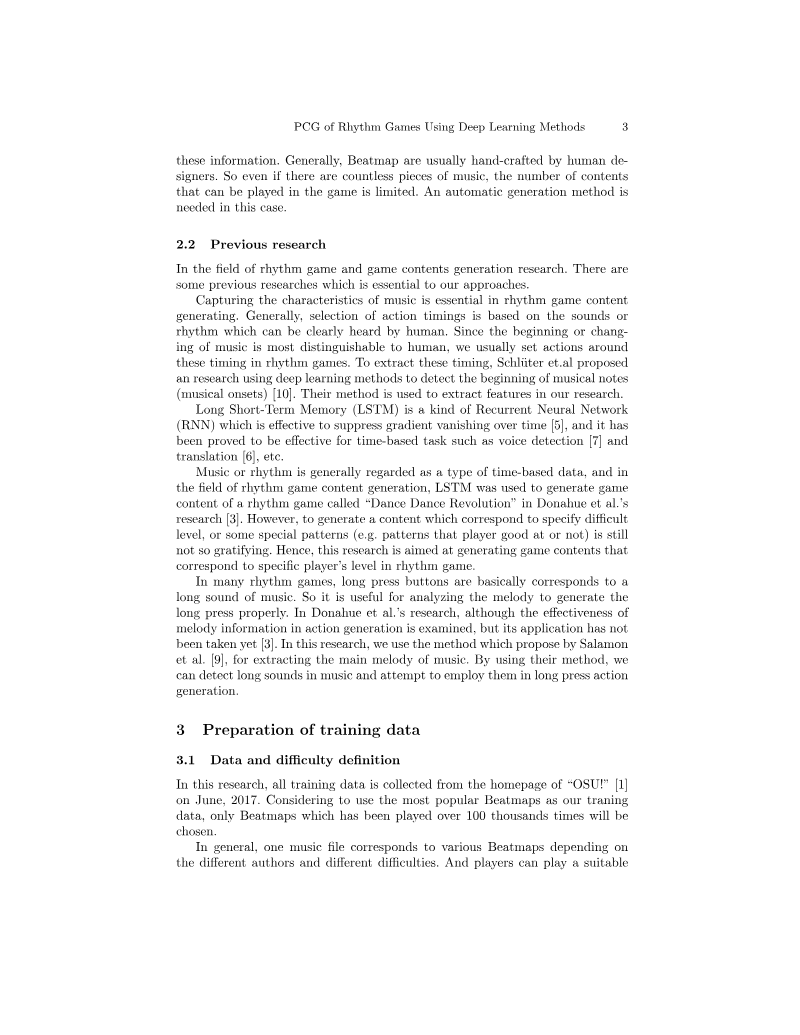
IFIP International Federation for Information Processing · 2019
Springer · 2018
IFIP International Federation for Information Processing · 2017
Springer · 2017
Kinephanos · 2026