China reports and market data
Documents

Game Awards Stats / VR Struggles / China Regulations / Square Enix Letter
The gaming industry is currently undergoing a period of significant structural and strategic realignment, driven by shifting consumer demographics, regulatory pressures, and the pursuit of sustainable growth models.
- The Game Awards has effectively replaced E3 as the industry's primary announcement venue, drawing 118 million viewers and highlighting the sector's shift toward mainstream cultural influence.
- Major Chinese publishers like Tencent and NetEase are aggressively diversifying into North American and European markets to mitigate the impact of new domestic regulations on loot boxes and daily reward monetization.
- Square Enix is formally pivoting its strategic focus away from blockchain and Web3 initiatives, prioritizing AI integration and transmedia IP expansion to improve operational efficiency.
Guide to Growing Chinese Gaming Apps Overseas: 2024
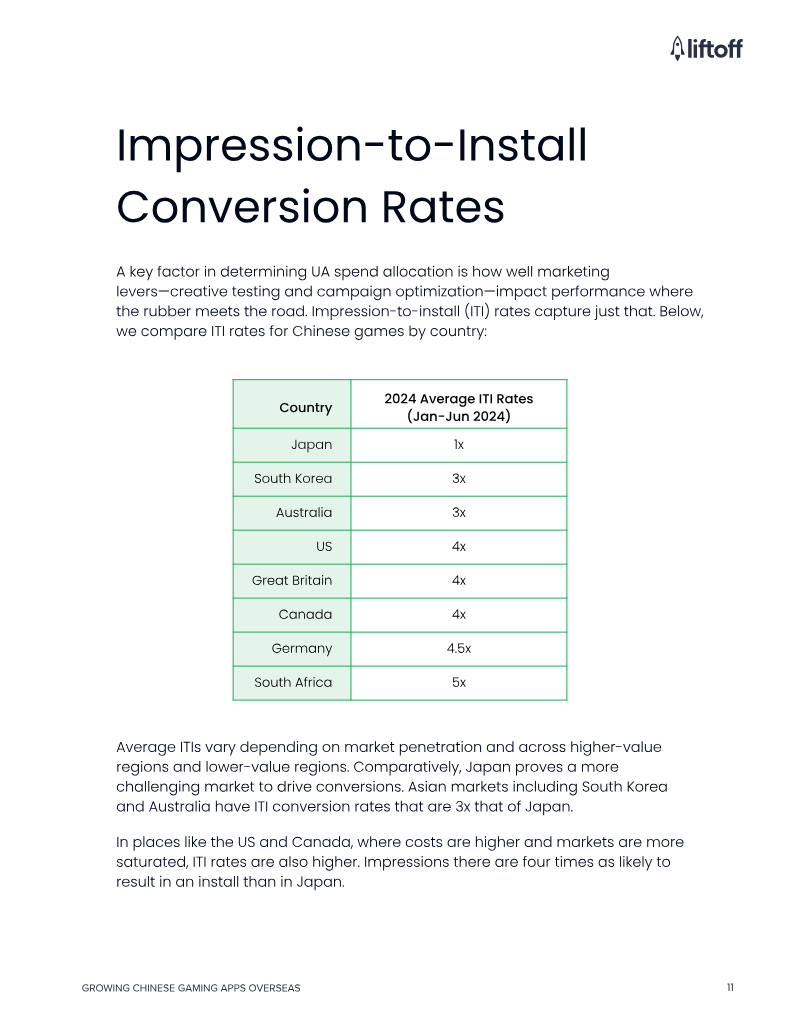
Chinese gaming applications continue to exert a dominant influence on the global stage, particularly within the strategy and role-playing game segments in mature markets such as the United States, Japan, and South Korea.
- Chinese publishers are maintaining global dominance in strategy and RPG segments by shifting to hyper-localized art styles, specifically manga-inspired visuals for Japan and realistic or cartoon aesthetics for Western markets.
- Generative AI is now a core operational requirement for rapid, compliant localization of ad creative, voice-overs, and marketing copy to manage high costs per install in mature markets like the U.S., Japan, and South Korea.
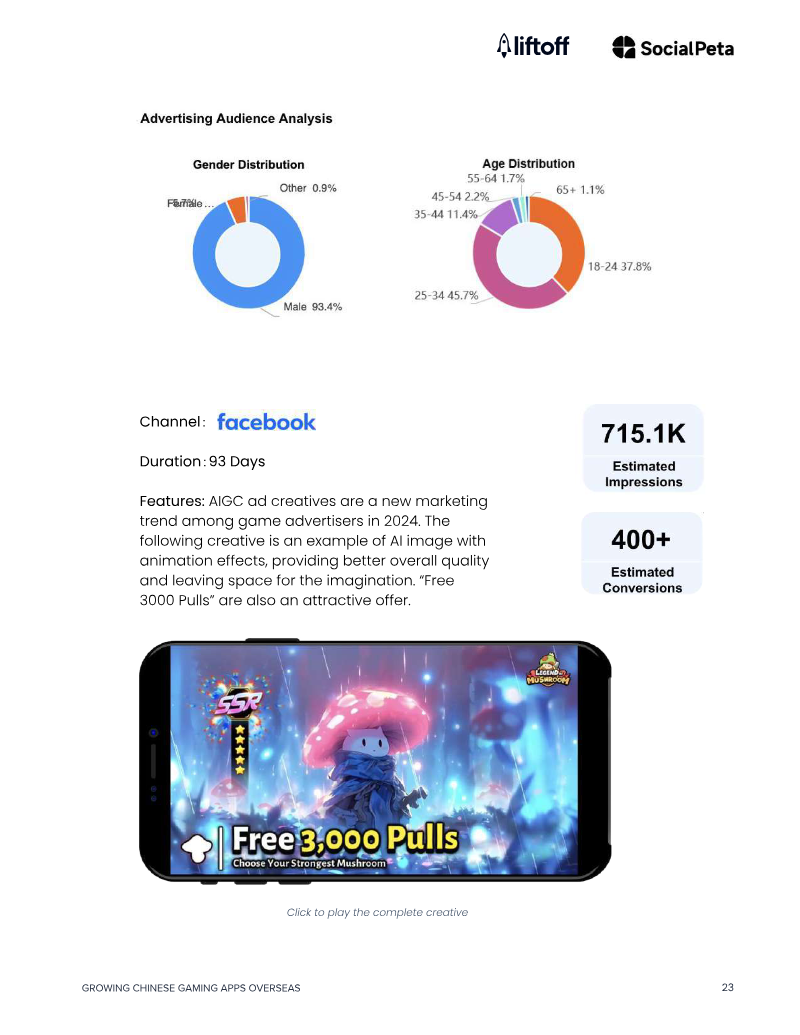
- High-performing user acquisition campaigns are increasingly utilizing minigames and AI-enhanced visuals to capture player attention in highly competitive environments.

MY.GAMES’ Elena Grigorian On Smart Strategies To Stay Afloat During This Industry Downturn
The gaming industry currently faces significant volatility, necessitating a shift toward operational agility and diversified business models to ensure long-term stability.
- Companies can mitigate the risks of a hit-driven market by adopting a grid-based organizational structure that balances centralized marketing expertise with decentralized studio-level execution.
- Operational resilience is supported by a hybrid, remote-first workforce model capable of managing a diverse portfolio of over 80 titles across mobile, PC, and console platforms.
- Diversifying business models through a combination of internal development, third-party licensing, and strategic investments allows firms to maintain marketing and operational scale during economic downturns.
China Special West to East: market situation, cultural adaptation, publishing, UA & creatives
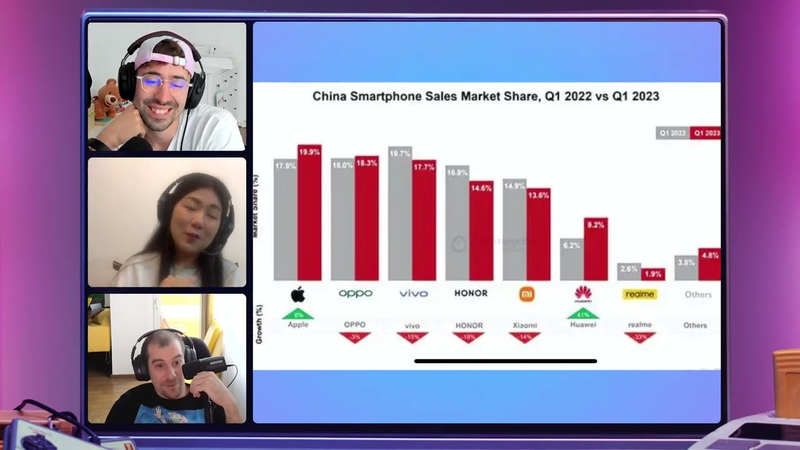
The Chinese mobile gaming market is experiencing a robust post-pandemic recovery, characterized by a significant acceleration in government licensing approvals for foreign titles.
- The Chinese government has increased game approval rates following the post-pandemic recovery, signaling a more favorable regulatory environment for new titles.
- HTML5 (H5) games serve as a strategic entry point for the Chinese market because they are easier to manage and often bypass the mandatory ISBN license requirement.
- User acquisition on Android in China is highly complex and requires working with local agencies, whereas iOS remains the most accessible platform for self-managed publishing.
Female Gamers in Asia
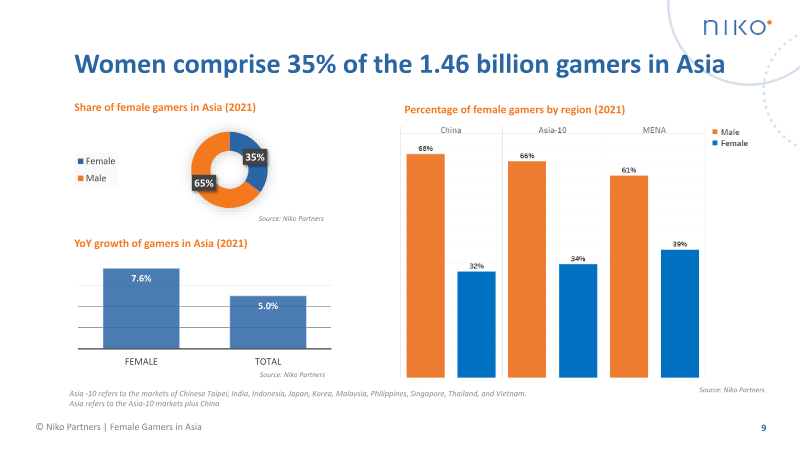
The Asian gaming landscape is experiencing a significant shift driven by the increasing influence of female players, who now represent 35% of the region’s 1.42 billion gamers.
- Female gamers represent 35% of Asia’s 1.42 billion players and are a primary growth driver, with their population increasing by 7.6% year-over-year compared to the 5.0% total market growth rate.
- The female demographic shows high commercial potential, with 84% of players willing to make in-game purchases, specifically favoring items and gacha mechanics.
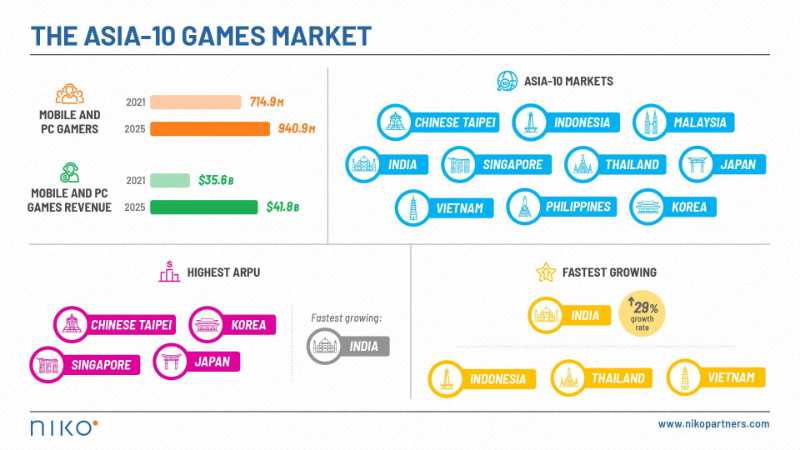
- Mobile gaming is the dominant platform for female players across China and the Asia-10 markets, which include Japan, Korea, India, and several Southeast Asian nations.

Script Murders: The Form and Design of the Most Popular Tabletop Genre in China
The Chinese script murder industry, known locally as jubensha, has matured from a niche adaptation of Western whodunit mysteries into a sophisticated, immersive social phenomenon.
- The Chinese 'jubensha' (script murder) market is driven by social interaction, with a core demographic of 18-to-25-year-olds (Gen C) who prioritize group activities and immersive experiences.
- The market is segmented into three primary design patterns: traditional 'whodunnit' mysteries (50% market share), supernatural themes (20%), and new mystery genres (30%).
- Operational success relies on four pillars: physical layout/cosplay, high-quality script writing, the role of the Dungeon Master (DM) to guide narrative flow, and the use of NPCs to enhance immersion.
How to increase wishlists & game sales from China? Growth marketing tactics & case study
Entering the Chinese PC gaming market requires a sophisticated, localized strategy to overcome significant barriers, including strict regulatory requirements like the ISBN license and a unique digital ecosystem.
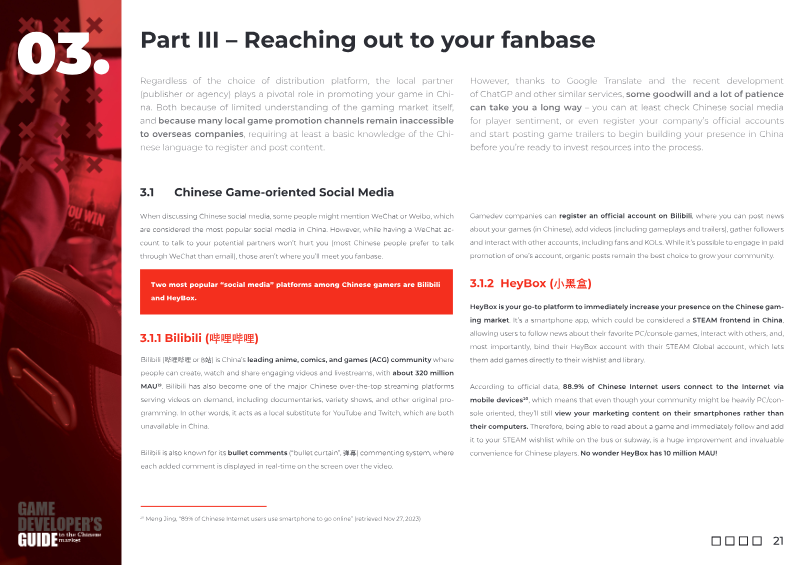
- Prioritize organic growth through indigenous platforms like Bilibili, Douyin, and Heybox, as traditional paid advertising is often restricted or ineffective without an ISBN license.
- Establish a dedicated role for a coordinator who possesses both cultural fluency and marketing expertise to manage regional branding and community engagement.
- Build long-term, non-transactional relationships with local content creators rather than relying on aggressive, paid sales tactics to drive discovery.

The Rise of China: Dominant western game developers may fall to Asian competitors like HoYoverse
The global gaming landscape is undergoing a structural shift as established Western incumbents face increasing pressure from highly efficient, capital-intensive competitors based in China.
- Western gaming incumbents face a structural threat over the next 5–10 years from Chinese competitors like HoYoverse, Lilith, and Game Science that utilize superior operational efficiency and aggressive capital deployment.
- Chinese firms are successfully challenging traditional powerhouses like Blizzard and Rockstar by applying their mastery of mobile-centric live-service operations to high-definition console and PC gaming.
- The industry is shifting away from an era of excess and zero-interest-rate policies, favoring companies that can maintain high-revenue titles like Genshin Impact and Honkai: Star Rail through massive annual development budgets.

Developer's Guide to the Chinese Market
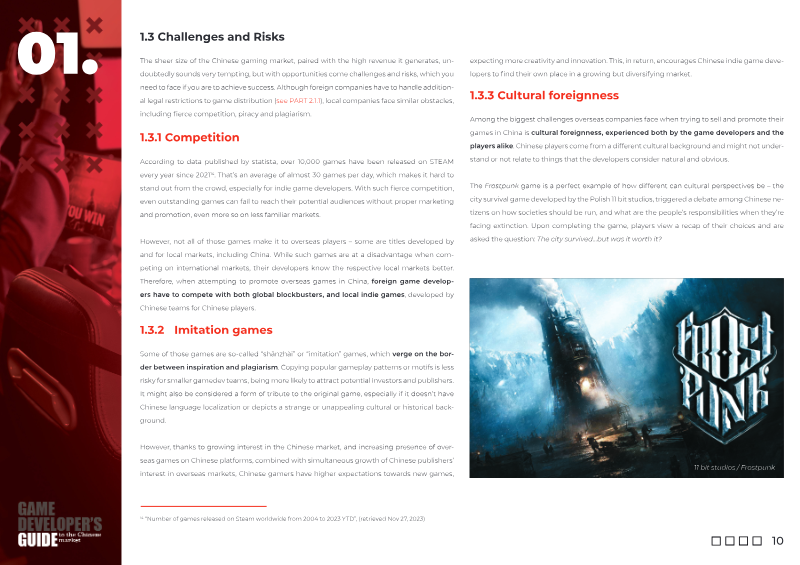
The Chinese gaming market represents a massive, recovering ecosystem that reached a record 668 million players by mid-2023.
- The Chinese gaming market reached 668 million players by June 2023, constituting roughly half of the Chinese population. Sales revenue for the first half of 2023 was 144.263 billion Chinese yuan ($20.23 billion), showing a 22.2% increase QoQ, indicating market recovery.
- PC/console games should prioritize global distribution with local PR, while mobile games require local distribution due to Google Play's unavailability and the App Store's ISBN requirement in Mainland China.
- Localization is crucial and involves translating into Simplified Chinese (ZHCN), localizing the game's title, and adapting game features by removing inaccessible foreign services (e.g., Facebook, Instagram, Google services) and adding local payment methods.

What is China’s Console Market Landscape and Growth Potential? - The Metacast by Naavik
The global gaming landscape is currently defined by a shift toward experiential genres like cozy games and a narrowing fidelity gap between mobile and console hardware.
- The console market in mainland China remains a marginal segment, accounting for only 4% of total game sales with no significant growth expected in the near term.
- Entry into the official Chinese console market is high-risk due to a legacy of console bans, stringent government content regulations, and lengthy licensing processes.
- Developers targeting Chinese audiences are advised to bypass official regulatory barriers by utilizing cross-platform strategies or leveraging the gray market and Steam.

Why Blizzard Didn’t Renew NetEase Partnership and What’s Next? - The Metacast by Naavik
The gaming industry is currently undergoing a significant structural shift characterized by cross-platform expansion, the integration of generative AI, and intense scrutiny of platform distribution models.
- Google’s 'Project Hug' initiative utilized hundreds of millions of dollars in financial incentives to major developers like Activision Blizzard and Riot Games to discourage the development of competing app stores and maintain the 30 percent platform fee.
- The Blizzard-NetEase partnership collapsed primarily due to Blizzard’s demands for higher revenue shares and the pursuit of global mobile IP development, exposing the volatility of international publishing in restrictive regulatory environments.
- Mobile-first studios, exemplified by Gameloft’s Disney Dreamlight Valley, are increasingly adopting cross-platform strategies to reduce market volatility and expand their reach beyond mobile-only audiences.
How Your Values Affect Your Game's Global Success - Kate Edwards, CEO at Geogrify
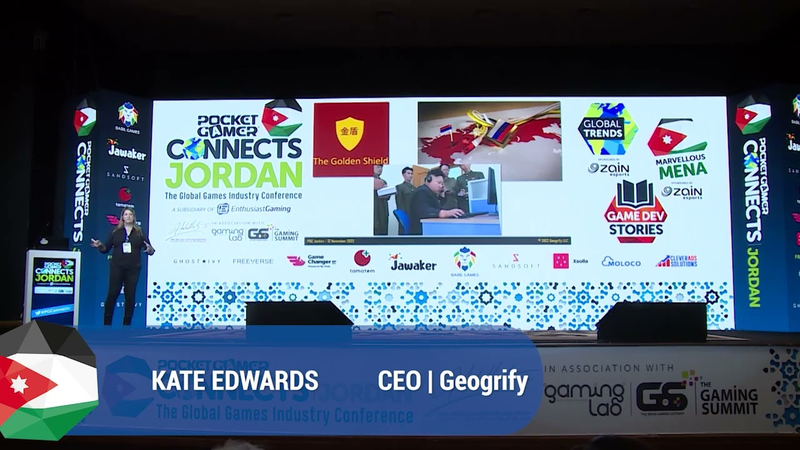
The global video game industry faces increasing pressure to reconcile creative expression with the geopolitical and cultural realities of international markets.
- Developers must establish clear internal values regarding content modification boundaries before entering international markets to avoid reactive, crisis-driven decision-making.
- Culturalization is a mandatory strategic process for global success, requiring the adaptation of game content to align with local legal requirements, social norms, and worldviews.
- Content is inherently non-neutral and carries the cultural biases of its creators, which often triggers friction when exported to regions with conflicting political or historical perspectives.