1 free read left. Create a free account for unlimited reading + AI research.
Create free account
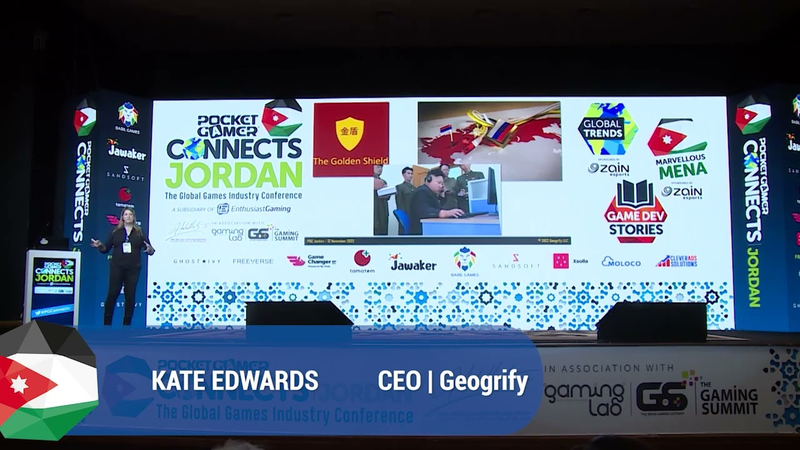
How Your Values Affect Your Game's Global Success - Kate Edwards, CEO at Geogrify
Key insights
5 takeaways- 01Culturalization is a mandatory strategic process for global success, requiring the adaptation of game content to align with local legal requirements, social norms, and worldviews.
- 02Content is inherently non-neutral and carries the cultural biases of its creators, which often triggers friction when exported to regions with conflicting political or historical perspectives.
- 03Developers must establish clear internal values regarding content modification boundaries before entering international markets to avoid reactive, crisis-driven decision-making.
- 04Geopolitical tensions, specifically those involving nations like China, Russia, and India, directly dictate game design and distribution strategies, often necessitating the removal of flags or the alteration of historical scenarios.
- 05Companies frequently face a 'fulcrum of compromise' where they must weigh the integrity of their original creative vision against the necessity of modifying assets to secure access to lucrative markets.
Ask AI about this video
Transcript
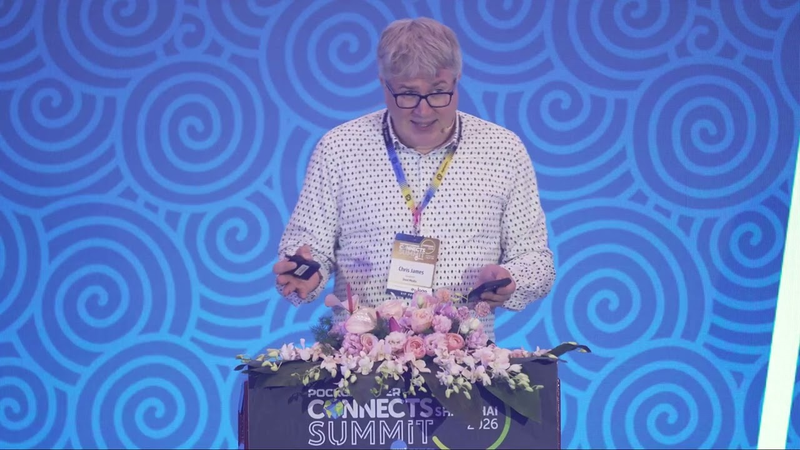
[Music] thank you once the final talk in this uh in this session and I'm really delighted uh to welcome welcome one of the talking of a global coverage uh this is a real world traveler this is Kate Edwards um she's been to every game show in existence and she used to be the chair of rgda she now does a million exciting things but she has her own company geography and you're working on you'll tell people in a funny way but she's a great friend of us in the show and she's going to talk to us um about how your values I guess is that cultural values or just personal values both both in effect your game's success so a global success I think that's right okay I'm going to get out of the way we're just doing you know I'm great yes
excellent well hey everyone as my presentation is being loaded um just to give you a little bit of background I'm actually a geographer that's my that's my profession so I'm a geographer excuse me and I've been working in video game industry for over 28 years um thank you I worked I started my work at Microsoft way back in 1992 um ancient days 30 years ago and I entered Microsoft as a cartographer on an encyclopedia there we used to be called in card encyclopedia some of you might remember that but then my job evolved and eventually I started working on a lot of the games at Microsoft I created an internal team at Microsoft called geopolitical strategy because my mission was to help protect all of Microsoft's content against potential troubles when they release the content overseas now I'm not talking about localization which is language translation I'm talking about culturalization so how do we adapt the ideas of the content and make sure it's compatible with different cultures
around the world and that's been my focus for all this time I've worked on a lot of titles you've probably heard of like Call of Duty Tomb Raider FIFA Apex Legends Mass Effect Dragon Age Halo and on and on the list goes um so I wanted to talk today very quickly because I don't have a lot of time about how our values our values as an individual our values as a creative team and also our values from the culture we come from reflect in our games so basically my career I have been essentially exploring this interaction between what is real that's the geography part like what is outside these walls also then what is represented so how do we represent things that we see in the real world or in our game worlds into our green world and then also what is perceived so how does the user perceive what we have built when we build a world inside a game so all of you know what's going on currently not too far away from here I don't need to explain what's going on
but the reason I bring this up is because this is a great example of how a current geopolitical event has kind of shaken the game industry because a lot of developers a lot of clients that I work with they did not know what to do with their content that was related to Russia or Ukraine so immediately after this happened back in February a lot of companies were kind of struggling with should we remove Russians from our game should we enhance Ukrainian content what are we supposed to do and a lot of companies were caught off guard because they did not really know where their values are in terms of what do we include what do we exclude in response to this and a lot of games took at different approaches like in the the hockey game with EA they actually removed the Russian players and the Russian team out of the hockey game out of a form of protest and other games you know they they shut down their gaming servers in Russia as a a form of protest and so but different companies responded in different ways but a lot of them did not really expect that they would have
to make that kind of decision and of course you know this is just one geopolitical issue that's happening there's other things that are going on around the world as we all know that really challenge us when we're trying to sell a game into a particular market so we have to think about these things as we design the game one of the reasons this is so important is because a lot of developers I I have the fortunate ability to travel around the world and I speak to a lot of developers in a lot of different markets I'm very honored to be here in Jordan This is my first time in Jordan but not my first time in the region and it's been a fantastic experience so far but one of the things that is so important is that a lot of developers that I speak to even in this region when I ask them where do they want their game to go when you release your game where where do you want it to go the most I hear a lot of people say well I'd love to go to North America or Western Europe because it'll get a lot of attention and that's where there's a lot of money not really true I mean look at these numbers look at the amazing growth that is happening in this region
this is the fastest growing region for game players in the world and so there's a lot of growth happening right here and of course a lot of you because you are so familiar with the culture here and you're familiar with this region your games in my view have a better chance of success than a developers say in the United States or in the UK or Germany who's trying to make a game that is going to be culturally relevant here and so but a lot of those developers outside this region they do not think about the amazing growth happening here instead they think that we're just going to sell it in the United States we're going to sell it in Western Europe and it'll be successful but that's just not the case anymore especially when you see the growth happening in Latin America Asia Pacific whereas Europe and North America the growth is kind of plateaued it's not as fast anymore so when I talk about culturalization what I'm essentially doing is taking the game worlds that you amazing people make and I look at it to see how are the world going to be compatible with the
local worldview in the local culture so it's basically this exercise where I'm trying to find how are the content Assets in the game so the images the story The Sounds everything that's in the game is it going to be compatible with that culture or is it not going to be compatible and that's essentially in a very simple way that's what my job is about so but when we make these decisions it's not to see very easy like saying yes or no you know to a particular problem that you might see in the game there's many things we have to think about when we're making one of these decisions so for example what's the high level values and goals of your company and I'll come back to this later but that's very important because that relates to the Ukraine example I just gave you also the context in which content is generated is important and what I mean by this is that all of us have our bias because we are from a specific geography a specific language a specific culture and most all
of us we overcome our bias because we have we have education that's what the educational system is for to help us understand the what other cultures are like but sometimes during the creative process our bias that we all carry sometimes kind of goes into that creative process and it's hard to see because you're so close to the content also the business strategy for the vertical is really important because for bigger companies like Sony and Microsoft games are only one of their businesses they make a lot of other things and so their decision about a game or a specific like representation in a game like let's say it's a character design that may affect other businesses that they own and also the market strategy for a specific Locale like China for example because every Locale is a bit different and the market strategy for a specific game because every game is different and they're in different genres have more or less appeal in different parts of the world and then finally the geopolitical cultural and social
factors which are constantly changing which I think if we didn't understand that before covid I think all of us understand how Dynamic this world really is and how quickly things can change very unexpectedly so a lot of my job is looking forward to what's happening in the market when the game is going to release to see is it going to be basically safe for this game to release in that Market at that time and that's just one other Factor we have to think about here's an example I'm going to use a non-game example where Apple several years ago when the when Russia basically took over Crimea and nobody really did anything what Apple did is um they originally marked Crimea as being part of Russia because they're trying what Maps do is they try and show the truth on the ground but now today it uh with the Russian invasion of Ukraine they reversed that decision because now basically apple found its values and
said we're going to basically not represent what is happening on the ground so they basically reverse the decision so now in order to support Ukraine they now show Crimea as part of Ukraine rather than showing it as part of Russia even though technically it's still part of Russia but that's the that's the company showing that they're basically reflecting their own values in support of Ukraine um things like this happen all the time here's a t-shirt that the Gap stores released where you can see a map of China on the T-shirt but the problem with it from a Chinese perspective is that the map did not include all the areas that China claims like the South China Sea and Taiwan so there was big protests going on in the Gap stores by people by Chinese people saying you're not showing the whole map um you know and so it they had to correct it because they were getting a lot of pressure from the Chinese government this stuff happens all the time here is a movie called abominable
that came out a few years ago and the problem with this movie from the from the perspective of the Philippines Vietnam and Malaysia is that what was happening here is you see this map that it appears in the background this map appears in the film for like two seconds very short but because of this map that's the reason why those three countries said we are not going to show this film in our country because we disagree with the Chinese representation of their claim over the South China Sea which looks like this it's a very complicated issue and I'm sure you've heard in the news a lot of the little conflicts that are happening in this region but those three countries because they also claim this area or parts of it they did not want to see China's Viewpoint now normally in the past the company DreamWorks would have said that's no problem we'll take those two seconds out and then you can release the film but they did not do it in this case the reason they didn't do it is because this film was co-funded by a Chinese
Animation studio and the Chinese Animation Studio said we are not changing it because we want to show China's claim over the South China Sea and so this basically influenced the creative content and and they lost Revenue in those three markets because they decided not to change it so we see these kind of things happening in Hollywood all the time a lot of films are influenced like an example from a few years ago where the Marvel film Doctor Strange they actually changed one of the key characters from Doctor Strange comic books the ancient one and instead of making him an older Chinese man they made a a Celtic Woman which I thought she was great as an actress but that's not the original character from the comic book but they did that because they did not want to basically anger China with their representation of an old Chinese man so this is a kind of influence and yes I'm picking on China I'm using them as an example of this so basically their influence over the creative content to basically change
what the creators originally wanted to do but they're so afraid of not selling their film or selling their game in the Chinese market that they made those changes and there's more and more people in the game industry who are starting to be aware that this is a challenge this is something that a lot of game creators have to think about are we willing to do anything that a particular Market wants us to do or do we have our own values that basically draw a line and stop us from making a change or not making a change so what it's really about is what I call this digital battle for mind share basically who is gets to control the narrative around local culture or you know basically the perception of a local place character or whatever it might be and this is a very active thing the social media I'm sure you all see these kind of things happen on social media quite a bit but in my experience over the last five years or so this has become really intense I mean I've been doing this work like I said for almost
for almost 29 years now but it's only been in the last five years where this problem has beginning more and more and a lot of the clients I work with in the game industry are struggling to understand stand what are we supposed to do do we sell our games in China or do we not are we do we make these changes or don't we and of course we're aware that there are certain internet controls that are put in place in some places which control the kind of content and that's one thing that a lot of game developers have to be aware of is that obviously there's some things you can and cannot do content wise um another thing we have to think about is the different kind of versions that we have with our games so here's something that I call the default version that is your pure Creative Vision so that's the game that you make with no changes whatsoever it's just it's basically like a piece of art it's like a book you write or a painting that you paint it's also a game that you create without any localization no language translation and no culturalization and that's what most
of our games are they're just pure works of creative expression but because it's a business a lot of us what we do is we make some changes to it so in the old days like back in the 90s in the in the 2000s we had a lot of software products that were localized versions and what that meant is they did a very minimal amount of localization what we used to call figs and J French uh French Italian German Spanish Japanese and a lot of companies in the west said that's that's all the localization we need to do figs and Jay obviously that was wrong but they quickly understood that so they started localizing more and more languages today most games and most software products are what I would call a globalized version so they do a lot of localizations like most of the big AAA games and even a lot of mobile games today when they release they're they're actually released in several languages and then they might do a little bit of culturalization they're so they're trying to be aware how maybe they make a few little changes to different content
it can expand the reach of their game to different regions and then other companies are actually going even further where they're doing what I call a culturalized version where they go they do a lot of adaptation they do tons of localization and they also do a lot of culturalization I've seen this more in the mobile space than the big AAA space because in the mobile space you tend to be more agile with the ability to change the content and to do different versions whereas in the AAA space it gets really expensive because these games are massive and they take years to create so the key issue then when we think about versioning is like what line will your company not cross and what values is that decision based in terms of are you going to change your default version or not and that's really entirely up to you so let me give you a couple examples this was from Age of Empires I worked I've worked on all the Age of Empires games this was a scenario in history you can see here this is from Korea and so
um there's what this shows is that during the Middle Ages Japan over in blue they invaded the Korean peninsula in red and they almost took over the chosen Empire and that's what history books tell us it really happened so we released the game into South Korea and on day one the game was banned by the South Korean government why did they ban the game because they said this never happened they said this version of history is incorrect and so we at Microsoft we had to decide what are we going to do so if you remember that slide with all the multiple considerations so we had to kind of think about all the implications of whether or not we sell this game in South Korea well at the time Microsoft was trying to grow its games business this was all pre-xbox so it was all PC games they also knew that from market research that real-time strategy games like Age of Empires were very very popular in Korea and plus Korea was a very big gaming market so basically Microsoft fell from a business
perspective that they had no choice we have to release this game so how do we do that with this problem well we released a special patch only for Korean players that shows Japan invading or excuse me Korea invading Japan instead of Japan invading Korea this is not historically accurate this did not happen but this is what the Korean government required and there's been a lot of examples like this both in games and film and other media where we've had to make changes like this in order to basically that's the price of entry into the market and that's part of what culturalization is about um you may have heard this example from Top Gun in the original Top Gun film the back of his jacket showed the Japanese flag and the Taiwan flag well when they did the recent remake or not remake but the sequel top gun Maverick in the previews that they showed two years ago the back of his jacket actually did removed the Japanese flag and they took off the Taiwan flag this is supposed to
be the same jacket as the original film why did they do this because they wanted the film to sell in China because China does not want to see the Japanese flag and they definitely don't want to see the Taiwan flag but there was so much public backlash over this issue that when the film finally released earlier this year they actually went in with CG and they actually fixed the jacket to look like the original and the film did not sell in China at all because of this issue but the film still made a lot of money so they didn't really care that they did not sell in China that um also a thing like it part of my background as a cartographer I worked with Google for several years and we perfected what we call domain tailoring because different versions of the map are required in different parts of the world so in India for example the northern part of India called Jammu and Kashmir you must show that territory as Indian Territory it's required by law even if you're making a game and you have like a little locator map of the
world in your game that map has to show the version on the right if you want your game to sell in India because they will ban your game over just this one thing if the map is incorrect from the Indian perspective and there's a lot of examples of this all around the world but see in on Google Maps in India you see the version on the right and in most of the world you see the version on the left which shows that territory as disputed and there's other examples too where China for has put pressure on companies to basically align themselves with China China's world view so here's three examples like the one on the far right where on the U.S airline website they listed Taiwan and Tibet as separate locations from China so they were not like under the list of China and so basically China approached the Airlines and said you need to show Taiwan and Tibet as part of a Chinese destination and if you don't do that we're not going to allow you to use our airports
and so of course the airlines immediately made the change this is the kind of strong pressure that some countries like China are now putting on content creators where this was not happening five years ago I guarantee you but all of a sudden there's kind of this big push to reinforce a certain other world view and China's trying to re Flex their muscles around this and there's other issues too like the Marriott the Marriott Hotel chain did the exact same thing um and so on and on it goes um you may have heard about this a few years ago where a blizzard was having this Hearthstone tournament the card playing tournament and the winner of the tournament was based in Taiwan and he was the top winner when he around the time he won he made some tweets about Hong Kong because that was back during the Hong Kong protest well blizzard they basically took the award away from him and they basically shut down his voice and there was a huge outpouring of protest on social media because of this because people are like wondering what
why is Blizzard doing this why are they quieting or silencing this person because he just happens to support the people in Hong Kong well you have to remember blizzard is partially owned by tencent which is a Chinese company there is influence there but what people are really upset about is that blizzard was violating in a lot of people's perception their own values because these are the values of Blizzard on their website and they're actually if you've seen there's a massive metal orc statue at the blizzard headquarters in Southern California and all of these values are on the ground around this statue and so you can see every voice matters and think globally well basically blizzard was violating its own corporate values and so a lot of people were wondering like what does blizzard really stand for if they're not even going to stand for their own values so we have to think about these things and one thing that's super important to remember is that all content including all game talk content carries culture it
carries your culture as a person it carries the culture of your team it carries the culture of your country when it is exported a lot of people out there in the world they may not meet you and they may not meet people from your culture as much but they will play your game and they will understand that wow this game is a game that came from this country or that country and it gives them some sense of what the values might be so we have to think about this that our content really does represent us so we need to make sure that all the critical decision making that we do is connected to our values and and the values to find the boundaries of our creative decisions like what will you change or not change and so it's really this interaction between the values that you have as an organization even as an individual developer or a small Indie team or a large company um the business goals that you have and then also the creative goals that you have and these all three things have to be well thought out and work together
because the one piece that is often missing for a lot of people I work with is the values piece and then they're caught off guard when some of these issues happen like I mentioned earlier so value is essentially Define how you want the world to see your company or see you as a developer and then the policies that you create in your organization help Define how those values influence creative process so again what you won't change or what you will change and what your goals are as a as a team so the last point I'm going to stop with is just the importance of freedom but creativity because we have to remember that games are an art form and games are a cultural force and so as a as a form of Art and creative self-expression we do have the ability to have our games be you know basically whatever we want them to be just like books can do and literature in well literature paintings Fine Art television movies all of these forms of Creative Media have the ability to have creative expression games are no
different and we all are adding to the collective sense of culture but we are always challenged in the game industry because we're torn between two major goals one is maximizing expression which means maximizing self-expression your vision and your creative work and then also maximizing exposure like you want your game to go as many places around the world as possible which also tends to mean making more money as well but I call this the fulcrum of compromise because it's tough because most of us who work in the game industry where we work somewhere between these two goals for a lot of Indie developers the reason that their interview developers is because they can enjoy maximizing their expression but obviously most Indie developers also want to maximize exposure of their game and so you have to think about what are our goals and how do our values align with those goals and those different versions I mentioned earlier they more or less align with this with the pure default version your
peer Creative Vision maximizing expression and the more you adapt your game content and localize and culturalize it the more you're making it ready for a global audience and that's it and I know we are very much over time um I have to run and do the judging for the big Indy pitch across the hall but you're welcome to contact me or find me later for questions yes thank you okay it is late for another thing it's not her fault it's our fault but Kate is actually judging the Indie development so do find her to ask her questions we're not unfortunately able to give you any questions now no that's fine no let's go he's gotta go okay so thank you so much thank you okay thank you that was brilliant thank you foreign [Music]
Summary
The global video game industry faces increasing pressure to reconcile creative expression with the geopolitical and cultural realities of international markets. As game developers expand their reach, they must navigate the complex intersection of their own corporate values, business objectives, and the diverse cultural expectations of global audiences. The core challenge lies in balancing the desire for maximum creative freedom with the necessity of culturalization—the process of adapting content to ensure compatibility with local worldviews, legal requirements, and social norms.
Key findings emphasize that content is never neutral; every game carries the cultural biases of its creators, which can lead to friction when exported to regions with different political or historical perspectives. Companies often face "the fulcrum of compromise," where they must choose between maintaining a "default" creative vision and modifying assets to secure entry into lucrative markets. Examples from the industry, such as the removal of specific national flags or the alteration of historical scenarios to satisfy local government mandates, illustrate how geopolitical tensions—such as those involving China, Russia, or territorial disputes in India—directly influence game design and distribution strategies.
The analysis highlights that many developers are caught off guard by these challenges because they lack clearly defined internal values regarding what they are willing to change. While large corporations may have complex business strategies that dictate these decisions, even independent developers must determine their own boundaries. Ultimately, the most successful global strategies involve proactive culturalization that aligns with a company’s core values, ensuring that creative decisions are intentional rather than reactive. By understanding the dynamic nature of global markets and the potential for content to be perceived as a political statement, developers can better prepare for the risks and opportunities inherent in the international gaming landscape.















Comments