VideoNaavik
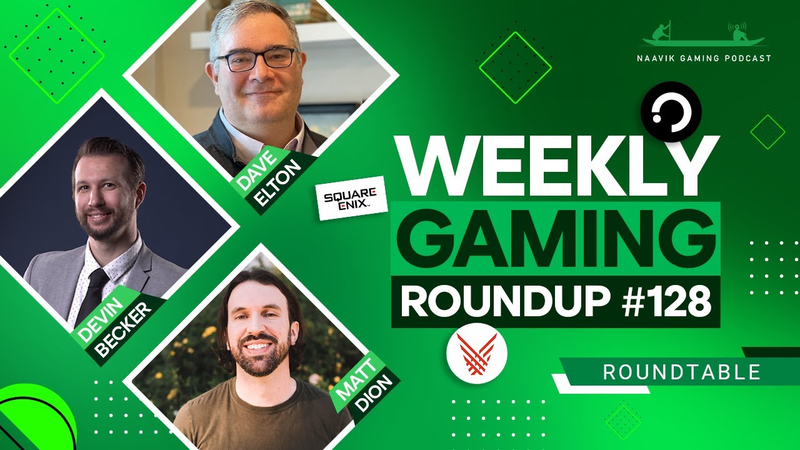
Game Awards Stats / VR Struggles / China Regulations / Square Enix Letter
5 Jan 202477 min video
Transcript
[Music] welcome to the navi gaming podcast where it is our mission to explore the business and future of video games we bring together the industry's brightest Builders investors and thinkers to keep a pulse on current events dissect emerging Trends and games share Lessons Learned and have a great time this podcast is also part of novic growing ecosystem which ranges from free and premium research to Consulting and advice services for more information visit [Music] www.nic.edu built the platforms for some of the largest live service games including League of Legends fortnite Destiny 2 and Plants versus Zombies 2 pragma Powers services like accounts matchmaking and player data for the the world's most
ambitious live service games the pragma back-end game engine is the only solution that is truly extensible so that game designers aren't blocked by clumsy blackbox designs with pragma Studios no longer need to hire a large back in team and get the ultimate peace of mind that their game will always be ready to scale to learn more simply head to pragma Dogg or check out the link in the show notes this episode is brought to you by our partners it Dive Dive is a fully outsourced bi as a service solution providing an Enterprise grade data platform and services for gaming Studios on all platforms dive bi tools and service of data experts replace the need for a full in-house bi team saving Studios hundreds of thousands of dollars yearly if you're interested in learning how dive can Unleash the Power of data and your games business and save money doing so simply head to dive. games or check out the details and the show notes
and with that let's jump into the episode hello everyone welcome to the very first novic round table episode of 2024 I am your host Devon Becker and with me as always great panelist you should recognize these faces by now if you're a longtime listener with Matt and Dave joining us for the very first inaugural episode of the year like because of course this is going to keep going well into you know 2030 and Beyond so this is the first many of these but this is the first inaugural one for me so you know so excited about starting the year off right how are you guys doing yeah Happy New Year to all the listeners as well hopefully you guys are all itching with that week we had off last week on podcast episodes for everyone to kind of like get some get some new news going on we do have a bit of news like there's definitely some things going on here we have a couple different things uh some stuff touching on you know some things from the end of the year and the beginning of the year uh around game awards that we've talked about a little bit before some some updates on sort of some some numbers that are not looking so great for one industry here that
we'll dive into and then China really trying to stir the pot we'll dig into a little bit and then Square Enix their yearly letter always fun to talk about what they like to just really uh gota poke everyone at uh so why don't we just start off with the the game awards yeah so uh the game awards uh some of the numbers are out in terms of the audience draw and I just wanted to take a moment to actually compare do some some compare and contrast so uh game awards uh you know there was a lot of talk about great show some interesting product announcements uh but we were able to draw 118 million viewers for it so if you were to compare that to you know some other award shows like what are some of the biggest award shows around the world um the Oscars last year Drew in 20 million people uh the Super Bowl last year which was seen as you know being able to draw in a huge number of people 115 million people so um you
know I think we're always I think in you know inside the games industry we always Tire the comparisons of you know games is just for kids uh you know it's just such a niche industry um you know it's numbers like these that I always like to help pull out and say look you know games is much more than just a niche industry it's not just basic entertainment it's something that is a worldwide phenomenon and and you know and uh destroys you know award shows for other types of Industries um I think you get a certainly a lot more interesting uh you know takes coming out of the award for the games side of things you do any other form of entertainment so I think you know being able to beat the Super Bowl with just an award show not an actual you know live stream of a a major event you know it's it's it's not a um it's not a League of Legends event or anything like that it's just the award show and You' be able to pull out nearly 120 million viewers I think that really is is a testament to
uh to the to the world of video games quick question on that then uh in terms of you know when you're comparing these two things the game awards is it which platforms is this going across like in terms of the numbers because you're talking about like Super Bowl you're talking about TV I game awards I'm assuming you're not talking traditional TV uh and these numbers are actually across all streaming Al so all platforms so you know when you're talking about the Oscars you're talking about Super Bowl those are also those are the aggregate numbers so not just across TV but any other platforms that they were uh pulling people across so um it is I think a fairly Apples to Apples comparison uh absolutely you know the vast majority of viewers for um both the Super Bowl and for the Oscars certainly were on um you know through uh through you know traditional broadcast you know television broadcast um but you know there there are increasing numbers there people are watching it or consuming that uh through
streaming media um but yeah it is it's all across and it is uh over a number of days as well so they are catching people that you know are watching the the content after it actually occurs life what do you make of some of the criticisms that have come uh along with this success um I think two two big ones come to mind uh one being that it's essentially like a marketing vehicle uh it's a lot of promotions and trailers and oh we're launching this game on a new platform come check it out um and then the other one um you know with success with exposure comes more pressure from the audience and I think one of the the things that a lot of people called out was that they made no mention of you know layoffs in the industry for example um you know what do you make of these criticisms it is I think a really tough place for the producers of the show to be in in um you
know starting off with your last Point around uh you know no mention of the layoffs um I certainly heard that a lot and I think where the producers wanted to take things was focus on what the positives were of the year um you know it I think there really could there there is the potential always to have some sort of reflection on the year as a whole and the layoffs certainly were you know the biggest story you know bigger than Unity bigger than you know you know the the leaks at Sony um but uh I I think from the from the producers perspective you know they wanted to focus on the positives because they were there to help celebrate the wins inside the video game industry that you know the Fantastic content that came out this year um and I think that was the direction that they want to stay in as for advertising um yeah yeah it certainly is but I mean if you look at you know the thing that the super Super Bowls most known for are the commercials
you know how many people are like well I'm going to not pay attention to what's going on because the game's on and I'm going to pay attention when the commercials come back on um you know that's a huge part of that viewership I'm sure the number of people there just for the commercials um so I don't think it's a case of you know not being able to shy away from uh being able to use uh you know large events where you've got a huge you know committed audience people that are fully engaged with the content uh and using that as an opportunity to sell sell games um you know as the as the industry moves away from those tent pole um conventions you know E3 is no more you know it's not a case of well we'll see what comes around next year it's just gone I mean that's a huge um marketing tent pole that's gone from the industry and uh we're seeing more and more diversification in terms of where people and when people are advertising their games their upcoming games and so I think it'll be more around when our opportunities we can get a
bunch of the consumers together um and and you know take that as an opportunity to to release uh hopefully more goodness amongst us all I gota wonder then would would if they next year for example didn't have all those Reveals All Those like games coming up that all that stuff would people have even watched it as much because there would be maybe less to gain for like a viewer like oh cool I found out who won the award that's not nearly as exciting as finding out about brand new games and I don't know how much they promoted that ahead of the awards thing but now everyone's going to expect that going into the next one right like that this becomes a big reveal event as well and so I I gotta imagine like they've got to live up to that next year to keep that viewership going up I think so I think so and if you look at you know the Oscars is not you know is actually the opposite of that right like that is pure Awards they don't use that as a huge platform to release you know when the next Marvel movies coming out you know the next
season of Reacher on Amazon is coming out they're not using those to tease you know the big series or the big movies coming out you know they are focused on the celebration of of what is going on the previous year um and yeah I do think that you know this the spectacle of what you know you know what is new coming out what are the gonna be the great experience or the you know the great announcements coming out is g to be definitely part of the draw and will continue to be part of the draw going forward um you know we are an entertainment industry you um and one where you know uh we do like to differentiate ourselves from the other Industries and I think you know us having a different types of award show than other award shows is great it helps know it reflects what we are I go imagine different type of entertainment we could definitely see Oscars or other some awards show actually like copying that idea though and being like you know we're losing numbers we need to have something that's like exciting for people to to watch I could see some
potential for them like copying some of that idea maybe not the Oscars maybe something else but it seems like kind of a why not idea and if this was that successful in terms of the viewership numbers you're talking about yeah and both you know the Oscars the Emmys all the W you know major uh entertainment award shows outside of video gam certainly have seen a lot of decrease in viewership over the years I think the EM for example I think peaked in 2000 or no sorry was the Oscars that peaked in 2000 in terms of overall viewership um meemes is you know a similar timeline where they've seen you know their decreasing numbers so yeah maybe they do you know take a page from from the world of video games um now one of the differences is I think from a pure numbers perspective the number of games and that come out every year um you know are they going to be able to have as many types of announcements for movies or or television series uh as as you do for games it'll be interesting to see if they're you know ready to be able
to show that that amount of content that early on but yeah it'll be interesting to see if they decide to borrow especially when they see that you know the viewership for games Awards is you know six times the numbers for the Oscars I gotta wonder if some of that like um could be any kind of accuracy difference too in the sense that if you're talking about um traditional TV if it's like neelon rating style stuff and they're not actually getting like fully accurate numbers compared to like digital stuff where you're numbers in differently but there's also room for inaccuracy from things like Bots or whatever like you know different ways of viewing it like twitch is certainly not known for having accurate viewership numbers for example despite the fact that theoretically it could offer more accurate ones so it'll be interesting to see if that this sort of like uh people kind of comparing the size of viewer viewership becomes a thing where across the different Medias uh like becomes a competition and way of like different ways of people looking at it because obviously they're trying to W advertisers in the current space and that's always a big battle especially in
streaming it seems like uh streaming stuff has trouble getting advertisers to like just based off the the the few advertisements you see whenever you watch anything streaming it's like the same three at a time obviously there's not a huge amount of advertisers uh and so that that kind of makes me wonder like if this stuff starts to then go hey if this was like just pure digital viewership maybe there's a lot more viewers out there watching this stuff that we you know maybe we should shift from tradition media maybe a little bit more maybe this starts to affect uh that whole broadcast Medium as it like as this uh you know the the younger Generations or maybe even this is like you know 35 and UPS watching all these um I would love for them to have demographic information to go with this stuff yeah yeah it'll be interesting if we ever get to the day where we talk about the uh the prices for a commercial on the games award is now at $5 million for a 30 second ad um I I I really do wonder if part of it is having you know still old ideas around who the video
game consumer is and is it a case of do we really just want to advertise to 18 to 34 year old males when you know in reality the games you know audience is such a much broader demographic than that and um I think part of that will come down to you know having a better understanding of who that viewership was um and and realizing that maybe this is actually a more valuable audience to to to bring advertising to than than you know potentially what older perceptions are of that audiences well you see funny transition between that where like you had Eminem perform recently right in fortnite but didn't he just perform in like the Super Bowl like the year before that or you know one of the most recent years uh and so it's just like there is obviously the crossover there and and the attempts to like maybe the Super Bowl was trying to appeal younger but then than fortnite's maybe trying to peel older because Eminem's not exactly
like a hot new Young act and so it's kind of funny to see this like bleed over where everyone's trying to figure out like who is the audience anymore as people sort of like bleed between these mediums and video games seems to hit like there's plenty of people you know probably well into their 50s 60s Super into video games that just started you know with older ones and never stopped and then going all the way to kids you know playing Roblox super young and stuff like that it's I don't know if there's really like a a core gamer like demographic the way we used to have and now it's just kind of spread across everyone and like you said then that expands the audience pretty drastically and that people maybe just need to rethink their assumptions around that but yeah and and I do also think part of it is still um you know I was reading some you know statistics recently a large percent of people that play games still do not consider themselves Gamers so you know do not want to be you know associated with that term or don't think that they qualify for that term when when an actual they do um if you look at
the you know across you know including all types all platforms for games uh there are more female players than there are male players um and uh you know I I think I do think part of it is just having a better understanding of what that audience truly does look like um there certainly are some challenges in terms of um you know what platform the the awards are really you know going after the game awards wasn't a huge you know true cross platform where you know mobile was represented the same as console same as PC um so there certainly are some audience differences there um but I do think that you know once advertisers have a better handle on who who they could be uh pitching those those commercials to that that hopefully we'll see you know more u a more Diversified understanding of of the gaming audience well in terms of uh maybe maybe a poor
understanding of the audience or just numbers not really matching what we're hoping for I think it's a good opportunity to start talking about this report uh regarding VR maybe not looking as good as we would like but I think probably is the realism check that we all needed yeah um we got some new research from omia on the VR Market um and its outlook for the next several years and the tldr is they are not expecting good things in the next let's say three to five years for VR um they omia tracked the install base for VR headsets um at around 23 million 23 and a half million for 2023 and that is uh holding steady um from the year before and they're expecting only marginal growth by 2026 in fact they're expecting the number of headsets sold to um continue to drop
actually for the next several years it's going to drop in 24 it's going to drop again in 25 and we won't reach 2023 levels again until 2027 according to omia this is headsets to be clear and this is in the context of you know apple is going to be releasing their Vision Pro supposedly uh early this year uh I don't know that they've confirmed a date just yet but I've what I've read was early 2024 um so you know some of the prognosticators you know pumping up VR as this thing that's going to have a huge Resurgence it may very well but not in the short term according to omia at least um some of the factors that they're citing here uh a as to why VR is seeing this dismal performance is um you know perhaps a a reversion from pandemic Peaks when uh headset sales were at their highest in 2021 and 2022 uh inflationary pressures impacting consumer spending underperformance of
some of the major headsets meta Quest 3 psvr2 pico4 uh I think some of those companies have also had layoffs in their VR divisions um and that's that's on the headset side uh also on the content side omia is is saying that spend on VR content declined to 844 million in 2023 from last year's 9 well I guess two years ago now uh 934 million uh so a drop of nearly hundred million dollar in content you know you see anecdotal evidence here and there of new games coming out probably you you have a lot to say here Devon on like the the highlights of VR content and where those are to be found but maybe that's just not breaking through uh to the public um and you know in somewhat related news we're seeing some uh VR content developers impacted um a longtime developer first Contact entertainment based here in Los Angeles just shut shut down citing a lack of support for VR
within the games industry so uh you know more to come we'll see how Apple performs uh with their headset uh I think it's probably not going to sell a ton of units in the beginning but I don't think that's what they're going for It's A Vision Pro it's not the vision you know everyday consumer uh so I think they're they're trying to reach the high end and they're going to build the market from there we'll see how that goes how their long-term Vision plays out uh what do you think Devon I know you have some thoughts here yeah I mean be curious to to see if they like obviously this report just came out but were they able to you know for example capture holiday sales for the The Meta Quest because the Quest 2 was was a huge holiday seller previously and obviously like you said pandemic you know spending and and like all the extra money people had all that stuff like you know there's a lot of factors that that went into that but I got to imagine there was there was at least some probably okay sales for the quest 3 but yeah like it does probably feel like it's it's probably less than Quest 2 even even though you know it's the holidays but people were a lot more pinched I think
these holidays and also looking into 2024 I don't think people were like oh that's going to turn around suddenly so I gotta imagine they were like yeah maybe we don't get that this year because maybe little Jimmy doesn't play with his Quest 2 as much as he used to so like you just don't see like the you know it's not like the PS4 to PS5 or something right clearly and it's like the jump just isn't there the same way and that the hype isn't there and it's I think a lot of this stuff is like marketing combined with like just not finding solid use cases uh combined with just the audience like not really being super hyped all the time about it because you do get a bit tired it even requires more physical interaction than some people a lot of gamers are used to just sitting there doing this like that's I mean like the Wii was like the most physical interaction like a lot of us Gamers had seen in a long time and suddenly you're like whoa this is tiring and you throw VR into it it's it's not uh super like just play it real quick and it's like it's like the far opposite end of Mobile in a lot of ways ways and so I think that's it's going to be kind
of a hard like just Market to push in general and like the lack of real solid competitors to to meta actually works against it because it's like if you're pretty much your choices are whatever meta's throwing out there or the Pika which is kind of honestly just feels like you know just not not super competitive with that um and then you know valve hasn't done much in a while with the Vive stuff so it's just kind of like the Market's just kind of if if meta can drive up it just cool but it's like even as the developers they they mentioned it's like your I think your best outcome you could expect as a VR developer was to get bought by meta and like the FTC pretty much curbed that so much that I think people are just like well that's not g to happen and so now it's like you're not going to sell a huge amount of sales for any game even if you're like the top seller on there and like that's not a great outlook for a game developer unless you're really small and it's not like a platform you could just be like Indie developer for very easily it requires like a ton of test a ton of like handling all kinds of
wacky stuff in there like and that's the problem just the whole Market is a really cool futuristic thing that's still just so lagged behind where it needs to be to really be a huge hit and I just I don't know if we get AR there first almost this mixed reality stuff meta pushing almost seems like it had a lot more potential than even the VR stuff just for potential use cases being a lot more interesting yeah just to put the numbers into context real quick and then I'll pass it to you Dave like the the the most optimistic estimates here from omia for headset sales way out into 2028 are just under 10 million and you know there was I just did a quick Google here while you were talking PlayStation 5 has sold 50 million units um as of last month so you know we're not talking we're talking not even one fifth of PlayStation um so yeah there's a Content problem but the the hardware install base is not that not even going to be that big at the rosiest of estimates you
know uh five years from now yeah I do think that we are seeing a bit of the postco drag uh on VR it's just not immune to it same as the video game industry as a whole um and unfortunately I think we're going to see a little bit of the a similar time frame as what we saw or a similar time for VR developers as we saw you know back when we had a the previous little Peak when the HTC headsets came out the you know earli earlier versions of oculus came out uh there's a lot of excitement around the industry then uh and a lot of of those developers ended up pivoting into business use cases or you know in the case of the company I was working at we did theme park applications um or in some cases you know reverting back to other uh uh other platforms inside the games industry um unfortunately I think we're going to see you know a similar situation where people are either reverting back to earlier platform uh for those developers um or looking at
uh or looking at exiting unfortunately um I think the industry you know with the numbers that that Matt's talking about there we're really looking at an industry that can support uh a few really good developers but you're not going to be able to support like a a huge swath of different types of developers and having those opportunities to get the different types of experiences from your triaa or quadruple a games all the way down to your Indies it's going to be a lot more difficult um there certainly are some great developers inside the VR space um I'll always hold up uh a fellow uh BC uh developer publisher uh with Cloud head uh you know they do some some fantastic experiences inside VR and dreams is a case where you know and that's actually a case of a developer who uh dides some fantastic VR content ended up uh selling themselves to uh to a publisher to another publisher um so I I think it is going to
be a tough go for a lot of VR developers and will continue to be for a while um you know I think people were starting to look to you know with a a PlayStation uh VR2 uh as being sort of uh you know a a a great uh opportunity for the VR uh world to continue expanding and unfortunately right from the very beginning we saw you know the estimates for sales for uh for the PlayStation VR2 you know started off a decent number and then slowly Just Have and Have again and um you know current install numbers are are unfortunately really really low um so there are some very very talented VR developers out there and some great content uh just as Matt said you know the the the install base is not there for the be able to get those games out to and um I think it's it's going to continue having a hard time pushing it as a a platform that uh is really going to see that mass adoption for the time
being another interesting Trend I noticed too like a lot in terms of like you're mentioning people kind of pivoting away from games a little bit is I've noticed um some of the the um you know applications that have even had long-term success starting to Pivot out to having their own Hardware uh like big screen putting out their own headset sort of thing that was dedicated big screen immersed uh with trying to push out their visor thing as well which you know we're talking like a a movie watching experience app and a productivity uh you know multim monitor work app uh not not games right like trying to find their Niche but also pushing Hardware possibly as an opportunity for them to extend that out but of course these are apps that have been around for a long time small development teams that have been moderately successful because of that but again it's not games right and that's why because it's a lot more expensive a lot more difficult to do games it is but I mean the some of the things that people are doing with VR right now are incredible um from you
know teaching how to do operations um like uh visualization of mining operations not to mention military always using that stuff military applications absolutely but I mean even just from um you know from the from the consumer side or or other business applications um there are some really fantastic things that people have been able to do inside VR um you know just just training be able to train people uh in situations that are either too dangerous for them to be training otherwise you know like um I've never used a you know I've never operated a nuclear power plant before should we let someone try that on a real thing or maybe put them through a VR simulation first um no I I think the the the training industry certainly has seen um the uh the capabilities of what VR can do and you'll be able to truly immerse someone inside and exper experience and be able to um allow people to learn by
you know by doing as much as you possibly can do by experiencing something as much as you can without doing the the real thing and and you know with dangerous situations that's an ideal case where you can really train somebody how to be um you know trying out an operation virtually before you know trying it out on uh on a cadav then moving on to the to the real thing but um uh yeah I think it's we're going to continue seeing um some great VR developers trying to find what their Niche is and if it's not in games it will be in other applications but um I think games is gonna be a hard place for for that to really you know support A A large group of developers um I will see I will say that I did see that the the quest app did Spike up you know around Christmas time or just after Christmas in terms of uh number of installs in the iOS store so um there I think there certainly were a number of quest three sold during
Christmas period um but uh you know how much that actually translate over the long term I I don't think we're going to see H probably went to existing Quest users right probably didn't gain a huge amount of people that had never used one before maybe that's part of the audience too or you know like part of the problem is that it's pretty much like VR enthusiasts essentially at the moment more so than the average person jumping in uh like kind of the opposite of what the Wii did where it was like it brought in all kinds of people that didn't play games normally but like it's funny how this topic kind of keeps go circling around the idea that like may like we always want games to be the thing that pushes all the new technology but it it keeps seeming like no matter how many times we've tried it uh that doesn't seem to be the big Pusher of the technology for VR other than like pushing some of the tech but maybe not pushing sort of like the audience use cases more so because I think we haven't found like uh a compelling enough game experience that's like Dude you have to
get VR I mean Alex was like half lifee Alex was was pretty cool and stuff like that but none of them were like like why are you playing that stupid old console thing like you should be in VR right now we haven't had that kind of moment right I think if you look at uh opportunities to do experiences where VR is part of the the experience the overall experience so going to like a Sandbox or um I forget the name of the the backed one that ended up going having some troubles anyways but going to like more of a an experience be that a theme park experience or um you know more of a a family entertainment experience where you're able to get more than just sitting or standing with a headset on you're able to introduce things like uh having fans giving you know wind blowing is having a sense of actual yeah like being able to bring in the other senses uh and having it as part of a truly immersive experience I think I mean
those are things you cannot accomplish inside you know just playing a video game uh yeah there's certainly a level of immersion you know with a large screen in front of you you got controllers in your hand but um it honestly if if you can do VR right you C it's hard to match that level of immersion today um it's just that it is so many more things than just a headset it is know you're either walking through an experience where there's actually physical walls you're incorporating the other Senses Into what it is you know either the sense of you know feeling of wind against your skin feeling you know physical props inside the space to align with what you're seeing inside the visualization um you know and if you're able to incorporate all those things then it's a fantastic experience just how many people can afford to bring in you know a three do or six do off motion platform into their house that can uh
you know move a car or a motorcycle one one place where I did see that like it seemed like what you're talking about was pretty actually like integrated a lot more than what we see in America was in Japan uh at least in Toyo like it seemed like there was a lot more uses especially in theme park kind of areas because they have like a lot of these smaller theme parks as well that tend to use a lot of this Tech like a lot more to to be able to have these sort of compact experiences that are like more immersive like I like did one where you're just like in a wheelchair in this horror experience but obviously you're just sitting in an actual physical chair but they're using that sort of like um that sense of immersion to to kind of play off that and then I saw like I think Sega joopis uh like theme park in the mall that looked pretty VR Centric and there the Tokyo red Tower stuff like so it just seemed like that's one country that seems to be at least pushing it quite a bit in terms of installed stuff as you said getting into the home though that seems where there's a lot of problem like I still see you know VR experiences in mall kiosks or in
DAV Busters like there's definitely attempts to push it and I do see occasionally people playing those but again that's like that's such a different thing even though it's using the same ones you could use at home because it's still mostly just Vibes and things like that uh it's just not having that same like people aren't trying to set up a theme park in their bedroom or living room the same way yeah it's like an arcade model right like you don't want to buy the hardware yourself so someone um sets up a dedicated area for you know having all sorts of the the Neo Geo of our era yeah hopefully we can we can change this right like I think I think we're just as as uh the report said though I think probably realistic to be like yeah maybe more like 2026 unfortunately I think all of us would like to be like yeah we we could totally turn this around in 2024 uh the question is whether or not meta stays the course I think is that's the real one because they've just been burning cash left and right and this whole thing and I it looks like they're trying to turn around stuff like Horizon
uh you know like the the you know the their whole weird game experience they were trying to do but it's uh I don't know it seems like a little bit of a stretch for them in terms of like actually being able to become what they were with Facebook but with VR at least anytime soon right so I think all of us here would love to see that happen I think we're all we're all VR fans here it's just not not happening just yet so maybe give it another couple years to cook same same with some of the AI stuff I think we'll see similar kind of idea of some of that kind of like maybe not uh panning out as as exciting as we were hoping but it's still like cool stuff happening regardless of whether or not it it's fully mainstreamed but uh on the topic of like mainstreaming the stuff in in other countries China has been kind of trying to seems like anti-mainstream gaming uh as of late which has been pretty interesting yeah so is uh China going through their Unity fees moment China did release uh some new guidelines or
they're they're basically floated some new guidelines uh in terms of uh including some new spending limits for online players uh bans on rewards for things like daily logins or you know additional bonuses for purchases um you know things that that player or that games do and continue to incentivize players you know spending um also you know taking a look at uh you know some of the loot box uh materials uh the gotcha mechanics um there is you know a long list of items that that China Regulators were looking at either Banning or certainly curtailing um in terms of what the players were or what the the games were able to offer this unfortunately had a huge effect as as one can imagine on companies like 10cent net EAS uh 10cent shares fell as much as 16% uh net ease shares fell as much as
25% uh and this actually ended up uh causing the the Chinese Regulators to take a look at what it was that they uh had put forward um and uh they decided what they were going to do is take a bit of a step back they were going to listen to what it was that um the the public was saying and what the game developers were saying um but my expectation is is that they will not necessarily pull everything um but they will make some modifications uh when we that they were going to take a look at some some of those modifications came out uh there was some recovery in terms of stock um shares in 10cent uh they ended up climbing about 5% um after having that big uh drop uh shares in net ease uh increased 10% you know in both cases still not recovering from their their full drops but able to
at least bring some uh some monies back um in terms of you know as an example of how much of an effect this is net ease takes about 80% of its Revenue uh domestically so as you can imagine you know being a handicapped in terms of how they can monetize their games uh did have a huge effect um now another interesting thing that uh that took place was that uh when there was that huge effect on the stock market you know people were there was certainly a reaction um but instead of the Chinese government looking at well maybe we should replace the people that were part of uh you know creating these new regulations what they decided to do is replace the person that announced the regulations um so I really do think that uh those these new regulations or are variation of what was announced will go forward they're going to take a look at
you know what kind of level they can um uh they can move those regulations to but they will move forward with them now at the same time they were trying to buy themselves I think a bit of good faith uh in terms of the number of licenses that they then approved right after the news that there was the largest uh number of licenses was approved in one month uh for a couple years now at least I think to help soften the blow some but um you know there's only approximately a thousand licenses uh released last year which obviously you know was a huge increase of the I think 89 it was uh for the previous year but um you know there still is a limitation on the number of games that are being licensed inside the market uh and when the limitations uh on the number of licenses were really kicking in you certainly did see an increase in 10 cent and net ease
especially you know comparatively net ease 10cent had already been looking to diversify their Market you know where they were investing in terms of companies and games in in more the North American European spaces you know taking huge investment in companies like supercell Riot uh as well as smaller investments in games and developers net e started following those lines uh and was increasing the number of Investments inside North American European companies I do expect with the you know with these new regulations seeming to be taking effect fairly soon and you know unfortunately they're still unknown in terms of what the the full breadth of those regulations will end up being but I do expect that they will come in at some point I think we'll continue to see uh 10-cent net ease and and net ease you know even doubling down tripling down in terms of how can they start um increasing the amount of Revenue they've got coming in from from North America
and Europe uh you know losing a huge chunk of 80% that's a huge blow and especially since they lost you know World of Warcraft distribution in uh inside China you know it sounds like talks may be back you know back on again uh hopefully for netes they're able to continue with those talks um but yeah they're they're they're in for some challenging times in terms of uh where they're going to see their revenue and in China with the sort of the onew punch of reduced number of licenses and now reduced monetization opportunities in terms of netes I actually noticed a couple things interesting related to one of their games that just came out uh somewhat recently related to this uh called blood strike which is sort of like similar to like Call of Duty in in that in that sort of like death match and Battle Royale uh you know third person first person kind of stuff uh but you know one one thing that was interesting is the the monetization you know we usually see like the US things like that or China um
there's certain countries we don't usually see like a ton of good monetization coming out of but it but it's been interesting to follow that like Mexico and Indonesia and stuff like that have actually been the top countries where they've been monetizing which is surprising because that's not the usual case especially for like kind of you know a semi- niche firstperson shooter so I thought that was kind of interesting that maybe there are some opportunities in other countries that have struggled to monetize traditionally um and the other thing is that one of the regulations uh had to do with that you know was drafted whatever had to do with um if you were selling a loot box for something that you also had to offer the opportunity to purchase it individually and I noticed they actually happen to do that in this game like maybe you know they're just trying it out but they had like you know some of the some of the things would have like you could you know very cheaply do the gotcha and have a chance of getting which of probably very low chance or you just buy it outright for a lot more money and so it seemed like they were already experimenting that direction so so I kind of wonder if n especially as you said they've been kind of looking
like oh you know they they they see what's going on they know which way the wind's blowing and they're kind of starting to prepare it seems like a little bit and of course that could just be you know them just doing their own thing and and seeming like that but I thought that was kind of interesting sort of lining up with just one of their newest releases yeah I think um that game probably uh takes on a couple of Trends more recently looking at uh number one monetizing appropriately for different local locals and not just focusing on monetizing through uh you know traditional App Store so being able to bring in Partners such as exola to bring you know outside of um of app store monetization for titles uh as well as making sure that you're localizing not just content but payment methodology so um you know being able to uh bring in like gift cards or uh alternate payment plan versions um you know payment
through uh your um cell phone provider is another one that uh that does well and I think they also may have decided to take a page out of uh freef fires Playbook and go you know what we may not be able to go head-to-head with um Call of Duty in in some of the tier one countries but there are a ton of players in tier two and tier three countries and you know we may not be able to make $100 off of a player we may only be able to make $10 off of you know our large spending players but there are a lot of them out there so you can make it up in terms of volume and set I wanted to double down on this um this point about loot boxes and gotcha um that Devon mentioned uh as a product guy this jumps out to me like the what they're saying is that they have to allow users to be able to purchase the specific item they want directly that is in the loot box and that's you know basically antithetical to to the design of gachas
like the whole idea is that you're taking your content and you're spreading it out so it's harder to acquire it um you know directly uh because there we all know there are going to be high Spenders um that come in and just buy the thing they want right away and if you do that for all the content that you might want as a player then what's left for you to do the game or there's certainly that much less for you uh to do and so you reach end of content and you're more likely to churn um this is why one of the reasons why gotas exist and are so prevalent so um you know to me that's like a huge thing for some of these um you know Juggernaut titles like genshin like pubg mobile uh I'm sure there's a whole bunch more I forget M um so you know it' be interesting to see how they adapt to that um I'm sure there are some some tricks that will get uh attempted to try and Revitalize the loot box formula but um if you zoom out uh
China what is the biggest or second biggest gaming Market in the world um and if they are effectively nerfing uh loot boxes they are you know previously it was it was um just smaller countries like Belgium for example that had this specific legislation against loot boxes it's much easier for a publisher to exclude a small European market that doesn't move the needle too much than it is to exclude China altogether now I'm sure there are some games that are already China specific skews and it's like maybe a little bit easier to do that but the larger point I'm trying to make here is that given the size of the Chinese market perhaps we see some more Global movement away away from loot boxes and gacha altogether because this is already something that you know uh many fans have wanted um I think a lot of developers are not super comfortable with these also maybe we see a larger shift away from it uh and China is is
making one of the biggest steps that direction to kind of get the ball rolling but I think the in terms of buying the loot box content out right um I think that would be actually a little bit more acceptable inside the Chinese market versus some of the western markets given that um there isn't the same stigma to buying to win in in Chinese games as there are inside you know North American and European titles so I think from a players perspective I'm not sure if there would be that much of a a push back against that you know the the ones that are able to spend will be the ones going sweet I can get to where I want to be you know that much faster um and you know and and I think that the audience overall may be a little bit more accepting of that just given how the audience uh does typically view those types of things but uh but yeah I
certainly do agree it will be interesting to see how that plays out I think the other part is are we now going to see many more Chinese games being pushed to North American and European audiences so games that were originally built for uh you know a Chinese market where they were very happy with the amount of Revenue that was coming in for those games uh domestically will they now be looking okay now in order for us to reach those Revenue targets that we've set we're going to have to push you know these games to more of a worldwide Market than uh than just a domestic Market yeah I mean obviously we've seen for example some countries have to do that uh like right off the bat with South Korea and web 3 games for example where they can't even just release them domestically so they just right off the bat had to go with the international like style uh and you know even the loot box stuff gets kind of interesting related to that but I guess as a funny example of what what you're saying Matt uh with with uh supercell where they
went away from loot boxes with brawl Stars saw it actually kind of not help so much as you would expect and then actually started to like move a little bit back to some of that then suddenly in Clash mini the latest big pivot for that game went fully into gaches as the big monetization uh which is just kind of a funny complete pivot but at the same time I think it's important uh for listeners like as well to that we they point out there there's kind of an important difference between when we just lump everything into loot box and gotas in that lootbox is generally just considered like a just a straight up like you buy something you have a chance of getting stuff whereas gotas have evolved to be a lot more complex mechanisms with things like pitties removing gotas there's like a whole bunch of different ones that have developed over time especially in Asia that have made it much more complicated than just a simple loot box table that I think and I I think it's important to to to point that out because that may start to become part of the complexity of a lot of these regulations or the way the
law starts looking at it that there is different uh aspects that need to be considered like say for example the ones where uh that are pretty common now even games like Call of Duty and a lot of other Western games where you know the the loot boxes or the the gotcha where it removes stuff as you get it right so like maybe 10 different items and of course you know that your chance of getting like the best one is pretty low early on but it starts removing items as you spend and eventually like you could get that thing and a lot of times those escalating prices each time you buy something and all these other complex mechanisms but the point being that there are a whole bunch of different ones that are starting to penetrate the West pretty heavily as well and starting to overtake loot boxes partially because they they just have a lot of more interesting mechanisms around making the spender feel comfortable with that system and also because sometimes they make a lot more money uh as you said M around spend depth is a huge problem and you see like I think Marvel snaps a great example that where they constantly are struggling to find a way to keep that spend depth up without just
directly selling cards uh they had a gotcha stuff in the beta that they had to throw away the whole Nexus event thing that was too gotcha on the nose and then they've had to tiptoe back into that territory to try and keep their monetization up so I think I just wanted to bring that up this is I think going to be an ongoing topic for 2024 in general I don't think this is going to be like a a short-term conversation whether it be around China or other countries regulating or talking about it we we tou a little bit with the the gods unchain thing I think was like a good Broach into that as well with web 3 being something that will be I think important to this and maybe with China in general maybe we see web 3 uh become a part of this as well uh when they're starting to push these regulations around incentivizing users which is what most of this was right like you're we don't want incentivizing users by daily login rewards we don't want incentivizing users to spend for this or that uh and it's like hey we don't want you to incentivize people to spend it's like well then what's your business model at that point uh and so like it you know the government kind of kneecapping a lot of game industry stuff
is not exclusive to China right we see it happening elsewhere as well as you pointed out so I think this is a again this is an important topic we're going to be touching on a lot I think but on that note moving slightly farther east or slightly farther west of me I guess uh Japan and Square Enix with their ever so fun uh you know I I don't know what you'd call it at this point uh you know maybe it's like linkbait kind of letters clickbait yeah it's the the New Year's letter from the Square Enix CEO you know some people get excited about the supercell annual letter I personally get excited about the Square Enix uh New Year's letter from the CEO um maybe that's just because I'm a bit of a fanboy for the company but um I I've written about them previously I I'll touch on this in a little bit but um the the headline here is that the the new CEO uh tekashi kiru has published his first New Year's letter uh he took over last June I believe uh for the outgoing
CEO and this uh this letter takes a slightly different direction from those of previous years um so to start things off just to kind of quickly summarize um he reflected on 2023 and and pointed to a couple of areas of New Growth uh one ironically given the the previous discussion was XR so VR and AR as an area of New Growth he he referenced some fields like architecture and sort of real world experiences um as kind of driving some of the adoption so hearkening back to what we were saying earlier uh but of course he also mentioned AI as a major growth area and um he sees this as a big growth opportunity for Square Enix moving forward um so he talks a little bit about you know how he sees the company evolving in in 2024 and um you know a lot of talk about increasing efficiencies uh knowledge sharing both on the development and the publishing side um you know all things that you should be doing as a as a quality
company um but then he he returns to the topic of AI and uh I'm going to quote here we also intend to be aggressive in applying Ai and other cuttingedge Technologies to both our content development and our publishing functions so he's he's talking about in the short term you know this will be more of um uh increasing productivity uh Factor but in the long term the hope is that Ai and other technologies will help them create brand new forms of content which I think aligns with a lot of um you know prognostications we've heard from people in the industry myself included um uh so they they really see this as an area of growth and business opportunity for the company moving forward and then the other thing um maybe the other sort of topic dour is trans media so um kiru talks about some of Square's um let's say smaller businesses uh comics and amus Amusement um and seeing those have some synergies with their um you know
gaming business their Digital entertainment business they call it um and they want to take a quote multifaceted approach to leveraging our IP including via film and animation adaptations uh so they see this as an area of growth moving forward as well and they plan to continue to focus on that so those are the the primary focus areas um and then the last thing I'll mention before turning it over here uh was what wasn't mentioned which was uh blockchain and web 3 so they there was literally only one mention of blockchain in the entire letter uh previous couple of years have discussed it at length um so you know do we take this to be a pivot here uh are they just maybe um afraid of U the sort of public backlash I personally I don't think they're moving away from it they're just talking about new stuff again this is a public facing letter for a public facing company uh so they have to speak to some of the things that are on the minds of investors um yeah I'll pause there what do you make of this new focus on AI and you
know do you read anything into the lack of discussion on web 3 um I think I I actually put more weight on the fact that web 3 is not there um like they do use these letters as um you know setting the public direction for the company and the fact that web 3 was not there I think does actually speak pretty high volume it's a loud message it's I think it's pretty loud and clear saying look in the past we were focused on web 3 we're going to pull back from that I think our effort's going to be more in these areas um I do expect that they'll have some continuing work inside blockchain but um I I do think that they are you know publicly setting the direction for the company and and are are saying that the future isn't as much uh blockchain moving forward I do think that in terms of what the trans media
probably looks like for square is most likely you know leveraging their IP and bringing that into um more traditional uh media be that uh you know animation series uh movies um rather than uh many other types of trans media um but it will be I think it will be interesting to see how you know how Square approaches that as you said you know it's trans media is certainly one of the buzzwords these days and you know a lot of people are looking at how can they uh take full advantage of what their IP is and bring across as many platforms as they can um AI yeah I think it's I think it in reality I think AI is a little bit of the let's take advantage of the buzzword that everyone's talking about and Ensure that uh you know the our stock is maintained because we are able to incorporate some of the hottest
latest technology inside uh Insider development pipelines um how much it truly uh is incorporated into their production pipelines I think would certainly be interesting to see um and and and what what elements um do they actually utilize uh AI for um you know I think they're one of the companies that has a huge uh library of of of you know assets that they can use to help train any sort of AI in order to be able to help generate content for uh production pipelines um so I think they can take a look at it from uh you know more of an ethical AI usage that they'll be doing any training on their own content rather than content from other uh developers um but how much actually gets utilized in in uh full actual production pipeline so it' be interesting to
see yeah I have to push back a little bit on the the web the web three side of things only because um couple reasons one when this new guy came in uh you know there was a big discussion about that and he was kind of just like the kind of guy that was like I'm not gonna like be super you know gung-ho public web 3 but I'm also not against it kind of thing where it's it's clear that he's it's not his priority but that at the same time he's fine with it and like interested in it and I think it's more just like Hey we're not going to consider that our main opportunity this year but we consider these other things to be a me opportunity kind of what Matt was saying where it's like this is more just like this is what we're excited about this year because you're talking about just the scope of a year right and games don't don't work on the scope of a year like unless you're making hyper casual games don't exist on a yearly schedule or Call of Duty I guess if you kind of consider that to be a yearly schedule so it's just it's just not really the thing and so they they already have stuff out in web 3 now obviously they they baby stepped into it
very slow trickle into it but the other reason I push back is Asia in general is still very gung-ho about it uh in a lot of ways doesn't mean it will always be like this huge Forefront thing it's going to be stops and starts companies trying things failing some other companies copying it so finding some success it'll be a mixed bag like it's definitely not going to be ass Sal thing but it's not just Japan it's Japan and South Korea and you know whoever else decides to jump in but those two countries alone have bet pretty big on web 3 becoming a norm not a special thing to be calling out and that's also part of it is that if they're considering it to be part of the norm of the future you don't need to be talking about it and the CEO letter it's just like hey you know we're going to continue to learn from what's useful in that space and use it but we're excited about this this year because this is what's new that we can use because there's not a lot new in blockchain right now to talk about yeah I I think I um tend to agree with Devin here maybe I'm somewhere in the middle um you know
as I alluded to earlier I I wrote about Square Enix uh for novic digest last year um sort of late summer early fall I think and um the uh uh you know one of the things I looked into was was the new CEO and you know yes he's stepping into this new role but he was the head of strategy before so it's not like he was uninvolved in their decisions about web 3 and blockchain previously but the other um the other side of the coin here as Devon mentioned you know this is not like Publishers don't think about things on a one-year timeline necessarily um and so some additional contacts worth considering here um this quarter right now up to to March 24 is the final quarter of square enix's uh previous what they call medium-term plan which is a three-year sort of business strategy uh for how they approach their business and so we should expect to see a new plan coming out um you know early in the spring and it's it's very possible that
you know if you rewind three years that's what 2021 um so that was at the height of uh blockchain bull run you know maybe they decide we're going to ease off the gas a little bit they'll still continue to invest because um you know their their prior stance was they wanted to be leaders in this space they want to aggressively adopt new technologies and uh you know to be clear they mentioned the letter they're going to continue working on it uh but maybe they ease off the gas a little bit and they shift towards AI or you know shift their priorities in some other direction with this new um plan coming up we'll see um what sort of signaling we get there and their their earnings calls they're going to unveil that at some point this year so early this year so I think that will give us some more uh Insight hopefully in the coming months yeah I 100% agree you know the uh you know when I was at at Capcom for mobile games I was meant to keep a rolling fiveyear plan so if you
can think how much things change inside mobile but still expected to have a Five-Year Plan you know they certainly especially you know Japanese companies certainly do like to have a good understanding of what their product road map is going to look like for a long term you know for console games even longer than console and PC games space certainly more than than than the five years five years is probably just the bare minimum but what we're talking about though here this is a public facing letter and I do think that um they use this letter to help uh energize the um energize the market this is the part of this reason for this letter is to Ure that uh the Market's really excited they're going to go buy Square Enix stock um and and you know with the changes that they've gone through recently in terms of the divesture of a bunch of their titles you
know selling those off to embracer um you know they certainly are looking at what are the things that are going to help get people excited about um about the company um and I do think that it is interesting that blockchain was one of those things where they don't think that that's what's going to get people excited about the stock today so yes product road maps many many years years in length getting people excited about their stock is much more short term and I think that's why this this particular letter is a little bit more focused on AI trans media XR um versus uh versus blockchain um but I do think that they are still looking at me personally I do think that they'll be pulling back some from from blockchain yeah I mean it's like you don't see Disney talking about it publicly all the time but they're still starting new prod projects constantly in that space and it's one of those things where it's like yeah of course we're going to hedge our bets and be involved uh we just don't have to
tout it all the time and make a big deal out of that if people aren't super excited about it as you said if it's about driving excitement and people aren't excited about that right now yeah you're not going to talk about that you're just going to either do something that's exciting and hopefully Drive interest down the road on that or you're just not and I think it's just funny to like contrast though if you're talking about a company whose value is in its IP around stuff like Final Fantasy AI is actually the opposite of of a good play for for IP whereas web 3 is actually a very strong play for capitalizing on IP when it comes to like nfts and things like that and we've seen like a number of ips attempt to even be built out of web 3 whereas AI doesn't rest I mean obviously if you've got some some cool ideas of how that would work great but I I don't see a lot of value in IP for AI because like all you're doing is diluting your IP when you're you're having AI involved in producing content for for that because you're starting to dilute the strength you have in the authoritativeness you have of your IP and so I I don't see that being
like a big help in that area now obviously they could be pushing new IPS or new pipelines or new uh lots of different avenues for how they could be using AI but as far as like what they're strong for it like their strong writing and fiction like they Tred to capitalize with in web 3 that's not really helped by AI you get very generic fiction and very generic writing out of AI so like unless they're trying to like again dilute their quality that doesn't seem like a big help so I kind of wonder if they pivot off this uh by the end of the year unless they find like a serious foothold like you talking about like them long-term plans and all that but what like what is the big advantage of AI for them unless they find like a a some Niche areas in their pipeline or if it's part of a consumer facing thing like say you know allowing characters to adapt to player actions or the things that might be a little bit more interesting that are still playing off their strengths but finding like a consumer facing side of it that works because I don't again I don't see this being like a a big use case for them internally unless they have something
they have in mind already I I don't know I push back on that I think AI can can streamline the production process tremendously um it's not just writing and and narrative it's coding it's art development it's ideation and content creation it's QA it's like localization there's so many different areas that you can apply this to and I'm not going to claim that they've like solved it yet this is something that the entire industry is figuring out um but I I I don't think it's fair to say that you know it won't help them um so I think there are plenty of opportunities for them to implement it in game development and seeking to make their processes more streamlined and that's something I talked about in the letter in the long term sure I'm with you like they're going to try and find more interesting applications that are more player facing that will create new forms of content and that's kind of like the blue sky that everyone is hoping for um that no one has proven yet but uh I'm certainly optimistic about we'll see if you know if we actually get there um but that's
you know I think it's um it's reasonable let's say I don't think it's too aggressive too like optimistic the claims that they are making I think depend on what happens with AI this year right because a lot right now it's very like AI is great with early draft stuff with with ideation with coding at like a very intro level like meaning like you're not going to be putting a super mature codebase into AI those kind of things and this is a company that has a lot of that stuff to where it's like I just find it difficult for them to find a good place to plug this in because I feel like The Leverage with this stuff is much more on small developers than on big developers right now like you like you mentioned obviously there's ways of training AI on your content and all that stuff but I don't think you're necessarily going to produce better content you just produce it faster but I don't I don't know like I don't feel like that's a value line with what this company produces but that's my outside perspective they may have a very different one internally and how they see it I just don't see this being for this particular company a huge help in the current state of AI that could
obviously change drastically throughout 2024 if we see some bigger like uh steps in what AI is capable of doing at like sort of the medium to higher level of of quality and um production pipeline they may find um you know if they start looking at doing more MMOs they may find more use cases in there as well as you look at being able to generate uh you know a huge swath of characters for players to engage with um you know being able to Tre to create uh you know large Landscapes uh through the through AI generation of uh you know forests worlds you know places for them to um for players to uh to commute through um you still have the developers side you know the the um you know the game designers going in and and and building out what of those encounters that happen inside those places and such but you know
utilizing AI to help flesh out you know those speeches or the the speech that you're having with your NPCs um building out the train stuff I think there's certainly areas inside there that that can help build the overall immersion especially of something like an MMO um that is R up you know generative ai's alley so to speak but that sounds like a very bethesa kind of play where they're they're all about like they would create these games that are huge huge worlds full of me tons and tons of mediocre content and Starfield certainly didn't disprove that and I I don't again like I I'm not saying it's not viable absolutely Square Enix could go wild with this stuff and use it a ton it just seems like it lowers the quality of what they do versus the the sort of authorship that they have now uh unless again they they like are needing to really expand out the content beyond what they're capable of or to try and do it on shorter timelines um I just don't see a better I see a bethesa level product coming out of that I I don't
know I I disagree I don't think the quality bar will change at all um I think it's about it's more about the timeline as you say um and that's really important for a company that has struggled to get its Mainline releases out the door in a reasonable amount of time I think the last couple of Final Fantasy titles have been six seven eight years in development before they finally hit shelves if you take a company with thousands of employees and you make make them 1% more efficient like that compounds over time um so I'm I'm not saying it's G to like um pump out a bunch of like lowquality mass-produced garbage it's going to be on the edges where they're like seeing these gains in efficiency and productivity that will start to compound over time and as an organization as you get better at utilizing these tools um you know I don't think they're going to change their Quality Bar just because they can shave a few hours off a process like that's not what these companies do Square Enix or any other AAA publisher for that matter the quality bar is
incredibly high and I don't think they're G to move that uh just to like save a few bucks no absolutely absolutely and I and I think we we we we agree pretty much that that in order for there to be like major gains they would probably have to shave down the Quality Bar in order for minor gains I think it's pretty reasonable I just don't know if that's like personally like from a stock perspective enough to be like well this company is going to turn everything around this year because they're going to like make a 1% gain in efficiency on a game that takes them five years instead of six years uh but who knows like again like Japan's usually pretty head-on stuff and and I think they will definitely Pioneer a lot and I think I'm I'm still optimistic that they will find interesting use cases I just don't see this being as as directly applicable as even web 3 was in a lot of ways where there was like some very obvious usage around web 3 that I think they latched on to whereas this is like they've talked kind of vaguely and I don't really know exactly what they're going to do with it and and I hope as you said
like they this CH making some of the bigger plans in the near future uh for for this coming year and I think like I hope we we get to hear a bit more detail on what they have in mind and that they aren't just like saying it and hoping they'll figure it out later and that they actually have some planned because that would be great to like see uh for the whole game industry to see some actual real solid use cases uh that we can all apply but I know sometimes like the Japanese industry doesn't really bleed very well over the Western industry very very quickly because the language barrier the culture barrier and all that so I guess we'll see on that one but uh yeah I'm sure this is a discussion we could have for a long time and always always a fun one as well uh because this is still a very very unsolved area and blockchain is as well plenty plenty to still figure out in all of that trying to make a Five-Year Plan off that as as Dave was pointing out with mobile good luck trying to plan for for more than six months ahead with technology that is fully fully un solved at this point so a lot of cool stuff come ahead though we're just starting off 2024 and I think it will be an exciting year I don't think this is
going to be boring at all I imagine the new stories are going to continue to accelerate as things get extra spicy uh this year just around all the different dramatic Technologies shifts in financial situations and ecosystems and who knows maybe new consoles or uh new other exciting releases that we just didn't see coming that we look forward to but I look forward to of course discussing those with you and all the other panelists here on the podcast as well as you listeners making sure you catch all the fun stuff we got stored ahead uh for again you know the the foreseeable future to to infinity and beyond here with this podcast uh so make sure to stick around for that and I thank you if you've been listening through 2023 and hopefully you will continue the have it here in 2024 despite the one week break we took so hope you'll forgive us for that and I hope you got great stuff for uh for your holidays had a great one of course and of thanks to Matt and Dave for a fantastic discussion that again we could continue to have for hours here so we we will uh let you listeners and the panelists get back to what you're doing
but in the meantime also make sure to uh email us if you have any feedback questions topics whatever at novic podcast nov. I know I have it mentioned it in a while and I just want to make sure people don't forget about that that we still are happy to get any kind of feedback uh through that email address and make sure you are subscribing you know both to the podcast rating it of course you know because we want those five star ratings it helps and then also making sure subscribing to the digest because we will continue to have tons and tons of great content uh coming this year and by people like Matt lots of great stuff to come so make sure you subscribe to that in the meantime enjoy your weekend and we'll see you guys next week if you enjoyed today's episode whether on YouTube or your favorite podcast app make sure to like subscribe comment or give a five-star review and if you want to reach out or provide feedback shoot us a note at podcast.co or find us on Twitter and Linkedin plus if you want to learn more about what navic has to offer make sure to check out our website
www.nic.edu and advisory Services again that is www.nic.edu [Music]
Auto-generated captions from YouTube — names and numbers may be misheard.




















Comments