1 free read left. Create a free account for unlimited reading + AI research.
Create free account
The Rise of China: Dominant western game developers may fall to Asian competitors like HoYoverse
Key insights
6 takeaways- 01The industry is shifting away from an era of excess and zero-interest-rate policies, favoring companies that can maintain high-revenue titles like Genshin Impact and Honkai: Star Rail through massive annual development budgets.
- 02Western gaming incumbents face a structural threat over the next 5–10 years from Chinese competitors like HoYoverse, Lilith, and Game Science that utilize superior operational efficiency and aggressive capital deployment.
- 03To remain competitive, Western studios must increase their innovation quotient and modernize development models to counter the lower barriers to entry and the rapid pace of technological advancement from Eastern firms.
- 04Major Chinese entities including Tencent and NetEase are actively expanding their global footprint to capture non-domestic revenue, a move historically underestimated by Western firms.
- 05Chinese firms are successfully challenging traditional powerhouses like Blizzard and Rockstar by applying their mastery of mobile-centric live-service operations to high-definition console and PC gaming.
- 06Western developers' reliance on legacy intellectual property is an unsustainable strategy, as younger demographics increasingly prioritize new, disruptive experiences over aging franchises.
Ask AI about this video
Transcript
so my own take on where we are today is that I think the short to medium term theme is basically around efficiency and especially if there's a recession we really have to think about this trend that may play out over the next call it five to ten years where we potentially also not only because of efficiency I think that kind of turbocharges this trend but we've had some structural changes when we look at Global competitiveness because the world is becoming increasingly Global education is Shifting towards other parts of the globe and other GEOS where it's been more difficult for them to kind of catch up in terms of skill and capability but I do think there may be a Changing of the Guard as old incumbents and even what are considered powerhouses like blizzard or Rockstar may start to lose their power as insurgents especially from the East particularly China we've got companies like hoyoverse with extension impact honkai star rail that are both top 10 Revenue games
worldwide we've got Lilith game science maybe even fun plus and others that are beginning to rise and dominate and they dominate with efficiency with the killer work ethic 996 or yeah it's uh yeah 996 cost structure advantage and the deployment of capital to a scale that a lot of people in the west can't compete with like Julio versus reportedly spending like 200 million a year on genshin so in that kind of scenario who can compete against that with what team with what work ethic with what cost structure and so to some degree against these longer term Trends resistance is futile so I think today when we think about the West I mean the West still is powerful it's got advantage in terms of current Talent skill IP art the ability to be more Innovative than other places but I do think that China and others globally can catch up over time and to not think so
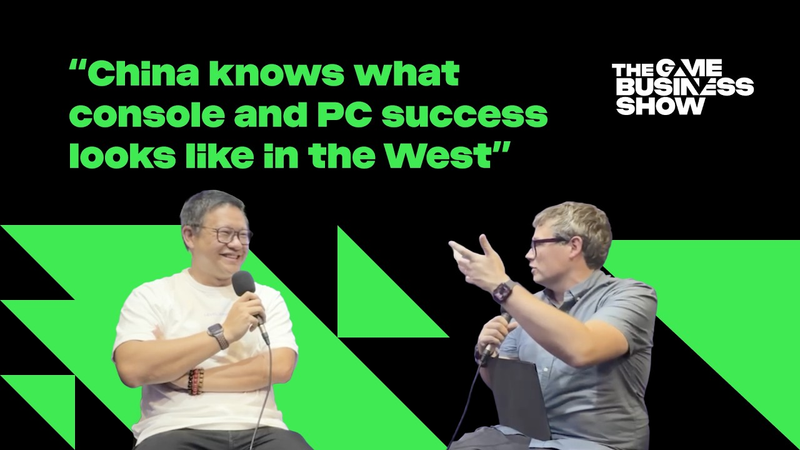
is a little bit naive so I do think we continue to see disruption in the west I think that continues used to play out over the next five to ten years unless things change but assuming we continue along the same path that we have been going to I do think that it's a different environment we're not in a zerp environment anymore in an Age of Excess that we've been living in over the last 10 20 20 plus years and so I think unless something changes it continues that it has before yeah I mean just to your point you know if you look at some of the Chinese the large Chinese internet companies 10 cent netis they're the largest gaming companies in the world for those that you know don't actually track their revenues but you know tencent wants to get 50 of its Gaming revenue for outside of China you know in the next several years they're at roughly 25 today obviously that includes Riot that includes supercell so some of that will come from new games from those Studios but some of that also comes from their domestic Studios which they've also opened their own satellite
branches in the west but they want to make games based on their IPs for the West for console in particular for PC where they don't have as big of exposure outside of China we know of them for their mobile expertise but if they can really replicate their live services expertise on Console I think that's going to be a big Awakening for a lot of Western companies because for up until now the risk has been these guys in China are great at mobile they're great at Mobile Live Ops they make the best mobile RPGs that are Shooters that's why everyone's partnered with them but they're not going to do it on HD they're not going to do it on Console in particular and if they're successful there that's going to be a big wake-up call to a lot of people right yeah I think that makes sense and just particularly for older gaming cohorts like me and probably you guys too we have this kind of love affair with time tested IP and it's it's really hard to disrupt the older folks but it's also really easy to disrupt the younger generations and we've seen that with American and on American innovation with things like fortnite and Roblox and I
guess the other point to say is is like IP doesn't stay on the shelf forever it's not like I guess it's kind of like kimchi right it'll stay in the fridge for a few weeks but if you leave it in there for a few months so just multiply that by 12 companies like Embrace or Ubisoft like you can't just count on those games printing units for the rest of your foreseeable future you have to keep that Innovation quotient strong and if you lose focus on that that's an easy way to dig your own grave in gaming
Summary
The global gaming landscape is undergoing a structural shift as established Western incumbents face increasing pressure from highly efficient, capital-intensive competitors based in China. Over the next five to ten years, the industry is expected to move away from the era of excess and zero-interest-rate policies, favoring companies that prioritize operational efficiency and aggressive capital deployment. While Western developers currently maintain advantages in legacy intellectual property, artistic talent, and creative innovation, these strengths are increasingly vulnerable to disruption by Eastern firms that possess superior work ethics and cost structures.
Companies such as HoYoverse, Lilith, and Game Science are already demonstrating this shift by producing top-tier, high-revenue titles like Genshin Impact and Honkai: Star Rail. These organizations leverage massive annual development budgets and sophisticated live-service expertise to challenge traditional powerhouses like Blizzard and Rockstar. Furthermore, major Chinese entities like Tencent and NetEase are actively expanding their global footprint, aiming to increase their non-domestic revenue by applying their mobile-centric live-operations mastery to the console and PC markets. This transition into high-definition gaming represents a significant competitive threat that many Western firms have historically underestimated.
Ultimately, the long-term viability of Western gaming companies depends on their ability to maintain a high innovation quotient. Relying solely on aging intellectual property is an unsustainable strategy in a market where younger demographics are increasingly drawn to new, disruptive experiences. To remain relevant, Western studios must adapt to a more competitive global environment where the barriers to entry are lowering and the pace of technological and operational advancement is accelerating. Failure to evolve beyond traditional development models risks ceding significant market share to agile, globally-minded competitors.