China reports and market data
Documents
Global Mobile Game Industry White Book: 2015
The global mobile gaming industry is undergoing a transformative shift, positioning itself as the dominant force within the broader interactive entertainment sector.
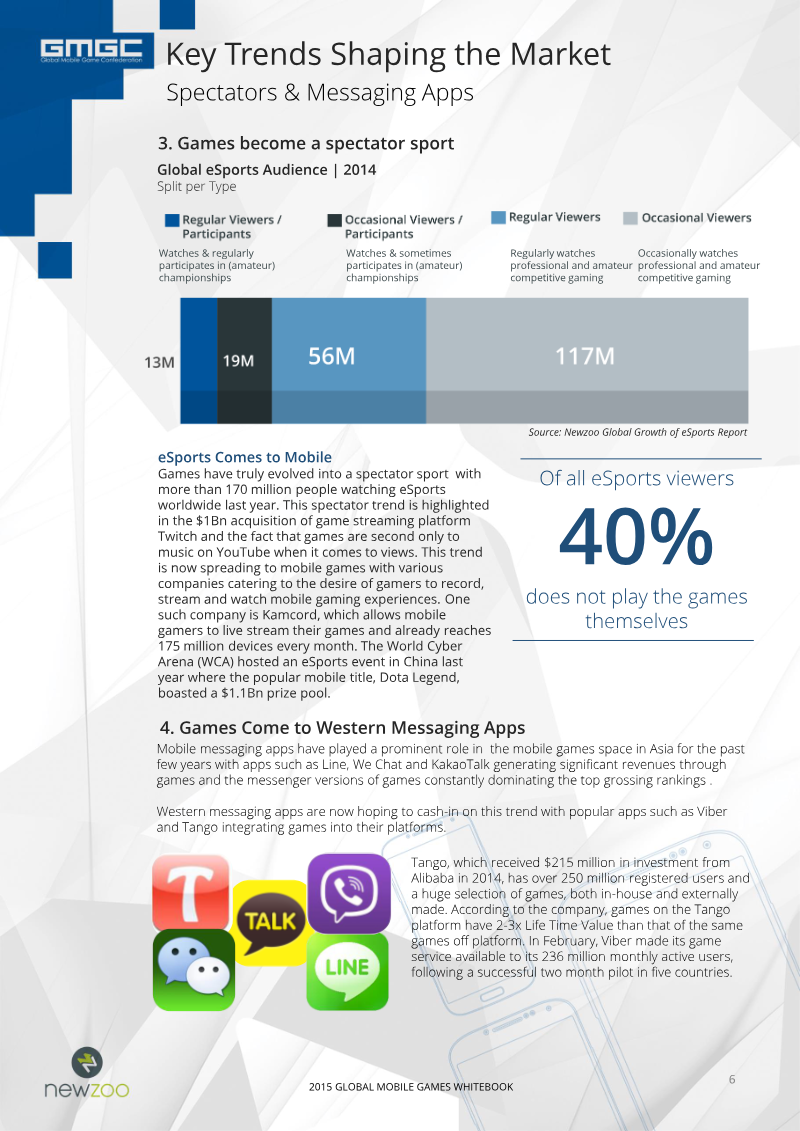
- The global mobile gaming market is projected to reach $30.1 billion in revenue in 2015, establishing itself as the dominant sector in interactive entertainment.
- China serves as a high-engagement market where users spend an average of 35 minutes daily on mobile games, primarily favoring card and role-playing genres.
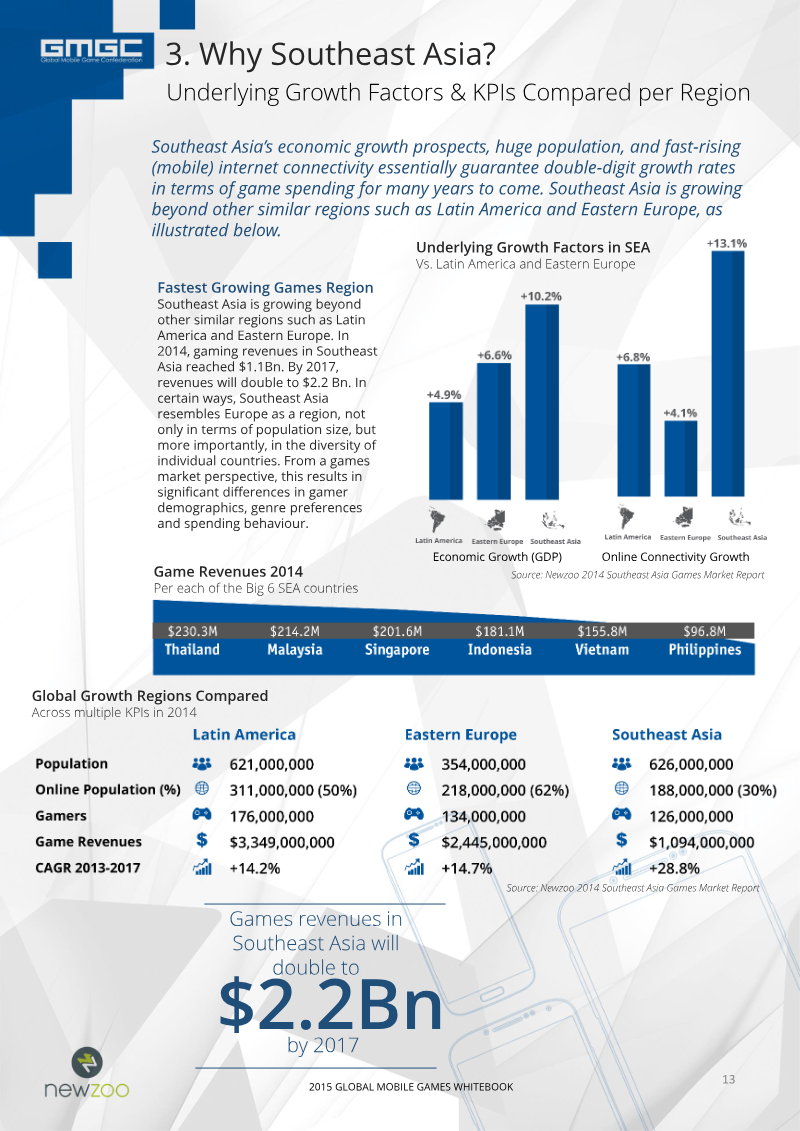
- Southeast Asia is a rapidly maturing market expected to double its revenue by 2017, providing a strategic entry point for Western publishers due to standardized app store infrastructure.
Casual Games Sector Report 2015: World's Top Games Markets
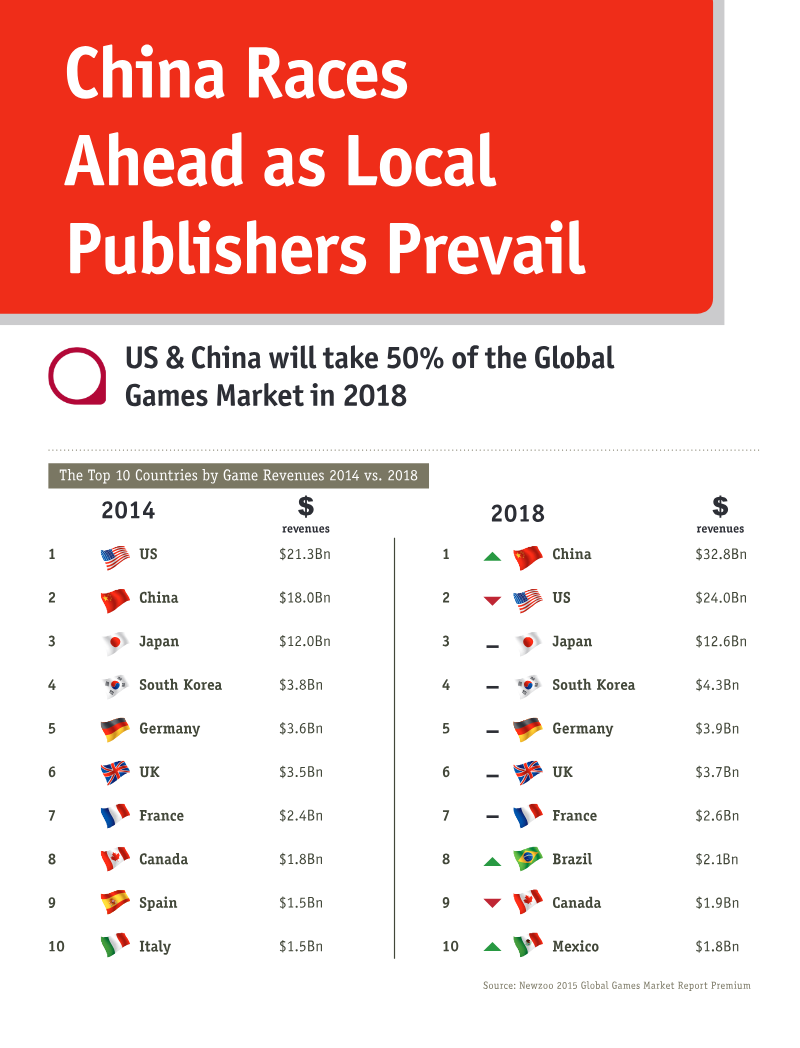
The 2015 Casual Games Sector Report provides a comprehensive analysis of the global games market, focusing on the shifting dominance between the United States and China.
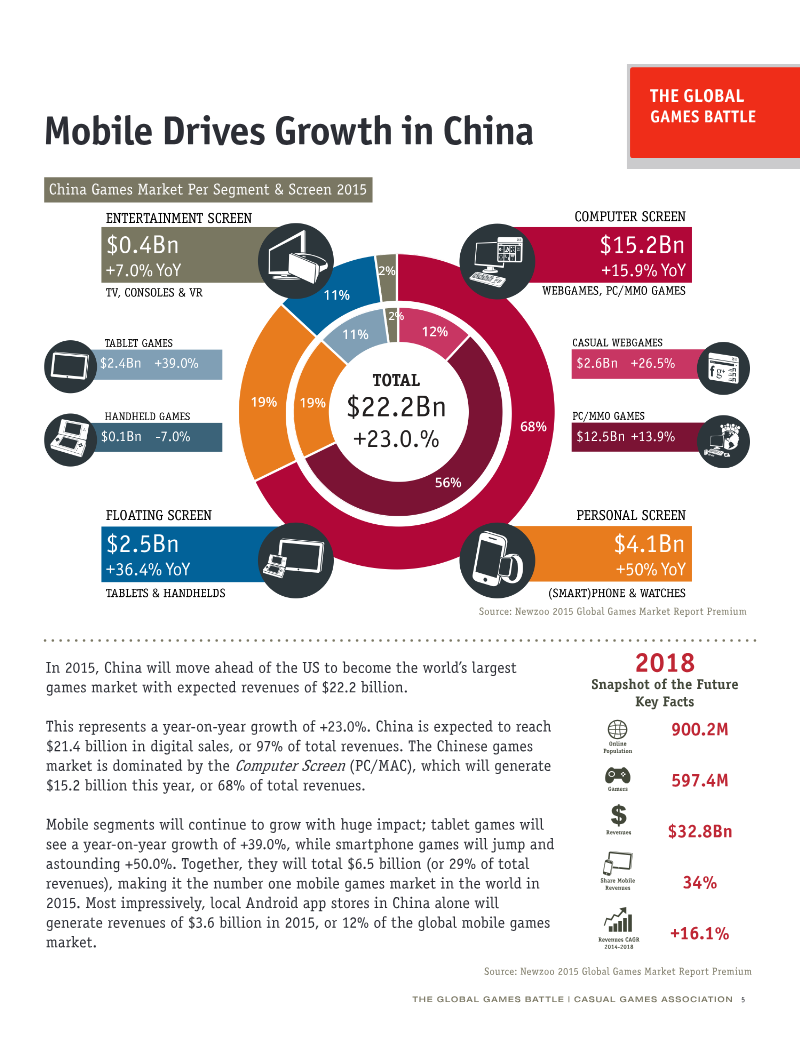
- As of 2015, China surpassed the United States as the world's largest games market, with the two nations projected to account for 50% of global revenue by 2018.
- China’s games market reached $22.2 billion in 2015, marking a 23% year-on-year increase driven by a 50% growth rate in the smartphone gaming segment.
- The US market generated $22.0 billion in 2015, with 45% of its total revenue derived from TV, console, and VR platforms.

Finland's one bright spark, Kamcord's $15M and CCGs in China.
The mobile gaming industry experienced a period of strategic consolidation and investment toward the end of 2014, characterized by significant funding rounds and shifting market dynamics in key global regions.
- The Chinese mobile gaming market is projected to reach $6 billion in revenue by 2015, positioning it to become the world's largest mobile gaming sector.
- Kamcord secured $15 million in funding, led by GungHo Online Entertainment, to advance mobile gameplay recording and social sharing tools.
- Collectable card games (CCGs) currently dominate the Chinese market, accounting for approximately one-third of total mobile gaming revenue.

Hitcents on how it defeated the pirates and built a business in China
Hitcents, a US-based creative agency and game developer, entered the Chinese market to address widespread piracy of its flagship title, Draw Stickman.
- The Chinese mobile gaming market is highly fragmented, featuring over 100 Android app stores categorized into carrier-specific, third-party, and hardware-based channels.
- Successful entry into China requires deep 'culturalization' beyond simple localization, including adjusting art styles, incorporating local themes, and redesigning tutorials to be significantly more prescriptive and directive than Western versions.
- Carrier billing is essential for monetization in China because it allows for transactions without internet access, with typical purchase sizes ranging from 1 to 30 RNB.
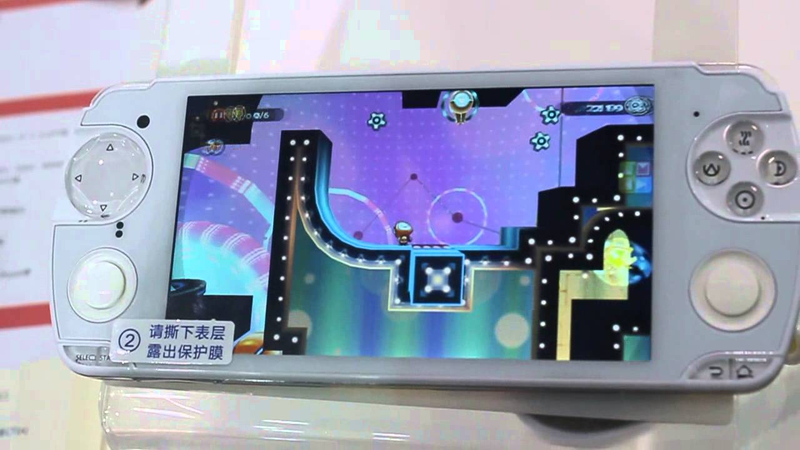
The Chinese PS Vita? The iReadyGo Much i5
Snail Games, a prominent Chinese PC MMOG publisher, is expanding its footprint into the mobile sector by introducing the iReadyGo Much i5, a dedicated gaming smartphone.
- Snail Games is vertically integrating its business model by acting as a hardware manufacturer, mobile service provider, and software publisher through the launch of the iReadyGo Much i5 smartphone.
- The iReadyGo Much i5 is a dedicated gaming device featuring physical controls, dual joysticks, and a curated Android app store managed by Snail Games.
- Snail Games is leveraging its status as a virtual network operator in China to bundle the device with proprietary SIM cards, offering incentives like free game downloads to drive ecosystem adoption.
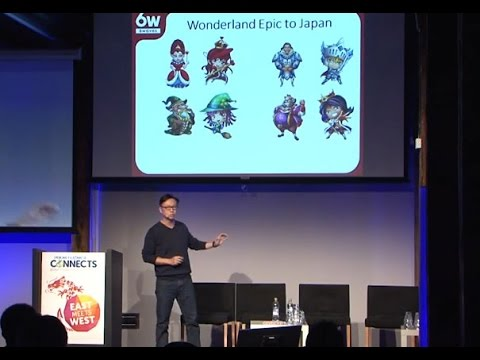
English language games ignore two-thirds of global market says 6waves
The global mobile gaming market is significantly underserved by developers who focus exclusively on English-language releases, effectively ignoring two-thirds of the potential audience.
- Releasing games only in English ignores approximately two-thirds of the global market, as 82% of current industry growth originates from Asia.
- Asia accounts for 45% of the total global games market, with seven Asian countries ranking in the top 20 for iOS and Google Play revenue.
- Localized game versions can yield significant revenue growth; for example, Supercell’s 'Boom Beach' saw a 17% increase in downloads and a 4x revenue increase after launching a Japanese version.

Chinese mobile gamers want pay-to-win says localisation expert
The Chinese mobile gaming market represents a massive, high-growth opportunity for Western developers, characterized by a unique set of consumer preferences and structural challenges.
- The Chinese mobile gaming market is a high-growth sector that reached a $3 billion valuation in 2014, representing a 175% year-over-year increase.
- Chinese gamers demonstrate a cultural preference for pay-to-win mechanics, requiring developers to ensure that financial investments yield tangible competitive advantages.
- The market is highly fragmented with approximately 200 Android distribution channels, which account for 70% of total revenue compared to 30% from iOS.

SkyMobi on why it's focusing on casual Chinese mobile gamers
The Chinese mobile gaming market is undergoing a significant shift, with growth increasingly driven by users in third-tier cities and below rather than major metropolitan hubs like Beijing or Shanghai.
- Sixty percent of China's mobile gaming population resides in third-tier cities or below, representing the primary driver of current market growth.
- SkyMobi’s Maopao app store reaches 147 million users and maintains 25 million monthly active users by securing pre-installation on 40 percent of new Android devices in China.
- Lower-tier city gamers prioritize Android devices and require lightweight game files due to hardware limitations and restricted 3G/4G network infrastructure.

Difficult to crack but Japan, China and Korea are vital mobile gaming markets
Japan, China, and South Korea represent the most lucrative mobile gaming markets globally, consistently ranking at the top of Google Play and iOS App Store revenue charts.
- Japan, South Korea, and China represent the most lucrative mobile gaming markets globally, with Japan ranking first in both Google Play and iOS App Store gross revenue.
- Western marketing practices are largely ineffective in China, where developers must bypass the absence of Google Play by partnering with local marketplaces like Tencent or 360 to navigate a fragmented ecosystem of hundreds of Android stores.
- Success in South Korea requires collaboration with dominant local platforms like Kakao and experienced publishers such as CJ or WeMade to manage deep localization and unique, high-incentive marketing campaigns.

King's Tommy Palm on heading east and tapping into the next generation
The mobile gaming industry is increasingly focused on global expansion, with a particular emphasis on Asian markets such as Japan, South Korea, and China.
- Casual games are the most effective vehicle for global expansion because their focus on immediate mechanics transcends the cultural and narrative barriers that often hinder RPGs.
- Successful entry into Asian markets requires abandoning the 'monolithic' view of the region in favor of hiring local experts to manage specific cultural, marketing, and technical nuances.
- Technical localization for Eastern markets necessitates careful management of character sets and font sizes to prevent excessive file bloat and ensure optimal performance.

FunPlus CEO Andy Zhong on taking a global approach
FunPlus operates as a Beijing-based developer and publisher that prioritizes a global market strategy over domestic expansion.
- FunPlus prioritizes a global-first strategy, currently serving 6 million daily active users with significant market penetration in Europe and the Middle East.
- The company integrates international talent into its 250-person Beijing headquarters, with 40 percent of the workforce recruited from Europe and the United States to bridge cultural gaps.
- FunPlus has achieved notable success in France, where 50 percent of the population has engaged with its titles and 10 percent have installed at least one game.
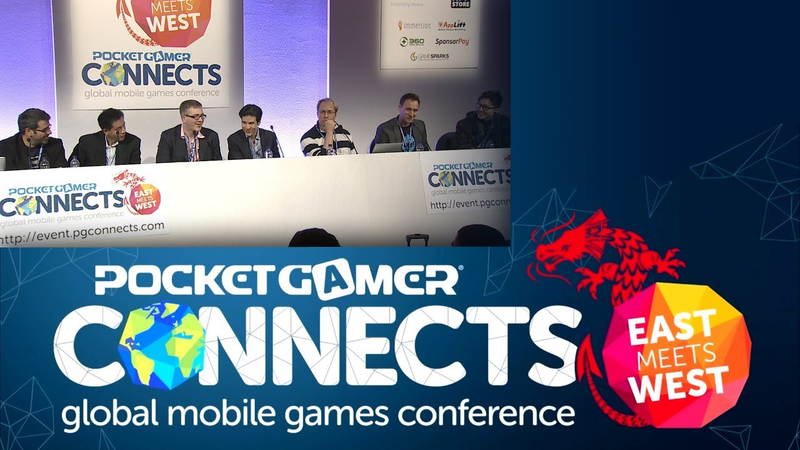
PGC London: China Mobile Games Market Power Panel
The Chinese mobile games market represents a highly fragmented, competitive, and rapidly evolving landscape that requires a strategic, localized approach for success.
- The Chinese mobile market is highly fragmented, requiring developers to implement payment systems for numerous individual channels, such as Alipay and the 360 store, to ensure effective monetization.
- Partnering with a local publisher is essential for navigating the market, as they provide critical services including game localization, server infrastructure management, and technical adaptation for over 100 different Android device configurations.
- Piracy in China poses significant risks beyond lost revenue, as unauthorized versions of games can be bundled with malware or malicious SDKs that may trigger government scrutiny and lead to the blocking of official traffic.