1 free read left. Create a free account for unlimited reading + AI research.
Create free account
Difficult to crack but Japan, China and Korea are vital mobile gaming markets
Key insights
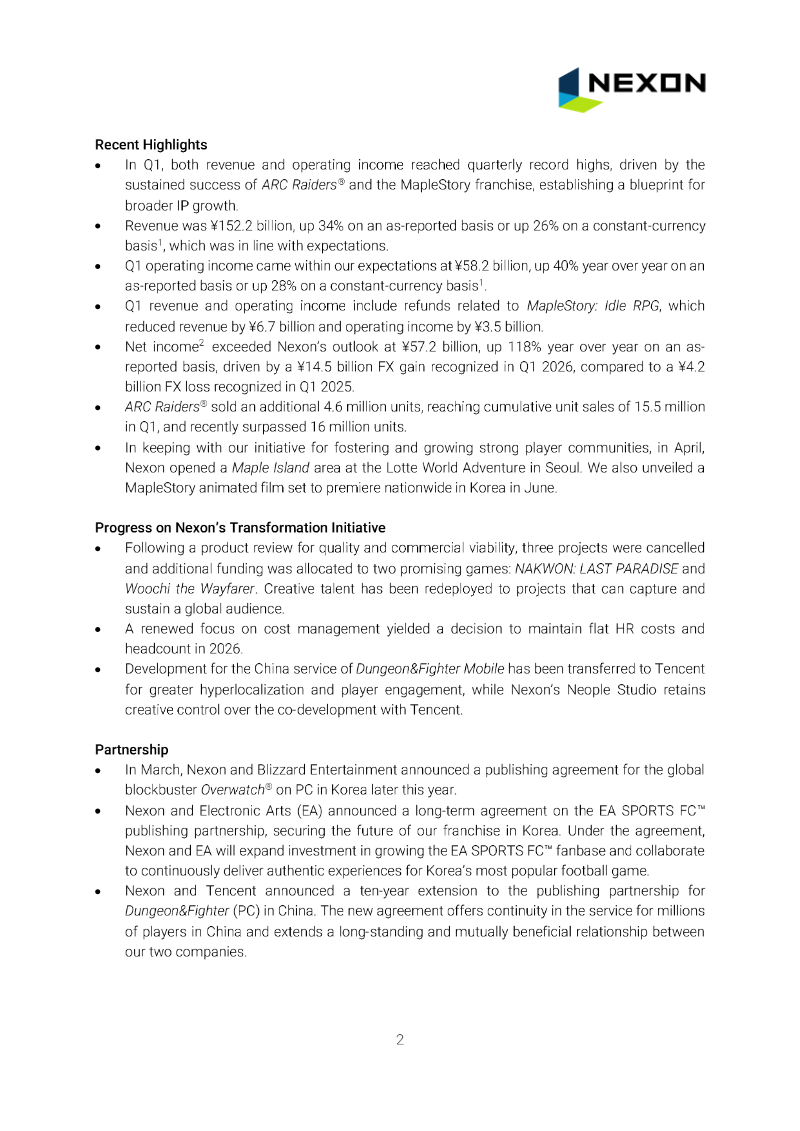
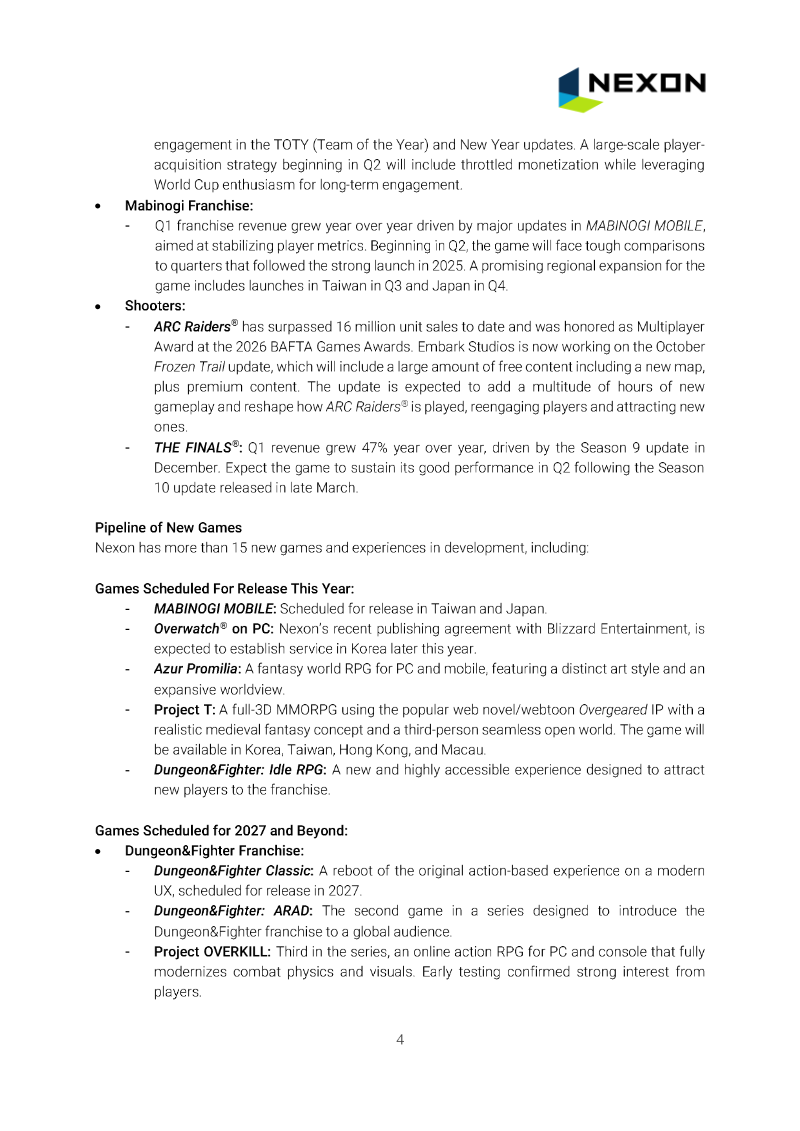
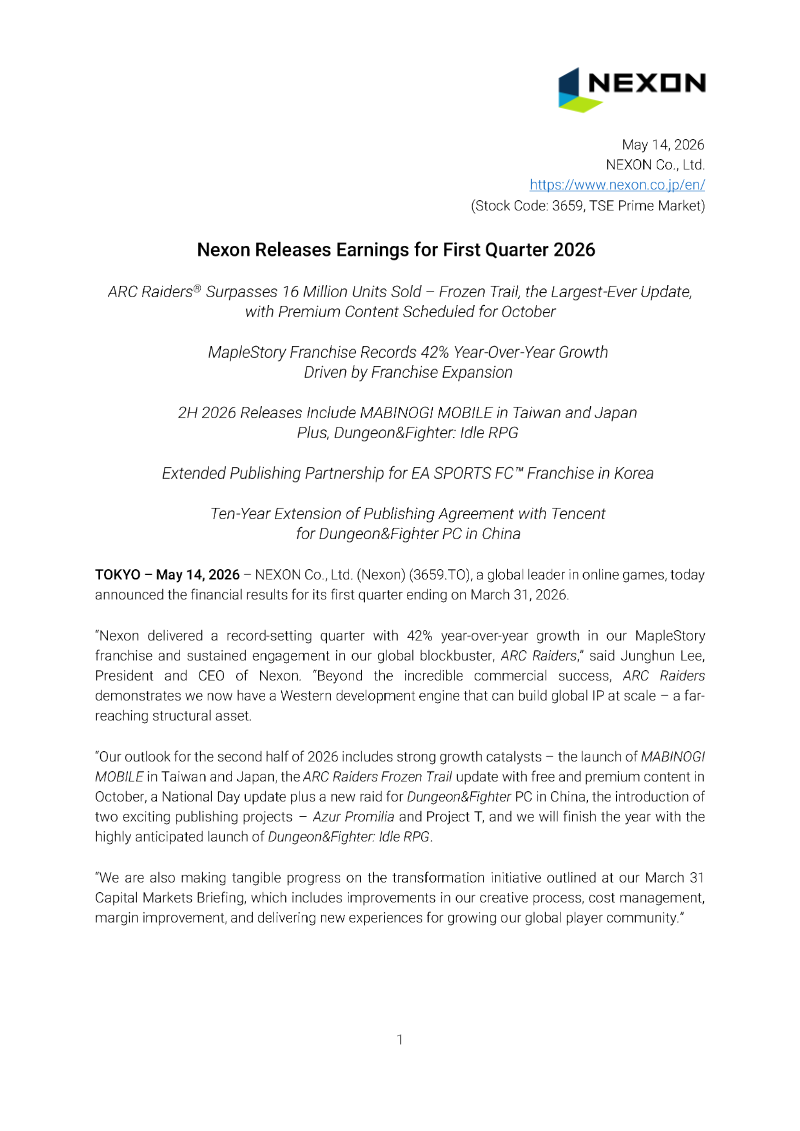
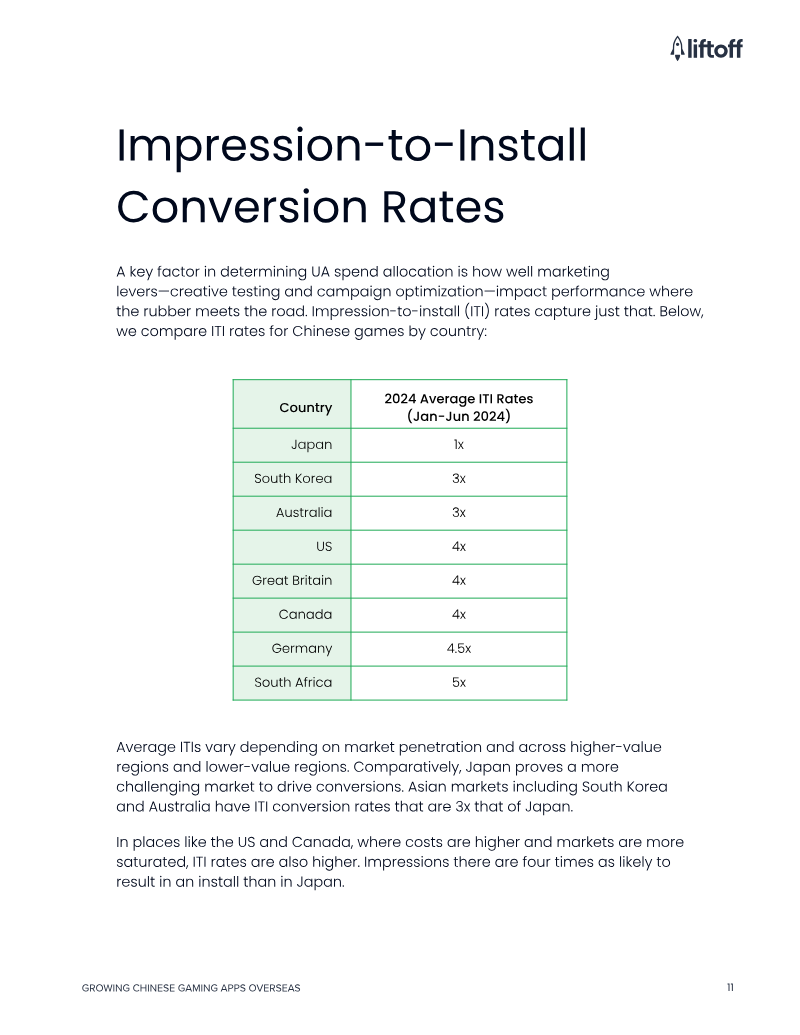
6 takeaways- 01Japan, South Korea, and China represent the most lucrative mobile gaming markets globally, with Japan ranking first in both Google Play and iOS App Store gross revenue.
- 02Western marketing practices are largely ineffective in China, where developers must bypass the absence of Google Play by partnering with local marketplaces like Tencent or 360 to navigate a fragmented ecosystem of hundreds of Android stores.
- 03Success in South Korea requires collaboration with dominant local platforms like Kakao and experienced publishers such as CJ or WeMade to manage deep localization and unique, high-incentive marketing campaigns.
- 04Japanese mobile gaming success often relies on niche 'otaku' or geek-culture aesthetics, such as anthropomorphized battleships, which can drive monthly revenues exceeding $10 million by targeting highly engaged users.
- 05In Japan, social media platforms like Facebook are ineffective for user acquisition, necessitating high-cost, high-risk mass marketing strategies such as TV commercials timed precisely to the game's lifecycle.
- 06While Asian markets may have smaller daily active user counts compared to Western markets, they feature a higher density of deeply engaged players who generate significantly more revenue per user over long periods.
Ask AI about this video
Transcript
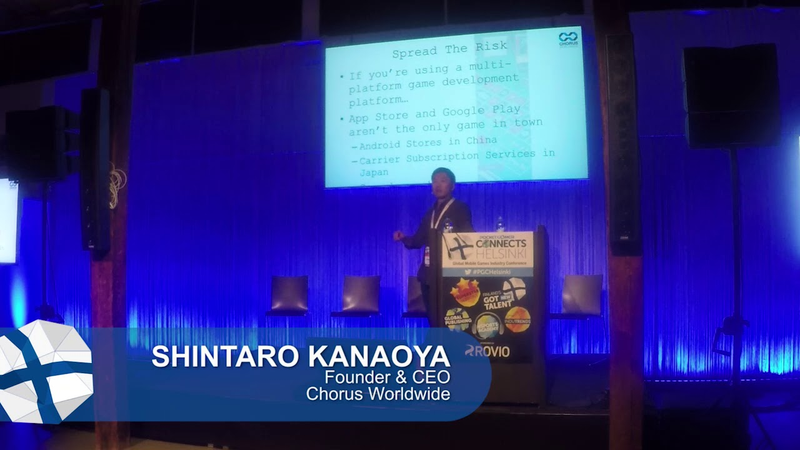
Hello. Uh, it is an honor for me to be here at this show in Helsinki. Even at the cost of my missing the first game of Japan World Cup uh which I founded uh we lost uh soon after I stepped off the plane. Yeah. Okay, let's get started. Yeah. [Music] Uh this moment uh for those of uh for those of you who are not familiar with DNA uh let me tell you a little about the company very very briefly. We are a global internet company. Uh we are uh we are very active in many different sectors and mobile game is our strongest revenue engine. We made two billion revenues uh two billion dollars revenue rest of his career and the most of them come from mobile games and uh the first thing that I'd
like to tell you is Asian market is enormously big and as Tommy and mentioned I would like to uh talk about these three big and defined markets in Asia uh Japan South Korea and China. Uh let me show uh how how big it is. Uh if you look at Google Play gross uh growth ranking by country, uh Japan is the biggest market and South Korea is ranked number two. In the iOS uh iOS app store market, the number one market is also Japan. Uh and China comes in uh number three. uh it would be difficult to estimate the market size of uh of China precisely uh with a different uh reasons. However, it could be much bigger than this number. But uh the Asian market is difficult to
crack. The Asian market is very different compared to western uh west market. In addition, each each Asian market is very unique. Uh for example uh as you may know uh about China in China Facebook is not available, Twitter is not available uh WhatsApp or land uh or any uh instant messenger is not available and even the Google play store and are not available in China. So the best practices in western market don't work in China at all. Instead there are hundreds of Android markets or apps markets in China instead of original Google play. Uh iOS only takes up a quarter of the total market share and half of them use jailbroken iPhone and do not access
their jost. So the key to win in China is to deal with some the major Chinese application marketplaces like that about Korea. Yeah, looking at South Korea, I'm I'm sure you know about the messenger of Kaka uh which has been the dominant platform there and in addition to that uh the role of the publishers the middleware the role of the pu uh publisher uh is getting much more important compared to the cases in other countries. There are several strong Korean publishers like CJ and then we made or for size 3 and so on and a few international publishers like GMI DNA Korea and so on. They show their value by providing deep localization and marketing. Uh in addition uh the Korean way of marketing is very unique.
one game Gabe used a BMW maybe 3 series uh as a real incentive to install the game. Yeah. So with all that in mind and you need to collaborate with local publisher to get the localization and marketing right. And what about Japan? Well, I feel like I should warn you. Do not come to Japan. alone. Alone. For example, Japan has a reputation for its unique or maybe strange strange culture. Yeah. Here's a screenshot of one Smash Street card game in Japan. Uh whose revenue is over $10 million per month. Uh let me try to explain what's going on here.
Uh these sexy girls you see uh represent an aircraft carrier or battleship in this game. And I I admit uh this seems very strange. Yeah. But it actually combines some otaku elements, geek elements of Japanese culture. In that way, it's not surprising that uh it attracted some really engaging users. These are other games that use the same strategy. It's other example. Yeah, like that. Of course, not all Japanese people want to play these types of games. Uh, as for me, I don't like such artworks. But for developers, they can be successful as long as they attract highly engaged players. And one way is to use this type of
art. And how can you get those highly engaged users? Some people may say Facebook is the best solution, but a Facebook guy recently told me that uh very few Japanese gamers would like to connect their games to Facebook, although most of them have Facebook accounts. Uh I don't know the exact number of uh can in Japan. Uh please ask uh Tommy. However, the average number is maybe less than 20%. So if Facebook isn't the solution, Facebook is not the solution. What this? So one of the answer is mass marketing particularly TV commercials. It's the TV commercials of saga in Japan and actually the importance of TV commercial it cannot be over overstated. However, it costs the it cost a lot.
Yeah, it's an example of uh pressure plan in Japan and uh even even if you spend a lot but timing is wrong uh it's a complete complete waste. Uh this graph allows allows the successful example of P and Dragons uh which is one of the most outstanding titles in smartphone gaming and whose revenue is uh still over 100 million dollars per month. Uh however uh if it is too too early in the in the game cycle, most incoming users just have the game right away. Uh and if it's too late, you'll miss the chance to get enough new users. And we DNA finally land the right timing through years of experience and hundreds of millions marketing investment. So now you you are starting to
understand how diverse the Asian markets are not only compared to uh western market but also from each other. DNA has been operating through uh throughout Asia and we have successfully delivered heat products to each market. uh in China we successfully deal with the major Chinese application market prices like 10 cent or 361 so and and so our NBA game recently ranked in the top growing chess and in Korea we are currently preparing for several upcoming titles with local developers and in Japan DNA is one of the most successful companies and we have launched hundreds of media campaigns over the last two years uh as I have already mentioned mentioned we have used TV commercials and uh other uh advertising advertisement strategies to promote and uh sustain our heat
games. Uh despite all the differences there is one common uh thing in all three Asian markets. While the number of the DAUs is not so huge compared to western games, uh there exists a large number of highly engaged users in each country. It's crucially important to attract these highly engaged users even in China. This is one example of DNA. Kitro error is one of the most successful titles in DNA and also it has been more than four years after its uh release. Uh the the revenue has been still growing by keeping highly highly engaging users, highly engaged users generating over $5 million per month. We are in the business of making games that players love but we cannot do it
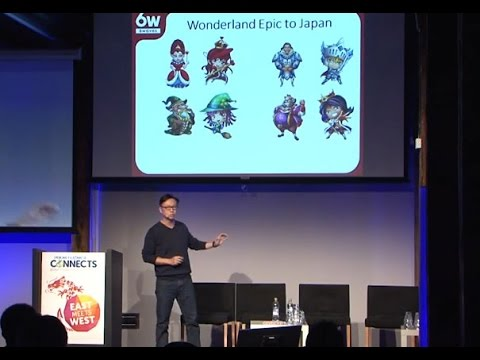
alone. So my message today is you need a local partner to be successful in Asia. We at DNA are one option. We love working with developers. We believe that the uh best best strategy is combining the perfect appropriate art with mechanics that attract highly engaged users. Let me show you some examples. Uh this is pres brothers and marble wolf heroes and this uh they stayed in the top grossing on the US for a long time. They are able to combine the appropriate ad and game mechanics to attract a huge number of highly engaged users. We believe that this can be one of the winning strategies for western developers. So last year alone uh we worked with more than 50 developers in
18 18 countries and we see so much potential in these borderless partnerships. If you'd like to know more, please come to our booth here. Thank you very much. Fantastic.
Summary
Japan, China, and South Korea represent the most lucrative mobile gaming markets globally, consistently ranking at the top of Google Play and iOS App Store revenue charts. Despite having smaller total user bases compared to Western markets, these regions are characterized by exceptionally high player engagement and monetization rates. The primary challenge for international developers lies in the extreme fragmentation and unique cultural requirements of each territory, which render standard Western marketing and distribution practices largely ineffective.
Success in these markets necessitates deep localization and strategic partnerships with local entities. In China, the absence of standard platforms like Google Play and social media giants like Facebook requires developers to navigate a complex ecosystem of hundreds of independent Android app stores and local distribution giants. South Korea is dominated by specific platforms like Kakao and relies heavily on local publishers to manage marketing, which often includes unconventional incentives such as high-value physical prizes. Japan, while highly profitable, demands a nuanced understanding of local aesthetic preferences—such as the integration of otaku-centric art styles—and a reliance on mass-market media like television commercials rather than social media advertising to drive user acquisition.
Ultimately, the key to sustained revenue in Asia is the ability to cultivate and retain highly engaged user segments. Rather than attempting to enter these markets independently, developers are encouraged to leverage local expertise to navigate regulatory hurdles, cultural nuances, and specific marketing cycles. By combining appropriate localized art and game mechanics with the support of established regional partners, international developers can successfully tap into the high-value player bases that define the Asian mobile gaming landscape.