1 free read left. Create a free account for unlimited reading + AI research.
Create free account
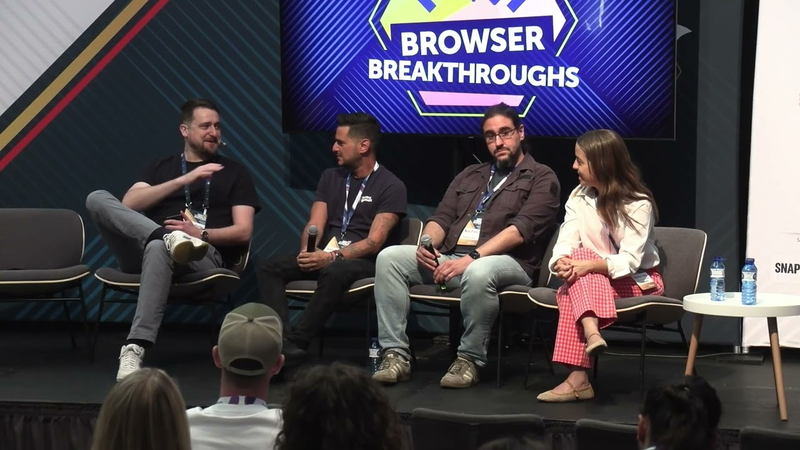
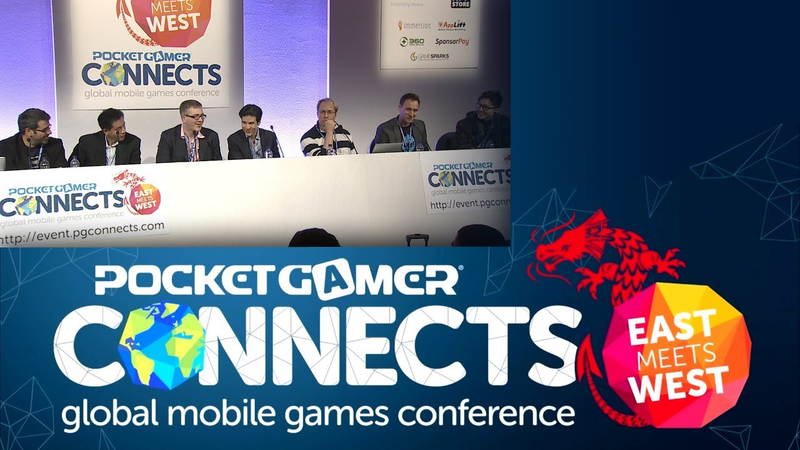
PGC London: China Mobile Games Market Power Panel
Key insights
7 takeaways- 01The Chinese mobile market is highly fragmented, requiring developers to implement payment systems for numerous individual channels, such as Alipay and the 360 store, to ensure effective monetization.
- 02WeChat is a dominant force in the Chinese market, projected to capture approximately 30% of total mobile gaming revenue, though it remains a highly curated platform that is difficult for most developers to access.
- 03Piracy in China poses significant risks beyond lost revenue, as unauthorized versions of games can be bundled with malware or malicious SDKs that may trigger government scrutiny and lead to the blocking of official traffic.
- 04Western titles with established brand history have a higher success rate in China compared to Japan or Korea, as the Chinese market contains a large demographic of first-time mobile gamers who respond well to recognized casual IPs.
- 05Carrier billing through operator stores remains a mandatory component of a successful distribution strategy, as it provides the necessary infrastructure for SMS-based payments that standard Android stores cannot replicate.
- 06Partnering with a local publisher is essential for navigating the market, as they provide critical services including game localization, server infrastructure management, and technical adaptation for over 100 different Android device configurations.
- 07Maintaining a successful partnership requires continuous value delivery, as Chinese publishers are highly competitive and will prioritize games that generate the highest revenue, often sidelining underperforming titles.
Ask AI about this video
Transcript
so guys um i think first of all i think um i'll let valley uh introduce yourself initially because uh he hasn't had a chance to speak and just say briefly kind of who you are and give a little very sort of in insight into your experience in the chinese market so far is that okay oh hello everyone so my name is felipe kapira i'm coming from finland i have a small indie game development company called critical force entertainment and we make first-person shooter games and we have now two titles critical mission schwett and company of tanks and uh do i tell my china experience right now or later sorry i i was missing you let's get involved that's better okay so
about china experience so so we have the first person to the game critical mission and we start to get the queries from china in the beginning of last year for example 10 cents six waves and so on and and we started to negotiate with the 10 cent but it was not easy to negotiate with a small company tension is a huge company so we didn't feel very confident with them so we have small negotiation going on and soon the guy disappeared who we were negotiating with so we didn't know what happened so we didn't want to continue with bigger companies because it's not easy so last summer then we uh get a request from a small company called ugame home located in isramen
and and the only 50 people were small but i felt very confident with them because of the ceo he was very friendly speaking very good english communication was very easy and and also one thing that he had the partner of other company has a very good relations with operators because of the nokia background and one thing was also that they said directly that they make prepayment so they gave us fifty thousand dollars to go further with the games localization work and so on so first we localized this the game in chinese language so they help us that we just send texts but need to localize and after that server issue because our game is multiplayer game so we need servers in china because the bandwidth to do the outside china is very bad
so we are using exit games photon server so we need to set up a server in china and they're helping us so we are managing the servers there and they just gave us the server where to set up and next thing was making in-app purchases so special special in china so they wanted called an ak assault rifle and some fancy laser guns so we implemented them in our game and and so pay the win is not so big problem in china as in in western world so chinese players are willing to pay if they get better guns and we need to implement also daily events that they get some kind of when they for example make enough kills they get some kind of gun for free for a few days or something like that
the biggest problem was the payment systems because there's so many channels so you need to implement payment system for every channel so we made first with alipay and and then 360 store so that's the first channel we are putting our game so we are now testing testing the game in in 3d system and uh one thing what was different and didn't even know about that is copyright of the game so the chinese partner wanted that we copyright the game in china and then that was a one issue that uh seems to be quite complicated with all this documentation and stuff like that so it's still in progress and then i don't even don't know yet is it necessary or not they said that for web games you have to have license in china but for mobile games not yet so it's better to copyright so we are doing that and
actually the first version is going to be launched the end of this week and one fancy thing i want to tell of the chinese partner that they are very willing to support us for example when i said that our main program is very pissed off with the payment system and you are changing the specs all the time and there coming new plugins that change and the ceo said okay send a message to the main program that please send your bank account we send you thousand dollar bonus if you can make this this week and guy went very happy about that and and also they promised that we will sponsor you a trip to china next summer if we are making so and so much revenue so motivation okay so that's it fantastic no that's good well we've got a lot of um hands-on
experience so just going back to you ricardo i'll come to you in a second don't worry i'm looking for but did you um you were saying you had a tough experience um did you work with a partner or did you try and do it more hands-on like were you trying to talk to stores yourself we went to a lot of events and we tried to we were received emails from chinese partners we went to the events and talked with partners on events we always tried not to go to the big ones and probably was a mistake at the time so we tried to find smaller companies that we believe we could trust yeah and uh well that was probably now we know our mistake yeah well you have a good man here that's good i think i think i think the message that's coming across from a lot of experience generally is through the complications you kind of need someone there you need someone on the ground you can you can just do the leg work and know how to always i think that from a developer's perspective all the sms and integration of the building system could be really a nightmare if you don't have support from your partner and if
it's up to you to do it it's really fragmented and it's difficult uh if you don't have a team okay can i guys ask a question we're only about 15 minutes then we can have some lunch but other guys say how how many how many developers or kind of publishers here are already publishing china can we have a hands up come on so a few okay and how many people are actively looking to publish in the asian market and that aren't yet okay there's your customer base that's good okay cool there's some people here um we've got uh if you're interested on our events uh dot camera pgconnex.com you can vote on the issues you think are most uh uh biggest obstruction to publishing in china so that'd be quite interesting to see your views on that um but anyway okay that's good to know so so robbie sorry i'll give you your head because you've been very patient so could you quickly introduce yourself and say your kind of angle on this marker sure i'm a director of any moca we're a hong kong based developer and we develop
i guess we have a very a wide variety of apps primarily casual and social apps we distribute globally obviously we're in greater china so we have a large presence in china we work there through partners on the ground because i think one of the things that's been emphasized across the various talks this morning is having the appropriate local partners is very important um and that comes even for us being a chinese company in part of china um because china is a very big place um so it's a bit like that's the takeaway mike if he wants to write that down china is a big place well because my analogy would be it's like being a company here in england and you know somebody from outside of europe comes and says well i'll work with somebody in england for all of europe because they'll know everything about every country in europe they are very knowledgeable china is the same because as you know people will laugh on the panel maybe about people from beijing and shanghai and chengdu and different
places all have their own regional specialties those two i mean jeff was sort of pointing for earlier when he did his presentation he was talking to some of the differentials that's definitely true for sure and i think that um one of the things and i sympathize with a lot of the difficulties and trials and tribulations people have had i think one of the key points is to remember that it's an incredibly competitive market and so the most important thing to maintaining your positive relationship with your partner is to continue to be valuable to them and i think that a lot of times people find that they're working with partners in china and maybe you know the partners don't call you back after a while or forget about you frankly it's because they found somebody who's making more money for them so you've fallen to the bottom of the totem pole relative to that discussion and while that's a very uh tough reality that's the nature of this extremely competitive market okay it's true but if you are continuing to provide value you'll find you get a lot of attention from them yeah okay cool um we didn't
we've kind of covered a lot of specifics about kind of game design earlier from various people which is great so i don't want to kind of reiterate that too much about things that work and don't work but one thing we didn't talk about too much uh yeah is is the social side of things and and we're seeing in in korea and japan as will come on see this afternoon that the impact of cacao and line is is huge i mean and from from where we saw up there i guess we did see initially in the apani figures that 10 cents wechat seems to be similarly impactful is is wechat is it kind of the hit maker and is it going to continue to be to kind of dominate the the chinese charts or is that not as significant as it is in korea do you think so so clearly uh wechat is a is a major player and tencent itself is a major player i hope steve is here um uh however i don't think that's quite relevant to most of the developers mainly because wechat is not really a open platform so it's as steve also pointed out it's a very very curated process it's more which i reach out to
you if it's your aaa developer and for indies uh it's pretty much i mean you can you can try to reach out to reach out but the chance of your your game be part of the the 10 or 20 games that they're going to curate are going to bring to the to the store is very very minimal however wechat we expect it will take about 30 percent of the overall revenue from the china market so it is a huge player it's just not very relevant to to to rest of the refugees so it's not it's not a thing it's not a strategy you can really you're either chosen you can woo them but that's pretty much exactly yeah okay um cool okay well i probably don't need too much more explanation than that hey jeff jeff i thought you'd go he's back jeff lyndon's here with us ladies and gentlemen fantastic um i want to talk a little bit about stores um there's an incredible number of stores i mean it's quite interesting when we're putting up figures and looking at global figures it's very hard to really understand who's winning in android in in in china just because there's so many different facts coming into google play is kind of irrelevant but um
and but from what i understand there's 400 plus stores of what people told me the latest figures i got and but the accepted wisdom is that kind of only four or five of them really matter and we have um for instance 360 very one of the very big stores there they're out here you should probably talk to them if you're looking at the chinese market um is that fair jeff do you think it's fair that only four or five of the kind of stores matter or is it is it actually bigger than that well i think it comes down to is how are you looking at what matters like if you're looking purely from a revenue standpoint then yes like maybe five to i would say if there's more than five like if you include the oem stores and you include the uh operator store then you're looking at like maybe 15 to 20 relationships you need to manage at least um to capture like 80 of the revenue at least yeah but if you're looking from a brand standpoint or if you're looking at a priority standpoint like if you ignore the remaining 380 stores in china what happens to those stores then they will start distributing a powered version of your game so you
don't give it so they take it anyway basically so you know it depends on how you look at it if you if you look at that and say like you just want to maintain a small batch of relationship and maximize revenue and don't care about piracy and don't care about what happens next because yes some people only think piracy is just i'm giving away gains but actually piracy in china is more than that like for example like there are games that is being pirated and integrated with like trojan horse with viruses with uh add sdks that you know extreme is is airing like ads of medicine and unlicensed medicine and all that right and that eventually will bite back on you because maybe one day the press catch on that uh this app is uh distributing like you know pornography right okay right and yes it's not done by you but like then your your official sales that get affected maybe the stores are like oh you know this is uh getting the government's eye blah blah blah so we need to stop your traffic for a while et cetera et cetera so you know i i think it comes down to is your strategy if you're looking just
purely from a cache standpoint then yes maintaining 20 relationships is enough but if you're looking at a long longevity standpoint then it's better that you cover as much as possible is that is that kind of a view that's really that's kind of backed up people agree that is that yeah well one thing i'd like to add is in addition to the 1520 store that will give you good coverage uh what you should pay attention to is the consolidation happening in the app store space right now for instance the baidu's acquisition of 911 and alibaba recently just launched their their store initiative as well right so so there will be a lot of shake shake out in the in that space something they should should pay attention to that actually give western developer an opportunity to work with some of the stores directly so i do encourage you to talk to 360 if you haven't done so so they do scout games themselves and then uh and but for working with the stores uh one uh caveat is typically that would be an exclusive deal so 360 like exclusivity uh of course if you give that to them and then you will lose probably 80 of the market share but they do have a very very large market share in china okay so but to be
able to get a full coverage complete coverage of the all the app stores yeah you have to work with a publisher like either i dream sky or or choo choo or you do it yourself at bureau team yeah you need to you need to to maintain 400 relations that seems like quite a lot which we don't recommend but if you really want to try you can yeah that's fine okay and one key aspect of that is the is the operator stores so the reason why the operator stores is important is not because of their volume they can drive it is the billing so you have to get the app operating operating store to be able to use the sms spilling you're right okay interesting okay did you back that up on the echo yeah if i could add one one point on this one is um yeah you if you want to cover the 300 400 different stores you don't have to do it all by yourself you can cover the like what we do is that we cover the 50 major accounts by ourselves directly but then we actually work with a couple of sort of distributors who are distributing to the smaller stores so
for example china mobile they help us to distribute uh all the games to over 100 of their general partners so that's extremely valuable for us to get get it just kind of one window that gets it to 100 stores although those are small stores and probably not bringing much revenue but as jeff said uh it's really important to be there okay okay i'm going to open up questions a second one last thing i want to ask um before i do that is um obviously sort of jeff and and lei you guys have had very big success with big western brands coming to to china um and i looked at the chart and i think it's certainly looking at the other markets in in korea and japan it seems that it's it feels to me that it's there's still more respect or there's more or more chance of a western title that's had some history doing well in china than maybe it wouldn't necessarily do in japan or korea don't is that true like is it if you've got a bit of a success in in
in in europe the u.s is that going to give you some extra kudos or anything what's the what's your feeling i think uh genders and genres are different so for certain genres like casual and typically there will be a broad appeal for a ip that does well in the western market in the case of temple run or or where's my water that will potentially can do very well in the eastern countries but for a more core or hardcore midcore titles i think one exception is clash of clans it's doing really well in across the board in both china asia and other asian countries and west but the more core titles for instance game of war i mean it's a it's it's a similar strategy game is great it has great complexity great moderation however the the the simulation game in china or strategy game in china has a totally different play and same thing for rpg same thing for battle card games okay do you anybody thinks that's that is that i mean jeff have see well i think i think we're looking at a very different market you know if you look at korea and japan you know the market is very mature already you know like anyone
that wants to play game is playing games anyone that don't want to play game is playing games already but in china we still have lots of people that haven't played game before mobile game is their first game so you know casual games still have have that niche because you know it's a great way to uh convert a non-playing user to a a non-playing games user to an actual game playing user i mean a lot of user plays like fruit ninja temple run or fishing joy or where's my water is the first game ever you know they that's their mario that's there and and and once you reach that kind of status you know like just like mario you get a 20 year old ip you know that people kind of reciprocate to like as the as their the first time right but in korea you know like it's not like temple run or full ninja is not popular like it's it's because the market is so mature to the point that you know the minute full ninja comes out right immediately within two weeks everyone in korea is playing it and then what happens is these games have maybe a life cycle of two weeks right maximum a casual game two weeks pretty good already and then what happens is the
whole market gets uh uh fed up with your game already in two weeks right but in china because of there's still a huge growth of new users so yes like this user get girl get fed up with your game for two weeks but then you have another 500 000 new player every single day to support that kind of growth for casual games and to support this kind of innovative game so i think it's still a very uh a healthy ground for casual games in china right now and especially you know if you look at casual games you know casual game is all about innovations it's not it's not about like how you really do your monetization and all the philosophy behind it so you know for for western developer it actually have a niche because western developer tends to be more innovative in game development than chinese developers okay or asian developers per se i think that's i'm gonna i'm gonna open this up for i've got a couple more but i'll open this up if this is a great opportunity if you are considering going to the asian market you've got a lot of experts here people and also people have tried and also succeeded so do we have any questions for our our panel comments before lunch
last last burst of energy before we refilled the sandwiches here well we have one sorry it's a bit it's a long thin rainbow isn't it hi so in terms speaking of net revenue for freemium games i wonder what is the relative size of operator stores with carrier billing versus the 360 like stores in china i mean is it better to go both on operator stores and standard android android stores you have to do both it's a must because if you don't get on operator store you don't get sms billing and if you don't have sms billing going to the 360 store or the other store then how you're going to charge your users okay so it's a mix okay yeah i guess that's probably also based on what genre your game is so if it's a hardcore mid core and your
revenue breakdown between using sms billing versus using say alipay is probably 50 50 or maybe even higher on alipay because alipay gives you a higher cap but if it's a casual game it will be like 80 on carrier building okay cool anyone more questions oh there's one more that's good hi one question is western developer trying to publish in china how big of an impact on success is whether you give access to the source code to the local partner it depends on how reliable your local partner is i think it's it's the best way to do it especially uh to this audience today because it's most indie developers where you have limited development resource and like i would just explain to you like just on the surface how much work you need to do first you need to integrate with at least 20 sdk second you need to be at
least compatible with 100 different android device that i give you right just this to work for in the developer is crazy it easily would chew up like two to three guys for a whole year right and for in the developer that's tough that's really tough work and i and i can understand that um so you know giving a source code is the the biggest risk here is are you giving it to someone that you can trust you know um other than that it's all upside like you have someone that can help you monetize you can have someone to help you do reiterations on a weekly basis like for example like a subway server you know one of the reasons why it's so successful is it does like a monthly update another very successful game cookie run in korea they do bi-weekly updates you know that is tailored to the market events to whatever situation that is happening to the market like and for western developer to catch on to that kind of rapid development pace especially if you're in the developer and chinese
china market is still not the biggest market to focus on it becomes a problem for you cool okay uh any any final question from the floor well there's one more oh cue cue it he's way over there he's way over there this is going to be a tough one this is going to be a tough one he doesn't ask simple questions so um if if i have an offer from like 360 or 10 cent for exclusive title would you give it to them exclusively or would you not exclusively distribute through all the channels available of course we'll tell you no yes of course now from our standpoint now well depending on what kind of deal you get right for sure and you yeah you should i mean for all the developers i would encourage you to talk try to talk to tennessee and talk to wechat talk to 360 and get an offer get a deal and try to talk to us and you can compare orange to apple or see what's the typical deal structure would be working with the publisher
would be a revenue share based and on the china market there is possibility of getting upfront it's either mg or a licensing fee and then it's it's pretty easy to compare i mean you're upside and also if you're working with a trustworthy publisher and you should have a good coverage and and also good financial terms so yeah case by case and uh do comfort and do the math how much of the offer i i will have a little bit to add on on that is you know i i i've been using this analogy for for quite some time already of course you know platform is something that you always need to consider uh and for developers to maintain a good relationship with platform is important too but you know to me is you know a good game is like a hot girl all right platforms are like divorce old men they always want to be with the hot girls but they never wants to be with one hot girl all right so they will never focus in your title as like a publisher does because we are in to marry you all right we're in to build a long-term relationship and have
baby with you all right so you might be stressful today or you have to have bad mood we will we'll pull up with that you know we'll really pull up with that and try to maintain the relationship before we go into divorce but with a married old man all he wants is bring you out for a nice uh uh night and you know after a while he'll go like you know even if a good relationship he need to focus on other games you know is is it it's in nature you know he can't have a platform where all his game is from one developer or it's always number one is that one game you know um it also depends on like so going back to the topic is like how much resource are you willing to spend you know with platform you know to them is they're never going to focus on your game as much as a publisher does you know even though you're not providing source code to publisher publisher will constantly tell you what's what's the problem with your game they'll give you data of the problem of your game and they'll probably even give you suggestions on how to change your game so you have a much better idea of how to make your game or if you provide source code then developer actually do it for you then you have much less risk
uh involved but with a platform you know they can their platform that most they can give you is data and say like your game is failing on retention why i don't know it's failing so fix it in three days because if you're not fixing in three days i'm going to start reducing the traffic volume i'm going to give you so you know with gameview of course you guys have all the resources you know you guys can even build teams in china to do that but with a lot of indie developers here you know then that becomes a problem um but even for bigger of a developer like you know gameloft or disney you know they work with a publisher like us because we actually provide that extra service and that extra service actually is meaningful for them for that revenue share that we make okay yes that's a very short answer that was good so final thing i'm going to ask to go down the panel i want one prediction for 2014 chinese market very short and one ultimate tip i'm sure the tips will be very similar so starting starting with you jeff one prediction one tip 2014 chaos chaos
and what's your tip what was your advice to a developer publisher um one advice uh publish your game in china and find try to find a good publisher for it okay cool i would definitely say that one trend will be the manufacturer is getting stronger and same advice find a good publisher yeah so mark is growing very very fast and we are looking for that to china is the most important margin for us and if you want a good publisher from china a partner contact me i can contact you with my partner i think my prediction is that competition will force revenue shares to be more favorable to developers than they have been in the past this year um and my advice would be to find yourself a good partner that you trust um you know somebody like one of the panelists etc because it's it's dangerous out there by yourself in the woods
i think like i'd like to predict two trends uh one is uh within china uh one particular genre will uh become a more dominating genre in china so right now it is rpg uh strategy game and card game a little bit casual and in 2014 there will be action rpg so if you have an action rpg title and and do uh prepare your your title probably would do very well in the asian market and talk to one of the publishers here uh and the second trend actually is reversely and i do predict there will be more chinese games or games developed by chinese public companies developers or publishers coming to the western market one example right now is igg's castle clash expect to see more so it's a competition coming from the from the east so and then for western developers your offense probably the best defense i guess that would be my advice okay okay uh so i'm going with you i think we're gonna see more chinese games coming up to europe and to us and they will succeed because some of them have right now good
quality it has been that is a change thing that happened in last year and well i think there is also all the oams in china could help uh developers because they are eager to content and not only for china we made a deal with gta and we end up having the game preload in brazil so it's something to look forward also okay okay one last round of reports my panel thank you very much you
Summary
The Chinese mobile games market represents a highly fragmented, competitive, and rapidly evolving landscape that requires a strategic, localized approach for success. As of 2014, the market is characterized by a vast number of distribution channels, with over 400 app stores in operation. While a small subset of these stores—approximately 15 to 20—captures the majority of revenue, maintaining a broader presence is often necessary to mitigate the risks of piracy and unauthorized distribution of modified game versions.
Key findings emphasize that navigating this environment independently is exceptionally difficult for Western developers. The primary challenges include the necessity of integrating multiple payment systems, such as carrier billing and Alipay, and the technical requirement to host servers locally due to bandwidth limitations. Furthermore, the market demands high-frequency updates and localized content, such as specific in-game items or events, to maintain player engagement. Because of these complexities, the consensus among industry experts is that partnering with a reputable local publisher is essential. A trusted partner provides critical support in navigating regulatory requirements, such as copyright licensing, and managing the intense technical demands of integrating various SDKs across hundreds of Android devices.
The role of major platforms like Tencent’s WeChat is significant, though these platforms are often highly curated and inaccessible to smaller independent developers. Instead, the market offers opportunities for casual and mid-core titles, provided developers can adapt to the rapid pace of the Chinese ecosystem. Looking toward the future, the industry anticipates increased consolidation among app stores and a rise in the quality of Chinese-developed titles, which are expected to increasingly compete in Western markets. The overarching advice for developers is to prioritize long-term partnerships over short-term exclusivity deals with platforms, as publishers are better equipped to provide the ongoing data analysis and operational support required to sustain a game’s lifecycle in such a volatile, high-growth environment.