Global Mobile Game Industry White Book: 2015
21 pages~30 min full read
Key insights
6 slides
Market Size
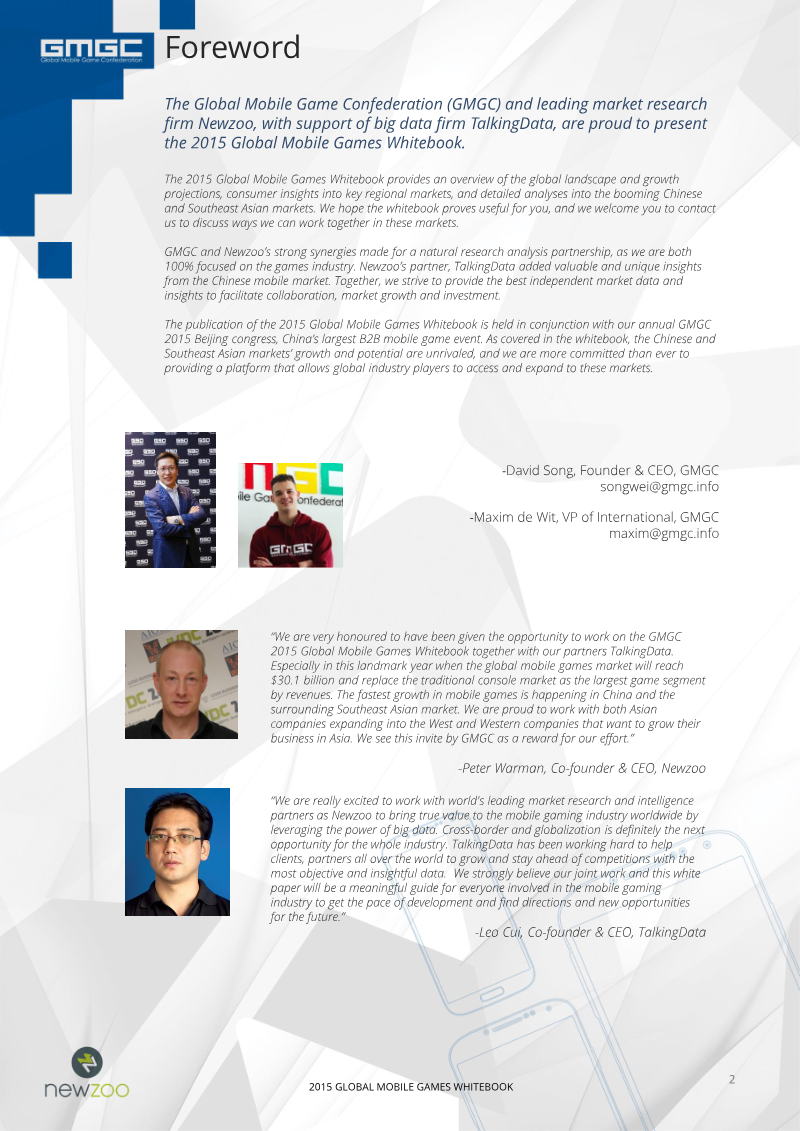
Mobile gaming is projected to reach $30.1 billion in 2015.
The global mobile gaming market is establishing itself as the dominant sector within interactive entertainment. This growth is fueled by rapid expansion and changing consumer behavior.
Growth Drivers
Tablets and messaging platforms are key for engagement and revenue growth.
These technologies are identified as primary catalysts for sustained user engagement. They are also crucial for future revenue growth in the mobile gaming industry.
China Engagement
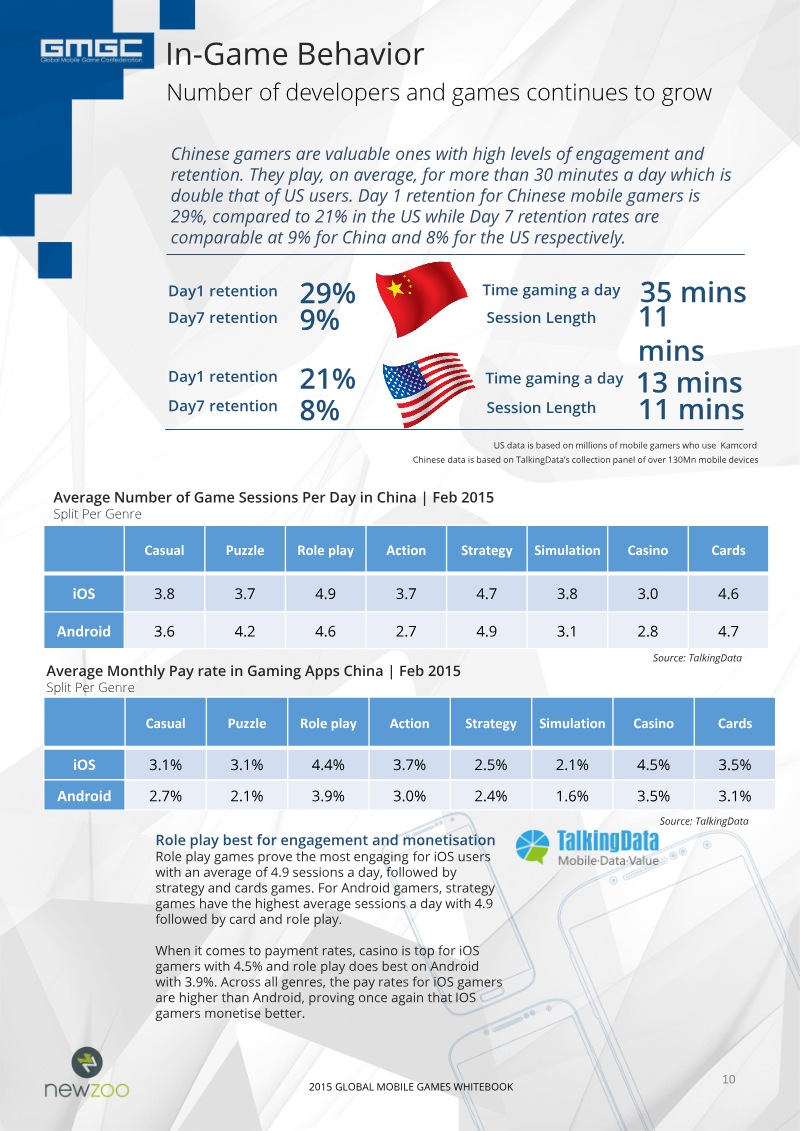
Chinese users spend an average of 35 minutes daily on mobile games.
China is a high-engagement market with a strong preference for specific game genres. Users primarily favor card and role-playing games.
Southeast Asia Opportunity
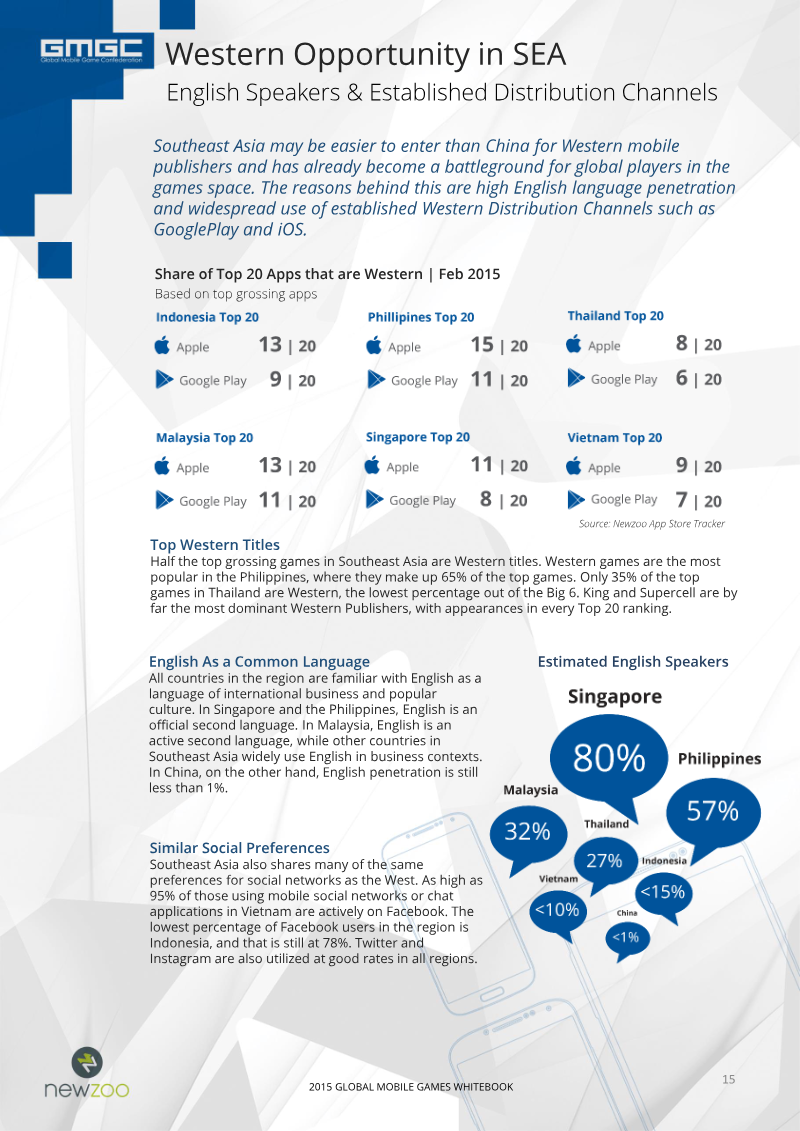
Southeast Asia's mobile gaming revenue is expected to double by 2017.
This region is a rapidly maturing market offering a strategic entry point for Western publishers. Standardized app store infrastructure facilitates this entry.
Shifting Preferences
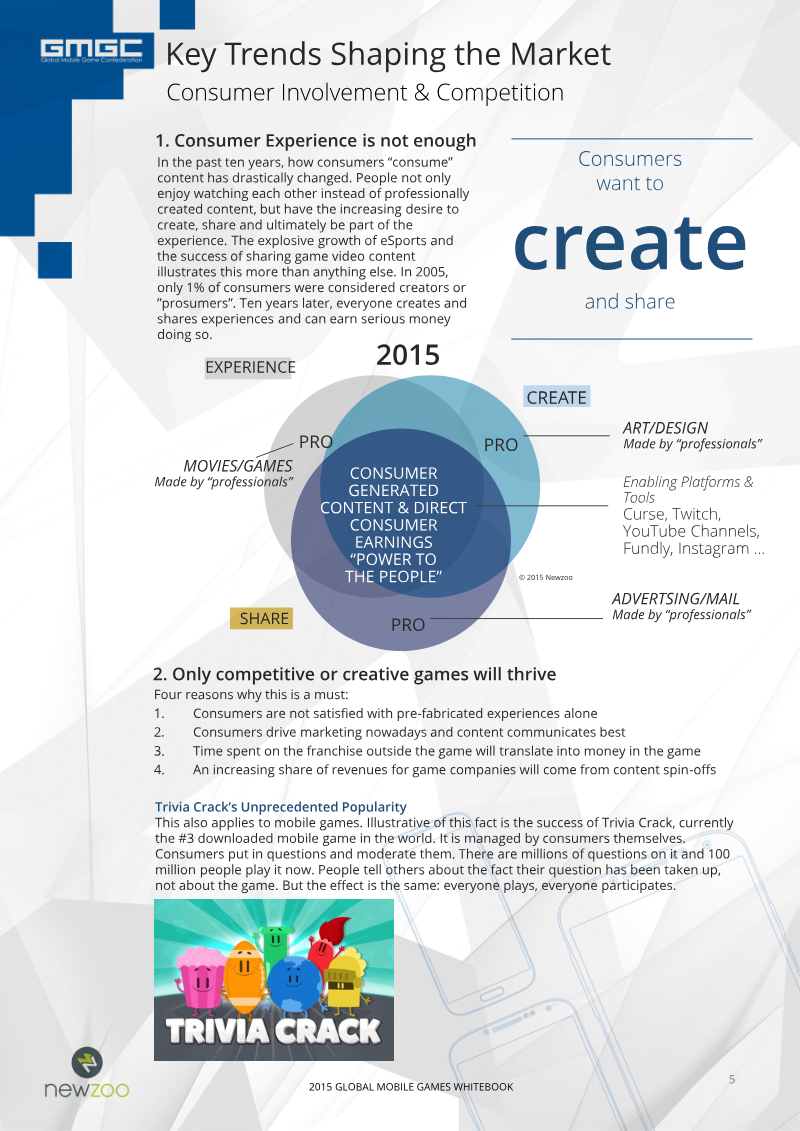
Consumer behavior is shifting towards creative, competitive, and spectator experiences.
This shift is causing mobile gaming to cannibalize traditional gaming segments.
Monetization Strategies
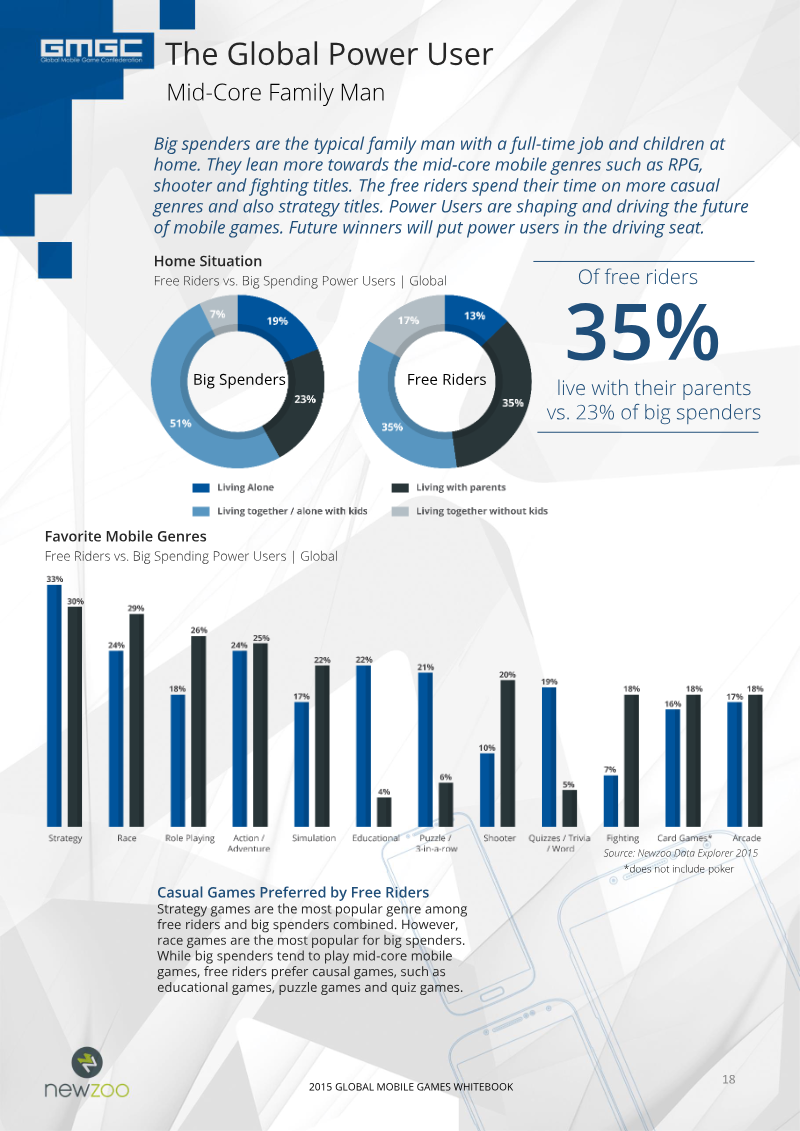
Monetization strategies must differentiate between high-value spenders and casual players.
High-value spenders are typically employed men favoring mid-core genres. Casual student players contribute less direct revenue.
Like a restaurant catering to both fine diners and quick-lunch customers, mobile games need different approaches for different player types.
1 / 6
Ask AI about this report