1 free read left. Create a free account for unlimited reading + AI research.
Create free account
English language games ignore two-thirds of global market says 6waves
Key insights
7 takeaways- 01Releasing games only in English ignores approximately two-thirds of the global market, as 82% of current industry growth originates from Asia.
- 02Asia accounts for 45% of the total global games market, with seven Asian countries ranking in the top 20 for iOS and Google Play revenue.
- 03Taiwan and Hong Kong represent 'blue ocean' opportunities for developers, as they are lucrative markets that are significantly less competitive and complex than China and Japan.
- 04Localized game versions can yield significant revenue growth; for example, Supercell’s 'Boom Beach' saw a 17% increase in downloads and a 4x revenue increase after launching a Japanese version.
- 05Effective localization requires more than text translation; it involves adapting art styles, UI elements, and cultural nuances, such as color-coding conventions (e.g., red vs. blue for confirmation buttons) which differ between China and other regions.
- 06Live operations, such as pre-registration campaigns with region-specific items and localized in-game events like cherry blossom themes, are essential for improving user retention in Asian markets.
- 07Developers must account for regional differences within the Chinese-speaking world, as China (Simplified Chinese, WeChat), Taiwan (Traditional Chinese, Line), and Hong Kong (Traditional Chinese, WhatsApp) have distinct cultural, linguistic, and social media landscapes.
Ask AI about this video
Transcript
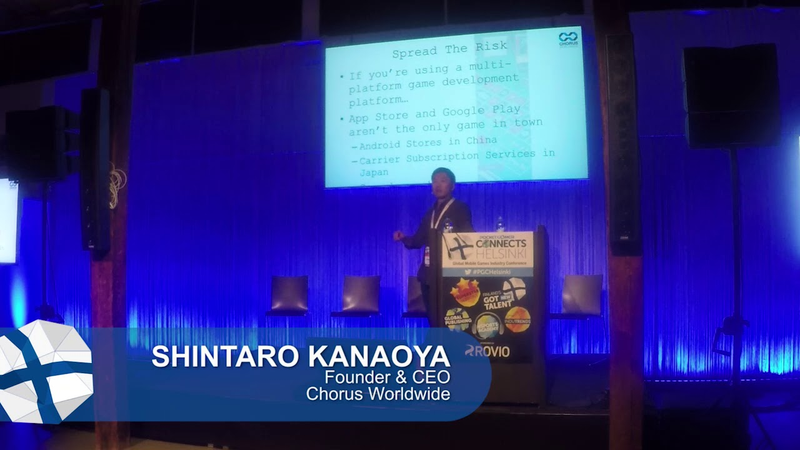
thank you for having me here to makeig history why do I say that because uh I didn't know I only have 10 minutes so when I prepar my presentation I actually got about 50 slides so if I can finish 50 slides in 10 minutes that's this make for me at least so um okay just one more about six place we're not a localization company all right we're a game publisher we are actually been around six years uh and most recently we're helping a lot of Western developers to actually bring their games to Asia in particular Japan and Hong Kong does that work all right here we go uh because time is really U very short so I'm just really dive into it and look to why localization is important and then how can we do a good job that's why all right so I think most of us here actually do games in English but if you're only doing games in English that means you only kind of like capturing about less than one3 of your potential Market um this is actually from uh newu and if you look at North
America plus the English speaking countries like Australia um UK and also New Zealand you're potentially capturing about maybe one3 of the total Global Market as my as there like two previous uh speakers have already mentioned you know Asia is actually growing in particular Japan and China and that's already in overall represent 45% of the market and another stats is that you know 82% of the growth coming this year is also coming from Asia so not only that Asia is already the larg it is still very much growing uh very quickly so uh again from new if you look at the top 20 I countries by Revenue uh people always mention about Japan and China being a top three but you know interestingly actually there are actually seven Asian countries in the top 20 uh in particular you know we mentioned about Korea before but you know in particular Taiwan and Hong Kong they're actually 10 and 12 respectively loc at Google Play again
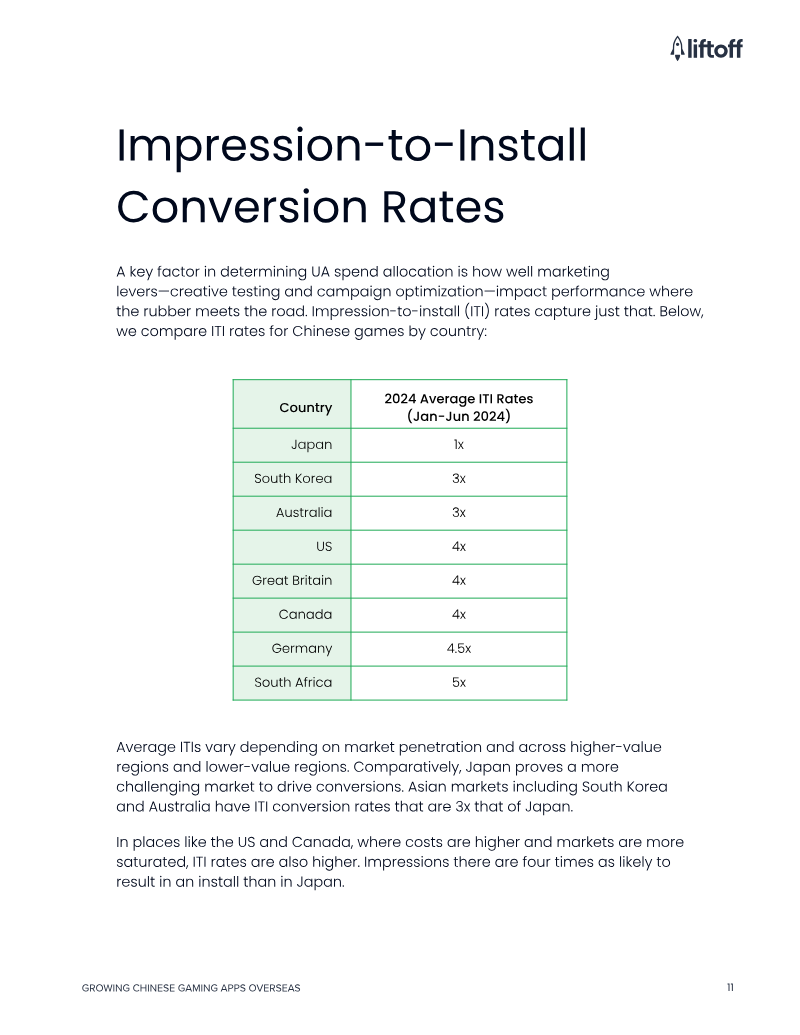
seven Asian countries in the top 20 and in particular Taiwan number five and Hong Kong is actually number 10 uh obviously you don't see China here because China you know uh Google Play is not available but you add up all the Android uh Revenue uh in China I'm quite sure is that actually in the top three also so I think you know people always mention about Japan and China being very very attractive but I would like to present you another perspective and I'll say Taiwan and Hong Kong is actually blue ocean you know Japan China yes they're very big but it's also very competitive and it's also very complex but I think you know um it's actually doesn't really take a lot to actually also localize your game and try to capture the Taiwan and the Hong Kong market which are really blue oceans and a lot less competitive so here's another data from disal and it actually shows um the cash of clans Revenue in Japan and how it actually improv once they have the Japanese version launched in June 17th
so I guess the Y is obvious right I mean the non-english speaking Market is actually very big and it's growing and if you localize from him well actually it can significantly increase your revenue for your game so let's go to the H now I kind of break it down into four different elements first of all is the tax so how many of you have heard about this when you talk about localization it's not just the tax right I'm sure a lot of you have heard about this so let's take a look at few slides um I actually two very good uh you know gaming companies from Finland obviously one is Roo so the one on the left is actually the English version Angry Birds and on the right is actually Angry Birds in Chinese I think it's actually the work done by all right now I also pick uh of course Super Sub right so this is the latest game uh Boom Beach and on the left again is the English version on the right this is the Japanese version all right notice the differences this is the slide which
talks about you know buying slot this is the slide that shows when you actually achieve Victory and this is the loading screen see the differences well you know what here's the good news when they launch the Japanese version actually download increased by 17% in a week and more importantly Revenue actually increased by four times now the good news is that if you look at those slides and you compare the left and right you know sometimes it is just about the text you know you don't really have to vocalize that much but I guess you know it's also maybe it's only if you're only from Finland um I think there's something about the way they design the game and also the characters it's actually very very Universal so you don't really have to localize uh everything about your game for the siup localization right so you have to really look into the game and see you know what's really kind of like relevant to the local audience now the second part I want to share is
the art and UI so um this is actually a game that we publish and we develop uh and I think you know the art is a way of communicating to your user so uh this is ring W fair is actually a game on Facebook that was actually very popular in the US and when we bring it to Japan this is what we've done you know we actually localized those characters into a more kind like Japanese anime cartoon style another example is the work that we've done for a Russian developer uh game Insight uh this is a hidden game called mystery manner again you see the differences in art style that's actually very Western and then when we bring the game to Japan you know the stop actually change another game is a mobile game called stri Omega so these are the original cast of the characters and knowing this game is actually targeted to more uh the the male audience the young teenagers this is what we've done to the game no this is the case where we actually change part of it you know cuz you know I'm thinking when I was like young um actually I like to look at those characters than the one on the top
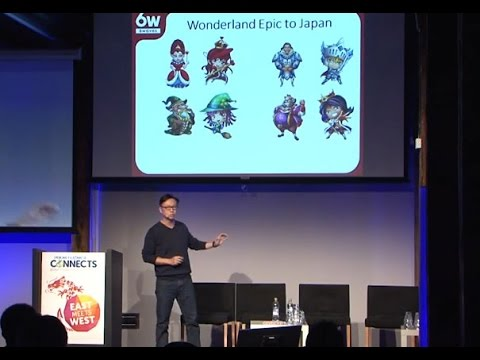
all right not only that we change those characters we actually also change the logo another example this is a game that we developed casual puzzle game so this is the queen that we have in Wonderland I in in the US version and this is the queen in Japan the Knight The Wizard and you know the bad guy so even like in Japan like the bad guy actually looks kind of cute uh again not only that we change the characters we also change the logo so it's not just the art sometimes it's also actually also about the UI the user interface right so uh here's an example here's a confirmation page of a Chinese game so as you can guess you know confirmation is usually either you confirm or you cancel so a quick test like how many things is a the blue represents confirm and the red represents cancel right few hands what about B actually red represents confirm and blue represents cancel few with hands it is actually be so you know I actually even
in Hong Kong you know usually you know blue is good right red is St but in China it's actually different so these are the kind of like you know local cultural differences that you have to be aware when you are localizing your game the third one is actually life operations so you know when you launch a game congratulations but you know it is actually just the beginning in fact actually it's not even the beginning right because you know sometimes before you launch the game you actually have to do some work so this is an example from Roo when they launch angry ver epic in Japan what they've done is actually the pre-registration so for users they want to generate those Dr if you pre-register they give you actually a special item which is only available in the Japanese Market um so this is kind of like a rolling where it's like a Japanese warrior so um you know they've done a lot of good work in terms of before even launching the game and you know La operation is very important not only that it will increase your Revenue but also more importantly it actually helps to retain your users I
think you know there are a few talks in the morning that talks about increasing cost of CPI and you know retention is now actually getting more and more important and life operation is one of those uh you know elements that you actually pay attention to improve improve your customer retention so one of the few things that we've done actually uh by bringing game into Japan is that to include new features so uh a bubble shooting game available in Facebook and when we bring this into Japan we actually added in a PVP element game is very popular in Asian countries um another example is a hidden object game that I mentioned earlier is uh there's a seura scene where you know when the Cherry bom is a big thing in Japan we actually also added that into the game um and you also have to think about pricing right it's not just about changing into local currency but understanding that you know the affordability of your users may be different in different countries and one of the tactics that been widely used in China is that they introduce a starter pack you know which which actually is a lot uh lowerer in pricing but they
actually allow the users to try different things so I think the last Point really is is the intangibles you know is the how do you understand the culture understand actually what's trending what's actually works and I think more importantly it's also very important to understand what's actually offensive and try not to put that into the game um so I just use an example you know China Taiwan and Hong Kong we're all Chinese so you think maybe they are actually the same but actually we're actually very very different so because it's a World Cup right now so I just want to share you know what about the their fif world ranking right so China is 103 Taiwan 176 and Hong Kong is 163 yeah so we're different but I guess we're consistently bad in football and spoken language China Mandarin Taiwan Mandarin Hong Kong is Cantonese uh written language okay simplifi Chinese in China traditional Chinese for tand and Hong Kong uh GDP per capita you see the differences so you know don't think about Chinese as
being Chinese we are actually all very different uh messaging platform we chat for China blind taian and then Hong Kong is actually a WhatsApp country uh social media uh we have uh wall and China and then Facebook for Taiwan and Hong Kong in particular for Facebook penetration in Taiwan is actually 65% what that number represents is actually uh you know the top of the lad in terms of the worldwide penetration for Facebook and Hong Kong 61% the second in the world in terms of Facebook penetration and China zero because it's actually blocking China so because of that you know we actually use a lot of Facebook connect uh when we're you know bringing games into Taiwan and also Hong Kong uh one of the games that we've done is actually a simple puzzle game uh you know the Hong Kong version and the Taiwan version is actually different not although it looks like the same the language is the same because uh the cultural is different so the question sets are actually totally different uh obviously other than Facebook we also have like you know
Facebook integration within the game uh this game actually did very well we're number one for five weeks in Hong Kong and Taiwan uh and it become a social phenomenon so you know uh celebrities actually talking about that posting on Facebook and also you know even AIA on your on your right is actually using that to promote their their own branding uh some more examples about like retail chains in Hong Kong and also people are actually using that as a doing merchandise so um running out of time but I guess basically took away you know basically that's the title one acto localization why is it essential to think local but I think that's not entirely true I think it's essential to think Global because of the global opportunities but it's very important to act local uh so either you hire a local person uh in the territories that you think is important or you work with a local partner to hopefully bring your games uh into a more relevant uh context uh while you're trying to bring your games into the global U Arena so with that that's my cont uh unfortunately I don't have much more time but I'll be
around and happy to actually share more experiences or talk to you thank you
Summary
The global mobile gaming market is significantly underserved by developers who focus exclusively on English-language releases, effectively ignoring two-thirds of the potential audience. With Asia accounting for 45% of the global market and 82% of current industry growth, expansion into these regions is essential for developers seeking to scale. While Japan and China are frequently cited as primary targets, Hong Kong and Taiwan represent lucrative, less competitive blue ocean opportunities for Western developers.
Successful market entry requires more than simple text translation; it demands a comprehensive localization strategy that encompasses art, user interface (UI), and live operations. Data indicates that culturally tailored assets—such as adjusting character designs to align with local aesthetic preferences or modifying UI elements to reflect regional color symbolism—can lead to substantial performance improvements, including significant increases in both download volume and revenue. Furthermore, developers must account for regional nuances in social media usage, messaging platforms, and economic factors like purchasing power.
Effective localization also necessitates a commitment to ongoing live operations, such as pre-registration campaigns, region-specific in-game events, and the integration of popular local features like player-versus-player (PVP) modes. Because cultural preferences vary even within regions sharing a common language, developers should avoid treating markets like China, Taiwan, and Hong Kong as a monolith. Instead, they should either hire local expertise or partner with regional publishers to ensure that games are contextually relevant. Ultimately, while the goal is to think globally, the execution must be strictly local to achieve long-term retention and commercial success in diverse international territories.