1 free read left. Create a free account for unlimited reading + AI research.
Create free account
Hitcents on how it defeated the pirates and built a business in China
Key insights
7 takeaways- 01The Chinese mobile gaming market is highly fragmented, featuring over 100 Android app stores categorized into carrier-specific, third-party, and hardware-based channels.
- 02Carrier billing is essential for monetization in China because it allows for transactions without internet access, with typical purchase sizes ranging from 1 to 30 RNB.
- 03Implementing carrier billing in China is technically complex, requiring the integration of five different SDKs across the three major carriers: China Mobile, China Unicom, and China Telecom.
- 04Successful entry into China requires deep 'culturalization' beyond simple localization, including adjusting art styles, incorporating local themes, and redesigning tutorials to be significantly more prescriptive and directive than Western versions.
- 05The Chinese mobile gaming market is rapidly expanding, with 2014 revenue reaching approximately $3 billion and a user base of 550 million active smartphone users.
- 06Data-driven partnerships with local firms like Talking Data are critical for navigating the market, as they provide essential insights into player behavior and help track app performance across thousands of applications.
- 07Western developers should anticipate that their games may already be pirated in China; Hitcents found success by establishing a local presence to replace these unauthorized versions with official, revenue-generating builds.
Ask AI about this video
Transcript
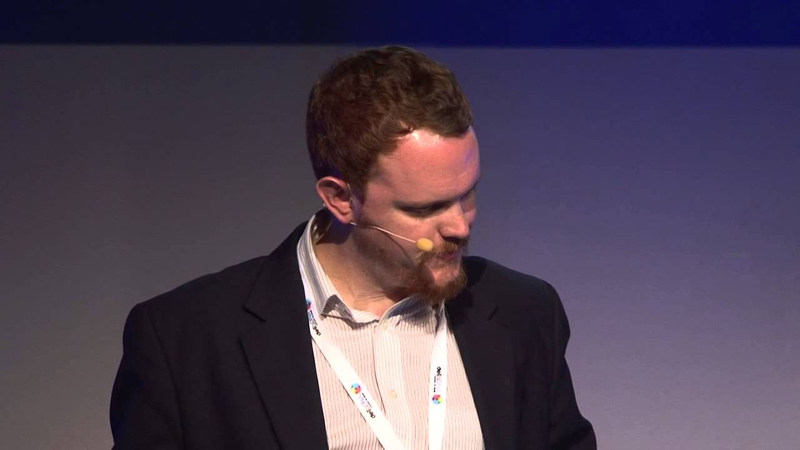
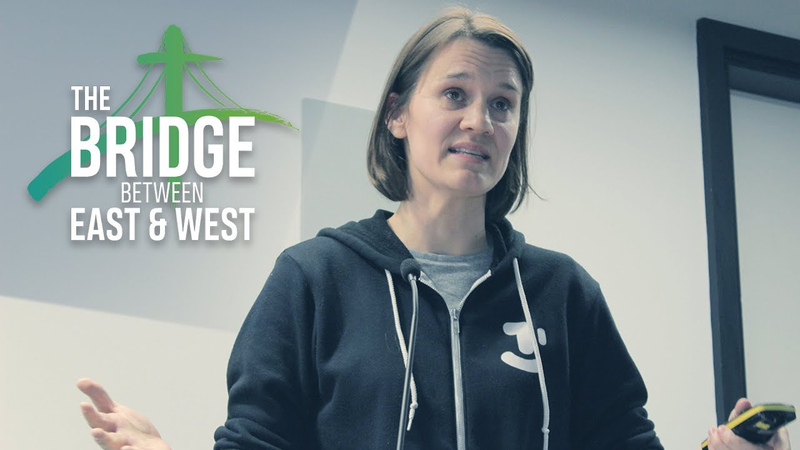
um what's good to see everyone here um my colleague and I arrived on Saturday and um Helsinki is uh quite beautiful and we've already made several new friends um and uh still not used to uh daylight uh at nighttime and uh but we've enjoyed it very much um um on the first day I was able to take a boat ride and get to see some more uh how beautiful it is around here um so my name is Stuart westall I'm the VP of games and interactive at hit sense and I focus on bringing creativity and Innovation to the mobile gaming um I'm personally uh fairly new to gaming but I did a lot of things in the entertainment space beforehand and uh I know the presentation talking about firsthand experience well the true firsthand experience goes to the president of hit sense uh Chris Mills who Moved uh
himself and his entire family over to China uh a little over a year ago um and he actually wasn't able to make it so I'm uh doing this presentation in his stad so uh a little bit more about hit sense it sounds like we're monetization platform but we're not um hit sense uh was found uh in 1999 and it was uh an ad Network then one of the first of its kind um but over the years it's pivoted um to stay in the Forefront of in Innovation and Technology um so about four years ago we did an experiment where we wanted to uh promote uh our company who which hit s at that time became a creative agency um was building websites and at this point had already done like uh kiosks and several other different items in the technology space and so we uh had this
idea about drawing a stick figure and having it come to life and so we launched draw stick man.com which is where you draw Stickman and it comes to life and then you take them on a short little adventure and that uh draw Stickman dcom went viral we had a million players uh within the first 24 hours uh that took us to the Webby Awards where we won several webbi and we started meeting several companies there um and started doing more more in the entertainment space uh we did the Sony One Direction app which uh did 6 million downloads in 12 weeks and it just has really taken off and that allowed us to then take draw Stickman and and take it into and turn it into a franchise and so now we have a full-blown uh crossplatform game um that's on iOS Android steam uh it's now being taken to Xbox One um and that's been that's really kind of the uh Genesis of how we got involved in games so right now we're currently focused on
original Ip and the other half of the time we're working with Stu movie studios celebrities um and the like so running a game business in China is this the clicker right here is this it and this is a picture of my uh two kids and my wife so uh running a game business in China uh first off it's uh it's quite a lot of work um and if you were to put it simply it is simply a risk uh there's a lot involved with getting set up in China and if you aren't from China um there's uh many barriers to entry and a lot of questions to ask and questions you should ask um so a little background on why we went to China um so Chris about a year ago moved to Shanghai um and his twin brother Clinton
they founded the company in 99 they're twin brothers um and so they've been working together side by side since they were 16 so was quite a big deal and a big sacrifice for Clinton to I mean I'm sorry Chris to leave Clinton behind to run um our North America operation um but Chris went ahead and went over there um we went over there because uh Stickman uh had a huge Spike we saw 18 million players but we weren't seeing any revenue from it and uh we found out that it was all coming from China um and it was all pired and so we went over there to find out what was going on and we started talking with stores and uh decided to work with a company over there and and in the beginning we worked with someone that took our money and ran so trust for us it wasn't looking so good and we were like well we know that um the Chinese market is enjoying our game but we're we don't know how to do this you know are we supposed to we need to find
uh some kind of partner someone that we can trust how do we build that trust there was a million questions and that's why Chris decided to go ahead and move over there and figure this out and we had a lot of help along the way um the world uh Trade Center um and a lot of different people helped us uh get set up and meet the right people to get going so we set up a uh holy foreign owned Enterprise which is a lot of work in and of itself but we had to do that because if we did you have to pay so much money in taxes and it wouldn't be profitable for us to be over there um and so along with that uh we started building the long process of building trust um with a foreign you know foreign company that we don't know several foreign companies that we don't know anything about and then also having to address the whole piracy issue um once we are over there Chris spent a lot of time meeting with all the different channels the stores the carriers
and we found that um they were working really well with us um they were happy that we were there they were happy that Chris decided to to take that risk that jump and to move his family over there uh and be invested and so they agreed to take the pirated versions and switch them out with uh the full version um the official version that we um localized and culturalized so uh just to touch a little bit more on um some of the barriers um I had already talked about trust quite a bit and that's I think one of the most important things to establish and it takes a long time as it does with any relationship um but for some reason um it seems like we've had a hard time coming to the table uh with trust because we kept getting burned so many times um but it meant a lot to us so we went on to go ahead and put ourselves out there and keep doing it and make it work um so we just decided to bite the bullet and dedicate ourselves to doing it until it worked um
and a couple other things that have been uh difficult barriers for for many is that the culture there's so many differences um from Western culture and you know when you're when you're doing your um when you're communicating in meetings that a lot of there's a lot of misunderstandings um and so you have to be willing to be patient and work through all those misunderstandings until you you come to the point where you're at on the same page um and that happens internally just with our company and and our employees um that are all from China um and Chris is the only Westerner out there um and then also uh when you're communicating in meetings you're constantly flying around and China is a very big place and um and every area is different and so you have to behave differently in a lot of these different places and um so if you're going to be over there setup shop you need to be
prepared for that it takes a lot of patience a lot of dedication [Music] um and so this um to talk a little bit um about Market fragmentation um the Chinese Payment Systems player Behavior Uh tutorials in uh training the player as well as uh localization and what we like to call culturalization so uh the fragmentation of China's mobile market Mar as you know there are over a 100 Android Stores um and they're really broken down into about three types which is the cell phone carrier app stores uh tier one and tier 2 third party channels as well as well as Hardware channels um and right now it's extremely fragmented we're feeling like it's going to start centralizing more and more over time and we feel like that's already started to happen it's going to take some time but right now it's just all all over the
map um so one thing that we found very interesting is that um a lot of the Chinese do not have Wi-Fi in their homes um and so they have to be very mindful of their cell data usage and about um almost 60% use Mobile assistance um and we're familiar with that with you know iTunes um you know where you download it on the PC or the mac and then plug your phone in your device and you upload um so it's similar in that sense but they also have these little kiosks that you can just walk up to in public and plug into and that way they're saving on their data um and the other thing that's interesting about that is because so many of them do that that's a lot that's where we focus the advertising um instead of being directly on mobile it's usually with these assistants and so uh when we get into carrier payments there's three major
carriers uh China mobile China Unicom and China Telecom and just with those three there's five different sdks to implement um and these are required um if you want to do the SMS uh building systemss which that's important because you don't need internet to be able to make transactions um premium is just not really something that happens in China um it's virtually not there I OS um you can do that and those um users tend to have more money to spend on that but it's such a small part of the market right now so a little bit more on Carrier billing um you're a little bit limited on the range of um the size of each purchase and so you see it range for about one R&B to about 30 R&B and uh one R&B is uh roughly um
I'm not sure how you say it 12 cents Euros or 0.12 Euro um but it's 16 cents USD uh and 30 R&B is approximately um 3.57 and $480 USD and so that's the range you have when you're doing carrier billing and this works great if you're working on a casual game um and you're doing your micro purchases but if you're focused more on midcore to hardcore games you're going to have to use a third party um to do your inapp purchases and and one of the main ones is alip pay uh which is about 60% of the market and alipay is similar to PayPal so this brings us to uh focusing on on understanding how players behave
in China and it's different than Western culture um so we work every day with um our you know our our employees that are Chinese to understand and see the differences so that way we know what to do as far as making the changes and you we might have an idea you know in our headquarters and pass it on and then they'll say that makes absolutely no sense over here don't do that that's a mistake and so we'll have to go back and think about it um and so at this point now we do our Crea a lot of our creative sessions together so that way we can hear their input um pretty early on so one of the things that we see more in China than we've seen before is uh Lottery and luck is a big part of the system and success is not always is guaranteed so the gambling is a big deal um so you
spend money but you can still lose and you um often are presented with options to spend money just to increase your odds just to increase your chances but there's never this there's never this guarantee um and another thing we see is VIP cards or uh VIP player status which gives you discounts on in that purchases uh for a limited time and these are really popular right right now um and then there's also just random games of chance anytime as far as just giving you stuff it's uh you spin a wheel um then you win something that's good or you may not even win anything at all so in in this one U this screenshot that you see here uh we we have one thing like a it's a lucky draw which I was talking about with the spin wheel um and in this one you there's
often a chance that you you won't actually win anything this is yeah this is the one right here so getting back into user training and uh tutorials we when we first went over there um and we said hey we're going to make an official version for the Chinese culture we want to do this in a way that um will work very well for this market and we want your imp put um we had what we thought was a tutorial already in it where it was just like hey draw your Stickman and for us that was very like straightforward and they said well you need a tutorial so we said okay what do you what do you what do you need it's like well you need to show them how to draw a stickman and and what to do so we did that and we took it back we showed it to 20 channels and they said all of them said you need a tutorial and we said well we just did a tutorial uh look and they're like that's not that's not a tutorial you need a tutorial and so we
dove into it more and we got an example of what tutorial meant to them and what we found is that Chinese players need more specific instructions and so what we were previously doing is just dropping a user into the level and saying see if uh yeah here's an example so right here this is uh drawing your stickman on the global and it's just like hey draw your Stickman and then it points to the box but in China we got much more specific so you see like after you've drawn your Stickman we even had to tell them exactly where to touch first so then they would see the behavior of the stickman and here we say draw your friend and most people just draw it but we actually had to tell them hey draw it in this box over here same thing on this one touch exactly right here and you can touch in many different places but we had to get very specific um on this slide right
here it's more getting uh this is the first level right here where we drop the player in so in the global version they have this fire pencil and they just start burning stuff they see a little bunny they burn the bunny it happens instantly um but it wasn't it wasn't happening in China so uh what we ended up having to do is get very specific and say Point here again um we also added um as you can see here like we pointed specifically to the pencil touch the pencil then draw the fire and we show them exactly what to burn so every every piece is just like very specific do this do that do this and so all the behaviors is um presented like in this order which is very different for us um where we uh previously you know we're celebrating like hey just explore you know like ask questions and do stuff and we found that that wasn't working so we had to add
those um in the China version we also had to point make arrows on which place to travel um and in the global version people can pretty much go their own any way they want and we tried to make this kind of semiopen world feel so there would be multiple paths to exit but in the China version we had to give them specific arrows on where to go we also added a map so they could see the entire map of the level um and then we highlight the exit as well U and then there was also um like a a hint as well to kind of give more of pictorial example of of what to do so um and that brings us to what we like to call um culturalization um so we consider
localization every time we've encountered it it's it seems to always not been done well uh often the translations are too literal and there's a lot of confusion um and so we approached it and we call it culturalization where we're really taking into account the culture and we have to talk with the Chinese and interact with them and go back and forth in order to understand what that culture is and and make sure that there's not misunderstandings and one or two conversations just doesn't do it you actually have to go back quite a back and forth quite a bit and the other thing that we did more than just the language but we actually had to change some of the mechanics as you already see with the tutorial that's significantly different we would never do that um normally but in the uh Eastern Market we have to do that kind of stuff um and the other thing that we did is
change art which I I think most people are more familiar with as well is that um certain art speaks differently to each market and so we updated so we we swapped out trees with um you know trees that are more local to China um and went with some more traditional uh art when it comes to like uh what the characters were wearing that kind of stuff um and this game actually our China version is actually harder even though the tutorial is very like do this do this do to this um it's harder than our Global version to play harder to play this is an example of our game menu on the global version um after you draw your stickman in the beginning uh he shows up on this uh game menu and you also your friend shows up as well um and then on the China version we put some traditional buildings in there so if you're considering the Chinese market
um there's data you should find out and there's a lot of questions you should be asking um but something that matters to me that I think is important is that um the Chinese like previously you know consoles had been outlawed for such a long time um and so for many of the Chinese this is the first time they're really getting their hands on their own personal device um and for many this is their first video game experience which I think is a very neat Market to be able to cater to cuz you're getting uh someone's firsttime experience which is pretty magical and to be able to play games uh like this for the first time and have uh these kind of doors open to you that's a neat uh place to be um and I also feel like that comes with a lot of responsibility um and if you want to be successful in China you also have to have strategic Partners um it's just so important to find the right people people that you can trust that help you navigate the
waters so for us uh one of our partners over there is um talking data and they are the leading mobile data service provider in China and they reach more than 550 million unique devices uh from over 25,000 applications and so we've uh Partners we have a partnership with them um and they've been helping us in a lot of different areas um so some of this data is straight from from Talking data um they've estimated in 2014 the the mobile game revenue for the US is 3.2 billion and in China 3 billion and so you can see that there's huge potential there um and really the the way it's looking is that um this is really only the beginning for China and they're going to outpace the Western Market pretty quickly um active users on Chinese smartphones right now is 550 million
active smartphones and uh 528 million users are playing mobile games so the majority of the new smartphone users are also playing games um and so this is a an incredible uh amount of potential and the other thing that's interesting is there's 53 million users um that are spending money on mobile games in uh 2013 and right here you can see the breakdown of the the the main categories I think I went too far um so these right here is a list of the top three genres and um we're seeing that you know 40% of users will usually Play Casual Games first in China and then 45% of the users will spend money in the Casual game as well um and every day you know adult adults
are getting U these smartes for the first time um and the roll out of these new devices has just been increasing dramatically um and so let me go back one more and show you this the uh card battle is is is blowing up so that genre is very big right now um and so we're seeing that average revenue for per playing user um is 274 R&B which is roughly 33 and 45 uh USD and these are just rounded up numbers those aren't um exact and then average of all the categories which as you all know is there's um a ton of different game categories um it averages out to 118 R&B uh which is roughly 14 in uh 19 USD so what else do you need to know um I gave you guys you know a little bit of
the background of why we went we went because we had a lot of people that were interested in our game um we weren't even thinking about China until we saw that it was being so heavily pirated um and piracy is still a major problem in each uh I constantly am getting these emails of new pirated versions of our game and people making up Back stories about how they this creative company and they've been in business for so many years but it's our game and you can just see that they flipped only like maybe two pieces of art um so it's still happening and you have to you have to have a way of policing that and going after that and really for us the only way to have done that is be there um and then have those strategic partners that will help you replace the pirated versions as they appear with the official versions and there's a couple different ways that um The Game's been pirated some people just just straight rip it some people try to make look like their own um some people strip out the
analytics and put their own analytics um and more importantly you know they take um they strip out the billing codes and they put in their own and so here they've stripped out the billing codes put in their own stripped out the analytics put in their own and now they're tracking how well our app is doing for them um so since we've been over in China U we've had a lot of success with getting these pired versions switched out and so now we also are offering that to other Western companies that are curious to know hey is is my product being pired and what can I do about it if it is um we can help you with that so um if you want to talk to me about that afterwards um and so you know just one more time you know if you're planning on publishing your app in China you're going to want to know first if it's already there um and if you but if you look at your analytics you'll probably
just see you know um so the other thing that's different in China uh from how it is in the west is the way the revenue is split and um we're used to 70% most of the time um but in China 30% goes to um uh the payment and then 30% goes to the channel 30% goes um that's not right 20% goes to the publisher and then that what's left is 20% for the developer and sometimes the publisher will make that split differently um and so that's always a negotiated item so if you're considering jumping into the Chinese market um it you know you should consider several things you know consider how prepared you are um there's a high amount of risk um but there's a lot of opportunity to
be had and for us it's been a it's been a a very good Venture um and it's taking a lot but it's paying off for us um so if you're looking for a western partner that is set up um you know we've built great relationships um and please just let me know and I'll plug you in directly with the China team who is has that firsthand experience um being over there on a daily basis um so please also keep in touch my emails right there Stuart westal hit sense and thank you for your time [Applause]
Summary
Hitcents, a US-based creative agency and game developer, entered the Chinese market to address widespread piracy of its flagship title, Draw Stickman. After observing 18 million players in China without corresponding revenue, the company established a wholly foreign-owned enterprise in Shanghai to secure its intellectual property and monetize its user base. The primary thesis is that success in China requires a physical presence, deep cultural integration, and strategic local partnerships to navigate a complex, fragmented, and high-risk regulatory environment.
The Chinese mobile gaming market is characterized by extreme fragmentation, with over 100 Android app stores and a reliance on third-party mobile assistants and public kiosks due to limited home Wi-Fi access. Payment systems are similarly complex, requiring integration with multiple carrier billing SDKs for SMS-based transactions or third-party platforms like Alipay, which dominates 60% of the market. Data indicates that while the US and Chinese mobile gaming markets were comparable in 2014—with China reaching approximately $3 billion in revenue—the growth trajectory in China is significantly steeper, driven by 550 million active smartphone users.
Methodologically, Hitcents emphasizes the necessity of "culturalization" over simple localization. This involves more than translation; it requires adjusting game mechanics, art styles, and tutorial structures to align with local player expectations. For instance, Chinese players often require more explicit, step-by-step guidance compared to the exploratory nature of Western game design. Furthermore, the company highlights that monetization strategies must adapt to local preferences for "lucky draws," lottery-style mechanics, and VIP status systems.
Ultimately, the company concludes that while the Chinese market presents significant barriers—including high tax burdens, cultural misunderstandings, and persistent piracy—it offers a unique opportunity to engage a massive audience, many of whom are experiencing their first video game on a personal device. Success is predicated on patience, the establishment of trust with local channels, and the ability to proactively police and replace pirated versions of software with official, localized releases.
















Comments