Asia reports and market data
Documents
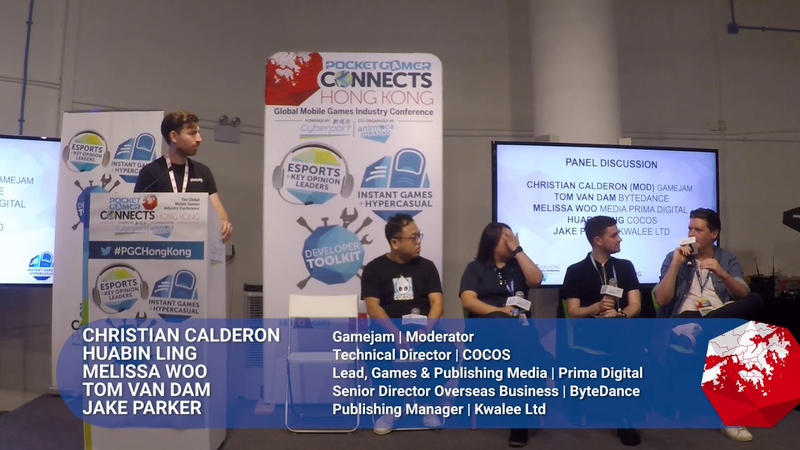
PGC HK2019 - Panel: Instant Games x Hypercasual x Casual
Hyper-casual and instant games represent a dominant sector of the modern mobile gaming landscape, defined by highly accessible, intuitive gameplay loops that prioritize immediate engagement.
- Hyper-casual and instant games prioritize immediate engagement through intuitive, low-friction gameplay loops that remove complex narratives to appeal to both traditional and non-traditional audiences.
- Success in the hyper-casual market relies on rapid prototyping and rigorous, data-driven testing to validate game concepts early in the development cycle.
- Platforms such as WeChat and TikTok serve as critical hubs for user acquisition and social discovery, enabling developers to reach fragmented global audiences.
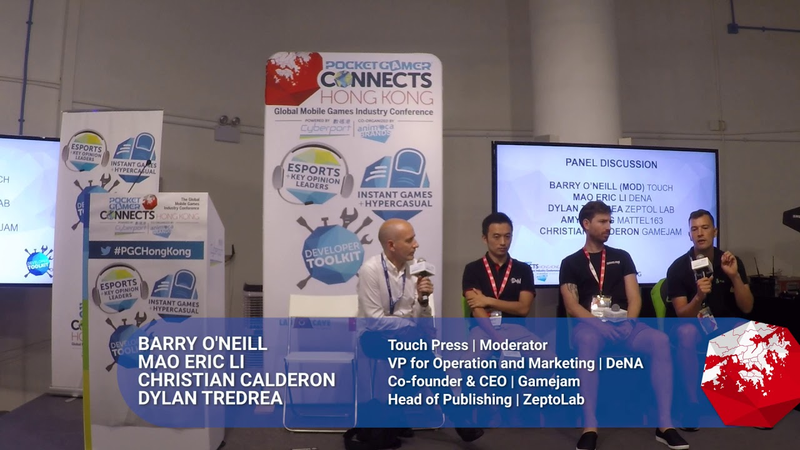
Is Working With Licensed IP a Path to Success?
Leveraging licensed intellectual property serves as a powerful mechanism for accelerating user acquisition, yet it functions as a strategic tool rather than a replacement for fundamental game quality.
- To mitigate the high risk of IP-based game failure, developers should structure deals with clear exit points and establish retention targets during the soft-launch phase before committing to a full release.
- Diversify revenue streams to protect the business; internal rules of thumb, such as limiting any single licensed IP to no more than 25% of total revenue, can prevent over-reliance on third-party brands.
- When evaluating an IP, prioritize engagement metrics over raw popularity; look for IPs where fans demonstrate high immersion, such as long-running animation series with years of content consumption rather than short-term viral hits.
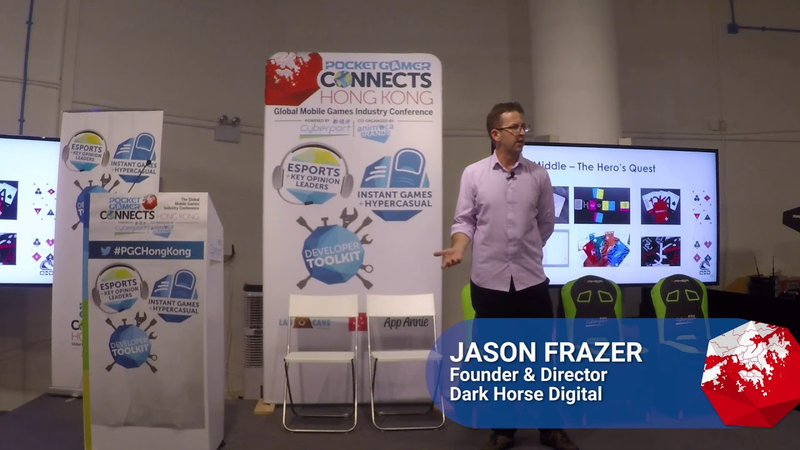
Success Bi Design: How we Embraced What we Knew (in a Field we Didn’t) to Achieve Success
The presentation outlines the strategic journey of Dark Horse Digital, a two-person startup that successfully navigated the game development industry despite lacking a traditional technical background.
- Founders can overcome a lack of technical expertise by retaining intellectual property while outsourcing development to specialized partners, such as the Finnish firm Kaos Games.
- The four-pillar startup framework—hipster (design), hacker (coding), hustler (sales), and hound (research)—provides a structured approach for non-technical founders to manage game development.
- Market research should be segmented by demographic, specifically targeting 18-25-year-old Android users, 18-30-year-old Apple users, and high-spending users over 40.
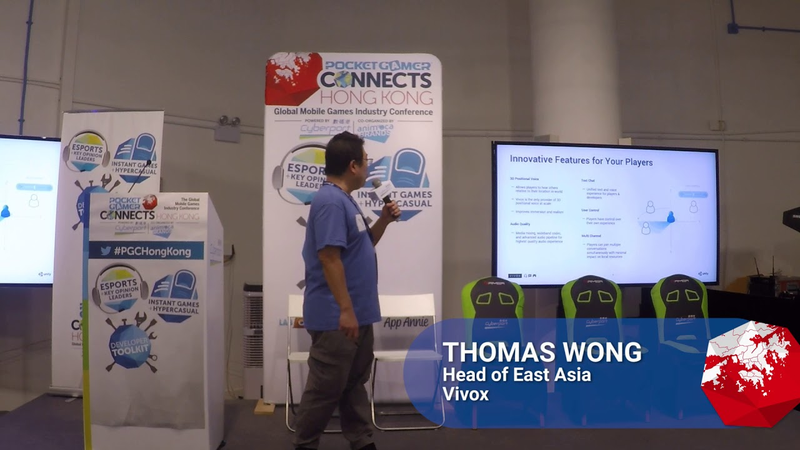
Using Vivox’s Voice and Text Chat to Deliver the Best Multiplayer Experience
Vivox provides voice and text chat infrastructure for the global multiplayer gaming industry, focusing on scalability, cross-platform compatibility, and player engagement.
- Players who use voice chat demonstrate higher retention rates by the fifth week and spend twice as much time in-game compared to non-users.
- Vivox supports over 120 million monthly active users and facilitates more than 100 billion minutes of voice communication per month across 190 countries.
- The platform offloads processing from the client to the server to minimize CPU impact and mobile battery drain while maintaining 99.9% uptime.
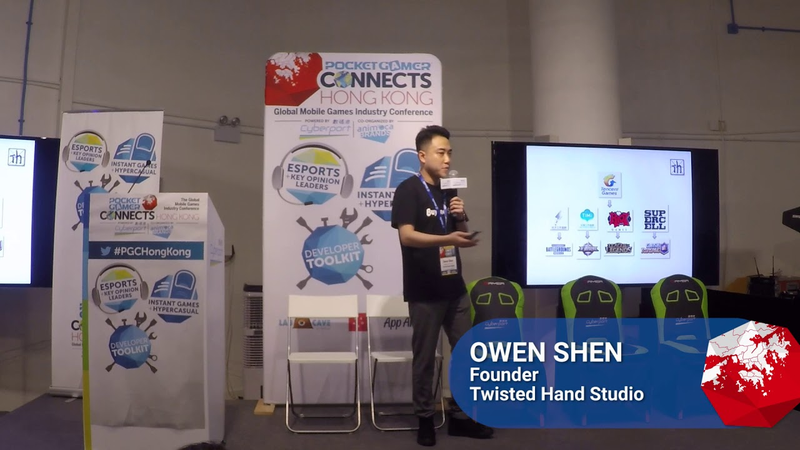
Working with Both Eastern and Western Developers as a Service Provider
This analysis examines the operational complexities of providing game development services across Western, Japanese, and Chinese markets.
- Success in global game development requires tailoring business strategies to three distinct regional profiles: direct efficiency for Western clients, rigorous trust-building for Japanese partners, and relationship-based 'guanxi' networking for the Chinese market.
- The Chinese market requires strict adherence to government content mandates, necessitating the removal of sexual, political, or violent imagery to secure regulatory approval.
- Localization for China often involves significant mechanical overhauls, such as the rebranding of PUBG Mobile to 'Game for Peace,' where combat deaths were replaced with friendly gestures to comply with local regulations.
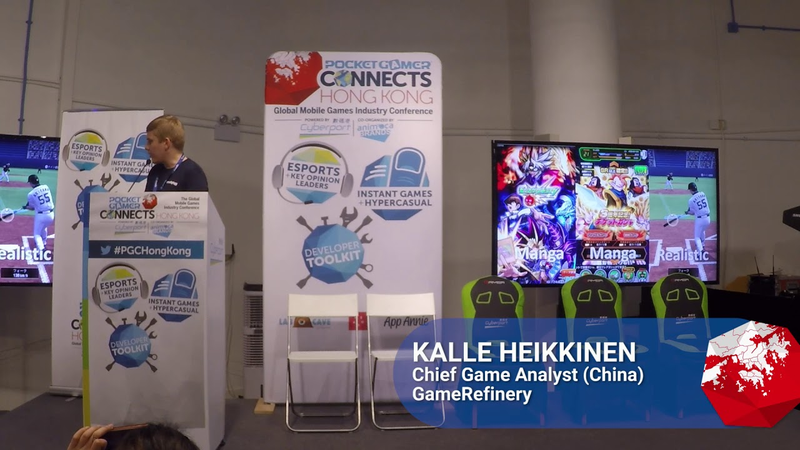
East vs. West: Mobile Game Art Styles and Genres Across Markets
This analysis examines the divergence in mobile game art styles and visual genres across the United States, Japan, and China, utilizing feature-level data from the top 200 grossing iOS titles during the first quarter of 2019.
- In the US mobile market, realistic and cartoon art styles dominate, with realistic visuals prevailing in mid-core games and cartoon styles capturing the majority of the casual segment.
- The Japanese market is heavily dominated by manga-style art across almost all game categories, with the notable exception of sports and racing titles.
- China's mobile market shows a strong preference for fantasy settings, frequently leveraging local folklore, historical literature like 'Journey to the West', and the 'Romance of the Three Kingdoms' era.
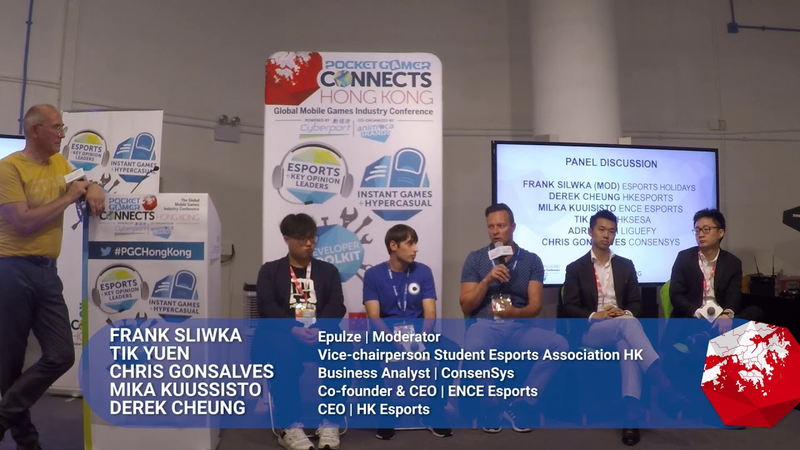
Panel: Future of Esports
Esports has evolved from a niche subculture into a mainstream global phenomenon, increasingly outpacing traditional sports in engagement metrics among younger demographics.
- Esports is outperforming traditional sports in engagement metrics among younger demographics, establishing itself as a primary global entertainment medium.
- Game publishers currently utilize competitive tournaments as strategic marketing tools to extend product lifecycles and drive user acquisition.
- Long-term financial sustainability requires a transition from publisher-dependent funding toward attracting non-endemic brands like airlines and telecommunications firms.
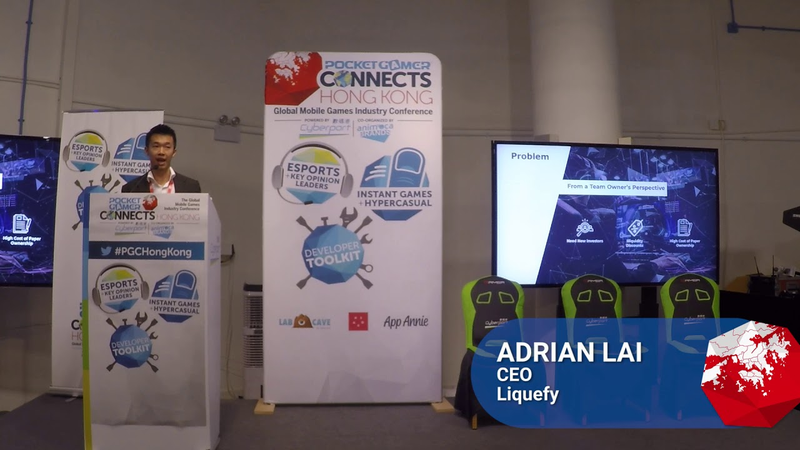
How Tokenisation Can Take Esports to the Next Level [Liquefy], Adrian Lai
The tokenization of esports represents a transformative financial model designed to address liquidity, accessibility, and transparency challenges within the industry.
- Tokenization addresses the industry's profitability crisis, where approximately 95% of esports teams currently struggle to achieve financial sustainability.
- By fractionalizing ownership of teams, tournaments, and infrastructure, blockchain technology lowers the barrier to entry for retail investors from millions of dollars to smaller, accessible amounts.
- The model creates a liquid secondary market for ownership stakes, which is expected to command a valuation premium compared to traditional, illiquid private equity structures.
Fireside Chat: Symbiosis Between KOL and Developers
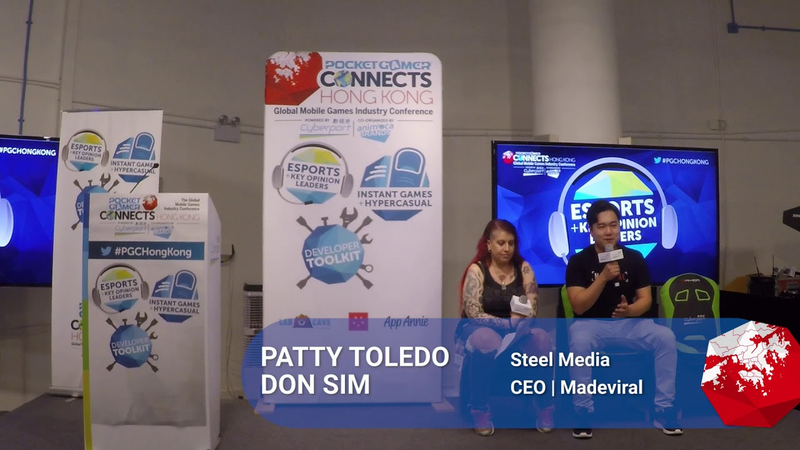
The symbiosis between game developers and Key Opinion Leaders (KOLs) is a critical component of modern user acquisition and community management, particularly within the Southeast Asian market.
- In Southeast Asia, influencers act as primary gatekeepers for game discovery due to significant language barriers that limit audience reach for non-localized content.
- Developers frequently fail to convert viewers into players by treating influencers as simple advertising vehicles rather than creative partners who provide authentic, tailored content.
- Influencer selection should be based on content history alignment with the game's genre rather than relying solely on vanity metrics like subscriber counts.
How Esports can be Used to Promote Physical Activity in School [LJQ Limited], Francesco Berre
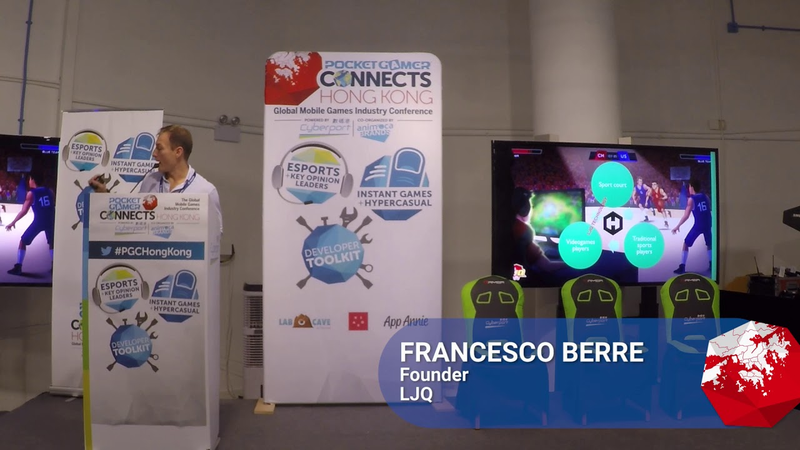
The integration of esports into educational environments presents a significant opportunity to address the sedentary nature of modern gaming while fostering physical health among students.
- A new hybrid sporting model integrates digital gameplay with physical activity, such as basketball, to mitigate the sedentary health risks of esports like obesity and anxiety.
- The esports industry faces a significant labor shortage, with an estimated demand for 260,000 professionals in China compared to a current workforce of only 50,000.
- The X-a-Basket association in Switzerland is piloting proprietary technology that links multiplayer gaming devices directly to physical court environments to influence match outcomes.
Interactive Livestreaming and the Future of Esports [Genvid]
Interactive livestreaming represents a fundamental shift in the esports landscape, moving away from passive observation toward a model of active viewer participation.
- Interactive livestreaming shifts esports from passive observation to active participation by integrating real-time data overlays and mechanics directly into broadcasts.
- The industry must move away from 'viewer-last' design by adopting a three-strata engagement model: informational, customizable, and influential.
- Broadcast features should be tailored to specific game genres, treating MOBAs with the pacing of basketball and card games with the strategic depth of poker.
Future Opportunities for Devs
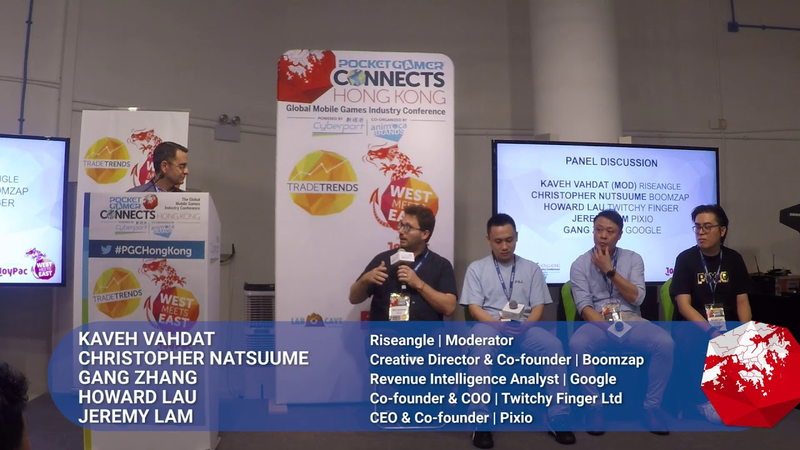
The mobile gaming landscape is currently defined by a structural imbalance where escalating user acquisition costs frequently eclipse total revenue, creating a challenging environment for developers.
- Escalating user acquisition costs in the mobile sector often exceed total revenue, forcing developers to move away from high-budget, mass-market competition toward niche-focused, indie-driven models.
- Developers can bypass saturated top-tier charts by targeting emerging markets in Southeast Asia and Hong Kong with localized pricing and content tailored to regional economic disparities.
- Rigorous keyword research and data-driven methodologies allow smaller teams to validate demand and achieve growth without the prohibitive costs of traditional mass-market acquisition.