Asia reports and market data
Documents

Fireside Chat: You Need to be in South Korea! Everything You Need to Know About G-STAR (and Beyond)
South Korea stands as the world’s fourth-largest gaming market, representing approximately 6% of the global industry.
- South Korea is the world’s fourth-largest gaming market, accounting for 6% of the global industry and experiencing 15% growth during the pandemic.
- G-STAR, held annually in Busan, is the essential strategic gateway for foreign companies to access B2B networking and incubation support.
- Successful market entry relies on partnerships with established local publishers such as Nexon or Kakao to navigate the sophisticated, relationship-driven ecosystem.

Introduction to G-STAR 2020 & the Asian Game Market
The Asian gaming market represents nearly 50 percent of the global industry, making it a critical region for developers seeking commercial success.
- The Asian gaming market accounts for nearly 50 percent of the global industry, making it a primary region for international commercial expansion.
- South Korea functions as a strategic gateway to the broader Asia-Pacific market, which includes major gaming hubs like China, Japan, Australia, and India.
- The Korean market is characterized by consistent year-over-year revenue growth, supported by the world’s second-fastest 5G network and high consumer engagement in role-playing, casual, and simulation genres.
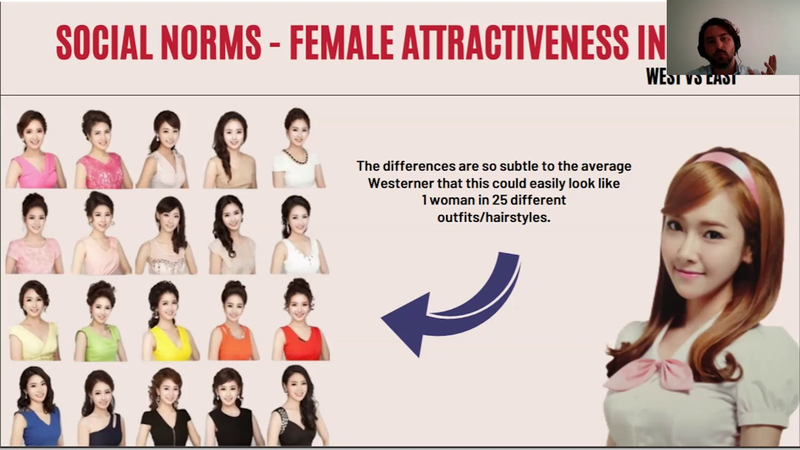
Eastern Games in the West. Reasons why Eastern Games Succeed in Europe & USA PG Connects Digital #2
The mobile gaming industry has experienced a significant shift in global market share, with mobile devices now accounting for approximately 45% of total industry revenue.
- Mobile gaming now accounts for approximately 45% of total industry revenue, with the Asia-Pacific region (China, Japan, South Korea, and Taiwan) generating nearly 50% of that global total.
- Successful expansion into Western markets requires deep culturalization rather than simple translation, as failure to adapt leads to high user acquisition costs and poor retention rates.
- Western players prioritize streamlined user interfaces, immediate gameplay access, and straightforward progression, which contrasts with the complex, tutorial-heavy, and multi-step structures common in Eastern markets.
Rise of the Player-Fan: The Growing Opportunity of Mobile Esports in Asia
Mobile esports has emerged as a primary driver of player engagement and revenue across Asia, signaling a shift from traditional PC and console dominance to a mobile-first competitive landscape.
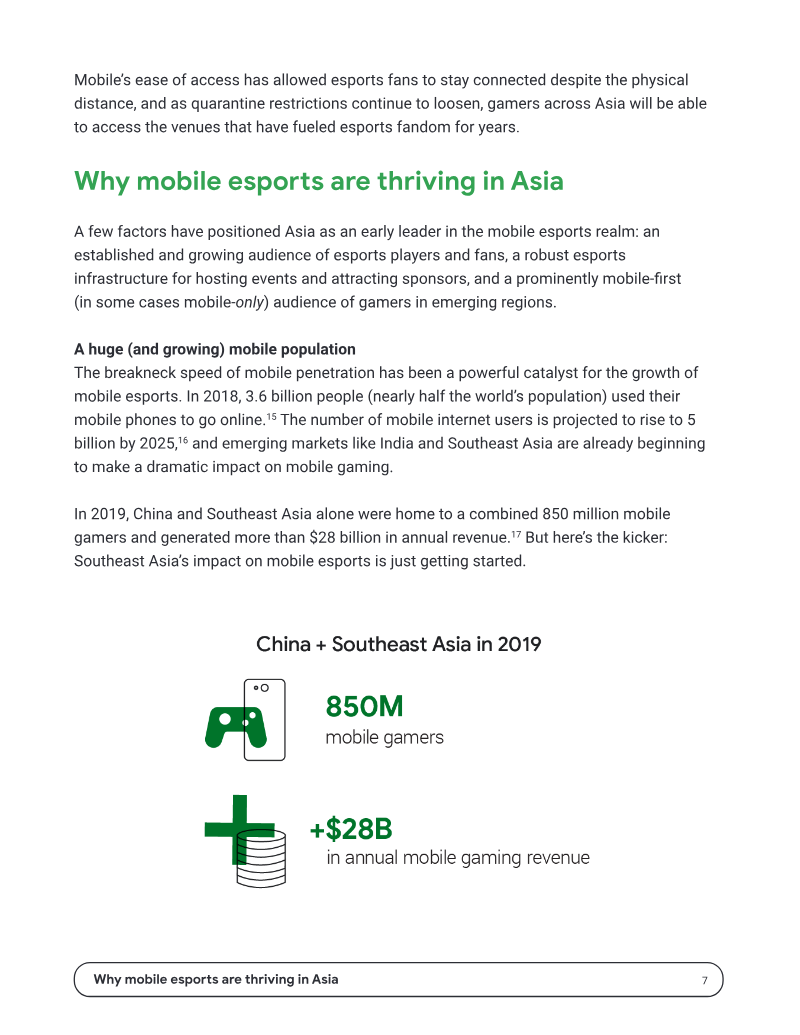
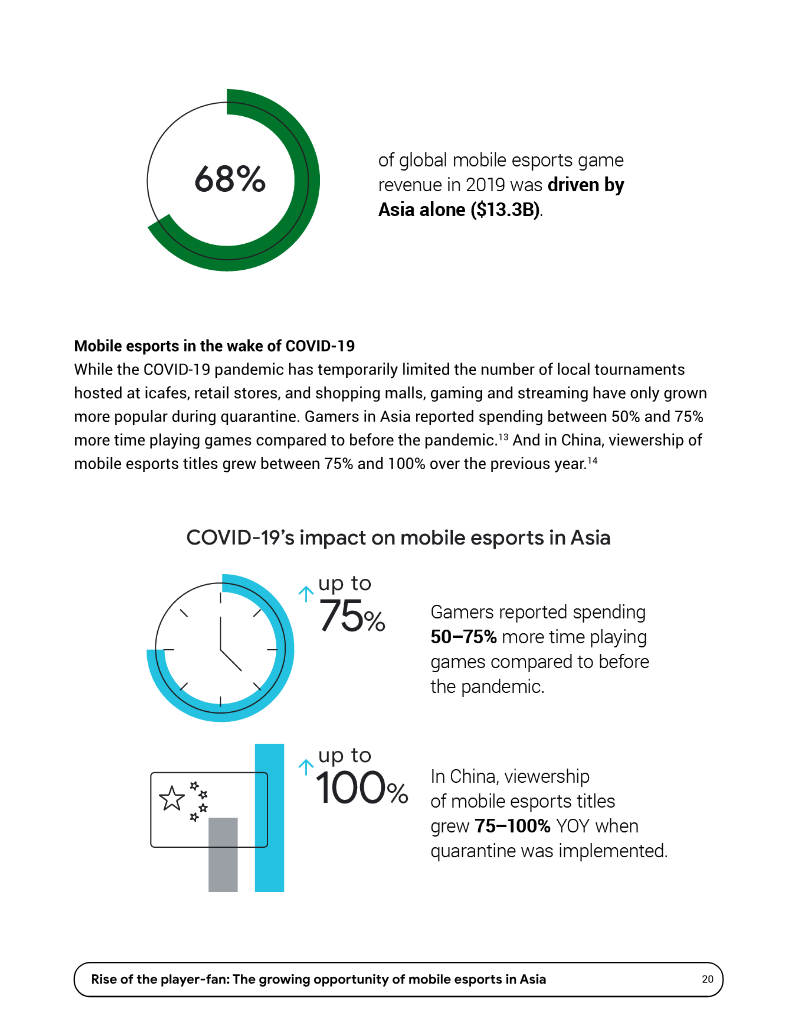
- Asia dominates the global mobile esports landscape, accounting for 68% of the $19.5 billion in total global mobile esports revenue generated in 2019.
- China is the world's largest esports market with 350 million fans, while Southeast Asia experienced a 244% surge in tournament prize values between 2018 and 2019.
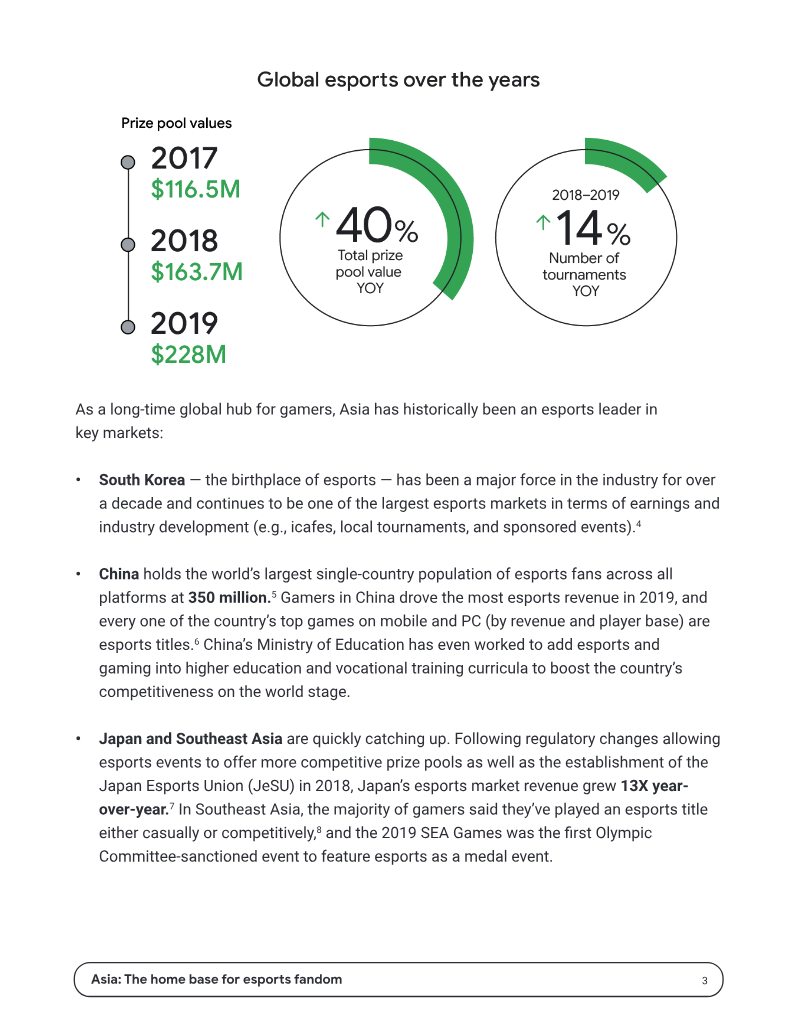
- Global esports prize pools grew by 40% between 2017 and 2019, reaching a total valuation exceeding $228 million.

Play Like a Girl: Key Ways to Engage Asia's Growing Female Gaming Audience
The female gaming demographic in Asia represents a primary catalyst for regional market growth, expanding at a significantly faster rate than the male audience.
- Female gamers in Asia grew to 38% of the 1.33 billion total regional gaming population by 2019, up from 32% in 2017.
- Mobile is the primary platform for this demographic, with 95% of female gamers in Asia playing on mobile devices.
- Female gamers contributed 35% of mobile gaming revenue in 2019, with projections estimating an increase to 39% in 2020.
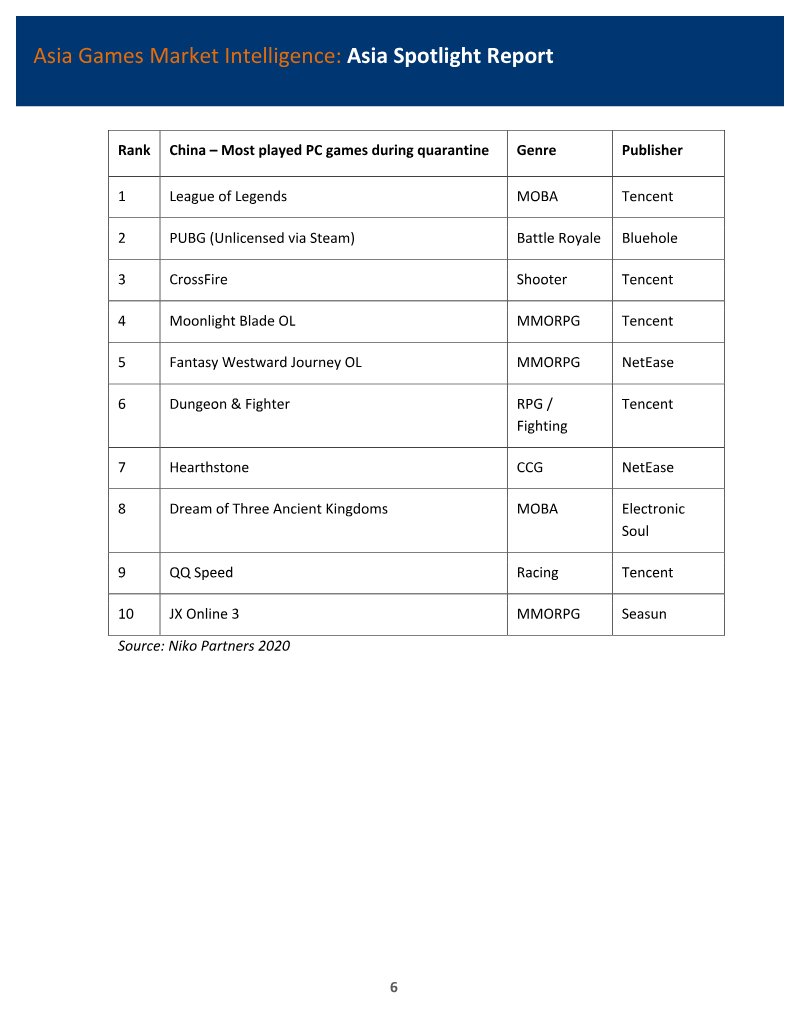
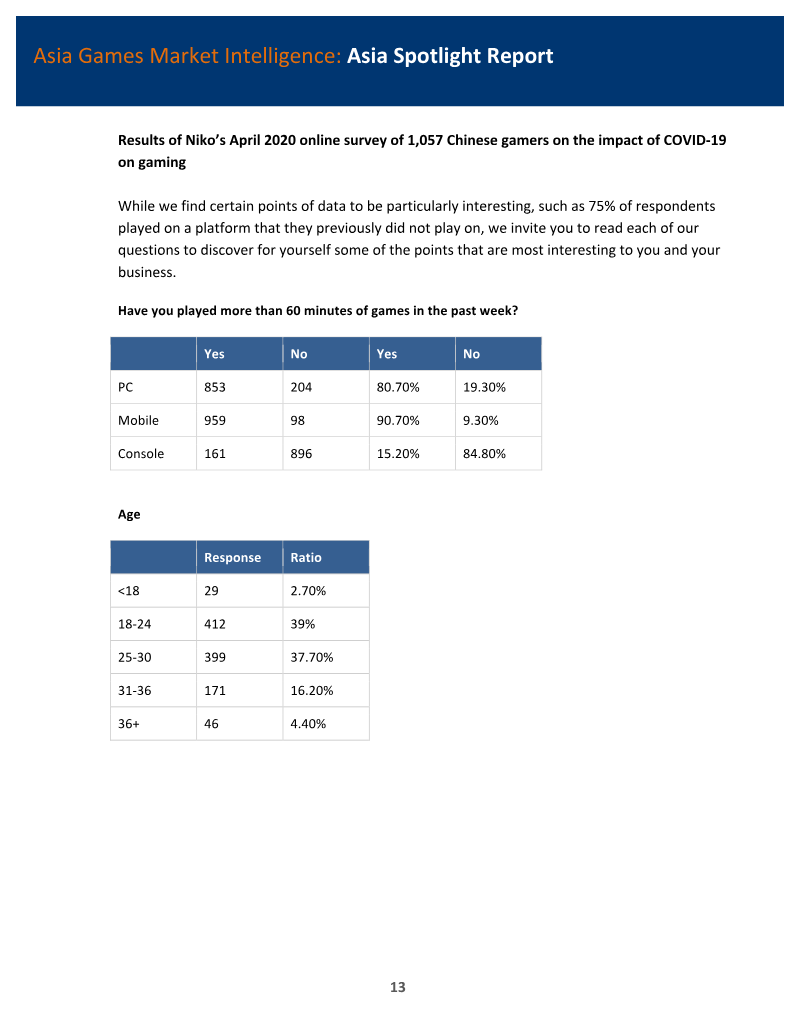
Asia Spotlight Report: The Impact of COVID-19 on China’s Video Game Market in Q1 2020
The video game market in China experienced a significant surge in engagement and revenue during the first quarter of 2020, driven by widespread stay-at-home mandates during the COVID-19 pandemic.
- China’s video game market revenue in Q1 2020 was approximately 30% higher than in Q1 2019, driven by increased engagement during the COVID-19 quarantine period.
- Mobile gaming saw significant growth, with iOS weekly game downloads during the Lunar New Year 153% higher than in December 2019 and 81.6% of surveyed gamers reporting increased spending.
- PC gaming engagement surged, with 94.6% of surveyed players spending more time on PC titles and Steam reaching a global record of 18.8 million concurrent users on February 2, 2020.
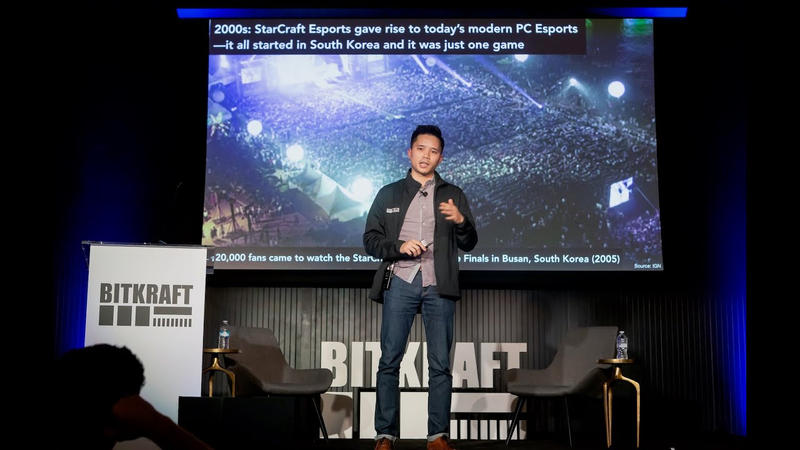
BITKRAFT Summit LA 2020 | Jeff Chau on The Promise Of Mobile Esports
Mobile esports has ascended to a position of global dominance, currently generating more revenue than PC and console gaming combined.
- Mobile esports is a primary driver of global gaming growth, contributing significantly to a $14 billion market that saw a 16% increase in value, with titles like Free Fire and PUBG Mobile ranking as the most downloaded games globally.
- Mobile esports titles exhibit exceptionally high fan engagement, with top players achieving engagement rates of up to 22% on social platforms, significantly outperforming the 10-15% average seen in traditional PC and console esports.
- Regional dominance is highly localized; for example, Mobile Legends in Indonesia recently hit 476,000 concurrent viewers, rivaling the global viewership of the League of Legends European Championship.
Level Up: A Guide to Succeed in Asia’s Gaming Market
Asia has established itself as the epicenter of the global gaming industry, driven by a mobile-first population exceeding 1.5 billion players.
- Asia’s gaming market is driven by over 1.5 billion mobile-first players, with free-to-play models generating 99% of mobile revenue.
- The female demographic has grown to 500 million players and now contributes nearly 40% of total mobile gaming revenue, necessitating more inclusive content.
- Asia accounts for 68% of global mobile esports revenue, with Southeast Asia experiencing a 244% increase in tournament prize pools.
For the Win: Breaking Down the Preferences of Asia's Mobile Gamers
Asia represents the world’s most significant mobile gaming hub, housing over half of the global player base and generating the majority of the industry's mobile revenue.
- Asia accounts for over 50% of the global mobile gaming player base and generates the majority of the industry's total mobile revenue.
- Mobile esports and competitive, socially-driven titles are displacing traditional genres across all Asian markets, marking a major shift in consumer preference through the first half of 2020.
- China remains the largest market, where success is driven by migrating PC intellectual properties to mobile and navigating a regulatory environment that requires domestic partnerships.
From Playing to Paying: The Art of Monetizing Games in Asia
This analysis examines the evolving landscape of game monetization across Asia, focusing on how developers adapt revenue models to meet the demands of a maturing market.
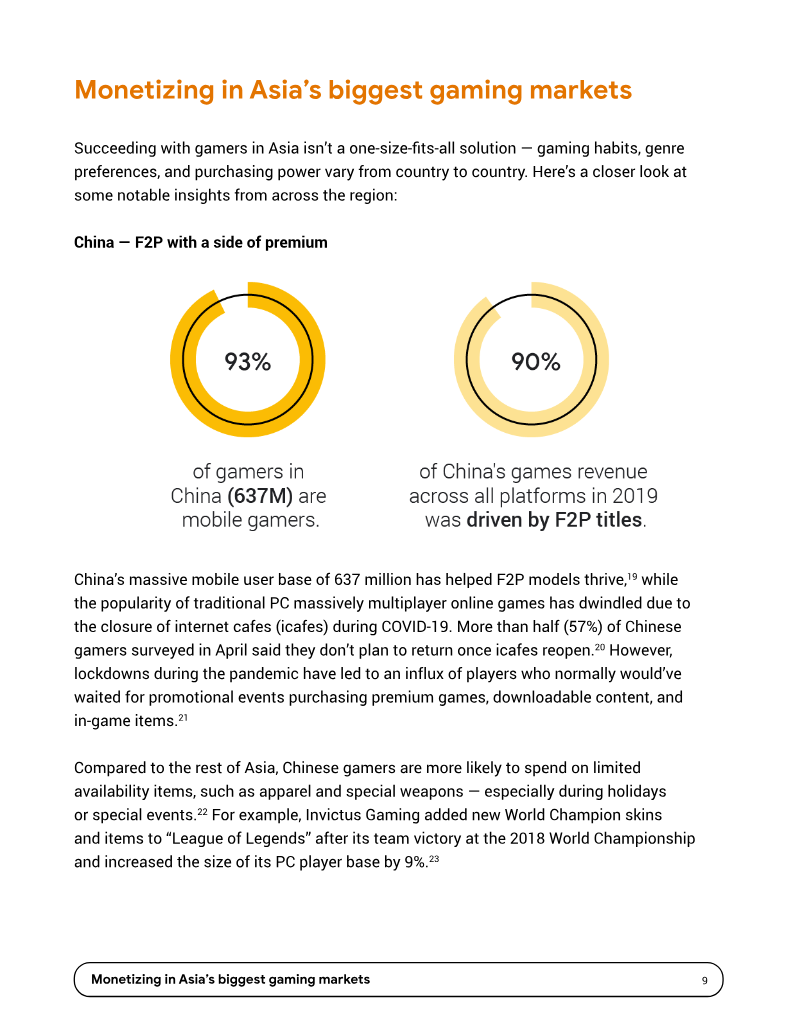
- Free-to-play (F2P) is the dominant monetization model in Asia, accounting for 98.5% of all mobile games revenue in 2019 and 100% of top-grossing titles in China.
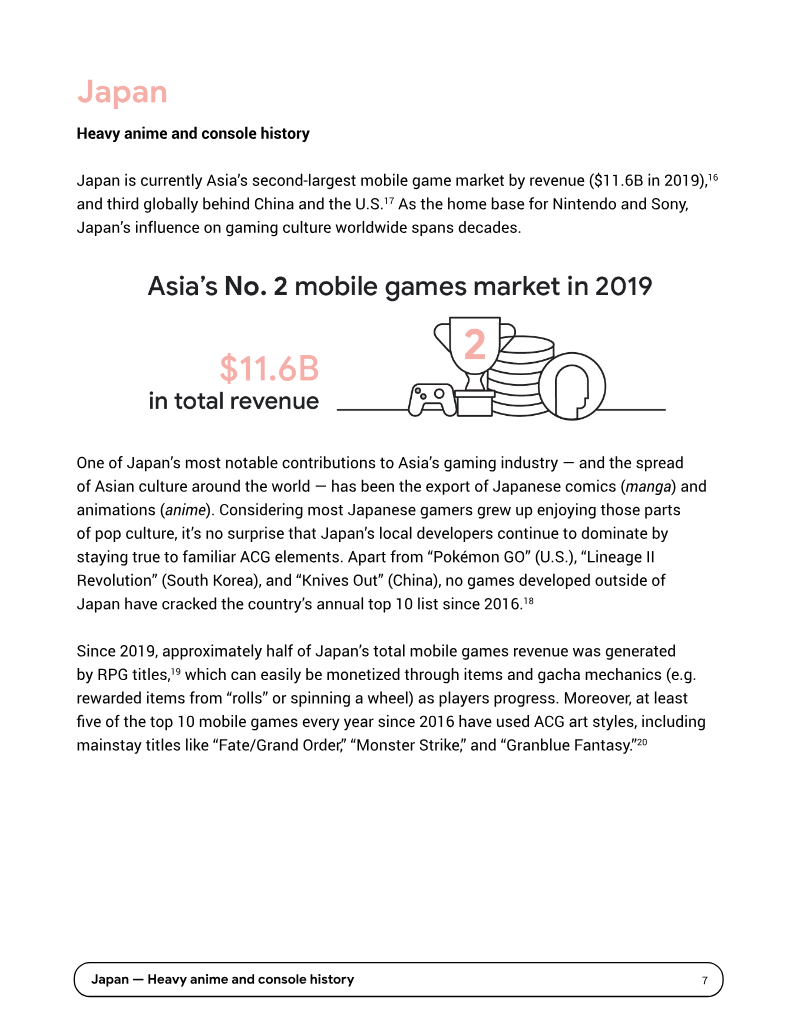
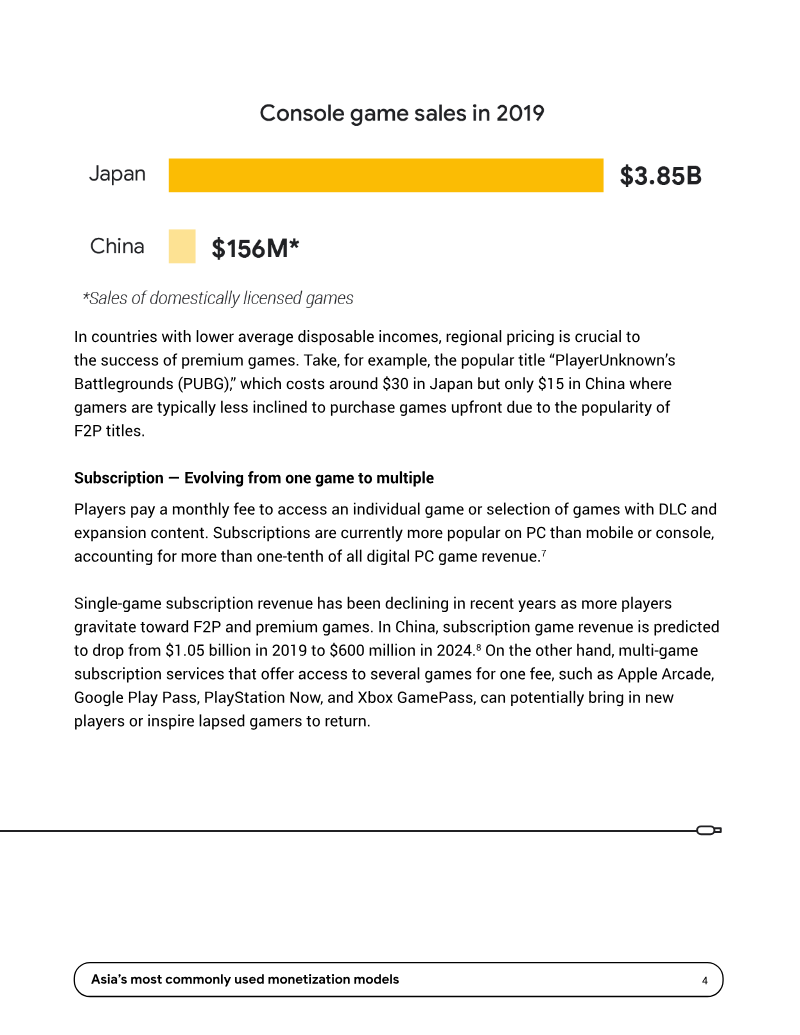
- Japan is the most lucrative mobile market in the region, generating $12.84 in revenue per download compared to the $1.53 regional average.
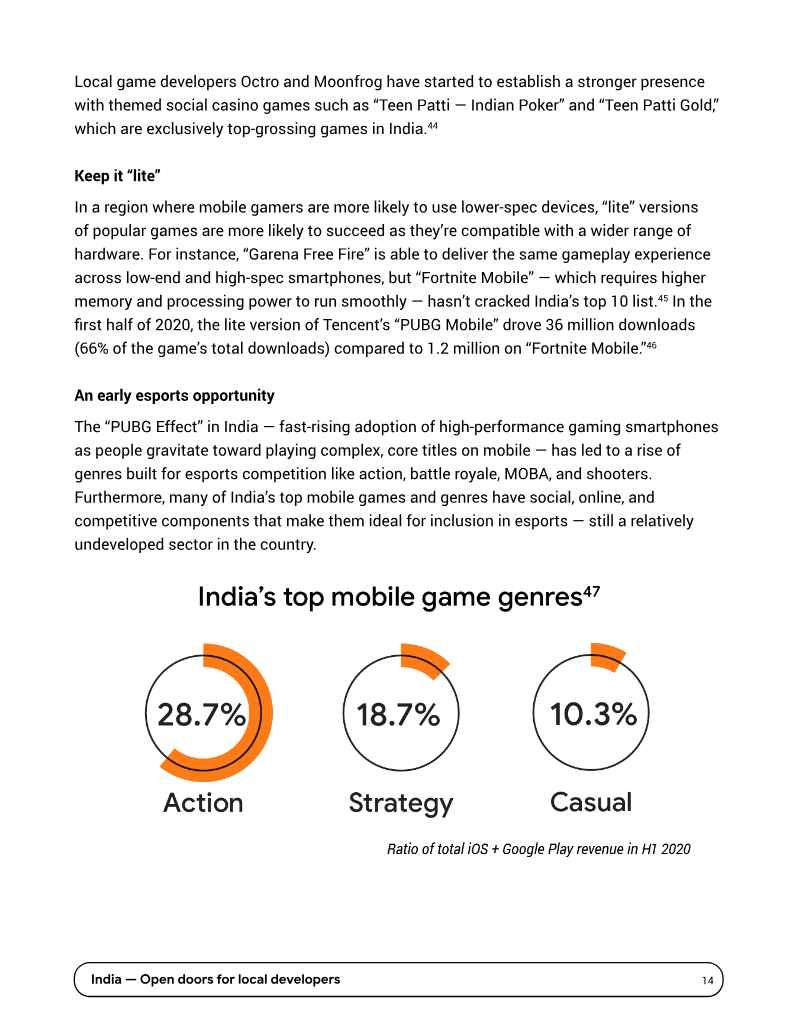
- Emerging markets like India are rapidly adopting sophisticated monetization, with battle passes appearing in 50% of the country's top-grossing games by early 2020.
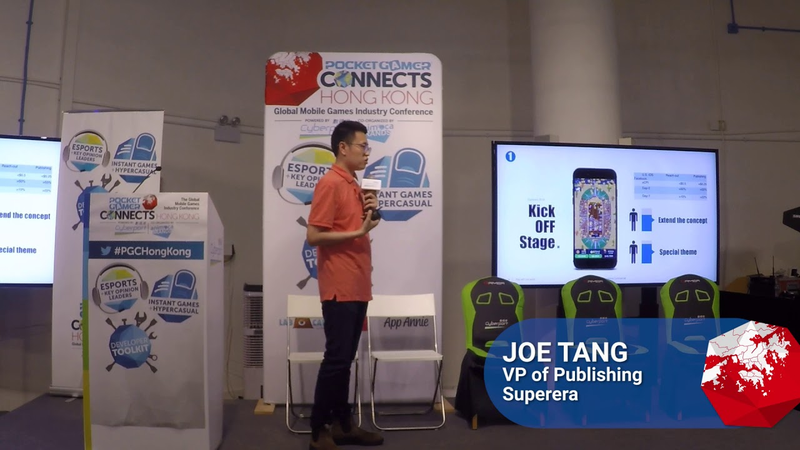
PGC HK 2019 - Designing/Publishing a Successful Idle Game - Joe Tang
The presentation outlines strategies for designing and publishing successful idle games, emphasizing the importance of genre hybridization, user experience optimization, and data-driven marketing.
- To attract publishers and scale globally, idle games should target a cost-per-install (CPI) of approximately $0.25, a day-one retention rate of 35%, and a day-seven retention rate of 22%.
- Developers can push day-seven retention beyond the industry-standard 10% threshold by integrating fresh content like mini-games or complex recipe-unlocking systems into the core gameplay loop.
- Successful idle games rely on genre hybridization, specifically blending established mechanics from RPGs, simulations, and tycoon systems to enhance long-term user retention.
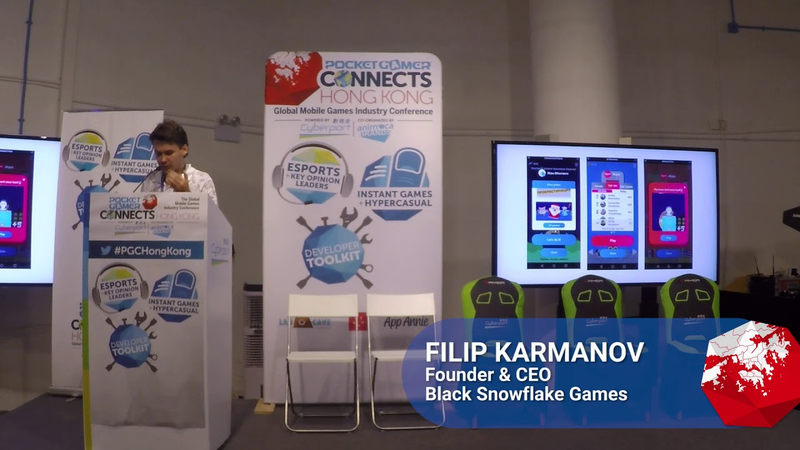
PGC HK 2019 - HTML5 in 2019: Took Off, What's Next? - Filip Karnamov
The evolution of HTML5 gaming on mobile social platforms represents a significant shift from chat-dependent mechanics to robust, app-store-like ecosystems.
- HTML5 gaming has evolved from simple chat-based mechanics into robust, app-store-like ecosystems on major platforms such as Facebook, WeChat, and VK.
- Sustainable growth in the instant gaming market requires blending hyper-casual, short-session gameplay with native social features like viral loops and community leaderboards.
- Developers must build scalable, independent backend architectures rather than relying solely on platform-provided tools to manage the traffic surges associated with high-volume user acquisition.