Asia reports and market data
Documents
Experiences of Publishing in and out of Asia
Publishing games in China necessitates a fundamental shift in operational strategy, moving away from the iterative soft-launch models common in Western markets toward high-intensity, event-driven commercial releases.
- The Chinese mobile market is heavily fragmented, with iOS accounting for only 18% of downloads but 45% of revenue, while the diverse Android ecosystem captures 72% of downloads and 55% of revenue.
- Developers are advised to treat China as a standard market by launching on accessible platforms to gather performance data before seeking a publisher, which prevents being in a weak negotiating position.
- Chinese users consume content significantly faster than Western audiences, often requiring developers to prepare 1.5 to 2 months of content for a Chinese release compared to 3 months for Western markets.
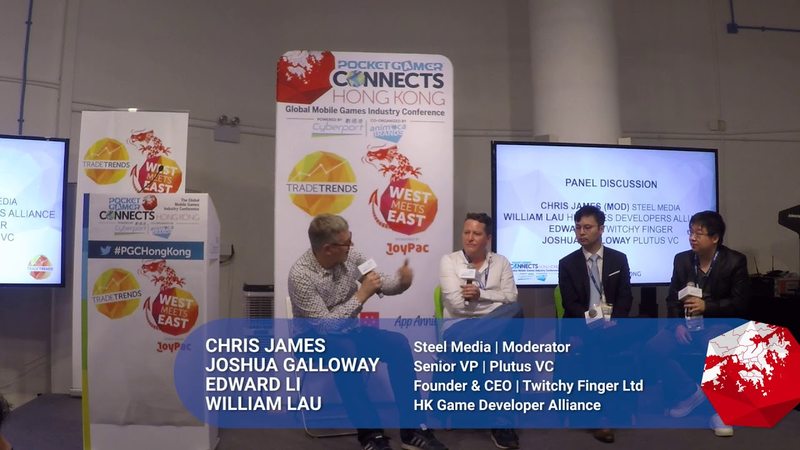
Investment Panel from Pocket Gamer Connects Hong Kong
The gaming investment landscape is defined by a diverse array of mandates, ranging from project-specific financing for PC and console titles to strategic capital allocations focused on blockchain infrastructure and corporate synergy.
- Investors prioritize startups that demonstrate a clear alignment between their funding search and the firm’s specific investment thesis, rather than using indiscriminate pitching strategies.
- Founders are evaluated on their resilience, energy, and capacity to pivot quickly, as these traits are critical for navigating the high failure rates and volatility inherent in the free-to-play and blockchain sectors.
- Blockchain and token economy projects must provide genuine value to the user experience to attract capital, as investors are increasingly wary of trend-driven gimmicks.
What You Need to Know About Hypercasual Games in Asia
The hypercasual gaming sector is experiencing a significant expansion into the Asian market, particularly China, as the region’s mobile-first culture increasingly embraces snackable, high-frequency gameplay.
- Day-seven retention is the primary driver of long-term profitability in the Chinese hypercasual market, providing a tenfold impact on lifetime value compared to day-one retention.
- The Chinese market offers a significant opportunity for hypercasual developers, supported by an installed base of approximately 250 million iOS devices.
- Successful localization for Chinese players requires shifting from abstract Western design to content featuring distinct characters, light storylines, and self-deprecating humor.
HK Market – The Challenges and Opportunities
The Hong Kong game development sector has evolved from a nascent field into a robust cluster of 40 to 50 active studios, with mobile gaming currently commanding approximately 90 percent of the market.
- The Hong Kong gaming sector consists of 40 to 50 active studios, with mobile gaming accounting for approximately 90 percent of the market.
- Developers are increasingly targeting global audiences and the Hong Kong/Taiwan markets to avoid the regulatory complexities of mainland China.
- High operational costs and competition for technical talent from the fintech sector remain the primary barriers to industry growth.
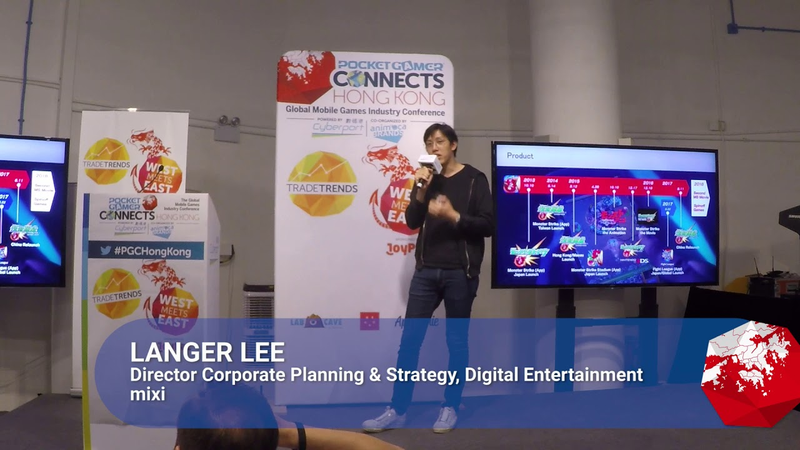
How Monster Strike Became the Biggest Mobile Game in the World
Mixi, a prominent Japanese social networking and entertainment company, has achieved significant global success with its flagship mobile title, Monster Strike.
- Monster Strike maintains high user retention through a core player base, with 30% of users having played for five to six years and 40% having played for at least one year.
- The company employs a 'barbecue concept' strategy, focusing on high-adrenaline, real-time, four-player co-op experiences designed to bring friends and family together.
- Mixi utilizes a vertical integration model for its intellectual property, synchronizing game development with movies, animation, eSports, merchandising, and physical retail spaces to capture users across multiple categories.
Embracing Complexity and Compliance in Modern UA
Modern mobile user acquisition demands a sophisticated, data-driven framework that integrates paid advertising with continuous App Store Optimization.
- Successful user acquisition requires balancing CPI against LTV, with evergreen games like social casino titles supporting higher CPIs due to multi-year player lifecycles, compared to hardcore games with 6-to-12-month lifecycles.
- Internal Business Intelligence (BI) systems are essential for modeling user behavior, such as tracking spin frequency in casino games to identify potential high-value 'whale' players and predict purchasing patterns.
- App Store Optimization (ASO) remains a critical, ongoing process; top-performing products often manage pools of over 10,000 keywords, requiring constant exploration and re-testing of previously underperforming terms.

Marketing Agencies, Their Value and How to Work With Them
This presentation outlines the strategic value of marketing agencies for mobile app developers and provides a framework for successful client-agency partnerships.
- Agencies provide value by offering access to specialized marketing technology, scaling acquisition efforts without the overhead of internal team building, and delivering performance-driven results like ROI and ROAS.
- When vetting an agency, clients should perform due diligence by requesting relevant case studies, checking references within their specific vertical, and obtaining at least three quotes to establish a cost benchmark.
- Successful long-term agency-client relationships rely on setting clear expectations, ensuring the client recognizes the agency's value, and maintaining profitability for both parties.
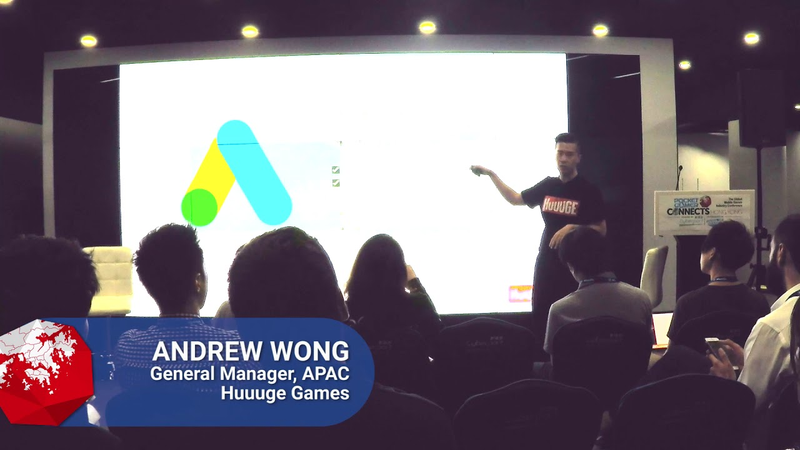
From Europe to Asia Pacific, From Social Casino to Casual Games; the Secret of User Acquisitions
This analysis examines the user acquisition strategies employed by Huuuge Games as the company expanded its operations from European markets into the Asia-Pacific (APAC) region.
- Culturalization of game assets—including visual themes, UI, and event messaging—can increase pay rates by over 100% compared to standard Western-style assets in the APAC market.
- Automated, machine-learning-based advertising tools like Google’s Universal App Campaigns and Facebook’s automated bidding outperform manual install-focused campaigns in long-term return on investment.
- Scaling user acquisition requires an initial period of capital investment and patience to allow algorithms to optimize for high-value users through features like 'max conversion' campaigns.
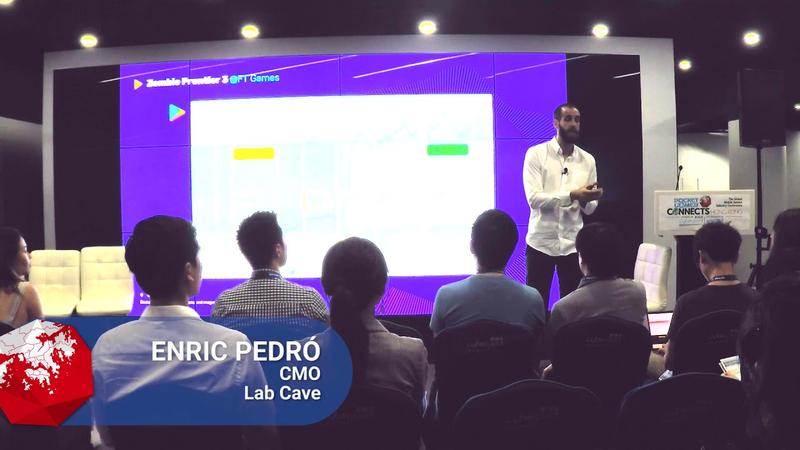
ASO (App Store Optimization) and How it Can Help Developers to Improve Their Profitability
App Store Optimization (ASO) serves as a critical strategy for mobile developers to maximize organic installs and improve overall profitability.
- App Store Optimization (ASO) is critical for conversion, as Lab Cave observed a 20% increase in store page visits after updating a game icon to better reflect realistic gameplay and boss-fight features.
- While Apple reports that 65% of iOS installs originate from search, Lab Cave's analysis of 37 apps found that 60% of Google Play installs actually stem from 'explore' traffic, highlighting the importance of visual assets over metadata.
- Conversion rate optimization must be prioritized before pursuing featuring or Editor's Choice awards, as high traffic volume yields minimal install growth if the store page assets are not optimized to convert visitors.
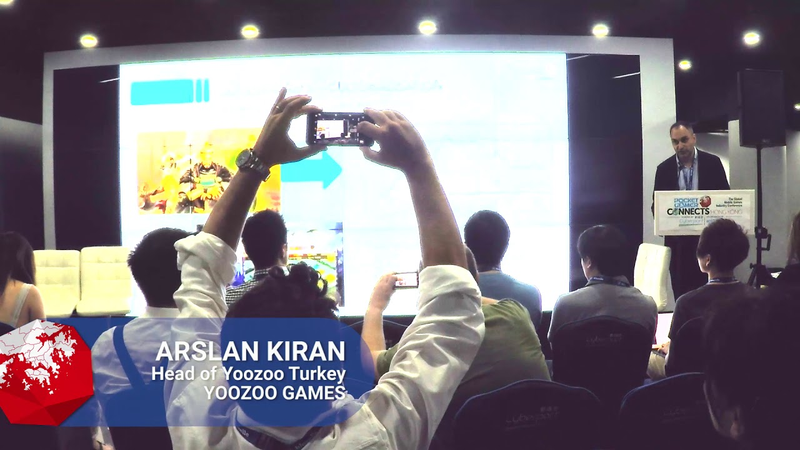
Culturalisation & Context in Designing and Publishing Mobile Games
Culturalisation serves as a critical strategy for mobile game developers and publishers seeking to penetrate international markets beyond their home territories.
- Culturalisation is a comprehensive strategy that goes beyond translation to include redesigning UI, character models, and monetization models to align with specific regional demographics.
- High-growth target markets for mobile gaming expansion include the Middle East (Saudi Arabia, UAE, Qatar), Latin America, South Asia, and major European economies like Germany and France.
- Successful culturalisation often requires deep structural changes, such as replacing character models or integrating local landmarks and seasonal events to improve user retention and revenue.
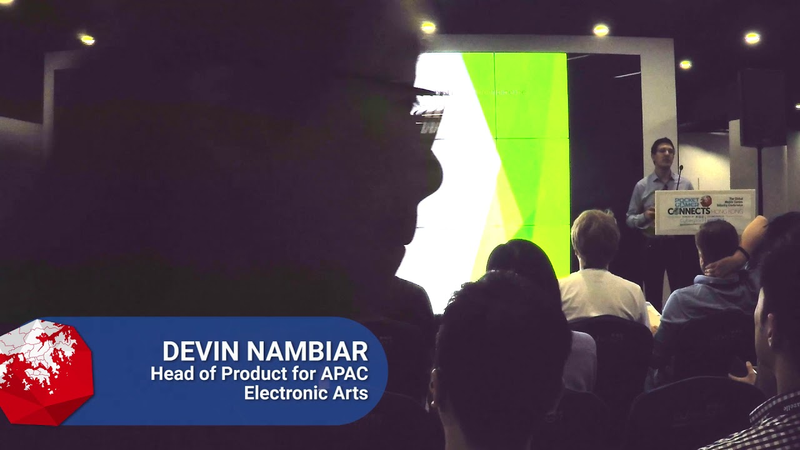
The Importance of Data-Driven Design in F2P
Data-driven design serves as the foundational roadmap for successful free-to-play (F2P) game development, particularly during the post-launch phase of live operations.
- Players who engage for seven consecutive days are significantly less likely to churn and exhibit double the daily spend of players who engage for only six days.
- Prioritizing retention mechanisms that foster daily habits is more effective for long-term success than relying exclusively on new content releases.
- Teams should identify a 'North Star' metric, such as retention or LTV, and break it into constituent parts to inform feature design and optimize specific game modes.
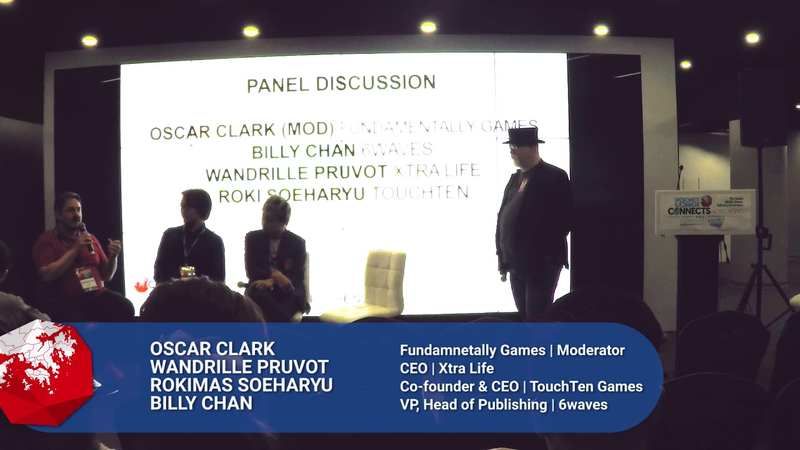
Different Live Ops Priorities for Different Game Genres
Effective Live Ops strategies prioritize a balance between quantitative performance metrics and qualitative community building.
- Long-term retention is driven by a combination of quantitative financial metrics, such as 90-day lifetime value and ROI, and qualitative factors like social interaction and community identity.
- Operational efficiency relies on integrating flexible, server-side tools during the alpha and beta stages to create reusable frameworks for event management.
- Studios should adopt a minimum desirable product mindset to automate event management and reduce the need for manual developer intervention.