1 free read left. Create a free account for unlimited reading + AI research.
Create free account
Is Working With Licensed IP a Path to Success?
Key insights
7 takeaways- 01To mitigate the high risk of IP-based game failure, developers should structure deals with clear exit points and establish retention targets during the soft-launch phase before committing to a full release.
- 02Validate the potential of an IP before signing a contract by running a live event within an existing, successful game to measure the specific impact of that brand on your audience's behavior.
- 03Negotiate symmetrical agreements to avoid excessive liability; if a licensor demands high upfront payments, they may be less invested in the game's long-term success compared to deals structured around revenue sharing.
- 04Diversify revenue streams to protect the business; internal rules of thumb, such as limiting any single licensed IP to no more than 25% of total revenue, can prevent over-reliance on third-party brands.
- 05Ensure the studio retains core technology and development expertise so that the company remains capable of producing high-quality games even if a license is lost or if the studio transitions back to original IP.
- 06Understand that licensors vary in their creative requirements; some brands are highly prescriptive regarding visual assets and character design, while others allow developers more creative freedom.
- 07When evaluating an IP, prioritize engagement metrics over raw popularity; look for IPs where fans demonstrate high immersion, such as long-running animation series with years of content consumption rather than short-term viral hits.
Ask AI about this video
Transcript
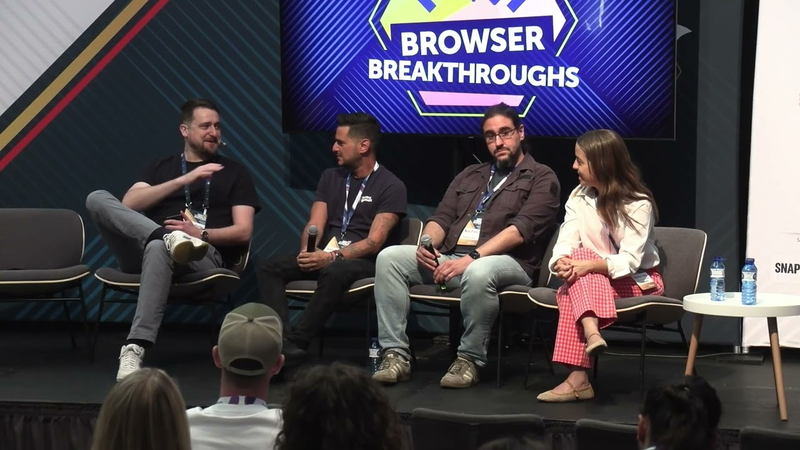
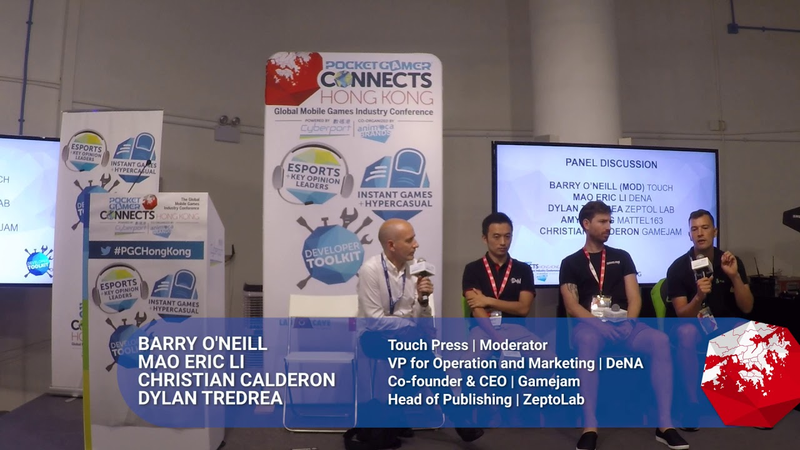
[Music] okay it's a it's been a long day a long hot day and this is our last panel so um I'm just gonna introduce the panel quickly and ask them a little bit about the background really what we want to do is figure out here you know the motivations and and results from licensing and if people are developers how they might get into game licensing or licensing in IP to use with their their titles we have with Christian from Game Jam Game Jam from game jam in the middle and we've Dylan from Zeptolab oh we have we've now from DNA and um just if you could give me a quick quick background Dylan I you've actually got a
really really interesting background in terms of Licensing having worked with some companies I think we've all heard of including Rovio and and Disney love to hear about how you kind of gotten to where you are and and your thoughts on unlicensed content sure although I've only only now really properly worked with licenses at the project level my background is as a product manager and analyst I started my career at Disney then worked with Rovio publishing for three years at the game team level and now it's up to lab I'm in charge of publishing and basically getting our IP in other games which definitely includes licensing Christian and catch up on dots before um is this working in game jam is this your first time working with licensed IP it's not my first time but it's probably my most most engaging time working with okay and you're working with the DJ marshmallow how to had I read that recently yes excellent okay well we're gonna come back to that in a
moment and now um I think we've heard it DNA before and have a small I think licensing tie-up which we won't have to ask you about with a small company called Nintendo and but you're also involved in a lot of other licensed content I think they're reading about bleach recently yet we we recently launched the beach game in China Korea TT market in Southeast Asia which got a pretty good feedback from audience and fans yeah so we mainly work with Japanese animation seduction games okay I heard a bleach everybody hurry bleach yeah it's I mean it's a huge is a huge IP right do you think in you know in this sort of case the bleach has made a significant impact DNA's business almost it's the brand a huge part of the launch yes and no this is actually the second bleach game we launched so far with DNA China for China market and over say market to be honest the first one didn't come out really well even though that's that actually the first police game ever come out in
China mainland but that one didn't work out very well but the second one on on the other hand has come out really well like I think almost 10 times a new Union sales number comparing to the first one so basically yes the IP is a big plus when we promote this game this time but it is not so also not the only factor that we impact effect that's a really interesting point so so you have effectively the first bleach game ever to come out but it wasn't the sort of success that you'd expect no it rhymes didn't just move didn't move the the game in its own right if you're comparing to a non IP related game of course you get a much bigger new base back then but I didn't last you give you the attraction for the new users from one week to week but afterwards it will job rapidly so after all its to come back to the basic games if that's a good game or not okay okay
interesting and Chris you know what tell us a little bit but DJ marshmallow and and sort of impact that has had on your you know on your business yeah sure so so we started working with with Melo on this game he wanted to be the the first artist to premiere an album in a game so for example to listen to joy time three you before it came out to the public you had to play our game listen to the album and so we work with with the their team on that to make that happen and it's been really fun it's been awesome we all love marshmallows music at the office and so it's really fun to work on a project that you you really enjoy and the whole team is really excited about it I think to me that that it brings like the company happiness level you know sometimes making games can be quite stressful
especially when you have to hit a hard deadline and so we've just been having you know a blast working on this game their team has been great to work with so yeah we're just really really happy about it a couple of add-on questions onto that what sort of a lead time did you have ahead like how long was the album available exclusively effectively in the game for 24 hours okay yeah so for 24 hours you could the 24 hours before it was released you could listen to the album in our game to really where you were getting the superfans yes yeah it's yeah it was people who really wanted to listen to the album and anyone you know it was really interested in hearing it before it came out yeah and I think one of the dangers though is if you if you are super fans yourselves you can kind of get caught up in an IP bubble you don't worried at some point that maybe the rest of the world didn't like marshmallow as much as as much as you guys did you know he's got a pretty
strong following like he I think he's like if you look at his alone song on on YouTube it's got like a billion views it's his music is pretty like broadly appealing in fortnight he did a fortnight concert was the first DJ ever to do a live concert in a game in Port night and I think that had like 50 million plus views like it's it's just these are just really big numbers where yeah I think the audience is really large so you backed up your instincts with analysis of the VIP kind of I think you know when picking and like a partner to work with from an IP perspective to me like those big numbers like that really matter okay yeah I'm Dylan an analyst on and approaching licensing looking at it in terms of potential impact and on a game like we have seen
and I in fact I've fallen prey to it myself excitement about an IP displacing to rational belief are there tools and techniques that you would use if you were looking at IP to say okay this is something we should measure or something we should you know we think we'll have a better than ordinary chance of success if we if we go with this yeah the first step is humility because what you just described this this point where you fall in love with an idea it doesn't matter how experienced you are it still happens so what you have to do is engineer processes that can mitigate that risk as much as possible for example one game we did we because it all comes down to the audience match right and it's not at least I don't think it's possible for any expert to know that on paper like if you take all the games that I've seen the value that the brand adds it's a very disparate outcomes even if you like
the idea that someone can just know whether it's gonna be small medium big impact I I think it's kind of silly so one of the processes that will take this kind of a stage thing where first will run like a split metrics test with like two fake ad campaigns generic game then game with the brand these are not the greatest analytical tools but they're cheap and it's a start and then if it's a higher risk project then we'll do what we call an alpha launch so you take a prototype of the game rebrand the game with the IP it's only like a day or two of content you release that and then you can get a better measurement of d1 and CPI in conversion you don't want to trick yourself into believing these are perfect tools at Zeptolab we've seen especially split metrics tests that do not scale at all you have the best result and then in soft launch it's totally the opposite but at least it's something and our approach is you know whenever there's the farther away and
you have to be very conservative about it between the audience for your IP and the audience that's proven for that game type the more you have to try to mitigate it but it's always there you're always falling in love with visions and these sort of things and there's always the high possibility that that audience match is just not gonna work yeah but you're assuming that you've actually licensed the game at that point right so what happens if you've made a mistake I mean is there any way that you can tell before you go into licensing a game whether you think you're getting into the right IP oh no we structure the deal so that there's a lot of outs okay yeah the so in the beginning it's the split match well that we don't sign the deal before the split metrics test but the Alpha launch is an actual contract and then we usually set retention targets at the end of soft launch they're not necessarily built around profitability but at least it protects us from releasing something embarrassing that's really the thing we're worried about like if the game isn't profitable when you just have to release it but it's high-quality and nice then whatever it's
a little bit of opportunity cost but no harm done the thing that we're really scared of and really it affects every decision from the whole chain of review is are we gonna be forced to release something that is gonna hurt our reputation and this is like it's the elephant in every room in every discussion yeah I need any any thoughts on that because basically will work with Japanese animation IPS so basically you can largely choose from so what we do is that analysis the obvious like Google Trends or Baidu trends for China market for example but that's not the the only factor we would consider because if you name the biggest Japanese animations a lot of the Mahama running for a decade 20 years or even more so basically even Google wouldn't track the data back that long so some of the IP has really good
potential but if you look at the current pace nowadays numbers is not big enough so that way we would look into say online video media or or game libraries or animation libraries to look at actually how many people have viewed that animation in the past and to see actually say it's a 10 episode animation how many people watch the first one but continued what's the second one and continued to the last one so to approve that the IP actually has a lawyer base and how big is the lawyer base on the bottom and that that would determine if we want to take the game and if we have the good team to actually produce the game like I said some IP are really old so basically the audience you the game we've made but before the audience that's generally in a like you say for gamers 3040 will be a pretty you know
senior gamers but some IPS like seven deadly sin or was for exam of fate which is a huge successful game in the last couple years will be facing the audience say twenty years old or even less so basically we would do those researches beforehand one hand is to see how much audience it actually have and what kind of audience would be suitable for and if we are like as a developer would be capable to produce a game that the specific audience would love yeah so interesting combination of heart plus plus analysis and and Google Trends by the way is one of the most useful resources that's out there just for doing quick checks on relative performance of IP you'll never get the absolute numbers excellent excellent service you know so you you found your IP that you want maybe somebody's already made a game or it might not be
available to you and how do you actually go about licensing it seems like a very obvious question but there was a point that I got to when I was kind of scratching my head saying okay our original IP isn't doing so well anymore we got a license something how do we do it how do you do it what do you do whatever I think the key is to be experienced I saw you've got no experience so okay so let's say we've got no experience what do you do don't license all right but I mean like maybe just because our organization is super conservative but it's actually sometimes heartbreaking when you see younger studios younger people with great games but you think alright are we really gonna take the risk that they can handle this you know like can they run a business right can they you know maybe they have four or five friends that work well together but what happens if a key person leaves how well are they going to be able to replace an engineer or if they have to hire two or three more people do they have experience with that sort of thing avoiding those risks is wonderful and
you can you have options so in my opinion with if if you don't have at least your leaves right it's not maybe the company is new but at least if the head of tech design and art have worked together in a lot of other places then it would kind of be okay but to license at least IPs that I know and I've worked in two studios without expertise seems a bit silly because that's like the whole thesis of it is that they have some expertise that's so valuable it's not just that you're outsourcing the work and the you know the headcount is that they have expertise that you don't have for us like we get a lot of inbound interests and we're turning down more licensing deals and accepting and I think it's just like like you may really love the IPE or it may be a really good idea but I think at the end of the day you need like you need like three things one is
from a marketability perspective it has to reduce your cost of distribution the on the flip side like it should somehow increase your LTV capacity right so your ROI should go up from taking this on and the third thing is it has to be meaningful for for the the IP you're licensing in some way right it's not just a revenue opportunity for them it's it's it has to have some kind of meaningful impact for us at least and so we're looking to like evaluating these opportunities where we can do something really cool and special so we find ourselves turning down more opportunities than others and I've made mistakes in the past where like for example we'll work with an artist he's got a great hit song but it's like a one-hit wonder and and like you know that the the time to develop that game takes a little bit longer than the development cycle and that songs come up
but it's now starting to trend down doesn't happen artist doesn't have another hit song so by the time you release the game it's not gonna have that big of an impact there are a lot of variables like this in place and so you I find most of the time it's better to kind of turn things down until you feel like there's something that really has a strong opportunity doing testing like like like these guys I think is important to help with that but then also just like fundamentally like thinking about is this big enough to really make an impact for everyone one one option is if you do have an existing game that has live events in the game you could offer the licensor to like for free run an event in your game and share the data and that way you can show like so usually our live events have this impact and then with your IP it had this impact so with our audience with the game that we know and already doing pretty well with we can really clearly show something and that's very easy to agree to because it's not like a brand risk you know what I mean like as long as the game is kind of decent than
whatever so that's actually something we've done as a licensor like someone like well we're not really sure okay like run a live event you know just take everything for free just shared the data and that way it makes a lot easier to go forward but of course not every game works for that sort of thing but it that is one potential option yeah I agree with that on the first one if you're if you're not you don't have enough time and resource and everything just don't hold your breath on IP licensing it's a it's it's too much time and resource consuming taking the licensing from Japanese animation for example is that basically you have to get into the circle for sure first because there's only certain big licensed source in Japan namely Bandai Namco or xuanzang Kodansha just you know there's you know like less than ten so basically you know each other very well they know who they should licence to and there's only so many like valuable IPS
they have so basically each idea has been licensed before so what what we do is we have to get into the circle get to know what you're doing what they're thinking what their goal is for the next year and plan for maybe something will happen the license would happen next year so if you plus the development time there'll be something would happen in three or four years time considering nowadays government timeframe so so basically you get in there and you wait for what we call the licensing window so if they license that game already this year so we have to wait for say another year one year or three months before they start licensing again they jump in there give your best offer and like I said if your game proposal will appear to the license or that it would actually help the brand to become a long live in brand in their target audience say for for example for example bleach you make what we do is the action
game for bleach which is the obvious choice but you make I don't know a female game based on that probably their what your own choice so maybe a right choice because well anyway so after all that's what I say agree the challenges to don't hold your breath on that if you get a good opportunity it's right in front of you consider if that's a good option for your own game and your company but if you relying just do I P games then be prepared aware business will take you another five years or ten years to actually succeed so it's it's something you have to be fully fully committed to it and you go in with your eyes wide open we'll talk about the economics of it in a moment but you don't necessary have to be a huge company to do it I mean you guys are big you guys are big ish you guys are less than 10 people in your studio we listen to write 30 or 30 odd people so you don't have to be a huge studio you don't necessarily have to be massively resourced but you have
to be committed and you have to understand that it's a very different process developing and working with them developing a game and working with the license or than it is on your own and on your own clock approvals processes can delay you and you know crazy third party rights can you know can delay you last-minute changes can delay you so really understand what you're getting into and don't go into it have an under-resourced basis but you don't have to be huge to get to get into licensing you know just just coming back to one to one point I think um the economics of Licensing I'm one of the things on this panel is that we've said we want to look at you know does it contribute to success I think the fact that we're all here talking about it means that it can contribute to success but what are the sort of typical licensed economics you know I do you pay money up front to buy a license or do you pay just revenue share or how does it work
it depends I would say you know if my understanding is that the the the big big big brands all asked for a lot of cash up front but probably just because they can personally I don't like it just because at least I fought against that being a requirement for us just because it limits the pool of the developers I think in in terms of outcomes at scale it really far much more depends on just getting good teams to work with you so by having that requirement you're just limiting your pool which in the big picture I think would have not the best outcome but I mean I guess when you know you have like Star Wars you can ask for that and it's probably kind of worth it because yeah it has a huge huge huge impact but personally I think it's just short-term thinking but I don't know I couldn't claim that super analytical that conclusion I think when you're getting in those conversations - you're
dealing with like a salesperson and it's it's hard to get them to like sometimes like understand the that out possible outcomes for what you can accomplish together I mean for us like I don't think paying and unless it's for a brand like Star Wars paying an mg is helpful for for the developer for the or even for the IP I think it's a more meaningful model would be something around like a rev share for both for both parties for us the past experience would be was some upfront payment maybe as a license fee which is no refund for some would be as a minimum guarantee which would be recouped in the future when it games launched and plus a revenue share motto in the long run so basically based on individuals were it depends on different license sorts we think different some were considered as the opportunity to actually grow their brand bigger so basically they would ask
for like a small amount of upfront payment or potentially as for higher percentage of revenues here because they believe the game gonna be bigger so it's a it's a its numbers so by their calculation they believe the future sales would be big so they were asked for high revenue sure basically they get more money but some of them will be asking for more upfront payment but less revenues here afterwards basically that shows kind of a belief they have in their IP is or in the in the developer that if you will be available able to produce a game that's good enough if you're not ok I'll take some money upfront if their games good man everybody's lucky but if not I didn't lose anything so I think basically have a good game design proposal approach the license or you won't get IP from and convince them that your product and their IP can make one plus one more than
two I think you will be able to get a better deal that everybody's betting on a future not short time thing yeah you know I have to agree no we would we would pay significant minimum guarantees every year to a certain certain license certain license ORS but they wouldn't be at the range that we've been asked for at some point we had a big license or at one point asked us for Oscars for forecast which of course we produce to three year potential for cuts and then asked us for a half of that three year forecast cents an upfront we say like no you know that's crazy because we're financially crippled you know instantly and we don't see you committed to you know to the long-term future for some of the best and licensing relationships that we've had have come about from actually come out of friendships and that developed and then hey let's work together and a very very productive scenario where both organizations are committed to the you know to the one to the one goal so you know and that was also in some ways reflected in the contract inside you
know the contract was much much easier of short form agreements if we fall out we fall out and we meet we call a lawyer at that point was and I said it was a nice way to do things but I've seen some horrendous agreements and horrendous terms what are the sort of terms you think I say a small issue but committed developer needs to needs to look out for in in licensing contracts having that discussion around the revenue projection some terrible yeah like that is terrible and I say this is an ex-analyst like that is not what revenue projections are for that's internal poker that's not a negotiating tool because it depends so much in context and expectations like the fact that you know that should just be an internal tool to use that as an interplay between organizations like I would only use it if it was for a junior very junior team it wasn't for licensing and you just wanted to make sure they understood the math of the business and the main things and they they had like a general sense of project planning as a test for that yeah that seems silly yeah
I think to answer your question like to me just making sure the agreement is symmetrical when you're working with a lot of these bigger firms the agreements were so asymmetrical and and obvious it's sometimes correlated with the size of the agreement and it just gets more compound in terms of like how much like liability assume for the projections I think it just depends on we were talking to like if you're working with a sales guy who's like you know his is he's incentivized by your mg and he gets you know then maybe showing him a revenue projection isn't the best idea but if you're working with like an artist and you can say hey like these are some potential like don't hole you know obviously don't hold us to these numbers and you can't hold us to these numbers in the contract but like you know this is like potentially what you could make these are what comparable games make based on KPIs I think that's I think that's fine
because like at the end of the day like that's what you wanna that's your that's your goal that's your target anyways but to answer your question I think like the agreement has to be symmetrical and I think the shorter the better making sure there's equal liability exit out you know outs for for both parties if something goes wrong and that there's not many many ways for the license or to basically you know take the game from you or something like that I think those are license or take a game from you it depends on the terms of the contract but like if they somehow have like a clause in there where they can own the own the code or own something like that the code that's how they do it yeah like none that we always the developer only codes because land your money to license the IP you spend your money to make the game then you give them a game at the end after giving them out well it depends on
how the deal is structured but but those are I mean things that I've seen I mean these contracts yet over the years they've gotten pretty bad but like I to keep it simple symmetrical and short I think is the best I've even seen silly things where they don't let the developer talk about it right we pretend that we made it ourselves which is like the most ridiculous because it's so not valuable to you right and so gooble to the developer you know like we made this game like no one cares you know what I mean like that is at least it's probably not the biggest in terms of economic impact but that's in my opinion like the most petty thing ever like let's just pretend it was ours like everyone knows it wasn't or everyone that cares knows that you didn't make it internally and you're taking away like a huge accomplishment from the team and everything that least that one was when I had the strongest emotional reaction to like come on why would you do this to them like just let them put their logo
on this you know let them have a splash screen at the game start is that really having a material impact on our business by not doing that you know yeah I mean for us it was it was huge when we because we're a start-up right so when we launch a game with the artist like marshmallow be able to do co-branding it's really great for our company and so I think it's really important that that you're able to you know obviously talk about not supposed to talk about everything but some things the okay to talk about I think it's really important you can be balanced about it like Zeptolab is very secretive about everything we have in soft-launched so you just say okay like in one on one business discussion short but just no press releases you know any mean like like that way they can still capture most of the value of that partnership and you're not putting anything at risk or whatever there's always ways in most of someone's being ridiculous to meet most of your goals without you know just being crazy and just overusing your power because you can and it like it
really really has an impact like the developer remembers for years when you do this I don't want to get too specific it's gonna become clear what I'm talking about like but they they will remember that you didn't let them do this and that you know they had to be this way and if you believe in the thesis that licensing is all about getting access to the best talent then long term you're doing tremendous damage because small community you know people know like if you're not cool to work with and especially in this sort of petty way when three years later when you need access to more expertise especially if it's really big IP because those you know you need really good places that have you know that are getting pinged with lots and lots of licenses they have a choice and if they know that you're gonna be petty about small things they're like well no we'll just take one of the other options that we don't have to deal with them great now anything to add on the point of working with lemon I would just say
for for each case it's right and so it would be different but if I can think of one thing that's quite tricky is that just to give yourself enough time because the project is always gonna be delayed and on Plast your your your content your gain we need to go through the approval from the IP license sorry it's in line with your design their concept so your development process is gonna be much longer you plan for your one years development you may end up two years so when you sign a contract we prepared is gonna be extended so you better leave not a back door but a possibility that if you're if your development really gets longer than your your expectation don't make yourself into a situation that will finally get the game come out you have one month left actually for the license of here which is really really important because I've seen license agreements for developers have signed up to effectively unknown unknown durations of development
but signed a development agreement that says your three-year term starts on signature not on launch and up the title I've seen developers make mistakes like that that's crazy don't do movie games they end date is I've done two of them no never again it's horrible like for everyone and it's never worth it you can't like I would say the only exception is if it's an advert get this is our learning from doing well a couple day in date movie games is if you treat it as an advertising vehicle make maybe some hyper casual thing or something like that where you're not it doesn't have to be profitable when it's its own right it's quick and easy that sort of thing like for example if I was working with DJ marshmallow that's how I would probably for a lot of reasons approach it like let's just find something high-quality quick and simple it's not going to be a profit vehicle within itself and it's just supporting our main business and some other way so before we
do have some audience questions before we go out for audience questions one of the things and this impacts me directly one of the things that I hadn't sort of realized when we got into licensing that this wasn't in touch price or story choice per previous venture was you are effectively spending your own money to build somebody else's brand that's one secondly you lose a license you lose significant value in your own business so how do you make sure that you can protect your business and if you're in a situation where X like a high percentage of your of your revenues are coming from a third-party license how do diversify okay so so multi which is what we've done so we we would have internal rules of thumb where we basically say we can't have like I would be very worried if we 25% of revenues coming from more than one license so just try to spread it across but the mistake we'd made in the past and I we had actually a licensing
deal with with one of the major Japanese games companies and we did very well with it we did two well with it so suddenly okay we're I'm gonna take this in-house now thank you very much for building our business yeah I think I don't know I'm probably speaking beyond my expertise I'm not an investment banker but I think if you if too much of your revenue comes from licensing deals which are ad-hoc and under very much things that you can't control it would be a long-term strategic risk the least what I look for is I want to see a studio that has had previous success is scaling up the number of their teams and they're like well we're making a bunch of stuff we really like but there's a huge chance this is gonna fall apart because it's all innovative and cool but a license game it's not exciting it's not top ten grossing but it's a little bit more reliable it's kind of like the bonds to counterbalance your stocks in a portfolio when they have that kind of
approach I think it's a very healthy way to look at licensing I used to be an investment banker I can come that's a true assessment in China's case that when we licensed games were what we usually do will be mobile online games so basically what you sell it's not the game product yourself but the service it's a connected game it's gonna in these servers you need customer service you need events you need operations so basically you have lots behind the game itself and it will need constant upgrade every month every three months so in the case we just mentioned the IP lights and so of course can come in and say okay we're going to take this in-house thank you bye-bye but the game will be not the same game after that taken over the game the developer team will be the different the server's they will not be able to know how to operate the servers and the kind of game events they do in the future will be different from previously so it would be difficult to for them to
continue the success presume is it is can success before they take them so that's one thing I would suggest that I'm not just a standalone game but go online go connect you need a server and everything yeah and the other thing would be that you consider what's left behind before you actually development game because well like we discussed before that IP will be a key points on the launch endpoint that give you the first a number of superfans and core users but eventually if the game's successful or not due to pain of the game's graphics actions animations and in growth chart how the users will be enjoying the game so the game itself is good or not it's do a key point so if those could be left the technology these no house left inside your company one day you're doing a game without IP if you can still produce a game that's good
enough your brand is there already you can outgrown the IP and become your own brand you know I think well that's two ways to think of the freighter any questions from the audience we got one [Music] I understand from user games previously users mention about the don't do movie games what kind of what type of IPS do you think that has the highest potential in terms of gaming that's one one of my question I mean is it like characters books or old games like Final Fantasy series we had some examples my second question would be like in terms of design what are the challenges in designing IP games because I know the relationship between the IP older and the developers always like a challenge
is it like easier from the because you have the design of type II or is there any challenges in that design perspective so in my opinion for the first question there's two parts it's like big big numbers right and then of those audience numbers who are they so like for example like Star Wars these are big numbers and these people can play games write a book you might have a book with big numbers but do they play games they don't it might not be the best fit I think to me that's that's that's the one thing integrating it into the game is another could be another constraint as a game designer or game developer you may have this perfect idea about how to integrate the IP into a game but the end of the day the IP holders have to buy in on that and they make may make some changes or they may have some constraints and so what you end up finding is sometimes you have
design constraints around your your game idea that you have to work around which could be kind of challenging but it's really important I think if you have some IP that the game that you have along with it makes a lot of sense there are great examples of IP that someone just slapped IP on a certain type of game and thought it would do well and it didn't because there wasn't a lot of thought put into that they just saw Kim Kardashian released the game and so they wanted to do something similar and it didn't do as well so I think those are exempt there were plenty of examples of IP working well in games not a whole lot of I think there's less examples of IP doing really really well and that's why you have these testing processes and and and things like this but yeah to answer your question those the numbers who are these people and then the design constraints around the game based on the IP holder and then what the IP is yeah
what are you said and as far as like working with them depends on the brand some brands are I don't actually know the best way to describe it what I call it as prescriptive right so with for the Simpsons like the ratios between the hair and the eyes that gets written in stone right other brands it's not you know you're welcome and it's actually encouraged and kind of required for the team to kind of take it in their own direction so depending on what type of brand it is and what type of company is how much you're involved can really vary most of our developers keep creative control we're only reviewing character assets but not everyone does it that way and actually I would I would not say it's a 0% chance that say this we do this for five years we get burned once and then we have to go back and do it the other way because you know an IP is such a valuable thing you you you you do
appreciate the need to be super super careful about it but the more difficult you are the harder it is to get good talent and good people to work with you so it's a constant balance between the internal fear that we're gonna ruin this big thing we built and the ever going need to work with the best people in order to actually make use of the opportunity any other questions boy give the mic back to you we have to cool I think that what one other from my own experience one other thing too when you're looking at if you're a smaller studio beware of the licensing agent and beware of film IP as well there's a couple of them a couple of examples whereby you know if somebody is prepared to put their IP out with an agent and as part
of a broad portfolio P got this we got this we got this probably there's not much love and within that IP and probably is gonna be quite a difficult relationship to make it happen to make a success of it and film IP all you need to do is look at look at Google Trends to see spike and down again and so unless it's Star Wars has been mentioned a few times unless it's Star Wars let's just like an evergreen or a long term TV show or in the case of DNA you know something like like like bleach don't go there or unless you've got massive listenership and audiences or a long term a long term and even on platform it's a very very difficult very very difficult process to make to make a success off a wheel a one-hit wonder agents I don't know maybe it's different for consumer goods and other sort of things but the I'd like to imagine going to the office and be like hey can I we just you know let a bunch of people run around and try to figure this out like I can't imagine that it the way I look at
that the view my piece in Exeter is that if you look at IP if that's good enough for making a game is that how many code users are for them and that will reflect in actually for each users that consume this IP how many hours they actually spend on this IP for example like IPS you spend two hours on that don't you like the game but you only spend two hours on this IP then that's over but if it's an animation say it's 10 X 10 episode right each one takes one hour then you have 10 hours consumed on this IP but the longer run in animations the 10 years 20 years you basically grow with IPS have large loyalty in engagement and immersion over time yeah yeah engagement overtime all right I think that's we all all we have time for thank you for sticking it out in the in the end of in the heat today I hope you found that useful I'm sure we'll all be around for a few minutes if anybody has
any questions that they didn't want to ask [Music] [Music]
Summary
Leveraging licensed intellectual property serves as a powerful mechanism for accelerating user acquisition, yet it functions as a strategic tool rather than a replacement for fundamental game quality. While recognizable brands can lower initial marketing barriers, long-term viability depends on rigorous data-driven validation, including split-testing and alpha testing, to ensure the product resonates with the target audience. Studios must approach these partnerships with operational maturity, recognizing that a poor alignment between the IP and the gameplay experience risks significant reputational damage and financial instability.
Successful integration of external brands requires a symbiotic relationship where the partnership reduces distribution costs and enhances lifetime value for both the developer and the licensor. To maintain studio health, developers should prioritize evergreen properties over volatile, film-based licenses that are prone to sudden shifts in market relevance. Contractual structures must be carefully negotiated to avoid predatory upfront minimum guarantees, ensuring that studios retain ownership of their core code and creative credit while maintaining the flexibility to navigate development delays.
Ultimately, licensed IP acts as a portfolio stabilizer, but it should not constitute the entirety of a studio’s output. Diversification remains essential to mitigate the risks associated with the potential loss of a major partnership. By balancing external brand power with internal creative control and technical expertise, developers can create mutually beneficial scenarios that amplify market reach. The most sustainable path involves treating licensing as a calculated investment that complements, rather than dictates, the studio’s broader creative and commercial strategy.