Star Wars
Game
Documents about Star Wars
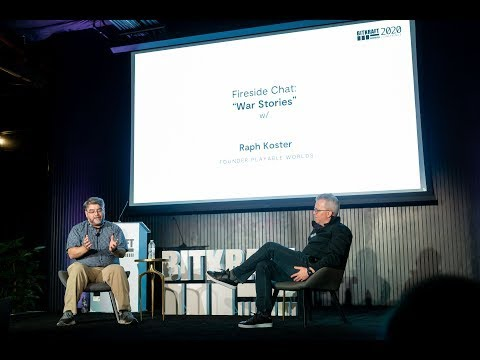
BITKRAFT Summit LA 2020 | Fireside Chat with Raph Koster hosted by General Partner Scott Rupp
The integration of major intellectual properties into game development presents a complex trade-off between market reach and creative autonomy.
- Prioritize evergreen content, such as procedural or user-generated systems, over expensive, rapidly consumed narrative arcs to ensure long-term market sustainability.
- Licensed intellectual properties can double a project's initial user base, but the resulting rigid approval processes and design constraints often compromise long-term player retention and gameplay quality, as evidenced by Star Wars Galaxies.
- Tech giants frequently struggle to enter the gaming sector because their data-centric, algorithmic methodologies are fundamentally incompatible with the nuanced, creative requirements of interactive entertainment.
Star Wars Mobile Games Rise Past $1 Billion in Lifetime Revenue
Star Wars mobile games have surpassed $1 billion in lifetime global player spending over a six-year period.
- Star Wars mobile games have surpassed $1 billion in lifetime global player spending over a six-year period.
- Electronic Arts' 'Star Wars: Galaxy of Heroes' is the dominant title, accounting for $924 million (87%) of total revenue and approximately 70 million (26%) of total downloads.
- The United States is the primary market for the franchise, representing 61% of total revenue ($640 million) and 24% of total downloads (64 million).
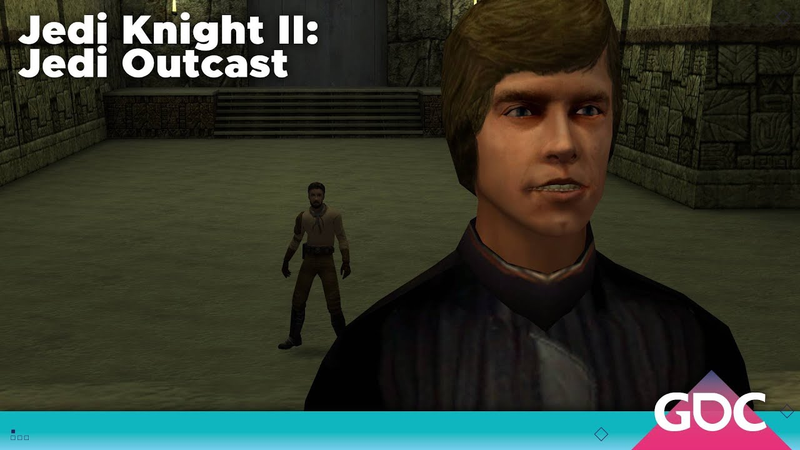
GDC Plays Jedi Knight II: Jedi Outcast with Raven Software
The development of Jedi Knight II: Jedi Outcast represents a pivotal moment in early 2000s action gaming, characterized by a transition from traditional first-person shooters to hybrid combat experiences.
- Raven Software developed Jedi Knight II: Jedi Outcast by hybridizing first-person shooter mechanics with third-person combat systems inspired by Heretic II and Bushido Blade.
- The development team utilized the technical foundation of Star Trek: Voyager – Elite Force to build the game, leveraging proprietary tools like GTK Radiant to manage hardware limitations.
- To ensure performance on early 2000s hardware, the team implemented rigorous asset optimization, level segmentation, and memory-efficient solutions like procedural facial animations driven by audio volume.
Apex Update | Games ReCAP Episode 018
The modern gaming landscape is defined by the transition toward games-as-a-service models, where titles like Apex Legends and Fortnite utilize persistent, evolving maps to sustain long-term player engagement.
- The transition to games-as-a-service models, exemplified by Apex Legends and Fortnite, requires persistent map updates to sustain engagement but risks employee burnout and competitive imbalance.
- Developers can mitigate the pressures of constant content cycles by implementing multi-team rotation models and establishing satellite studios in major industry hubs to improve talent retention.
- Marketing strategies have shifted from traditional media to influencer-led promotion, though this approach carries risks of unsustainable development and deceptive industry practices if not balanced with stable, player-focused builds.
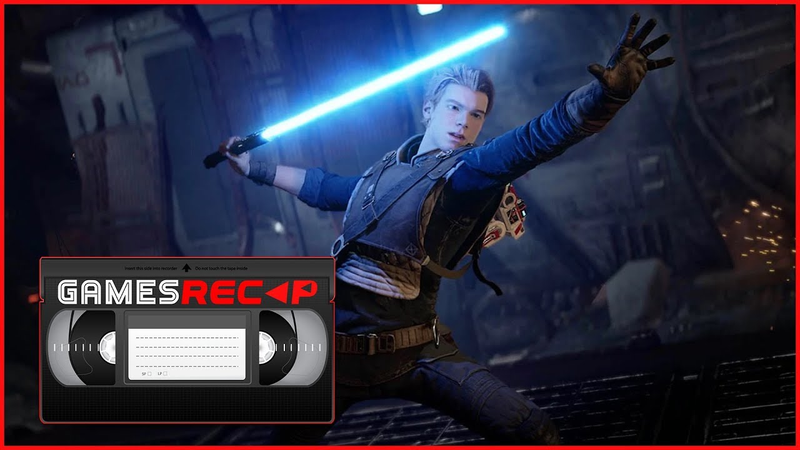
Jedi Fallen Order Not So Bad | Games ReCAP Episode 006
Star Wars Jedi: Fallen Order suffers from a fundamental disconnect between its source material and its execution.
- The gaming industry is shifting away from traditional annual sequel models, such as those seen in Call of Duty, toward persistent games-as-a-service models that prioritize long-term evolution and player mastery.
- Star Wars Jedi: Fallen Order is criticized for a disconnect between its source material and gameplay, specifically failing to capture the tension of lightsaber combat through its reliance on arcade-style mechanics.
- High-quality single-player titles like Elden Ring and God of War remain industry pillars, demonstrating that strong brand reputation is a primary driver of commercial success.
Microsoft E3 Press Conference | Games ReCAP Episode 002
Microsoft’s E3 2019 presentation signaled a strategic pivot toward long-term ecosystem building, characterized by aggressive studio acquisitions and a focus on service-based growth.
- Microsoft is aggressively acquiring studios, including Obsidian, Ninja Theory, and Double Fine, to build an exclusive content library for the upcoming Scarlett console launch.
- The industry is shifting toward double-A development as a sustainable financial alternative to the high-risk, blockbuster-scale projects that currently dominate the market.
- Microsoft’s E3 2019 presentation prioritized service-based growth through the Game Pass model, though it faced criticism for lacking the surprise announcements needed to drive momentum for Gears 5 and Halo Infinite.

Could Episode 9 SAVE Star Wars? — Trailer Reaction
The provided text captures a critical reaction to the trailer for Star Wars: The Rise of Skywalker, framed through the perspective of a narrative-focused game developer.
- The Rise of Skywalker trailer functions as a strategic course correction designed to address audience dissatisfaction with the narrative direction of The Last Jedi.
- The film attempts to restore franchise continuity by re-centering the plot on the Skywalker family legacy and addressing inconsistencies in character development.
- Production utilized existing b-roll footage of Carrie Fisher rather than CGI to maintain authenticity in the portrayal of her character.
RAID: SHADOW LEGENDS | Gameplay
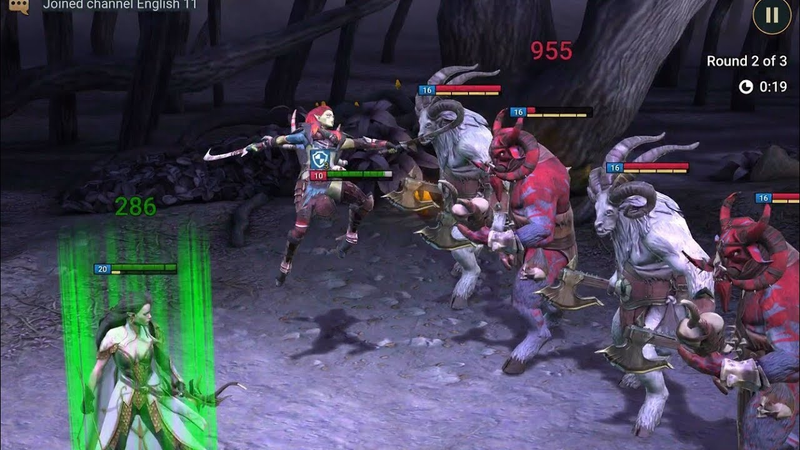
Raid: Shadow Legends is a squad-based mobile RPG developed by Plarium, a studio historically recognized for its expertise in 4X strategy titles.
- Plarium, a studio historically focused on 4X strategy, entered the character-collection RPG market with Raid: Shadow Legends to compete with established titles like Star Wars: Galaxy of Heroes and Marvel Strike Force.
- The core gameplay loop centers on managing a squad of four champions through turn-based combat, utilizing an energy-based system to progress through campaign missions, dungeons, and PvP arena modes.
- The game prioritizes meta-game progression over twitch-based reflexes, offering auto-battle modes with speed multipliers to facilitate the systematic grinding required for character optimization.
Top 5 mistakes designing free-to-play collectibles
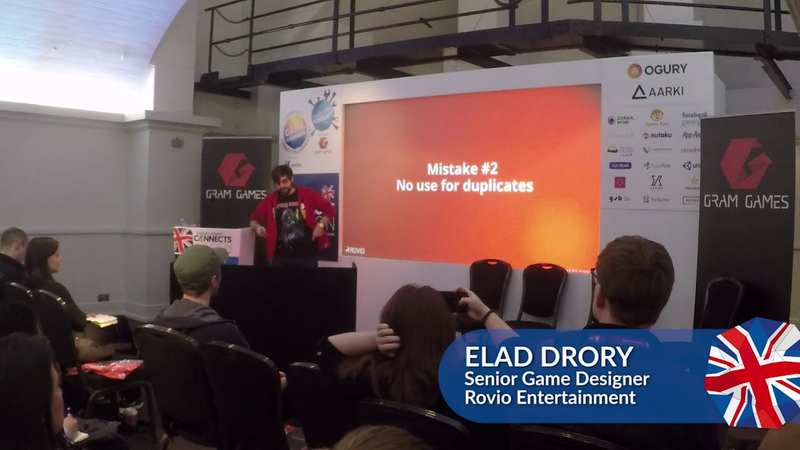
This analysis outlines five critical design mistakes in free-to-play (F2P) collectible games, drawing on industry experience from titles like Angry Birds Evolution, Clash Royale, and Star Wars: Galaxy of Heroes.
- Prioritize long-term retention by making characters easy to acquire while gating their full potential behind significant time and resource-heavy upgrade paths.
- Prevent stagnant meta-games by enforcing collection diversity through attribute-based content gates, performance-based event boosts, and unit-specific counters.
- Mitigate player frustration in random drop systems by implementing 'safety nets' such as pity counters and currency-based exchange paths to anchor the value of digital goods.
2019 Predictions: These Three RPG Categories Will Grow Further
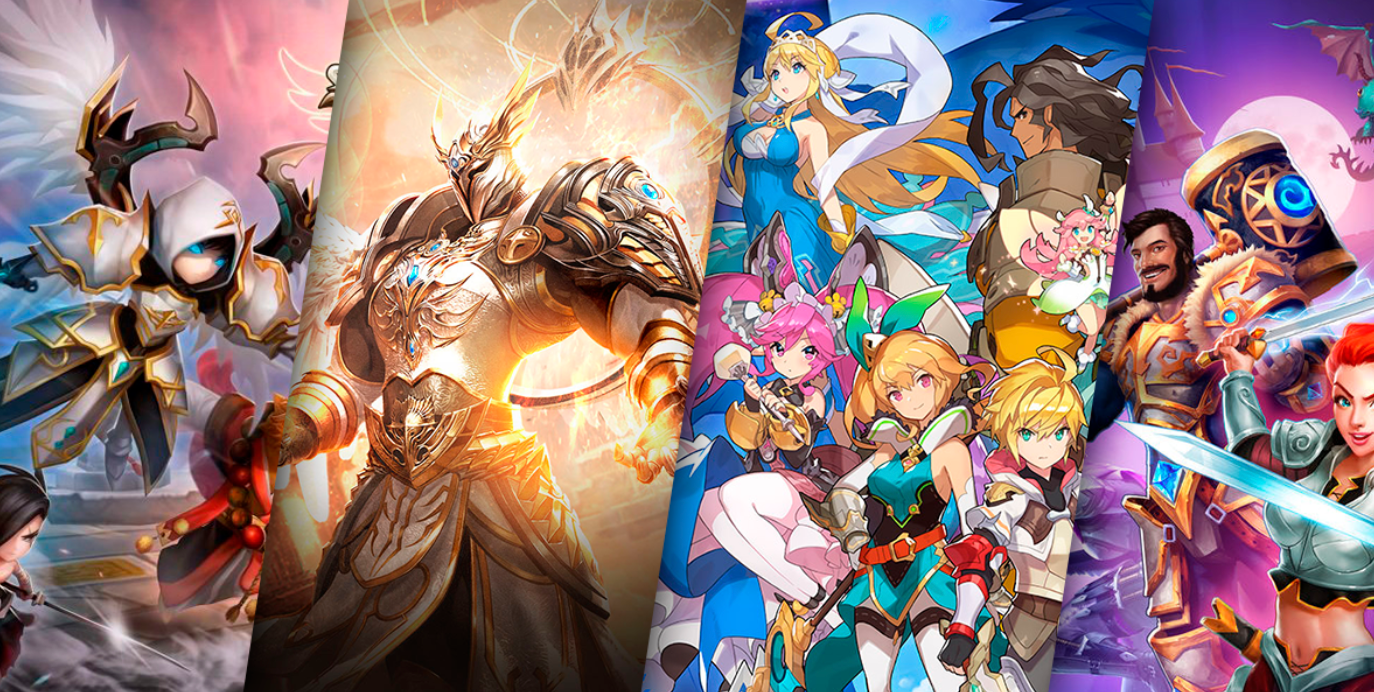
The mobile Role-Playing Game (RPG) sector in Western markets represents a significant growth opportunity, currently holding the position of the third-largest mobile gaming category.
- The mobile RPG market in the West remains a significant growth opportunity, as it currently lags behind the dominance seen in Asian markets like China and Japan.
- Puzzle RPGs experienced hyper-growth in 2018, largely driven by the success of Small Giant Games' 'Empires & Puzzles,' which saw revenue jump from $24 million in 2017 to significantly higher figures.
- Turn-based RPGs continue to show strong revenue potential in the West, with successful titles like 'Marvel: Strike Force' proving that new entrants can expand the total market pie rather than just cannibalizing existing revenue.
Real Time Rendering for Feature Film: Rogue One
The integration of real-time rendering into the production of Rogue One: A Star Wars Story represents a pivotal shift in visual effects workflows, proving that high-fidelity game engine technology can meet the rigorous aesthetic standards of feature film production.
- The Advanced Development Group successfully integrated Unreal Engine into the production of 'Rogue One' to render the character K-2SO, proving game engine technology can meet high-end feature film aesthetic standards.
- The workflow utilized open standards like Alembic and Material X to import complex ILM assets into a real-time environment without requiring custom rebuilding.
- By employing custom solutions for geometry caching and temporal super-sampling, the team achieved film-quality beauty renders at 9K resolution.
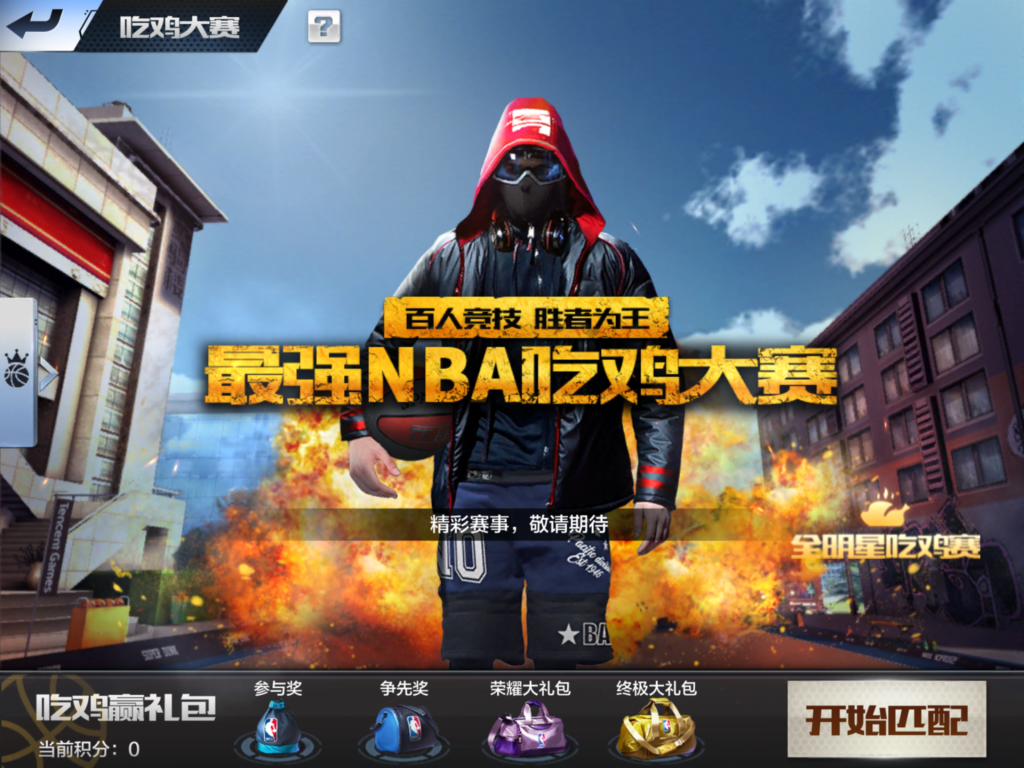
Battle Royale in NBA & Star Wars: 6 Exciting Ways to Implement a Battle Royale Mode
The rapid rise of the battle royale genre in 2018 demonstrated that its core mechanics—survival, shrinking play areas, and last-player-standing competition—are not limited to traditional shooters.
- Battle Royale mechanics are increasingly being adapted for non-shooter genres, proving the mode is not exclusive to FPS or TPS titles.
- Supercell’s Brawl Stars successfully integrated a 'Showdown' mode where players collect health and attack buffs from chests while a shrinking gas cloud forces engagement.
- Tencent’s Honor of Kings added a 100-player 'Breakout' mode that retains core MOBA elements, such as unique character skills and the ability to purchase gear on the fly.
Companies behind it

As the documents state it.