1 free read left. Create a free account for unlimited reading + AI research.
Create free account
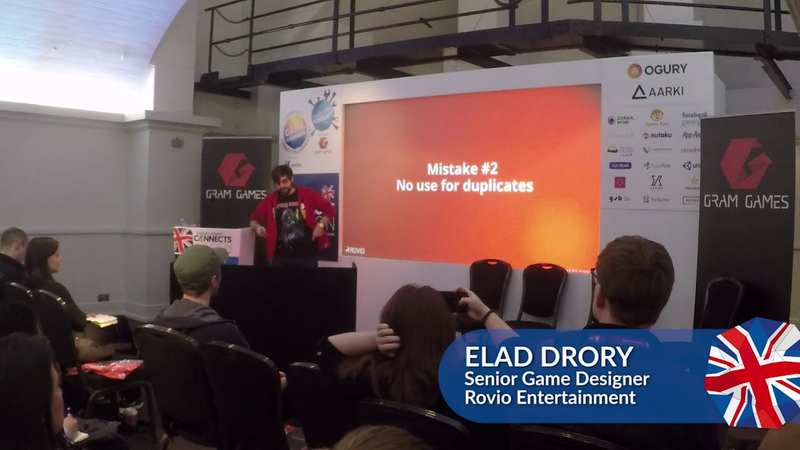
Top 5 mistakes designing free-to-play collectibles
Key insights
6 takeaways- 01Avoid designing cards that are too broadly useful, as this leads to players stopping their collection efforts once a single optimal team is established.
- 02Prevent stagnant meta-games by enforcing collection diversity through attribute-based content gates, performance-based event boosts, and unit-specific counters.
- 03Maintain the value of duplicate items in the endgame by utilizing fusion models or token-based conversion systems rather than allowing them to become obsolete.
- 04Design collectible systems to treat digital assets as evolving, long-term investments rather than disposable items to ensure sustainable monetization.
- 05Mitigate player frustration in random drop systems by implementing 'safety nets' such as pity counters and currency-based exchange paths to anchor the value of digital goods.
- 06Prioritize long-term retention by making characters easy to acquire while gating their full potential behind significant time and resource-heavy upgrade paths.
Ask AI about this video
Transcript
[Music] a little bit fast this talk was originally a bit longer what we're gonna talk about today is free-to-play collectibles and collection loops that's kind of my thing let's talk first about Who I am so my name is a lot you pronounce my name beautifully by the way very very very rare that that happens I'm a senior game designer at Rovio we made a little game called Angry Bird since then we've made a lot of games called Angry Birds and then I work in our Stockholm studio where we're focused on free-to-play RPGs we manage Angry Birds - which today is really focused more about character collection hat
collection hat based economy since we've added hats to the game I think the art that was increased by about 400% I take zero credit for that I wasn't there when it started but I do work a little bit of live ops on that and we also work on Angry Birds evolution which is a hero collection kind of game and I'm working on some new RPGs so oh and I just had a baby so ok these past few nights have been the first full nights of sleep I've had in months so excuse me if I'm a little bit still tired and ok click yes what are we talking about today like I said we're talking about free to play collection loops and my hope is that after this talk which is quite dense like I said I'm gonna rapid-fire it very soon you will have a better idea of how to build a realistic but how to build a collection that people can invest in and enjoy for years really ok and then hopefully we'll have some time for questions I really doubt it what do we mean by collectibles well I'm talking about the kind of items that you collect in the game and you use in the core game
so it can be cards in some games it can be heroes it can be equipment it can be buildings in other games any kind of thing where you collect and invest in it and you use it as part of your game experience so not just resources but these collectibles that are actually usable ok I'm gonna call them cards in the talk just because it's convenient um so here's a very simple collection loop you play a game you get some stuff you upgrade it you use it in the game you get farther and farther the better your equipment cards whatever it is are and we're gonna talk about all these things that I'm mostly into the collection part of the loop but of course the collection doesn't work without the upgrading in the plane so we'll talk about those as well and again the hope is how do we get players collecting and enjoying for years hopefully you'll know something about it at the end of this talk so let's get going alright mistake number one making some cards too useful right so the obvious way to make that mistake is to make an overpowered card or here or anything like that naturally if
something is overpowered much better than everything else nobody wants anything other than the overpowered card and if they have the overpower card they feel like okay I'm done I got the thing that beats the game that's not fun having that kind of easy buddy so obviously you fix that with game balancing but there's a more sinister way of making this kind of mistake with balancing and that's making the cards non distinct from each other in fact you can have your cards in perfect harmony and perfect balance but you don't really need a different variety of many cards so maybe after one deck you're done and you're like okay I got this deck it works I've upgraded it to max it kind of beats the game again that misses the fun of what is an RPG and RPG is fun because you collect you upgrade you get new stuff you try out new combinations of things so you don't want to create that kind of situation where a person builds one deck and then they feel like they're done we had this problem in Angry Birds evolution in the early days of the game this is an example of a team that was you know fairly good in the early days of the game and pretty much if you had a
team like this you could go we actually had whales in the game which spent like three thousand dollars during soft-launched and then they were pretty much done so they left that's a [ __ ] disaster sorry that was like painful because that's a person that could have been with us until today if we had the the solutions for it and have paid more thousands of dollars every week throughout that time so you wanna create what we call collection diversity so collection diversity is when I need to have a diverse collection of many different cards in order to be the various challenges that the game is making me face right and we do this through our game rules we don't do it through the collection itself even though you can also do things like sets and stuff like that we do it through game rules and let's talk about three of those so one way to do to enforce collection diversity in a way is a gate so a gate is what you say okay only Redbirds can enter this dungeon right well suddenly you need a team of Redbirds this is what we did an evolution is kind of that hotfix to our problem of collection diversity in the early days we added color dungeons suddenly instead
of needing one team you needed that one main team for PvP but you also needed five different colored teams of the five different colors that we have to beat every color dungeon so already five fold of potential collection that you have in your game okay the example here is from Star Wars Galaxies of heroes which makes a really nice loop with this kind of thing where they tell you okay to get the best healer gear this is a simple example you need a good agility team this is the agility challenge and only healers and supports can go into it it's the other way around and what it doesn't matter and then for the healer gear you need the tanks and for the tanks you need the agility guys okay I need to build a collection to get the best stuff for everyone and then of course with events they drive this even further where they say okay this week's event we're running a SIF team right and then the main reward for this event is going to be useful in the next event and so on and we keep the players engaged in such a way the other way to do it is through boosts well boosts is where I say okay
you don't have to use anything you use whatever the hell you like but Redbirds get ten times damage ten times points score multiplier whatever it is you want to use and so well holy moly and this is used pretty extensively in the example I give here which is legendary game of heroes it's also used pretty well in Angry Birds too in some of our events we use both gates and boosts and so you might ask yourself well which one should I use a gate or a boost what's better well honestly I find that gates work best as a way of telling player very clearly this is what you need and avoiding a lot of frustration because if you use a boost in especially in a single-player event if you say well Redbirds do ten times damage then probably you're balancing it around Redbirds someone could go in with blue birds and really bang their head against the wall and feel like okay well this sucks you don't want to create that situation you want to create that situation where you say you have to be this tall to ride you need this to enter what it is use a gate it works and nobody has any hard feelings by the way sometimes I
hear from developers oh it's so contrived it's just a rule that I made up well yeah you're a game designer you make up rules it's okay players accept the rules of your game where would you use a boost well chiefly you use boosts in places where you want the participation rate to be closest to a hundred percent as you can get it so multiplayer events for example leaderboard events are a place where you wouldn't want to do a gate because in a multiplayer event players are your content right you don't want to keep anybody out you want everybody to come in there and then players balance around themselves they balance around the leaderboard somebody has a card that gives 10 times multiplayer Greg they they are gonna go higher up the leaderboard the players that don't have it are gonna be lower on the leaderboard but that's gonna work and that's what legendary due to two really excellent levels they do it there at Network that's essentially it four gates and boost and of course there is a much harder but much more rewarding in a way way to create collection diversity which is through the meta game balance right so actually making each card distinctly useful against different challenges
through counters counter counters this guy is immune to fries this guy is immune to burn this guy does this this guy does that is is a great way to create collection diversity but there's a lot of challenges to it you're never gonna make it so every team is viable and that when we say meta game by the way I mean the strategies that players create around your game not meta game in the sense of those loops that we do but the strategies that players create around the optimal way to play the game this is an example from overwatch right Ashe involved meta huge DPS changes they added Ashe to the game and suddenly things shifted why because everything you add to a live kind of game where you can build every team against every team every hero against every hero adds to that matrix of possible combinations and so you create a more complex set of interaction so this is hard to do but obviously very rewarding if you actually make it so a new hero is interesting and useful that's that's where it's at one thing I will mention about adding
new cards and adding collection diversity is you really need to try and not devalue your old card and this is actually where I have a bit of criticism to network and legendary because there's a situation there you know during one week they tell you okay this event you need these guys that are featured in the gotcha they're the best thing in the world go chase them you need them you you do all this effort during the event to get as far as it can be event later those cards are useless it's like okay yeah there's a new set of featured event cards and the ones you just use you're not really gonna be using again so when you do this try to do it through through things like counters side grades etc and and really loop back to older events I think monster strike in Japan is a great example of a game that does this well where they really they cycle through their events in a way that you really feel like the thing I'm collecting today is also going to be useful in three months there's a sense that my collection is growing stronger and there's a value to my virtual property right and it's not being constantly
devalued it's really important there's gonna be a bit of power creep also but that's inevitable with free-to-play that was our first mistake guys how much time we have that was actually the longest one though don't worry so to summarize don't make your cards too broadly useful you need to encourage that diverse collection and you do it through game rules whoo that was one sorry I am talking fast it's annoying isn't it lordy okay so mistake number two is having no use for duplicates now your economy needs duplicates I'm not a justify this too much if your country doesn't have that you need to collect everything just once that's a very Captain Obvious Lee and when we create free-to-play we want to create something that is sustainable for years right so let's just assume you we need that I'm gonna run through this point a little bit now so what you do is you say okay you can get every card multiple times but when you get it the second time there's a certain exchange value to it right and I would say there are two
basic models of doing this in my space of the free-to-play RPGs but there's different ways as well one is the the fusion model and one is the token model I'll talk about them in a moment and also I'll talk about how it's very easy to screw them up especially in the endgame if you don't design them okay so a fusion model is where you say okay you can get multiples of the same card this is a collaboration we did with puzzles & Dragons puzzles & Dragons to my knowledge the first fusion game I played so in a fusion game you can get you know 10 copies of the same hero and you can feed one hero into another in order to sacrifice it and give XP to the other so in theory you could say okay every card I get here has value because even if I'm not using it I can feed it to another for XP right it kind of works in the early game it changes a bit in the end game we'll talk about it in the animal a token model is where you only have one of each card and essentially a clash royale is a great example of this you get the card once and now you have it to use you get the card two times the
second time and then you upgrade it to level 2 etc it depends on the rarity they do some shenanigans over there but that's essentially what it means you have one copy of each card also all these token based games heroes charge Star Wars Galaxies hero Marvel Strikeforce all use a token model so inherently this model has a few more ism and relies much more on collection diversity you're gonna see in these kinds of games much more of these collection diversity features that say you have to use red birds you have to use blue birds because the heroes aren't transferable they don't tie into each other in the kind of meaningful way so there's more risk of something being useless essentially so you really want to make it so everything is useful in some corner of the game some write of the game okay but then let's talk about the end game for this as well so the fusion model an end game like I said in theory in a fusion game you could say okay any card is useful because you could fit it into other cards but you don't actually set its cards that you've spent hundreds of dollars in the Gacha or days or whatever it is you're not
gonna just feed them into another for a bit of XP that's not what you do so you need to either add situations where feeding a high level card is extra useful it gives something extra like a skill up in monster strike it increases your luck rating things like that or you need takes to introduce these kinds of exchange systems so summoners war for example has these dis exchange where they say okay get for max versions of this for star card to create this five star card and for max version of this five star to get same six star card and then of course you have a much longer runway to make any kind of car that the player collects useful you want to make it so when you get a drop you have some use for it right in the token model the really thing you got to watch out for is what do you do when you max those token so obviously there's a max level you don't go to infinity and when you reach that max level you need to add some kind of exchange currency so clash Royale gives you gold for cards beyond max Star Wars Galaxies of Heroes gives you these tokens for the shard store so essentially there's a lower exchange
rate where you say okay well you've got some of these tokens you're already max here's some currency instead which you can use to buy other tokens and then recently of course there's been some more clever exchange systems in clash Royale any kind of overflow currency if you don't have this you're really screwed like honestly because obviously I don't want a situation where somebody drops a card or a token and there's no use for it like we said we don't want useless items and you definitely don't want a situation where you remove things from the drop table when they're maxed I know of a developer that that I worked with that did this and then it created this acceleration where every hero that the player maxed made it easier to max the next hero and it was accelerating accelerator of course they're whales maxed out their collection very early as soon as they realize it was a problem I mean they pulled the plug on that and they added some exchange currency and their player base was pissed if you do this in live it's like okay wait what you just took away a huge amount of value from the players so really plan
for it ahead of time that's pretty much it for these models how much time do I get oh man okay I'm gonna rush to the next so don't forget to make duplicate cards useful make sure you plan for endgame lalalalala okay mistake number three drops at a to random hey let's not talk about loot boxes come on that's boring but listen suffice to say I've been doing for you to play enough time to know that loot boxes aren't some silver bullet you know it's not like people are gonna get into a spending frenzy just because they're there you know you need to provide value and people notice when there's no value in the Gacha if you make an appoint one percent change in your Gacha your players are gonna start getting complaining online and stuff like that they noticed okay so they know where value is and you want to give them the drops you made this content why not give them the stuff that you work hard for right so players are chasing certain things we want to help them chase and we do this through what we call safety nets okay so safety nets are any kind of system to mitigates risk in this case the risk of a random spin okay so here's some example safety nets one is a hidden pity counter Blizzard games famously use
this they say every sixtieth card pad no 40th card pack that you open in hearthstone you're guaranteed a legendary right this number changes sometimes don't catch me on the number ok there's also visible pity counter we use this in Angry Birds evolution we say hey during an event every 5 spins you do your chance of getting the event card increase there's other ways of doing visible pitty counters that's great that makes people feel like when they spin the Gacha oh wait we're here then they're getting value every time right even if they didn't get the thing they wanted they're progressing right there's also all these various guarantees on 10 spins and featured characters where you say ok today this characters featured you have a much better chance of getting it it's great for players who are chasing that specific thing and then there's currency drops where you just say okay well you didn't get the thing you wanted but you get something that you can later use to exchange directly for the thing that you want that's about helping in the Gacha now why do we still want Gacha though one I think it's fun and I think in a game where there's need for collection diversity it's fun to get
new hooks of different characters and things that you think oh I can use this I can try this out right you you would get many more things in a gotcha game than you would if you were buying things directly because you don't have that choice paralysis with oh do I want this do I want that no you just get it as a gift okay and the other benefit of God choices acts as a value anchor ok people know that gotcha is risky and it's not guaranteed right but that's the place where at least they have a good idea of saying like okay well I know I usually get a 5 star hero every 100 spins or so then they see an offer that says hey why not just get this now for 10 bucks 20 bucks 30 bucks whatever it is you're offering them and say you know what that's worth it to me my time is worth something to me that's great we need to make money as well right so that's gotcha as a value anchor so don't make your gotcha too scary really it's it can be a nice thing and help players chase and help players chase cars with safety nets and mistake number 4 relates to this because a lot of players think it's about the drop rather than having the thing and I was telling what I mean by this
basically it's not about the getting the moment of getting the thing right if you get an item and the most you can say is like cool now I have it that's alright but it's not great what you want is a situation we're getting a thing is like oh this is an exciting opportunity now I can use this now I can upgrade this right you don't want this if you did it the other way one you would have to make things super rare which is annoying people would chase them for years and when they got them they'd be like okay now I have it so you don't want that situation you want them to get it fairly early and easily and then be able to use it and invest in it right but then so we want to be generous but how do we do it without hurting them at ization well here's a secret it's not about the drop it's about the upgrade right so I'll just give an example I'll just rush ahead to the example here's an example in Star Wars galaxy of Heroes for a simple farmable character it's kind of a trash character name is Barriss offee because the Star Wars is stupid and it takes about in farming you could unlock this character in like three days worth
of stamina of just like farming this character so you would have it if you really wanted to you could get it in an hour or spend a few gems or something like that to get it that's three days but then to max it you don't have to read the whole table there's a total here to max it it would be 131 days worth of stamina 6.5 million gold months of raids and events for those super rare skill items and stuff like that and that's a simple farmable character if it was an event character a rare character would take even longer so players can get the character they can try it out they can say okay cool this is a cool character to have but then you know the free-to-play people need to say okay I need to choose what I invest in the oils can say well I want to max out everything and that's you know how you make your money and that's how you balance these things how am I doing here sick let's [ __ ] do it okay so I said the f-word I'm sorry forgot I'm in an english-speaking country I think I mentioned this but a deep meta game is really key we want to make our games deep we want to make it fun to collect things and you want to see this kind of
thing on YouTube where people say they strategize they theory craft stuff like that and my one advice to you is don't confuse approachable with simple right or simple as I've said it the other way around on this one but the point is I'm working over all right we make games for the whole family mass-market games give me a second here and I think about this a lot I think about how do I make games that everybody can enjoy and the the my instinct as a designer is to say I'll keep it simple keep it stupid right but then it's not deep then they can't keep playing it for years because it's lame it only has attack and defense it doesn't have a million in the stats or whatever it is so keep the depth there just you need to unfold the complexity over time in a way that is approachable to players that's okay it's hard but that's why you've been paid to design games supposedly right so you need to unfold the complexity and I think clash royale is a great example because when you think of it by the way all the deck all the the full version of this deck will be online so you can cool your
phone game a single card in clash Royale has probably what 40 stats 45 stats how much does it cost to put down on the field how fast does it move how fast does it attack how many projectiles it fires what does it target first all that sort of thing it's a deep game but it's super approachable it's super clear that a giant is the kind of guy who breaks down walls and moves slow and stuff like that right the visual design matches the the function and it's a very deep game but it's very approachable so give yourself that toolbox don't limit yourself especially in the early days especially before you've launched the game give yourself a variety of stats a wealth of parameters to play with so you can make your game excellent good luck thank you [Applause] [Music]
you
Summary
This analysis outlines five critical design mistakes in free-to-play (F2P) collectible games, drawing on industry experience from titles like Angry Birds Evolution, Clash Royale, and Star Wars: Galaxy of Heroes. The primary thesis is that long-term player retention and monetization depend on creating a deep, diverse, and sustainable collection loop that avoids devaluing player assets while maintaining a balance between accessibility and complexity.
The first mistake is creating cards that are too broadly useful, which leads to stagnant meta-games where players stop collecting once they find a single optimal team. To combat this, developers should enforce collection diversity through game rules. This is achieved via "gates," which restrict access to specific content based on character attributes, or "boosts," which provide performance incentives for using specific units in multiplayer events. A third, more complex approach involves meta-game balancing, where units are designed with distinct counters and synergies to ensure that no single card dominates every scenario.
The second and third mistakes involve failing to provide utility for duplicate items and relying on overly random, unmitigated drop systems. Developers must implement exchange systems—such as fusion models or token-based currency conversions—to ensure that duplicates remain valuable even in the endgame. Furthermore, random drop systems (gacha) should incorporate "safety nets," such as hidden or visible pity counters and currency-based exchange paths, to mitigate player frustration and anchor the perceived value of digital goods.
Finally, the analysis emphasizes that the core of a successful F2P game is not the initial acquisition of a collectible, but the long-term investment in its upgrade path. Developers should make characters relatively easy to obtain while gating their full potential behind significant time and resource investments. By maintaining deep, complex mechanics that are presented in an approachable, intuitive manner, designers can ensure that players remain engaged for years, treating their collections as valuable, evolving assets rather than disposable items.

















Comments