Alinea Analytics
Research24 documents
Documents
Article
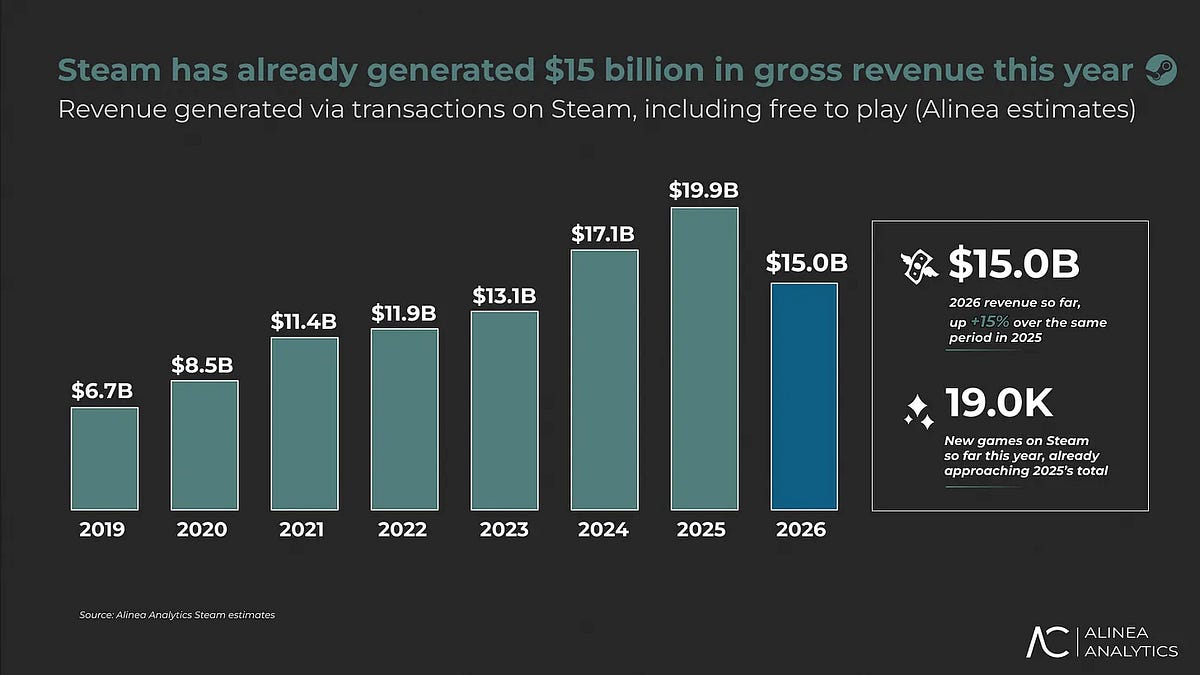
Steam Earned $15 Billion in the First Eight Months of 2026
Steam generated $15 billion in gross revenue during the first eight months of 2026, representing a 15% increase compared to the same period in 2025. Based on these figures, the platform is projected to exceed $20 billion in annual revenue for the first time, surpassing the $19.9 billion recorded in 2025. This analysis encompasses all transactions on the platform, including free-to-play titles, and highlights a significant increase in supply, with 19,000 new games released on the storefront during the eight-month period.
The market remains heavily driven by established hits rather than new releases. The six highest-grossing new games of 2026—including titles like Forza Horizon 6, Crimson Desert, and Resident Evil Requiem—accounted for just under $1 billion, or approximately 6.6% of total platform revenue. While new intellectual properties represent 63% of the top 100 new releases, over half of the revenue in that cohort was generated by established franchises. Older titles continue to dominate the platform's mid-market segment, with 83% of games ranked between 101 and 1,000 by revenue having been released prior to 2026.
These findings suggest that Steam’s revenue growth is sustained by a long-tail effect where legacy blockbusters, often sold at discounted prices, maintain significant market share. Older games accounted for 79% of all platform revenue during the first half of 2026. The analysis notes that the "mid-market" is a mix of diverse budget tiers, where high-budget legacy titles frequently outperform smaller, contemporary independent projects in annual earnings. These estimates are derived from third-party analysis of platform transactions and are not official data from Valve.
- Steam generated $15 billion in gross revenue from January to August 2026, a 15% increase year-over-year, putting the platform on track to exceed $20 billion in annual revenue for the first time.
- The platform experienced a surge in supply with 19,000 new games released in the first eight months of 2026, already surpassing the total release counts for the full years of 2024 and 2025.
- Older titles dominate the ecosystem, with games released prior to 2026 accounting for 79% of all Steam revenue during the first half of the year.
- The six highest-grossing new releases of 2026—including Forza Horizon 6, Crimson Desert, and Resident Evil Requiem—generated just under $1 billion, representing approximately 6.6% of total platform revenue.
- Established franchises continue to outperform new intellectual property, accounting for 52.5% ($1.25 billion) of the revenue generated by the top 100 new games of 2026.
+3
Alinea AnalyticsSept 2026
Article
Physical Game Sales and Engagement Drivers
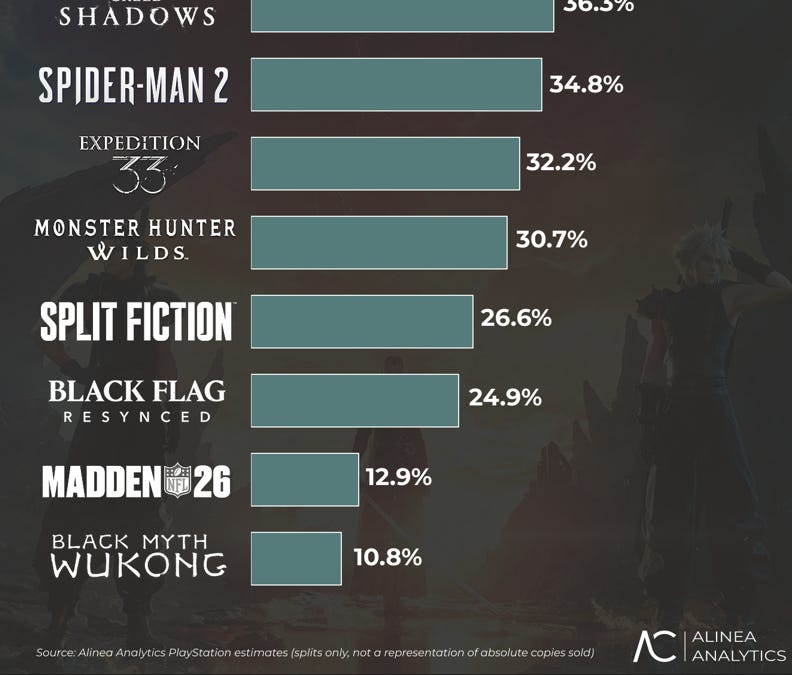
The gaming industry is currently undergoing a significant shift toward digital-only distribution, driven by platform holders seeking to maximize profit margins. Analysis of PlayStation sales data reveals a stark disparity in physical media adoption, ranging from 48% for prestige single-player titles like Final Fantasy VII Rebirth to as low as 10.8% for digital-native releases like Black Myth: Wukong. This transition is primarily motivated by the superior unit economics of digital sales, which can yield up to a 54% increase in revenue per copy compared to physical retail, where manufacturing and distribution costs erode margins.
While the move to eliminate physical media serves as a short-term strategy to bolster revenue during periods of high component costs and economic pressure, it risks long-term audience growth. Physical discs have historically provided an accessible entry point for younger and budget-conscious players. By removing this lower-cost barrier, platform holders may inadvertently shrink the future user funnel, potentially accelerating a shift toward mobile or free-to-play alternatives.
Simultaneously, publishers are increasingly utilizing premium digital tiers to extract higher average revenue per user (ARPU). Electronic Arts’ introduction of a $150 Ultimate Plus edition for FC 27 exemplifies this trend, leveraging artificial scarcity and competitive advantages to incentivize high-spending players. Furthermore, external cultural events continue to drive significant engagement, as evidenced by the 90% surge in daily active users for Assassin’s Creed Odyssey following the release of a film with a similar setting. This spike, largely facilitated by subscription services like Game Pass and PS Plus, demonstrates the ongoing power of back-catalog accessibility in maintaining platform engagement.
- Sony is pushing for digital-only game sales to increase profit margins; a digital sale of a first-party game yields 54% more revenue ($70 vs ~$45) and a third-party game 40% more revenue ($49 vs ~$35) compared to physical disc sales.
- EA introduced a new $150 'FC 27 Ultimate Plus' tier, which is primarily digital in-game content and offers up to seven days of early access (from September 18th vs. September 25th global launch) to drive higher revenue per player, especially from hardcore fans.
- Christopher Nolan's film 'The Odyssey' caused a 90% surge (+110K daily players) in engagement for Ubisoft's 'Assassin’s Creed Odyssey' between July 17th and July 27th, increasing combined daily active users across Steam, Xbox, and PlayStation from 122K to 233K.
- The engagement spike for 'Assassin’s Creed Odyssey' was largely driven by console subscriptions (Game Pass and PS Plus), with PlayStation nearly doubling its DAUs (+94% to 114K) and Xbox experiencing a 134% jump (from 36K to 84K DAUs).
- Physical game sales for titles like 'FF7 Rebirth' (48% physical share) represent a lower-margin channel for publishers, and shifting these buyers to digital significantly boosts per-copy revenue.
+2
Alinea AnalyticsJul 2026
Article
This Gen’s Top Remakes & Remasters by Copies Sold
The current gaming landscape is defined by a strategic pivot toward remakes and remasters, which serve as a critical risk-mitigation tool for AAA publishers facing bloated budgets and market volatility. By leveraging proven intellectual property with established fanbases, publishers can secure more predictable revenue streams while maintaining cultural relevance for their franchises. This approach allows studios to balance their portfolios, providing the financial stability necessary to fund riskier, original projects.
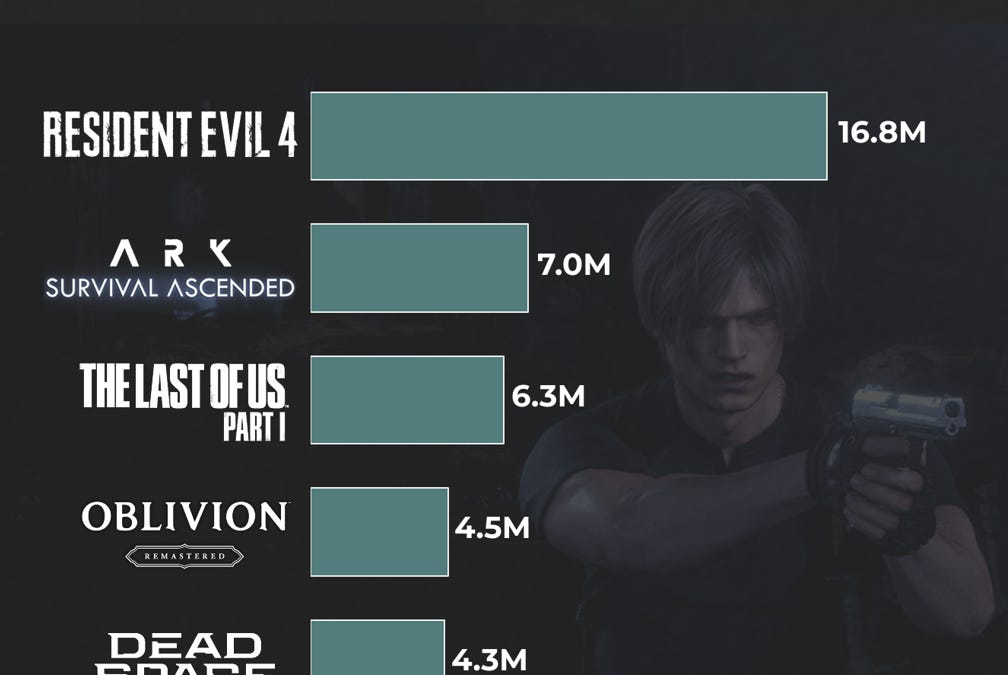
Data analysis of sales across PlayStation, Xbox, and Steam since November 2020 highlights the commercial dominance of high-fidelity remakes. The remake of Resident Evil 4 leads the sector with 16.8 million copies sold, generating $560 million in gross revenue. Other notable performers include Ark: Survival Ascended, which reached 7 million copies sold and 13 million total players through strategic subscription service integration, and The Last of Us Part 1, which moved 6.3 million units. Additional titles such as Dead Space, Final Fantasy VII: Rebirth, and Silent Hill 2 further demonstrate the market's appetite for modernized classics, with many titles utilizing long-tail discounting strategies on Steam to maximize lifetime value.
The industry’s reliance on these titles stems from the high cost and long development cycles of new intellectual property, which can exceed $150 million and take nearly a decade to produce. In contrast, remakes offer a more efficient production cycle and a guaranteed audience, effectively de-risking the development pipeline. However, this strategy remains contingent on operational efficiency; the advantages of the remake model are neutralized if publishers apply the same bloated, over-staffed development structures that contributed to the industry's current financial pressures.
- Remakes and remasters are a de-risked strategy for publishers due to proven demand and shorter, cheaper production cycles compared to new IPs, which can cost over $150M and take nearly a decade to develop.
- Capcom's strategy of using reliable remake pipelines to fund innovative new titles is becoming an industry standard, with other major publishers like PlayStation, Xbox, Square Enix, Ubisoft, and Konami adopting similar approaches.
- Steam often generates less revenue per copy for remakes/remasters due to higher sales volume in lower-priced regions and frequent discounting, with countries like China, Brazil, and Russia being top markets for titles like Resident Evil 4.
- Ark: Survival Ascended has sold 7 million copies (3.9M on Steam, 2.1M on PlayStation, 1.0M on Xbox) and generated nearly $230M in gross revenue, with subscription services (PlayStation Plus, Xbox Game Pass) adding 6.2M players.
- Resident Evil 4 (remake) is an ideal candidate for remakes, being a critically acclaimed classic from 2005 that was visually dated and three console generations old, ensuring high demand and a fresh feel.
+3
Alinea AnalyticsJul 2026
Article
Palworld 1.0 Pushes the Hit Over 30M Copies Sold
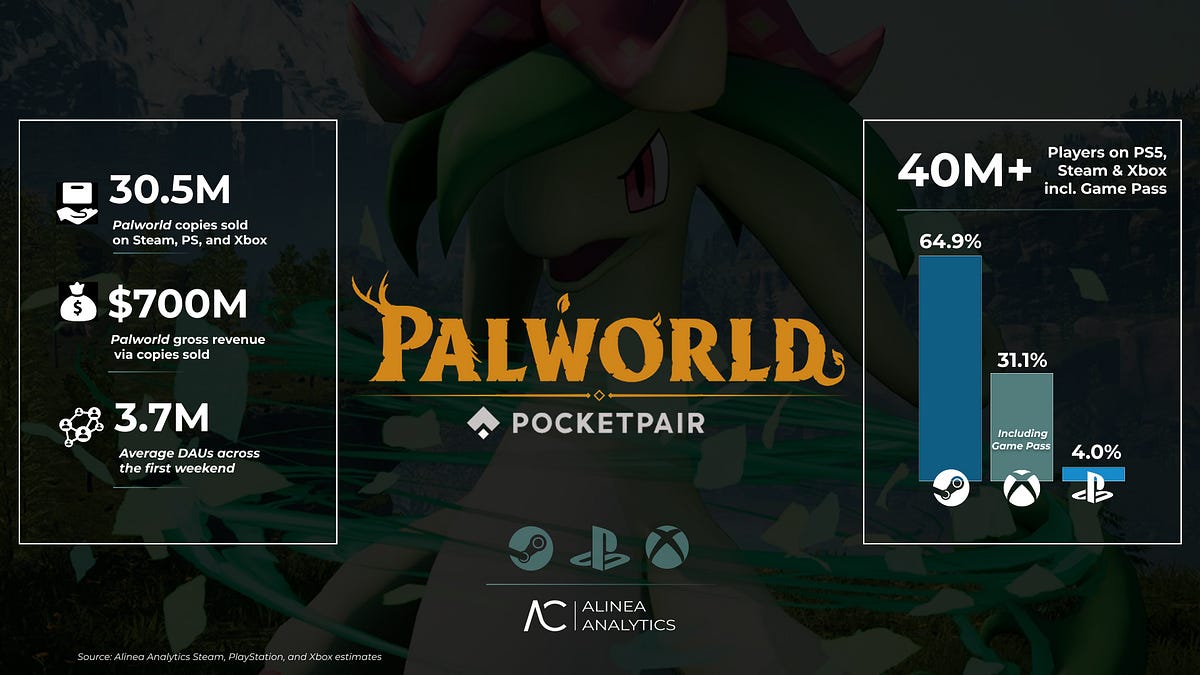
The release of version 1.0 of Pocketpair’s Palworld has propelled the title to over 30.5 million premium copies sold across Steam, PlayStation, and Xbox. Since its early access launch in January 2024, the game has achieved approximately $700 million in gross revenue from direct software sales. Steam remains the dominant platform, accounting for nearly 86% of total unit sales, with the United States and China serving as the two largest markets, each representing roughly 27% of the Steam user base.
The 1.0 update, supported by a 30% launch discount, triggered a significant secondary sales surge and re-engagement, pushing daily active users to an average of 3.7 million. Engagement metrics reveal a highly dedicated core audience, with 20% of Steam owners logging over 100 hours of playtime. While the game maintains strong positive sentiment globally, regional feedback varies; English-speaking players often focus on the game’s role as a competitor to established industry giants, whereas Chinese players prioritize core mechanics, creature collection, and survival-crafting depth.
Beyond the success of Palworld, the industry is navigating a structural crisis within the console sector. Rising component costs and the diminishing returns of hardware performance leaps have rendered the traditional console business model—subsidizing hardware to recoup margins through software—increasingly unsustainable. Consequently, the industry is shifting toward longer console lifecycles, cross-generational software, and a transition of consoles from mass-market appliances to premium lifestyle products for core enthusiasts. As platform holders face pressure to maximize average revenue per user, the market is moving away from proprietary, closed-box hardware toward multiplatform strategies and alternative monetization models to sustain high-budget development.
- Palworld 1.0 has driven total sales past 30 million copies and generated over $700 million in gross revenue from direct software sales.
- Steam is Palworld's dominant platform, accounting for 27.1 million unit sales, with the US and China each representing 27% of its Steam market.
- The 1.0 launch boosted Palworld's engagement, reaching an average of 3.7 million daily active users (DAUs) over a recent weekend and pacing to exceed 10 million monthly active users (MAUs) across PC and console.
- Palworld demonstrates strong player retention on Steam and PlayStation, with 20% of Steam owners (5.2 million players) logging over 100 hours, while Xbox shows lower engagement due to Game Pass dynamics.
- The console gaming sector faces an economic and margin crisis due to rising component costs, making the traditional hardware subsidy model unsustainable and potentially leading to higher-priced consoles and alternative monetization strategies like in-game advertising.
+2
Alinea AnalyticsJul 2026
Article
Another "Friendslop" Challenger Enters the Steam Arena
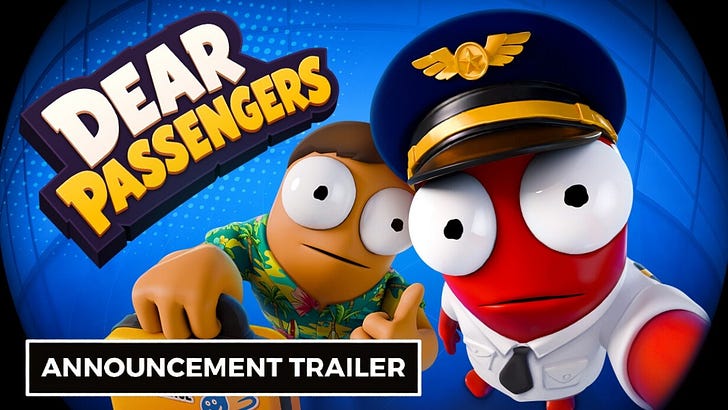
The "friendslop" genre—characterized by chaotic, physics-based, cooperative gameplay—continues to gain significant traction on Steam, exemplified by the upcoming release of Dear Passengers. The game has achieved over one million wishlists through organic social media engagement on platforms like TikTok and X, rather than traditional paid marketing. This success highlights a broader shift in indie development, where studios are pivoting from the saturated and high-cost mobile market to Steam, utilizing existing asset libraries to create low-friction, viral PC experiences.
Data indicates that for low-priced titles, high wishlist counts are strong indicators of conversion. Unlike premium AAA games, where wishlists often function as bookmarks for future discounts, "friendslop" titles priced between $5 and $8 see substantial day-one conversion rates. For instance, successful titles like R.E.P.O. and Meccha Chameleon converted between 21% and 38% of their wishlists into buyers within the first week of launch. This trend is supported by an audience that is already highly active in the genre, with significant overlap between the wishlist cohorts of new titles and the player bases of established "friendslop" games.
The analysis suggests that the most effective strategy for these titles is an introductory price point followed by a gradual increase, as higher initial costs can stifle momentum. While the market may eventually see an influx of low-effort clones or predatory free-to-play iterations, the genre remains a viable, evergreen model for studios capable of delivering high-energy social experiences. By leveraging algorithmic social media reach as a free user-acquisition engine, developers can achieve premium returns on micro-budget production timelines.
- "Dear Passengers," a new co-op game about managing a chaotic airline, is gaining significant social media traction and is positioned as a strong contender in the "friendslop" genre, set for release later this year.
- Unlike AAA games where wishlists often lead to delayed purchases, cheap "friendslop" games convert wishlists into sales very effectively; for example, "R.E.P.O." converted 38% of its 163K wishlists by day 7 and 64% by day 30.
- A strategic launch price of $5.99 or $6.99, followed by a slight price increase a week later, is a proven playbook for successful "friendslop" titles, as seen with "R.E.P.O." ($7.99 to higher), "Meccha Chameleon" ($4.99 to $5.99), and "RV There Yet?" ($6.99 to $7.99).
- A significant portion of "Dear Passengers" wishlisters are active players in the "friendslop" genre, with nearly half owning "R.E.P.O." (48%) and "PEAK" (47%), and over a third having played "Meccha Chameleon" (37%).
- The developer of "Dear Passengers," Flexus Games (a Ukrainian studio of ~70 developers), is transitioning from the mobile market to Steam due to rising mobile user acquisition costs, leveraging existing assets and organic social media marketing.
+1
Alinea AnalyticsJul 2026
Article
Steam: Highest Revenue in History in H1 2026
Steam achieved record-breaking financial performance in the first half of 2026, generating an estimated $11.1 billion in gross revenue. This figure represents a 14.5% year-over-year increase compared to the first half of 2025 and an 8% rise over the second half of 2025. The platform’s growth trajectory is significant, with H1 2026 revenue nearly matching the total annual revenue recorded in 2021 and exceeding the entirety of 2020. These findings are based on proprietary estimations from Alinea Analytics, which utilizes its own game sales tracking platform to monitor market activity.
Several factors are driving this expansion, including a notable influx of players from Asian markets, particularly China, and a strategic shift by major publishers to return to the platform after previously utilizing proprietary launchers. Additionally, the industry is seeing higher price points for new releases and more sophisticated management of back-catalog titles. Data indicates that the revenue share derived from new releases has declined from 29% in H1 2024 to 21% in H1 2026, while older titles now account for 79% of total revenue. This shift suggests that publishers are successfully leveraging discounts, bundles, and timed sales to maintain the long-term viability of their existing libraries.
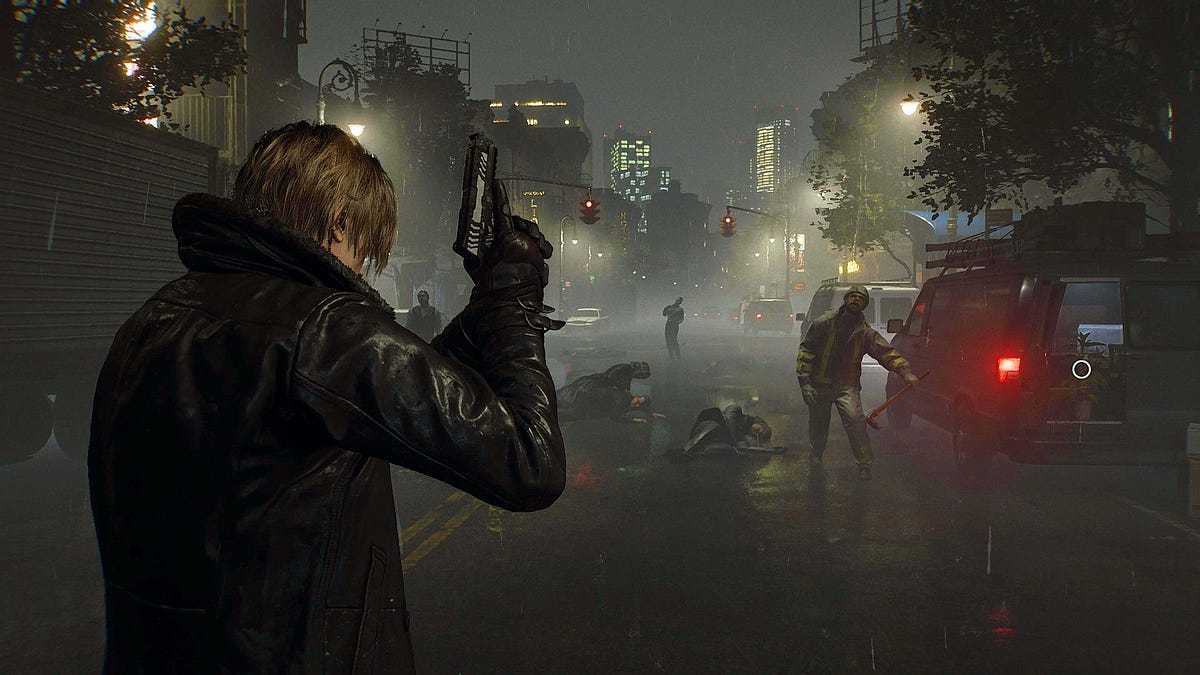
Top-performing titles in the first half of 2026 include Forza Horizon 6, Resident Evil Requiem, and Crimson Desert, all of which generated significant revenue shortly after launch. While early access titles like Slay the Spire 2 and Subnautica 2 have achieved high unit sales, their revenue impact varies based on price points and conversion rates. Overall, the data underscores Steam’s continued dominance as a primary distribution hub, with total annual revenue having grown from approximately $5.5 billion in 2017 to an estimated $20 billion by the end of 2025.
- Steam generated an estimated $11.1 billion in gross revenue during H1 2026, marking a 14.5% year-over-year increase and nearly matching the platform's total revenue for the entire year of 2021.
- The share of revenue generated by new releases has declined to 21% in H1 2026, down from 29% in H1 2024, as publishers increasingly rely on back-catalog sales strategies like bundles and discounts.
- Growth in H1 2026 was driven by an influx of Asian players, higher pricing for new releases, the return of publishers to the platform, and the success of viral co-op titles.
- Forza Horizon 6 led new 2026 releases with $197.6 million in revenue in under two months, followed closely by Resident Evil Requiem at $194.5 million and Crimson Desert at $190 million.
- Slay the Spire 2 achieved the highest unit sales among top 2026 titles with 7.1 million copies sold in four months, though its $25 price point resulted in $141.7 million in total revenue.
+2
Alinea AnalyticsJul 2026
Article
Assassin’s Creed: Best Steam Launch
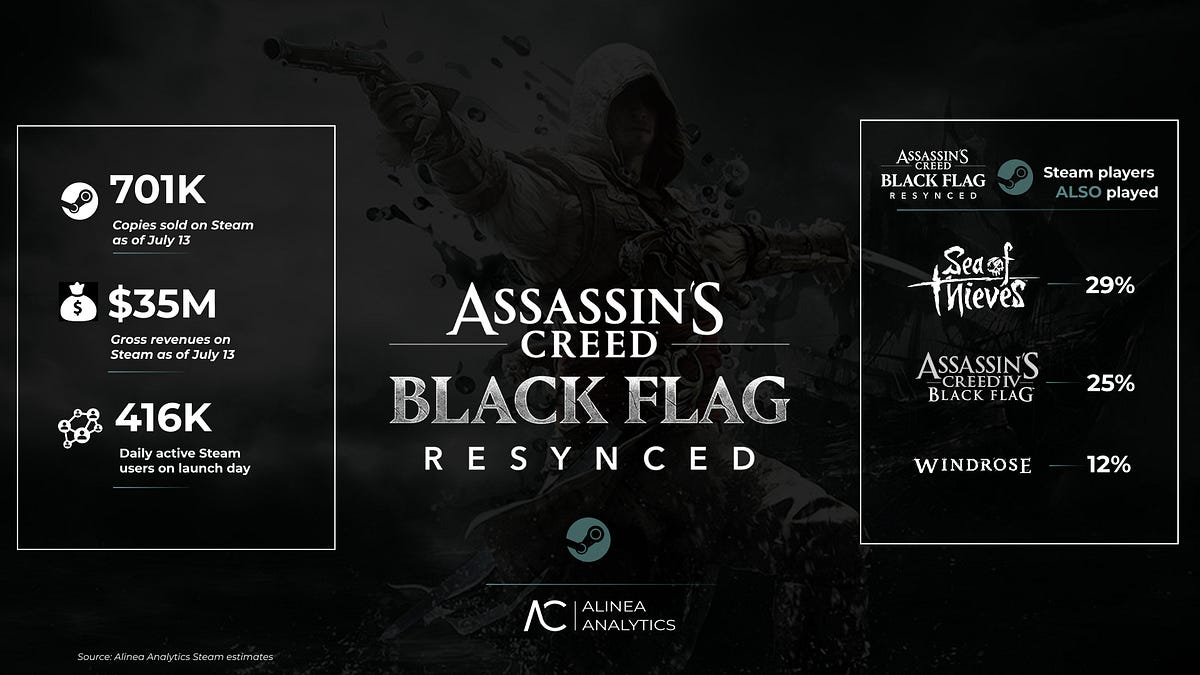
The recent launch of Assassin’s Creed Black Flag Resynced represents a significant commercial success for Ubisoft on the Steam platform. The title achieved 701,000 unit sales and generated $35 million in gross revenue within its first four days, bolstered by an additional $1 million from day-one downloadable content. This performance notably outpaced the launch of the previous flagship title, Assassin’s Creed Shadows, which earned $22.2 million over the same period despite being sold at a higher price point. The data underscores a broader trend of Steam serving as a critical growth engine for Ubisoft, with the title reaching peak daily active users of 416,000 by its second day.
Geographically, the United States and China emerged as the primary markets, accounting for 30% and 15% of the player base, respectively. While the game achieved high overall sentiment, user review scores were negatively impacted by a specific subset of the Chinese audience. Analysis indicates that when Simplified Chinese reviews—which often serve as a channel for community protest regarding early access policies for streamers—are excluded, the game’s positive sentiment rating rises from 73% to approximately 80%.
Methodologically, these findings rely on proprietary review sentiment data and sales estimates. The analysis highlights a clear consumer preference for lower-cost convenience items, as evidenced by a 6.34% attach rate for a $4.99 map pack, compared to significantly lower engagement with more expensive cosmetic bundles. Ultimately, the launch validates a strategy of utilizing remakes as a stabilizing force, demonstrating that despite technical issues and monetization-related criticism, the core product remains a strong revenue driver for the publisher.
- Assassin's Creed Black Flag Resynced achieved Ubisoft's best Steam launch for an AC title, selling 701,000 copies for $35 million in gross revenue, plus nearly $1 million from day-one DLC.
- Black Flag Resynced significantly out-earned Assassin's Creed Shadows on Steam, pulling in $22.4 million on day one (2.35x Shadows' $9.5 million) despite a lower price point ($59.99 vs. Shadows' full RPG price).
- The game's launch on Steam highlights a successful shift to day-and-date PC releases for Ubisoft, out-earning Valhalla by 9x and Mirage by nearly 19x at the same point in their respective launches.
- The top two Steam markets for Resynced players are the US (30%) and China (15%), indicating success in reaching new markets, with Steam being a key growth platform for publishers.
- Despite strong sales, user reviews for Resynced are 'mixed' due to launch bugs, language pack issues, and an intrusive in-game store; positive sentiment drops from 80% to 73% when including Simplified Chinese reviews.
+1
Alinea AnalyticsJul 2026
Article
Two Summer Games Due to Make a Big Splash
The gaming industry is currently tracking two distinct titles, Assassin’s Creed Black Flag Resynced and Fields of Mistria, both of which are positioned for significant commercial success during the summer of 2026. The analysis highlights how high-fidelity remakes of legacy intellectual property and targeted indie releases serve as effective strategies for publishers and developers to mitigate financial risk while capitalizing on established audience demand.
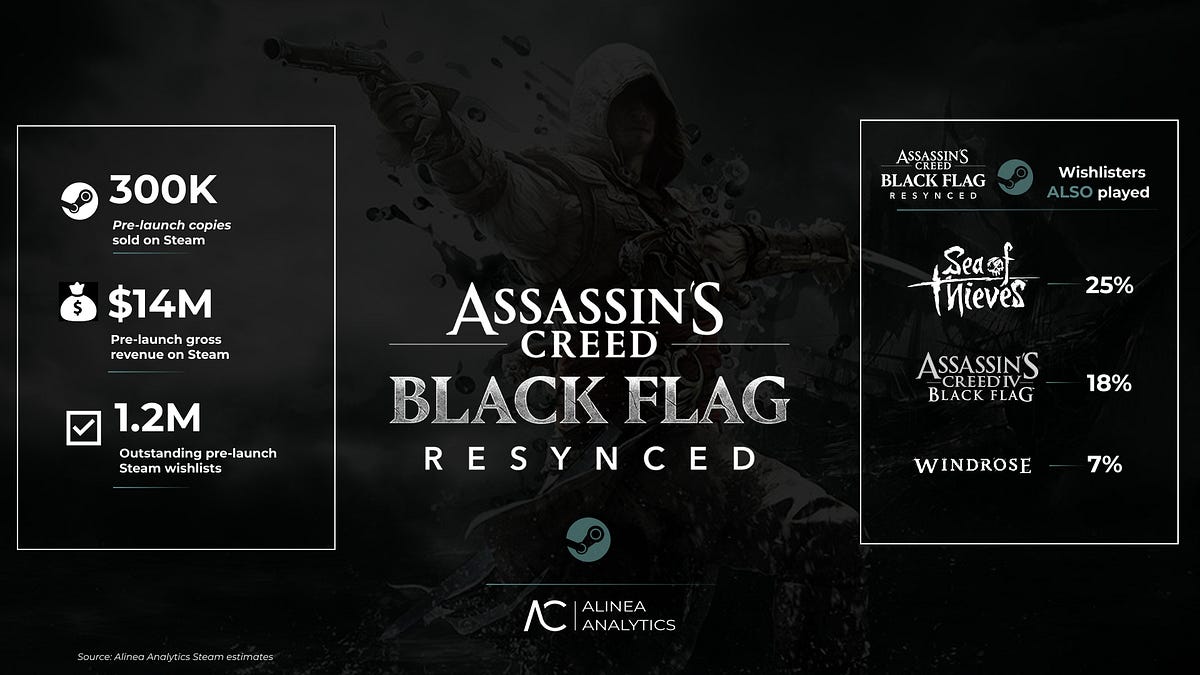
Assassin’s Creed Black Flag Resynced represents a strategic pivot for Ubisoft, utilizing a beloved legacy title to stabilize its portfolio. Ahead of its July 2026 launch, the remake has already generated nearly $14 million in gross revenue from over 300,000 copies sold on Steam. This pre-launch performance significantly outpaces the trajectory of the recent Assassin’s Creed Shadows, which has reached 1.3 million lifetime copies on Steam. By pricing the remake at $59.99, Ubisoft aims to maximize its addressable audience, leveraging nostalgia to secure a financial cushion while managing the long-term development cycles of new intellectual properties.
Simultaneously, the indie farming simulator Fields of Mistria is poised for a successful 1.0 release in August 2026. Having already sold 1 million copies during its early-access period, the title benefits from a highly engaged audience, with 15% to 30% of its 700,000 wishlisters actively playing Stardew Valley each month. The game’s $13.99 price point and alignment with the growing demand for cozy, magic-infused simulations suggest a strong conversion potential. Ultimately, these findings underscore that while AAA publishers rely on the amortization of proven brands, indie developers can achieve breakout success by targeting specific, active player cohorts with high-value, genre-aligned experiences.
- Assassin’s Creed Black Flag Resynced, a remake launching July 9, has already outsold Ubisoft Singapore’s Skull & Bones on Steam and sold 5.39x more Steam copies than AC Shadows did at an equivalent pre-release stage.
- Ubisoft priced Assassin’s Creed Black Flag Resynced at $59.99, a deliberate strategy to maximize audience reach for a nostalgia-driven, lower-risk title.
- Fields of Mistria, a farming sim, will release its 1.0 version on August 5 after two years in early access, having sold 1 million copies on Steam and generated approximately $11 million.
- Fields of Mistria is priced at $13.99, with no planned price increase, making it an accessible impulse buy that leverages an engaged wishlist cohort.
- The original Assassin's Creed Black Flag (2013) was a milestone due to its open-world pirate gameplay, departure from rigid urban settings, and a protagonist driven by greed and freedom.
+3
Alinea AnalyticsJul 2026
Article
Top Games by Copies Sold: H1 2026
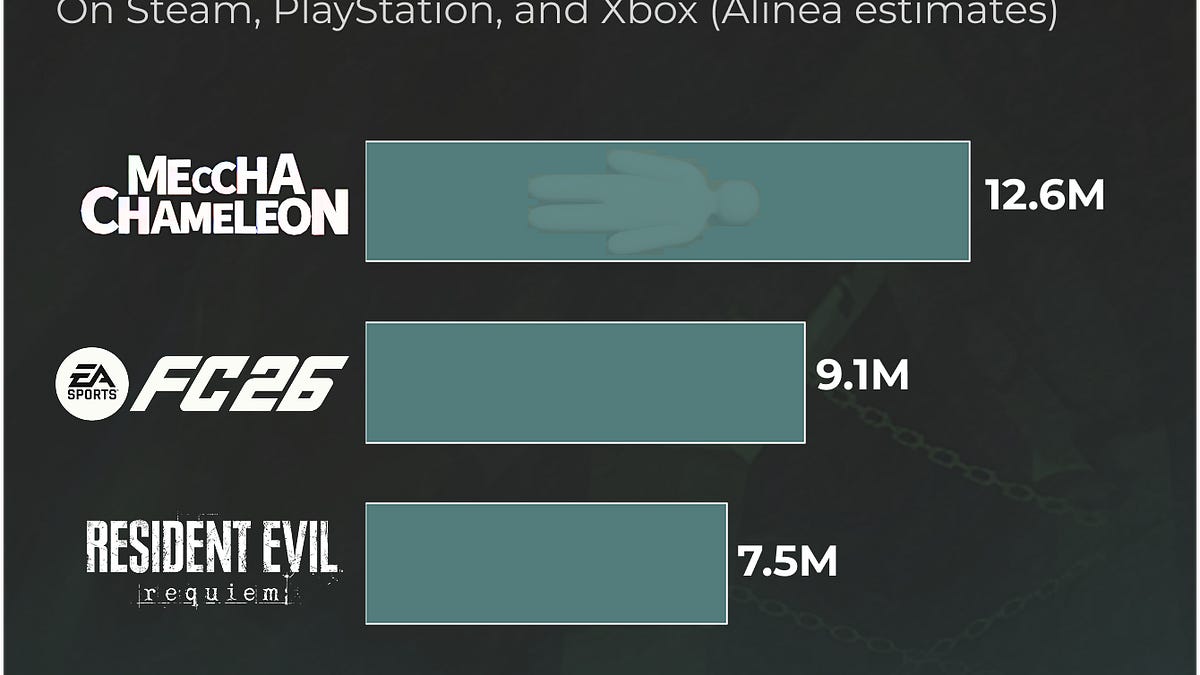
The first half of 2026 highlights a significant shift in the gaming industry, characterized by the rise of low-fi social games and a definitive move toward a digital-only future for console platforms. The primary analysis focuses on sales performance across Steam, Xbox, and PlayStation, identifying Meccha Chameleon as the leading title by copies sold. Despite its viral success and nearly 13 million units sold, the game’s low price point places it outside the top revenue earners, illustrating the distinction between unit volume and gross financial performance.
Other top-performing titles for the period include FC 26, which reached 9.1 million copies, and Resident Evil Requiem, which surpassed 7.6 million units. Forza Horizon 6 and ARC Raiders also maintained strong momentum, with 7.4 million copies sold each, while Slay the Spire 2 demonstrated the impact of regional player bases, particularly in China, on early access success. These figures underscore the continued dominance of established franchises alongside the emergence of viral, low-cost independent hits.
A critical industry development is Sony’s announcement to cease physical disc production for new PlayStation games by January 2028. This strategic pivot aims to consolidate control over pricing, eliminate the secondary resale market, and maximize platform profitability. While this transition may offer developers minor operational efficiencies by reducing the pressure of early certification for physical media, it poses significant challenges to consumer ownership, game preservation, and the viability of specialist physical retailers. The move reflects a broader, long-term trend toward digital-only ecosystems, effectively ending the era of physical media as a primary distribution channel for major console publishers.
- Meccha Chameleon is 2026's top game by copies sold across Steam, Xbox, and PlayStation combined, with nearly 13 million units sold despite being Steam-only and launching three weeks ago. Its $5 launch price (later $6) resulted in over $58M in gross revenue, making it the #18 game by Steam revenue this year.
- Sony has announced that new PlayStation games will be digital-only starting January 2028, eliminating physical discs. This move is driven by Sony's desire for greater control over pricing and revenue, as disc resales and rentals do not generate income for the platform holder.
- Resident Evil Requiem has sold 7.6 million copies across PS5 (46%), Steam (45%), and Xbox (9%), nearing half a billion dollars in gross revenue. It continues to sell well, with almost 400,000 copies sold last month alone, contributing to Capcom's catalog revenue.
- Forza Horizon 6 has sold 7.4 million copies, with 4 million on Xbox and 3.4 million on Steam, and is projected to exceed 10 million this quarter. A planned PS5 port is expected to push its yearly total past 15 million, solidifying it as Xbox's largest IP outside of Call of Duty and Minecraft.
- ARC Raiders, a live-service game, has sold 7.4 million copies this year, with nearly half in January, and maintains a durable player base with 3.7 million monthly active users (MAUs) after a peak of 10.7 million in January.
+2
Alinea AnalyticsJul 2026
Article
World Cup Fever and GTA 6 FAQs
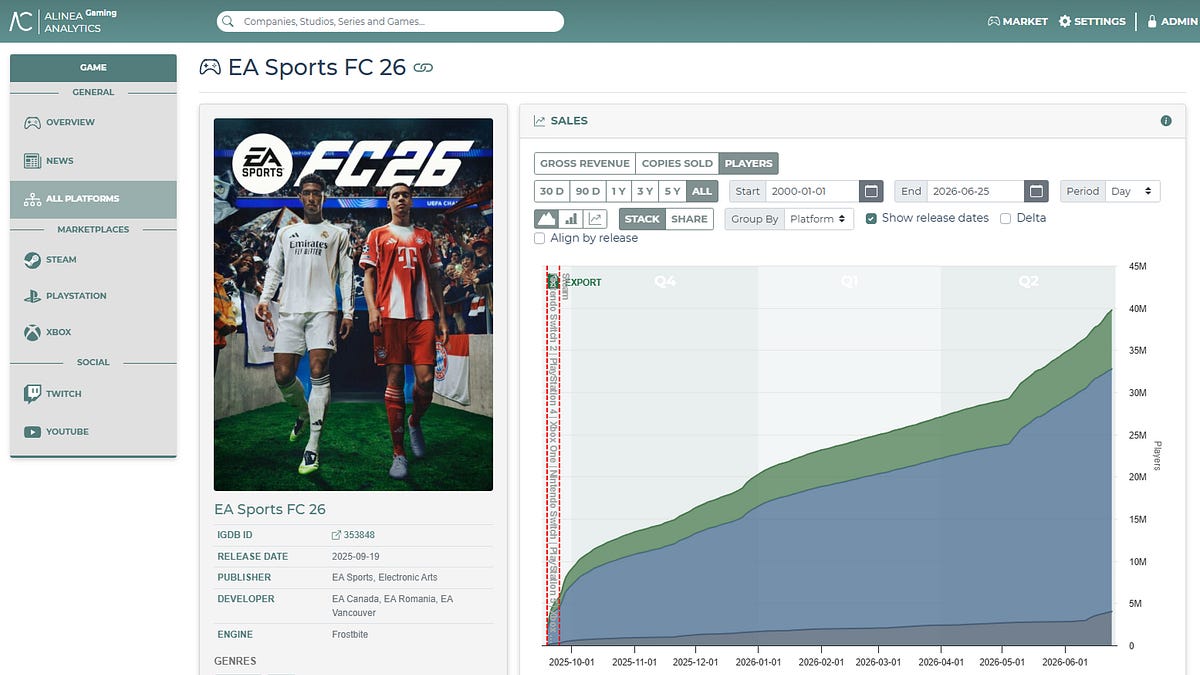
The gaming industry is currently experiencing significant shifts driven by major events and strategic pricing decisions. FC 26 has successfully leveraged World Cup-related activations to surpass 40 million total players, with over 10 million new users added since May 2026. This growth was fueled by its inclusion in PlayStation Plus and Game Pass, alongside aggressive discounting that generated approximately $25 million in revenue from nearly 2 million copies sold across major platforms. These efforts have resulted in record monthly active users, demonstrating the effectiveness of high-volume engagement strategies in the sports genre.
Simultaneously, the industry is closely monitoring the upcoming release of Grand Theft Auto 6. The decision to set a standard base price of $80, rather than a higher tier, reflects a strategic move to maintain a broad, accessible player funnel while utilizing premium editions to capture higher spending from dedicated fans. This pricing model acknowledges the current economic climate and the challenge of migrating players from the long-standing Grand Theft Auto 5. Furthermore, the shift toward a discless physical release—utilizing download codes—is identified as a calculated effort to eliminate the second-hand market, exert greater control over pricing, and mitigate the risk of pre-release leaks.
These developments highlight a broader trend where only the most powerful franchises possess the leverage to test higher price points, while most publishers remain constrained by the need to avoid alienating price-sensitive consumers. Grand Theft Auto 6 is expected to serve as a significant catalyst for hardware sales and console subscription growth, with projections suggesting potential sales of 30 million units in the first week. Ultimately, these findings underscore a market environment where long-term engagement and ecosystem control are prioritized over immediate, aggressive price hikes.
- Grand Theft Auto VI (GTA 6) pre-orders have opened with a standard price of $80 ($100 for the Ultimate Edition), and physical copies will be discless, effectively making it digital-only at launch.
- Rockstar opted for an $80 base price for GTA 6 to maximize its audience, recognizing that the primary revenue driver is GTA Online, and a higher price would deter price-sensitive players, especially those migrating from GTA 5.
- The decision to go discless for GTA 6 physical copies aims to eliminate the second-hand market, prevent pre-release leaks, and improve cash flow and forecasting through digital pre-orders.
- The $80 base price is unlikely to become a new industry standard, remaining largely confined to franchises with captive, price-inelastic audiences like Nintendo, PlayStation first-party titles, and potentially FromSoftware or major yearly sports games; most publishers will continue with a $70 base price and premium editions.
- GTA 6 is expected to significantly boost console sales and subscriptions, driving new and lapsed players into PS+ and Game Pass entry tiers and priming the console market for a strong generation, with an estimated 50 million copies sold before 2027.
+2
Alinea AnalyticsJun 2026
Article
Steam Next Fest's Winners, and Why the Event Might Matter Less Than You Think
Steam Next Fest is increasingly viewed as a diminishing tool for independent developers, serving more as a crowded promotional venue than a reliable engine for long-term commercial success. While the event provides visibility for top-tier titles, the sheer volume of participants—exceeding 4,300 demos—makes it difficult for most games to distinguish themselves. Furthermore, wishlists are identified as a declining metric that frequently fails to correlate with actual launch sales, often representing idle curiosity rather than genuine intent to purchase.
Analysis of conversion rates from the June 2025 event reveals that even successful titles struggle to convert a significant portion of their wishlists into buyers within the first three months post-launch. Conversion rates for top performers typically range between 5% and 26%, with many games failing to reach even these modest benchmarks. Consequently, the event is characterized as an amplifier for games that already possess strong marketing momentum and a compelling, shareable hook, rather than a catalyst that can manufacture demand for lesser-known projects.
To better gauge potential success, developers are encouraged to prioritize metrics such as demo playtime and demo-to-wishlist attachment rates, which more accurately reflect player engagement. The most effective strategy for developers remains the cultivation of a novel, instantly understandable concept that encourages organic distribution. Ultimately, the findings suggest that for the vast majority of developers, the festival is a high-effort, low-reward exercise, and resources might be better allocated toward independent marketing efforts outside the constraints of the event window.
- Steam Next Fest primarily amplifies existing demand rather than creating it, benefiting games with strong pre-event momentum and unique concepts, while most of the 4,300 participating demos gain minimal impact.
- Wishlists generated during Steam Next Fest often have low conversion rates; even strong performers like "Dispatch" and "Ball X Pit" converted only about 25-26% of wishlisters into buyers within three months, with many wishlists representing idle curiosity rather than purchase intent.
- Demo playtime and demo-to-wishlist attachment rate are better predictors of launch conversion than raw wishlist counts, indicating whether players genuinely liked a game enough to return.
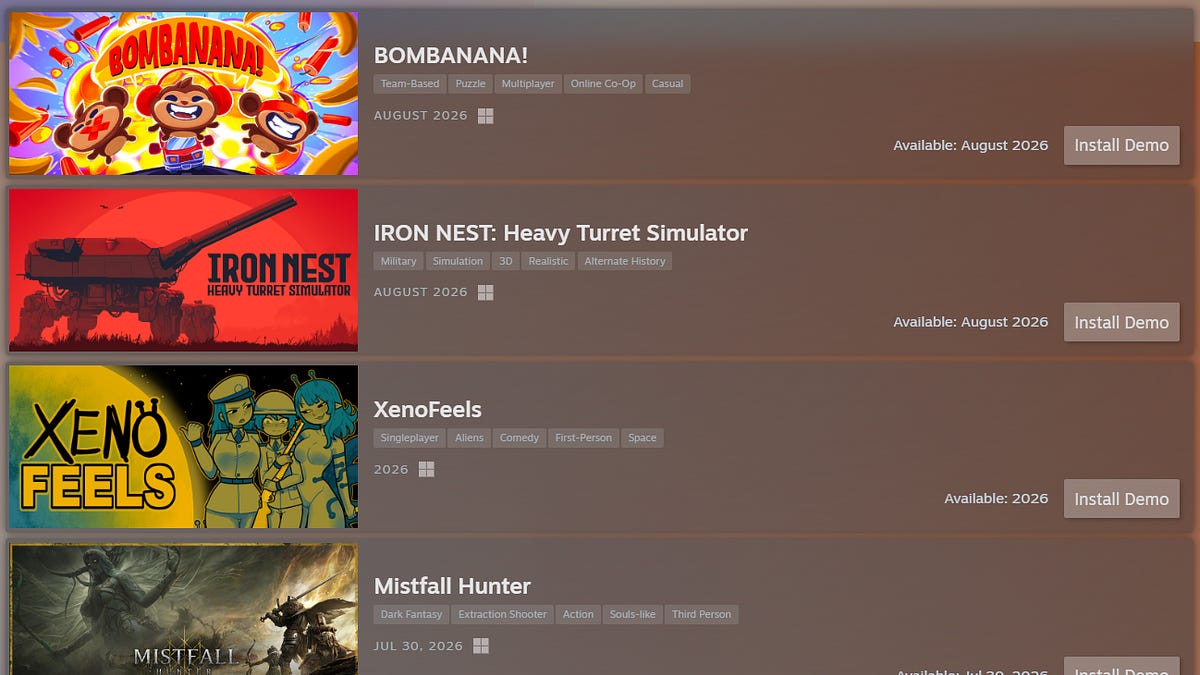
- Successful Next Fest games like "Over the Hill" and "Bombanana" achieved their visibility through extensive external marketing campaigns, press, influencer outreach, and a highly shareable concept, with the festival acting as an amplifier for pre-existing buzz.
- The top 10 Next Fest games by new wishlists demonstrate genre diversity, including a turret simulator ("Iron Nest"), a space customs simulator ("XenoFeels"), an extraction ARPG ("Mistfall Hunter"), an RTS ("Dust Front RTS"), and a co-op horror game ("The Mound: Omen of Cthulhu").
+1
Alinea AnalyticsJun 2026
Article
PlayStation First-Party Sales: 2026 Analysis
The 2026 performance of PlayStation first-party software reveals a significant shift in industry dynamics, where long-term catalogue sales are increasingly outpacing new releases. Analysis of approximately 198 titles indicates that only 16% of the 10 million copies sold during the first half of 2026 originated from games launched within the same year. Conversely, titles released prior to 2020 continue to account for 23.3% of total unit volume, underscoring the enduring value of legacy intellectual property.
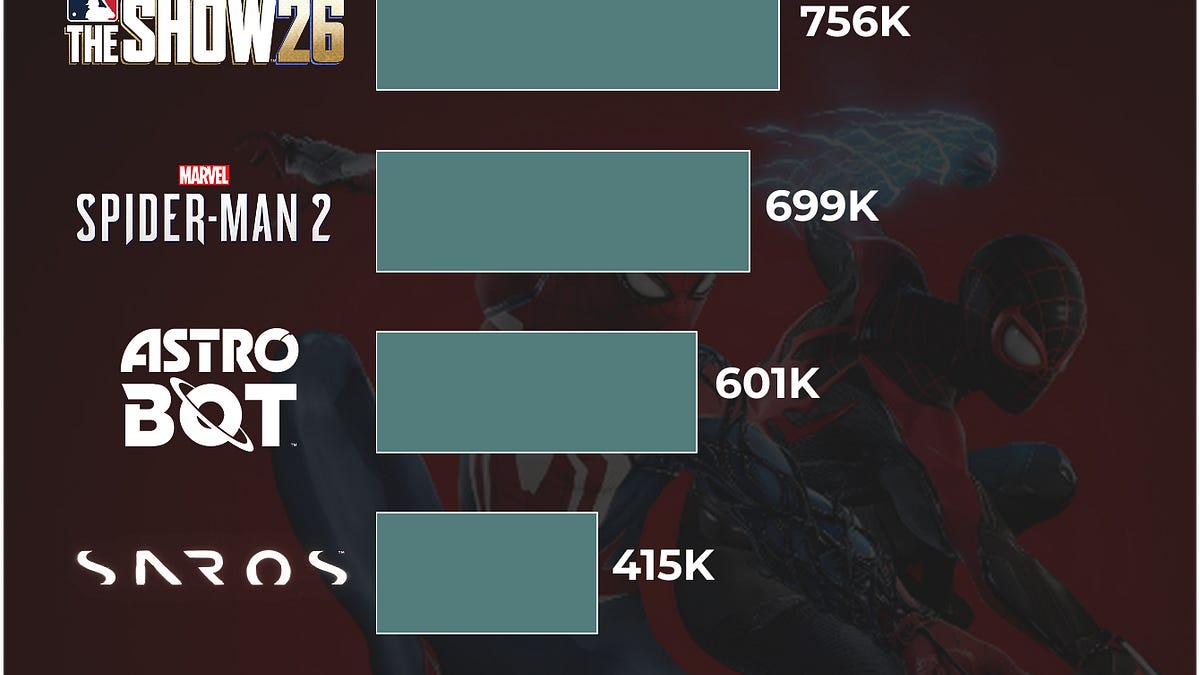
Key data points highlight the reliance on established franchises, with Marvel’s Spider-Man representing 14% of total copies sold. Ghost of Yotei emerged as the top-performing title of 2026, generating 1.1 million copies and $77.6 million in revenue. Despite selling fewer units than its predecessor, Ghost of Tsushima, the title has achieved higher revenue by maintaining a consistent $70 price point rather than relying on aggressive discounting. Other notable performers include Gran Turismo 7, which continues to drive engagement through a distinct audience demographic, and Astro Bot, which has established itself as a successful evergreen brand for new hardware owners.
The analysis concludes that modern AAA releases face intense competition not only from contemporary peers but from a vast, lower-priced history of high-quality software. As graphical advancements yield diminishing returns, the industry is moving toward a model where back catalogues function as primary revenue engines. This trend suggests that future platform strategies, particularly regarding handheld hardware, will prioritize the monetization of deep libraries, mirroring successful long-term strategies seen elsewhere in the gaming sector. The findings are based on proprietary sales estimates and platform engagement data covering the PlayStation ecosystem through mid-2026.
- Sony's first- and second-party game sales on PlayStation in 2026 (since the start of the year) totaled approximately 10 million copies, with only 16% coming from games launched in 2026; the majority (84%) were from its back catalog.
- The pre-2020 game catalog accounts for a significant 23.3% of all copies sold in 2026, indicating the enduring value of older titles.
- Marvel's Spider-Man is Sony's largest franchise by copies sold in 2026, representing roughly 14% of all copies, closely followed by the Ghost games (Ghost of Tsushima and Ghost of Yotei) with a similar share from only two titles.
- Ghost of Yotei, released in October 2025, is selling fewer copies than Ghost of Tsushima on a launch-aligned basis (tracking about 1 million copies behind) but is generating more revenue due to its higher launch price ($70 vs. $60) and fewer discounts.
- Gran Turismo 7 has sold an additional 835,000 copies in 2026, bringing its lifetime sales since its 2022 launch to almost 12 million copies, demonstrating its consistent sales performance even with discounts.
+1
Alinea AnalyticsJun 2026