Star Wars
Game
Documents about Star Wars
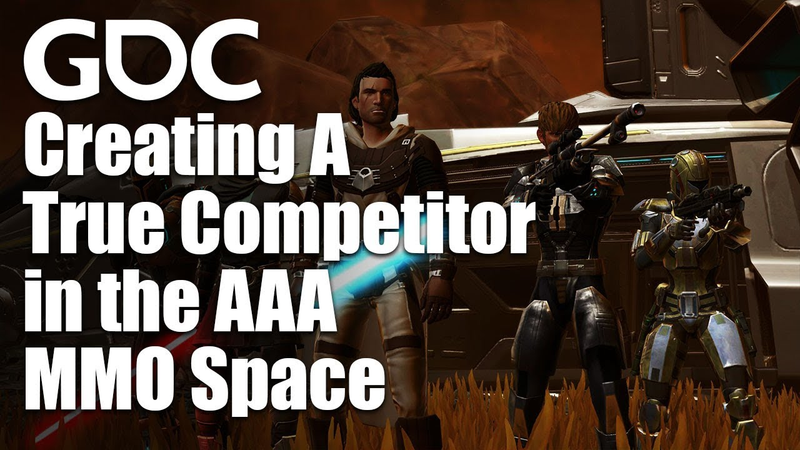
Star Wars: The Old Republic - Creating A True Competitor in the AAA MMO Space
The development of Star Wars: The Old Republic was driven by the ambition to challenge the established AAA MMORPG market through a strategy of product differentiation and massive scale.
- To manage the massive scale of Star Wars: The Old Republic, BioWare employed a workforce of 30 producers, 75 designers, and 120 engineers, with 40 of those engineers dedicated solely to platform management and infrastructure.
- The project set a Guinness World Record for the largest voiceover project ever completed, featuring six times the dialogue of Dragon Age and nine times that of Mass Effect.
- BioWare transitioned from a discipline-based organization to a matrix structure to prevent knowledge silos, using 'strike teams' to manage up to 40 concurrent development groups.

Top In-App Advertisers of Q4 2017: Android, Game Category
This analysis identifies the leading mobile game advertisers on the Android platform during the fourth quarter of 2017, focusing on in-app advertising impressions.
- In Q4 2017, the mobile gaming advertising landscape on Android was dominated by the Puzzle and Role Playing (RPG) genres.
- Block Puzzle Jewel by Hua Weiwei and Empires & Puzzles: RPG Quest by Small Giant Games maintained stable, leading positions in in-app advertising impressions throughout the quarter.
- New major advertisers entered the top 10 rankings in December 2017, including Coin Master (Moon Active), Lords Mobile (IGG.COM), and Lineage 2: Revolution (Netmarble Games).
The Last Jedi Premiere More Than Doubled Star Wars Mobile Game Downloads
The release of the film The Last Jedi in December 2017 served as a significant catalyst for the mobile gaming sector, driving a substantial surge in new user acquisition for Star Wars-themed titles.
- The opening weekend of 'The Last Jedi' drove a 153% increase in new Star Wars mobile game installs, resulting in over one million new downloads compared to approximately 413,000 the previous weekend.
- Top-performing titles significantly outperformed the franchise average: Netmarble's 'Star Wars: Force Arena' grew by 260%, EA's 'Star Wars: Galaxy of Heroes' by 216%, and Disney's 'Star Wars: Commander' by 201%.
- While the 2015 release of 'The Force Awakens' generated a higher total volume of 2.17 million downloads, 'The Last Jedi' achieved a stronger relative growth rate of 2.5x week-over-week compared to the 1.8x growth seen in 2015.
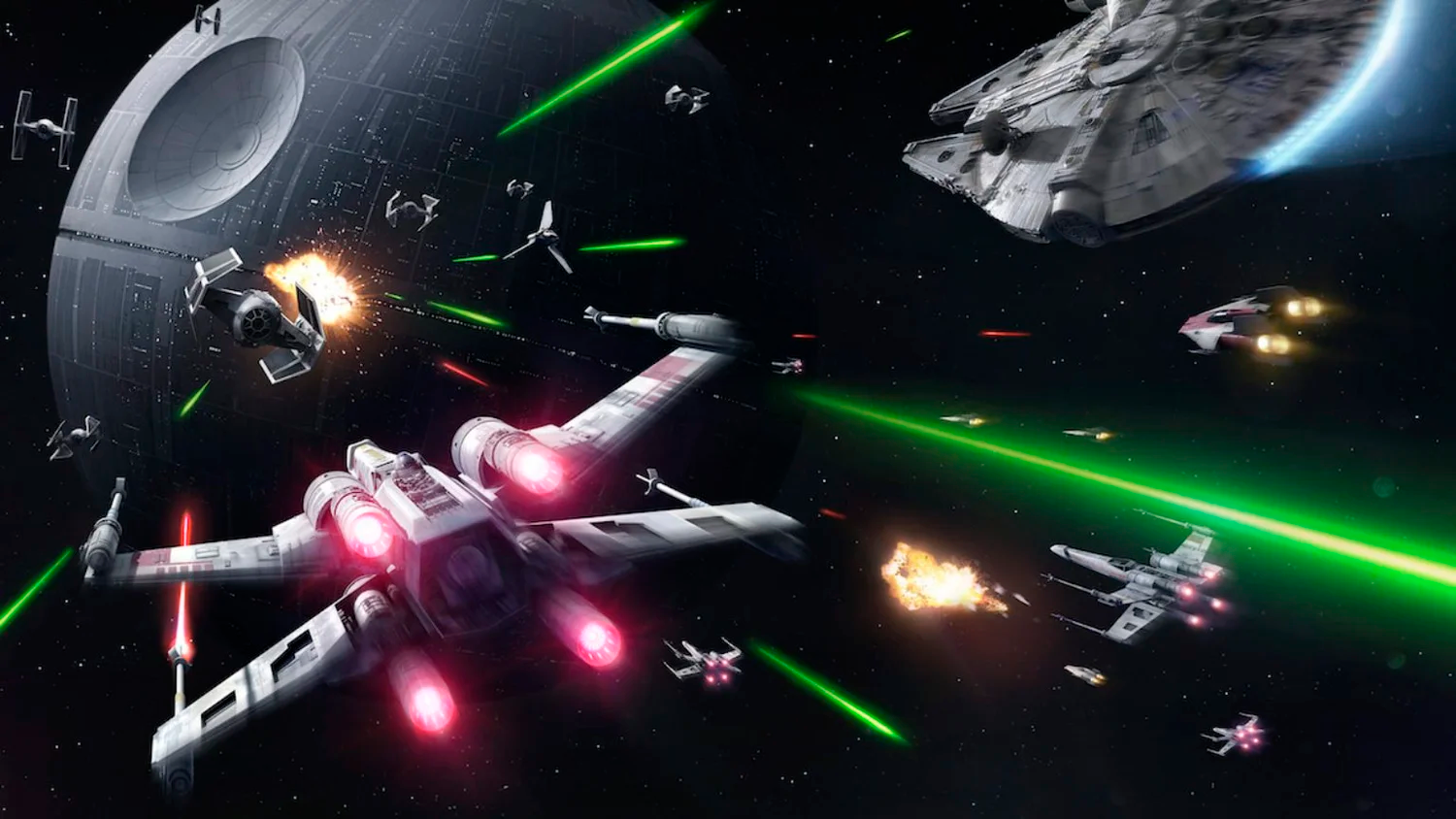
Star Wars Battlefront II: The Only Analysis You Need to Read
The integration of aggressive, randomized microtransactions into the premium, full-priced release of Star Wars Battlefront II represents a critical failure in aligning monetization strategies with consumer expectations.
- EA faced a massive consumer revolt over Star Wars Battlefront II's progression system, which forced the company to remove microtransactions entirely, resulting in an estimated loss of approximately $1 billion in potential digital revenue.
- The core conflict stemmed from violating the implicit 'contract' of a $60 premium title, where players expected a complete experience rather than the aggressive, free-to-play style monetization mechanics that required significant time or money to unlock characters and upgrades.
- Blizzard’s Overwatch successfully generated over $1 billion by limiting loot box monetization to purely cosmetic items, a model that avoids the 'pay-to-win' backlash experienced by EA.
Autonomy, Mastery, Purpose - Building a Hyper-Engaged Team
The transition from traditional, high-crunch production models to a philosophy centered on autonomy, mastery, and purpose represents a fundamental shift in managing AAA game development.
- Shift from top-down management to a framework based on autonomy, mastery, and purpose to improve morale and efficiency in AAA development.
- Operational success is driven by a structured seven-week milestone cadence supported by three specific review processes: update, steering, and quality.
- Maintain team integrity during growth by keeping units small and cross-disciplinary, distributing work across multiple spaces or subcontractors rather than expanding individual team sizes.
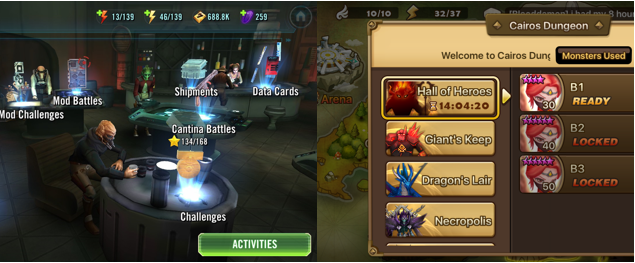
Feature Spotlight: Special Playing Modes
Special playing modes serve as a critical mechanic for enhancing player retention and extending the lifecycle of mobile games.
- 55% of games in the US iOS Top Grossing 100 utilize special single-player modes, compared to 42% of games outside the top 100, indicating a strong correlation between these features and commercial success.
- Special playing modes are defined as non-PvP content with unique mechanics or rules that exist outside the primary campaign or storyline to provide horizontal content.
- These modes serve as critical tools for increasing game lifespan and retention by offering players alternatives to the main campaign, such as the Cairos Dungeon in Summoners War.
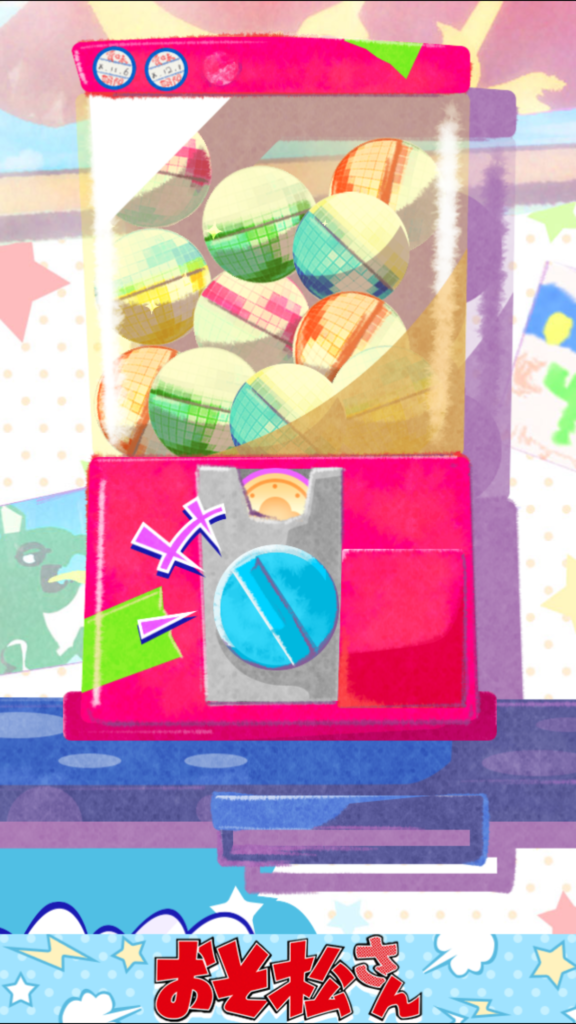
Cultures Combined: Japanese Gachas Are Sweeping F2P Mobile Games in the West
The gacha mechanic, a staple of Japanese mobile gaming since 2011, is increasingly becoming a dominant feature in Western free-to-play (F2P) mobile games.
- Gacha mechanics are increasingly prevalent in Western mobile gaming, with 58% of the top 100 grossing iOS games in the U.S. now utilizing the feature.
- The adoption of gacha mechanics in the U.S. market is accelerating, with the percentage of top 100 grossing games using five or more separate gachas rising from 12% in April 2016 to 17% by November 2016.
- Gachas are highly effective for monetization, as they are estimated to generate over half of the revenue in top-grossing Japanese mobile games and serve as a primary tool for targeting high-spending 'whale' players.
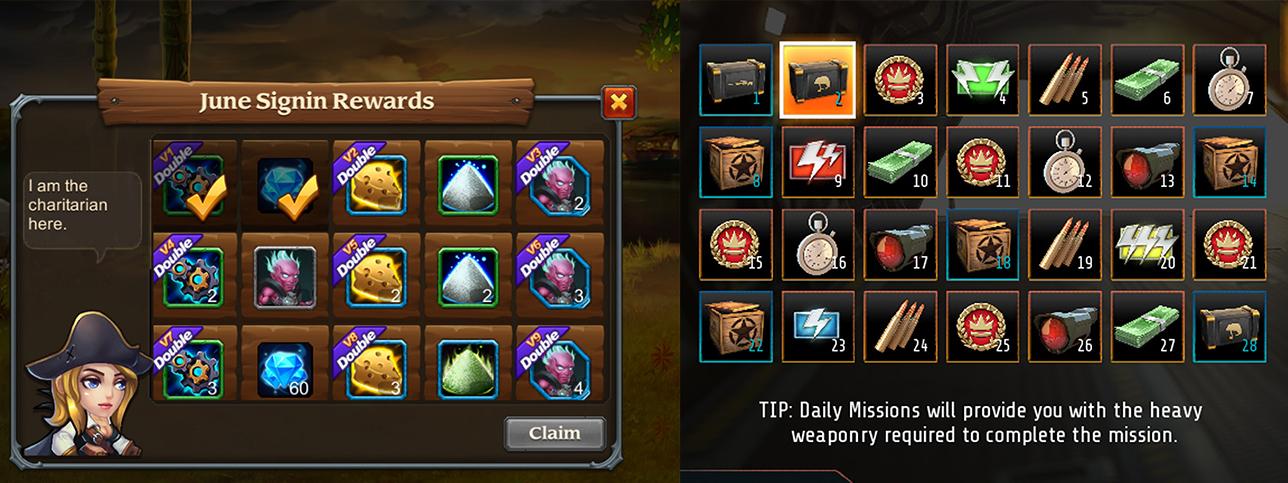
Feature Spotlight: Progression Elements in Daily Rewards
The integration of progression elements into daily reward systems has emerged as a significant trend for enhancing player retention and engagement in free-to-play mobile games.
- Nearly 50% of the top 100 grossing iOS games in the US have adopted daily reward systems that incorporate progression elements.
- Games outside the top 100 grossing list are significantly less likely to use these mechanics, with less than one-third of them implementing progressive daily rewards.
- Progression-based daily rewards improve retention by scaling the value of free items based on player effort or consecutive login streaks.

Why Star Wars: Galaxy of Heroes' small changes add up to something big
Star Wars: Galaxy of Heroes, a long-running mobile RPG, demonstrates how incremental quality-of-life updates can significantly enhance player retention and engagement.
- Implementing multi-sim functionality reduces friction in daily gameplay loops by allowing veteran players to bypass repetitive manual battles and instantly claim rewards.
- Developer responsiveness to community feedback through quality-of-life updates is a primary strategy for increasing long-term player retention in mobile RPGs.
- The game balances accessibility for newcomers with strategic depth for veterans by layering complex systems like character mods, gear tiers, and guild activities over core progression.
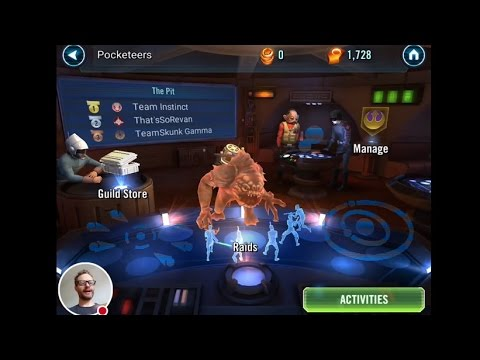
My failure to run a guild in Star Wars: Galaxy of Heroes
The introduction of guild systems in Star Wars: Galaxy of Heroes serves as a critical mechanism for long-term player retention and monetization within the free-to-play mobile gaming landscape.
- Guild systems are essential for long-term player retention and monetization in free-to-play mobile games by incentivizing daily engagement through collective goals.
- Social structures like guilds allow developers to gate exclusive content, such as unique character shards for units like Han Solo, behind collaborative raid events.
- The transition to guild-based play was a strategic evolution for Star Wars: Galaxy of Heroes, which had already achieved top-ten grossing status in the U.S. prior to their implementation.
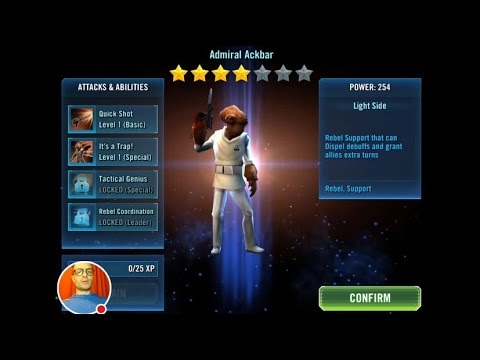
Unlocking Admiral Ackbar in SW: Galaxy of Heroes
Star Wars: Galaxy of Heroes serves as a case study in the mechanics of character progression and player retention within the mobile RPG genre.
- Star Wars: Galaxy of Heroes utilizes a hybrid model of card collection and tactical combat, requiring players to manage teams of five characters through missions.
- Progression is gated by three core systems: collecting character shards for rank-ups, using training droids for leveling, and equipping gear to boost combat attributes.
- The game’s economy forces players to balance limited resources, specifically soft currency (credits) and energy, which creates significant friction in late-stage progression.
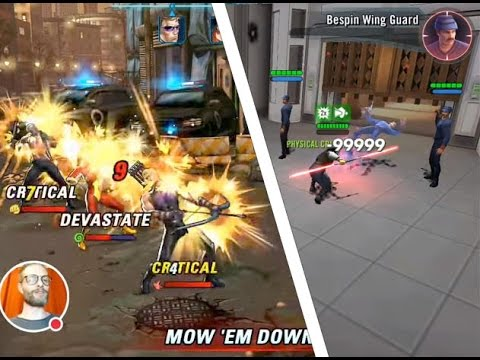
Marvel: Avengers Alliance 2 vs Star Wars: Galaxy of Heroes
Marvel: Avengers Alliance 2 and Star Wars: Galaxy of Heroes represent two distinct approaches to the mobile turn-based squad RPG genre, both leveraging major Disney-owned intellectual properties.
- Marvel: Avengers Alliance 2 and Star Wars: Galaxy of Heroes both utilize a three-wave combat structure and character-based progression, yet they target different segments of the mobile RPG market.
- Marvel: Avengers Alliance 2 focuses on tactical depth by requiring manual input for complex class-based mechanics, buffs, and debuffs without an automated combat option.
- Star Wars: Galaxy of Heroes prioritizes accessibility and time-efficiency through a streamlined combat system with fewer ability choices per character.
Companies behind it

As the documents state it.