Time
Company
Documents about Time
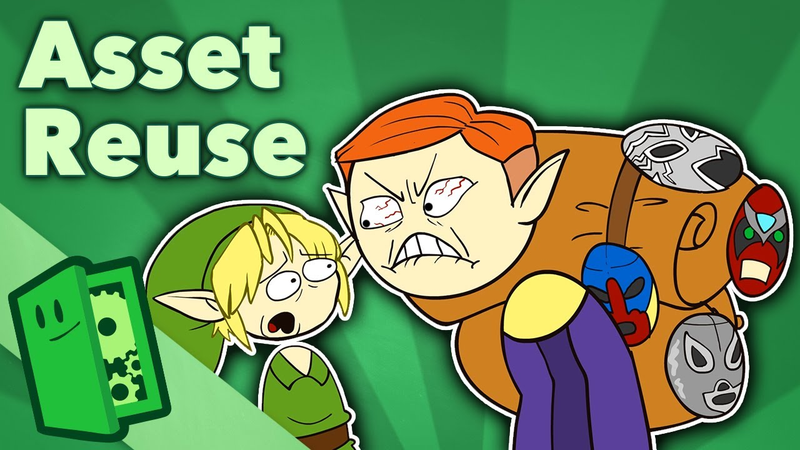
Asset Reuse - Working Smarter, Not Harder - Extra Credits
The practice of asset reuse in game development is often unfairly stigmatized as laziness or cost-cutting, when it is, in fact, a strategic design tool that allows developers to prioritize innovation and depth.
- Asset reuse is a strategic design tool that allows studios to shift finite resources away from redundant technical labor and toward core gameplay, narrative depth, and world-building.
- Reusing existing assets can enable rapid production cycles, such as the 16-month development timeline achieved for Dragon Age 2.
- Successful implementations like Fallout: New Vegas and The Legend of Zelda: Majora’s Mask demonstrate that reusing assets can facilitate superior role-playing depth and unique narrative experiences.
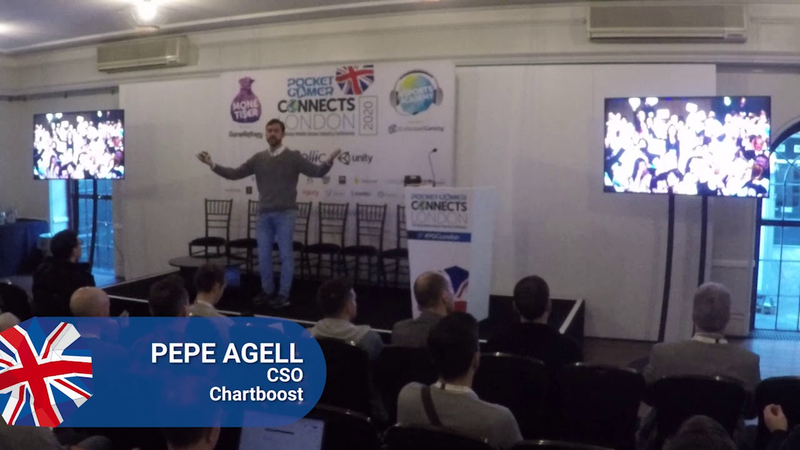
It’s 2020, Time to Change Your Ad Monetisation Strategies!
The mobile game advertising industry is undergoing a significant shift in 2020, moving away from traditional, inefficient waterfall monetization models toward real-time bidding (RTB) and unified auctions.
- The mobile game industry is shifting from inefficient, legacy waterfall monetization models to real-time bidding (RTB) and unified auctions to better capture the true market value of individual impressions.
- Unified auctions utilize first-price auction mechanics to provide developers with increased pricing transparency and more dynamic competition among ad networks, DSPs, and brands.
- Approximately 35% of surveyed companies have already tested in-app bidding, with an additional 35% planning to implement the technology within the next year.
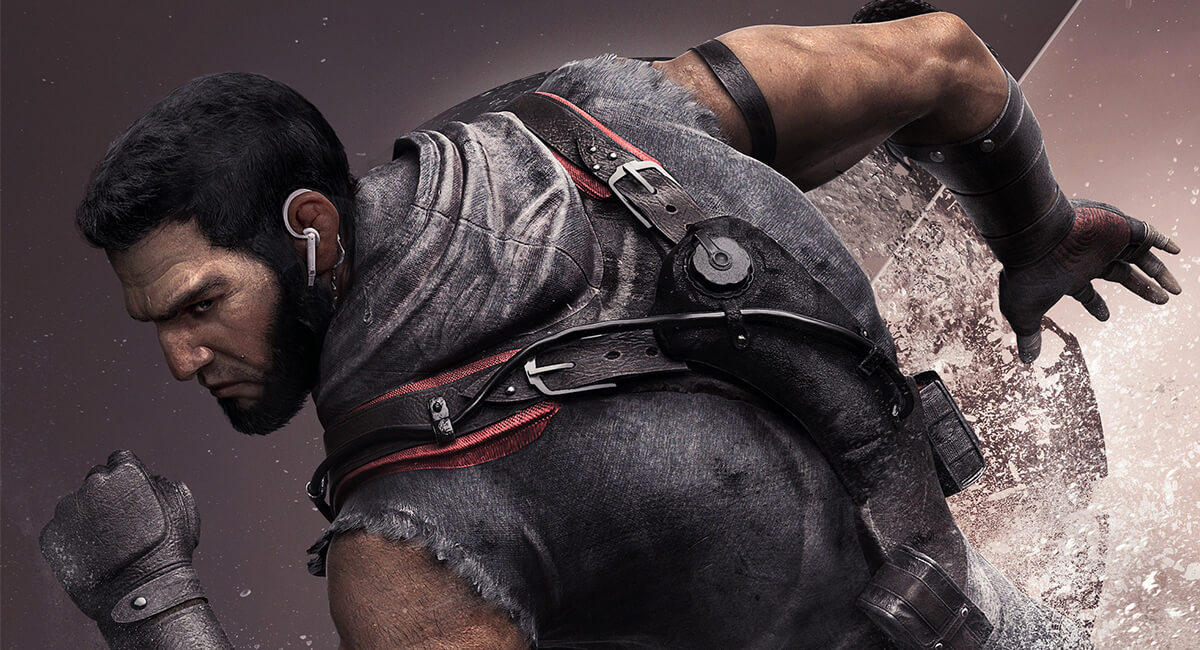
Rainbow Six Siege Hits New All-Time Concurrent Peak Players Record on Steam
Rainbow Six Siege achieved a significant milestone in February 2020, reaching a new all-time concurrent player record on the Steam platform.
- Rainbow Six Siege reached a new all-time concurrent player record of 178,419 on Steam as of February 23, 2020.
- The record-breaking player count for Rainbow Six Siege was achieved prior to the release of the 'Operation Void Edge' season, which was active on test servers at the time.
- The Steam concurrent player figures for Rainbow Six Siege do not account for the additional player base accessing the game through the Uplay platform.
Top Game Genres by Revenues and Downloads
This analysis examines the performance of mobile game genres by evaluating the 1,000 most downloaded and 1,000 highest-grossing titles over a 30-day period.
- The Asian mobile market (Tier-1 East) exhibits significantly higher average Lifetime Value (LTV) across game genres compared to Western markets, with top-performing titles like Fate/Grand Order reaching an LTV of $430.
- High-LTV genres are typically characterized by high production costs, requiring substantial content, complex mechanics, and premium technical quality, making them difficult to enter without significant investment.
- Tencent dominates the Tier-1 East market, with its title Honor of Kings accounting for 95% of the MOBA genre's performance and generating approximately $5 billion in revenue on iOS in China alone.

UA Coffee: All About LTV (Life Time Value) and pROAS with Algolift
Predictive Lifetime Value and predictive Return on Ad Spend have emerged as critical metrics for mobile marketers navigating an increasingly competitive landscape defined by rising user acquisition costs.
- Mobile marketers are shifting from short-term metrics like Day 7 ROAS to long-term, user-level predictive modeling to improve bidding precision in auction-based environments.
- Machine learning-based projections for LTV and pROAS outperform traditional retention-curve models by ingesting historical data to account for temporal trends and anomalies.
- Predictive models should be utilized as directional tools for acquisition strategy rather than absolute predictors due to inherent market volatility and fluctuating costs.
Performance and Memory Postmortem for Middle-earth: Shadow of War
Middle-earth: Shadow of War required extensive technical optimization to support a complex open-world environment featuring up to 200 unique AI actors.
- To manage 200 unique AI entities in Middle-earth: Shadow of War, the team moved away from individual system threading in favor of a 'monolithic' approach, where entire systems like effects were scheduled to run on a single core to minimize context switching and cache misses.
- The engine team replaced expensive kernel semaphores with lightweight multiple-reader/single-writer primitives, such as Microsoft’s Slim Reader/Writer (SRW) lock, to reduce CPU overhead during high-contention scenarios.
- To optimize GPU constant buffer uploads, the team implemented named constant buffers and heuristic-based data packing, which prioritized frequently used constants and zero-valued data to minimize memory footprint and avoid cache line flushing issues.
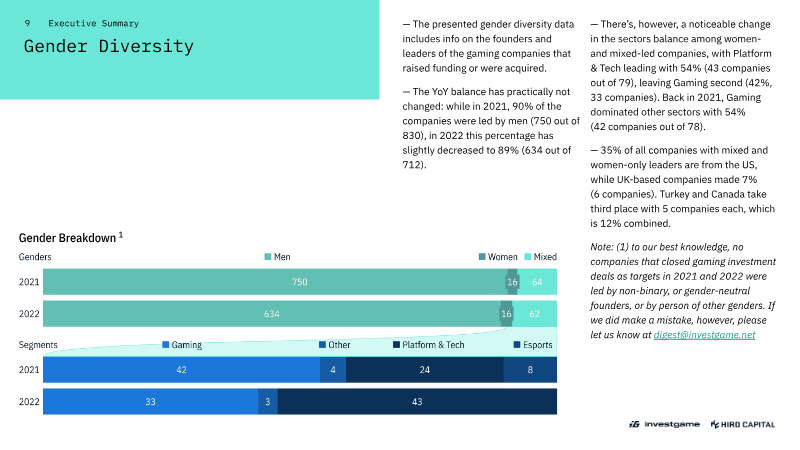
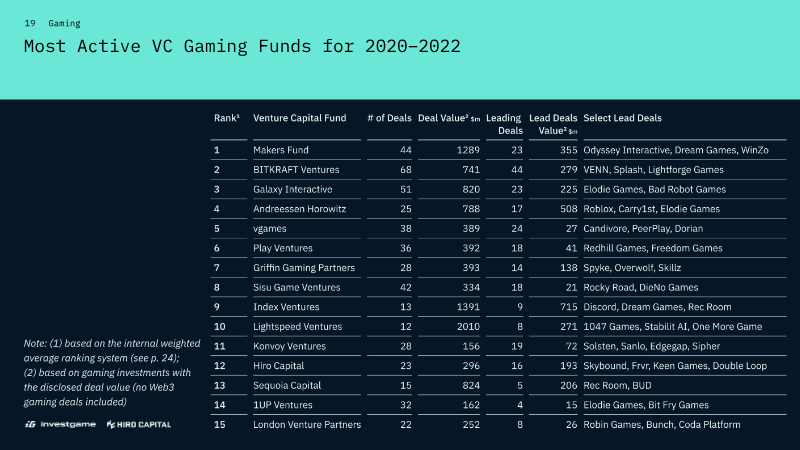
The Most Exciting Time in the Gaming Industry: 2020–2022
The analysis demonstrates that the gaming sector experienced a pronounced surge in deal activity between 2020 and 2022, with private equity investments peaking at $12 billion in 2021 before receding to $10.1 billion the following year.
- The gaming industry experienced a massive investment peak in 2021, with M&A reaching $41 billion, private equity hitting $12 billion, and public offerings peaking at $24.5 billion.
- Market activity cooled significantly by 2022, with public offerings collapsing to $4.6 billion and late-stage transaction values dropping four-and-a-half-fold to $0.9 billion in early 2023.
- Strategic acquisitions remain a primary driver of industry value, with the top 15 M&A deals—led by Microsoft’s purchases of Activision Blizzard and ZeniMax—accounting for approximately 80% of total announced deal value.


The Past, Present and Future of Games
The analysis outlines the evolution of gaming from its early stages to contemporary and projected future states, emphasizing demographic shifts, monetization models, and technological convergence.
- The gaming industry is experiencing significant growth, evidenced by a 29% increase in PC game revenue and a 19.6% rise in mobile downloads in 2020, with total consumer spend projected to grow by 21% in 2023.
- Gaming is increasingly defined by social integration, with 45% of U.S. gamers aged 10–30 utilizing social features during gameplay.
- Streaming viewership has surged, as evidenced by a fivefold increase in hours watched on Twitch and YouTube between 2018 and 2019, led by dominant titles like Fortnite, League of Legends, and Genshin Impact.


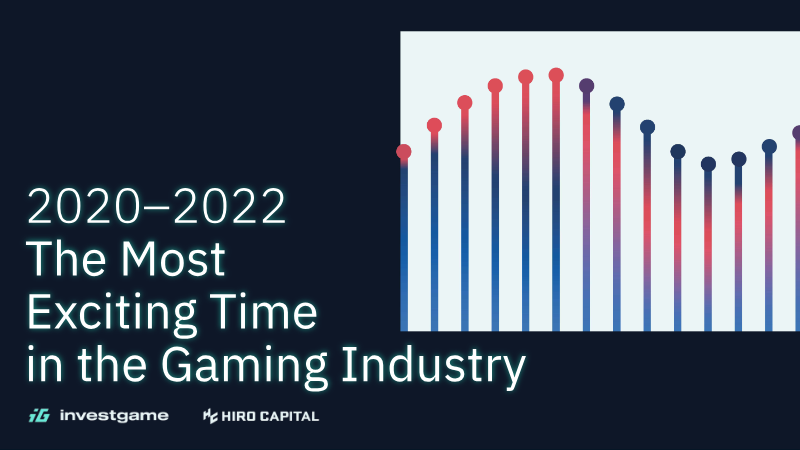
2020–2022: The Most Exciting Time in the Gaming Industry
This analysis examines global investment and merger and acquisition (M&A) activity within the video game industry from 2020 through 2022.
- M&A activity reached a historic peak in 2022 with $37.7 billion in closed deals, representing a 199% increase over 2021, largely driven by major consolidations like Take-Two’s acquisition of Zynga.
- Public offerings for gaming companies collapsed in 2022, with an 82% decline in value as IPO and SPAC windows effectively closed due to macroeconomic headwinds.
- Private investment value fell by 16% in 2022 following a doubling of investment the previous year, signaling a shift toward a more disciplined, cooling market.
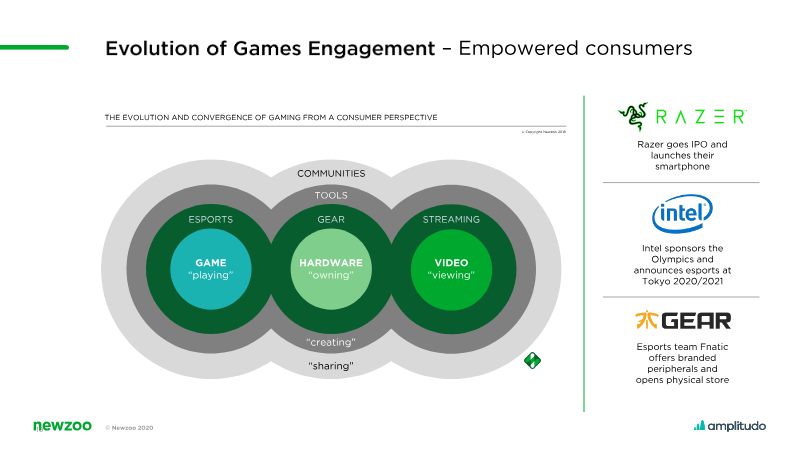
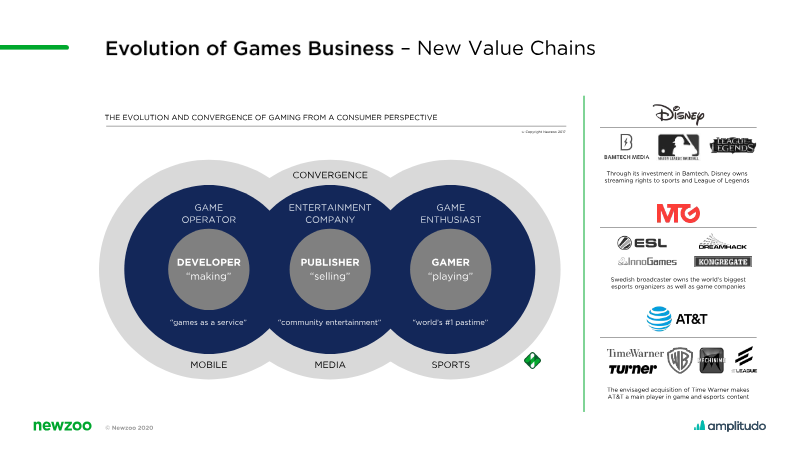

The Past, Present and Future of Games: Global and Local Opportunities
The global gaming industry is undergoing a fundamental transformation characterized by the convergence of social interaction, entertainment, and commerce.
- The global gaming market has reached a scale of 2.7 billion gamers, with 1.3 billion active spenders driving the industry's evolution into a major economic force.
- Mobile gaming is the industry's dominant segment, currently accounting for 49% of global consumer revenues.
- Cloud gaming is a significant growth area, projected to generate $4.8 billion in revenue by 2023 through infrastructure investments from Microsoft, NVIDIA, and Tencent.

Time IS on Your Side: Personal Time Management Strategies for Crunch
Game development professionals face significant challenges during high-pressure crunch periods, necessitating a transition from reactive firefighting to proactive, outcome-based time management.
- Transition from reactive firefighting to proactive, outcome-based planning to maximize output quality and minimize task completion time during crunch periods.
- Prioritize high-impact objectives by utilizing the Results-Oriented Purpose-Driven system and the 'big rocks' method to prevent non-essential distractions from depleting cognitive resources.
- Automate daily rituals to preserve finite willpower, ensuring consistent productivity throughout demanding development cycles.
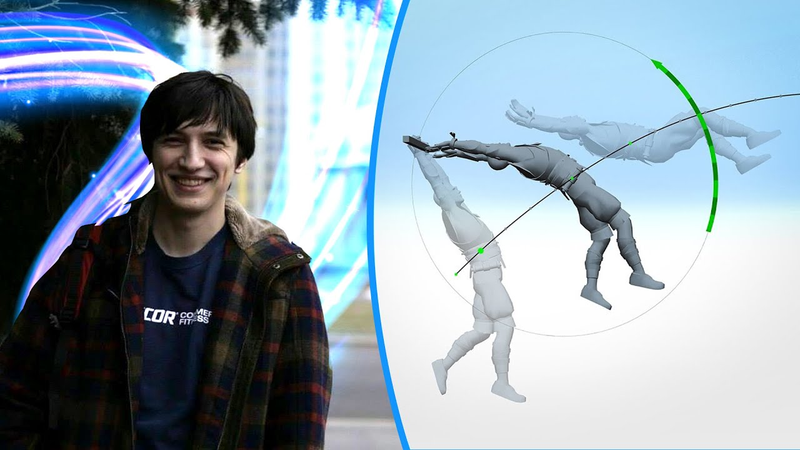
Cascadeur: Changing the World of Animation One Frame at a Time with Alexander Grishanin | GduX.me
The animation industry faces a persistent challenge in achieving physical accuracy, as traditional 3D tools often lack integrated systems for tracking center-of-mass and inertia.
- Cascadeur integrates physics-based simulation directly into the 3D animation workflow to automate the calculation of ballistic trajectories and angular momentum.
- The software utilizes neural networks to allow animators to achieve realistic, physically accurate movements like parkour and mid-air rotations without the need for expensive motion capture.
- The platform aims to disrupt the dominance of legacy software like Maya by offering a modern, accessible alternative that prioritizes physics-compliant movement.