
ReportNewzoo
The Past, Present and Future of Games: Global and Local Opportunities
202033 pages~7 min full read
The global gaming industry is undergoing a generational transformation, evolving from a niche hobby into a pervasive cultural and economic force. This transition is characterized by a shift from traditional PC and console play toward a diversified ecosystem defined by mobile accessibility, free-to-play models, and the convergence of playing, watching, and social interaction. By 2022, the industry reached a state of "lifetime gamers," with a projected trajectory toward cross-market disruption by 2027.
Market data highlights the massive scale of this sector, with approximately 2.7 billion gamers globally and 1.3 billion spenders. The COVID-19 pandemic significantly accelerated this growth, leading to a $16 billion upward adjustment in 2020 revenue forecasts. Mobile gaming has emerged as the dominant segment, accounting for 49% of global consumer revenues. Furthermore, the rise of cloud gaming is expected to generate $4.8 billion in revenue by 2023, supported by major infrastructure plays from companies like Microsoft, NVIDIA, and Tencent.
Consumer behavior is also shifting, as evidenced by Newzoo’s segmentation which identifies diverse personas ranging from "Hardware Collectors" to "Backseat Viewers." Notably, 29% of enthusiasts do not rank playing as their primary interest, focusing instead on viewing or hardware. This engagement extends into new value chains, including in-game e-commerce—where players purchase physical goods directly through apps—and the integration of gaming with traditional media and travel industries.
The competitive landscape is defined by technological innovation and strategic content plays. While Sony emphasizes exclusive titles for its hardware, Microsoft focuses on subscription-based services. Simultaneously, the rise of esports and live-streaming has created new opportunities for celebrity engagement and music integration. As mobile esports viewership sees exponential growth on platforms like YouTube, the industry continues to blur the lines between casual and core gaming experiences, driven by global studios and empowered creator communities.

Google · 2026
Newzoo · 2026

Newzoo · 2026
Newzoo · 2026

Deconstructor of Fun · 2026
Newzoo · 2026

Newzoo · 2026
Newzoo · 2026
Newzoo · 2026

Newzoo · 2026
Newzoo · 2026
Newzoo · 2025
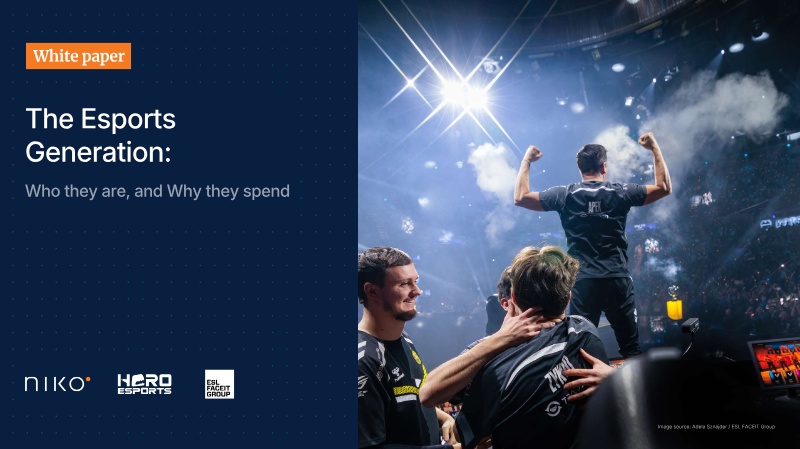
Niko Partners · 2026

Newzoo · 2022

AEVI · 2021
Anzu · 2026

SpielFabrique · 2026
Deloitte · 2026

InvestGame · 2025
Stream Hatchet · 2025
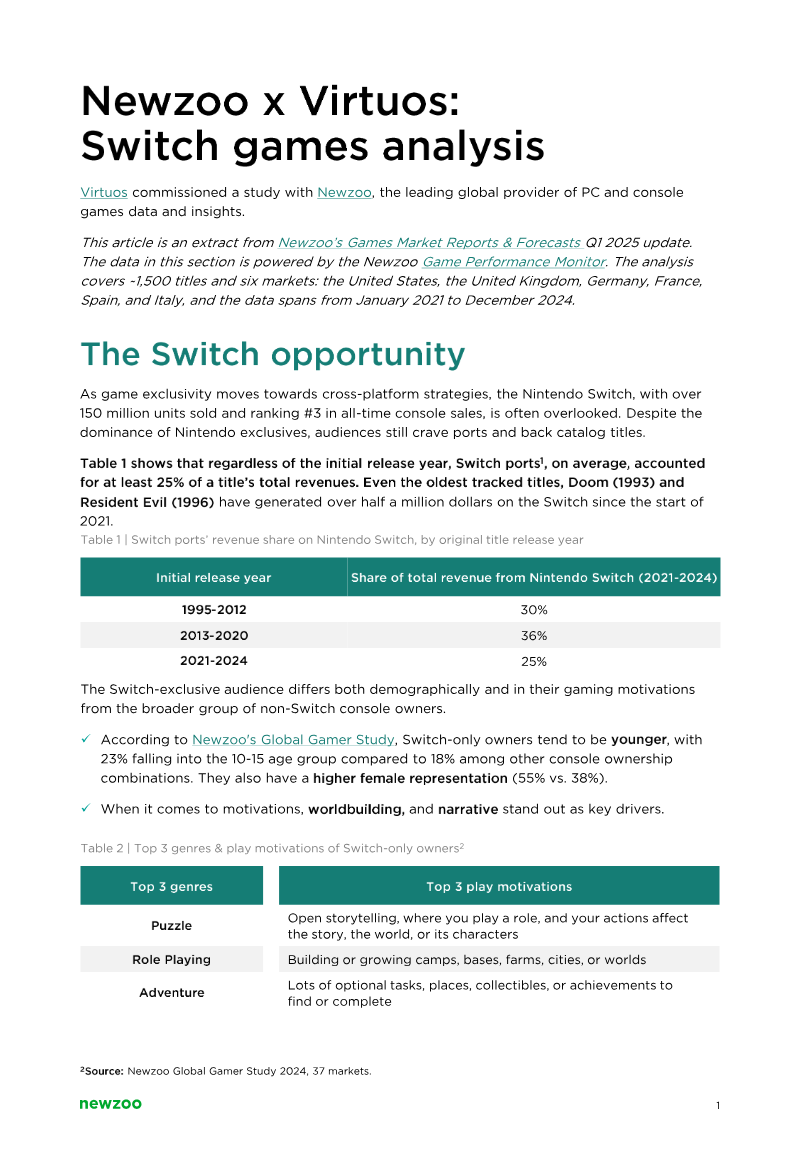
Newzoo · 2025
Newzoo · 2025
Stream Hatchet · 2025
AppFigures · 2025