1 free read left. Create a free account for unlimited reading + AI research.
Create free account
It’s 2020, Time to Change Your Ad Monetisation Strategies!
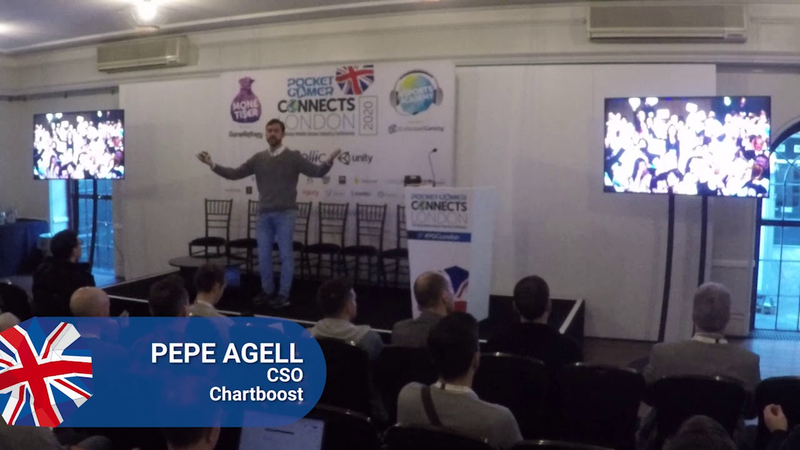
Key insights
6 takeaways- 01The mobile game industry is shifting from inefficient, legacy waterfall monetization models to real-time bidding (RTB) and unified auctions to better capture the true market value of individual impressions.
- 02Programmatic in-app bidding reduces manual operational overhead for developers while providing more granular data insights into individual user value.
- 03Approximately 35% of surveyed companies have already tested in-app bidding, with an additional 35% planning to implement the technology within the next year.
- 04Unified auctions utilize first-price auction mechanics to provide developers with increased pricing transparency and more dynamic competition among ad networks, DSPs, and brands.
- 05The current industry standard is a hybrid model where unified auctions coexist with traditional waterfalls, as not all demand partners are yet technically equipped for real-time bidding.
- 06Adopting programmatic stacks improves the end-user experience by enabling more relevant, tailored advertising based on the specific value different buyers place on individual players.
Ask AI about this video
Transcript
[Music] good morning yes I want to hear that applause good morning everyone and welcome to the session hopefully you're not too tired from yesterday's party did you know that there's more than a hundred legitimate philosophers thinkers and scientists that set that we wouldn't make it to 2020 so first of all I want to congratulate everyone we made it we made it and we should be proud of that so it predictions fail we've heard apocalyptic predictions we've heard predictions in our companies that usually fail if I want to take you to a journey and if you take a step back and
you think about 2010 what did you think would happen in 2020 close your eyes think about it I'm sure that the answers would be very different what did you guys think 20/20 would bring us so me personally I thought we would be shaking hands with Roberts I thought probably we wouldn't be carrying smartphones in our pocket we would have them implanted in our in our heads the reality is that again forecast predictions failed the one thing that I'm sure no one thought about when thinking about 2020 is that we would still have shitty ads and shitty advertising experience that was on no one's prediction unfortunately from Charles we cannot change the robot situation we cannot change the we're gonna change the smartphone really we're not making implants in our brains but I hope we can change the world with a different approach to advertising and
monetization in app and this is what the session today is about it's 20/20 we made it but now it's time to freakin change the way our monetization is made so what I'm gonna share today is I don't want to make this boring it's just six thoughts six concepts that every game developer every monetization manager should know today and forward a little bit about about myself this is me if I was part of a shooting game I'm not unfortunately but in case you're wondering about my accent I'm originally from Barcelona but I've been living in San Francisco for more than 11 years I'm father of three I love traveling speaking new languages if you share that come to me afterwards I'd love to exchange some some thoughts about troubles and I've been working around the AppStore since pretty much the beginning since 2009 I've been part of char booths since 2011 and I'm chief strategy officer for those who don't
know Charles were an inner programmatic platform very focusing gaming because this is a really at our core so we help game developers monetize their inventory make money with their traffic at the same time that we help advertisers reach engaging audiences we're lucky enough to work with some of the top brands in our space were privileged to work and partner with them and we sit in a position of privilege where we see a lot of the trends that are happening in the industry so from these trends from these intelligence from our partners again I like to remind you of the six things that every monetization manager should know in 2020 let's get started first of all it's important to know where we come from it's important to know our history in order to know the present and in order to know what's gonna happen in the future a little bit of history for those who haven't been in the industry for that long the app store was launched in 2008 the world was very simple back then or a little bit simpler than today there
were feel that networks feel competitors in your genre it was probably easier to get eyeballs and usually what game developers would do is just partner with a single eye SDK ad network they would partner with them they would try to maximize the the revenues from that ad network obviously as the audience's grew as gaming became more complex we needed more one ad network and this is really when simple mediation came to fruition mediation is just a layer that allows you to distribute traffic across different ad networks as DKR networks still it was pretty simple the ad networks didn't have any risk it was all eCPM predicted a CPM but you as a publisher if you were working with performance at network you were paid on CPI only when the install actually happened as mediation became even more complex in 2017 roughly we started talking about multiple line items you didn't only want to work with different
ad networks but also you wanted to set floors you wanted to know okay who can deliver an ad over twenty dollars and if no one responded then you jump to the next floor 15 and and you go down that is obviously still not optimized there's a lot of work there and what we're seeing especially after 2019 we were talking about this earlier is the growth of bidding and unified auctions with the growth of and the development of programmatic we're seeing new ways in which monetization is happening its CPM there's commitment from the bidders and it's essentially based on actions and this is really what we're gonna be talking about so every year we run a survey across multiple game developers over hundreds of game developers if you guys want to still participate it's still open and we asked them about the most recent trends and what are they seeing what are they worried about what we saw in the last survey that it's still running compared to 2018 is that
obviously the last bucket single ad networks less and less game developers and probably only on the at the longtail are only are partnering with only one ad network that's pretty obvious and the growth is really coming on third party me traditional waterfall so third party mediations that manage this waterfall and the concept of a hybrid mediation which is a waterfall plus a programmatic component so what we're seeing is that the industry shifting towards that it's becoming it's relying on third party players it's still not hundred-percent there and definitely the bucket of in-house exchange so companies that have built their own exchange internally or are using bidding a unified auction concept it's still not not as big as a purest solution so you see that the waterful is still there whether it's with a third party or or with your own in-house mediation we know today that the waterfall model is
broken the waterfall essentially what what it does is it looks at historical data and it tries to predict the value of each ad network right very simple you work with four ad networks in this example you look at the performance in the past and you try to predict how how will it perform for this particular impression what happens is that the number one network that performed well in the past doesn't mean that for that particular impression is the best performing you can have network number three but didn't have the chance because in the past they don't perform that well but now it could give you a ten dollar CPM compared to a six point five dollar a CPM that's that's really what happens on a waterfall setup on a traditional waterfall setup so there's miss revenue because of the predictive predictions are failed as I said at the beginning also not every demand partner that you work with has the opportunity to bid and if you don't give them the opportunity you're not giving them the chance to
actually give you the best bid that they can managing all that has some overhead cost you need to optimize it you need to change things it can be cumbersome and there's no transparency in most cases you don't know why did that Network got called the first or why why that Network at the bottom they don't have a chance to perform so in short the waterfall model is broken and RTB is the way to go RTB is not is not new as a concept real-time bidding is not a new concept when you think about the waterfall the traditional way it's not like going to a market it's very inefficient sometimes it's subjective you may be selling products that are high quality to someone for low just because you like that person or the other way around you sell a premium for a shitty product because it's just a tourist right and that's what happens in a marketplace and
this is what happens also in life on a waterfall sometimes you're giving your best traffic to people that actually don't deserve that and are not performing very well on top of that illa it allows a lot of deals negotiations bargains that are not very efficient to be honest the concept of an auction again and real-time bidding is not new it's just giving a bunch of buyers the opportunity to bid in real time and you just pick the highest bidder as simple as that so when you bring that into advertising that's what we're doing with our TV you have an SDK that sends an ad request to an option server and you just call all the demand partners you want you can have ad networks you can have DSPs you can have brands you can have performance advertisers whoever you can think and you let them bid in real time for that particular impression there's no predictive there's no historical it's just for that impression how much do you value that impression and how much are you willing to pay for that and you get the bid rigged the bid responses and you pick the highest as
simple as that again not new we're slowly implementing that in the world of in apps I'm not sure how familiar the the audience is with auctions there's essentially two pricing dynamics there's first price auction which means that the bidder the highest bidder wins and that price that they bid is the commitment that that's what they pay in a second price auction which is what traditionally exchanges have been using what happens is that the highest bidder wins the auction but they pay the second price with just a little cent more so it's just a little bit more than the second price obviously the dynamics of bidding are different as I said ad exchanges traditionally especially because Google embraced second price feeding at the beginning to work with second price but in a unified auction world first price is the trend that we're embracing so we want that commitment from from all the bidders again the waterfall is broken and our TV
is the way to go number four in a bidding is changing the way monetization in app is is happening in up bidding is taking the example of header bidding on the web essentially there was a movement against Google's monopoly on cherry-picking the inventory of the web that they had the opportunity to bid on almost every everyone on top of of all the different ad players so essentially it takes the dynamics of our TV and again it runs an auction in parallel you call everyone server-side if there's an SDK you also allow an SDK rendering but you aggregate as much demand as possible you send bid requests in parallel and and you accept those feeds to run that auction and again first price auction is usually what it's being run and demand partners again can be when you see the amount partners it can be exchanges it can be SDK networks
that you've been working with in the past it could be potentially DSPs it could be it could be pretty much anything that has the ability to bid in real time programmatically using open RTV within a bidding what happens is that again that dynamic of traditionally the best-performing gets the impression that doesn't happen it's really whoever values that impression the most that it's gonna get the opportunity so it increased revenue you've probably heard many solutions out there sharing the initial case studies we're seeing at least 10% up live in our doubt in average revenue per per daily active user in the majority of them again the the bids are committed CPM so there's no tricky tricky Ness whatever they bid is what you get and you save a dubs resources once all these demand sources are connected programmatically you don't need to actually set up where things have deals it's very transparent it's
it's about a game of bidding the highest you can the higher you can in order to win that impression if you really value it and transparency and control is important that unfortunately doesn't happen always but if you're working with a solution an innovating solution that doesn't offer transparency that's not because it's not possible to offer transparency it's because they don't want to offer transparency so in 2020 again there's no reason for any developer to not knowing what's happening with their inventory and in fact if you're running real time auctions you know exactly how much worth is every bucket of your inventory you can price you know each each segment of your audience how much are people willing to buy to buy them from four so it gives you a good a good a good insight in order for you to calculate your LTV come together with with the in-app purchases but in in the in-app ad
revenue world at least within a bidding you're getting full transparency into the value of each one of your of your users or each segment of your users it's sounds ideal I know hopefully I've convinced you about the power of inner bidding what's happening why is in a bidding not being that quickly adopted well there's two two main forces the first one lies on the developer site you guys game developers and the other and the other lies on the on the industry itself and I'm gonna talk about these two differences as part of the survey we asked these over a hundred companies why if they've already tested in a bidding or or a similar solution around 35% have already tried it and then you see over 35% also that we'll try it in the next year including next six months and twelve months there's still a bucket that is reluctant that doesn't plan to
to test it so it's slowly getting getting introduced in the mind of game developers we also asked the reasons why they haven't tested if they haven't and you see that there's still a lack of understanding of the technology so that's why we're here and if you have questions please let us know we're committed to this this transformation of the way a monetization happens the other thing is lack of resources to implement it if there's anything we can do to help there also let us know there is still again a bucket that is reluctant with this with this way of managing inventory and they like to set up the water-filtration is all it happens but the reality so you just run a unified auction you have all the demand partners beating into that auction the reality is
the world we're seeing is that not all the demand partners are ready or willing to bid this way programmatically they lose a little bit of control and again transparency is not always good for everyone so what's happening and what we're seeing and we're gonna probably see for the next year is that concept of a hybrid model where the unified auction happens at the top but then the result of that auction needs to get compared with the traditional waterfall with these floors with this predictive AC PMS so we know that unfortunately because not everyone is ready to beat this way we're we need to be ready to embrace this hybrid model that makes both the waterfall and the unified auction coexist in my last thought is always about the users and so the last last point is that every player is different and this is an obvious statement but unfortunately when we do add monetization we don't think about it and it's important and when unified auctions
are properly implemented you get a different ad experience also for different types of players if you think about it no matter who you are when there's an impression opportunity there's an auction you have a bunch of different buyers that value yourself as a user as a player very differently you may be you may be a male you may be a female you may be living here there you may be a traveler you may be whatever you are you have a different value for different buyers this is why in real life what you see is that if you're probably a male in you're 40 years old crisis you're gonna get a sports car and if you're a female running in in the streets of New York an again a fashionable brand or whatever it is because these brands value use a user very differently and that is good because that tailors and customizes the gameplay and the user the player experience that you're offering so that's it to wrap up programmatic
monetization stacks are more efficient developers can save adult resources they don't need to manage that much of their other tech stack with that and if there's one message there is no reason in 2020 and beyond for developers do not have transparency control and user experience thank you so much great Pepe thank you very much do we have any questions for Pepe yes do we have time oh yeah we have like what every Jew quest perfect all right sorry I am just wondering what's the difference then between say what you do and say someone like app lovin who also doing that bidding yes but this is a great question it really so so we're we're coming from is really an ad network evolving into into a unified auction right now what we are offering is transparency only on the unified auction what a blobbin has is
mediation together with a with a unified auction all together right our take well we may be seen very very similarly our take is always on the transparency on and the control so we we've put a lot of effort on on giving you the the analytics the the resources for you to pull the data and see what's happening in every single auction I like we had time for one question thank you very much and we find you if you want to ask you questions later absolutely I'll be around we also have a room at the lobby of the of the hotel so across the courtyard it's called worsley room and we'll be there all day fantastic we thank you very much thank you [Music]
Summary
The mobile game advertising industry is undergoing a significant shift in 2020, moving away from traditional, inefficient waterfall monetization models toward real-time bidding (RTB) and unified auctions. The primary thesis is that the legacy waterfall approach—which relies on historical performance data to predict ad value—is fundamentally broken, as it fails to capture the true market value of individual impressions and lacks transparency. By adopting programmatic in-app bidding, developers can increase revenue, reduce manual operational overhead, and gain granular insights into user value.
The industry is currently transitioning from simple mediation layers to hybrid models where unified auctions coexist with traditional waterfalls. This shift is necessary because, while programmatic bidding is the superior long-term solution, not all demand partners are currently equipped to participate in real-time auctions. Data from industry surveys indicates that while adoption is growing, many developers remain hesitant due to a lack of technical understanding and limited internal resources. Currently, approximately 35% of surveyed companies have tested in-app bidding, with a similar percentage planning to do so within the next year.
The transition to unified auctions offers several key advantages, including the use of first-price auctions, which ensure committed pricing and higher transparency. This model allows for a more dynamic marketplace where various demand sources—including ad networks, DSPs, and brands—compete simultaneously for each impression. Furthermore, this approach improves the user experience by allowing for more relevant, tailored advertising based on the specific value different buyers place on individual players. Ultimately, the move toward programmatic stacks is presented as an essential evolution for developers seeking to maximize revenue while maintaining control and transparency over their inventory in an increasingly complex mobile ecosystem.














Comments