1 free read left. Create a free account for unlimited reading + AI research.
Create free account
Creating a multi-generational esport in North America
Key insights
6 takeaways- 01To ensure long-term viability, Riot is building a competitive pyramid that integrates League of Legends into collegiate and high school athletic systems to foster multi-generational engagement.
- 02Riot is successfully integrating non-endemic brands like MasterCard and State Farm into the broadcast experience to diversify revenue beyond traditional esports sponsors.
- 03Despite 85% of esports viewership being concentrated in the 18–34 demographic, Riot must actively educate advertisers to overcome the industry-wide hesitation to shift budgets from linear television to digital platforms.
- 04Riot Games is institutionalizing the League Championship Series (LCS) by emulating traditional sports structures, including franchising, revenue-sharing, and the creation of a Players Association.
- 05The Scouting Grounds program serves as a formal talent combine, bridging the gap between amateur play and professional rosters to maintain a sustainable talent pipeline.
- 06Geographic localization remains a strategic challenge for the LCS, as the league must balance local fan engagement with the inherent digital-first nature of teams that were established globally.
Ask AI about this video
Transcript
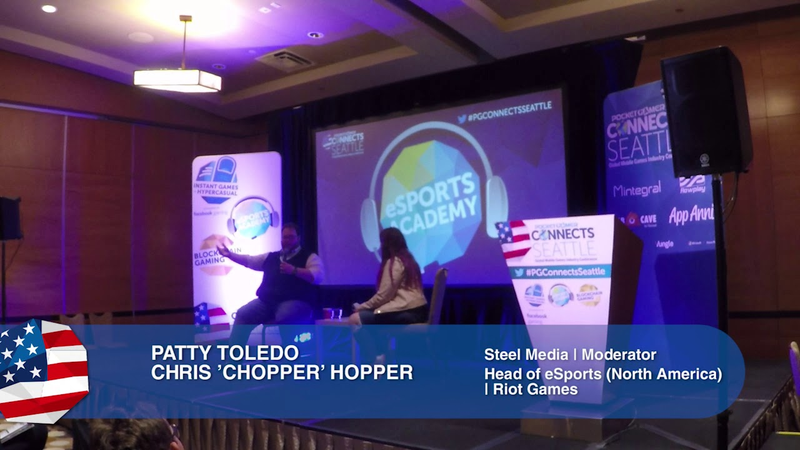
hi everybody think jumper yeah glad to be here so before we start could you introduce yourself so a little bit about your positioning right but you have been doing sure so my name is Chris hopper but pretty much everyone knows me as Raya chopper I've been at riot for almost 7 years now came on board shortly before we were putting together the LCS as riot was kind of building out their plans for an in-house eSports team came on board and was immediately kind of put on everything from analytics to League ops to event management to web content and everything in between helped kind of build out a lot of the structure for the EU and na LCS at the time and then actually went and let our international team for several years and helped build out the domestic leagues in multiple other regions at this point we have 13 regions that are operating now
and about two years ago I then came back to North America to lead the franchising efforts and at the conclusion of those took over the whole team for North America so for the last year and change in operating the North American eSports team could it give us an idea a sense of where Riot is today what are the latest milestones that you guys have reached so speaking from the eSports side I mean from the game publishing side obviously there's not really gonna be a major milestone until game 2 which unfortunately I can't comment on but in terms of the eSports side I think the major milestone now is that we're sort of shifting the the financial systems we're shifting a lot of the legal structure a lot of the gist sort of general business maturity of our eSports leagues in most of our most mature region so when you look at things like LPL in china has now gone to franchising they've also built out home-and-away with teams playing out of distinct
regional studios when you look at na and EU and some of the ramp sharing agreements have been built there the Players Association that we've built out of North America we're really just kind of getting to that next phase of the kind of mature structures that to me indicate sort of a modern traditional sport and what does these part mean for riot I mean I think we look at eSport as the the the sort of I mean the generic term is obviously that catch-all for any video game played competitively but I think for us it means something a little bit more because I think we tend to aspire to represent more of the sport component of that which for a while I think meant that we only sort of focused on the top level you know for us eSport meant mimic the NBA or the NFL or Major League Baseball and as we've built out a lot of those structures what we're now realizing is that to actually emulate the sport is to not only emulate the top league but also emulate the pyramid of competitive play you know for every
basketball player that makes it to the NBA you know they started in AAU and they played for their high school and then you know maybe they played for college they played for you know the national you 16 team then the u18 team then the u-20 team all before they even got drafted into the NBA and so at the base of that pyramid you have thousands if not hundreds of thousands of people playing basketball and you need to be able to build the path for them to not only kind of lean out the most competitive and most talented such that they can get into the NBA but you also need to instill that lifelong passion for watching competitive basketball and so for us that's what we've been working on is is thinking about how to implement league of legends as a staple in college we have over 80 schools across the across North America now that have a league of Legends is a scholarship sport and we have something like 15 to 20 states that have now recognized League of Legends as a varsity sport for high schools so we're really in the process of working league down into those competitive systems such that someone who's coming up can see a path of
getting into eSports regardless of whether it means they're going to be you know the next Pro on TSM that you just see the path towards getting into the industry I think you already kind of touched on that but seeing from the business side how how riot is working to make eSports sustainable structure a sustainable business yeah so that I mean that just comes down to working on two major fronts for us which is sponsorships and then media distribution the sponsor upside I would say is easier I'll have a look have you got that way that it sits that doesn't make it necessarily easy but it's a it's easier because we're building momentum there I think more quickly because it's a lot easier to demonstrate the value of a sponsor of our partnership especially with the creative ways so we can integrate brands into our campaigns in ways that they've experienced or emulated in a variety of other campaigns so we bring on MasterCard is one of our global sponsors and you know they made
eSports one of their priceless events part of the priceless events campaign which happens in golf and tennis and all sorts of other sports you know we brought on Alienware and we're able to replicate a lot of things we brought at State Farm and they were able to sponsor our analyst desk just like they sponsor that halftime or Alice desks and other sports so sponsorships I'd say are really picking up momentum now as you're seeing more Triple A non-endemic brands who are interested the bigger challenge for us has been content distribution because right now there's a major disconnect between the amount of money that you can get for an ad watching you know the NBA on TBS or TNT or you know whatever versus what you can get for watching a league of legends match on Twitter YouTube and the reason for that is because ad buyers have decades of experience of buying on linear and relatively little experience buying on digital and so don't necessarily trust the value provided by running an ad now what we're trying to do is raise awareness of what buying an ad on digital gets you because the reality is that most advertisers are looking at an age group between 18 to 30 maybe 18 to
34 depending on product for most traditional sports that percentage of their demographic is something like 20 to 30% NBA is usually the highest at somewhere around 30% for us that number is over 85 percent so if you're really trying to target effectively with your ad solutions if you're really trying to go after you know the cohort that it's gonna be making buying decisions that are gonna affect them for the next decade there are you know decades plus there's a really compelling value statement to be made for buying esports ads that education and that behavior change takes time to kind of get through it so that's I'd say that's the trickier piece but definitely one of the big elements all working on now it's eSports of is a phenomenon but it's a new phenomena takes time for people to understand and taking into consideration what a big phenomenon eSport is I think and touch that a little bit but could you elaborate a bit more on what makes Riot different in quest in relation to the eSports I think if you're if you're
looking at what may write different originally it was the level of investment that the developers will and provide you know there have certainly been team-based Games team-based competitive games that have you know been incredibly popular and captured sort of a cultural zeitgeist you know halo Counter Strike you know Starcraft 5c being a single player but sort of had its team competitive environment but none of those developers or publishers were really willing to invest that much in the ecosystem to get the eSport off the ground and the the reality is that running an eSport is incredibly expensive because even now the money coming in from sponsors and coming in from content isn't usually enough to balance what the expectations of fans are for a high quality core product so when you're looking at the deficit that's going to be provided there if you're a third party company that just does eSports it's hard to justify that it's hard to look at that and not say okay let's put
on multi game events it's sort of amortized costs over multiple and do things like you know the MLG s and the IPL's of the world like that business model makes sense to them but that business model is never going to turn you know an eSport into this like sort of catalyst for change like riot wanted to and so that's why riot ultimately decided to take eSports in-house back in 2013 you know there was just an awareness that on that current path there wasn't going to be the structure or support for League of Legends through third parties as compared to what we could provide and so you know like all credit to our CEOs and founders Marc Merrill and Brandon Beck you know those guys knew what they're signing up for and they were something for hundreds of millions of dollars of investment into eSports globally but without that and without that investment and without that you know structure that they build and there's the stability the accessibility and the quality that they built out you there's no like not only is there no LCS today there's no overwatch League today there's no Cod world league today like all of that is predicated on the growth
that I think came from that initial willingness or riot to subsidize the cost of boosting eSports and you mentioned the academia and in eSports in riot you're working with everything from amateur to collegiate to the professionals could you please elaborate a little bit on how your riot is servicing each one of these levels of of players we we service as best we can given scale I think it's the real answer there and when you look at the pro level obviously we have an incredibly you know focused effort on maintaining you know quality and consistency across our pros when you take this step down to Academy I think there's you know a degree of removal from our you know ability to kind of stay as invested there and and you know again we don't want to we're not trying to provide the same level of quality at every level because then there's no differentiation and we don't we do want to always direct as much attention to the pro level as possible so it's natural that we're gonna kind of
lower our expectations for you know quality and kind of just overall product accessibility I think as you take the steps down the ladder but what we've tried to do is find other ways to mitigate that gap so we've tried to use teams as broadcasters for academy to give them a chance to kind of implement their brand a little bit and kind of have a little bit of fun with it we've partnered with play versus for high school we partnered with the collegiate networks themselves for the collegiate play so Big Ten Network and some of the conference's basically for us it's about finding the right partner who understands what we're trying to do with eSports but it's also able to provide a unique value proposition to the players themselves and so when we find those partners you know it's it's a great extension of scale for us and it allows us to go way deeper than we otherwise would be as just riot and do you do you have those right have a system that helps players become from amateurs to professionals and and how do how do
these paths works at the moment so we don't I would say we have a we have a path or a process that helps players get discovered ultimately for a player to be pro level the first thing they have to have is pro talent and there's not a lot that we could do that dictates that you know as much as it might feel like a computer game is something that you can teach I would say just like in the NFL you can't teach size you can't teach speed you can't necessarily teach you know faster reflexes and communication which are some of the core staples of League so you have to have the kind of that core platform of skills and once you have that though what our goal is is to find ways to identify you and get visibility of you to the teams and so that used to just happen from the competitive ladder which for a while was actually a pretty satisfactory answer because unlike the NBA you know in the NBA if LeBron wants to go and shoot threes as a practice or you know go go practice full court he's
playing against in a closed environment he's playing against their practice squad you know Joe pick up can't go play against him on a court in LA but the reality is that if you're good enough you can play against bjergsen and doublelift and aphromoo and all these guys at the top of the NA ladder because their practices are written in relatively public environment because they play on the on the ladder so it used to just be that if you were good enough and you were like you were seen in those games players would say to their managers like hey we should go check out this guy you know he seems to be pretty good he just dumps turd me in my last soloqueue game so like maybe let's check him out the reality is though that that only works so far and only to the degree that players are kind of paying attention and so what we wanted to do was create a couple more structures that ensured a little more consistency and identifying those top players so one thing that we did was we built out what we call scouting grounds which is essentially our version of kind of an NFL Combine for academy talent or for amateur talent where the top 20 unranked players on the ladder outside the top 20 unaffiliated
players on the ladder are invited to LA we sort them into teams they each get an LCS coach we do some media training with them they play through a couple of sort of mock tournaments and the LCS teams are watching the whole time and then at the end of it LCS teams can actually pick up those players from the experience and they usually add them to what we call their academy teams when we built out franchising we required that every LCS team have what we call an Academy team as well it's sort of their think sort of baseball minor league system where players can flow between the two rosters but what this did was it effectively doubled the size of the roster that most teams were able to carry and it gave them room where they actually had to think about the next generation of talent there was no point in sort of maintaining you know the next best Pro on that team because if they have a better pro there's not as much value in having a backup as much as having someone that you could invest time into and bring up like a talented rookie that can also serve as a backup in a pinch but in reality is some of that you're more likely grooming to play for the team at a year or two and we've
seen this actually have a lot of success you know several players from scouting grounds were put onto Academy and then later that year actually appeared in our world tournament last year and teams have been utilizing the players a lot more so swapping in and out so we've been really happy to see you know the number of Academy players who have who get Pro time and pro experience grow over the last year so what has Riot done to help Pro pro players have like beliefs and like how how has Riot help the players have a better voice when when talking about their issues their challenges so from the very beginning we always understood that the the pros are the show and if we don't take care of them if we don't ensure that they have a great experience we're never going to be able to continue this league because we need to have them invested we need to have them you know spending their full time on this as a professional career and we need them to believe that this is something that they want to do for the long term
initially we built out what we called our player management team to kind of help affect this so we had a team of folks based out of LA who basically were the players advocates back to riot and so they were you know incredibly close with the players you know they were able to consult on everything from you know I'm having contract troubles with my team can you recommend like should I go talk to a lawyer you know they would help them with I'm getting you know I have fans who are harassing me for autographs like how do I handle that you know all sorts of crazy social issues the stories that team can tell I'm sure we'll make it into a book someday but basically we created those to be a combination of sort of allies and advocates for those players and in some cases dependents for those players where they could really rely on them for whatever they needed over time we've not only kept that team we've also built out what we call the LCS players Association which is effectively the precursor to a players union it's a legal body that has been
created to represent the voices of the pro players in North America now the difference between that and a union is that currently Riot is paying for it and we're doing so because we believe that it's the right thing to do to create a body that can collectively gather player voice and express that back to riot and when players were just all on individual teams it's really hard to get them to kind of gather and and you know identify sort of a single message and overarching problems that were you know affecting them but now that we create this third party that doesn't report to us it reports the players and it's it's led by a guy named Hal biagas who helped develop the NBA women's players Association and help them unionize it's really kind of a new structure to that to that quest that we have to continue to give players voice until they're ready to unionize and kind of take that that greater legal voice that they have the right to they just have to kind of be ready to take control of that organization and sell fun and a couple things there so until they're ready to
do that until they're ready to kind of make that collective move we're happy to fund this first step in their own kind of organization just to make sure that we we get to hear their voice and what do you believe needs to happen for eSports to keep growing I think if if nothing else changes these sports will continue to grow for years to come simply from the fact that the percentage of the population that grew up with a console is going to continue to grow up I mean you know from the folks who were born in the mid-80s right now it's really kind of the the first generation that has gaming and video gaming that's kind of this ubiquitous hobby and and largely you know it's the generations prior to that that view gaming is sort of this wasteful hobby I mean how many people that played games had their parents tell them like don't play any more games which wars is never going to take you I personally love flirting that won over my mom every holiday break and you know
the fact that you can now look at games as something that can get you a varsity letter something they can get you a collegiate scholarship it doesn't matter if you're pro talent like you can get into the industry in such a variety of ways then I think you're gonna just see a much more consistent appreciation and acceptance of gaming and as long as that continues to spread eSports will take off because everyone always wants to appreciate mastery in their chosen hobby they want to always see like it doesn't matter whether you like playing soccer or you like baking cakes like there's the World Cup and there's the British Bake Off like there's something that shows you mastery at all levels for whatever it is that you love to do and again eSports is no different it just says this is truly the best that this thing that you love and so as long as gaming continues to you know grow and just be more accepted population-wide I think eSports is primed to take off with it and I will ask one last question now let the audience ask for the developers that want to work with eSports what
advice would you give them start saving no I mean I I think it depends on what your goals are as a developer I think if you're you know if you're a triple-a developer if you know you're the EA's you're the you know right it's you're the back to vision Blizzard's of the world the goal there and the way to get involved in eSports is to listen to your players and and see what it is that they want and to I think not make assumptions I think assuming things about eSports has really hurt the development of several titles recently where they came out and they sort of were presumptive eSports and they sort of built in that fashion but that wasn't necessarily what the community asked for that was silly the level of commitment that the community wanted and so they're kind of being a wasted investment and it took it away from the normal avenues of game promotion that I think a lot of games could benefit from in terms of you know
the more social elements the you know the more casually competitive elements so focusing on focusing on a game as an eSport before it even launches I'd say is the place to stay away from lives of your players see what they want I think for indie indie game studios and sort of small game studios the opportunity is actually even more fun because there's so many tools being built right now to facilitate eSports at scale really cheaply that you know it's about looking and trying to find the right partners and again listening to what your players want but really kind of be more open to the idea that that effective partnering can go a long way for a friendiy games much more than it could five or six years ago you know I always joked that eSports kind of Ages in dog years you know we went from not having an eSport to being a franchise to revenue sharing free agency baked in eSport in seven years that took baseball like 80 years and so I think you know just the same for you know indie game developers there's so many tools that have been built now that weren't even built a
couple of years ago to facilitate competition to facilitate you know record sharing to facilitate you know visual sharing of different kind of game content there's just a lot of really cool stuff out there and the key is to just find out how your fan base wants to experience that competition and and then you know facilitate that and just keep listening thank you I will yeah technically I you exploded the time but they've yeah we can at least give time for one question if you guys want to ask something [Music] I think the major trend with monetizing spectators be sport has been franchising and I understand a lot of the new team owners are from sports traditional sports but it seems like so far franchising has been trying to find your team identity in a location or region as your home for your team do you think that that fits eSports well and do you
see 10 years from now than most franchises will be built off the location or other so that's a really tricky question and and the way that I like to think about is there's a difference between geolocation and jus affiliation geolocation to me is true home in a way so think NFL there's a team in every city they travel back and forth geo affiliation I think it's kind of interesting hybrid where you have teams that are affiliated with certain locations but don't necessarily play out of there or they don't play out there all the time like the Homestead weekend that over actually did a couple weeks ago is a good example of that you can have a lot of fan support and sort of local presence without having the teams play there the reality is that putting teams into a city and having them travel back and forth is incredibly expensive and not necessarily as lucrative as it is for traditional sports because for the NBA or even the NHL or something when you think like NBA and NFL are like so distinct in terms of revenue per customer that they get that the more apt comparison is usually NHL or MLB or MLS for eSports and they're still driving
way more revenue per home event than they are than we are because every game they're showing is like 20,000 people in attendance even for like crappy teams are still getting 10,000 plus I'm not sure eSports can command that on a week in week out basis in a given city yet so I think there's still room to grow also when I think about you know the LCS and the teams that we've built here they were they they were created in a world without Geographic border you know when you think about baseball or football every team there was created with a geography attached the Phillies were born in Philadelphia like that's just how they came about TSM was not born in the Bay as much as like it might have thought that like TSM was born globally and to try and now impose a geography on that can be really tough because I don't know what to say to the TSM fan in Boston if we assign new york as tsm's regionality and they say well I hate New York in every other what do I do about my favorite team now so there are certain eSports that were born with geographies over actually being the prime example of that I think that's why they've had a greater success
with it imposing it artificially on leagues that have already been an establishment is a much trickier question and I think there's ways we can get to the benefit of geo affiliation or location specifically fan base development and local sponsorships without necessarily paying some of those more complicated prices thank you yeah thank you very much thank you Topher thank you [Applause]
Summary
Riot Games’ approach to building a sustainable esports ecosystem in North America centers on professionalizing the industry by emulating the structures of traditional sports. The primary thesis is that long-term viability requires moving beyond top-tier professional leagues to cultivate a comprehensive competitive pyramid. This includes integrating League of Legends into collegiate and high school athletic systems, which fosters lifelong engagement and creates a clear, accessible path for aspiring players. By treating esports as a multi-generational sport, the organization aims to transition from a niche phenomenon to a stable, institutionalized business model.
Key findings emphasize the importance of financial and structural maturity, specifically through franchising, revenue-sharing agreements, and the establishment of a Players Association. A significant challenge identified is the disconnect in content distribution; while esports audiences are highly concentrated in the 18–34 demographic—representing over 85% of the viewership—ad buyers remain hesitant to shift budgets from linear television to digital platforms. To address this, Riot Games focuses on educating advertisers on the value of digital engagement and integrating non-endemic brands like MasterCard and State Farm into the broadcast experience.
The scope of these efforts covers the North American region, with a focus on the evolution of the League Championship Series (LCS) from its inception in 2013 to its current franchised state. The methodology relies on internal development and strategic partnerships, such as the Scouting Grounds program, which functions as a talent combine to bridge the gap between amateur play and professional rosters. Ultimately, the organization concludes that while geographic localization is a growing trend, imposing it on established teams that were born globally presents unique challenges, suggesting that future growth will depend on balancing local fan engagement with the digital-first nature of the sport.



















Comments