1 free read left. Create a free account for unlimited reading + AI research.
Create free account
The Business of a Video Game Concept Art Studio: Section Studios Tour
Key insights
6 takeaways- 01Section Studios operates as a full-service production house providing visual development, concept art, and pre-visualization for major franchises including Riot Games' League of Legends, Activision's Call of Duty, and the God of War series.
- 02The studio’s business model has evolved from its origins as a print media and artist-focused networking platform into a comprehensive production house that manages the creative pipeline from initial brainstorming to final asset delivery.
- 03The firm manages a fluctuating headcount of 30 to 70 employees, allowing it to scale resources dynamically to meet the specific demands of large-scale game development and marketing projects.
- 04The studio is scaling its production capacity by shifting from a centralized Los Angeles model to a hybrid structure that utilizes satellite operations in the Philippines and Korea to improve cost-effectiveness.
- 05Leadership defines high-quality output by a studio's ability to establish a project's visual identity rather than focusing solely on the level of detail in individual illustrations.
- 06To remain competitive, the studio is transitioning from traditional 2D illustration roots to integrated 3D workflows, requiring modern concept artists to maintain proficiency in both disciplines.
Ask AI about this video
Transcript
good morning everybody today we're going to be talking to section Studios now art can have a really dramatic impact on the quality of a game and so we're going to be talking to one of the top Studios here in Los Angeles called section and we'll take you and we'll give you an inside look into how they actually work [Music] everyone we are on our way to section Studios these are guys I met about 78 years ago when I had my own game studio and we're working on a game they did art for the game which was fantastic really excited to get there to show you more of their studio and we are headed there right now if everybody we just arrived
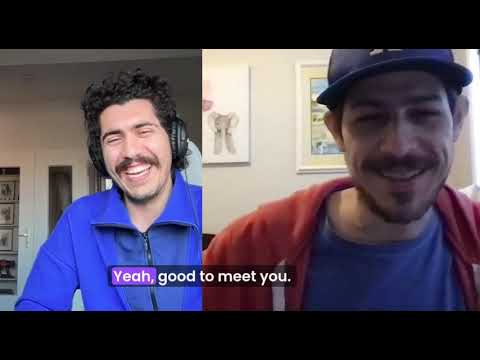
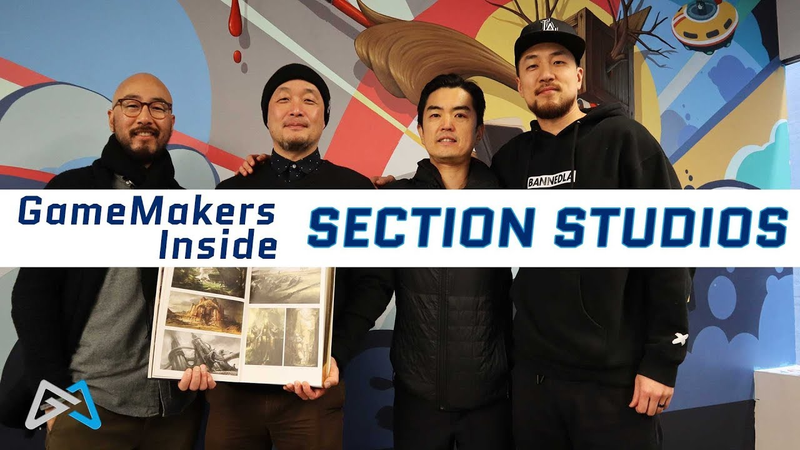
at section series we're going to be talking about a few things today the first is what does section do in terms of being an art studio and the type of art you make for video games a second the origin story how did section actually become a company how did they found the company who are the founders and then we'll talk about the future art 2d vs. 3d and how do you actually break into the industry from our perspective if you haven't subscribed it please make sure to subscribe and hit the bell notification let's go hey guys we are here with Jimmy and Cecil hey guys how's gone hello these these two guys are some of the fountain - of the founders of section studios and I thought maybe we just start by having you guys introduce yourselves and like your role at section I'm Jimmy I'm the CEO hi I'm Cecil I'm chief creative officer Steele all right guys let's start with a
tour of section studios all right welcome so this is our lobby is our main conference room this is my office Justin our chief operating officer tantino me later it says here zerah zerah Madre I mean I have their pieces as the main piece of my office cuz I'm just kind of proud of you know being partners with amazing yeah you start with just having you describe like the business so what does section studios do what kinds of customers you guys have so most of what we do we haven't we started off as an
arts services company two of my co-founders Cecil and Justin are both industry concept artists industry veteran Cecil is the main concept artists who run the tire quality and creative for the studio and he can go to talk about his past before but generally speaking section Sears started off as a student providing art services for video game companies and some Hollywood or whatnot that would require pre-visualization or concept art so we do a lot of visual development what's some of that what are some of the clients are some of this big art projects that you're most proud of I'm proud of I think where I'm proud of all this I mean I'm just proud to be I'm not an artist so I'm proud of everything we do that's creative but maybe Cecil can deliver what he was proud of I'm an artist and boy yeah yeah
we work with the many clients but one of the long time standing client is Rio Kings and we worked with them on their new champion campaigns where to put times and those has been really fun and every time each chapter has different marketing approach so we work with them the brainstorming whether we go to the storyboard and on top of that we work with the Call of Duty franchise and boats both ends on character design and also the environment concept and that's also been something really proud of it's a lot of people see how Orkut made the product and other stuff you know we're having having fun working with someone loved some of the marketing agent who does like movie posters in HBO series like Game of Thrones working kind of is that stuff those are like butta fun because they usually come to us to
like a rescue mission kind of thing so we talked on the project and work on that project for you like a couple weeks and then sometimes you really turn into five more marketing keys and or sometimes we inspire them to take different approach I think of what we do more than a specific project I think the fact that we are you know they're artists who just thinks well but the work that we do is visually realizing somebody's imagination and what they want to see that they can't really produce themselves so or actually more more designers than just I guess the wrist so we don't just engineer things well but with what Cecil and Justin does really well is just take an idea and then actually realize it as an image and I think that is the most powerless part of what I what we do here that I
personally oh and also uh something I've also wanted to point out is the we work with some of the indie developers there are funded by designers and engineers and they're very talented people but in order to realize the final product that is on our team so we kind of have our own marriage and went through a couple years of really strappy for the production and those product actually you know and somehow makes you the so those are really proud and we love working with other games videos there are we call it code that but you know is this it's like you know helping each other if all the code is aligned and you know at the end of the day they take good at what they do we were at what we do and we love to continue doing that I wanted to start a social social
network for artists back in the the web 2.0 craze when Facebook was just starting mainly because my other partner of Justin was an artist and I just wanted to I was inspired by artists I wanted to create a place for artists and we created this website where we had a bunch of people come in and they would comment and they would inspire each other and communicate and I wanted to break through the whole gallery system the highbrow gallery system and it went really well for a little bit and but you know it's a small space and I couldn't really generate enough revenue so we kind of spun out into creating a print magazine which I think was which was very much aligned with the philosophy of supporting emerging artists as well so we did that I picked up by Barnes Noble borders and we were in every single one of our low borders ten different countries we sponsored the second season the Bravo show work of art that was one
like Project Runway and all that was like a big big thing and then you know when borders went under that took out our circulation that togethers tribution so the natural result of business happened in that time I figure which issue Justin being a Justin being a concept artist he you know saw that this guy signed up to our website with a named kinder and he's like dude you gotta check this guy out he's like the best in the industry this is who I want to be like as where he wants to be like that was Cecil Kim so we decided to feature him in our issue six and we had a launch party we had Lee really the best party at our place you guys initially met that's a no we're personnel yeah as a featured artist but I've heard about canvas you know I work with different artists okay they talked about just a guy named Justin young graduate from our Center who actually
did when I picked it up magazine is actually high quality high quality and also the content wise is really open to anyone who wants to show that showcase their work right so curating system is a very open and I felt like it's that mission and the golden magazine had was very genuine and was this before or after oh this when I was really busy okay so after his BAFTA award he was working on the next he got about the Forgotten War three and he was working on the next one which is essentially is when we started to talk in when blue canvas was kind of seeing a you know we felt like we couldn't continue yeah the print business was in transition and all that so Justin died Justin was also freelancing at the time yeah blue canvas he doesn't do actual art I do is my
partner so as an artist he wanted to continue to paint so he was doing his working for different contract work for studios around and we just said hey let's take our love for art and let's take your talent and fill the studio and that's when he said we need we need a strong industry veteran maybe we can reach out to let's start with the pop language out to Cecil kid officially founded we still had some printing relationships yeah and that's when I think we're in an experience and that's not like game art books was kind of trending - yeah yeah and you know it's like right in the center this book is very rare sold out additional journey book there's actually the first art book with it and because of my relationship with my you know Sony Santa Monica and
producers that I knew the cool friend of Mines Eric Hauck and you know so they actually knew that we're making very like magazines for books for artists in terms of quality and actual like fear of the books so we worked with the meta Nava and we made this book and that led to working on cardboard a sanction book and that book is actually has a really good museum quality and really nice book and after that we worked the gear box under the boot of a homo franchise and then that was the celebration for the whole like d boot and then we made this boat and there was a couple other books that we did and yeah it's been really fun because it's different way to engaged game industry and the cool thing is we get to see all their great artwork
before Camie becames even comes out so and then we go through back and forth of review process and some of them became very collectors items now and yeah we love to get back to it at some point yeah but it is a lot of work [Music] we're going through a transition where we're trying to now find a more economic and efficient way of creating a like a global connection Philippines we're setting up a studio in the Philippines where we're trying to take a lot of our art resources out there and build an art based studio there Korea is also a more of a strategic development house so here you know we kind of fluctuate in size and throughout our lifetime we've gone as you know as crowded as you know over 70 people down to now just shy of about 30 and part of that I think has a lot to
do with we were we were just in a really big game project and now that's kind of coming to servicing live and we're looking into growing our art services so that's allowing us to transition and and create this la studio as more of a management more of a directorial office and then we can go out and have more of a bigger art studio album in the Philippines and also a strategic desk to go in in Korea Jimmy do you have to like be pretty flexible with respect to like staffing and headcount and and so like it sound like you're mentioning like you know you have to manage like the number of people here and then it sounds like you're expanding and the Philippines and Korea like how big do you think those operations will likely get I think I would like to stay no bigger than where we're at here and everybody's kind of transitioning and growing in their roles to to more of a leader in directorial
managerial positions and I think the plan right now in the Philippines we're hoping to get to about 30 to 50 artists by the end of the year and that would also kind of depend on the new offering that we're offering to the industry where you know when it's an when as a service based company cost is kind of a big issue especially when we're in LA and LA is not a cheap place so a lot of times I think the visual development stuff that we do is worth a lot because that sets the tone for this multi-million possibly multi-billion dollar franchise and that's really important people don't skip on those but when it comes to actual like art development and you get into the pipeline and you're doing like props and and you know some of the smaller stuff in game that still needs to be created it's not very economical to contract that with us so in many ways it's a missed opportunity because we
realize them we are direct them and we create them here and then that gets outsourced so for us we don't want to consider Philippines an outsource to do we would consider that an extension of our studio so that we can have we can provide economic offering to our partners but at the same time they maintain the quality and the communication efficiency that that just through this this strategic planning space sounds like some of your customers are cost conscious and you're trying to address that market but certainly you've got super high quality with guys like Cecil who've done you know massive massively high quality like the best-in-class sorts of sorts of art like do your customers understand that difference in terms of like getting the best versus just like you know lower lower cost art so you know that's something that I've had to understand is like for instance I think there is a stylistic difference that is very easily associated to cost for instance triple-a studios have more
artists that work on very hyper real and you know very tedious and detailed work and then there's you know mobile games that are not as detailed what I've come to realize quality is not necessarily defined by the level of detail it's also just like I said like when we're designing or creating an IP sometimes something like a clash Royale like those IP czar they're not like they're not like God of War but you can't say that's not good quality right and I think a lot of times people misunderstand what quality is and they would say oh we don't need God war so we want to get some cheap and they're not really able to get the right image or the right IP that they're imagining you know so I think for us the opportunity there is we still I would say you can still something like a class rep still does require the creativity and the execution
of like a God of War artist you know yeah so I mean we try to help every clients to get their best result yeah and usually the cost increases when there's a lot of iterations and changes right so what we can help with the smaller low budget clients usually we spend more time defining the attraction yeah and usually that really helps them to stay on their budget right so they knew everyone coming to us because of that reason yeah because they know in in the span of the development they know like there is a lot more focus on the beginning right that's where me and some of the lead guys definitely get more involved and make sure like it stars
defined and all the like like for seen like issues that we're gonna run into and something like sometimes client doesn't know if they want to use 2d or 3d right and we don't just sit down and decide okay today will be better for you because cheaper I usually look for the creative objectives you know I and what kind of game play experience you want to tell and some of the pipeline requires more animations and 2d has very limitations on that and we also know that some of the discipline is hard to find in the LA area compared to 3d so all those things we can work together that's great Jimmy I thought it said interesting point that you know when it comes to quality it's not so much about the detail but it could be just as difficult to come up with something simple and iconic and there could be quality and something like that yeah great to meet you can you
tell us a little bit about like the work you're doing and like the project you're on oh yeah so how so Pacheco I'm currently working on the VFX animation for it which means that I get to work on UI movements I get to work on stuff like these little birds flying by inside the city different this godrays cars moving around this water fountain just in general I get to kind of make the game come to life which is really fun [Music] so my name is Erika Lynae the associate producer here at section so a lot kind of what I manage is kind of like the day-to-day as far as making sure all the concepts are going through and the feedback process is working smoothly the clients get what they want and you know make sure all the qualities there so we're actually in the middle of a very important transition for the
company doing more focusing on our service side so we're thinking like how do we inspire studio and employees and changing the vibe so we pretty much like wanna become more like ours our studio instead of came Deb vibe so one other thing we decided to do was a mural and it personally was a good transition for me too because I haven't paid for a while and this I took on a roll and doing this and actually the middle character there is a nathan Oda it's good friend of mine he's well-known la artist so his characters in the Middle's basic idea is like he's like inspired he's doing sketches and telling everyone it's go and all these characters and flying out from him and one of the main character in the book there that's our game character is called Weldon from Tunisia so it sort of has this kind of I
guess inspirational purpose [Music] [Music] are you doing doing wrong hey so we have another one of sections co-founders Justin Justin can you do a brief intro about yourself yeah my name is Justin I'm one of the co-founders and little brother of Jimmy our CEO and my background I I come from art background I went to Pasadena Art Center but here what I'm doing right now I'm as a chief operating officer I run production here making sure everything everything goes smoothly and yeah I mean we work with a lot of the clients here and just working with them has been good I think we have a good balance of the three of us kind of working together and
I guess so we're here in Justin's office Justin it'd be great if you could just kind of talk to us about some of the pastor artwork yeah for sure so we've worked on a number of projects and some of the ones that we've worked on is with collaboration efforts similar to the one that's on the screen right now it's called Eclipse and it was a collaboration and Cecil actually came up with a lot of the designs for this IP and everything like that is it's a vr game that's out on I believed the Google platform but yeah this was a awesome game to to be a part of it was really cool design and so did have some of the examples of some of the areas this is another collaborative game that we did
with convincing games and this is a 3d platformer we came up with IP and did all the art for this game which we're also proud of and this was a prototype that we created on VR called awake beautiful yeah and this one we you know we got voted one of the best VR games and VRLA what are the best presentations I guess it's still a prototype we haven't gone into full development yet but we're definitely proud of this fact that we created and these are some examples of some concept art character and just as for the rival game this was for I believe it was for dead realm some of the projects here and some of these that I'm showing these are actually a lot of the ideas that we created that never came to fruition and something
that we still have in our in our back pocket I guess if we if we want to ever bring it up but you know we loved how these images came up and obviously League of Legends so yes so we've actually been working with them since the since the beginning of our studio so right almost you know seven eight years now and we've helped them kind of reimagine a lot of the League of Legends world and done a lot of work for their marketing efforts as well and you know we've worked on the infinite warfare call of duty last one and we're currently working on the black ops the latest one right now which obviously a lot of it we can't show yet and then the latest god of war as well we were brought in to help them just help figure out the the new world of this I mean I'm sure most everybody have seen the game now and played the game it's very different from previous god of
war so it was really cool kind of coming in in the beginning to to help kind of flesh the the design some of the designs out this is another one of those own IPs that we've been developing that we haven't really took it further yet and these are some examples of rival in its early stages when it was blood tales more of an action RPG yeah and these were some illustrations very gory for The Walking Dead mobile game that we we just created some in-game cinematics for and this was for a room we did some marketing illustrations so you know we we ranged doing a lot of concept art pre-production all the way to the marketing finished illustration stage so it's very different stages of any game or product but it's definitely fun to
kind of be in the beginning part of it and then kind of seeing how the ending actually the finished product turns out so and some of some marketing examples as well also in TV wow yeah no legalized and stuff so yeah that's just a snippet of our portfolio that we have just I I see a lot of like 2d art could you talk to me about just for you know artists and for people like me who don't have a deep understanding of art like it seems like you know there are folks who are really good at to new yard they're folks who they get a 3d army so from a art studio perspective how have you kind of navigated the difference between hiring and selecting projects that are 2d versus 3d yeah I mean we me and Cecil we are backgrounds in 2d you know we we studied illustration both of us at our Center which was more traditional background okay and just recently it's becoming more of uh I
guess actual what do you call it an actual major you know into schools where you're in doing digital art you know so for us we started off doing more 2d so naturally we hired more 2d artists yeah we actually teach at different colleges like Otis and stuff as well so we've actually hired a lot of our students here so that was I think a little bit more natural for us a little bit easier to do that and as we expanded our team and brought in some more developers and you know 3d artists and such we started you know working with them to kind of be bringing into 3d artists separately so that's something you know we are more familiar with with the 2d side but as we're developing were we're definitely more what do you see as like the overall split in terms of projects between 2d and 3d for you like how does that generally shake out for you guys yeah I mean it's it's definitely mostly 2d still right now I think we're we're
about to kind of make a transition into more 3d as well you know as I believe Jimmy mentioned you know where we are expanding our studio you know outside of LA as well and to do that we we wanted to kind of tap into more of the 3d projects as well so we do have we do do 3d here you know with within our own projects and things like that but in terms of the services and stuff that comes in it is more of the blue sky like high level concept you know side ragout and from a training perspective do you think an artist coming up could be really great and both or do you recommend focus in terms of just focusing on 2d or just focusing on 3d yeah I mean I think an artist can be really good at boats especially lately right but I would still recommend focusing on one or the other but it is interesting you know when we were starting out concept artists we didn't really understand a lot of the 3d
software but I think the software has gotten new software's to come out you know a lot of the concept artists now use modo to kind of set things up and everything and I think which is great way to to kind of learn and you know speed up their process and their efficiencies so there's a lot more overlap now but even with the 2d artists knowing 3d they use 3d for the concept for it for 2d so it is kind of focused on generally see a lot more concepts yeah blending out to both now yeah yeah there's a lot more a lot more overlap now you know people are able to use both 2d and 3d software for you know both purposes whether it's going to finish 3d product or 2d concepts you know okay great thank you [Music]
you
Summary
Section Studios, a Los Angeles-based art services firm, specializes in visual development, concept art, and pre-visualization for the video game and entertainment industries. Founded by industry veterans, the studio functions as a creative partner for major franchises and independent developers, bridging the gap between abstract imagination and visual execution. The studio’s core competency lies in its ability to translate high-level creative concepts into finalized assets, including character design, environment concepting, and marketing illustrations.
The studio’s portfolio includes long-standing collaborations with major industry players such as Riot Games on League of Legends and Activision on the Call of Duty franchise, as well as contributions to the God of War series. Beyond game development, the studio provides specialized art services for marketing campaigns, including work for television series and film. The business model has evolved from its origins as a print media and artist-focused networking platform into a full-service production house that manages the creative pipeline from initial brainstorming and storyboarding to final production.
Operationally, the studio is undergoing a strategic transition to optimize efficiency and cost-effectiveness. While maintaining a directorial and management hub in Los Angeles, the company is expanding its production capacity through satellite operations in the Philippines and Korea. This structure allows the studio to scale its headcount—which has fluctuated between 30 and 70 employees—to meet the demands of large-scale projects while providing more economical options for clients.
The studio’s leadership emphasizes that quality is defined by creative execution and the ability to define a project’s visual identity rather than just the level of detail. While the firm’s roots are in traditional 2D illustration, it is increasingly integrating 3D workflows. The founders note that modern concept artists frequently blend 2D and 3D software to improve efficiency, and they encourage emerging artists to develop proficiency in both disciplines to remain competitive in an evolving industry.