
ArticleSuperJoost
Riot Games Starts Second Act with Valorant: Can One of the Biggest Game Makers Catch Lightning Again
6 Mar 2020~3 min full read
Riot Games is attempting to transition from a single-title developer into a multi-franchise publisher, a move that represents a significant shift for a company that has historically relied almost exclusively on League of Legends. This expansion, highlighted by the introduction of the tactical shooter Valorant, serves as a strategic effort to diversify a portfolio that accounts for approximately ten percent of Tencent’s gaming empire. While the developer possesses a highly skilled talent pool and vast capital resources, the sudden pivot toward a barrage of new projects suggests a reactive attempt to remedy a singular reliance on its flagship title, particularly as monthly active user numbers for its core game show signs of cooling.
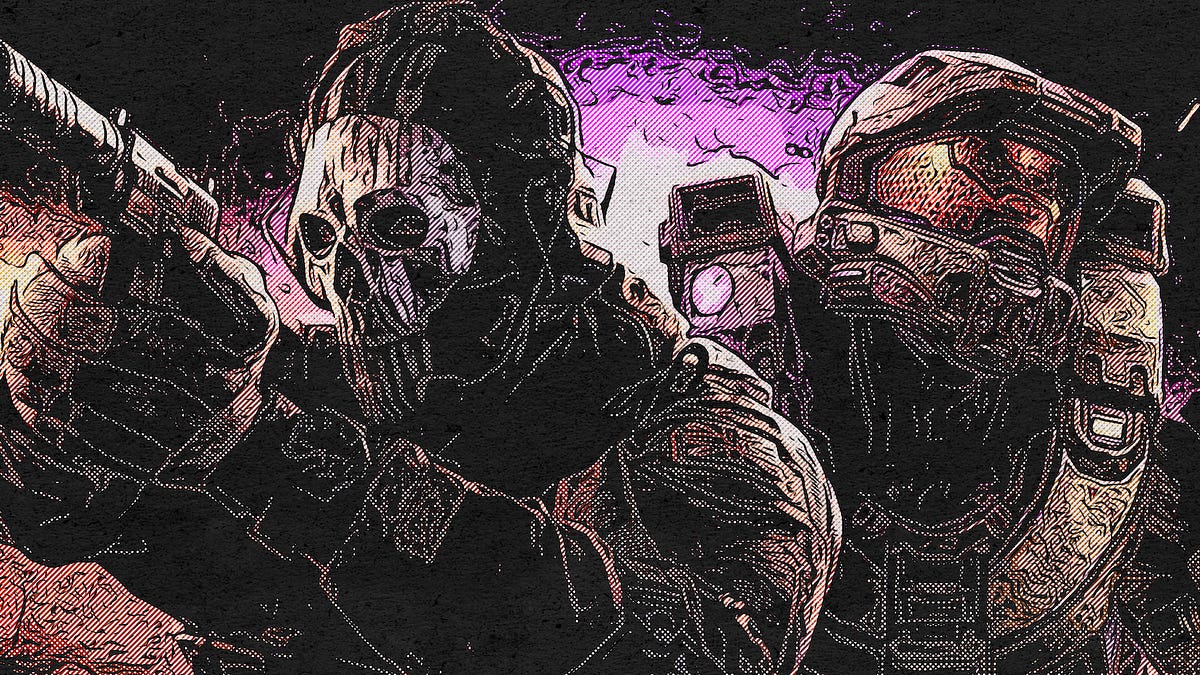
The current strategy emphasizes scale and volume, contrasting sharply with the more secretive and deliberate approach of other major industry players like Supercell. By emulating established genres and mechanics seen in titles like Overwatch, Riot risks entering saturated markets where player growth is already plateauing. Furthermore, the shift from a culture of laser-focus on one game to a multi-project environment presents internal risks, including the potential for top-tier talent to depart and seek independent ventures rather than building new intellectual property under a corporate umbrella.
Ultimately, the success of this second act depends less on the technical quality of individual releases and more on Riot’s ability to foster a sustainable creative environment. Establishing a cohesive ecosystem that can consistently produce hits is a far more complex challenge than simply iterating on existing genres. The transition marks a critical test of whether a blockbuster-based entertainment firm can successfully institutionalize innovation or if its expansion is merely a forced strategic maneuver to maintain market dominance in the face of shifting consumer trends.
SuperJoost · 2026

SuperJoost · 2026
SuperJoost · 2026
SuperJoost · 2026
SuperJoost · 2026
SuperJoost · 2026
SuperJoost · 2026

SuperJoost · 2026
SuperJoost · 2026
SuperJoost · 2026
SuperJoost · 2026
SuperJoost · 2026
Sensor Tower
Ubisoft · 2026
GameAnalytics · 2026
Newzoo · 2026
Newzoo · 2026
Aream & Co · 2026
Epyllion · 2026
Epyllion · 2026

Aream & Co · 2025
Newzoo · 2025

Aream & Co · 2025
Rokky · 2025