The video game industry is undergoing a fundamental transition from hardware-centric business models to service-oriented ecosystems. This shift is characterized by the normalization of gaming as a dominant cultural force, moving beyond niche demographics to become a central pillar of the global entertainment industrial complex. As gaming technology matures, dedicated hardware is increasingly viewed as a commodity—or a "toaster"—where the specific technical specifications matter less to the consumer than the accessibility of content and services.
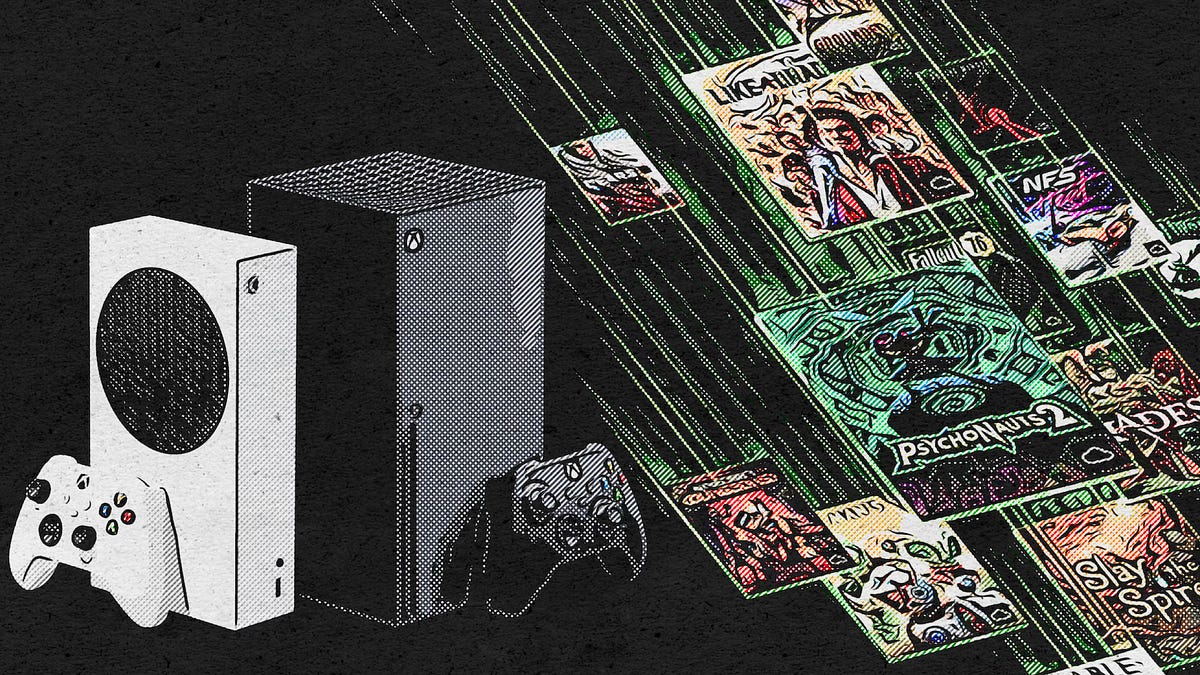
Microsoft is leading this evolution by repositioning the Xbox brand around recurring revenue and subscription-based access. By expanding programs like Xbox All Access, the company is emulating the mobile phone industry’s lease models to lower entry barriers and secure long-term consumer commitment. This strategy prioritizes cloud gaming and content subscriptions over physical console sales. Furthermore, the focus of exclusivity is shifting from software titles to human talent, evidenced by Microsoft’s aggressive recruitment of high-profile streamers to anchor its platform.
The broader industry reflects this move toward ecosystem expansion and strategic consolidation. Riot Games is attempting to transform the League of Legends franchise into a multi-media universe similar to Disney, diversifying its offerings to counter declining active user counts and the rise of mobile competitors. Simultaneously, the partnership between Electronic Arts and Valve signals a retreat from fragmented digital storefronts in favor of broader reach and cross-play compatibility. These developments indicate a market where discovery, brand loyalty, and service-based value have superseded the traditional cycle of hardware-driven innovation.