1 free read left. Create a free account for unlimited reading + AI research.
Create free account
Indie Dev with Family | Game Dev Unchained Episode 213
Key insights
6 takeaways- 01Transitioning from rigid, top-down AAA hierarchies to a bottom-up design philosophy fosters a more resilient production cycle and encourages creative flexibility within small teams.
- 02Small-scale studios can maintain long-term project viability by outsourcing specialized technical tasks while focusing internal efforts on mentorship and core development.
- 03Independent studios can achieve sustainability by balancing creative projects with part-time consulting work for major industry players like Blizzard and Riot, which provides the financial stability to avoid premature commercialization.
- 04Organizational psychology tools, such as the DISC personality assessment, should be used to tailor management styles and mitigate interpersonal friction during the forming, storming, and norming phases of development.
- 05Success in family-based studio structures requires the deliberate separation of professional administrative burdens from personal relationships, supported by structured weekly planning.
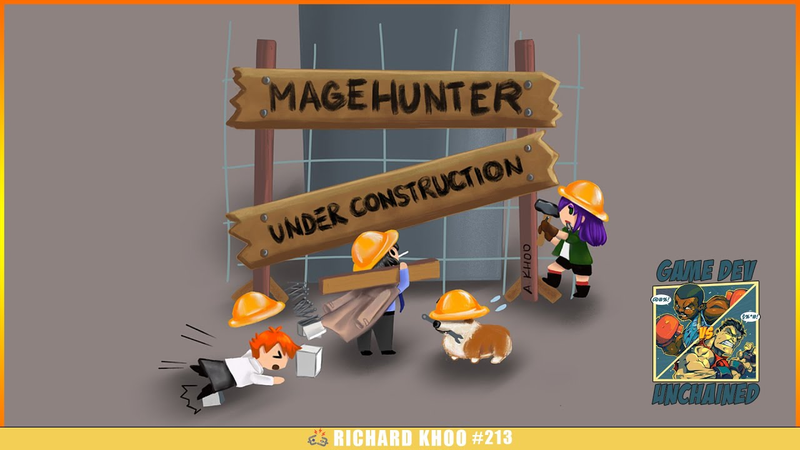
- 06The development of the turn-based RPG 'Mage Hunter' serves as a model for balancing creative ambition with realistic milestones, such as preparing a standalone demo for crowdfunding.
Ask AI about this video
Transcript
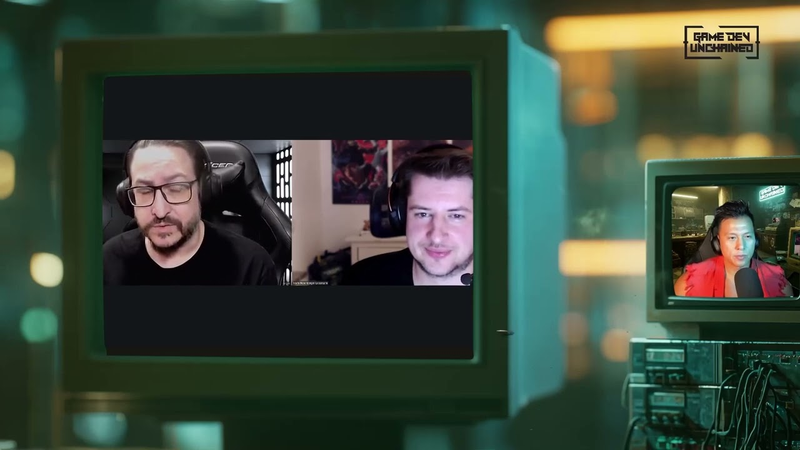
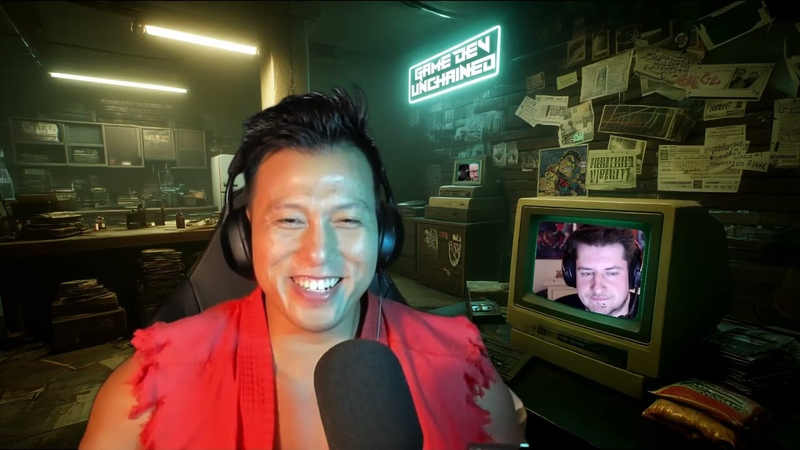
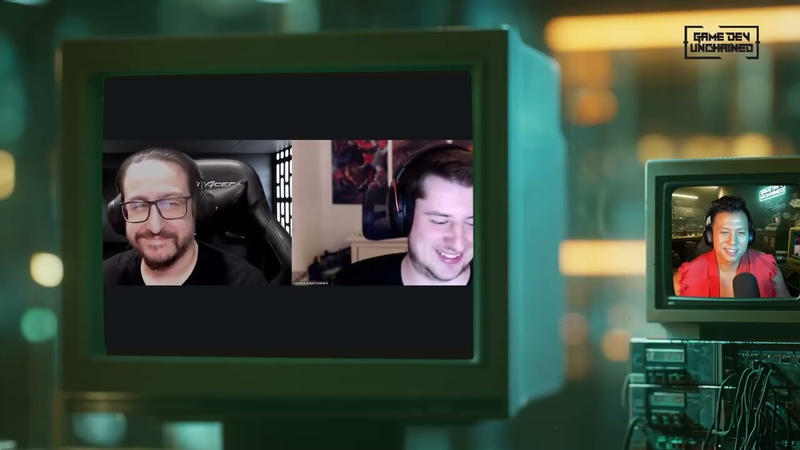
I [Music] what's up everybody welcome to another episode of game dev unchain the number one podcast about game development in the lifestyle of era I am your host Brandon Pham and joining me this week a special guest a returning guest a favorite guests Richard q how are you doing Richard I'm doing good man it's awesome to be here excited to talk about game development and yeah let's do it yeah well it's been a while since I know Reacher a longtime listeners know who you are but for anyone that is new joining us this week for the first time can you provide a brief introduction of who you are where you been where you hidden sure so last time I was on the
show I was talking about development for lizard's heroes of the storm and so yes since you asked for the background I started game development I guess in 2004 I was a modder for Warcraft 3 that got me with the help of an awesome guy named Alex job at Blizzard as a level designer for Starcraft 2 wings of Liberty the first one and then I was working on the second one we heart of the swarm as a campaign design lead and I hopped on to heroes of the storm as design lead for the core combat systems then I went to riot working on League of Legends design lead for gameplay systems so like the items and combat within the jungle objectives and so on and so forth then I went to go do some startup stuff worked at wargaming worked on a bunch of prototypes for new games
this is wargaming R&D and the most recently Brandon you and I worked at Pocket gems where I worked on several R&D games and pitches and helped support war dragons now most recently my family and I started our own videogame company called cooky so that's where I'm at now it's a perfect segue to the main topic of this episode I'm just popping in right here don't mind me Church where I want to concentrate on indie game development which is hard already and then any game development with family in particular right which is another layer to that and I want to kind of track back to your experience because you've done triple-a development obviously we work together on mobile game development but there was a period there where you were doing consulting working on your startup businesses can you expand on that experience because that was probably this is your second a third time doing
this right so what was your first time like and how you're bringing those learning lessons into this experience and making everything better yeah sure so this is the first time actually owning own company and trying to make a game from scratch the other startups that I've worked at which is I've been told you're consulting for them like I don't actually know the real definition for it I felt like you know I was like a co-founder or a potential partner you know like we need to get funded so we need to build this game or prototype or pitch first and I guess that's considered consulting in some aspects because you're not a real team just yet and then yes as you said Brandon I have consulted for other projects as well you know being paid to do a very specific thing for large companies like before I was hired at wargaming I was actually
consulting for them on one of the projects that they were developing within R&D that had a lot of experience in genre wise so I could consult for them and just give them very targeted feedback let's say I actually am going to be consulting again actually a really quick question for you Brendon is this lie or has just come out in the two weeks that we talked about because I don't know if I can say exactly yeah so people that are listening we do our prepared as in we do record this beforehand surprise but for the hardcore listeners out there hardcore Watchers the is this is live but just go ahead and just drop the date so obviously if you're listening to this podcast by this time what you're about to share is already up and going for those who are watching this live we're about two weeks away right so go ahead and feel free to share then yeah okay no worries then so so right now I am working on a game with
the family as I said already but then as going back to the thing about consulting again I'm actually going to be consulting for ten cent for one of their games and I'm actually already filed in the paperwork so I'm actually starting tomorrow and I've already got like a whole bunch of invites for like onboarding stuff but I'll be working on that for like part time so I can continue to work on the main project with my family so you had asked like what's different this time I think like I think the difference is that you learn something from every job experience that you do and it's definitely a you know an ongoing journey like you never you try to pick up every lesson that you can because you love like making games you love like developing stuff and I know sometimes like especially when you're working in games in R&D it's hard it doesn't work out so you've got it like
sometimes balance like risk factors like you know can you're in the game that you're imagining actually be made like within the time period that you have and you know do you think like you'll have enough funds to get through like it's sort of like that juggling act so this time around like you know we we're building a game within my family that's just like right now it's like bootstrapped like we have our own like savings that we can live off of and continue to make the game and we have a lot of friends that are helping us make it but then there's a obviously you know you need to make some cash and you know you can withdraw all of your 401k but that's like kind of not very advisable and you can always ask for like money from your family but I haven't really done that and then or you can go the route that I've taken which is actually leverage a lot of the experience I have consulting and have a lot of experience doing it and just sort of like see if like where there's
opportunities where you can sort of like connect like with people recruiters or people who've reached out to you that have holes and like the development experience in like the development that they're doing that you can help out with so for 10 cent I think like that's going to be like the fourth or fifth time I've actually started working like with a company to help them out with something in particular so it's gonna be pretty exciting so sorry I'm a Murray's switching right now but no it's okay I'm not used to this new camera fading thing right you like this pretty tricky what Mouse is well my mouse is Wireless but like sometimes it takes a second to wake up when I'm like wiggling it so I got to prepare that better dynamic alright talking about working with the family and I'm glad to kind of see how you're taking the lessons learned from last time and keeping the income going in and
not having to stress that on just this new thing that you're figuring it out right how has that relationship been with not just your brother-in-law but with your wife obviously but also working with a relatively new team right not just in your relationship with working just with them before on a game but I would have to I'm throwing this out there I'm probably guessing that you're like the most senior out of that group in terms of game industry experience so how has that been yeah yeah so it's weird because I would never consider myself an industry expert but then like I realized that I turned 39 like more than four months ago so I guess I'm by default in industry I don't know this feels weird I think like that's one quality about trying to make games that's really
important is always to like to sort of stay humble and sort of like always look to like learn how to do stuff I like really enjoy learning how to make things and how to create stuff that's fun and innovative and like interesting so that's sort of like you know in trying to bring my wife from my brother to build this game like it's it was pretty easy to say hey guys like what are some games that we want to make that are that we've always wanted to like make or stuff that we grew up playing that really inspired us that you know when you're working for like a large company that's trying to like make a mass appeal game like you have to think of you have a huge xx million dollar budget you've got to think of this target audience you've got to plan out your development for X years and you know a lot of things are done very top-down for lack of a better word whereas when you're trying to come up with something with the small group of people it doesn't matter if it's your friends or family or if your
wife or partner or husband it's like you got to think a little bit like you got percolate the ideas from the bottom up to because you have that freedom to sort of think about it that way and that sort of turns into top-down because it's like alright so what do we want to actually accomplish in the core gameplay and then we can actually plan out like the bigger picture which actually is one of the ways that we did stuff for several of the projects I worked on but those were like within will establish like like frameworks and stuff so like oh it's a sequel to Starcraft 2 or trying to make like a competitive RTS MOBA or or whatever the stuff that you and I worked on Brandon which I'm not sure we're allowed to say it but the the main thing that is important to because it was like you know for for my wife's brother and I like have the most experience so I I am like the de-facto leader so there's a
lot of things that go into making a business that you just sort of want to protect from the team because it's really important that like when you're working on the day-to-day especially the creatives that you sort of like protect them from like thinking about stuff that doesn't really matter for the stuff that they want to do because you have to still treat it like a normal game development team where it's like hey guys so let's like come together to talk about what we're going to do for the week as opposed to every day and there's advantages to that but also disadvantages to it but then it's like you know in the background I have to think about well my lawyer has contacted me about having to register trademarks for this and you know we do need to get the website up or I'm gonna be talking to some guy in the podcasts about like the like game development with family so what should I say not say about like the
trials and tribulations of making games and stuff with family but uh yeah that doesn't really cover it Brendan Keith wrote me a question so I can latch on to something no I mean you're starting to get into like the Damita topic here um you're talking about working with family and and kind of playing well I mean it's always gonna be a blurry line of like of a team and then how you talk which I feel is part of the conversation that's interesting where you know how do you separate that well let's talk about physical space er or remotely right do you guys work remotely mostly when you do these stand-up meetings or do you guys hang out in the living room and talk how does it work oh yeah it's so like kind of like a like a day-to-day sort of thing yes so as I guess like to kind of tie it back to your original question as the most experienced person like there are
there's importance to like the daily rituals like in our case it's more weekly rituals because we can get a lot of stuff done when we are together and so we figure out what we're gonna try and do for the week and every month like we plan for like you know the next couple months or figure out what the high-level goals are and stuff sorry a bit a bit rambling because I think like one of the things about working as a family is that you don't have to do a lot of retros and stuff like it kind of just happens organically so like to answer your question about like the the day-to-day like it's we already know what we're going to do my wife like my wife and I split duties with like taking care of the kids in the morning so it's not like we'll go down into the living room and sit down at work my in-laws my brother sorry my my brother-in-law actually lives in Anaheim and we live in Long Beach so we can actually go and visit him like pretty often like after after
this podcast I'm gonna go grab some food and it's go drop by and sort of see how he's doing with like some of the stuff that we've already planned so I think like part of I guess like a lot of experience that I have is just like and making sure that you stay connected like I so it's not really remote at all like if I if I need to ask him questions I'll ping them on discord or the Facebook or text or whatever there's like different response times I found out like if I use like discord versus Facebook you know so you gotta like sort of measure that as well and like I'm with my wife pretty much like all the time so you have to like always again treat it like work-life balance like that's really important to not like talk about work after like some time like past like 10:00 p.m. or 11:00 p.m. but even then that like that's still sometimes like we have something important that we need to talk about that we couldn't talk about
because during the day we're like taking care of the kids or like running around doing errands and stuff I think the big secret about this is that our parent my um my in-laws actually actually can take care of the kids on Fridays Friday evenings and all of Saturday's so that actually gives Annie and I time to like you know go out on a little day for just the two of us so we can catch up with each other but then also like work all day on Saturday and some day some of the time on Sundays so we can actually get a lot of heads down work my brother's since he doesn't have any kids yet I don't know he can actually work on the project like pretty much full head of steam like almost every day but he even balances it out so that he only works from like around 9:00 or 10:00 a.m. in the morning to about 4:00 p.m. in the afternoon and then he just sort of feel like chills for the rest of the day and like um plays music
plays games hangs out and stuff like that and that's where we usually can catch up with him like after the kids are done school in the afternoon Google like we're over Anne's parents house and we're like talking to him and talking to like uh like sort of just catching up on the project but if you think about it in a normal work setting like you have all of these like and sorry like I'm usually better at structuring all this I just haven't thought about it in a long time so I guess it's interesting you'll have like daily stand-ups you'll have like a you know set lunchtime you'll have like you know weekly scrum meetings and stuff you'll have like monthly company meetings and whatever right in this case has a family like you you're just sort of like figuring out ways to balance doing work with your normal life as it is and you're sort of like you know the way our family works like we're always like with each other like very often so it's not really a question of how to do
it in a way that works for day-to-day for me I realized that it's better to plan week to week and sort of just let you know Annie and Vik figure out like how they want to do stuff because I don't want to micromanage them like that's actually generally what you don't want to do anyway which is something you learned like in nowadays the people are very empowered to just do their work by X date and it works really well with family because like we don't have to spend time like you know talking to each other trying to resolve issues or anything like that we're a family and you know we're all like we're all in this together so you know we're not worried about whether someone's like committed or not or whether someone's passionate about it and we know each others like you know strengths and weaknesses like inside and out cuz like we live with each other and we can talk about things and you know like my brother and I used to work together at wargaming Annie and I have worked together on a lot of creative
projects before so it works out pretty well like that oh my god I've rambled for so long it's perfect I mean you're rambling is actually going into it's leading into a question from the audience here so there's a ss1 reaper he's asking from our twitch chat his question is something that you're just talking about right the qualifications of family why work with family is there's no learning curve for family member is a time you have to teach concepts and principles and do you outsource work yes so that's that's going right into it that's good yes so I would say that like in terms of experience I have a lot of experience like like I can do pretty much a lot of the game design stuff I still have help though like friends that are in the industry that can give me like high level game design help product design and production I kind of wind product I
win producer stuff too again it's only three people my wife is a trained as a 3d artist but due to Z like because it's only three of us were actually settled on 2d sprite art so she's very strong at character animations but there's only so much time in the day that she can work so we've actually outsourced to a bunch of people on each IO who have like some great stuff and I don't have their names right here but I have it all written down because when we have the credits I have to give them credit for it because I think their work is awesome and I was able to get a lot of environment aren't there same thing with effects art like because it's 2d it's a little different than building 3d effects which she has more experience in but as 2d effects it's like very hand-drawn and there are some programs that lets you create 2d effects that look really nice
but it's just a question of time and like what's super important for the game so there's a bit of the producer sort of prioritization it's like you know environment art can be like not serviceable but be pretty good and for like character animations concept art that's like more of what my that's more of what a nice like specialized in as far as programming goes Victor actually started learning to program in several years ago at this point he taught himself because he realized that one of the key things in all of the other startups that we worked on was if you don't have a technologist you can fake making your game demo but then like investors will go so how hardcore is your is your CTO like kidney build a system that can scale really well and oftentimes like you know those people are gainfully employed at like really large companies so it's hard to find like great really great programmers that can build something that can constantly
sort of generate value over time because part of like what you're doing when you talk to investors or like when you work in triple-a is to build a you know an engine that can actually scale to make hundreds of millions or possibly even a billion dollars so you know it's hard to it's hard to find those guys who would wanted to sort of work like um like a for equity or for like very low salary right the opportunity cost is just not there my brother and I used to work together at wargaming he was actually he started the industry as a as a game designer a technical game designer actually and he does require some so I'm sort of mentoring both of them like on the ways to think about how to like it's like I it's still my responsibility to sort of level them up to get them from where they're at in their current not career but like in their current skill
set the skills are more important than titles in a lot of way it's like you know oh so Vic we're trying to develop like an item system that the player can interact with that has three or four subcategories and the way that we need to build it back end is so that we can generate a lot of items then I as the as the other designer need to be able to arbitrarily create like keys and other other sort of like objects clues or whatever and eventually it's going to help me build a lot of that content and that's not something like that kind of system is not something that you see in a lot of like games nowadays because it's just not something that's super you don't see that a lot in like huge like socially driven system driven games so you know when we actually sit down and work on it well I'll actually sit down and tutor him about like some ways to sort of think about it or like what we're doing like
combat design it's like okay so it's kind of like this game in this game sort of smash together the way that you balanced it is through this sort of this is like where I would start building the spreadsheet and so I just work with him on it and leave a lot of like comments for him so you can look throughout throughout the week and then make comments suggestions like make sure that we build the engine so that it's very iteratively so it can develop iteratively very quickly we're building in unity and using like CSVs and stuff like that for a lot of the data back-end and he's doing a lot of custom tools programming so we can do like more advanced stuff like um like cinematics and like stuff like that and then there's like you know best practices in doing that that is all like part bits and pieces from various work experiences so like like timeline is in unity is very similar to the trigger editor system in Starcraft 2 where you have in
store craft to you if conditions sorry events conditions actions and then like how you sequence it all together is like done in unity timeline so it's very easy to sort of see you know step one two three four five six whatever and learning how to use that properly he's learning how to program it but then how to apply it as a designer then I can bring in my experience and sort of talk to him about you know how we did stuff back then and what would be good going forward to think of not only thinking about it as like tools development but also as a designer so it's like build a cinematic where when you walk into this area you check if the player is of a certain level or whatever a big enemy boss comes out and says oh I'm going to kill you then a choice pops up that says like white or like yeah I'm going to kill you too and you know like learning how to like build simple models like that using the tools and like say timeline relating
that to Starcraft 2 which he has experienced like developing in as a mater like it's sort of stuff like that that happens like organically all the time so yeah I would say that a lot of my job when I'm not trying to plan stuff or do my own stuff it's just helping Andy and Victor sort of like you know move up and improve their skill set oh yeah I remember you asked do do we ha sorry before you asked like do we hire anybody I think eventually we will hire folks to help out with some areas that we're going to need helping to build out the content in the short term for instance like we need somebody to help build like a cinematic trailer like sort of in like the medium term we'll need someone maybe to help out with environment art and then in like kind of like the longer term like maybe like a
network engineer so we can help us build out some multiplayer yeah I mean a lot of the obviously your family members are qualified they've been in the industry I think that's the the one of the things when listeners start hearing about it is like you know the convenience of family is definitely there but not there's definitely gonna have to need be in need of qualifications to be able to put a team together and be able to do this I'm not just gonna tell my son my nine-year-old some computer skills and be part of my team right it's it's conveniently you have the right people around you to kind of form malade a team and get things going the working relationship is another aspect that I would love to kind of dive a little deeper into so we were talking about you know finding the time especially between a husband wife to kind of balance it and get things done
and it's something that is a is a topic that I've always been interested working just not just within the industry just any job with your wife going to business with your wife right it's easy for us to kind of look at deadlines and seeing deadlines missed and then see your wife just chilling on the couch watching if it's like don't you have things [Music] I'm sure there's like little moments like that but how do you how do you take a step back and be flexible in those times of pressure yes so the key kind of mentioned earlier which I'll expand on is the idea that the more modern way of doing work in the creative industry I think is oh I think my son's coming in hi there buddy what is that oh it's the Barry twins in the fact okay son I and
you can you go out and close the door yeah not Uncle Bob but other people okay I'll see you later son Uncle Frank you don't go Brandon shoutout to one of my best friends from childhood Bob who actually is so he sees like he's like an English major and a lawyer so he gives us good advice on that kind of stuff so that's definitely what you need when you're doing a friends and family things like figure out like what everyone's like superpower is and try to help them do it I'll just work from that point so as like the facto executive producer it's my job to make sure that the schedule that we have planned out for like the next six months or like the year or whatever like we actually can hit and a lot of that is recalibration of what the game is and what our milestones are and being flexible with it in order
to accommodate any sort of like hiccups and it's not just like oh whether or not you know Annie or Victor can actually hit a goal it's more like what excites them and what do they feel comfortable with and if there's anything upcoming in the future that might disrupt their ability to to do anything like last year like Victor went back to Canada for a for his friend's wedding so we just planned for okay he's taking like two weeks off and you know usually like I mean that obviously makes sense like someone's not going to be around for two weeks let's not plan too much for it but it's also just like you know you also have to that sort of flexibility and recognizing and that empathy sort of come naturally in a family because like yeah you know like there's deadlines but like um you know who's gonna get hurt if the deadlines aren't hit I mean ultimately the way that we want to build this game is like when it's it's like
that old Blizzard motto motto like uh well is it oh my god I am so sorry any Blizzard people I used to work with or anyone who's listening right now it's done when it's done something basically we want to make sure that the quality of the game is really good and we want to make sure that the the game is like what it's ready we'll we'll put it out there but more specifically to what you would asked like because I can actually change what the project is and we've actually changed the overall creative vision for the project a couple times based off of like feeling out what really excites us because that's the most important thing making sure that everyone's passionate about cornerstones in the game so like for instance for me like I really dig a lot of the core gameplay blend that we have and you know there's like a there's all creative stakes in it as well not just from like a what's the game but
just like the characters that we've put into the game and like sort of some of the stories that those characters can tell as well there's literally a character in our game named Vic who's a chef and actually is like a weird quantum version of Vic if he became a chef instead of a game designer so it's like a fun thing for him to sort of like think about when he's building the game and like one of the lessons I learned from guy used to work with brian kendrick in who was actually a narrative director at ubisoft montreal right now when we were working on a pitch together he said that one of the most important things is that you have like a really strong creative vision that sort of helps remind you on the nights when like things aren't going so well or the builds broken or the there's tons of bugs which has happened even for our small project that you just remember this is why I'm doing this you know and you know like with family I think it's a double-edged sword at times because like you know the person
personally so if you think that they're not pulling their weight like it's like oh god you know you're just sitting there chilling but you have to remember that at the end of the day like a game is just a game meaning like it's like any other project it's going to ship when it does whether it takes an extra you know three months or six months to get it out there like final fit like I just read like my wife just messaged me like Bond Fantasy 7 remake is being delayed and they have like you know tons of resources but you know as the fans you know you always want to make sure that whatever you do play is awesome it's like the oh my god I'm so bad at naming people but there's that I think it's a Nintendo uh not not Miyazaki he's the film director anyway people will never remember the weight it takes for a great game they're only Amano or if it's the main guy Mimi Amano yeah yeah yeah yeah you could explain it better than I
can but but yeah brand is like the the if Annie and Victor one qualified to do what they were doing what they're doing right now then obviously like it it we can't do it you know and so the could the but so so my role is to make sure that from from a product development standpoint that the game isn't reasonable to build it's actually something that can shape based off of oh it took how long for us to do this and that and oh maybe we shouldn't worry about this type of tech until a little bit later right and some of that is some of that like sort of rejiggering of priorities and what we're working on is like a it's a very dynamic process and like it's something that we can discuss openly amongst ourselves and just be very straightforward with it instead of like sort of hiding behind things and saying like oh it's because this guy or this guy like didn't do his job like when you're a family when you're a team size core team size of three there's not
really much to hide behind so there's definitely times where it's like you're just like damn I really messed up and I need to you know like do my job better but then we're also you know we're family so we can sit down and talk about it too so we can like you have to be able to like flip the switch and go between work and family pretty effortlessly when you are doing work but then when you're in family time there needs to be a pretty hard wall between like separating those two so it's like if you're in work then you it's better to like flip to being supportive or being supported because like you know you're family and you don't have infinite time to let things dwell whereas like when you're trying to do family time but that's just family time and you don't you don't touch it at all and you make sure you set up some good times for it so that you don't violate those yeah I mean that's a huge that's a
huge topic on its own well I mean like the journey is always gonna be on the developers shoulders right just remembering the the bad times the good times whatever but the end product is essentially what the consumer is gonna see right whether it's really good or bad so if you have the patience especially with the small indie team what I've learned is if you have the right people around you to kind of truck through that journey however long it takes right especially if you guys don't have an expiration I mean deadlines are important but like we are gonna sit here and figure this out together through the good times are bad you're gonna be a successful team is what I found by the end of it right because with any type of I think relationship right I think with any business relationship of any type especially making a game it's easier to kind of sever ties with someone who doesn't live
with you is the old argument of like being in a marriage right you know if you're just a boyfriend/girlfriend or whatever if things aren't working out the the choice the option of walking away seems a lot easier than having a marriage or kids involved right you're more willing to kind of try again and figure things out or at least give it extra time to really see if there's another way you're not so quick on impulse to kind of call it quits and and and just forget all the progress that we've made together right so I think the big benefit right there is working with family is that you have the patience with each other you know each other better and you know that no matter what happens you'll be there for each other at least at Christmas dinner alright not saying that all family are close but I'm just saying you're more
willing to kind of take that chance and and and and really ride that mileage out as far as you can take it yeah to me if something other small studios or smaller teams don't have the patience for the patience is what kills I think most studios or most game development on a small or big scale to be honest you know mm-hmm yeah a lot of the yeah I'm trying to think of how to frame this correctly the there's uh there's definitely a benefit for working with family if everyone is aligned on the idea that this is a journey we want to get there there are things that we can accomplish in this project that you can other projects this is an opportunity for like my what my wife for instance like Annie she's like like taking care of the kids a lot but there's an opportunity for her to actually split time between just doing
that and actually building out characters and animations and enemies and stuff like that which she otherwise wouldn't have had really a chance at doing so this is like a way for her to like sort of re-explore like the stuff that got her passionate to like learn to dr a 3d art in the first place and like reconnect with concept art and stuff like that you know and i think like for me the you know there's always going to be trials and tribulations of building a game but we're family so we stick together we can't really walk away because it's like oh yeah I quit oh hey I'll see you at dinner tonight you know it's like it's not so much like that's in a you know sort of a weird way it's forcing you to work through the problems which definitely is part of the process of building out any team there's the
whole forming storming norming performing thing and like figuring out like you know what everyone's like interest is in the project when you're talking to people who don't plan like that because it's just not really like I mean you know Brendan it's like when you're working on like a new look you go to a new company you need to figure out who everyone is how everyone works and I figure out everyone's personalities and like you know everyone's tics and sort of stuff like that you know with with like working with family it's like you know you go through all of that and you know that you're in it together and you're definitely improving your skills with each other and you're sort of in the long run going to be sort of like a stronger core which is which is definitely not I think like there's definitely companies that start like that but then when they get really really big it's hard to feel that sort of like you know and they say oh this is a family-run business it's like our family feeling business or whatever
like it's not necessarily true because like unless you were like part of like the intimate courts or like the really inner circle it's not really something that like actually is true I do want to say that a lot of like what we're doing is that the cost is underwritten by like savings that we have and like you know getting that consulting job with for me with ten cent to sort of help pay the bills and sort of help things keep going on but there is there actually is a time limit to this like you can't like for instance like you know if you're a small indie game developer you don't want to put out your game like in November or December like this then you would just be crushed by all triple hey studios so you know if you if your goal is an our goal is to ship our game in fault of this year it's like you know we do need we do have a very like tight goal that we have to hit and that's always a fine
balance because you you you have that flexibility with family to kind of talk through things and figure things out and be there for each other but having realistic deadlines just is the only way to get things done and be competitive because the market is always changing and you have to be aware of that and I think that's where your experience really comes into play just real is to be painting out the landscape out there it's like hey we can't just release this whenever we want the content the subject matter that we're dealing with it's very specific for certain genre people that we need to hit at these dates or whatever I mean this is your marketing hat coming into hahaha Student Development you kind of briefly mentioned something that I've ever never really heard of the terminology for you were sought talking about like the norming forming running what were you saying running and forging what is that ah it's it's uh oh my god game design video I don't know okay now
I think like anyone who talks to me long enough realizes I just like to use a lot of analogies references and I just picked up little nuggets of information here and there this particular one was from when I was working at riot the chief or he was a think it was chief HR officer at the time his name is Jerry prochaska he actually is a founder of gadem a games in Arizona so if you're interested in that you should check it out they've got a really cool survival game premise the Jerry told me that like part the for stage is that a company goes through that a team goes through is that so forming is when you get everybody together that's step one step two is storming when everyone's like past that initial like oh my god this is great I got a new job - what the [ __ ] like I have to you know do all these things a certain way this is my boss like sucks or whatever right then norman is when you get used to it and when you
start making some progress and performing is when obviously you're really like putting out a lot of great stuff and you're able to work together it's very similar to like like a curve as it were which sort of maps like your enthusiasm for a game like your passion and you're sort of like overall happiness alongside like your productivity like when you're in management long enough you generally think of people that you manage as like you know how are they producing what's their potential there's like another paradigm like a nine square where it's like you know low low potential low output and high potential high output and there's like all these different strategies that you use for managing all of that but I think the one that's most important to me is the normally the forming forming storming norming performing because it's got a lot of AI and G's so it's easy to remember it but
it's it's a good way to sort of like when you're in management to think about when you bring a new person on the whole team goes back to forming in a minor more or less like like if you had a team of like 20 people adding one more person doesn't change much for instance but if like say between me Victor and Annie there's only three of us if we add like one more person like that's going to be a pretty big change to things so you know if we did want to think about adding someone which we will eventually it we'd have to I'd have to think about how that actually would play out with the team dynamics and how we work and you know how like work is communicated and like kind of resetting the way that the team works whenever you add someone new to a team man tell me when you get that book out they like these are terminology that only makes sense I mean we've all lived through this as a game developer oh but even on personal projects right that enthusiasm at the beginning and
getting past that little the curve that hump right there little high yeah like most people die on the hill storming right I mean that's where most people stop because it gets so hard and difficult to kind of work with people and kind of manage time and sinking and just kidding goals wow that I mean that that that pretty much sums up game to vulnera it there yeah it's this there's actually a really cool like another thing I learned when you're just like trying to plot your own progress in your career those always it's always going to be I think it's a sine wave or cosine wave it's in a cosine wave just a sine wave just whatever anyway so there's always gonna be ups and downs and if you think about plotting your entire life in terms of like a wave and then you think about all the times where it dips downward and then you'd hit like a point
where it could go further down or go back up like and then you think about the decisions or the things that you've done or things that other people have done that have helped you either go up or go down you try to control those inflection points where it could have gone really high up or it could have gone further down and it's important to know how to manage because like understanding what causes it allows you to sort of like put yourself in a situation where you create more opportunities to go up instead of continue going down and it also helps you like be accountable for things that you've done that not only caused you to go down but also allow you you don't pat yourself on the back when you rise up so you know there's there's so many like like random bit management things like that you can do to sort of like manage that stuff and like yeah sort of like this is the stuff that like when you're especially with a family team like it's
so important to sort of keep that sort of in mind you know it's not like every day I think oh how's the inflection point of my brother-in-law is he actually you know it's like you don't do that but it's just more like it's important to think of like what tool you need for whatever situation as appropriate you know you know there's also like discs like you know our personalities like how does my personality map against like a nice personality map to constrictors personality like what are triggers that happen like between say I'm more of a DI DC type of personality more so di in a lot of cases now which is odd never thought I'd ever be a DI and then like how does Dee eyes work would say you know SC's you know and the I mean this this is a rabbit hole that can go on forever but luckily there's only three people so it was very easy to figure out well go ahead the whole is like you'd be
I'm sure this is an acronym that it stands for di I mean can you can expand that a bit about personality traits I'll actually write what is it yeah yeah personality traits oh it's a Foursquare thing di SC so discs you go through it by answering a bunch of questions and you usually do this as a team so that like you can share your results with other people I don't because I've never been rated as an S for any reason whatsoever I don't know what so so a person gets like a dominant trait whether it's di se and a not dominant trait again I'm such a high D which is dumb is the short for dominance a lot of my other friends have said that who are also have Heidi trades are also just known as dicks which is kind of funny because my name is Richard so some people call me dick but anyway like it people with like high DS are very like dominant they want to like
push things forward they want to the extroverted they're typing area that sort of thing you know yeah leader types I is more influencer you know trying to convince people so like a combination of D&I is someone who's like frankly like our presidents have to be like good orators in order to influence people and then usually they're all very strong personalities so you see that in like like leaders again like all of our presidents s I need to look that up again I'm really bad about Romania SSS but I know I say this yes I think it's sorry I don't I know I only know like three or four s's in my life but they're very social it's not it's not so yeah I'm checking it out sometime but s is very like they want to they want to chat they want to fit it's like when you go up to somebody
like a D personality be like hey Brendan how's it going um so yeah can you finish that that next pass on the on the war dragons new level like um now you know like that's more of a D personality whereas it has to be like hey Brandon how was your day like how did the podcast go you know how's your wife and kids and very much more into social I'm really bad we see why I know that I don't know that's not that I I just know that when I talked to somebody and if it's better to ease them into the war conversations then I have to remember that because I'm very work oriented anyway I found it steadiness steadiness there you go steadiness patience work inherently yeah patience patience I am unfortunately not that patient and see is a conscientiousness which is more like being able to like laser focus down and actually you know get stuff done you
know so I used to be a DC when I was working at Blizzard because it was very much like I want to influence the game and I have a lot of knowledge and I have a lot of thoughts on how to make whatever game we're working on great but then conscientiousness is okay now I have the tools in front of me I'm going to spend more than half my day just making all the systems happen all the content happen all the fix all the bugs get the play tests ready and so on and so forth and that's generally like sometimes called individual contributor work and the reason why I don't do that as much is because just so many responsibilities into like a you know leading teams and owning your own business I guess and that that just takes away from your ability to do you know I see work not I see as in disc but I see as an individual contributor or well man so this is what you guys talk about in
those game design circles I always wonder this that this is this is actually more team management stuff if you won't talk about the game design stuff then I I will happily like break down all of the references for like say any of the games I've ever worked on and the specific parts of it so you know whenever you talk to me Brandon like sure like when we read pocket gems I was director of game design so this is not so much like game design director or game director it's more about how is the company doing game design in general and how can we make that better by making game designers I work better with you know non game design disciplines and you know so that's where a lot of these paradigms work but at the end of the day like I need to sit down and actually like plan out okay what kind of skills should the characters have what kind of enemies abilities should there be what's the difficulty of like the damage they
throw out how much power do they have what's the damage curve look like how the animations going to look what's the decision tree that the player has when using this ability versus that ability and tie that in with like you know how does the character move around the map like what are some of like the goals that sort of motivate them to go from room a to room B how do they interact with like other characters like is there currencies that they're earning that they care about using when can they use it where are they buying potions save points and so on and then like the overall stuff like you know what does the environment look like what's just like the high level story you know you have there's like another theory that I learned actually in a pocket gems on episode the umbrella theory where you have an overarching sort of story and then you have sub acts in between does that kind of looks like an umbrella you know so like that's the stuff that I'm working on now cuz like we're our projects more in like production so we're now it actually matters what like the little humps what the beats are so
that's actually more of like what game design in a very whole yeah whatever it that's what the game design is more or less but that all that other stuff I just said that's kind of more like the producer team management stuff which is why I never actually like to say that I am a producer but I suppose that if my game designer friends see me talking about this they'll think wow what a producer like or something I don't know I mean you're definitely the while making me earn well give respect to these disciplines because I had no idea how they were able to I mean they summed it up so well like all these things that were struggling where I've never really put a terminology to it or as we're kind of filling it out working with people did not know that I was labeling them indirectly as a disc type of present now I'm gonna say these things now that most
people don't have any reference to and I'm just gonna go ahead and and just leave thinking I'm just like it is all to them interface there's there's three major ways to go about it like disk is definite the most commonly used one there's Briggs Myers which I think it's more of like a psychology test so you can ask someone what their Briggs Myers or the results are and that one's a bit more less used in a professional setting there's also strengths finder which helps to figure out like like what's your personality type is both at work and at home I mean all of these like personality tests help to determine who your what your work personality is and what your your life personality is so like when you go home like if you're not naturally someone who likes to talk to a lot of people it's actually easier to think of it this way if you're like introverted but then you go to work and you're forced to talk a lot about yourself or to other people then it
drains a lot of your energy so then when you go home the difference between who you are at work and who you are at home that causes a certain amount of exhaustion it costs energy no matter what because you have to sort of like rethink the way that you talk about stuff before you talk about it I fortunately and just the exact same person at home as I am at work so it doesn't it just that's part of the reason why I think like I'm able to keep working like almost non-stop because I just just do things like the way that you know the exact same way all the time but I do try to flex the way that I approach things depending on who I'm talking to what the project is time of day you know so on and so forth so that that's like situational management which is a totally different topic but something that I've worked on when I was at I don't know when at this point maybe
like over five years ago or something well you're exactly describing me because when people tell you at work they just assume that I'm this extrovert love to talk love to joke around which I do but at home Alysse in our own inner social circles I like to kind of turn off like I want to be yeah I'm a very close I like my time to myself and kind of regroup and not have to perform and that's the thing that I oh yeah and said something I had to fix too because you know it's boring when when I don't talk the most interesting in the room right yeah you are actually sorry I the way that my mind works is somewhat it's kind of annoys people sometimes because like I'm just trying to like really create a very complex picture and make sure it's really um well-formed out but as you said like people at home when they're working on like when they're just themselves that's what's really key about working with a
family like you have to know you have to be able to read like oh this person is just relaxing now I'll just bug them tomorrow and then rely on this sort of like the high level schedule that you set and then you trust them to sort of figure out when they're going to like they'll figure out the right way to get stuff done if not then you'll just talk to them about like how can we plan stuff better in but you don't you don't call it a post-mortem or a retro or anything like that because that's just not it's too formal sounding you know especially for like family members who are more into wanting to make creative stuff and not really think about the the process as much like you know like early and like you know like people earlier in their careers before they understand like why that kind of structure helps like they they just want more time to work on themselves or their introvert and they like to sit down and do their thing I think what's key to keep like say my relationship with any like really
healthy is that when we want to just unplug we just play games like that's like the number one like point of the number one thing that any and I have in common like we have so many different games in common that we just sit down and just play whatever so like yesterday we were playing overwatch we lost like five games we said eff this and then we started playing like children of morta which is a roguelike RPG on switch and then our life the day before that we were talking about like pokemon sword and shield new updates and Pokemon XY you know all these different games and stuff like that so it's important to know like like how to balance that you know like if you know yourself Brennan you know like oh yeah like I want to just chill out now you can communicate that to people like you when you're working like really tight together like Indy like like this and you know that the work can sort of like flow around it yeah and that's I think a perfect ending to this one hour podcast and I want to
thank you for your time and anybody that is watching us live for asking all the questions but this is awesome I dye my time to shut up hand over the mic so that you can shout out give attention to tell people how to find you and all that good stuff so people can follow up with the great Richard - I'm gonna call you dick kufran yeah yeah yeah that's fine I've lived with that so I kind of hinted that the throughout the the podcast but you know any Victor and I are working on in RPG this is kind of like a it's a turn-based RPG inspired by Super Mario Saga Metal Gear Solid and Phoenix right so it's a very odd combination but I think that we have something that is pretty unique there's a the game is called mage hunter we are currently working on the website
so if you're watching this live it's not there yet but we're actually working on it and we want to have it out by the time this podcast goes out I think June January 28th eventually you can reach me through Richard at cooky comm KH oh okay ey but again that's not set up yet we're trying to figure that out right now it's kind of like building a plane that's being tossed off the edge we are going to have like updates like I'll do a dev blog like I updated a couple times a month let people know how progress is going we're currently working on the demo of the game that you can just play through a chunk I'm just trying to get all of the systems up to snuff so that it's pretty standalone so that if you don't know anything about the game you'll be able to just sort of play it that's our goal so that when we actually kickstart the project in a couple months it would be ironic to kick
started around when Final Fantasy seven comes out not sure if that's a good time to kick started but hey you know them the brakes or personified Royals the you know the core gameplay is I think it's pretty fun like like I said it's a combination of like turn base like decision-making with stealth thing to move around you know there's a cute dog who is your sidekick the main characters is like a CSI investigator with magical powers so it's kind of a weird one especially for people who have known me in the past as like RTS PvP guy this is a single-player PvE game the game ends you buy it once and there you go so yeah we're working on that please check it out like I probably posted on social media no I'll definitely I'll probably well definitely post in social media so feel free to reach out and ask questions and yeah look forward to
hearing what you guys think about it awesome so as you guys are listening to this and again live you get any special preview this is the 28th of January that means all the links that Richard have provided is up his website is up his Twitter account is up everything is up links in the description will be oh yes litter as yeah in Twitter yet on the pot yes go over and click over I promise you it's gonna be great stuff it is great stuff because it is out and so I'm looking forward to going there right now right after this is done so Richard I want to thank you again and you're gonna hear a lot of Richard on this podcast because we're great friends and we want to help each other in every way we share similar phase because that's another talking point that we didn't really expand on because we were commuting up to San Franciscans together being based in Orange County and now we're going to our own business at the derailment same time so it's a lot of fun fun points
there that I'm sharing with Richard this life experience but you have two kids here right yeah I do four and six years old my son who just turned six like couple days ago I'm talking about berries turning into flowers yeah it's also we have two kids so it's a it's more age and another point of commonality we should have I'm pretty sure I measure the wishing at which it we should catch up sometime over a spectrum we will you know we will you know yeah wake up with you soon I'm gonna go offline I want to thank you everybody for joining me or listening to me again you can watch as the recording of this is a video recording of this on our YouTube comm forward slash blue champs and follow us on Twitter go to our discord channel and that's it see you guess [Music]
you [Music]
Summary
Independent game development requires a strategic synthesis of professional management frameworks and personal flexibility, particularly when operating within a family-based studio structure. By transitioning from the rigid, top-down hierarchies of AAA environments like Blizzard and Riot to a bottom-up design philosophy, developers can foster a more resilient and creative production cycle. This approach relies on leveraging deep interpersonal trust and shared commitment to navigate the inherent volatility of the indie market, ensuring that the team remains focused on long-term project viability while maintaining essential work-life boundaries.
Success in this model is predicated on the deliberate application of organizational psychology, such as the DISC personality assessment, to optimize communication and workflow. By tailoring management styles to individual traits, project leads can effectively mitigate the friction that often arises during the forming, storming, and norming phases of development. Furthermore, maintaining financial stability through part-time consulting for major industry players allows studios to bootstrap their creative projects without sacrificing quality or succumbing to the pressures of premature commercialization.
The practical application of these principles is currently exemplified by the development of Mage Hunter, a turn-based RPG that integrates stealth mechanics with diverse genre influences. The project serves as a case study in balancing creative ambition with realistic production milestones, such as the preparation of a standalone demo for crowdfunding. By outsourcing specialized technical tasks and focusing on mentorship, the team ensures that the development process remains sustainable. Ultimately, the ability to separate professional administrative burdens from personal relationships, while utilizing structured weekly planning, provides a viable blueprint for small-scale studios aiming to compete in the modern gaming landscape.












Comments