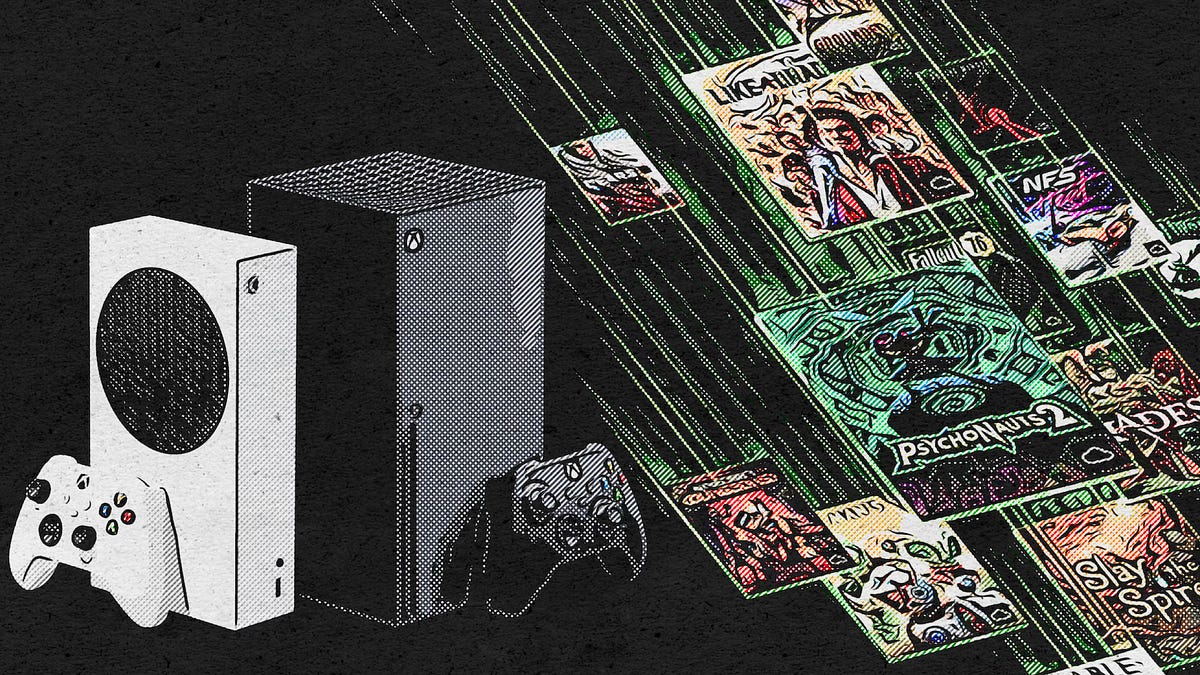
The global games industry is entering a pivotal transition year as it prepares for a new console generation defined by a more diversified audience and shifting business models. Unlike previous cycles focused primarily on hardware power, the current era is characterized by a move toward digital services, subscription-based "buffet-style" gaming, and lower-entry price points. This evolution mirrors the mobile industry, where platform holders must offer multiple device tiers and bundled content to remain competitive against high-quality mobile and PC substitutes.
The competitive landscape is expanding as non-endemic tech giants like Google, Facebook, and Amazon enter the cloud gaming space, while major third-party publishers seek vertical integration to bypass traditional retailers. This shift is occurring against a backdrop of significant macroeconomic and regulatory risks. Trade tensions between the U.S. and China, coupled with the volatility introduced by the coronavirus pandemic, threaten global supply chains and hardware releases. While some firms like Tencent and NetEase have seen short-term engagement spikes due to regional lockdowns, these disruptions may ultimately serve as a catalyst for broader economic corrections and product cancellations.
Industry success is increasingly tied to social platform dynamics rather than singular software hits. This is evidenced by the high valuation of platforms like Roblox, which functions as a social network for younger demographics, and the strategic pivot of Riot Games toward a multi-title portfolio. To sustain long-term growth, the console segment must overcome cultural resistance to advertising and brand integration. Failure to adopt indirect revenue models and diversify beyond traditional "blockbuster" sales may result in a market contraction similar to the historical disruption of Hollywood by broadcast television.