Riot
Company
Documents about Riot

Trust Nobody
The release of the Impostors game mode within Fortnite serves as a case study for the growing power imbalance in the video game industry.
- Epic Games released a new Fortnite mode called Impostors that is a direct clone of the game Among Us, which was developed by the small studio Innersloth without any prior collaboration or communication.
- The release of Impostors highlights a power imbalance in the industry where large corporations like Epic Games utilize their scale to replicate the successful mechanics of smaller, independent developers.
- People Can Fly reported that the game Outriders has yet to generate profit for the developer, despite publisher Square Enix reporting 3.5 million launch players and the title's inclusion on Game Pass.
DFEH Alleges Riot Stalled Workplace Culture Investigation and Discouraged Employees from Reporting Harassment
The provided text covers two distinct developments involving Riot Games, focusing on legal and corporate challenges within the gaming industry.
- In 2022, Riot Games proposed a $250–500 million acquisition of Intrepid Studios, the developer of the MMORPG Ashes of Creation, but the deal was blocked by an investor.
- The California Department of Fair Employment and Housing (DFEH) filed a 2021 court petition alleging that Riot Games obstructed a workplace culture investigation by stalling the production of documents and discouraging employee cooperation.
- The DFEH alleged that Riot’s severance and settlement agreements contained language that discouraged employees from speaking candidly with government agencies about harassment, a claim Riot denied.
Riot Games’ Mobile Revenue Crosses $100 Million
Riot Games has successfully expanded its footprint into the mobile gaming sector, with cumulative global revenue across its mobile portfolio surpassing $100 million.
- Riot Games has surpassed $100 million in total mobile revenue across its portfolio of titles including Teamfight Tactics, Legends of Runeterra, and League of Legends: Wild Rift.
- League of Legends: Wild Rift is the primary revenue driver, generating nearly $65 million in revenue and 46.3 million downloads since its October 2020 release.
- Teamfight Tactics has accumulated approximately $28 million in revenue with over 15 million lifetime downloads, while Legends of Runeterra has generated $16.2 million.
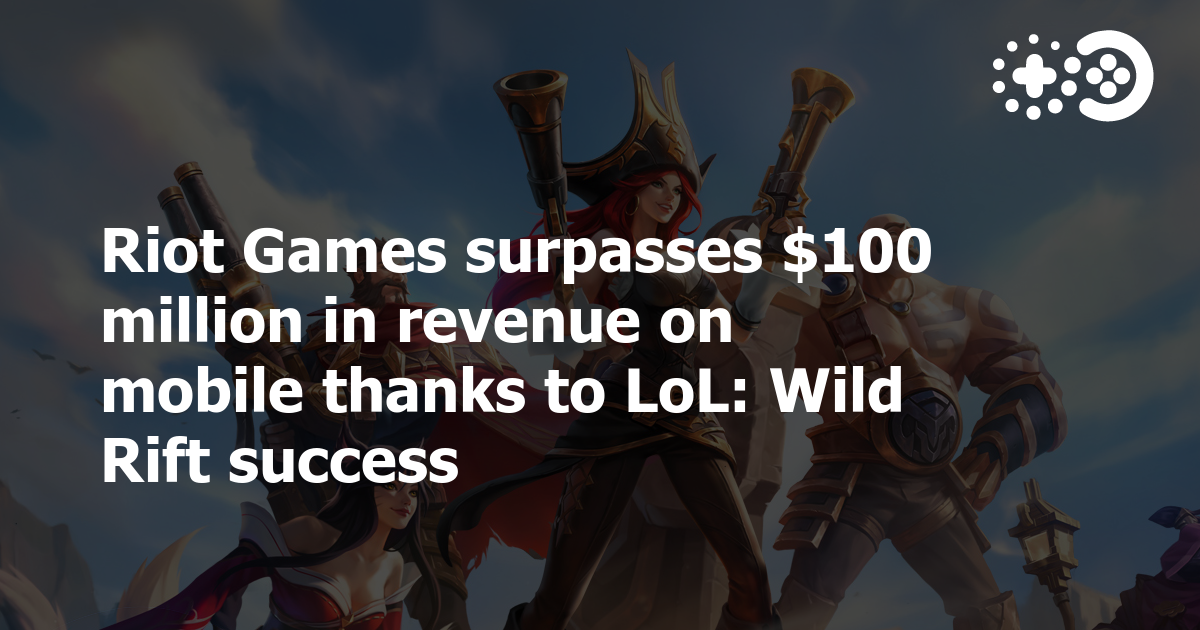
Riot Games Surpasses $100 Million in Revenue on Mobile
The mobile gaming industry has experienced significant shifts in monetization strategies and revenue performance, as evidenced by data from Sensor Tower.
- Riot Games surpassed $100 million in mobile revenue across three titles, with League of Legends: Wild Rift accounting for 60% of that total ($64.7 million) as of July 2021.
- In 2025, mobile game advertising revenue across 19 major markets exceeded $12 billion, with 2.4 trillion total ad impressions served.
- The share of mobile games utilizing ad monetization increased from 45.1% in July 2021 to 55.6% by May 2026, amid stagnation in in-app purchase (IAP) revenue.

League of Legends Player Count, Revenue, & Stats
League of Legends maintains a dominant position in the global multiplayer online battle arena market, leveraging a massive, cyclical player base to drive consistent financial performance.
- League of Legends maintains a PC player base of approximately 2.88 million monthly active users and 304,000 daily active users as of early 2025.
- The PC title generates over $271 million in total revenue, yielding an average revenue per daily active user (ARPDAU) of $0.47.
- New player retention remains a critical challenge for the PC version, with only 4% of users remaining active after the first month.

4 Big Discovery Takeaways From 'not-E3'
This analysis examines the shifting landscape of game discovery following the 2022 "not-E3" season, a period characterized by a decentralized array of digital showcases in the absence of a traditional E3 event.
- The 2022 'not-E3' season saw 568 game trailers released, signaling a permanent shift toward a decentralized, direct-to-consumer discovery model over traditional physical trade shows.
- Steam emerged as a primary beneficiary of the decentralized landscape by aligning its Next Fest with third-party announcements to capture high user interest.
- Developers must treat non-platform showcases as 'pay-to-play' investments, with costs ranging from hundreds to six figures, and should evaluate ROI based on specific Steam wishlist growth.

Game Makers Change Tune About Ads
The video game industry is undergoing a significant shift in its business model, moving away from a historical aversion to advertising toward a strategy that embraces it as a primary revenue stream.
- The gaming industry is pivoting toward advertising as a primary revenue stream to offset rising development costs and monetize non-paying users in free-to-play titles.
- King demonstrated the financial viability of this shift by reporting over 50% year-over-year growth in advertising earnings during 2020.
- Zynga generated $117 million in ad revenue during the fourth quarter of 2020, highlighting the scale of potential income beyond traditional microtransactions.

2021 Predictions: Contenders Throwdown for Supercell's Mid-Core Crown
The mobile strategy gaming sector experienced a significant transformation in 2020, generating $5 billion in net revenue and achieving a 21% increase in in-app purchase growth.
- Lilith is positioned to surpass Supercell in global mid-core revenue by the end of Q1 2021, driven by strong performance in its strategy portfolio and upcoming title launches.
- Supercell has experienced five consecutive years of revenue decline, with its 2020 growth largely dependent on the China launch of Brawl Stars, which saw a 90% drop in monthly run-rate shortly after release.
- The 4X strategy sub-genre remains the largest in the mid-core category, generating $3.3 billion in revenue with 31% year-over-year growth and accounting for one-third of the total mid-core market.

Vacation-Based Dividends: Time Off in the Games Industry
The games industry operates on a seasonal cadence driven by major events and product deliverables, yet many organizations fail to align their labor practices with these natural fluctuations.
- Institutionalizing time off as a predictable dividend rather than a reactive measure is essential for retaining the highly specialized talent whose departure can cause eighteen-month recruitment and training setbacks.
- Major publishers like Riot Games and Epic Games have historically implemented company-wide breaks only as reactive responses to intense expansion or public scrutiny regarding crunch culture.
- Rapid valuation growth, such as Epic Games tripling its value to nearly $18 billion in two years, frequently leads to management errors that prioritize scale over employee well-being.

Big Tech Sucks at Gaming: Can Amazon, Google, Facebook, and Apple Disrupt the Video Games Market?
The global video games market, valued at $130 billion with over two billion active players, has become a primary target for expansion by major technology firms including Amazon, Google, Facebook, and Apple.
- Big Tech firms (Amazon, Google, Facebook, and Apple) generate $20 billion in gaming revenue, capturing only 3% of their total operations and trailing incumbents Sony and Microsoft, who command $31 billion in the sector.
- The gaming industry’s reliance on complex multiplayer ecosystems and network effects renders the traditional Big Tech strategy of buying platform exclusivity less effective than it was for music or film.
- Amazon has faced significant setbacks, including the failure of its major title Crucible and stagnant growth at Twitch, while Google’s Stadia lost its first-mover advantage in the cloud gaming market.
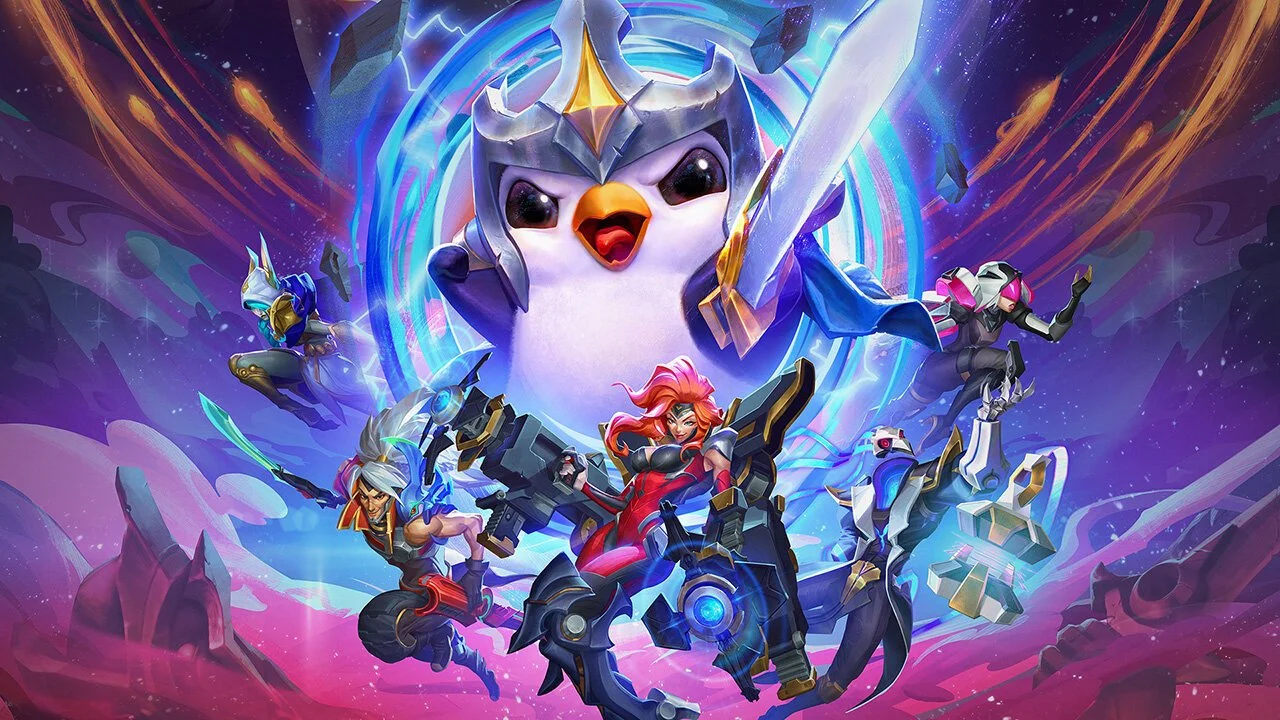
How Riot Can Turn Teamfight Tactics Into a Billion Dollar Game
Teamfight Tactics (TFT) faces a significant monetization challenge, as its current revenue performance is considered underwhelming relative to its player base.
- As of July 2020, Team Fight Tactics (TFT) had reached 11 million installs, with 20% from Korea and 15% from the US, but generated only $0.43 in revenue per download.
- Riot’s commitment to a 'player-first' brand that avoids pay-to-win mechanics and excessive monetization creates a significant challenge for scaling revenue in a game that requires heavy investment.
- The game's high level of complexity, driven by randomness and deep metagame mechanics like Class and Origin set bonuses, makes it difficult to monetize through traditional stat-based progression without alienating the core player base.

Video Game Industry Impact: California
The video game industry serves as a significant economic engine within California, fostering a robust ecosystem of development, innovation, and employment.
- California’s video game industry generates over $51.7 billion in annual economic output for the state.
- The local video game ecosystem in California supports a total of 218,090 jobs.
- There are more than 619 video game company locations operating within California.