This analysis examines the shifting landscape of game discovery following the 2022 "not-E3" season, a period characterized by a decentralized array of digital showcases in the absence of a traditional E3 event. The primary thesis suggests that while the volume of content has reached overwhelming levels—with 568 game trailers released across various shows—the industry is successfully transitioning from a media-filtered landscape to a direct-to-consumer environment.
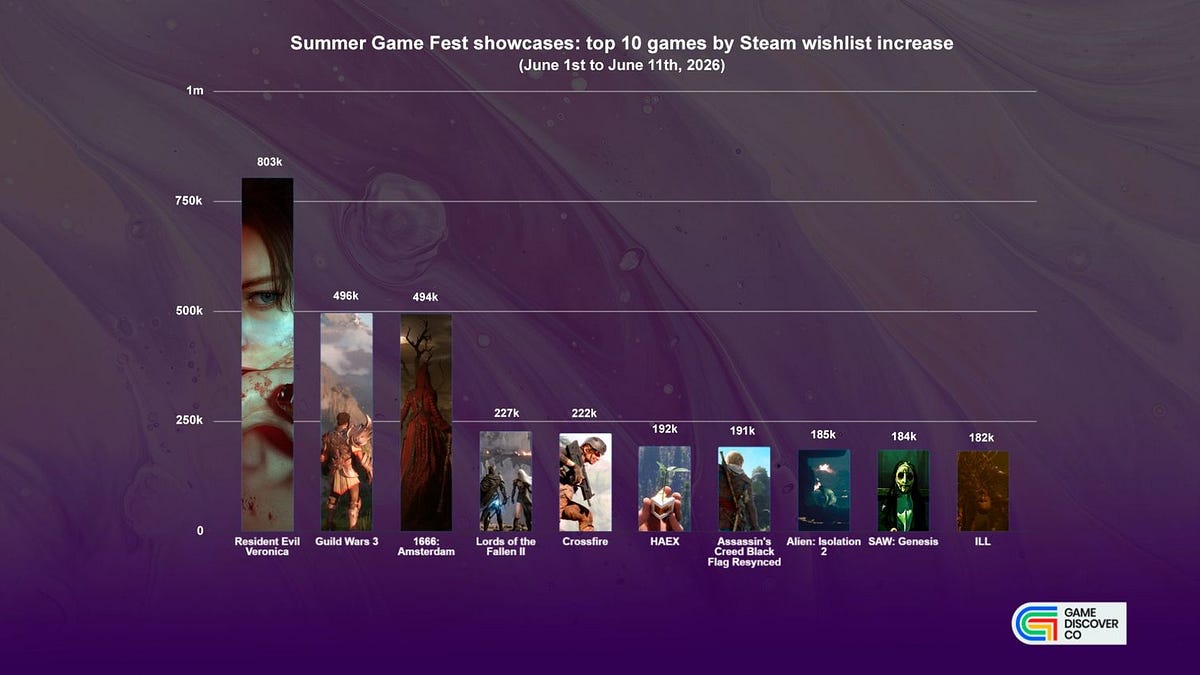
Key findings indicate that participation in these showcases remains highly valuable for developers due to the "marketing beat" effect and platform-specific visibility, such as the Steam Summer Game Announcements hub. However, the report cautions that many non-platform showcases are "pay-to-play," with costs ranging from hundreds to six figures, requiring developers to carefully calculate the return on investment through Steam wishlist growth. The data suggests a move away from massive, expensive physical trade shows toward intimate, high-reach influencer events like Summer Game Fest Play Days, which offer better publisher ROI.
The scope of the analysis covers major platform holders and industry segments during the June 2022 period. Xbox received high marks for a cohesive Game Pass-centric strategy and expansionary deals with Riot Games, while PlayStation focused on a multiplatform State of Play and its live-service pivot. Steam emerged as a significant winner by leveraging the timing of its Next Fest to capture interest from third-party announcements. Conversely, the document notes financial volatility for mid-tier publishers like Devolver Digital and significant geopolitical investments in the sector, such as the $1 billion Saudi Arabian investment in Embracer Group.
The methodology relies on qualitative industry observation and quantitative data from E3Recap and Steam performance metrics. Ultimately, the findings suggest that the digital "not-E3" space is becoming a permanent, freeform fixture of the industry, where success is defined by long-term ecosystem health rather than winning a single physical event.
GameDiscoverCo · 2026
GameDiscoverCo · 2026
GameDiscoverCo · 2026
GameDiscoverCo · 2026
GameDiscoverCo · 2026
GameDiscoverCo · 2026
GameDiscoverCo · 2026
GameDiscoverCo · 2026
GameDiscoverCo · 2026
GameDiscoverCo · 2026
GameDiscoverCo · 2026
GameDiscoverCo · 2026
Ubisoft · 2026
GameAnalytics · 2026
Newzoo · 2026
Newzoo · 2026
Aream & Co · 2026
Epyllion · 2026
Epyllion · 2026
Aream & Co · 2025
Aream & Co · 2025
Newzoo · 2025
Rokky · 2025
Epyllion · 2025