Alliance
Company
Documents about Alliance

European Key Facts: 2025
The European video game industry serves as a primary economic engine, supporting 123,000 jobs and generating €30 billion in mobile revenue alone during 2025.
- The European video game industry supports 123,000 jobs and generated €30 billion in mobile revenue in 2025.
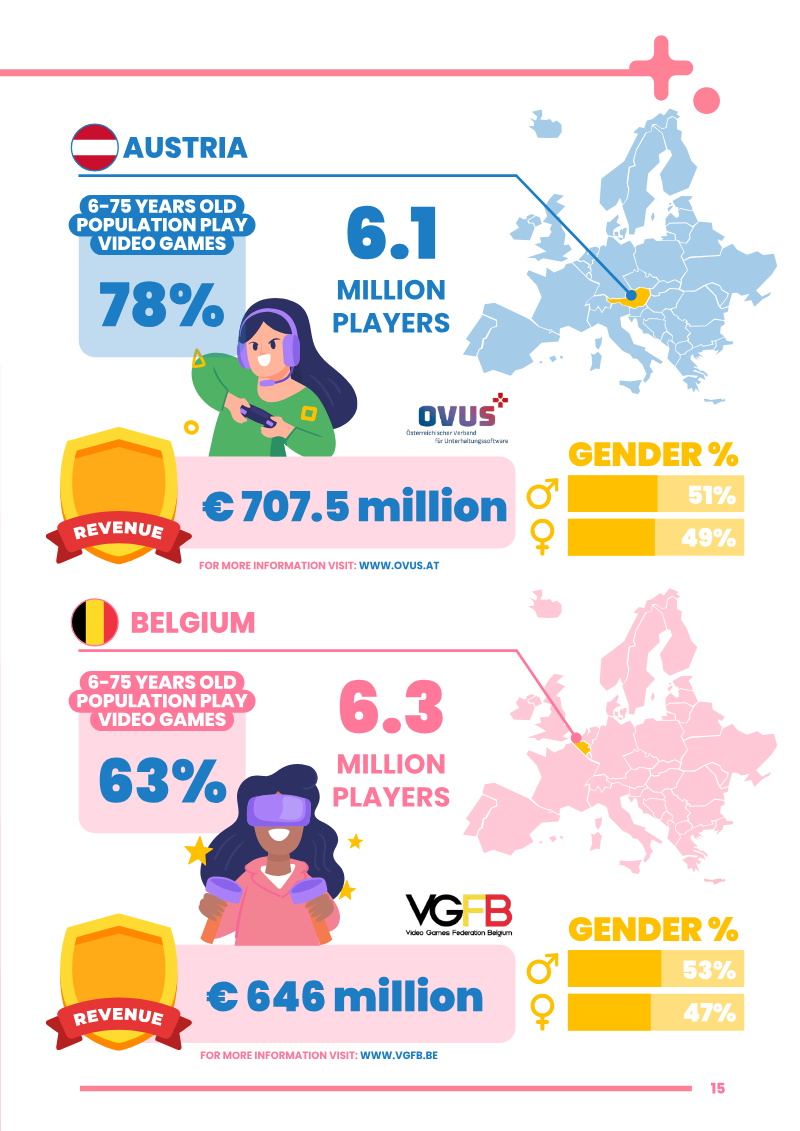
- The sector reaches 199 million players across 16 nations, with women accounting for 46 percent of the total player base.
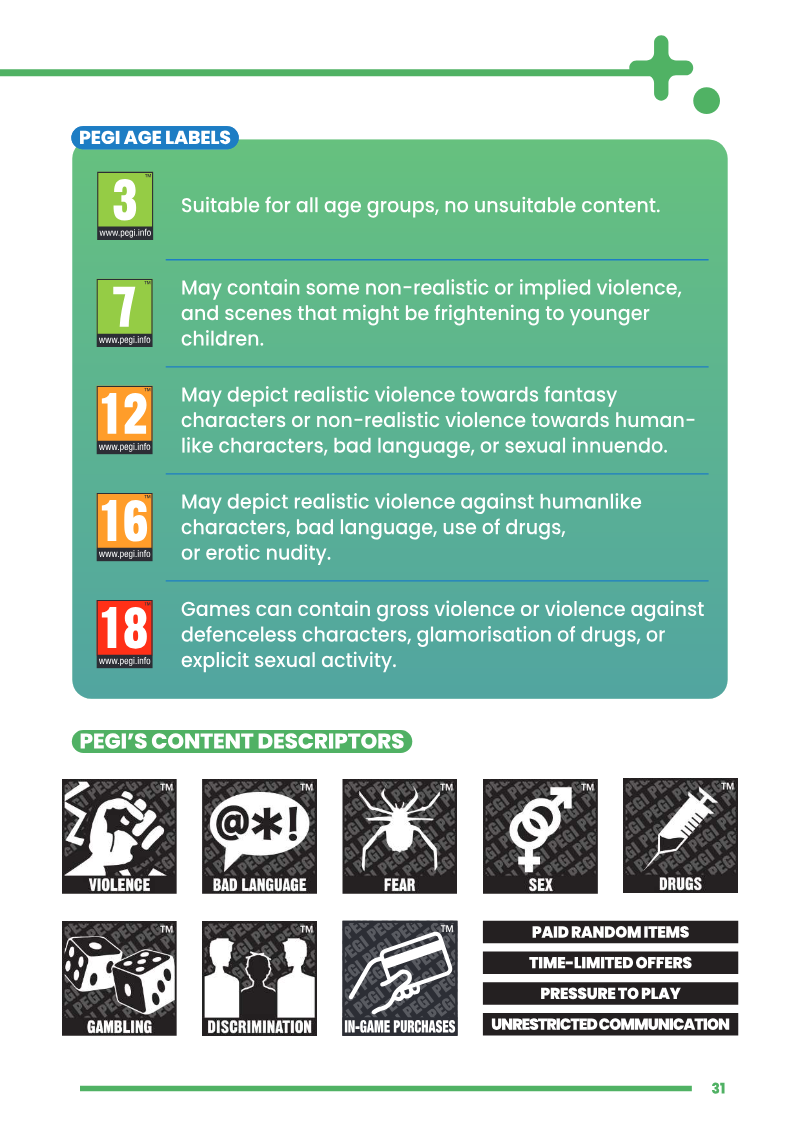
- PEGI will implement reforms in 2026 to regulate paid random items, time-limited offers, and unrestricted communication, with potential fines for non-compliance reaching €500,000.

2021 State of the Industry Report
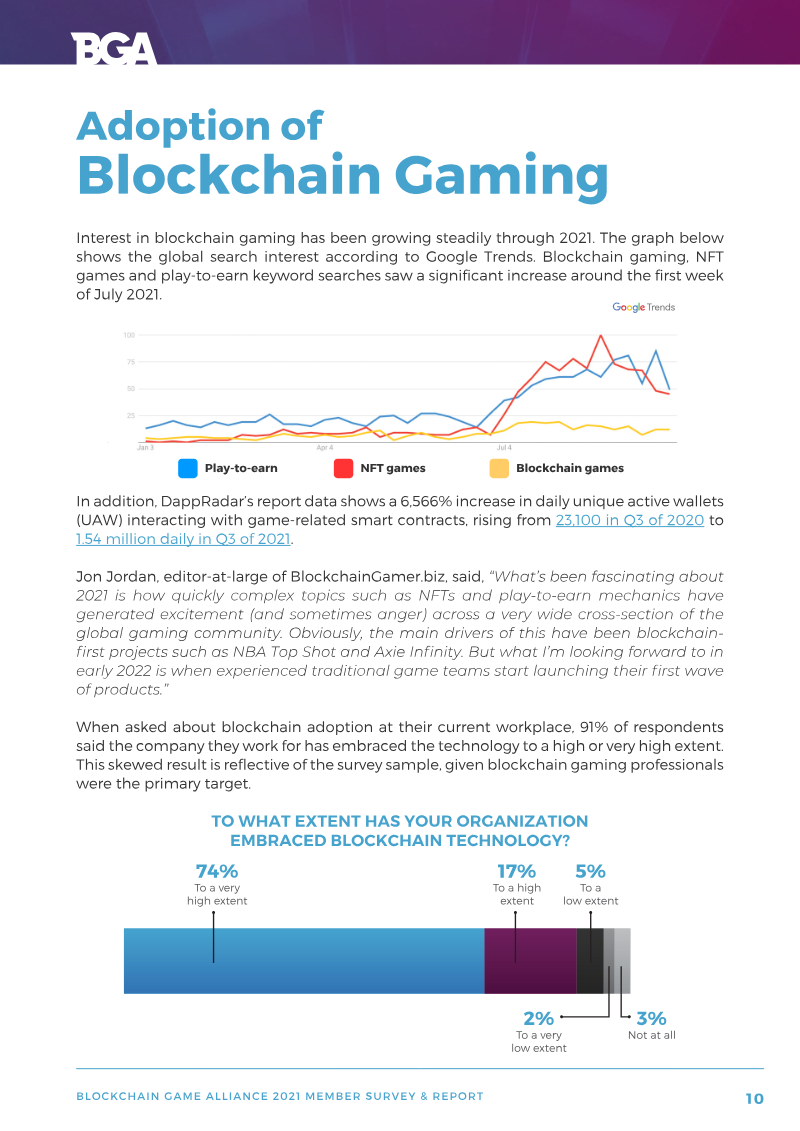
The blockchain gaming sector experienced a transformative period of expansion throughout 2021, characterized by a 186% increase in membership within the Blockchain Game Alliance and a staggering 6,566% surge in daily unique active wallets.
- Blockchain gaming experienced explosive growth in 2021, marked by a 6,566% surge in daily unique active wallets and $4 billion in venture capital investment.
- Play-to-earn mechanics and digital ownership drove significant adoption, accounting for 50% of all blockchain decentralized application usage.
- 83% of industry stakeholders identify user experience and gameplay quality as the most critical factors for long-term viability, signaling a shift away from purely financial incentives.

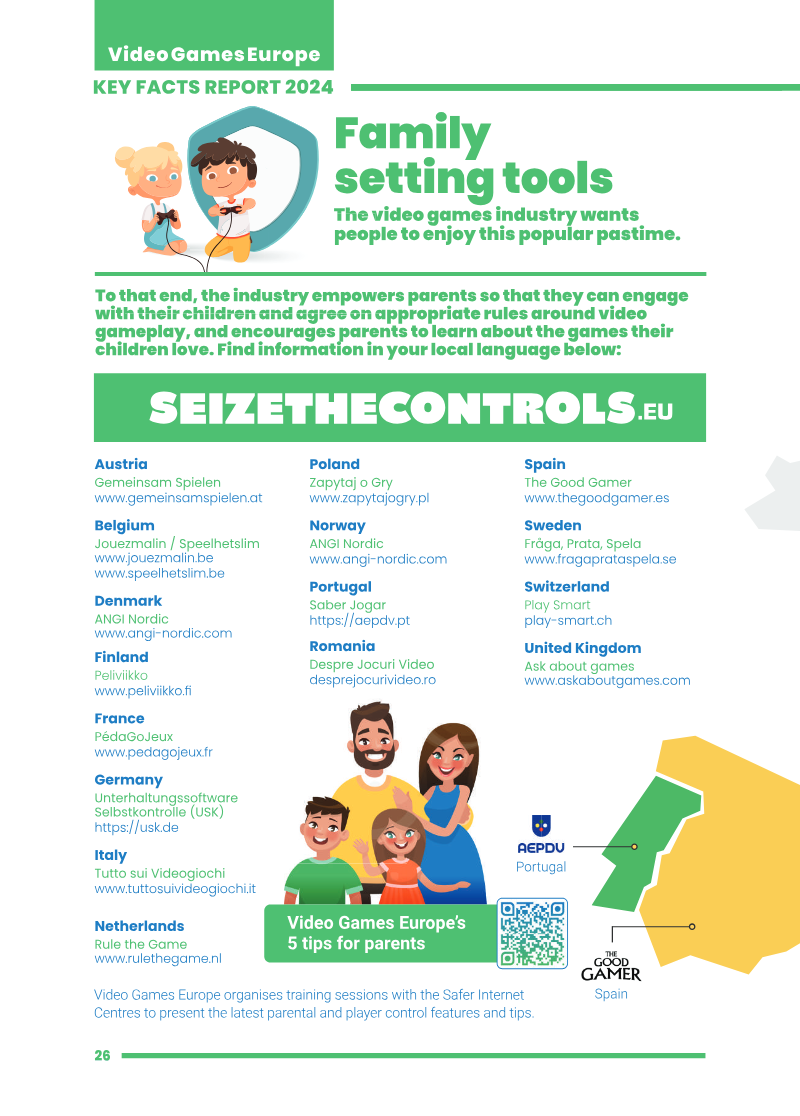

European Key Facts 2024: Video Games
The European video games industry represents a high-growth strategic sector that generated €26.8 billion in revenue in 2024, with digital channels accounting for 90% of all sales.
- The European video games industry generated €26.8 billion in 2024, with digital channels accounting for 90% of total sales.
- The sector supports 116,000 professionals across 6,000 studios and serves 127 million players, representing 54% of the European population.
- Mobile gaming is the primary platform in the region, utilized by 71% of the total player base.
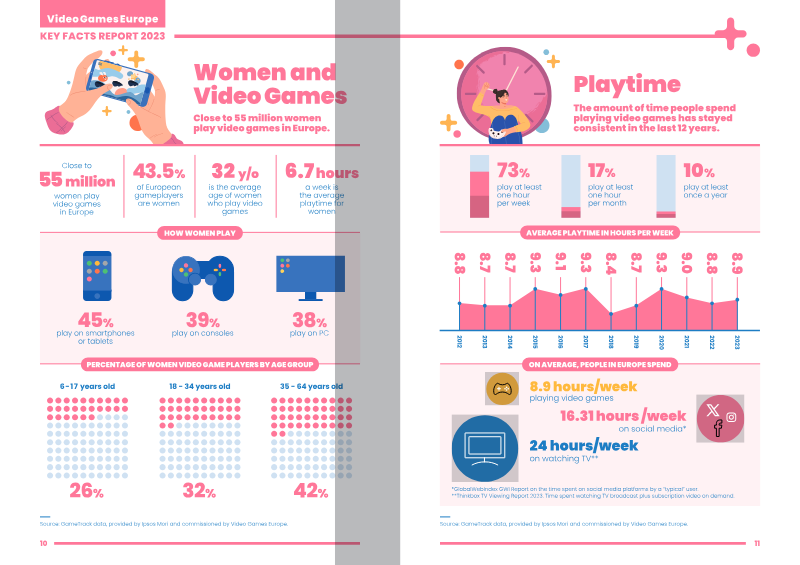


European Key Facts 2023: Video Games Industry
The European video games industry is a significant cultural and economic driver, characterized by steady growth and a commitment to responsible gameplay.
- The European video games industry generated €25.7 billion in revenue in 2023, representing a 5% year-on-year growth.
- The sector employs 115,000 people across Europe, with 90,000 of those roles based within the EU.
- Video games reach 53% of the European population aged 6–64, with an average player age of 31.4 years, 75% adult representation, and 43.5% female participation.

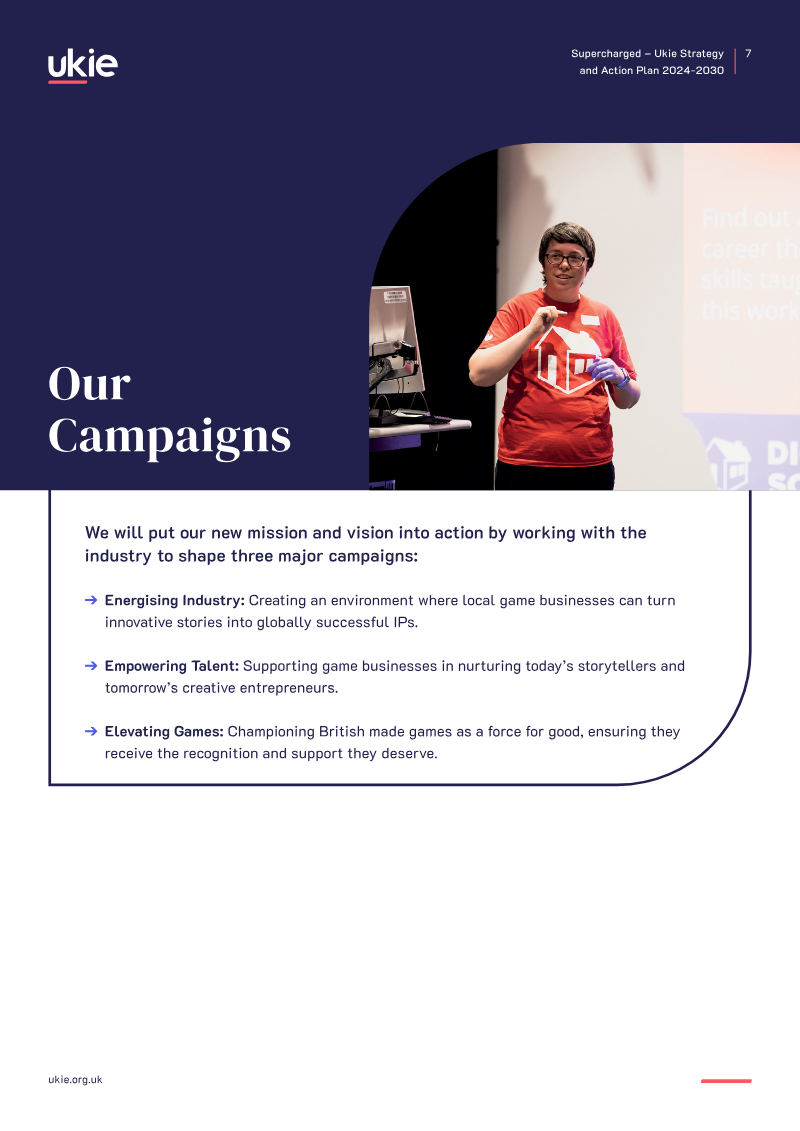

Supercharged: Powering the Future of the UK Video Game and Interactive Entertainment Industry
The new five-year strategy and action plan sets out a comprehensive roadmap for the UK video-games and interactive-entertainment sector, positioning it as the world’s leading hub for new intellectual property and innovation by 2030.
- The UK video game industry has launched a five-year strategy aiming to establish the nation as the global leader in intellectual property and innovation by 2030.
- The 2024-25 action plan prioritizes lobbying for more competitive tax reliefs, increased investment, and the introduction of a Digital Creativity GCSE.
- Strategic efforts to strengthen the workforce include the expansion of the #RaiseTheGame diversity, equity, and inclusion programme and the creation of a sector-wide skills network.
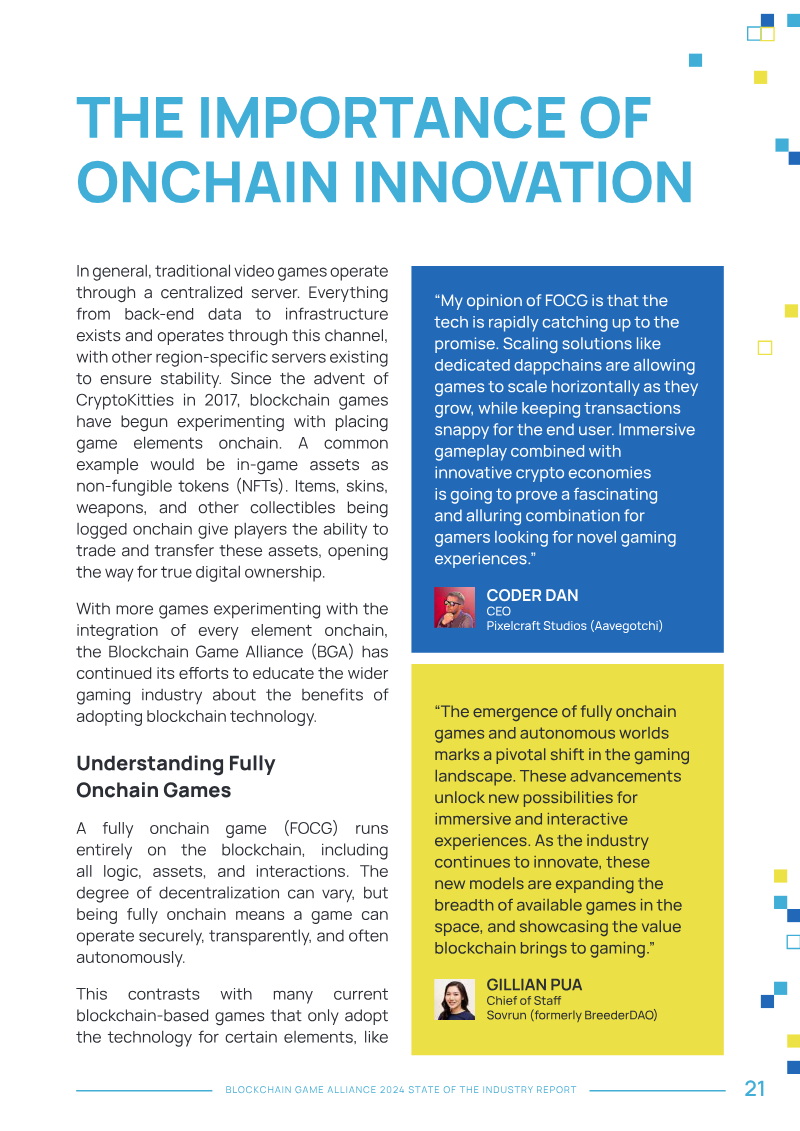


Blockchain Game Alliance: State of the Industry 2024
The blockchain gaming sector is entering a phase of maturation characterized by a strategic pivot from speculative financial models toward high-quality, "fun-first" development.
- The blockchain gaming industry is shifting from speculative models to 'fun-first' development, with 71% of professionals identifying player asset ownership as the primary value proposition.
- Mainstream adoption is being driven by the entry of traditional giants like Sony and Ubisoft, though 66.3% of practitioners still cite public perceptions of scams as a significant barrier.
- Operational barriers like onboarding complexity and poor user experience remain the top hurdles to mainstream growth, despite a notable decrease in the severity of these concerns since 2023.


Video Games Europe: Contribution on Ecodesign for Sustainable Products
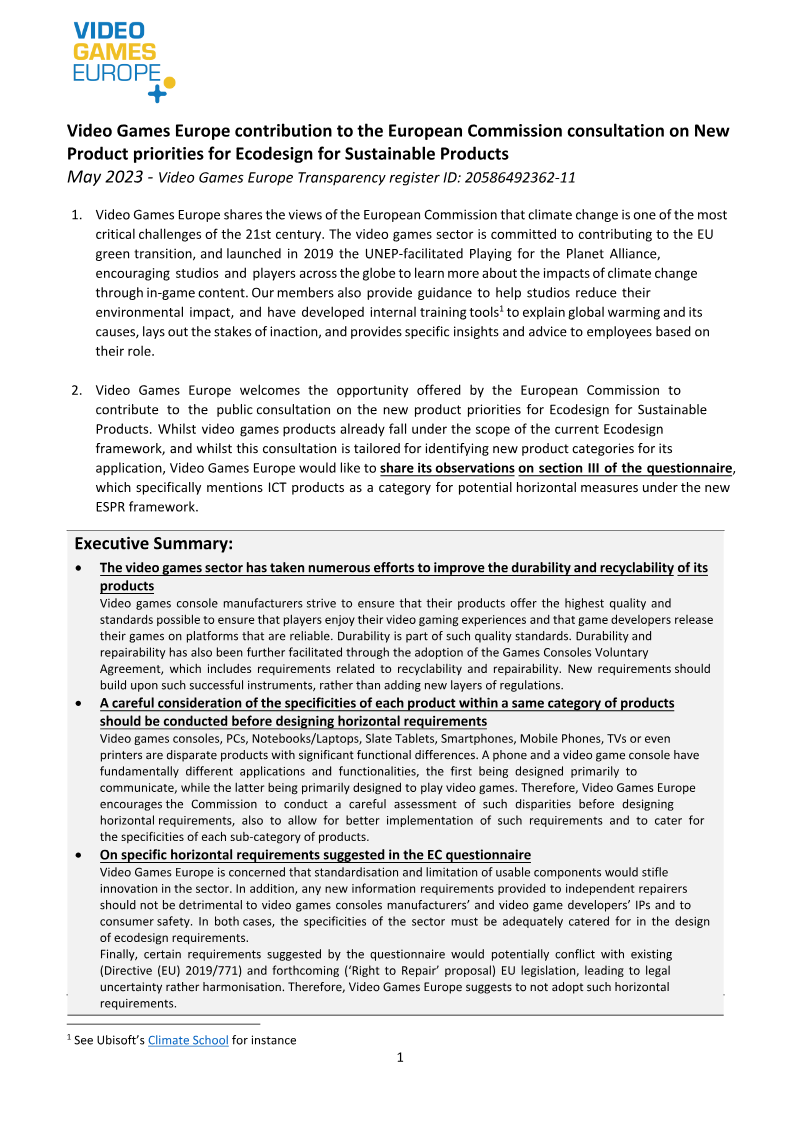
The submission aims to shape the European Commission’s new ecodesign priorities by presenting the video-games sector’s perspective on durability, repairability and the risks of imposing uniform horizontal requirements across ICT products.
- The European video game industry, comprising 5,000 studios and 98,000 employees, generated a €23.3 billion turnover in 2021 while serving over 135 million players.
- The industry argues against uniform horizontal ecodesign regulations, asserting that the functional and technical diversity of ICT devices like consoles, PCs, and smartphones makes a one-size-fits-all approach impractical.
- Existing frameworks, such as the Games Console Voluntary Agreement and the UNEP-facilitated Playing for the Planet Alliance, already address resource efficiency, recyclability, and out-of-warranty repair provisions.


Video Games Europe: Position on the Green Transition Consumer Directive
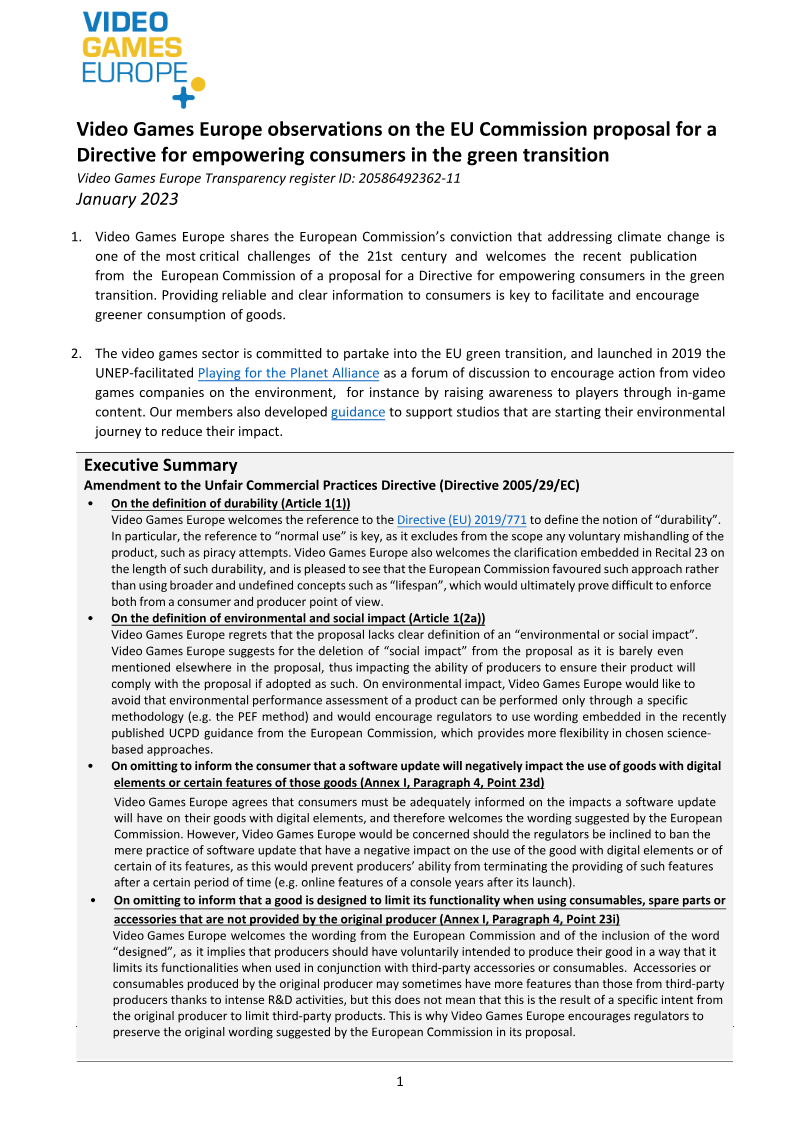
The text articulates Video Games Europe’s response to the European Commission’s proposal for a Directive that would empower consumers in the green transition, emphasizing the sector’s commitment to sustainability while seeking regulatory clarity.
- The European video games sector, representing a €23.3 billion industry with 90,000 employees and 250 million players, is actively lobbying to shape the EU's Green Transition Consumer Directive.
- Video Games Europe supports the two-year commercial guarantee benchmark and the EU 2019/771 definition of 'durability,' which protects manufacturers from liability regarding piracy-related damage.
- The industry opposes a blanket ban on software updates that reduce functionality, arguing that such restrictions could hinder legitimate service termination and inadvertently increase energy consumption.


Benefits of Video Games in K-12 Education
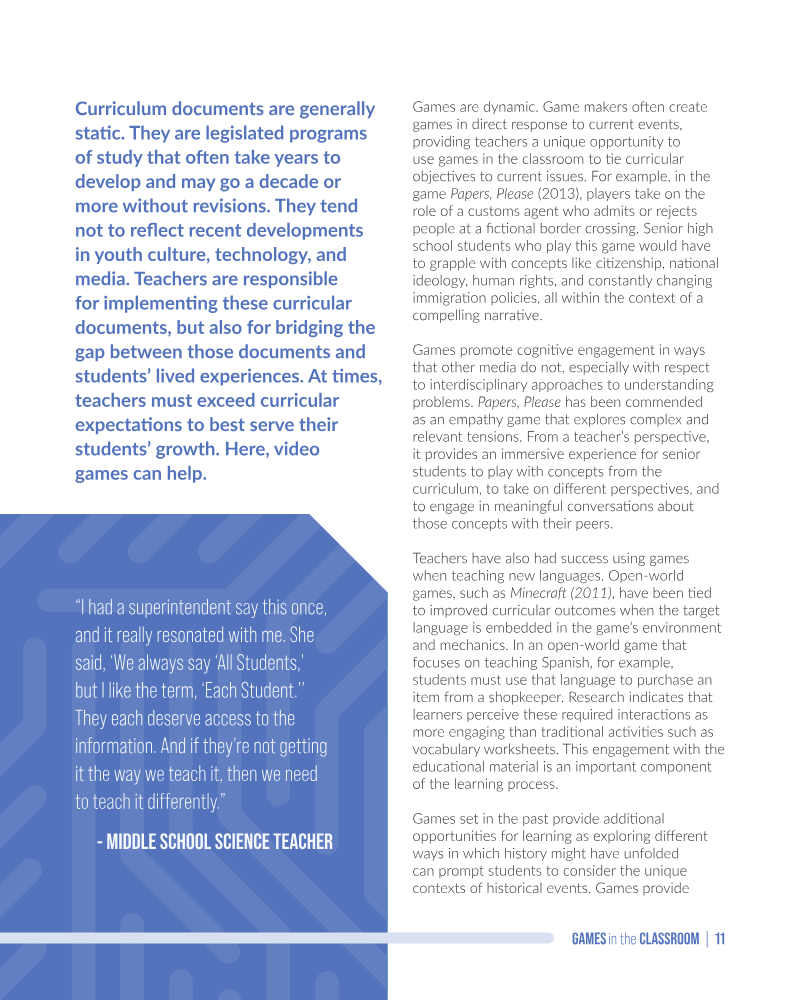
Video games function as transformative pedagogical tools within K-12 education, shifting students from passive recipients of information to active participants in their own learning processes.
- Video games shift K-12 students from passive information recipients to active participants, fostering critical thinking, complex problem-solving, and resilience.
- Effective implementation requires strategic pedagogical integration rather than superficial gamification, utilizing short-form game segments aligned with specific learning objectives.
- Game-based learning accommodates diverse learning styles and provides personalized pacing, bridging the gap between rigid academic standards and student experiences.

Rovio Sustainability Report 2025
The Rovio Sustainability Report 2025 outlines the company’s voluntary environmental, social, and governance performance for the fiscal period spanning April 1, 2025, to March 31, 2026.
- Rovio reported a total carbon footprint of 20,980 tons of CO2e for the fiscal period ending March 31, 2026, with Scope 3 emissions representing 98.6% of that total.
- The company expanded its carbon accounting to include downstream emissions from initial game downloads, a change that improved data coverage but prevented direct year-over-year comparisons.
- Rovio maintains a workforce of 508 employees across six global locations and reports an adjusted gender pay gap of 1.4%.

Playing for the Planet: Untangling the Carbon Complexities of the Video Gaming Industry
The analysis demonstrates that the video-gaming sector remains fragmented in its approach to carbon accounting, with only a minority of companies—12 out of 222 surveyed—committed to science-based targets.
- Only 12 out of 222 surveyed gaming companies have committed to science-based carbon reduction targets, highlighting a significant industry-wide gap in formal climate accountability.
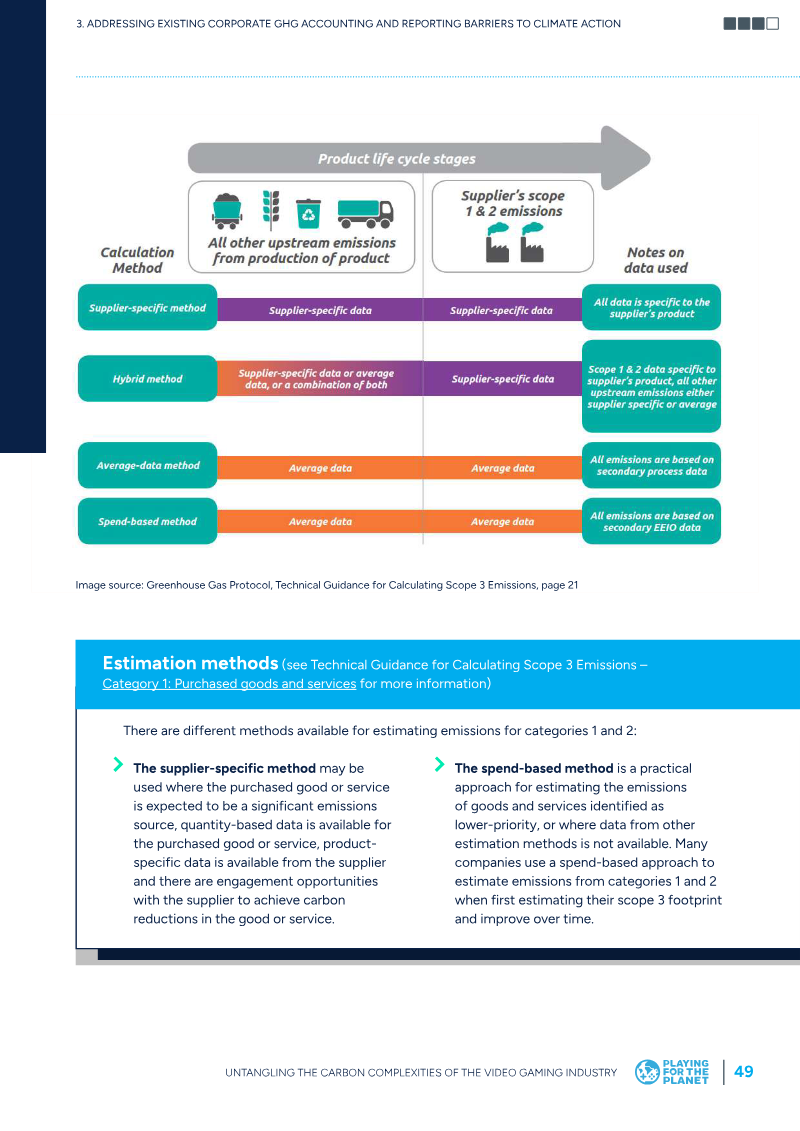
- Scope 3 emissions—specifically purchased goods (Category 1) and the use of sold products (Category 11)—represent the dominant share of the industry's total carbon footprint.
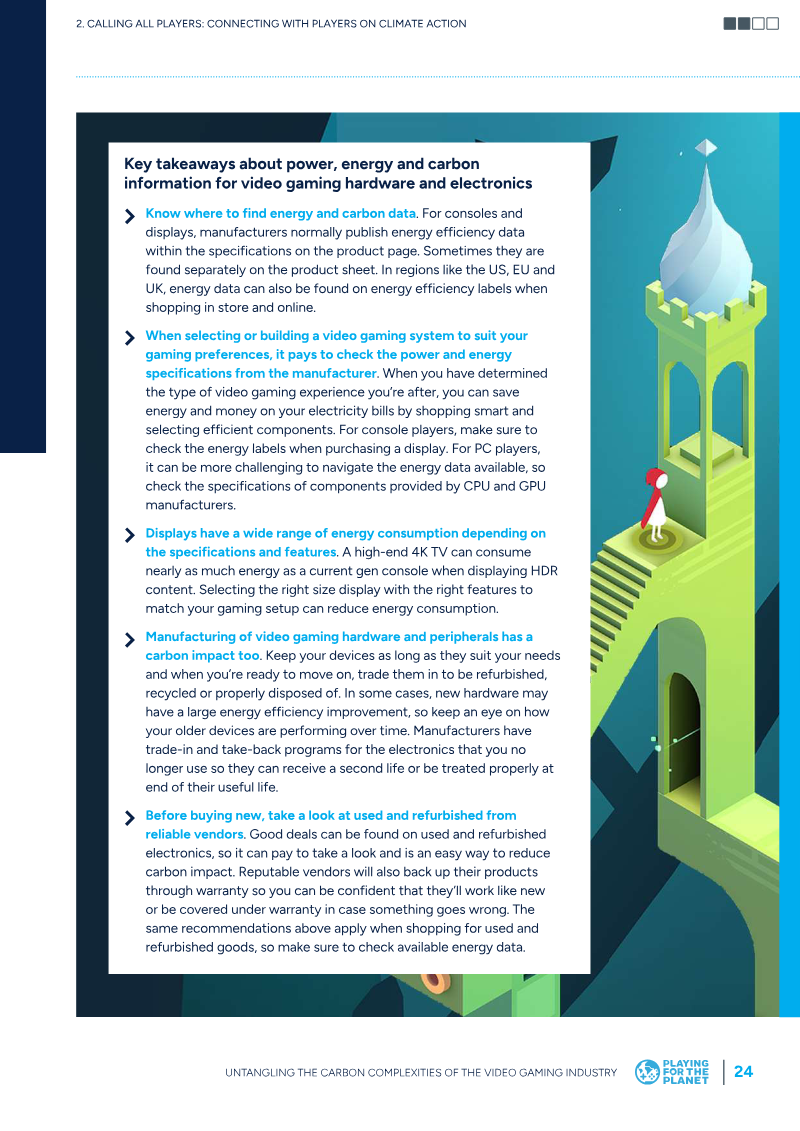
- Energy consumption during gameplay varies significantly by hardware, with current-generation consoles drawing 150–200W and PCs reaching up to 300W, compared to only a few watts for mobile devices.