2015
Company
Documents about 2015
Clash of Clans Grossed $727 Million in 2019
Supercell’s mobile strategy title, Clash of Clans, experienced a significant financial resurgence in 2019, generating $727 million in global revenue.
- Clash of Clans generated $727 million in global revenue in 2019, marking a 27% increase over the $572 million earned in 2018.
- The 2019 performance represents the first year-over-year revenue growth for the title since 2015.
- The introduction of the $4.99 monthly 'Gold Pass' in April 2019 was the primary driver for the revenue turnaround.
Unreal Engine and the Epic Ecosystem
The Epic Games ecosystem centers on the philosophy that the company’s success is intrinsically linked to the success of its developers.
- Unreal Engine operates on a royalty-based business model where developers pay a 5% fee only after their projects achieve commercial success, following a shift to free access in 2015.
- The Epic Games Store supports the ecosystem by charging a reduced 12% commission, while the Unreal Marketplace provides a revenue stream for creators through a catalog of over 9,000 products.
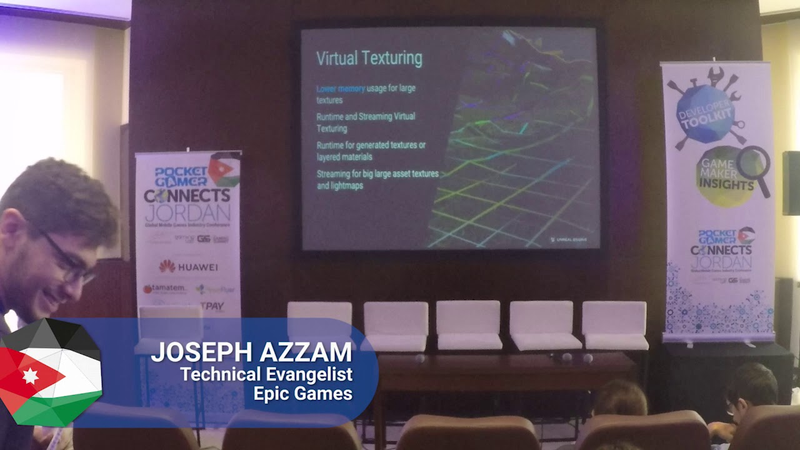
- Epic Games uses Fortnite as a live testing ground to develop and refine engine features like the Chaos physics engine, real-time ray tracing, and virtual texturing.
The Evolutionary Logic of Childhood in Retro Game Design
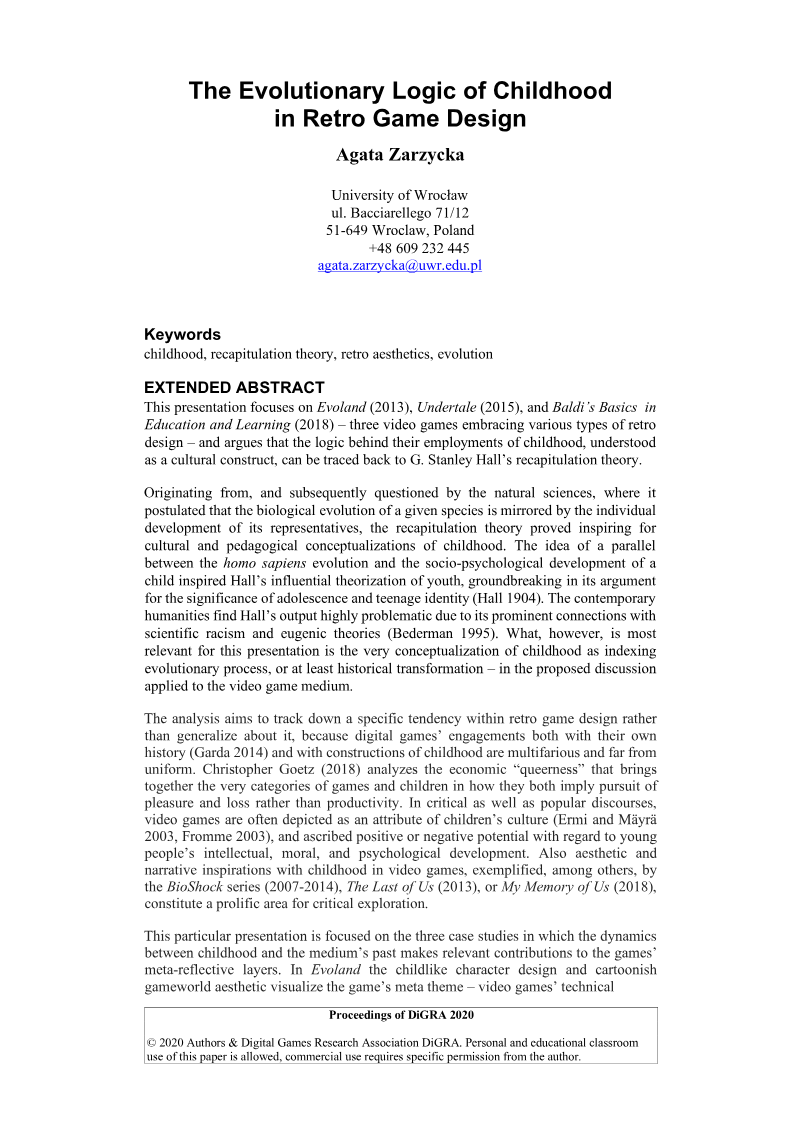
This paper examines how three retro-style video games, Evoland (2013), Undertale (2015), and Baldi's Basics in Education and Learning (2018), employ constructions of childhood as a vehicle for meta-reflection on the history of the video game medium.
- The paper argues that three retro-style games, Evoland (2013), Undertale (2015), and Baldi's Basics in Education and Learning (2018), use constructions of childhood as a vehicle for meta-reflection on the history of the video game medium.
- The central argument traces this use of childhood to G. Stanley Hall's recapitulation theory, which holds that individual development mirrors the evolutionary development of a species.
- Evoland uses childlike character design to parallel the protagonist's expanding abilities with the medium's technical maturation, while Undertale ironically contrasts its pacifist, narrative-driven design with the combative conventions of earlier games.
Living on Twitch: An Ethnography of Fatigue
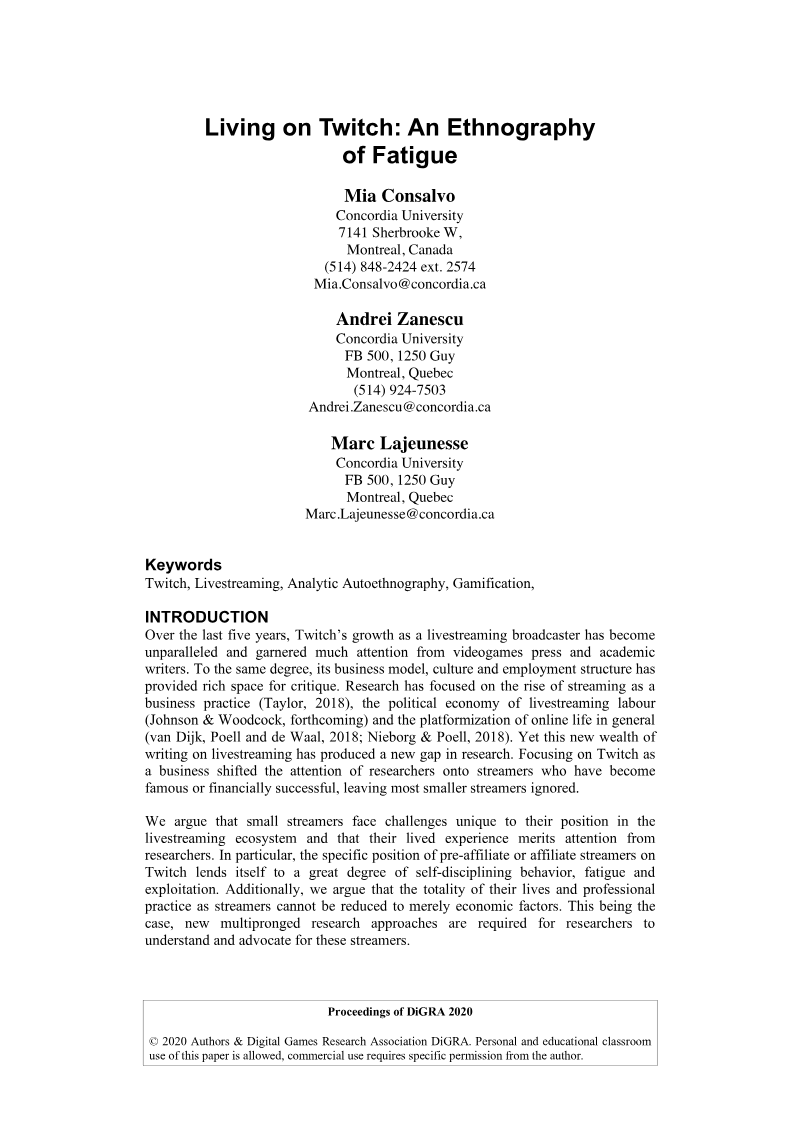
This paper examines the lived experience of small Twitch streamers, particularly those in pre-affiliate and affiliate positions who sit between hobbyist and professional status.
- Small Twitch streamers in pre-affiliate and affiliate positions, who sit between hobbyist and professional status, have been largely overlooked by academic research, which has focused on famous or financially successful streamers.
- Fatigue is the central recurring theme: most participants described escalating, persistent exhaustion driven by affiliate and partnership requirements that demand growing time and energy investment for approval.
- Twitch's Achievements system, introduced in 2017, quantifies and reinforces consistent work schedules, which the authors identify as a mechanism intensifying streamers' pressures.
Working Through Weightlessness in Postwar Japanese Tactical Wargames
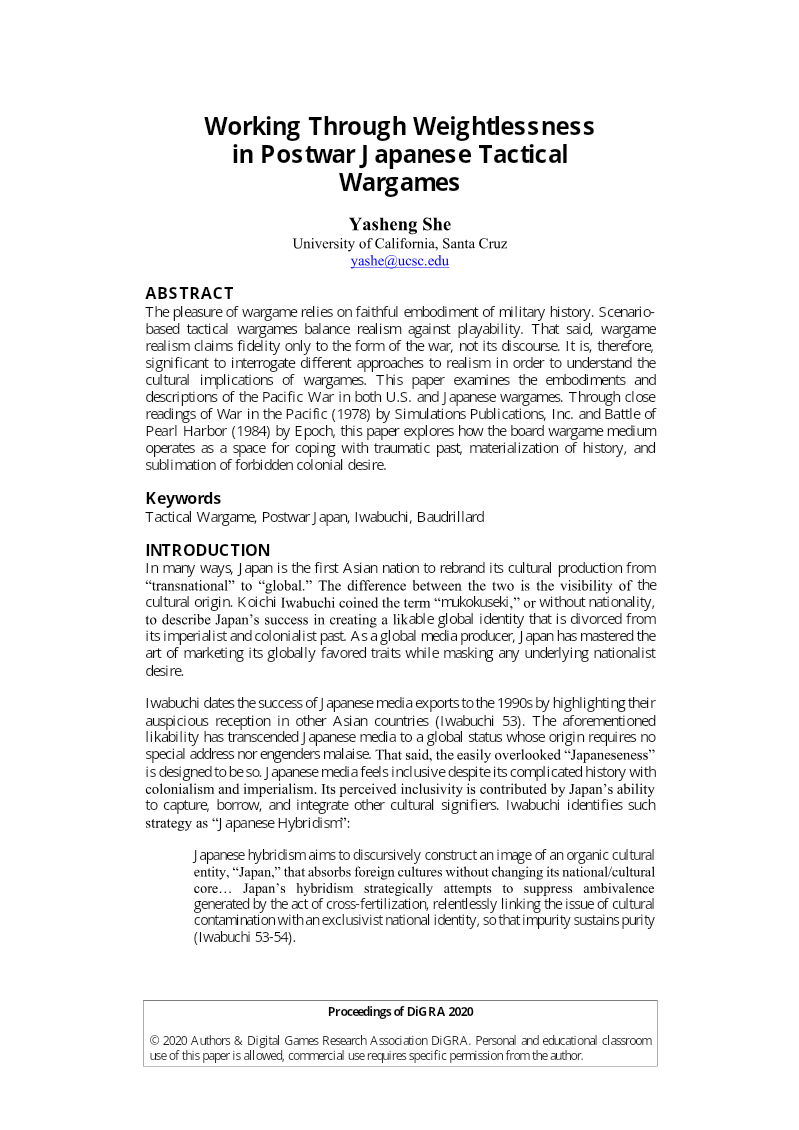
Postwar Japanese tactical wargames, the document contends, use the medium's apparent "weightlessness" to sublimate Japan's colonial and wartime past into socially acceptable forms of play.
- The paper argues that tactical wargames work as a sublimation of libido, in the Lacanian sense, that must be socially recognizable, letting players 'master' war without violating shared social values; it treats wargame realism as a simulacrum in which play is 'weightless'.
- Using close readings of SPI's War in the Pacific (1978) and Epoch's Battle of Pearl Harbor (1984), the author contends that Japanese and U.S. wargames embody the Pacific War differently, with Japanese postwar identity shaped by suppressed trauma and a 'what if' alternative history of Pearl Harbor.
- Hobby Japan published several SPI wargames, including War in the Pacific, in Japan, while Epoch (founded 1958) entered the wargame craze in the late 1970s and early 1980s after observing Hobby Japan's success.

Photogrammetry for Game Environments 2014-2019: What Happened Since The Vanishing of Ethan Carter
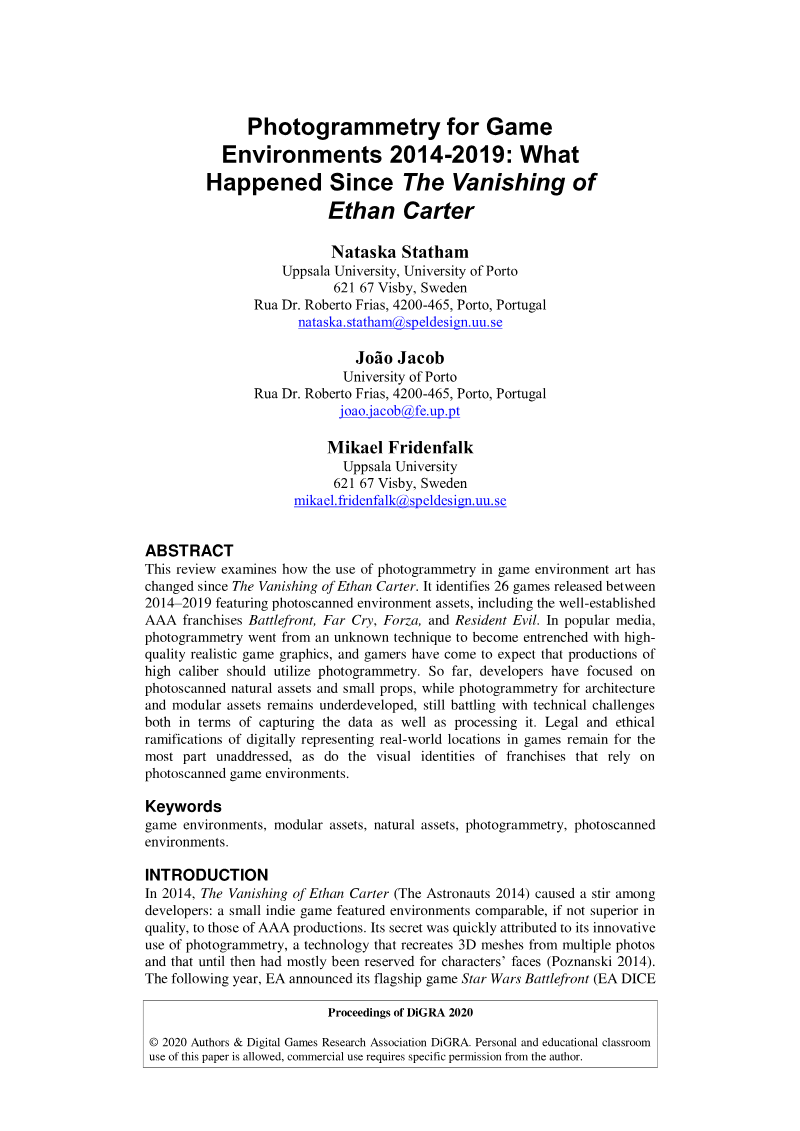
Between 2014 and 2019, photogrammetry in game development moved from an experimental practice to a standardized, team-based workflow, and the document traces this maturation across 26 published games plus seven in development.
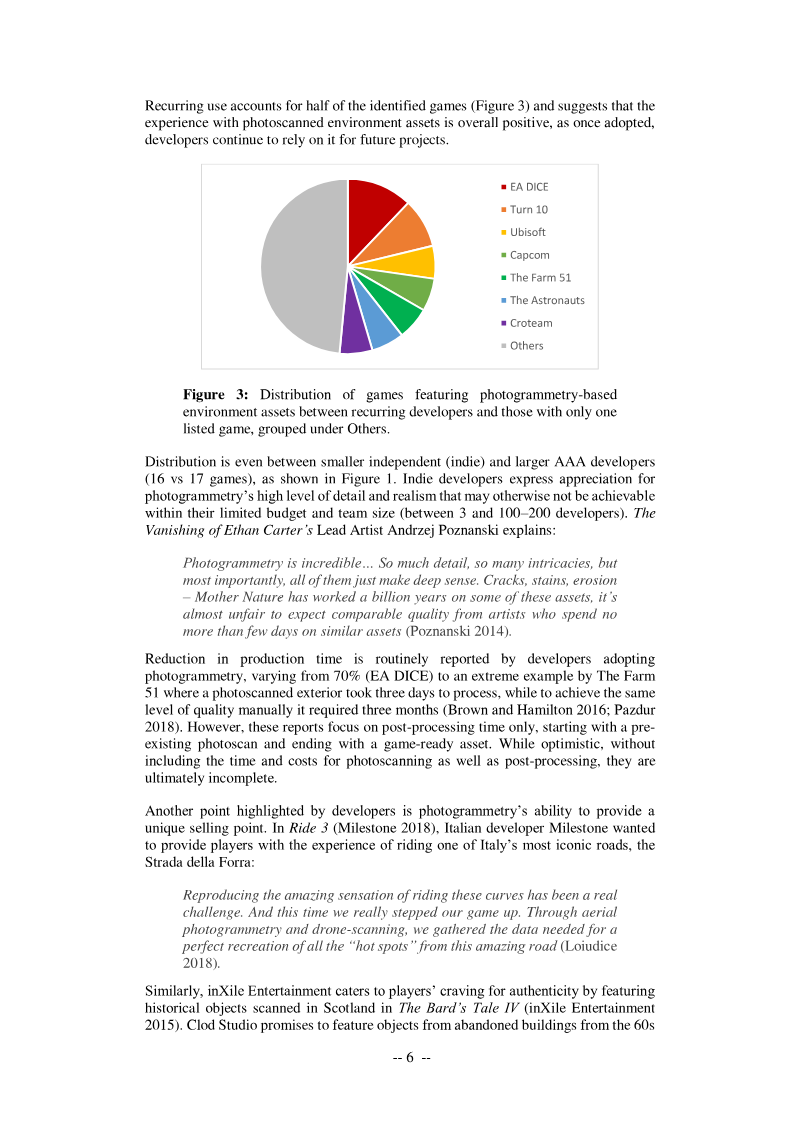
- Between 2014 and 2019, photogrammetry in game development moved from experimental practice to a standardized, team-based workflow, examined across 26 published games plus seven in development, with indie and AAA developers roughly evenly represented.
- Adoption grew sharply after 2017, and developers consistently report gains in detail and realism plus reduced production time, though those savings typically exclude the costs of scanning and processing.
- Photogrammetry is concentrated in natural assets such as landscapes, vegetation, and rocks, while man-made environments and modular assets are rarely scanned and architecture is mostly limited to small structures and key locations.
Manual on International Cooperation for BSR-Wide Game Business Development
The Baltic Game Industry (BGI) project's manual argues that the Baltic Sea Region (BSR) game industry can grow through international cooperation among game incubators.
- The global game market is rapidly growing, with China leading in consumer spending, followed by the US and Japan. European countries, with smaller home markets, must focus on global markets, necessitating internationalization in game incubation.
- International cooperation is crucial for game incubators to stay updated on trends, tools, and opportunities, requiring resources like travel to events and partners, supported by sustainable business models or public funding.
- The Game Camps project (2017-2020), funded by Interreg Central Baltic, fostered cross-border startups by bringing together over 250 game enthusiasts from Finland, Sweden, Estonia, and Latvia, resulting in four new startups and support for over 15 existing ones.


Slovak Game Industry Annual Report 2020/2021
Slovakia's game industry is young, fragmented, and growing, and the 2020/2021 annual report maps it through statistics, company profiles, and a survey of the surrounding support ecosystem.
- Slovak game development includes studios like Tater Games (founded 2019, 7 employees, released Nunu Spirits, Cyber Forge), Atomic Realm (founded 2019, 4 employees, released Magnet Run, developing Squabble), and Fatbot Games (founded 2015, 6 employees, released Vaporum).
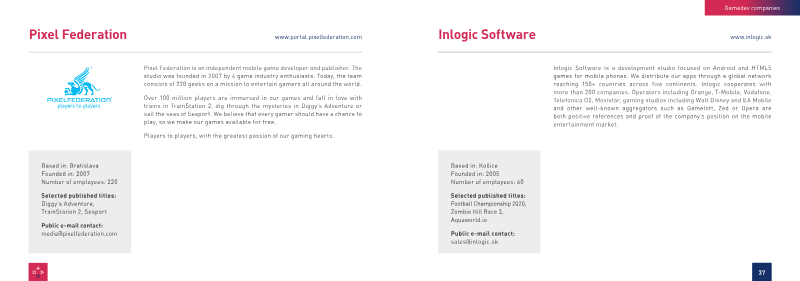
- Larger studios include Pixel Federation (founded 2007, 220 employees, titles like Diggy's Adventure, TrainStation 2) and Inlogic (founded 2005, 60 employees, titles like Football Championship 2020, Zombie Hill Race 3).
- Several studios focus on specific niches: Incidental Minds (founded 2018, 6 employees) develops 2D illustrated story-driven and strategic games, while Neutraworks (founded 2018, 6 employees) is an independent studio.
Games Monitor: The Netherlands 2020 Update – COVID Impact
The Games Monitor 2020 Update is a short interim assessment of the Dutch video games industry, produced by Dutch Game Garden with the Dutch Games Association between full editions (2012, 2015, 2018; the next is due in 2022).
- The Dutch video game industry grew from 575 companies in 2018 to 615 by the end of 2020, supporting approximately 4,000 total jobs.
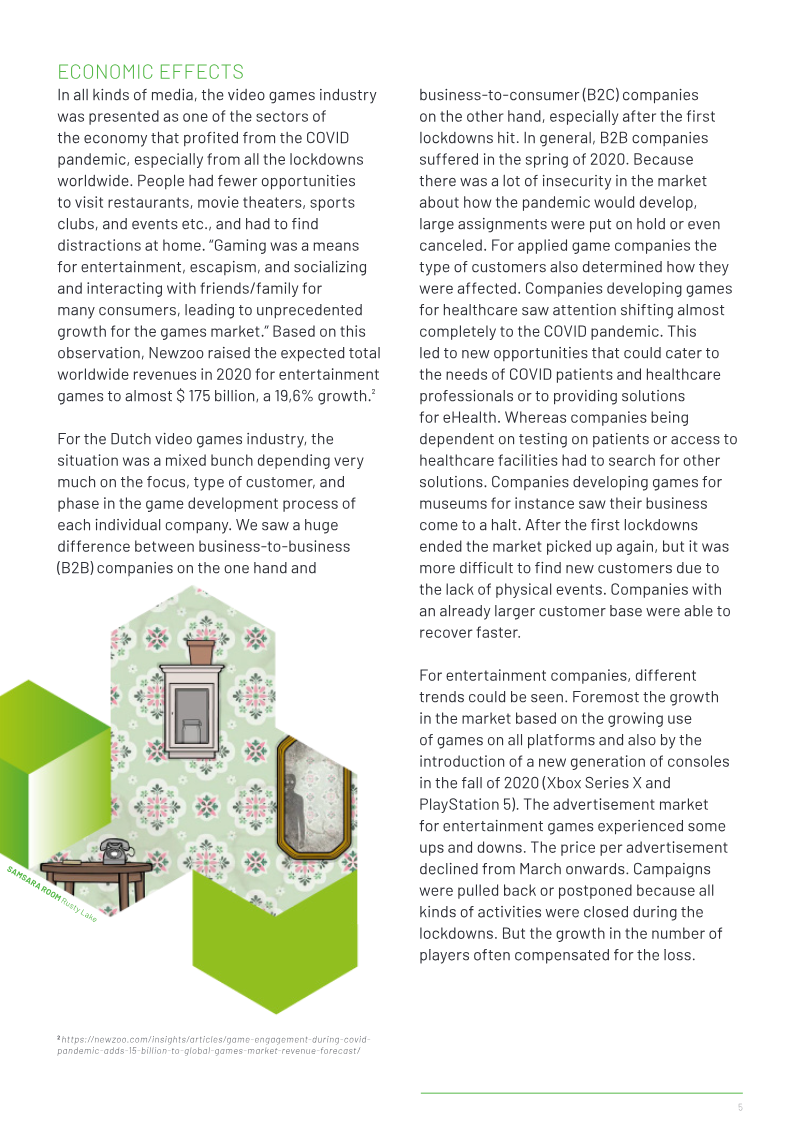
- B2C entertainment developers experienced increased consumer demand during the pandemic, while B2B and applied game developers faced project cancellations and delays.
- Operational productivity remained stable despite the transition to remote work, though nearly 50% of industry professionals reported increased stress levels.

Game Developer Index: Sweden 2020
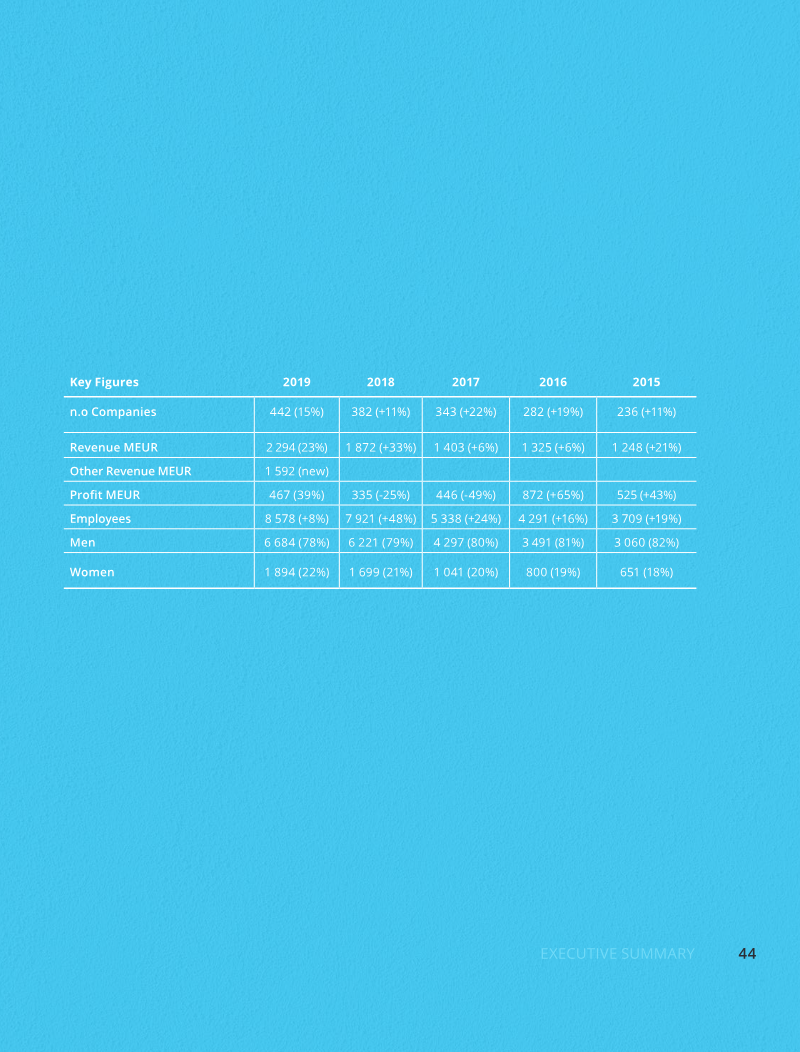
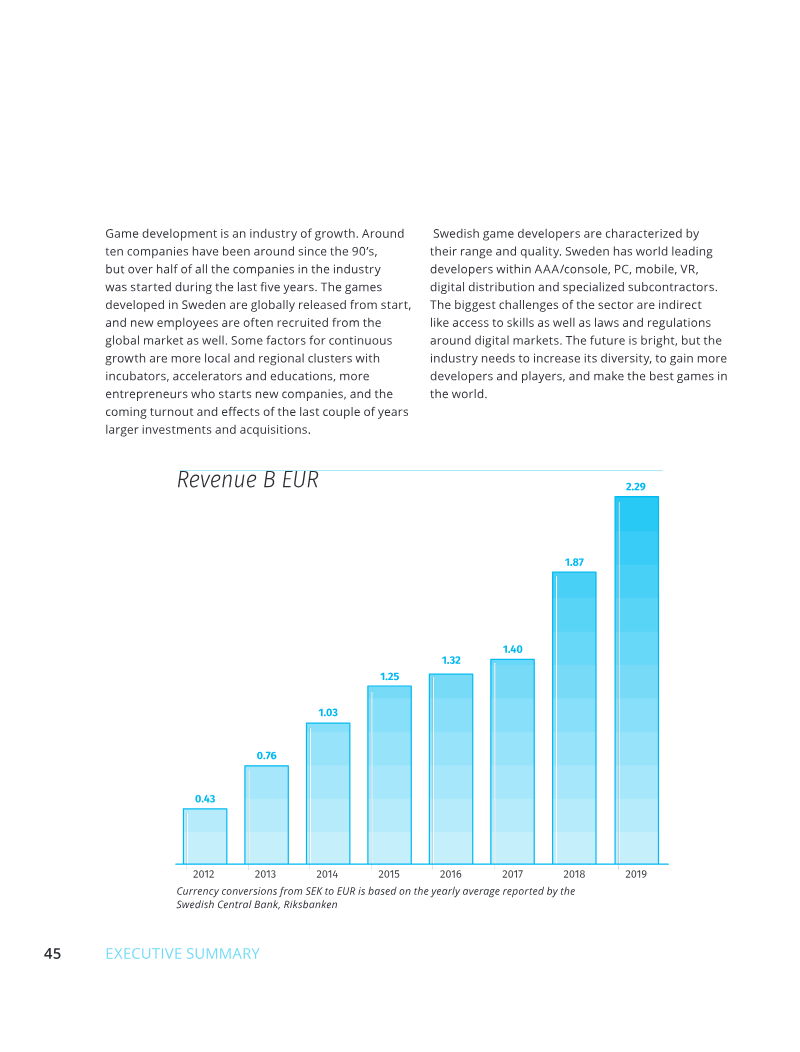
The 2020 Game Developer Index compiles the annual accounts of Swedish game developers to assess the sector's performance and international trends, focusing on the most recently reported business year, 2019.
- The Swedish game industry generated EUR 2.29 billion in revenue in 2019, marking a 23 percent year-over-year increase and the eleventh consecutive year of sector-wide profitability.
- Investment activity surged significantly, with 39 transactions totaling over EUR 400 million in 2019, followed by 21 transactions valued at EUR 1 billion between January and October 2020.
- The industry workforce grew to 8,578 full-time positions by the end of 2019, with 5,599 of those employees based in Sweden and women representing 22 percent of the total headcount.

From Symbolism to Realism: Physical and Imaginary Video Game Spaces in Historical Aspects
This study examines how the physical and imaginary spaces of video games have developed from early symbolic representations toward increasingly realistic and detailed worlds.
- The study argues that video game spaces evolved from abstract, symbolic settings in early titles like Spacewar!, Space Invaders, and Asteroids toward increasingly realistic, continuous, and detailed worlds, a shift tied to technological advancement.
- The analysis frames early game spaces as simplified 'allegories of space' in the sense described by Espen Aarseth, relying heavily on player imagination to fill in what the graphics did not show.
- Key milestones in the trajectory include the flip-screen technique in Adventure and Gravitar, the side-scrolling and off-screen virtual space introduced by Defender (1980/1981), the 2D era of Super Mario Bros. (1985) and Contra (1988), the pseudo-3D of Wolfenstein and Doom, and the true 3D turn of Super Mario 64 on the Nintendo 64.
Nation(alism), Identity and Video Gaming
The document is a special issue of an academic journal titled Nation(alism), Identity and Video Gaming, edited by Lisa Kienzl and Kathrin Trattner and published in 2019.
- The report is a 2019 special issue of an academic journal, edited by Lisa Kienzl and Kathrin Trattner, examining how video games construct and contest national identity, cultural heritage, and ideology across multiple national and cultural contexts.
- Its central case study is Sarah Zaidan, Richard Pilbeam, and Elin Carstensdottir's analysis of From Software's 2015 action role-playing game Bloodborne, which uses Western Gothic iconography in a fictional Victorian-style city to explore Japanese concerns such as ultranationalism, xenophobia, and historical revisionism.
- The authors argue that Bloodborne deliberately sets the Gothic and the Weird, two opposing horror traditions, in tension rather than fusing them, drawing on the work of H. P. Lovecraft and China Mieville for the Weird.