2015
Company
Documents about 2015
Tencent, Playtika and SuperPlay shenanigans, further Google Play changes. Monopoly Go, MTG, more
The mobile games industry is currently navigating significant shifts in corporate ownership, platform accessibility, and market performance.
- Google has dropped its requirement for a 'registered app stores' program, allowing third-party app stores like the Epic Games Store to operate directly within the Google Play Store as of late July 2024.
- Tencent is reportedly in talks to acquire Superplay, the developer of Dice Dreams and Domino Dreams, for up to $1.5 billion following the studio's significant performance growth under Playtika.
- MTG reported Q2 group revenue of $306 million with a 24% profit margin, driven by Raid: Shadow Legends, which earned $111 million, while direct-to-consumer revenue grew to 38% of total group income.

Newly Funded Companies Announced: UK Games Fund
The UK Games Fund has announced its largest cohort of funded companies since its inception in 2015, marking a significant expansion in support for the nation’s independent games sector.
- The UK Games Fund has secured an additional £28.5 million in government funding to support the independent games sector over the next three years.
- The UK Games Fund announced its largest cohort of funded companies since its inception in 2015, following a strong response to the reopened Prototype Fund.
- The 33 newly funded companies include studios such as Toyumi, Draknek & Friends, Kaizen Game Works, Team Folon, and Perchang.
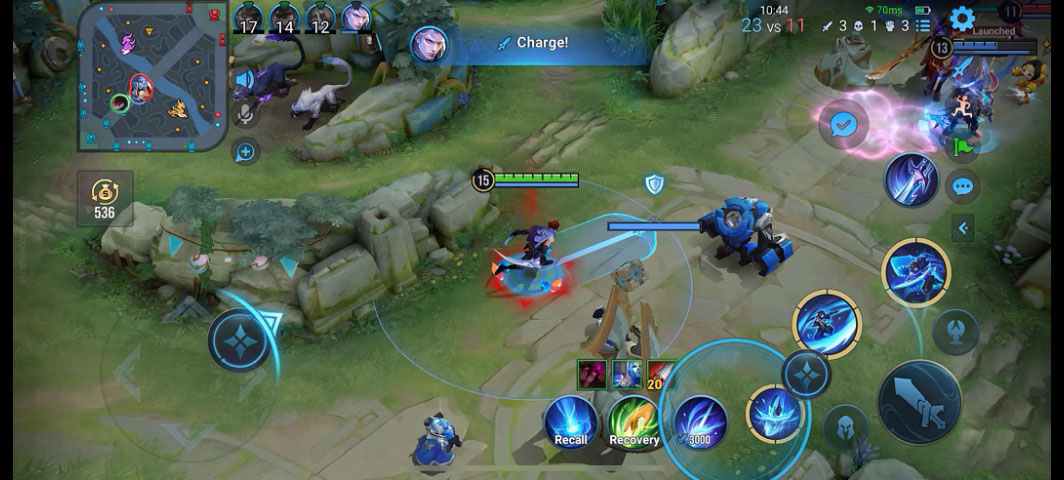
Honor of Kings Revenue & Monthly Player Count Stats 2026
Honor of Kings, Tencent's 5v5 mobile MOBA, is presented as the highest-grossing mobile game in history, and the analysis shows a mature title that has settled into a slow audience decline while spending holds near record levels.
- Honor of Kings remains the world's highest-grossing mobile title with $14.5 billion in lifetime revenue, though early 2026 monthly revenue declined 17% to $161 million.
- The game experienced a 48% drop in monthly active users (MAU), falling from 100.3 million to 51.9 million, while daily active users (DAU) remained stable at approximately 10.3 million.
- Monetization is driven by a high-spending whale population and cosmetic sales, resulting in a revenue-per-MAU of $283.71 and a revenue-per-download of $32.40.
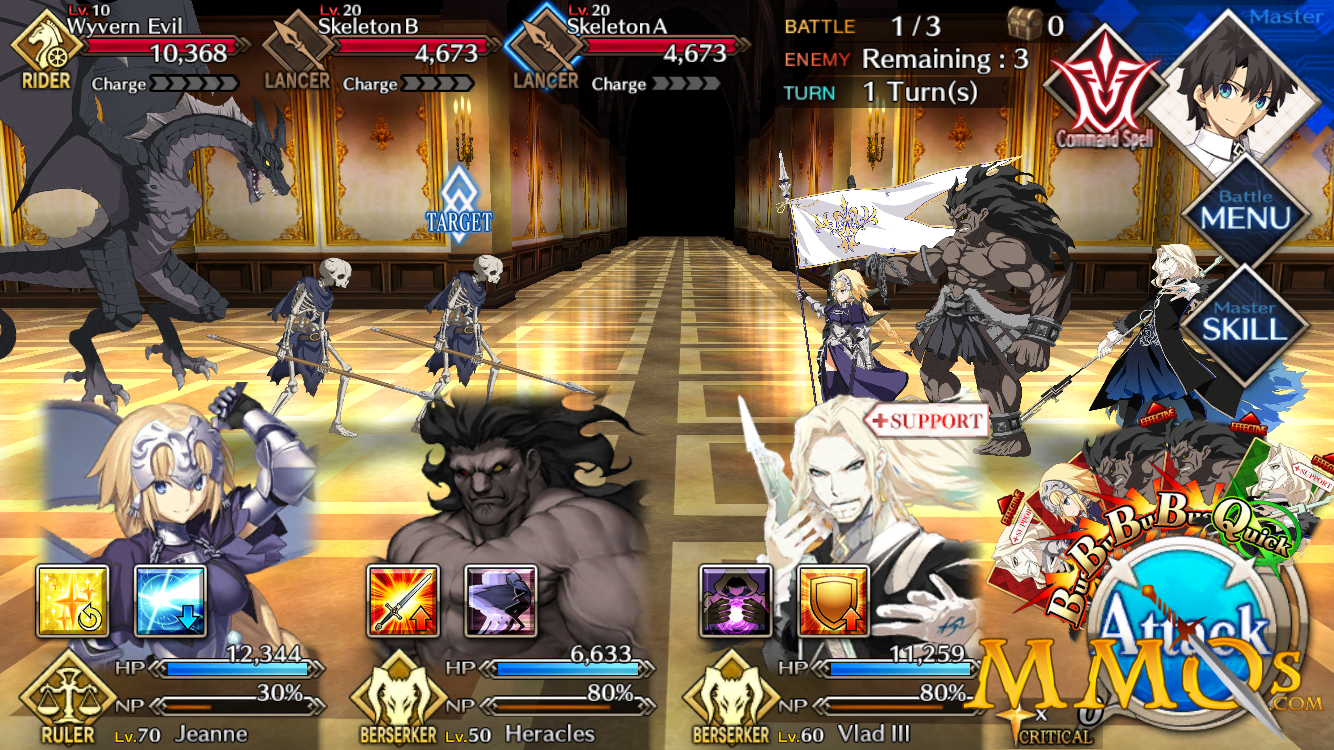
Fate/Grand Order: Revenue and Active Player Stats 2026
Fate/Grand Order, the Aniplex-published gacha RPG that launched in Japan in July 2015, is presented as one of the highest-earning mobile games ever and a rare title that has stayed relevant for over a decade.
- Fate/Grand Order has generated $4.8 billion in lifetime IAP revenue since its 2015 launch, maintaining its status as a top-grossing title despite a decline from its 2018 peak of nearly $700 million in annual revenue.
- The game is heavily reliant on the Japanese market, which accounts for 81.1% of its total lifetime player spending, while China follows at 8.1% and the United States at 5.8%.
- As of 2026, the game is in a mature retention phase with approximately 600,448 monthly active users and 137,239 daily active users, representing a 65% decline in MAU from its peak.
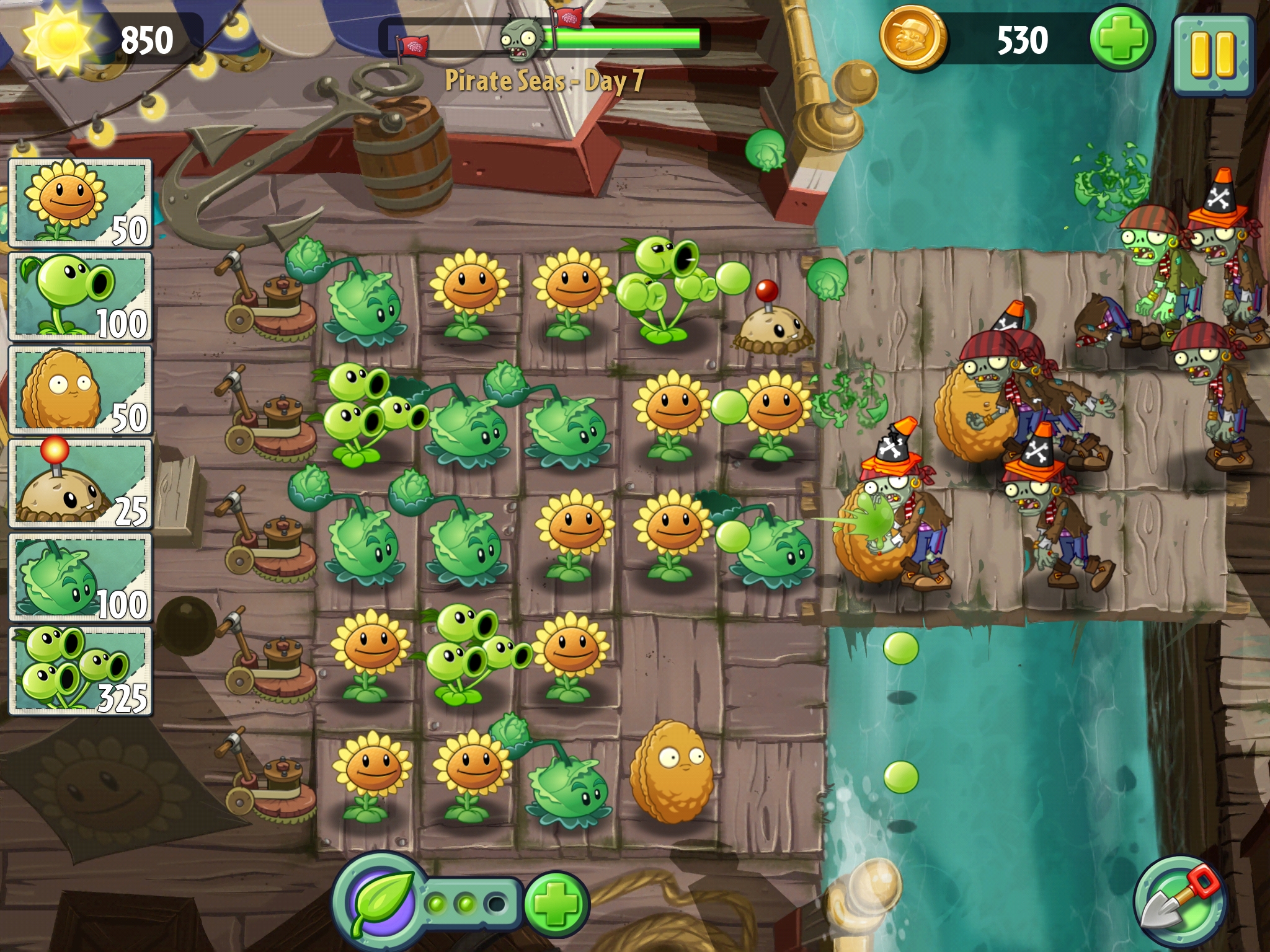
Plants vs. Zombies 2 Player Count, Revenue & Download Stats
Plants vs. Zombies 2, the EA-published, PopCap-developed tower defense title launched in 2013, remains commercially viable in 2026 despite being well past its peak.
- Plants vs. Zombies 2 remains a stable, long-term performer with 8.2 million monthly active users and 2.1 million daily active users as of mid-2026.
- The game has accumulated 421.9 million lifetime downloads and continues to generate approximately 25 to 30 million new installs annually.
- Lifetime in-app purchase revenue stands at $186.6 million, with annual earnings remaining consistent at roughly $15 million per year since 2023.
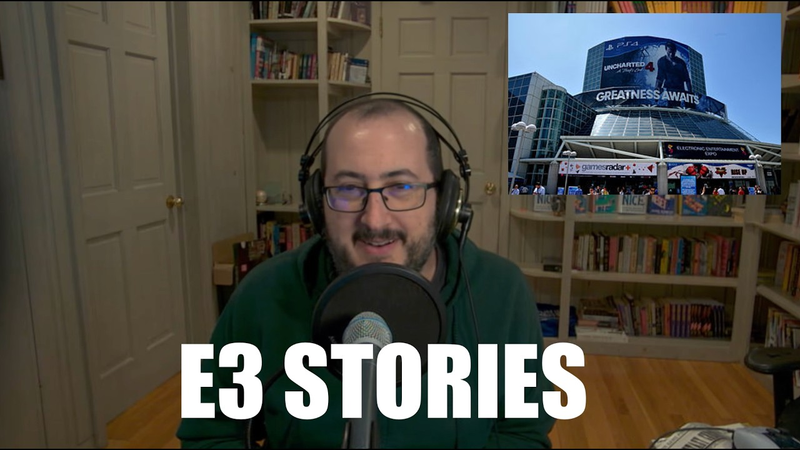
My Five Favorite E3 Stories
This retrospective explores the cultural and operational evolution of the Electronic Entertainment Expo (E3) through a series of personal anecdotes from a veteran industry journalist.
- The 2011 Wii U announcement serves as a case study in failed corporate communication, where a lack of clear identity during the reveal contributed directly to the console's subsequent market failure.
- E3 functioned as a critical, high-pressure environment for direct interaction between developers and the press, a dynamic that has been largely replaced by more controlled, digital-first marketing strategies.
- The 2015 'Judges Week' demonstrated the value of early-stage previews, as journalists were able to interact with unpolished builds of titles like Fortnite years before its global pivot and success.
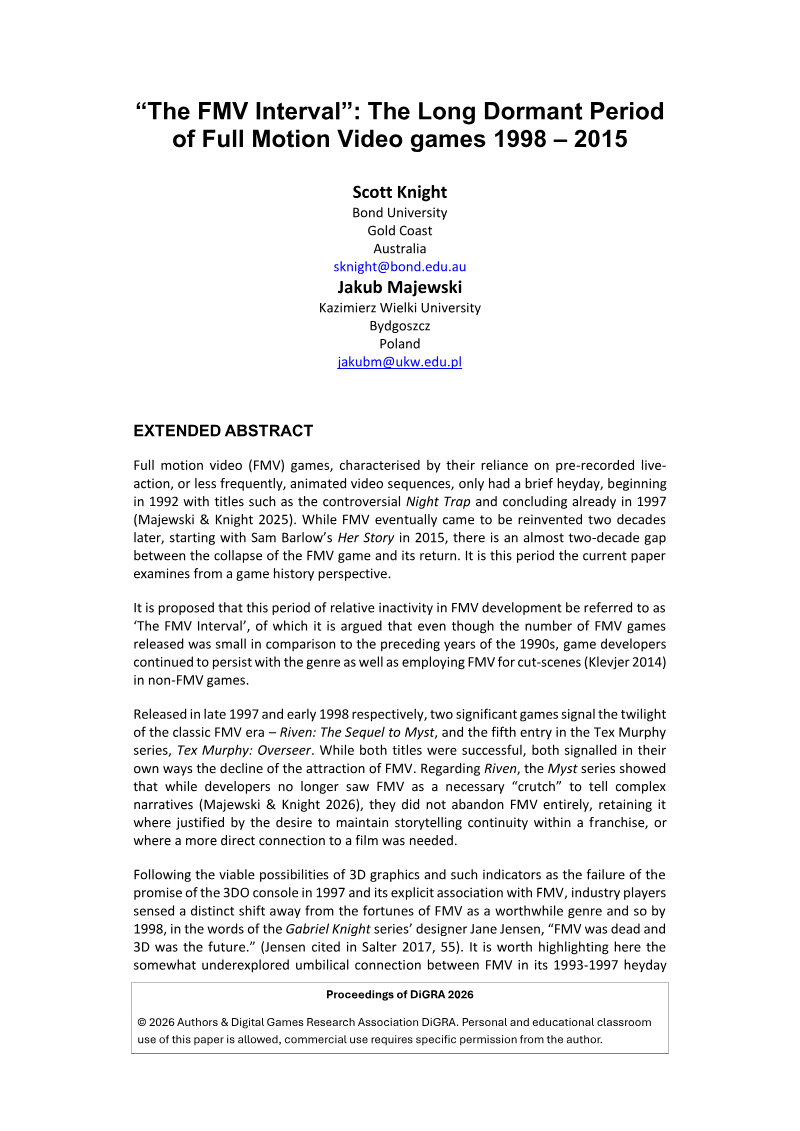
The FMV Interval: The Long Dormant Period of Full Motion Video Games 1998-2015
This paper, authored by Scott Knight and Jakub Majewski, proposes the term "The FMV Interval" to describe the roughly two-decade period between the collapse of the full motion video (FMV) game boom of the 1990s and the genre's revival with Sam Barlow's Her Story in 2015.
- The paper coins the term "The FMV Interval" for the roughly two-decade gap (1998–2015) between the collapse of the 1990s full motion video game boom and the genre's revival with Sam Barlow's Her Story in 2015.
- Its central argument is that FMV development never fully disappeared during this period: releases fell sharply, but developers kept using the format, and FMV continued to appear in cut-scenes within non-FMV games.
- The late 1990s are framed as the twilight of the classic FMV era, with Riven (1997) and Tex Murphy: Overseer (1998) cited as signs of waning appeal and industry sentiment that "FMV was dead and 3D was the future."
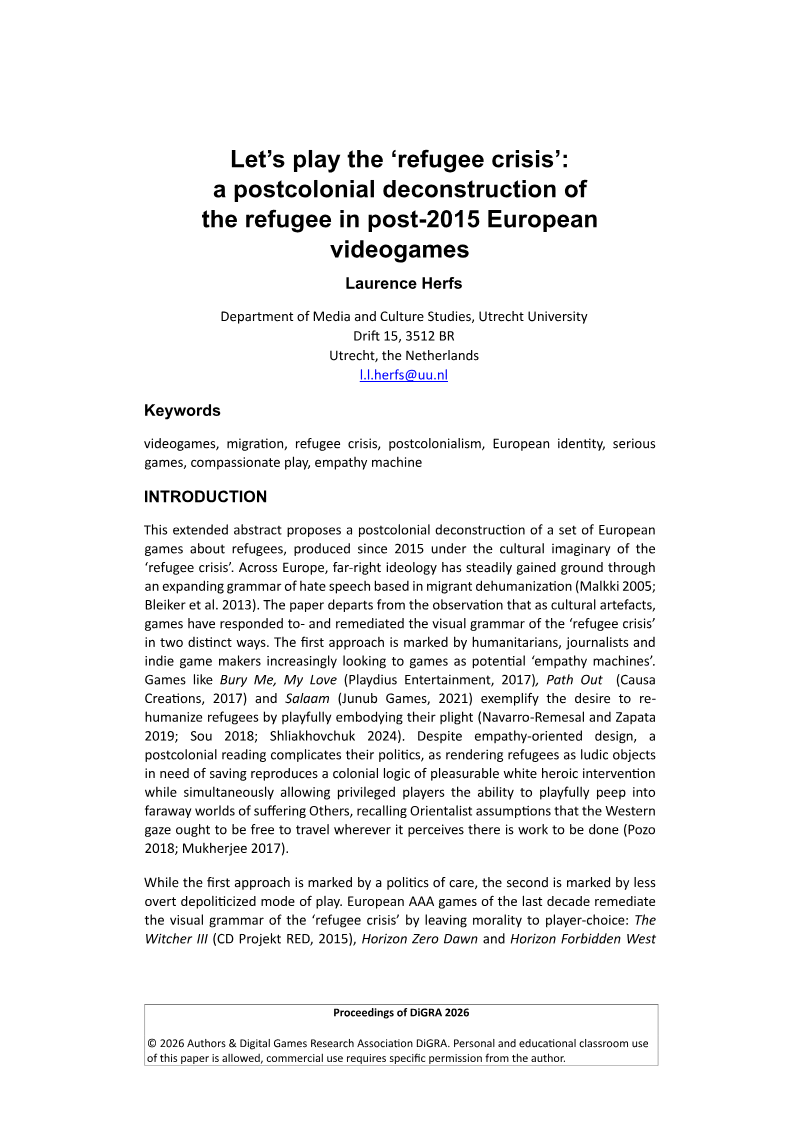
Let's Play the 'Refugee Crisis': A Postcolonial Deconstruction of the Refugee in Post-2015 European Videogames
This extended abstract offers a postcolonial critique of European videogames about refugees produced after 2015, a period shaped by the so-called "refugee crisis" and the growing influence of far-right ideology across Europe.
- The paper argues that post-2015 European refugee-themed games take two contrasting approaches: independent 'empathy machine' titles (e.g., Bury Me, My Love, Path Out, Salaam) that aim to rehumanize refugees, and mainstream AAA titles (e.g., The Witcher III, the Horizon series, Baldur's Gate 3) that treat refugees in a less overt, depoliticized way.
- Its central claim is that both approaches reify the refugee as a passive morality object, whether as a figure for European altruistic redemption or as a vehicle for increasingly fascist fantasies of control.
- The author contends that even empathy-driven games reproduce colonial logics of heroic Western intervention and Orientalist assumptions about the Western gaze's right to observe distant suffering.
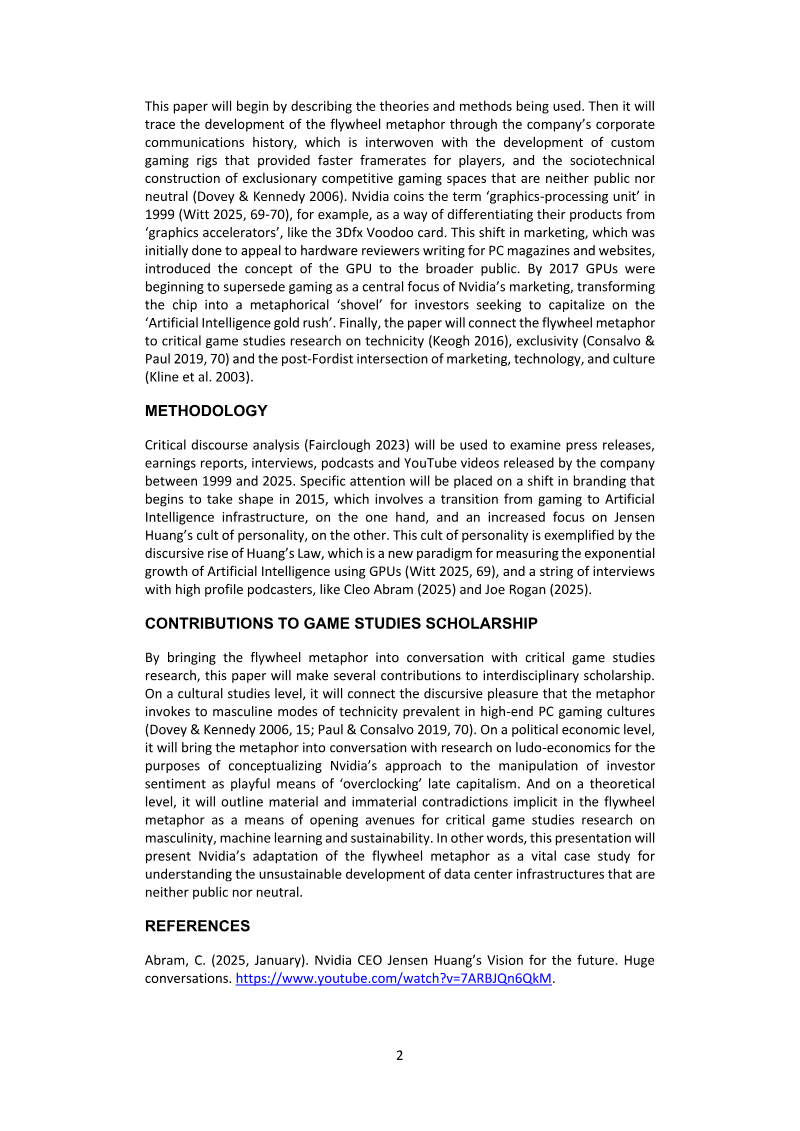

Now You're Playing with Graphics Processing Power: Nvidia and the Discursive Pleasure of Artificial Intelligence
This paper examines Nvidia's corporate trajectory from a graphics hardware company serving PC gamers to a central supplier of Artificial Intelligence data center infrastructure, using Jensen Huang's "flywheel" metaphor as its analytical entry point.
- Nvidia's 'flywheel' metaphor, central to the paper, casts video games as the original high-volume, computationally demanding market that financed the research behind GPUs, and the paper uses it as an entry point for analyzing the company's shift from PC gaming to AI data center infrastructure.
- The paper traces a branding shift beginning around 2015, in which gaming gradually gave way to AI infrastructure as Nvidia's central focus, alongside a growing emphasis on CEO Jensen Huang's personal brand.
- Nvidia coined the term 'graphics processing unit' in 1999, initially aimed at hardware reviewers and later introducing the GPU concept to a broader public.
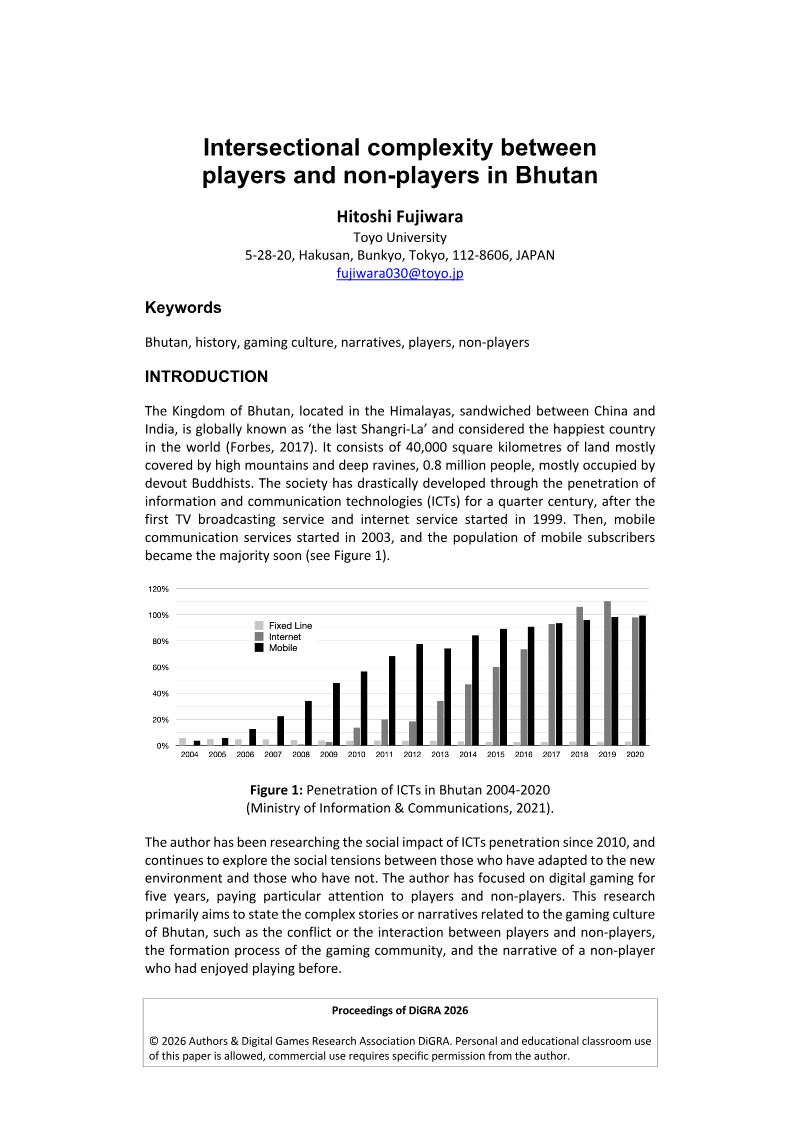
Intersectional Complexity Between Players and Non-Players in Bhutan
This paper by Hitoshi Fujiwara examines the gaming culture of Bhutan, a Himalayan kingdom of roughly 0.8 million people, focusing on the tensions and interactions between players and non-players.
- Bhutan's gaming culture grew mainly through mobile phones: smartphones spread from around 2013 and penetrated the market between 2015 and 2016, while console, arcade and PC gaming had been too expensive for most Bhutanese before then.
- PUBG Mobile (Tencent, 2018) was reported as the most popular game in Bhutan from about 2019, with thousands of players forming Facebook groups that led to the founding of the Bhutan Mobile Gaming Association and its membership in the Bhutan Olympics Committee.
- Between 2019 and 2020, traditional media broadly covered PUBG Mobile negatively, citing addiction and violence, and the government temporarily banned downloads of the game, which players strongly opposed and which pushed player–non-player tensions to a breaking point.
From the Eudaimonic to the Demonic in Gameplay Narratives
This paper examines the tension between eudaimonic and demonic framings of digital gameplay, using close readings of two texts: Michael W. Clune's memoir Gamelife (2015) and psychotherapist Alexander Kriss' The Gaming Mind (2019).
- The paper argues that the recurring figure of the demon in accounts of play captures pleasures and experiences that resist the humanistic, eudaimonic terms through which game research has usually justified videogames' cultural value.
- Eudaimonic gameplay research typically contends that games enrich self-understanding and insight into the human condition, contrasting with purely hedonic pleasure.
- The paper analyses Michael W. Clune's memoir Gamelife (2015) and psychotherapist Alexander Kriss' The Gaming Mind (2019) as its two central texts.
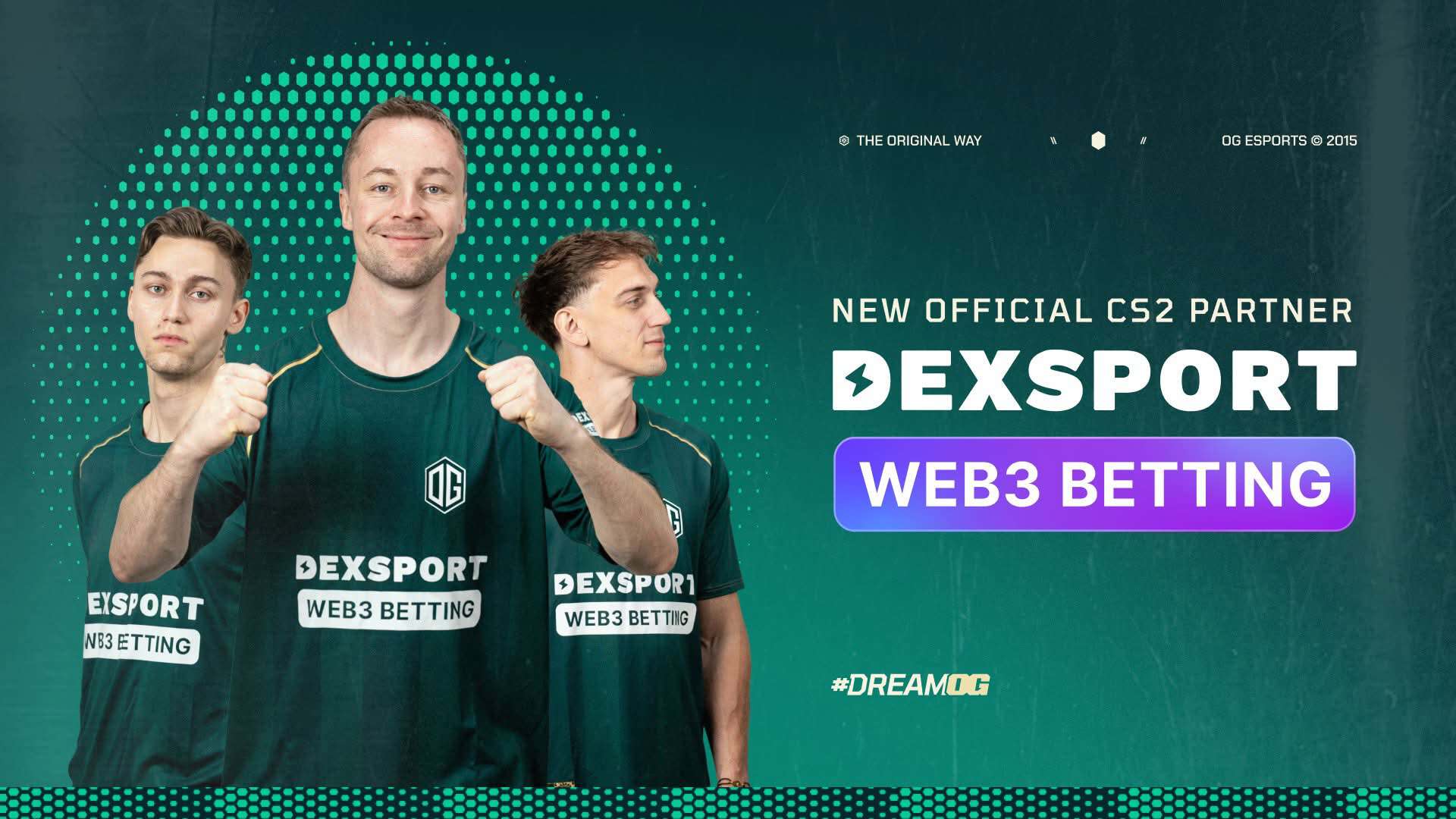
OG Esports Signs Dexsport as Headline Sponsor for CS2 Team
OG Esports has entered into a headline sponsorship agreement with the Web3 betting platform Dexsport, specifically targeting its Counter-Strike 2 division.
- OG Esports has rebranded its Counter-Strike 2 team to OG.Dexsport following a headline sponsorship deal with the Web3 betting platform.
- The agreement designates Dexsport as the official betting sponsor for the CS2 roster for a one-year term, featuring branding across team assets and fan activations.
- Chiliz Group, which acquired a 51% stake in OG Esports in September 2025, is central to the organization's current strategy of aligning commercial partnerships with Web3 and fan-engagement platforms.