1 free read left. Create a free account for unlimited reading + AI research.
Create free accountArticle DiGRA
1 free read left. Create a free account for unlimited reading + AI research.
Create free accountArticleDiGRA
Console, arcade and PC gaming had been too expensive for most Bhutanese before smartphones spread. Smartphone penetration between 2015 and 2016 made mobile gaming a common device function.
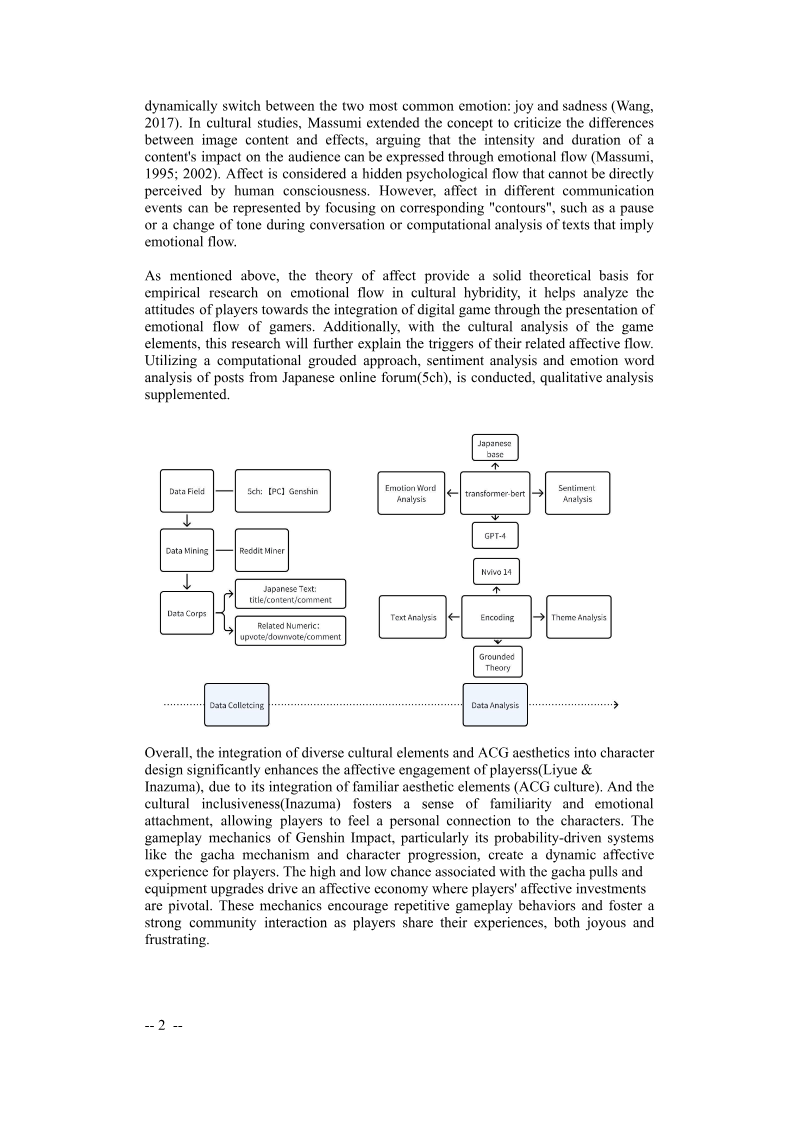
This paper by Hitoshi Fujiwara examines the gaming culture of Bhutan, a Himalayan kingdom of roughly 0.8 million people, focusing on the tensions and interactions between players and non-players. Its central aim is to articulate the complex narratives surrounding video games in the country: conflicts between the two groups, the formation of a local gaming community, and the experience of a former player who has become a non-player. The work is framed against the backdrop of rapid information and communication technology adoption, beginning with television and internet services in 1999, followed by mobile telephony in 2003, with mobile subscribers soon forming the majority of the population.
The paper traces how gaming became accessible in Bhutan. Console, arcade, and PC gaming were largely unaffordable before the early 2000s, but smartphone penetration between 2015 and 2016 made mobile gaming a common function of devices. Casual free-to-play titles and later online multiplayer games gained traction, with high English literacy among young people enabling engagement with the global market, though payment barriers persisted. A case study of PUBG Mobile, which reached Bhutan around 2019, illustrates both the community-building and the controversy. Player groups formed on social media led to the establishment of a mobile gaming association, while newspaper and television coverage portrayed the game as addictive and violent, prompting a temporary government download ban and strong player opposition.
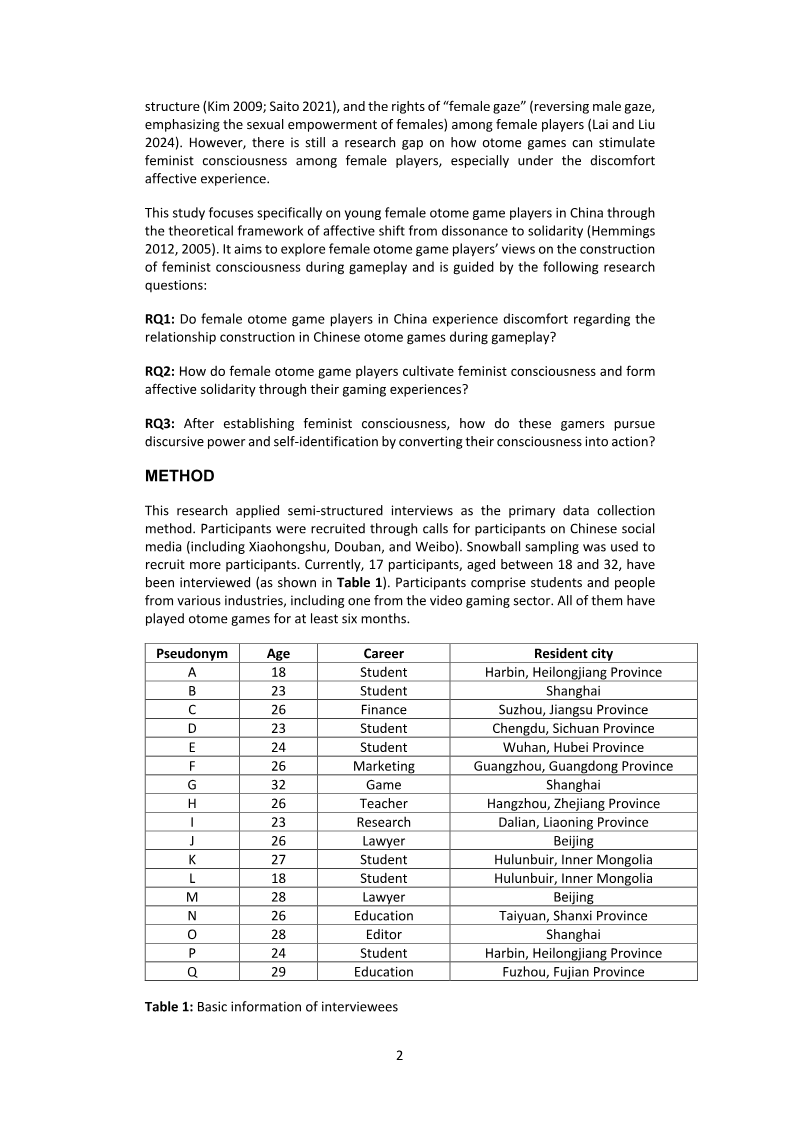
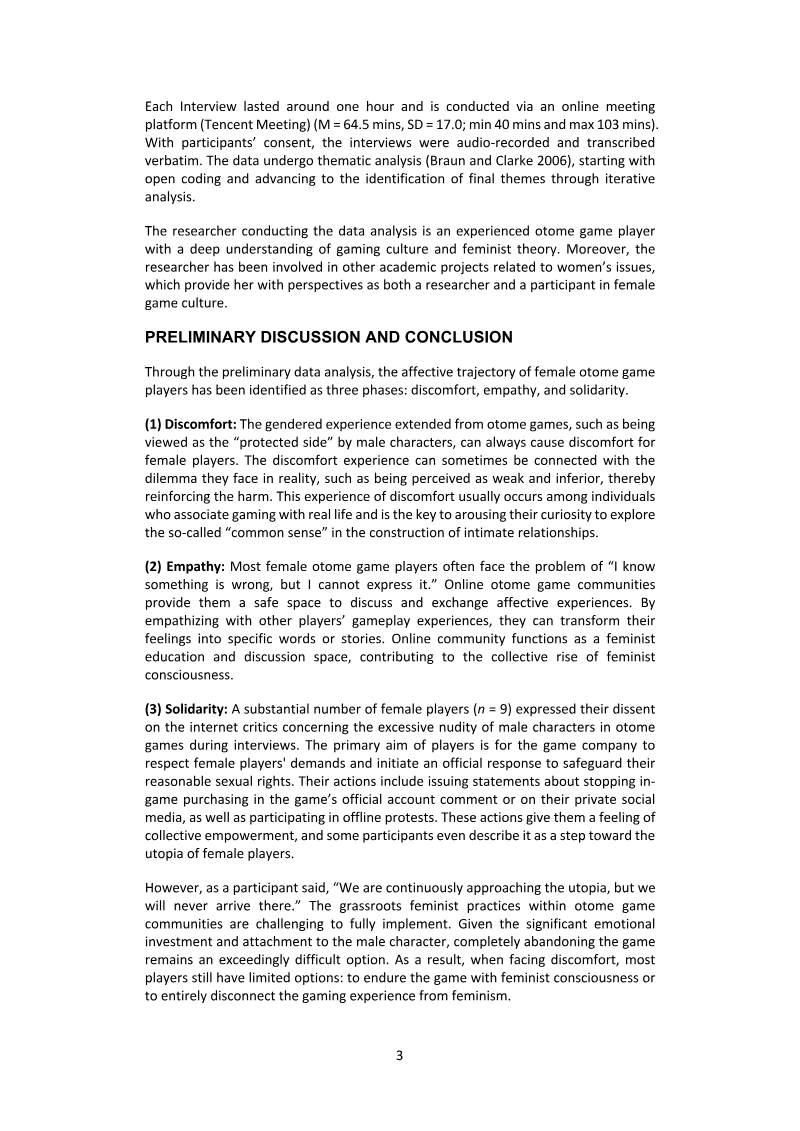
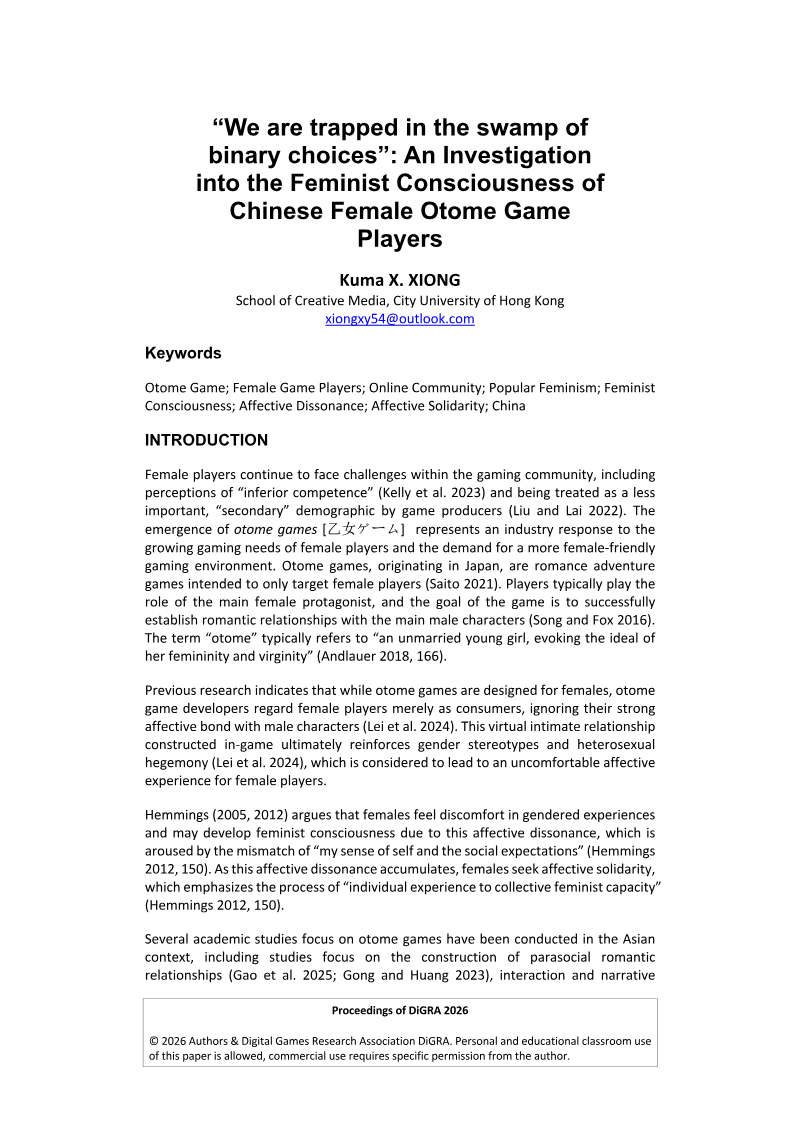
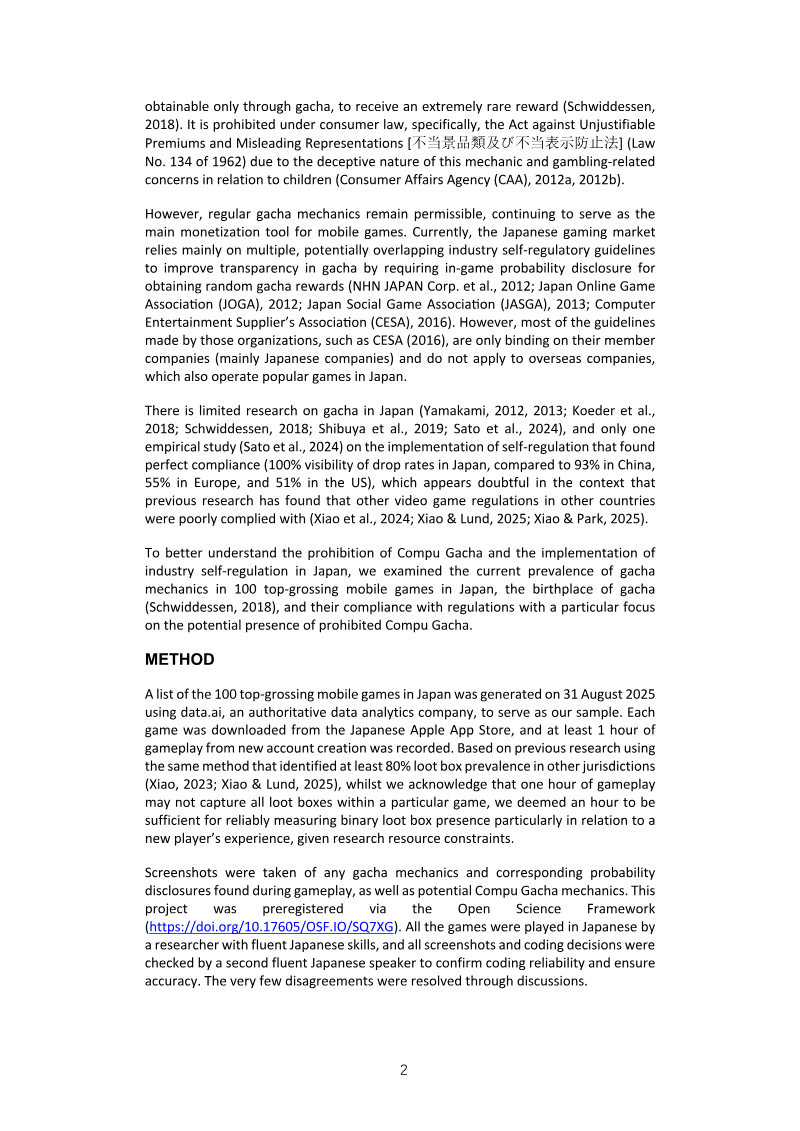
Fieldwork conducted between 2021 and 2025 relied on semi-structured and snowball-sampled interviews with 319 informants, supplemented by life-history group interviews with 51 university students. Findings indicate that friendship networks were the most cited driver of player engagement, that many respondents placed responsibility for limiting play on parents and teachers, and that perceptions of players ranged from wasteful or mentally unhealthy to productive, creative, and admirable in eSports contexts. The conclusion emphasizes that positive and negative images of gaming have become intertwined, with some players acknowledging harms and some non-players appreciating benefits, suggesting a shifting relationship between the gaming community and traditional society.
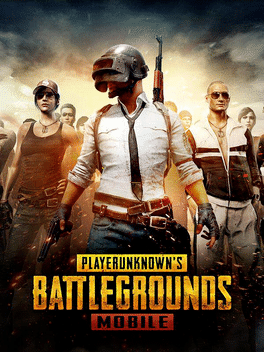 PUBG MobileGame · LightSpeed Studios · 2018 · 337 documents
 Tencent HoldingsCompany · China · founded 2003 · 861 documents
 Clash of ClansGame · Supercell · 2012 · 196 documents
 Mobile Legends: Bang BangGame · Moonton · 2016 · 189 documents
 Ludo ClubGame · Moonfrog Labs · 2017 · 5 documents
 KraftonCompany · South Korea · founded 2018 · 200 documents
 SupercellCompany · Finland · founded 2010 · 520 documents
 MoontonCompany · China · founded 2014 · 63 documents
 Candy Crush SagaGame · King · 2012 · 218 documents
Each row is a game or company this document names, each column a document, oldest first. A mark means that document names it. Select a row to see those documents.
DiGRA · 2026
Niko Partners · 2023