UK reports and market data
Documents
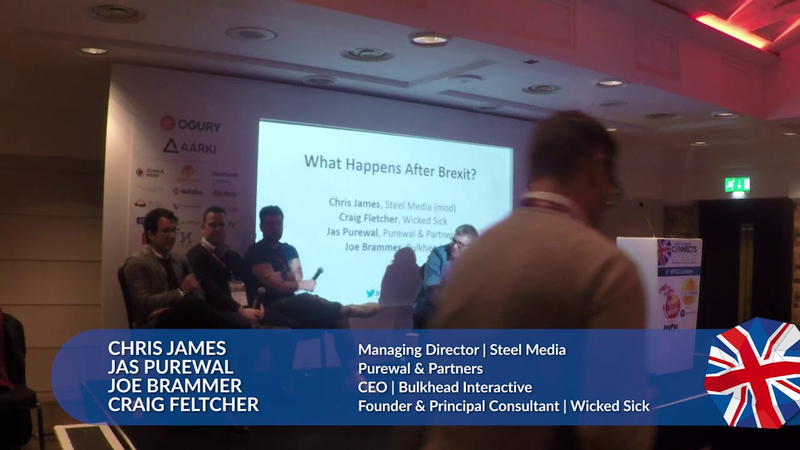
What happens to the UK games industry after Brexit?
The UK games industry faces significant uncertainty regarding the long-term impacts of Brexit, with the primary challenge being a lack of clear policy direction from the government.
- The UK games industry faces significant investment and recruitment volatility due to a lack of clear government policy and ongoing political deadlock.
- Studios are increasingly establishing satellite offices within the European Union to mitigate risks related to data protection compliance and the loss of free movement.
- The industry is experiencing tangible operational friction, including the postponement of initial public offerings and increased difficulty in attracting highly skilled international talent.
3 things that games developers need to know to safeguard their games
Safeguarding intellectual property is a critical concern for independent game developers, particularly when balancing limited resources against the risks of ownership disputes and unauthorized cloning.
- Copyright automatically protects the specific expression of creative work—such as code, character designs, and music—but does not cover underlying game mechanics or general concepts.
- Developers must secure written contracts for all employment and collaborative work to avoid ownership disputes, as publishers require proof of full rights before signing deals.
- Work created during office hours or using employer resources is typically owned by the employer, making clear contractual agreements essential for independent developers.
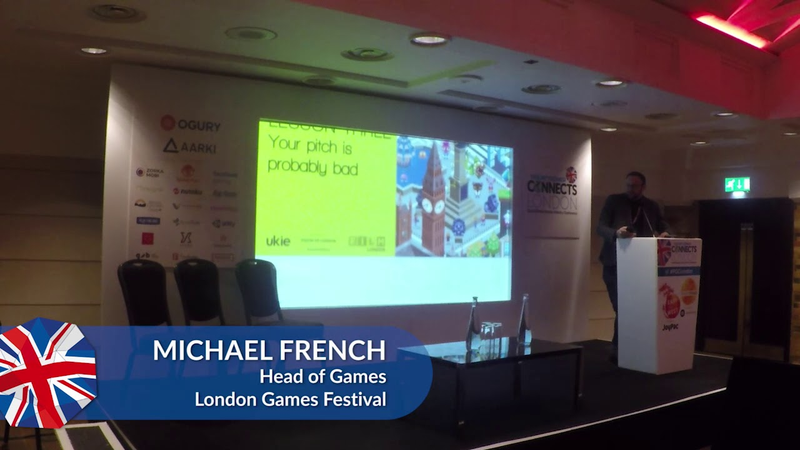
5 lessons from making London the games capital of the world
The London Games Festival, a government-funded initiative, facilitates growth within the UK games industry by connecting developers with investors and providing professional development.
- The London Games Festival has generated an estimated 40 million pounds in business activity since 2016 by facilitating over 2,000 meetings for approximately 160 companies.
- Studios achieve greater long-term stability by building a consistent portfolio of products rather than relying on the pursuit of a single hit title.
- Developers should treat the investment process as a structured marketing campaign, utilizing peer review and professional mentorship to refine their pitches.
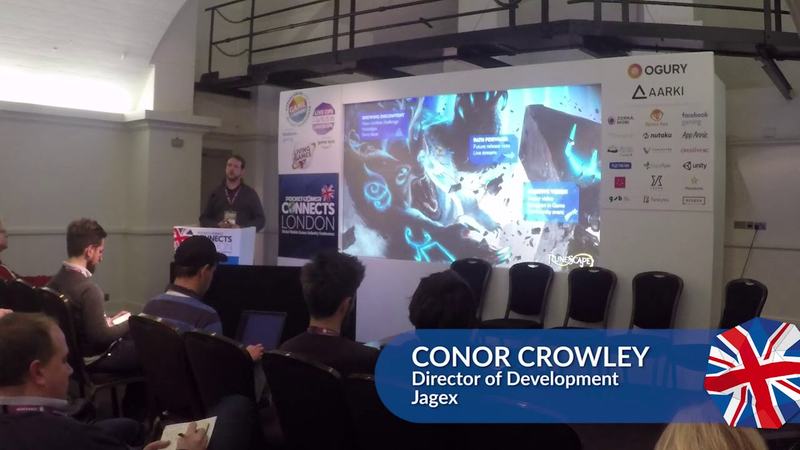
Build movements for your community
Building successful game communities requires shifting from a standard update-by-update release cycle to a movement-based strategy.
- Shift from a standard update-by-update release cycle to a movement-based strategy, where players share a purpose and work toward a common vision to sustain long-term engagement.
- Implement collaborative decision-making tools, such as the 75% majority polling system used in Old School RuneScape, to align design goals with player expectations.
- Seed ideas early through teasers, social media, and live-streamed development sessions to allow for speculation and feedback before official content launches.
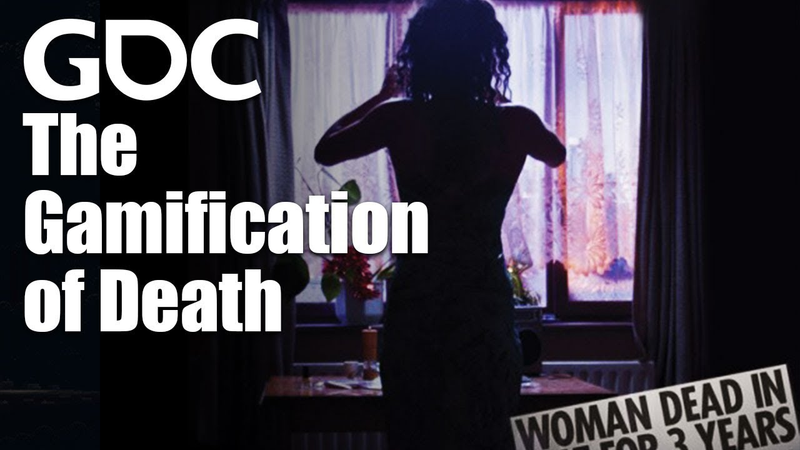
The Gamification of Death
The attempt to translate real-world tragedies into interactive experiences reveals a fundamental incompatibility between traditional game design and the gravity of human mortality.
- Traditional game mechanics like mission-based quests, win conditions, and reward systems are fundamentally incompatible with representing sensitive subjects like human mortality.
- Imposing arbitrary gaming objectives on real-world tragedies risks trivializing the subject matter and corrupting the veracity of the narrative.
- Successful projects addressing death are shifting away from puzzle-solving and choice-based progression toward non-linear, reflective environments that focus on universal themes like the passage of time.
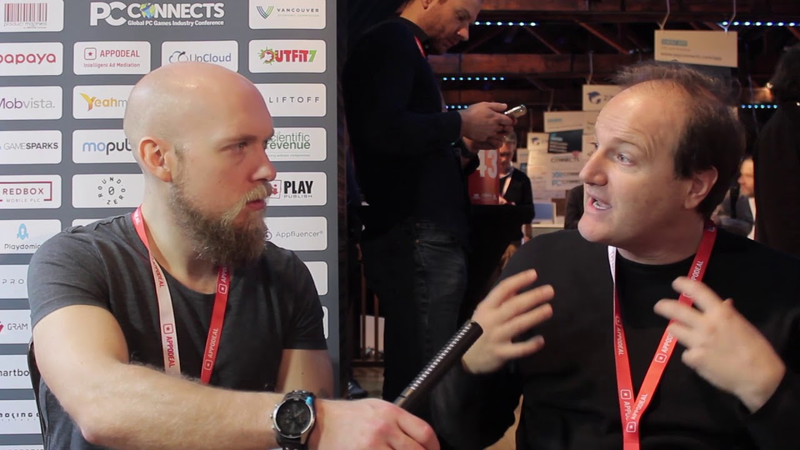
Wappier on improving mobile game monetisation by up to 50 per cent
Wappier provides a cloud-based platform designed to optimize mobile game monetization through machine learning, dynamic pricing, and loyalty programs.
- Wappier’s machine learning platform claims to increase mobile game revenue by 30 to 50 percent by replacing static pricing with automated, data-driven engagement strategies.
- The platform processes over one billion data points daily to automate real-time store provisioning, regional price adjustments, and personalized bundle offers.
- Dynamic bundling strategies are used to increase revenue without destabilizing in-game economies, avoiding the risks associated with traditional single-item discounting.
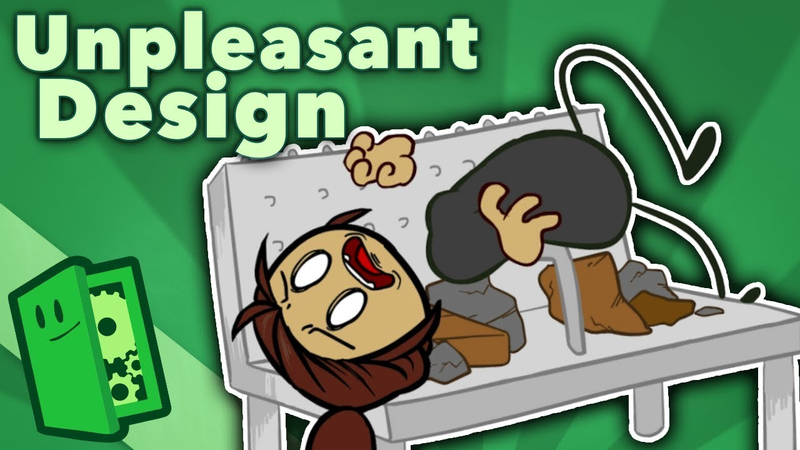
Unpleasant Design - When Bad Design is Used to Hide Problems - Extra Credits
Unpleasant design, frequently categorized as hostile architecture, functions as a deliberate strategy to exclude specific populations—primarily the homeless—from public spaces.
- Unpleasant design, or hostile architecture, is a deliberate strategy used by municipalities to exclude marginalized populations—specifically the homeless—from public spaces rather than addressing the root causes of societal issues.
- Common architectural interventions include benches with center armrests or angled surfaces to prevent sleeping, metal flanges on ledges to deter skateboarding, and hydrophobic paint to discourage public urination.
- Advanced hostile tactics include the deployment of high-frequency sound emitters, such as the 'mosquito' system, and the strategic placement of seating to force individuals into retail environments.
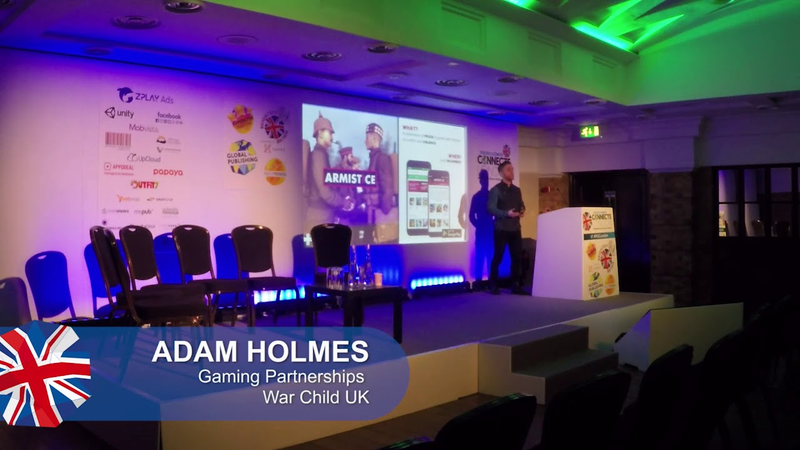
How to use your mobile game for good
War Child UK advocates for the integration of charitable initiatives into mobile game development, arguing that the gaming industry possesses a unique, untapped potential to drive social change.
- 55% of gamers are willing to make in-game purchases when they are linked to a charitable cause.
- War Child UK has raised approximately £2.5 million through developer partnerships since 2007.
- Charity-linked initiatives can improve key performance indicators, including player retention, engagement, and monetization metrics.
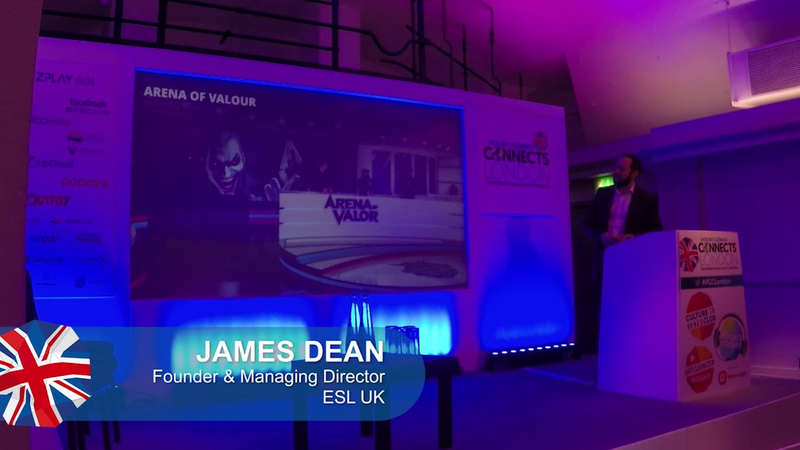
An update on mobile esports progression and opportunities
Mobile esports represents a rapidly evolving sector characterized by high accessibility, a massive global user base, and a unique capacity for rapid community engagement.
- Mobile esports currently accounts for less than 10% of global esports viewership, representing a significant growth opportunity due to its high accessibility and lower hardware barriers compared to PC gaming.
- Mobile titles achieve financial sustainability by moving away from pay-to-win models toward monetization strategies centered on in-game purchases, licensing, and high-production-value tournaments.
- Mobile esports tournaments often achieve immediate cost recovery through in-game microtransactions, a financial efficiency rarely seen in traditional PC-based competitive gaming.
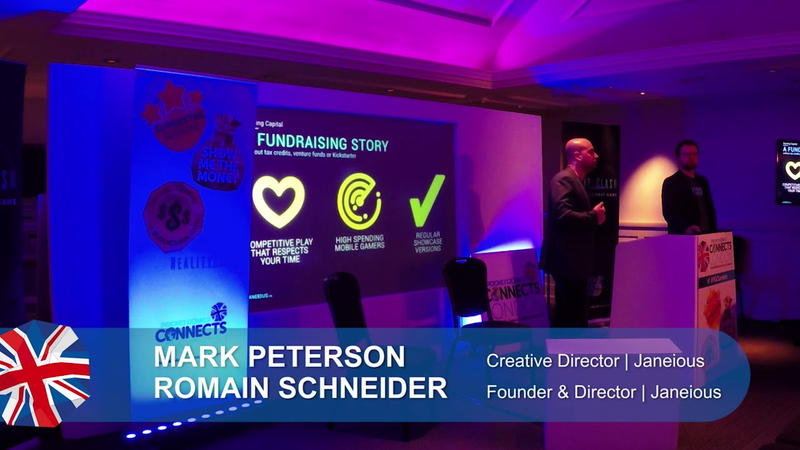
Succeeding with community investment
The founders of Janeious, Romain Schneider and Mark Peterson, detail a strategy for securing over one million pounds in development funding by bypassing traditional venture capital, Kickstarter, and tax credit routes in favor of direct community investment.
- Janeious secured over £1 million in development funding by bypassing traditional venture capital and crowdfunding in favor of direct community investment.
- The funding model relies on a core group of approximately 20 high-net-worth investors contributing between £50,000 and £100,000 each.
- The company utilizes a hybrid 'investment unit' structure, which functions as a loan repaid through a share of future profits rather than traditional equity, allowing founders to retain control.
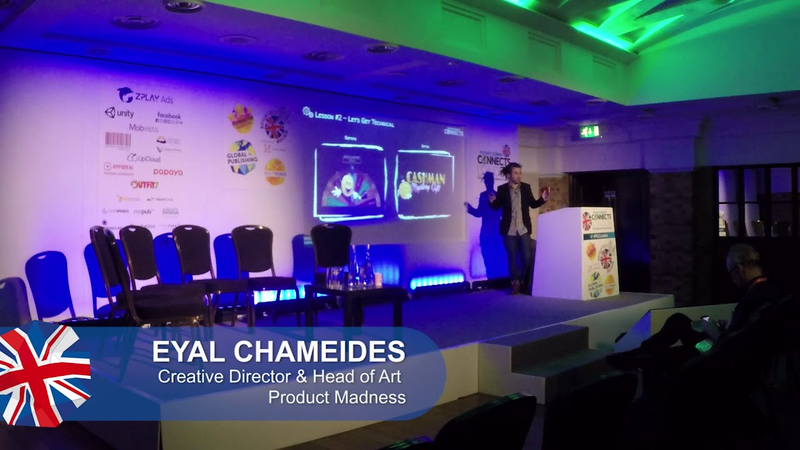
Chaos, control and creativity – Tips for managing and scaling an art team
Managing and scaling an art team within the competitive free-to-play mobile gaming industry requires a strategic shift from traditional creative silos toward a more integrated, technical, and data-driven operational model.
- Creative directors must transition from purely artistic oversight to acting as architects of process, shifting teams away from creative silos toward integrated, technical, and data-driven operational models.
- Artistic quality is best achieved through iterative cycles and time management rather than relying solely on initial conceptual brilliance.
- Studios should adopt a 'Moneyball' hiring strategy that prioritizes team fit, personality, and specific project needs over static skill sets to maximize operational efficiency.
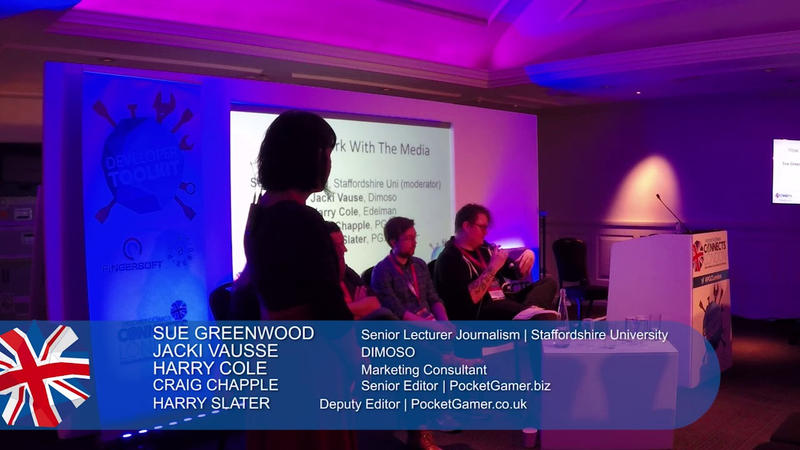
How to work with the games media
Effective developer-media relations hinge on building authentic, long-term relationships rather than relying on mass-distributed, impersonal press releases.
- Prioritize building long-term, authentic relationships with journalists well before a game is finalized rather than relying on mass-distributed, impersonal press releases.
- Tailor pitches to the specific interests of individual journalists, as generic 'Dear Editor' emails are frequently deleted and counterproductive.
- Engage with media throughout the entire development cycle by sharing early builds and progress updates to ensure journalists feel invested in the project's success.