1 free read left. Create a free account for unlimited reading + AI research.
Create free account
5 lessons from making London the games capital of the world
Key insights
6 takeaways- 01The London Games Festival has generated an estimated 40 million pounds in business activity since 2016 by facilitating over 2,000 meetings for approximately 160 companies.
- 02Studios achieve greater long-term stability by building a consistent portfolio of products rather than relying on the pursuit of a single hit title.
- 03Resilience against subjective investor feedback is essential, as developers are advised to ignore short-term market volatility in favor of sustainable business models.
- 04Developers should treat the investment process as a structured marketing campaign, utilizing peer review and professional mentorship to refine their pitches.
- 05Failure to utilize Video Games Tax Relief (VGTR) is a common oversight that limits a studio's financial competitiveness against international hubs like Vancouver and Barcelona.
- 06The barrier to entry for traditional investors is decreasing as video games become more integrated into mainstream cultural and political discourse.
Ask AI about this video
Transcript
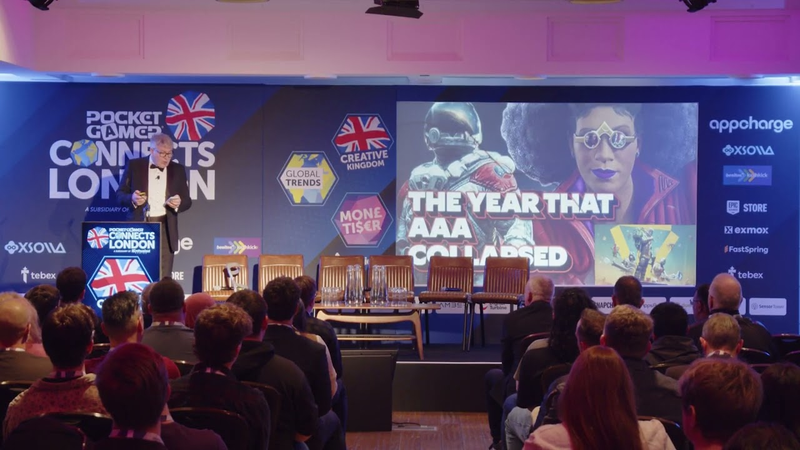
[Music] but my name's Michael French Games London which is something you may not have heard of although you may have heard of some of the things we do we are a Mayor of London funded program charged with growing the games industry in the capital city although our work doesn't cover the London actually we benefit we offer something for all the country companies in this country and how time is split between two things I'll just read up here I think capture your attention without slides and yet so after time suppose he's doing two things we run the lonely Games Festival which happens every April and features things
like the game spawn its market and lots of events for industry and plus consumers so far across since we started in 2016 we've worked with about 160 games companies and and we've matched them up with about 100 ok shall I say slide say slide right ok so we're like a lot of guys first of all and we do other things year round to collude trade missions in and out of the country and some training and the slide like with a number of number of games videos and number investors and what one of the one of the things that's happened through all of that is we've seen a lot of pitches between games companies to investors we've put together like something over 2000 meetings between them over the three years we've encouraged and facilitated about 40 million pounds worth of business between them we don't invest in games and we don't back them but we do facilitate the
conversations and and what's been interesting is some of the common threads I've seen across them and I'll quick them next slide well and some just oh okay so that's yeah do just know it's not working it's good it's PDF so just despite the fear of GDP our tax on going these are some of the companies that have been through our process over the last three years of give all different types of companies but predominantly either investors or companies that need investment next slide a bit of a disclaimer before I quickly rattle through these lessons is that Ivany debt don't have any data I'm really gonna share with you not like the previous talk I used to be journalists we can't give away some of the stats we know about some of the companies and a lot
what I'm going to talk about here are anecdotal but quite a large-scale missed I'm not going to charge you a consultancy fee for these things and a lot of the lessons here are focused around pitching over these are some good takeaways and also next slide though the first the first thing we have we have seen is that everyone tells game developers it's too difficult it's too hard and they're probably right it's very difficult to make a game and outside of the games industry it does feel like the world is on fire but all of the ice all of ice about it's too difficult and how hard it is to find your game funded and sold are pretty true but I think the previous talk also showed just one of the options where there's lots of monetization options out there we're an event with full of them and then one of the other things that people say to us is they fear that the industry moves too fast for them they have meetings where investors are
suddenly obsessed about the next big thing that they haven't actually factored into their pitch and my that I think the lesson there is that you need to ignore it I a great example is I saw we saw a really strong pitch in our first year of the Games Festival where somebody had everything that seemed to tick all the boxes and so we fast tracked them through a process to meet investors but in bits were managed to overhear a conversation where somebody basically sit there pitch apart and said you know they had the wrong the wrong genre the wrong the wrong than one platform the monetization the remarks though everything was wrong and I felt incredibly bad that I put this company all these investors and they were going to fail but the ultimately and I'll cut out the anecdote give them a short time but this company managed to get investment our events and has since released two other games and is still kind of true despite what one investor might tell you about you know how much how you've got things wrong a lot of things are
subjective and although I think the next the next lesson about investors I'm going to go through is that one of the biggest learning at the moment in the game sector are the companies that have a portfolio of value products or a catalogue of things and succeed far more than people realize and you don't have to have a super big hit to succeed and I would point to a really good talk from Jake Birkett who he's talking later on here about how he is built business without having a big hit at all it's really it's I saw it live it I think it's GDC a couple years ago I rewatched it before this just to remind myself the things he said but it's just really valuable to know that you know just because you're not the hottest thing on Twitter or you know you're being told that steam is isn't the place to show your game doesn't mean you won't succeed next slide so investors aren't interested in games this is semi true and also well so we've spent a lot of
time we're paid to do it to find investors to incursians come along to our events to me give it to me game studios a lot of the time when we go to companies that haven't invested in games or companies have once or twice the feedbacks pretty blunt they're not interested they've had their fingers bird and it's okay for us we can kind of gather these people up without impunity because they're not seeing our pitches and they're not war but the fact is is that a lot of the time investors have had you know bad investments or they just don't understand games so I think one of the one of the key lessons around this for us is about when you find an investment partner that's interested you have to kind of cultivate that relationship and make and kind of win them over what we've been doing through our program is encouraging developers to treat their investor meetings their entire approach to font like a marketing campaign in itself you know I did fine your audience and your messaging etc but investors tend to have bad
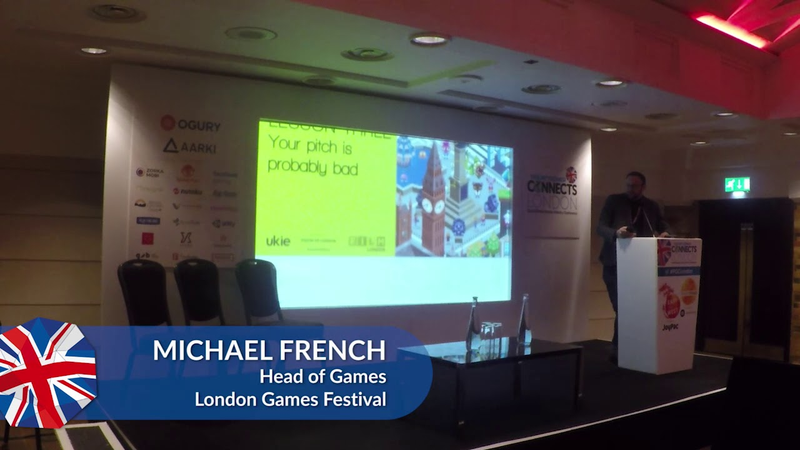
of games because of the the next thing we've learned next slide which is that your pitch probably is are very good so you know we could spend all day talking about bad pitches and we do that actually again suddenly we have it we have a two day pitch bootcamp event we do every January we ran it two weeks ago and we every year pull together game W want to do better and want to improve their pitch and it's pretty pretty successful everyone that goes to that ghost or other events and I think 50% of everyone that's attended that those boot camps have had full-on conversation with investors and but you know we have had a lot of fetuses who say thanks for the introduction you know great team they're really enthusiastic however and they tend to just point out all the mistakes they make along the way which I won't go through here and there are a few guides out there I think there's a few other panels about that today and you'd be surprised how many people stumble at the pitch level despite thinking they've got
the best pitch our advice there is to you know prepare in advance obviously but ask for feedback ask your peers for feedback and you want some feedback you can you if you feel don't feel comfortable showing your friends or your peers your pitch or your presentation you can always ping us we can connect you to investors and mentors that do it often for free you know there's there's no there's no charge from us it's it's all about us facilitating more connections for you and then next slide the other the other thing to make sure you always mention and in a sense I'm paid to say this because I'm a government funded thing but video games tax relief you wouldn't believe the amount of games companies in this country or even other countries that forget to incorporate these into their forecast and their budgeting so when we run our financing event where people meet investors we call it where you make sure the pitches are centrist in advance and budgets as well and they'll you would be surprised how many big-name
companies forget to incorporate this in and it's about 20% back of your costs and we've seen it firsthand where we've told investors how this process works and the ones that some of them are the ones I mentioned that just think games are a waste of time it's like a light bulb moment and they realize the cost-saving here in this country makes it just as just as effective to employ someone here as it might be in Barcelona or Vancouver no obviously those cut those cities they also have their own great subsidies I used to be journalists writing about them does I problem with that from us at all it's competition but the fact is is that people just don't in count include it in their margins and they're sorry in their calculations and that's where investors get it about the potential in games especially when they think that especially when they understand that the scale of the businesses get quite big and the amount that canopy into your business is much if you don't know about vgt are again you can ask us the BFI runs that runs the program they'll answer questions for free there are
companies out there that willing to loan against this there are some companies that say you need to you need to pay them to application it's not true it's free and this sometimes this is the difference between a make-it-or-break-it for some companies it's the difference between getting a deal or not and then the last thing I want to talk about next slide is one of the Vega and Mort sauce we switch to the next slide know what it's I mean it should say about the the rise of games in culture so if you if you regularly the BBC News website last week they had a story up one day about the commercial scale of video games and within three hours they posted the story up about how fortnight with you being used to money laundering and so we're at this point where video games are part of a cultural currency right everyone everybody played seems to play games don't know about them and the generations that didn't have a more
skeptical are kind of aging out or becoming more aware of it through friends family grandchildren and so what this what this tends to do is change some of those lessons I talked before as games become more relevant investors but investors understand them better especially those bigger ones who are the VCS that fund some of the big unicorns but then say oh I'll never I'll never touch games because - we saw her last week had headlines about Netflix seeing fortnight as a competitor and I think the truth is you know we're not gonna make then you're probably not gonna make the next fortnight but you probably gonna make the next game that someone that's elapsed out of that might try and and I think you know yep you have to look around you to see that games have become more of a political vehicle they're more relevant people see games as a platform to say things one of the most successful parts of the Games Festival is an event at Somerset House which is basically an art galleries in it those are Commission's those are later weird weirder stranger experiences some of them have gone on to become
commercial products in their own right and then you know I said if anyone was following yesterday the donkey kong live stream which was raising money for you had all sorts of political people you know online influencers dropping in because they see games as a medium to communicate with people that is the end of the lessons next slide last last slide and I wish through them there and if you want more information about what we do we've got a table out there I quite easy to find I will happily pass you on to people if you want details on what meeting investors mentoring or any other help thanks a lot [Music]
Summary
The London Games Festival, a government-funded initiative, facilitates growth within the UK games industry by connecting developers with investors and providing professional development. Since 2016, the program has engaged approximately 160 companies and facilitated over 2,000 meetings, resulting in an estimated 40 million pounds in business activity. The initiative operates year-round, offering trade missions, training, and pitch boot camps to help studios navigate the complexities of securing funding and scaling their operations.
A central theme for developers is the necessity of resilience against subjective investor feedback. While industry trends and investor preferences shift rapidly, success is often found by ignoring short-term market volatility and focusing on sustainable business models. Data suggests that studios building a portfolio of products or a consistent catalog often achieve greater long-term stability than those chasing a single "hit." Furthermore, developers are encouraged to treat the investment process as a structured marketing campaign, emphasizing the importance of refining pitches through peer review and professional mentorship.
A critical, often overlooked component of financial planning is the utilization of Video Games Tax Relief (VGTR). Many studios fail to incorporate this incentive into their budgets, despite its potential to provide a significant return on costs and improve competitiveness against international hubs like Vancouver or Barcelona. By leveraging such government support, studios can make their financial models more attractive to investors who may otherwise be skeptical of the industry. Ultimately, as video games continue to integrate into mainstream cultural and political discourse, the barrier to entry for traditional investors is lowering, provided developers can effectively communicate the commercial viability and cultural relevance of their projects.


















Comments