UK reports and market data
Documents
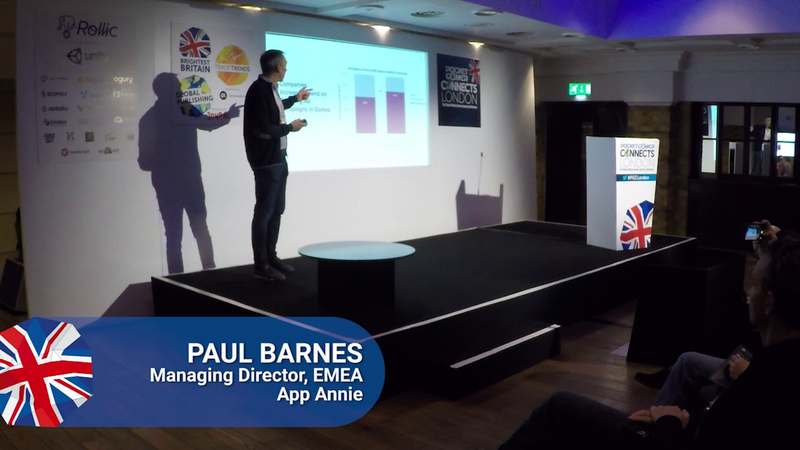
Superstar Session: Gaming: Key Market Insights for 2020
The mobile gaming industry experienced significant growth and structural shifts throughout 2019, characterized by a transition toward core gaming experiences and a maturing global market.
- Mobile gaming consumer spending reached approximately 86 billion dollars in 2019, accounting for roughly 75% of total app store revenue.
- The market is becoming increasingly top-heavy, with the number of games generating over 100 million dollars annually growing by 60% between 2017 and 2019.
- While casual and arcade titles dominate download charts, core genres—specifically action, battle royale (e.g., PUBG, Free Fire), and RPGs (e.g., Fate/Grand Order, Honor of Kings)—drive the majority of consumer spending and engagement time.
Think Global, Create Local: The Regional Economic Impact of the UK Games Industry
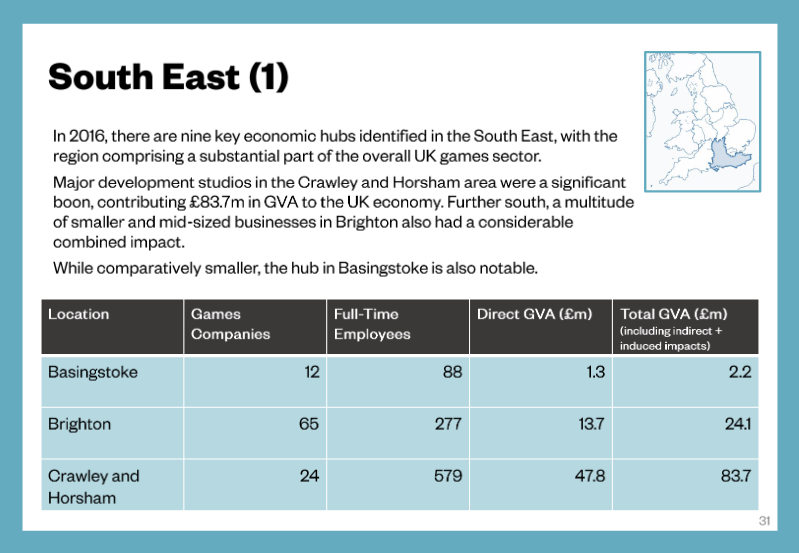
The United Kingdom games industry functions as a high-productivity economic engine, generating £1.35 billion in direct gross value added and supporting 16,140 full-time equivalent positions as of 2016.
- The UK games industry generated a total economic impact of £2.87 billion in 2016, including £1.35 billion in direct gross value added.
- The sector supports 16,140 full-time equivalent positions and is characterized by a high-productivity workforce.
- Small-to-medium enterprises dominate the industry structure, accounting for 99.5 percent of all businesses.

Growing the Core Team with Pete Bottomley | Game Dev Unchained Episode 203
Building a high-performing game development studio requires a strategic shift from informal, friendship-based hiring toward a focus on complementary skill sets and structured operational frameworks.
- Scaling a studio from six to eleven members requires shifting from informal, friendship-based hiring to a focus on complementary skill sets and structured operational frameworks.
- Teams should implement six-week Objectives and Key Results (OKR) cycles to maintain iterative management and ensure consistent progress toward project milestones.
- Static game design documents should be replaced with playable prototypes, high-level vision documents, and production spreadsheets to prevent creative stagnation and documentation obsolescence.

Understanding Loot Boxes with Zac Rich | Game Dev Unchained Episode 195
Loot boxes represent a contentious intersection of game design, corporate revenue strategy, and consumer protection.
- Loot boxes face intense regulatory scrutiny because their psychological mechanics mirror addictive gambling behaviors, despite industry claims that digital rewards lack inherent monetary value.
- Mandatory disclosure of winning odds is often insufficient to curb compulsive spending, as it fails to address the underlying design loops that drive player behavior.
- The industry is caught in a tension between rising development costs and the need for sustainable revenue, leading to controversial practices like pay-to-win mechanics and content gating.
Gram Games on iterating your development pipeline as you grow
Gram Games utilizes an iterative development pipeline designed to scale effectively as a company grows from a small startup to a larger organization.
- Gram Games mandates a strict prototyping benchmark of 40% to 45% day-one retention to qualify a project for the soft-launch phase.
- Development teams are structured as lean, ad-hoc units consisting of one developer, one artist, and one product manager tasked with building a playable core loop in one week.
- The company utilizes a proprietary dependency management system to automate SDK and third-party tool integration, eliminating boilerplate tasks like A/B testing setup.
Which simple tips deliver the biggest value to developers
Early-stage game studios achieve the greatest value by prioritizing core development craft over the creation of proprietary technology.
- Prioritize core development craft over proprietary technology by utilizing established game engines and build systems to focus resources on iterative, player-centric design.
- Shift from rigid waterfall methodologies to flexible, autonomous team structures that enable rapid feedback loops and reduce the high costs of late-stage production adjustments.
- Integrate qualitative research and user experience design from the earliest stages of production to gain a deeper understanding of player behavior.
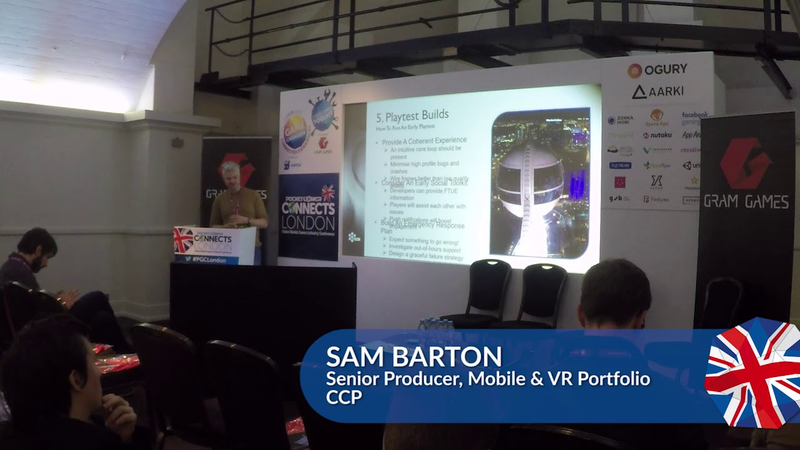
Better together – How to build a mobile game with help from your community
Engaging a community during the earliest stages of mobile game development provides significant strategic advantages, transforming players into active collaborators and establishing a dedicated core audience.
- Engaging a community during early development transforms players into active collaborators, securing buy-in and validating social features long before traditional soft-launch phases.
- Development teams should prioritize gathering qualitative emotional sentiment over quantitative KPIs, which are often premature during the early stages of production.
- Using wireframes instead of polished assets during playtests helps manage player expectations and allows developers to focus on core mechanics rather than visual feedback.
Transhaping – Kickstarting with meaning
Unbound Interactive, a small independent studio founded by three university students, developed the platformer game Transhaping to raise awareness of the transgender experience.
- Unbound Interactive successfully funded their debut platformer, Transhaping, via Kickstarter, raising over £3,000 to maintain creative control and avoid the external pressures of traditional venture capital.
- The studio transitioned from a six-person team to a three-person founding team, forcing the remaining developers to rapidly adapt and professionalize their operations beyond their initial hobbyist mindset.
- The project serves as a dual-purpose tool for both commercial game development and social advocacy, specifically aiming to educate players on the transgender experience and support organizations like the Trevor Project.
Fantasy games pitching
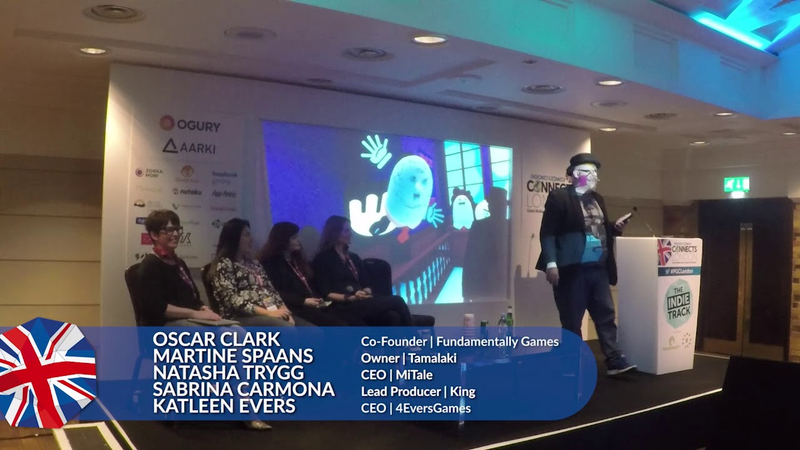
The modern mobile and indie gaming landscape is defined by a relentless pursuit of differentiation, often leading developers to embrace absurdity, satire, and unconventional mechanics to capture user attention.
- Developers in the mobile and indie sectors are increasingly using absurdity, satire, and unconventional mechanics as high-concept marketing hooks to achieve differentiation in a saturated market.
- Commercial viability is maintained by integrating diverse monetization models—including microtransactions, subscriptions, and ad-supported gameplay—directly into the core game loop.
- The industry strategy focuses on subverting traditional genre expectations to generate viral interest and capture user attention.
Gaming for good – Why games companies are collaborating with charities
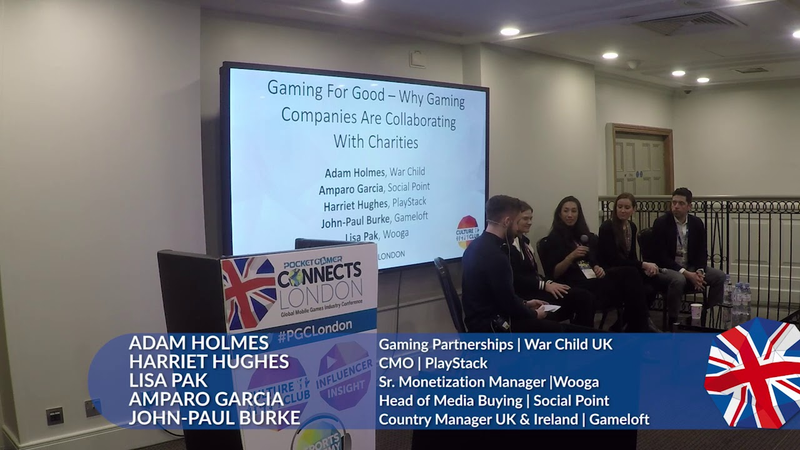
The mobile gaming industry is increasingly integrating charitable initiatives into its business models, driven by both corporate social responsibility and strong consumer demand.
- Consumer demand for corporate philanthropy is high, with 88% of consumers preferring companies that engage in charitable efforts and 87% of gamers believing developers are well-positioned to support such causes.
- Charitable integrations serve as strategic business tools that drive user acquisition, increase player engagement, and successfully reactivate dormant user bases.
- Developers commonly execute these partnerships through the sale of specific in-game items, community-wide fundraising events, the use of remnant ad inventory, and influencer marketing collaborations.

Bendi game – Designing for kids
Designing digital experiences for children requires a nuanced approach that moves beyond treating them as a monolithic group.
- Effective design for children requires segmenting development into two-year increments to match specific cognitive, motor, and aesthetic capabilities.
- For the two-to-four-year-old cohort, prioritize visual communication over text and avoid complex animations or surprise elements that cause cognitive overload.
- Children aged four to six require simple, attainable goals and character-led guidance to maintain engagement, as they are highly prone to distraction.
The history of the UK’s mobile games industry
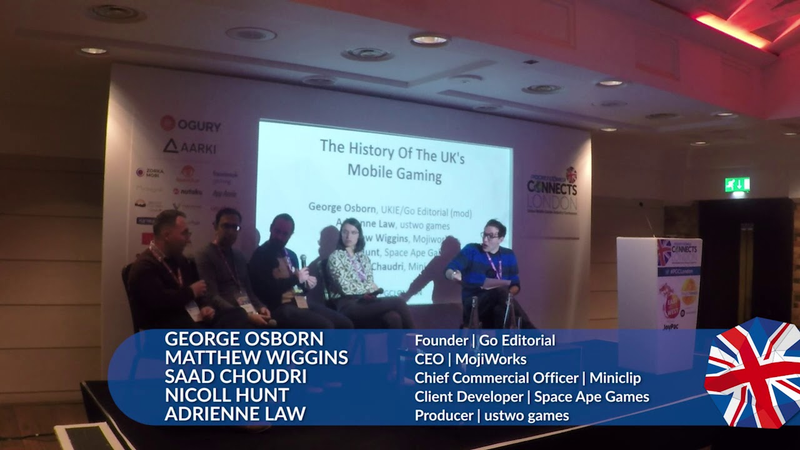
The United Kingdom’s mobile games industry has undergone a profound transformation, evolving from the restrictive technical limitations of early J2ME platforms to a vibrant ecosystem defined by the creative freedom of the smartphone era.
- The UK mobile games sector now accounts for 61 percent of all domestic gaming companies and employs a workforce of 46,000 professionals.
- The industry is currently transitioning from a focus on mass-market titles toward niche, character-driven projects designed to resonate with specific audiences.
- A primary strategic challenge for the UK industry is reconciling its legacy strengths in premium console and PC development with the data-driven, free-to-play monetization models prevalent in the US and Scandinavia.