1 free read left. Create a free account for unlimited reading + AI research.
Create free account
3 things that games developers need to know to safeguard their games
Key insights
7 takeaways- 01Copyright automatically protects the specific expression of creative work—such as code, character designs, and music—but does not cover underlying game mechanics or general concepts.
- 02Developers must secure written contracts for all employment and collaborative work to avoid ownership disputes, as publishers require proof of full rights before signing deals.
- 03Trademarks should be used to protect brand identity, including game titles and logos, while trade secrets can safeguard proprietary business information like customer lists.
- 04Work created during office hours or using employer resources is typically owned by the employer, making clear contractual agreements essential for independent developers.
- 05Legal action against game cloning requires proving that a substantial portion of the original creative expression was copied, rather than just the general idea or genre.
- 06Due to the complexity of international law and 'touch and feel' court assessments, developers should seek professional legal counsel when managing disputes or entering new markets.
- 07Patents are generally difficult to obtain for software, though they may be applicable for highly innovative technical algorithms or hardware-related inventions.
Ask AI about this video
Transcript
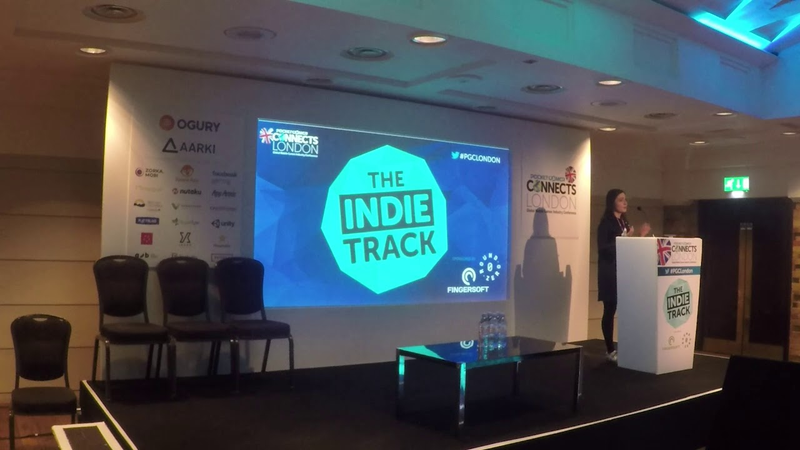
[Music] so you've just created or are working on a new video game and obviously you've put hours into checking that codes creating the new exciting location or character or even just kind of brainstorming to come up with a new catchy title and you're proud of your work and you hope that all the hard hours which we play off when your game becomes the next game of the year so what if someone actually came along and said that game belongs to me or just straight-out copied it and publish it before you did so my name is Viera sub Co and I'm a lawyer at Hobart and Lewis and today I'd like to talk to you about some reasonable things of how law can protect your game and obviously when
your budget or your time is tight we tend to push law to the rim to the list but there's some reasonable things that you can keep in mind to make sure that your game is actually protected and the different types of IP that the law recognizes and that can help you protect your game for example we have trademarks but allow you to protect the things which represent your brand and the reputation of your company or your game and they really help you to distinguish yourself from your competitors and these are simple things like titles and logos but also less common things such as others and shapes of products and packaging and even motion marks such as the iPad motion mark where the tail swings from left to right another one design rights they reap rapira product such shape for example the shape of the design of the controller buttons or the design of your playable character another one would be patterns and here
we can this right can we give you powerful rights over your emotive creation so for example in your hardware or an inventive game player or game design element or graphic techniques further on trade secrets which well as the name suggests they protect information that has read some business value to you so for example your developer contracts or your customer mailing lists and obviously I would like to really go into deep deep about all of them but our time is tight so I'll focus on copyright which way is their core right that creative works focus on what they want to protect their creations and I also kind of wanted just to progress on that one because we'll be talking about law and I want to give you some helpful tips but I also not bore you to death and I'll assume that we have no knowledge or even if you know you're right I'll just kind of give you a know you're fresher so that we can start from the same page so let's dive in so copyright is this powerful right which gives creators of
dramatic artistic sorry just moving on literary and musical works really powerful rights to control the way in which the material can be used by others and most importantly for our purposes copyright allows you to others from copying your work or making derivative works based on it so if someone wants to make a game based on your game or a movie based on your game you can kind of stop that person doing this based on using copyright and because of copyrights others cannot just take metagame with Mario being the main character or a fully adapted Skyrim scripts they take they contact the music score from blood-borne to make the battle sound more epic or just use a copy and paste someone else's code similarly you can't just stop from here is a mighty magic and make your own game based on it or make a mod based on someone else's game without that owner's consent and in many ways copyright is
read that cool right because it arises as soon as you create and record your work you don't need to register it compared to other rights such as trademark on patents we actually need to go register the right and pay a fee but if there's no register how do we know who's the owner well the general right under the general rule right is that the first creator is the owner but there are some exceptions which are not worthy and that's especially in when it comes to works created in the course of employment and were created jointly by people and this really brings me to the first two issues that I want to consider so the first one is games created in the course of employment so there may be many situations where you already work for a studio but that's this Reed dream game that you really wanna might want to make and in your spare time you actually we're working on it and that's generally but there's some things to look out for because under copyright it's the one on a work is created by an employee it will be the employer who's seen as the author
and owner of the right is seen as the owner of the right and that's true where the work was creative employment so what does that mean well if you create something in your spare time using your own equipment and something that is not in the line of your employer's work that's fine but look out for situations where for example and work in your business hours there's nothing to do and you start working on your own code or you use your employer's laptop or tablet or licensed software to create you for example create some graphics for your game or where you work for mobile for someone specializes in mobile racing games and you actually create a mobile racing game yourself these are some situations to look out for because andrew law and made sure now they're actually the owners your employer secondly johnnie created commission games so if you if you create a game with your friends then the law will will
hold that actually all the people own the work jointly and that could be a problem when you fall out with your friend later on because you won't be able to do anything all the other joint owners consent similarly when it comes to commission works the situation is different than under the worst created underemployment just because you commissioned someone to do something and you paid them doesn't mean that you're the owner actually the author because earlier origin and that's a problem because one day when you look for example to publish your game and get funding the investors and publishers really want to make sure that you own all the rights and that could be a problem if you know your joint creators disappear or examine your actually for hours and she says oh actually that's mine and i don't agree for this work to be published unless you pay me X amount of money for example and these are relatively two simple things that can keep in mind to Reaper TechEd your game but now I want to look at something kind of more tricky we're in your game against copying and cloning and that's really where someone wants to free write
on your hard work and the success of your game and we've seen this all I mean we have candy crush cookie crush crazy candy Angry Birds cats angry tomato and the crown jewel candy birds and for decades popular games have inspired fast followers and knockoffs and if you believe that someone has actually copied your game there are some informal informal static and you can even use the platform's to report infringement but it's really helpful to actually understand you know when can you and should you take steps how much copying is allowed before someone is actually found to be infringing on your work soul examples to reenter stand this as I said if this if someone copies every detail of your game and the other game is basically identical to the original game that's always to be a copyright infringement so this was found in Donkey coning with a court where the court said well crazy conk is a copy of Donkey Kong but what if the game is actually just
similar not identical this is a bit more difficult and kind of helps to know two things about copyrights first color protects the idea behind a video game it only protects the expression so let's say you have this great idea for a love song that's not protectable but the actual lyrics would be and secondly for infringement to occur someone must either all of your work or a substantial part of it and this is really more of a qualitative rather than quantitative assessment so even if someone takes just two minutes of your song but it's the best part of your song there are a most recognizable your infringement again this can be tricky if I just talk at random so I'll just show you some examples to understand it in role car that championship would write was a clone of car to chomp on the left and they look very similar similar graphics to play but the court said there's no infringement and that's because there's no copyright protection for the idea of
a car gain and the court said all the other elements that looked similar you know the two guys fighting the judge the scoreboard that's really something that necessarily fool idea and can't be protected but it's a different situation in Casey Munchkin which was a early clone of the pac-man game where the court said okay the idea of a maze chase game is not protectable similarly the game mechanics which are necessary from that idea so the maze the scoring table the tunnel exits use of dots this is not protectable but they use the creative expression of a gobbler so the pac-man guy and the ghosts that's a rear and enjoys is refund they didn't have to use the same they could use it oh no cat a mouse for example so that was protectable and infringement was found and also some new examples Tetris was found to be infringed by menu and the court said again you assign a puzzle game but to choose the same blocks that's a creek this expression of the
idea and you shouldn't copy that and similarly in triple town in the SE town which was settled but the court said in its initial review well the idea of a caracal matching game that's not protectable and similarly using a six by six grid that's something that you just can't choose but in terms of using wild creatures in triple town a bear in Yeti town a Yeti that's quite similar and is there expressively which you didn't have to follow similarly the coyote of objects so progressing from grass to Bush to tree to Hut was quite similar to progressing from saving to tree to tend to cabin and a call for infringement so 15 minutes I was really like rushing to make sure I make it in time but I just wanted to get to kind of give you some general ideas and examples of you know what you should look out for what you can consider when you want to protect your game and obviously being a lawyer I'll state the kind of obvious that is always old so you actually talk to a lawyer if you ever if there's something that you really feel passionate about about your
game or suddenly there's really valuable you think oh this character is great I want to protect it just get an informal chat with a lawyer it really helps to understand you know they can actually point you to the best and similarly if someone copying your game have it just an informal chat and read to make sure that the game you worked so hard on guests the protection their deserves thank you [Applause] which is the old classic yeah the reason why I think that's a great example is because our killer was found not to be reach because I think it had rounded edges on the blocks rather than square edges I know it's not just that there was also a direction because I think there's a narrative element in arkanoid which there wasn't in breakout so for me that was the best one I've always used to like go to it's quite interesting so that's why I say like you know it's quite good to always get some legal
advice or just like an informal chat because this is such a touch and feel assessment there's so many things that chords will actually say well you may think oh that's really unique and special the court will say all that a necessary element of the game and some things you may think oh that's actually quite obvious and the courts say no no that's actually very expressive so it is very helpful to you know just a bit informal chats and is really well so if you'd later a lot of trouble when one of the things that occurs to me though is you know a lot of cases in indie won't necessarily have the commercial you know support all the financial pockets to be able to defend their copyright what can they do in those circumstances is that is it a case of how much money you've got you can get out of it what can they actually kind of defend that practically and we're also kind of limits to that yeah there's different ways so that's why I gave a recon of quick overview of the different other IP rights because some of them are like easier and harder to protect so for example we will use the trademark it's often much easier
because it's registerable once it's registered and someone actually copies it then it's much easier to then defend your right and you don't have to go through the same lengthy process with copyright but again like it will ya depend on the situation it's quite hard to just tell you how much time and money will require but it's always a good start if you really you know you went through life is on my slides and you thought oh actually that someone I've done something similar as I said that's in formal ways on a message sometimes people actually like are willing to give in sometimes not but all these platforms you know Google Play and etc and they all have special and formal procedures to follow to allow it to actually bring in for claim for infringement and I think it's a really important point the fact that they they are actually there just to support developers in that way I think it's an incredibly important factor yeah and often something we ever look yeah we would you know there's an app store it's trying to you know hold us back from getting our content eventually got responsibility to it was likely so unreal or actually the platforms will be
responsible so if you actually notify them that someone has copied your game and they take no steps and actually a valid claim for copying they'll be responsible as well so it's not that they're just like oh that's not a problem they actually like actively will help you I was also thinking about China I mean obviously China is an interesting one now I know there are regulations in China for copyright however I know a lot of Europeans for that it's really kind of like a top-line kind of view that you know help the guys understand you know what should they do is there anything they can do those real hard because they enjoy a very different approach to copyright and IP right as you mentioned and I have actually clients who focus on the European market and they say we know that there's so many not because those are games in China this is literally nothing we can do and it's really kind of depends I think once you started thinking about actually going to China that's when you actually may want to get proper legal advice because this is a graphical area and it's not that easy to solve it yourself
again I think it comes down to working with you know strong players in the territory and I think because they're you know it's the ten cents it's the Bible or I can never remember the different apps hundred and twenty years something all different stores but if working with these you know the three six of the world yeah they're the ones will be your allies only that's Japanese so that's why I like many of our clients are also looking for like a strong partner in China so that actually the connection story of the knowledge and they'll be able to help you and I am in today it's a great day because there's many people are also representing that market so be great to have a chat with them does anyone else have question here's a question we'll get a mic to you you mentioned software patents I don't think that mathematical expressions can be patented in the UK yes it's a it's much easier in as you mentioned and not that using the UK state code is basically a mathematical expression so there shouldn't be any
software patents in the UK no software patents but certain very innovative design elements in the game so if you sell from the UK through the App Store to an American person but the sale is actually made originated in the UK can you be prosecuted at first could you be found guilty of something for software patents even though the sale and everything was done in the word patents you have to register so if you did not register you don't get paid software patents don't apply in the UK so if you sold in the UK yeah you could be in breach potentially over that but would you so if everything was done in the peplos bubble it doesn't matter like if if you get protection in the UK and someone you know buys it in the States and you can sue them obviously here and and if you just sell like the whole code then there could be encouragement I think the aim is the question that the
other way around so could you found in breach of a US patent yeah if you're selling if you're making your game in the UK yeah but somebody already has a patent for that thing yeah it's not software patents in the UK but doesn't matter because the protection is there in the US so someone could sue you in the US courts saying you breach my past it was a crazy law in China or somewhere else and they made a crazy love wouldn't apply anywhere else in the world but the you sold to a person you could still be prosecuted it's just like an action it's not like a criminal thing but someone could bring a claim in the UK courts and the UK courts if the so if in the u.s. someone will make decisions saying you infringe the UK courts recognized this of the US courts so be really easy so it's not like a free for ones like I was just like the geographical limitation that's crazy yeah but up there I mean number pattern's yeah but so that on the flip side of it lately when you create a game and you
think that oh I got re-inspired by someone else's software or whatever it's also again a good idea to talk to a lawyer to see how much you can use that someone else's property before you actually do you wouldn't be able to patent it in you so you could make something you can invent a new software algorithm yeah you couldn't patent in the UK because it would have acquitted me done and then someone else in the states could see your idea but yeah because it's allowed that's not patent must be a new innovative thing so if someone like in the States if you already develop in the UK you can't just go to the US and be like oh I have this new creation no because you would say oh I already invented it like previously that's the priori it doesn't that easy to just like I had it's not easy and all that no I mean I mean hopefully what we've got across is then you know there are things you can do there are questions there are risks but there are things you can't there are actually embedded in the framework so you automatically get a lot and but it's still worth getting proper advice to
make sure you you look up I mean if you have any further questions just you know jump on me [Applause] [Music]
Summary
Safeguarding intellectual property is a critical concern for independent game developers, particularly when balancing limited resources against the risks of ownership disputes and unauthorized cloning. The primary legal mechanism for protection is copyright, which automatically attaches to creative works upon their creation and recording. Copyright protects the specific expression of ideas—such as code, character design, and musical scores—rather than the underlying concepts or game mechanics themselves. Because copyright does not require formal registration, developers must be proactive in establishing clear ownership from the outset of a project.
Ownership disputes frequently arise in two common scenarios: employment and collaborative commissioning. When developers create games during office hours or utilize employer-provided equipment and resources, the employer is typically considered the legal owner of the work. Similarly, when commissioning third parties or collaborating with friends, the absence of a written agreement can lead to joint ownership or the loss of rights entirely. Securing written contracts that explicitly define ownership is essential for developers seeking future investment or publishing deals, as publishers require proof that the developer holds all necessary rights to the game.
Beyond copyright, developers should consider a broader suite of intellectual property protections. Trademarks are vital for safeguarding brand identity, including titles, logos, and unique visual markers. Design rights can protect specific aesthetic elements like controller layouts or character appearances, while trade secrets are effective for shielding proprietary business information such as customer lists or internal development contracts. While patents are more difficult to obtain for software—particularly in jurisdictions like the UK—they may offer protection for highly innovative technical algorithms or hardware-related inventions.
When addressing game cloning, the legal threshold for infringement relies on a qualitative assessment of whether a substantial portion of the original work’s creative expression has been copied. Courts distinguish between non-protectable ideas, such as the general concept of a maze-chase game, and protectable expressions, such as specific character designs or unique object progressions. Developers who believe their work has been infringed can utilize informal resolution methods or the formal reporting procedures provided by digital storefronts. Given the complexities of international law and the nuances of "touch and feel" assessments in court, seeking professional legal counsel is strongly advised for developers navigating potential disputes or expanding into international markets.













Comments