1 free read left. Create a free account for unlimited reading + AI research.
Create free account
An update on mobile esports progression and opportunities
Key insights
6 takeaways- 01Mobile titles achieve financial sustainability by moving away from pay-to-win models toward monetization strategies centered on in-game purchases, licensing, and high-production-value tournaments.
- 02Mobile esports tournaments often achieve immediate cost recovery through in-game microtransactions, a financial efficiency rarely seen in traditional PC-based competitive gaming.
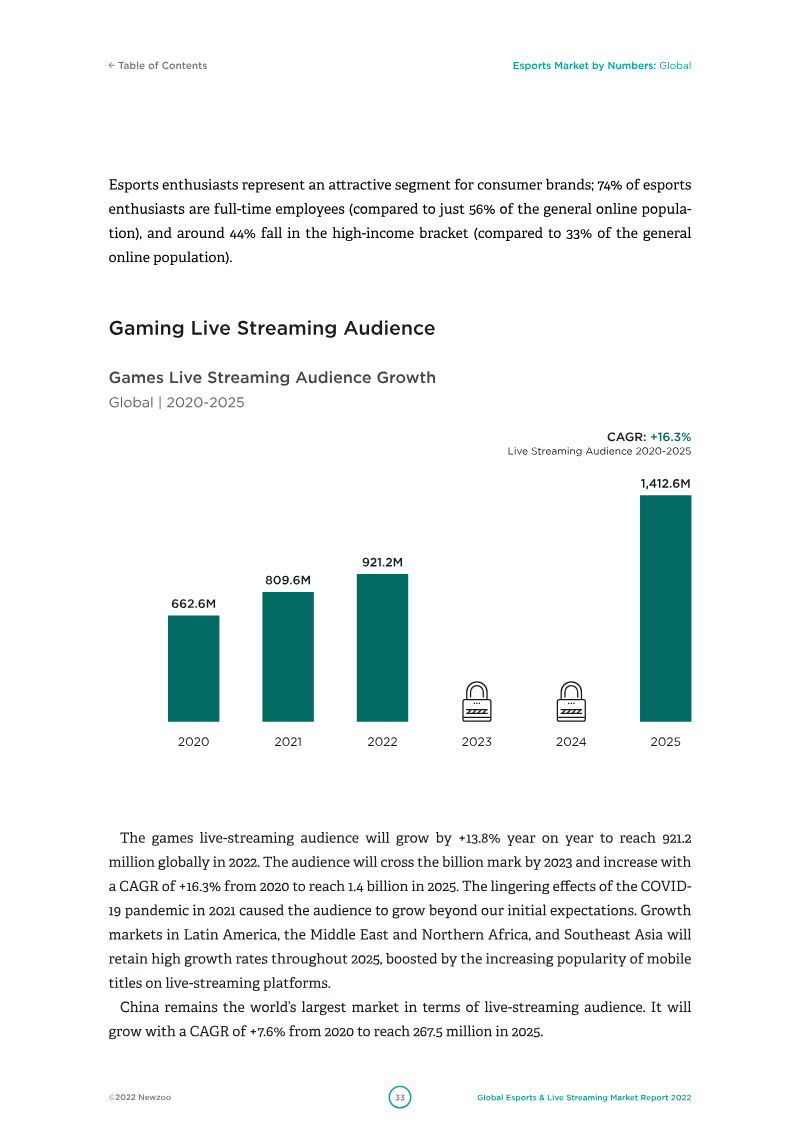
- 03Mobile esports currently accounts for less than 10% of global esports viewership, representing a significant growth opportunity due to its high accessibility and lower hardware barriers compared to PC gaming.
- 04Titles such as Vainglory, Clash Royale, and Arena of Valor serve as industry benchmarks for successfully integrating spectator modes and matchmaking systems to foster long-term community engagement.
- 05Cross-platform integration, as demonstrated by titles like Hearthstone and Old School RuneScape, is a primary driver for expanding the reach and flexibility of competitive mobile gaming.
- 06Advancements in 5G technology and specialized mobile hardware are actively closing the performance gap between mobile devices and desktop environments.
Ask AI about this video
Transcript
[Music] [Music] sometimes I think I've got the best job in the world because not only do I get to work in eSports but of course we work with these amazing IPS constantly coming into the industry and we have an opportunity to create content around that and I think that's one of the best things we have but I wanted to start about talking about actually what is an eSport like we always talk about eSports but we don't really cover that very often so this is the way we sort of approach it first of all you need a competitive player get base right without obviously a player base and playing online etc there's no competition to make an eSport in the first place then there's a tournament ecosystem on top of that that goes into
quite a lot of depth which I won't go into right now and then that creates teams and a player base and that player base and an team base will build a fan base and that's actually creating that that viewership online and also physical audiences is great that a lot of this sort of transitions from the previous two few statistics analysis that's something that's overlooked sometimes and but think about obviously the way you use player data to actually manipulate the game itself well there's a huge amount of data coming out of these specific tournaments and actually building the narrative as well so it's it's super easy to to bypass that but it's something that's super super important and worth looking into in a lot more depth and then of course because the viewership is being created in that fan base in that community all engaging there's a sponsorship licensing and lots of media sales opportunities
around that and as mentioned before you know that's where ESL comes from we we are effectively harnessing all of this intellectual property working together in a partnership to to effectively create that that opportunity from a revenue level so the ecosystem itself just kind of goes around I think one most important thing is the fact that any game can become a sustainable sport if there's a good community and there's good engagement there then there's no reason why this won't build up and up the game involves that empowers the community you know lots of feedback from the community to the developer to make sure that it's evolving the right way the competition structure is built up and then a financial model is executed and we'll go onto that in a little bit more detail but effectively that could be in-game items it could be a free-to-play model pay2win model it could be buy the game in the initial state and then buy some DLC at a later stage and then obviously
there's the sponsorship licensing and media sales on top of that and the ecosystem develops as a whole that ecosystem be on the right-hand side there the viewership the teams and the licensing and then it goes round again we want to continue to see that evolving nature of the IP because that keeps everyone very interested so traditional easeful I love saying traditional eSports it's brilliant but let's have a look at some of the advantages of mobile eSports and in the in our view it's all about accessibility mobile eSports or mobile games about huge accessibility first of all it's generally a lot less complex in terms of meta you know we're talking about people adopting these games very quickly they don't have to sink in 40 or 80 hours into a game before they kind of get hooked you know obviously that complexity can can build as they build their characters in game but like the premise it's very easy to pick up and go the interface and the
latency as well which could be regarded as a problem but actually if you think about playing games on mobiles again it's a touchscreen you're not having to click at 110 clicks a minute and the accuracy required with a keyboard and mouse and obviously with because of latency issues over mobile networks it not not it's it's sort of not depending on that kind of very precision timing and there is a lot of timing within the game but it's not as much as a PC orientated eSports title shorter form play if you like me working this industry unfortunately occupational hazard again don't get time to play games so actually I'm a converted mobile esports person I've spent far too much on clash Royale I'm looking for other titles so please approach me afterwards and of course massive user base that accessibility the cost of owning a mobile phone and obviously opening up in terms of that
global player base that's huge much larger than a PC aren't ated title and to a certain extent also larger than console titles so we've got a huge opportunity and an advantage there the challenges financial models obviously it's not it's very tough to develop a game and then make it profitable you know you sink thirty million dollars into developing a game how you going to get that investment back with mobile games what we tend to see is there's a generally pay to win model now that's not necessarily inherent in the way eSports works it's always been developed along a free-to-play model now we're seeing that change which is really exciting but event ultimately right now in this circumstance generally speaking the mobile developers of coining that investment back with advantages within game by spending money oh that's an accelerator or just a more powerful dynamic within the game itself
viewership right now currently we're talking less than 10% in the global viewership of eSports is coming from a mobile I think this is going to change and mainly because relatively it's an undeveloped ecosystem I think we've got to see that that's just a matter of time really but it's a challenge because it's not getting the attention you could say it deserves commonalities with traditional eSports so first of all the genres we're seeing obviously initially the MOBAs really taking that market share in mobile esports it kind of transitions very well from the PC orientated titles and but then also FPS is do they really work extremely well well it's a completely different interface we're talking about completely transition from that accuracy of a keyboard and mouse but to to using to film on a touchscreen quite interesting how that develops and then strategy which keen keeps to keeps developing and
obviously MMOs and RPGs the spectator mode that was mentioned a couple of times before absolutely crucial the fact that you can share games and share with your friends how well you've performed in a game that's what's going to build that community that's exactly why the community grows is because they can experience each other's games and obviously discuss it and look at hints and tips on how to develop their own game and then finally matchmaking super super crucial as you all know we see a critical mass forming and in a player base and then what what's great about that is that you when we consider that matchmaking aspect we can make that really good fun for everyone to make sure that they're playing an equal equally matched player now obviously when it's a pay2win model that's even more crucial to make sure it's correct so progression and I just wanted to highlight a few examples
really and vainglory is always fascinating because obviously it's been around for arguably the longest in terms of the eSports ecosystem you know over five years of competition they now establish teams recognizable brands such as fnatic they have weekly tournaments throughout this their season so a huge amount of content coming out of that consistent viewership as well that core viewership is building and building not just around the influencers but also about the core tournament itself and they're expanding their play mode now so there there was 3v3 and there was a limited number of play modes but they've sort of accepted that they need to bring that out to a 5v5 and then they've also got some different formats in order to engage and sort of increase that complexity of the meta as well so it's just a natural progression and it's it's really important to consider in terms of a longer term strategy and how they're going to build this out and of course
brand partnership we saw an example of that I think that's super super key to see this starting to happen so they partnered with Razer launched a phone more recently and to see that support come back round is exactly what eSports needs you know to build that sponsorship that media sales aspect of what we're doing in terms of content obviously the IP is worth a lot and we want to monetize that clash Royale and this was an incredible event we had the the fortunate position to be there we were operating the nine language stream so they had eight cast is actually onset in in eight different languages there and then the main production was in English that was at the copper box in London absolutely huge production they plowed everything into production value here that was a projection mapped floor so the the games were being played huge screens just all over the place about thousand people
there and an over millions online basically 250k prize money it's incredible and you think well how do they get around that I know obviously supercell aren't struggling with this game but but you know during during that tournament alone they're running a separate tournament in game and I'm pretty sure I don't have the stats but I'm pretty sure that they probably recoup the cost of this entire event just by the spend of elixir and a gems etc sorry coins and and gems and all that for six hours share over one day absolutely incredible like we don't even get that in PC orientated eSports and it's an ongoing season and then just I went to touch on the arena of Valor as well which was quite interesting because they obviously have a it's a MOBA there's there's an Asian legacy with that honor of kings and and it does have
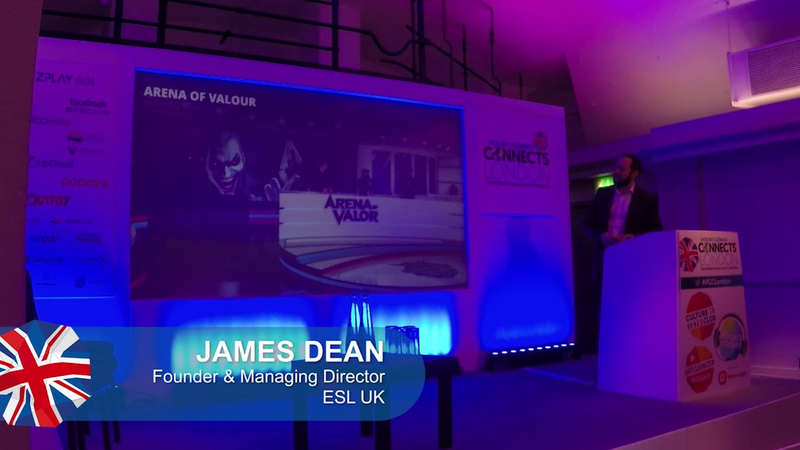
a familiar look and feel to another 10 cent game which won't go into too much detail but there's there's obviously an element of familiarity that they were playing around but they were they are beginning to harness more IP so they were working with DC Joker Batman etc adding those in although Batman was quite controversial being 25 quid and completely Opie they hit a critical mass early which makes it super easy you know when that matchmaking aspect you know that really good fun play short format you know I'm already a MOBA player but this is just great I can do this I know sitting on the toilet I didn't say that and it's it's kind of new to pro eSports and you'll probably notice it actually says non pro tournament so it was all developed around running show matches etc with influencers in order to create a a bit of a showpiece and I guess looking more from the discoverability aspect of it and
building that viewership okay I just wanted to mention you know this is not the end of it there's some amazing emerging titles and this is not completed in the slightest and battle bay a lot of you familiar the Rovio title basically control its 4 v 4 or 5 V 5 sorry with ships shadowing legends madfinger games out in check amazing format where as a player you actually have a persona within game and you're actually building a kind of fan base within the game as for your avatar which is quite unique and you enter arenas and and play within like an FPS style matchup and then I don't need to talk more about summoners war but obviously seeing that passion behind the community and how that's been harnessed with the publisher and the developer that's that's incredible to see so final
slide opportunity and so this really comes from the fact that as ESL we do a lot of work to kind of consult with the industry we're not an IP owner ourselves apart from obviously our brand and our events around the world but the way in which we look at this is is look at talk to the publishers about developing formats and genres I think this is super crucial we can't just keep rinse and repeating copying existing formats and and there's a huge opportunity to sort of try and test different ideas within the gameplay within the mobile environment it's so accessible I'm not saying that it's any less of an investment to build a mobile title but but there's a little more flexibility I think cross-platform play we've seen two very interesting examples here hearthstone what started out as a pc title and then became very popular and incremental on the mobile platform
and then of course old school runescape which we've we've recently seen transition to the mobile environment now obviously playing within those games there there's already an existing community a huge one but there's an opportunity there for the four players to play against them whatever device they're using and I think that's a glimpse into the future I think we can see a lot more of this happening down the line defining the objective now this is a this is a tough one because it's kind of a question on investment but also what are we trying to achieve in the long term and obviously we'd all love a bit more discovery for a game and there is an opportunity right if you're creating a lot of content and that's being shared at most communities online then you're likely to pick up a few players along the way but then there's also the retention opportunity so in terms of just bringing players in and then keeping them and getting them to spend more within the VIP and and I think a
lot of that depends on that balance between pay to win and free-to-play and and the different financial mechanisms around that appreciate that we could go on for hours about that subject and crowdfunding a community engagement I think this is super super cool we heard a bit in the last presentation about how that community engagement was driving the entire campaign you know the the developer there could see that this thing was forming it was kind of out of their hands they were jumping in and just embracing their community that were hugely passionate about this game and and effectively you're allowing them to crowd fund what you're doing you're giving back to the community they're super happy to pay for it if they think that they're getting value back and so I think that's super super important to to consider and think about well you know is this a financial model we can consider you know you've got a huge community out there that completely passionate completely engaged how do we how do they feel like
they're investing in something that's creating content they can enjoy building out the entertainment format I think this is something mobile actually has a huge opportunity it could have been in our advantages as well earlier on but basically thinking about the game as an entertainment you know there is obviously a lot of serious a serious nature to these competitive games and but the the mobile games present an opportunity for it to be a lot more casual a lot more inclusive you know when hearthstone started to become very popular the community almost demanded it became an eSport and Blizzard was saying well no it's not an eSport that's too serious for us we're just happy with competitive play but they had to cave in the end that's what the community wanted so really building out the way in which the game is presented the way in which the IP is presented and really make a really just great fun show it's almost like cross between a game show and a live
tournament of some sort and you know if you watch one of our hearthstone broadcasts for our national league or an old school runescape broadcasts it's very light and and great engagement in terms of the way in which which the community sort of respond and and react to the whole the whole premise of what's being created and yeah just touching on that level of gravitas you know it can just be for fun it doesn't have to be that huge stage with hundred thousand people in the crowd it could just be a fact that you're in the studio with you know 22,000 feet concurrent's online you know with overall 200,000 uniques maybe and and that's great that's a sustainable model and a great way of engagement and building out that that retention or discovery or both and finally I think huge opportunity is that
that performance that device performance we saw that's of there's the picture of the razor phone I think that presents a huge opportunity in terms of stepping up a level in terms of how do we push the boundaries a little bit if people do want to kind of go down that route of taking a little more seriously and you know how would the game scale in that in that way um interface development you know use of VR goggles or little Bluetooth devices for controlling I think there's a huge opportunity there and then of course 5g how does that link back into the overall ecosystem on the internet you know is it a companion app to some sort of desktop or vice versa you know is there how does that cross-platform play work out and I think 5g presents a lot of opportunities there as well and that is it thank you very much [Applause] [Music]
[Music]
Summary
Mobile esports represents a rapidly evolving sector characterized by high accessibility, a massive global user base, and a unique capacity for rapid community engagement. Unlike traditional PC-based esports, which often require significant time investment and high-precision hardware, mobile titles offer lower barriers to entry and shorter, more flexible play sessions. This accessibility facilitates a broader demographic reach, positioning mobile platforms as a significant growth area for the industry despite currently accounting for less than 10% of global esports viewership.
The industry is currently navigating a transition in financial modeling, moving from traditional pay-to-win structures toward more sustainable, community-driven ecosystems. Successful titles like Vainglory, Clash Royale, and Arena of Valor demonstrate that publishers can effectively monetize mobile esports through in-game purchases, licensing, and high-production-value tournaments. These events often achieve immediate cost recovery through in-game microtransactions, a feat rarely matched in PC-based competitive gaming. Furthermore, the integration of spectator modes and robust matchmaking systems remains critical for fostering the community-driven growth necessary to sustain long-term competitive play.
Future opportunities in the sector lie in cross-platform integration, innovative hardware, and the evolution of entertainment formats. Titles such as Hearthstone and Old School RuneScape illustrate the potential for seamless play across devices, while advancements in 5G technology and specialized mobile gaming hardware are expected to further bridge the performance gap between mobile and desktop environments. By prioritizing community feedback and experimenting with diverse, non-traditional tournament formats, developers can leverage the inherent flexibility of mobile platforms to create inclusive, sustainable, and highly engaging competitive experiences that extend beyond the standard professional tournament model.