Southeast Asia reports and market data
Documents
Vietnam Mobile Gaming 2025: The Next Billion-Dollar Frontier in Southeast Asia
The report argues that Vietnam’s mobile gaming sector will reach a billion-dollar valuation by 2025, driven by an expanding user base and high spending per download.
- Vietnam's mobile gaming market is projected to reach a billion-dollar valuation by 2025, supported by a 9.8% compound annual growth rate.
- A 2025 regulatory crackdown resulted in the removal of 1,081 unlicensed titles, leading to a 13.7% decline in total downloads but fostering a more stable environment for compliant mid-core games.
- Vietnam demonstrates strong monetization potential, with revenue per download exceeding that of the Philippines by at least 28%.
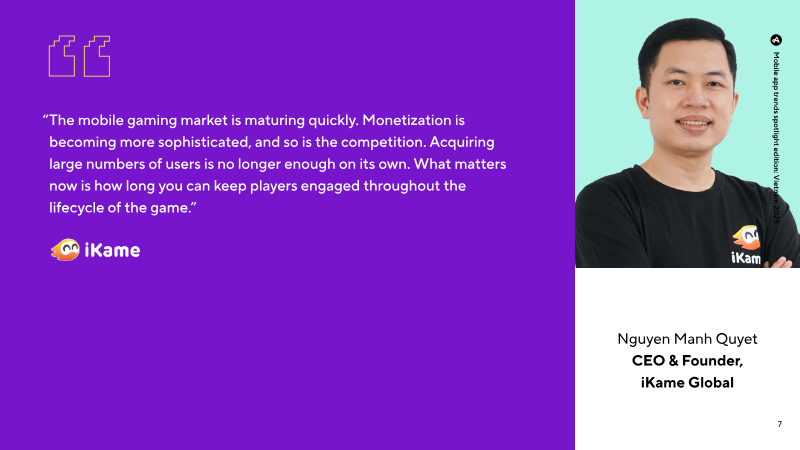

Mobile App Trends: Vietnam 2025
Vietnam’s mobile app economy is experiencing rapid expansion as of early 2025, driven by high smartphone penetration and a tech-forward population.
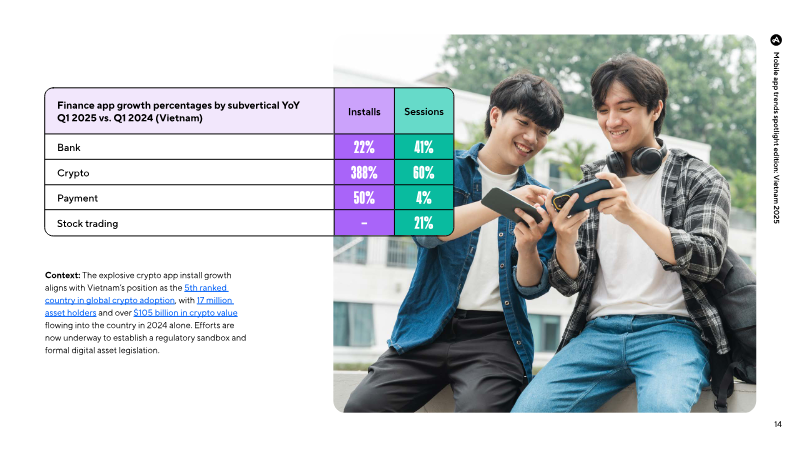
- Vietnam’s finance sector experienced massive Q1 2025 growth, with app installs rising 64% and sessions increasing 84% year-over-year, driven by mobile wallet adoption and cryptocurrency usage.
- The gaming sector saw a 9% year-over-year decline in installs and sessions during Q1 2025, despite maintaining a resilient 49% App Tracking Transparency (ATT) opt-in rate.
- Vietnam is a top-tier global mobile market, ranking 11th in total app downloads and 9th in time spent within apps during 2024.

Vietnam Innovation and Private Capital Report: 2025
Vietnam’s 2025 Innovation and Private Capital Report positions the country as a rapidly ascending tech-investment hub in Southeast Asia, underpinned by steady macro growth and decisive policy support.
- Vietnam’s digital economy has reached a valuation of $36 billion, supported by a 6% annual real GDP growth rate.
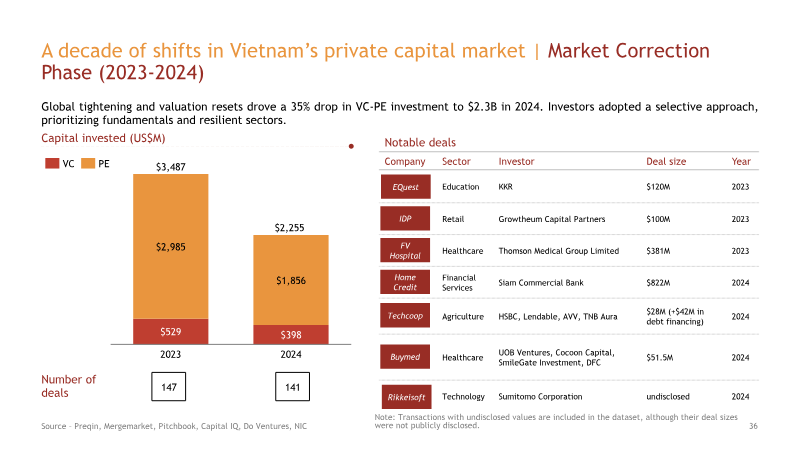
- Private capital investment in 2024 totaled $2.3 billion across 141 deals, with a notable rebound in early-stage venture capital during the second half of the year.
- Resolution No. 57-NQ/TW mandates that by 2030–2045, digital and high-tech exports must account for 30–50% of GDP, with 2% of GDP allocated to R&D.

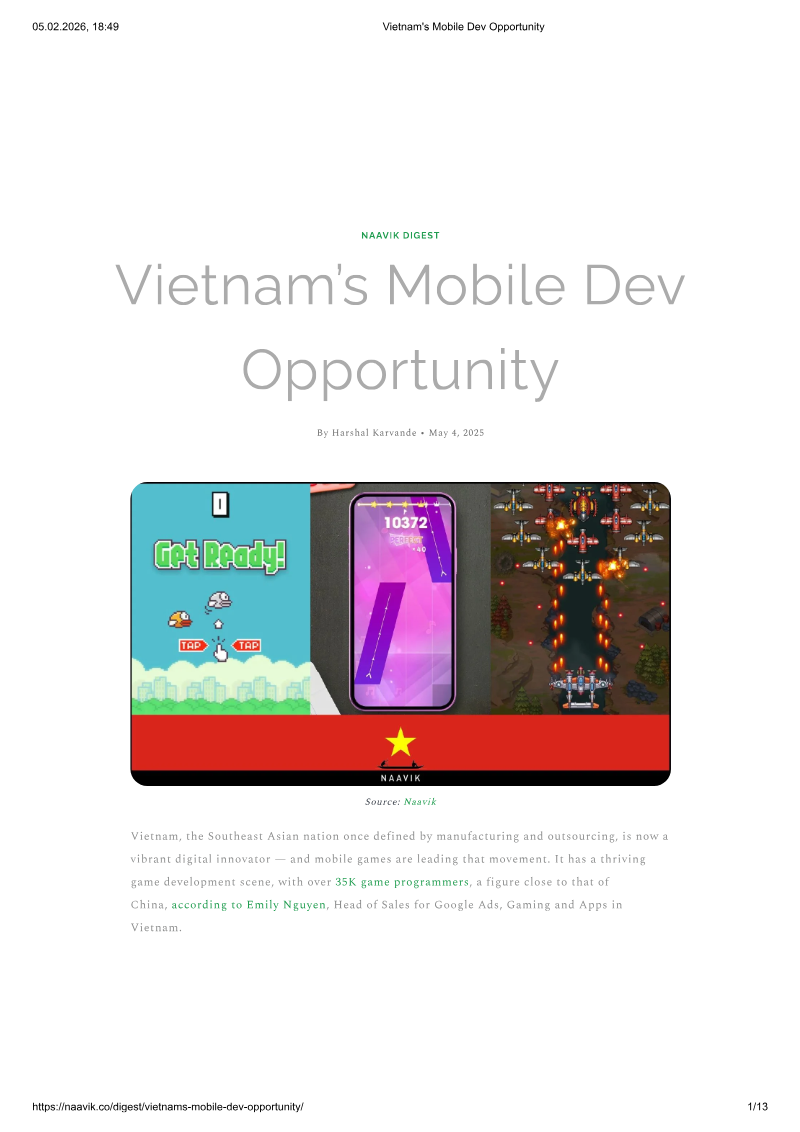
Vietnam's Mobile Dev Opportunity
Vietnam’s mobile game sector has evolved from a consumer-centric market into a burgeoning production hub, driven by a skilled talent pool forged through outsourcing, stringent regulatory frameworks that forced local publishing entities to emerge, and the explosive rise of mobile gaming.
- Vietnam has emerged as a major global mobile development hub with over 35,000 game programmers and more than 300 active local publishers.
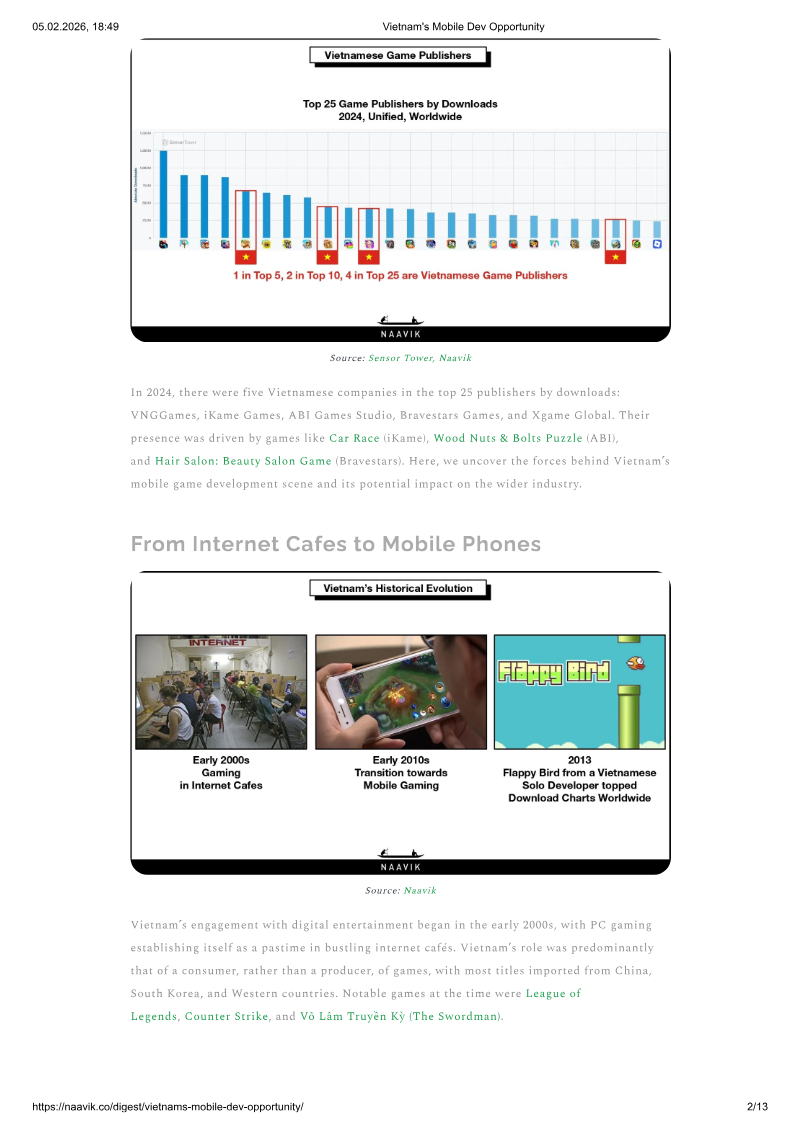
- In 2024, five Vietnamese studios ranked among the world’s top 25 publishers, generating 2.4 billion downloads and $133 million in revenue.
- Since 2020, the sector has experienced significant growth, marked by a 67% increase in downloads and an 82% rise in earnings.
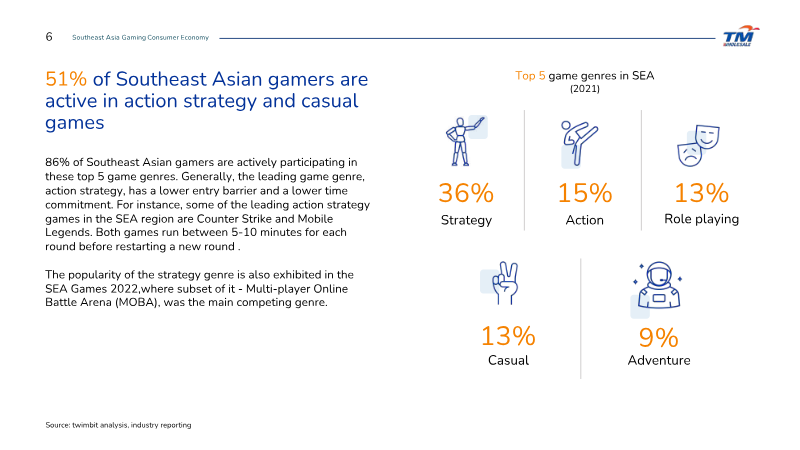
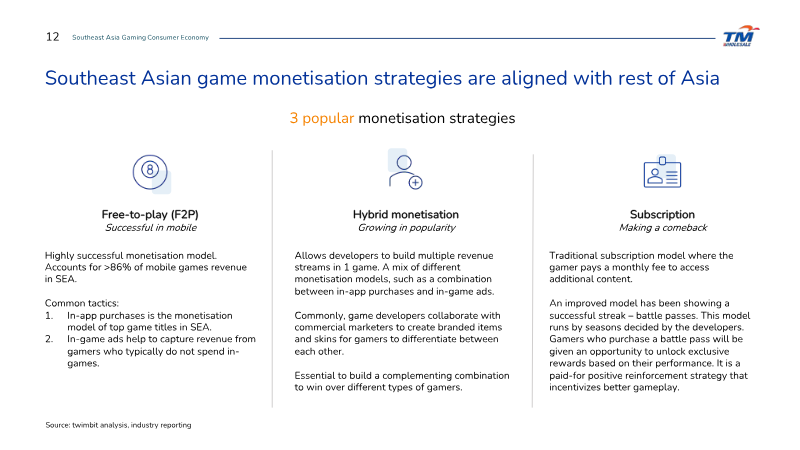
Southeast Asia Gaming Consumer Economy
The Southeast Asia Gaming Consumer Economy report, produced jointly by Telekom Malaysia and twimbit in Q2 2022, examines the region’s rapidly expanding gaming market.
- The Southeast Asian gaming population is projected to reach 367.8 million by 2025, with Indonesia, Malaysia, the Philippines, Singapore, Thailand, and Vietnam accounting for 85% of the total regional gamer base.
- Mobile gaming is the dominant market force, generating 70% of in-game revenue and achieving a 13.7% CAGR in consumer spending between 2018 and 2021, reaching a total of US$5.57 billion.
- Monetization is heavily reliant on free-to-play models with in-app purchases, which account for 86% of total revenue, though hybrid and subscription models are increasingly utilized.

Gaming and Esports in Vietnam: A New Arena for Brands
Vietnam’s gaming and esports landscape has evolved into a high-growth, culturally resonant channel for brands targeting the country’s youthful, tech-savvy population.
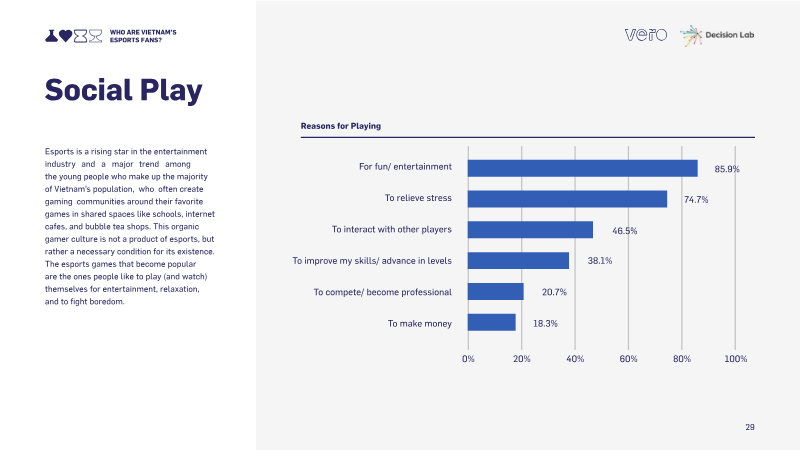
- Vietnam has the world's highest adult gamer rate at 85%, with a demographic where 70% of the population is under 25 and one-third of citizens are engaged in esports.
- Mobile gaming dominates the market, supported by high smartphone penetration and 4G coverage, with gamers typically spending 1–3 hours per session.
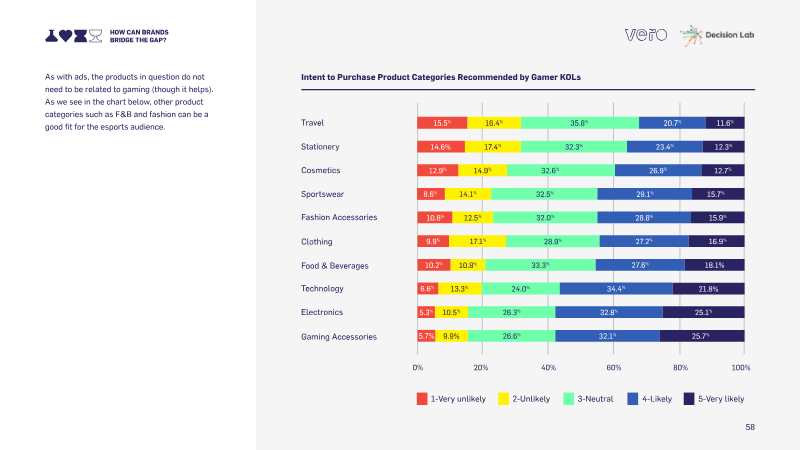
- Influencer marketing is highly effective, as 51% of gamers trust key opinion leader (KOL) recommendations and 42% report purchasing products endorsed by them.
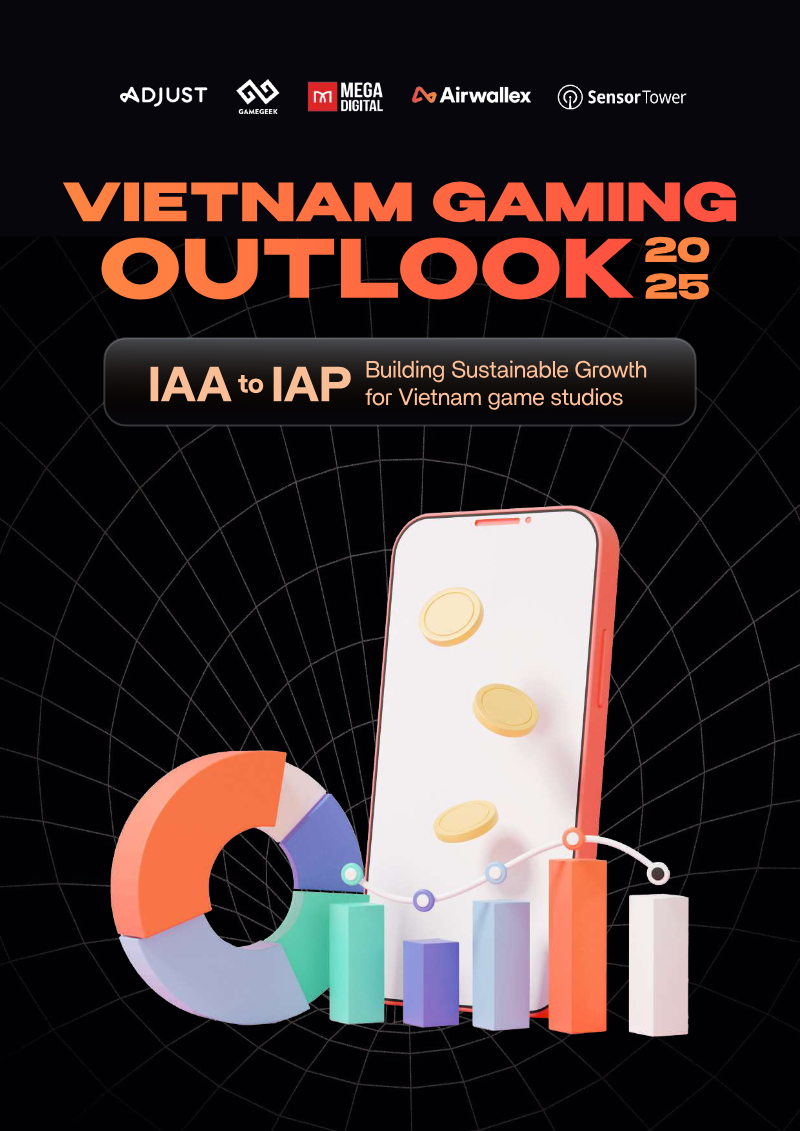
Vietnam Gaming Outlook 2026: Building Sustainable Growth
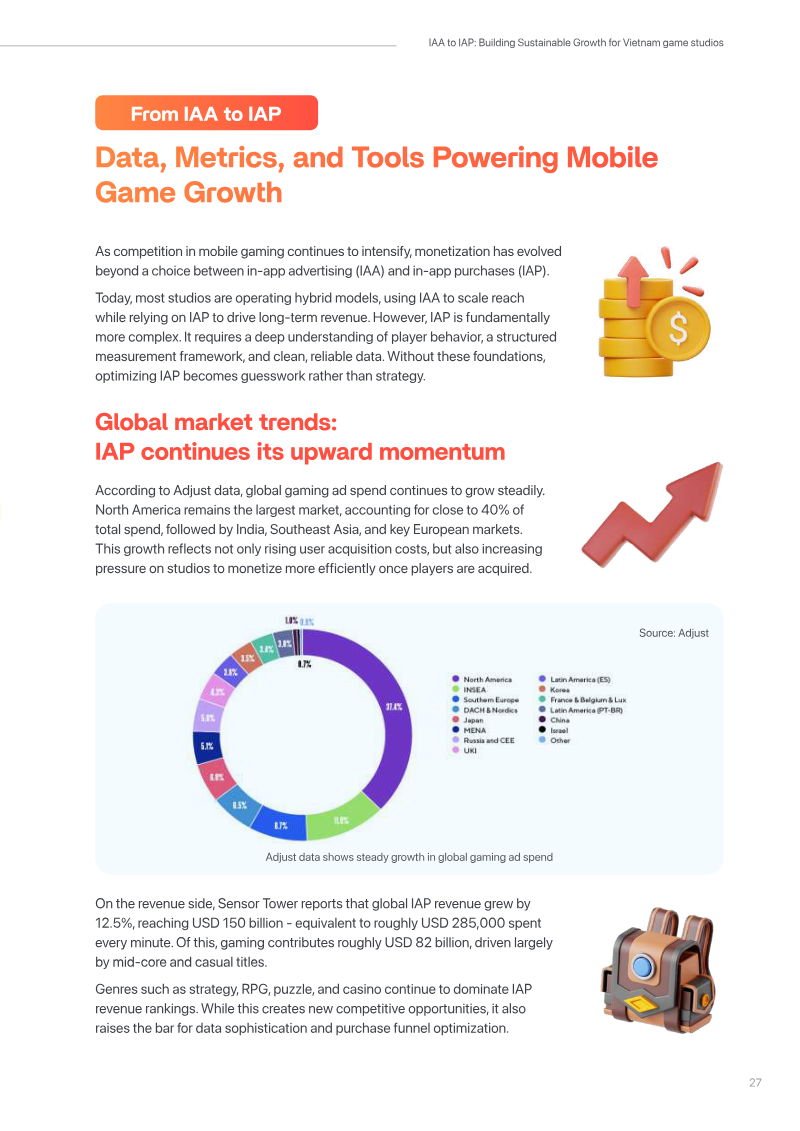
Vietnam’s mobile gaming landscape is rapidly evolving from a download-centric, ad-driven model to a hybrid ecosystem that prioritizes in-app purchases (IAP) and subscription revenue.
- Vietnam’s mobile gaming sector is shifting from an ad-driven model to hybrid-casual titles prioritizing in-app purchases (IAP) and subscriptions, following a 65% surge in local IAP growth in 2025.
- While Vietnam led global Google Play downloads with 6.1 billion installs in 2024, the market generated only $430 million, highlighting the profitability ceiling of pure advertising models.
- Localized pricing strategies, including purchasing power parity tiers and one-tap tokenized payments, can increase conversion rates by over 20% and reduce checkout abandonment by up to 30%.
Connecting Digital Investments and Real Estate: Malaysia’s Competitive Advantage
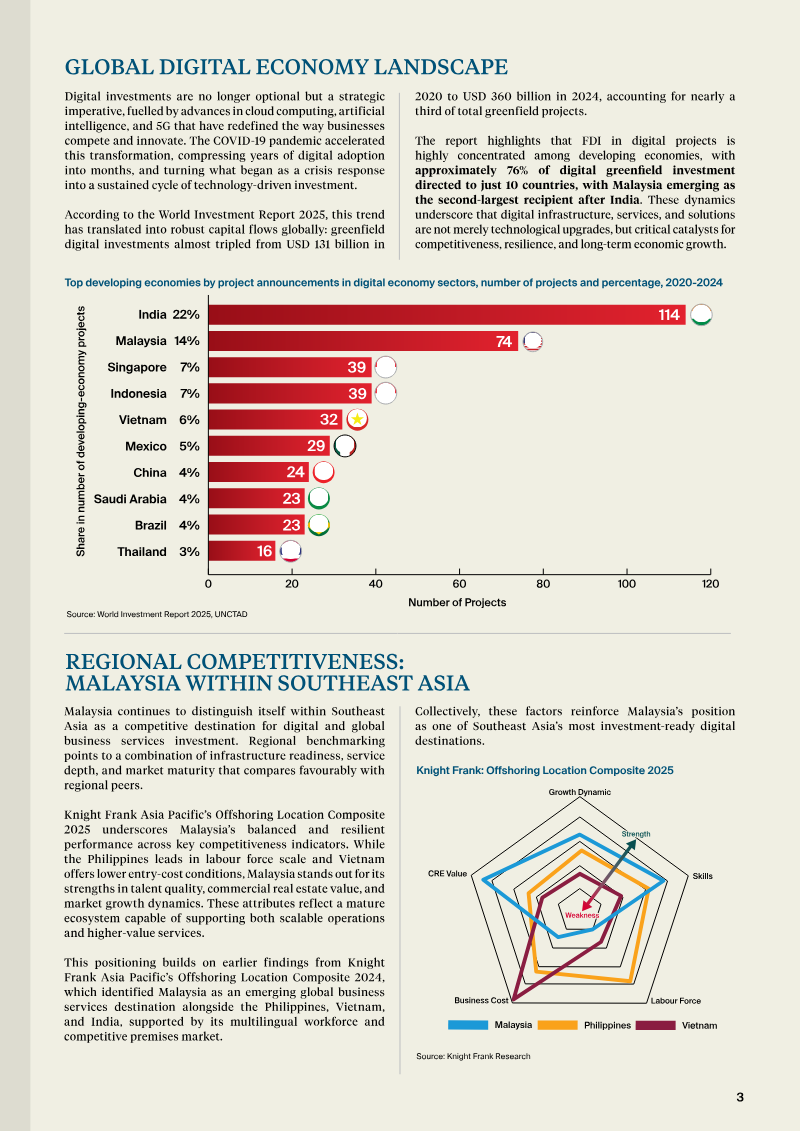
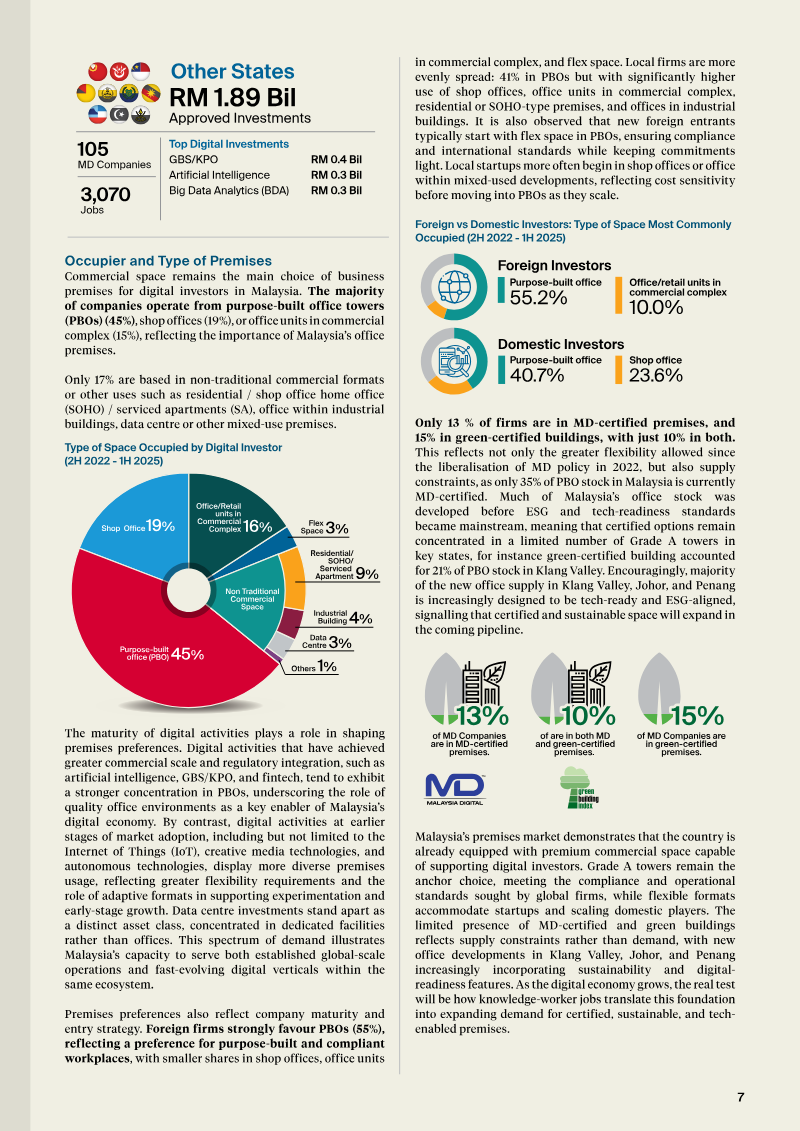
The analysis establishes that Malaysia’s competitive edge stems from the tight integration of digital investment flows with commercial-real-estate development, positioning the country as a regional hub for high-value technology activities.
- Malaysia has attracted RM 342.6 billion in approved digital investments, with 95 percent of these projects concentrated in the Klang Valley, Johor, and Penang.
- The Klang Valley serves as the primary digital hub, accounting for approximately 75 percent of the nation's total digital foreign direct investment.
- Digital-sector employment across these investment clusters generates a total value of RM 13.9 billion.

SayGames’ Kate Dekalenkova on Vietnam’s Rapid Rise and the Shift Toward Hybrid Casual
The Vietnamese mobile gaming ecosystem is undergoing a rapid maturation, transitioning from a hyper-casual foundation toward more complex hybrid-casual and midcore models.
- Vietnam’s mobile game development ecosystem is identified as the fastest-evolving market globally, characterized by a rapid transition from hyper-casual titles toward hybrid-casual and midcore genres.
- SayGames is actively seeking to replicate its success in the Korean market by establishing long-term partnerships with top-tier Vietnamese studios.
- The primary challenge for publishers like SayGames in Vietnam is identifying studios that share a long-term vision and a commitment to high-quality product development rather than short-term ad-based gains.

Google’s Zachary Kuney on Monetisation, AI & Why Vietnam is a Global Growth Engine
Vietnam has emerged as a critical growth engine within the global mobile application ecosystem, characterized by a unique combination of young, highly skilled talent, strong government support, and a collaborative, innovation-focused developer community.
- Vietnam is currently a primary growth engine within the APAC mobile app ecosystem, driven by a young, tech-focused talent pool and strong government support for the digital economy.
- AI is being leveraged by developers to transform massive datasets into actionable insights, effectively providing small studios with the capabilities of an in-house data science team.
- Google is shifting its support strategy for developers by integrating cross-functional teams—covering cloud, infrastructure, ad buying, and monetization—to provide a more cohesive and simplified scaling experience.

Tracy Phan on Vietnam’s Mobile Gaming Boom: Community, Culture & What's Next
The Vietnamese mobile gaming ecosystem has evolved from a bootstrapped, isolated industry into a globally recognized emerging market.
- Vietnam’s mobile gaming ecosystem is transitioning from a bootstrapped, ad-monetization-heavy model toward more sustainable, long-term revenue streams like hybrid-casual and in-app purchase (IAP) genres.
- The Vietnamese gaming community is characterized by a close-knit, collaborative culture where founders frequently share resources and network through informal social settings, which has historically fueled studio growth.
- Despite high download volumes, the industry currently faces a funding gap due to a cultural preference among founders to prioritize immediate profitability over raising venture capital or building for an exit.

Azur Games' Head of Publishing Sergey Marcinkiewicz on Vietnamese Mobile Gaming Ecosystem
Vietnam has emerged as a premier global hub for mobile game development, characterized by an exceptionally rapid pace of production and a unique mastery of the puzzle genre.
- The mobile gaming industry is shifting away from hyper-casual models toward complex, high-quality titles inspired by PC mechanics such as roguelite, tower defense, and survival arena games.
- Vietnam has established itself as a premier global development hub, distinguished by its rapid production speed and expertise in pioneering new puzzle sub-genres.
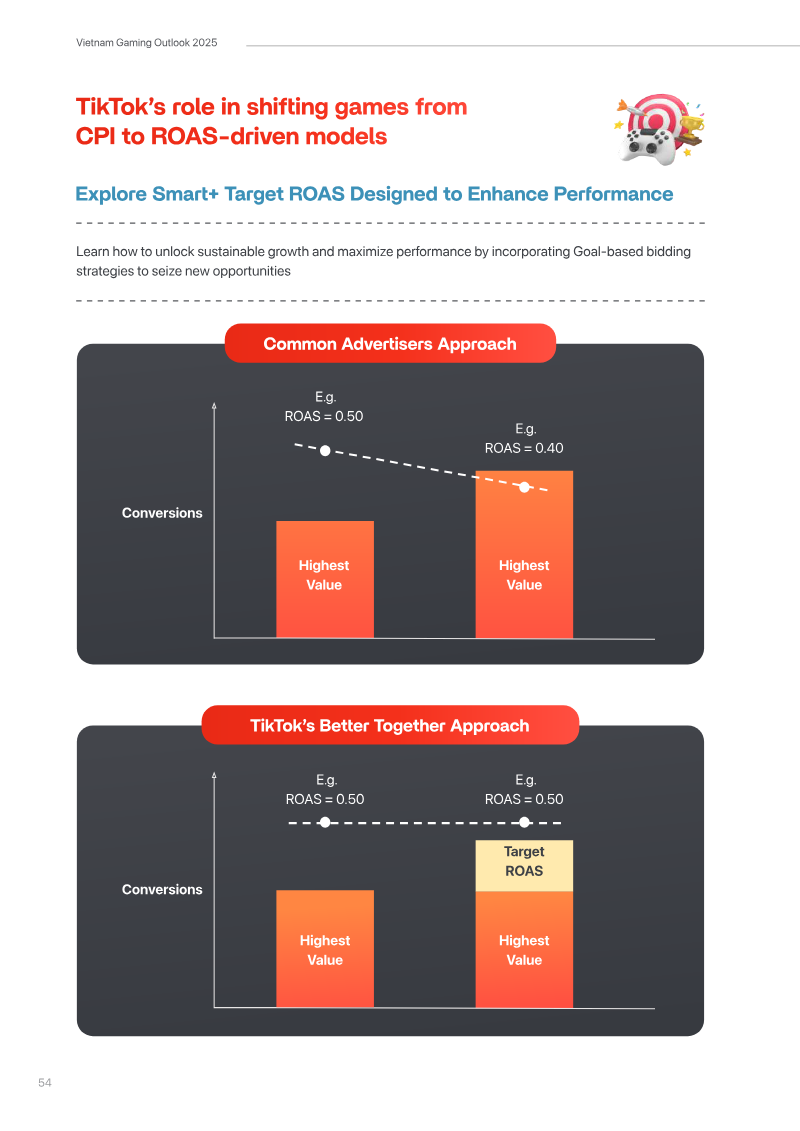
- Due to rising user acquisition costs, studios now require at least three months of data to effectively optimize return on ad spend (ROAS).