Monetization reports and market data
Documents
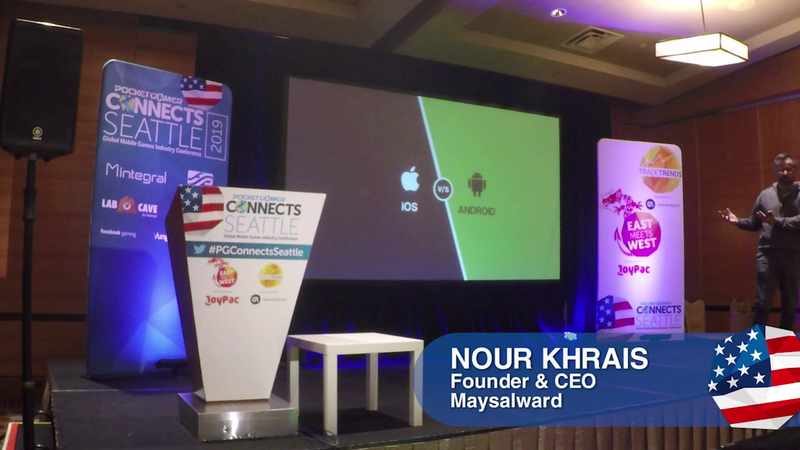
Overview of MENA markets
The Middle East and North Africa (MENA) region represents a significant, high-growth market for mobile gaming, characterized by a young, tech-savvy population and increasing digital spending power.
- The MENA region features a highly engaged gaming demographic where 30% of the population is under 25 years old.
- Effective market entry requires cultural localization, specifically implementing right-to-left text support and avoiding literal translations in favor of Modern Standard Arabic.
- Monetization strategies must prioritize direct carrier billing through local telecommunications operators and account for a strong preference for iOS devices among higher-income users.

Why do they buy? Key player motivations for monetisation
The mobile gaming industry faces the persistent challenge of converting free-to-play users into paying customers.
- The CAPS framework—Cosmetics, Access, Power, and Status—provides a hierarchical strategy for aligning monetization mechanics with core player psychological motivations.
- Status is the highest tier of monetization, leveraging leaderboards and social rankings to incentivize spending through public recognition and community standing.
- Power-based monetization drives revenue by offering durable upgrades that provide competitive advantages in PvP or help players overcome difficult progression curves.

80% data, 20% luck – How to make profitable games in 2019
The mobile gaming industry has transitioned from a hit-driven, scattergun marketing approach to a data-centric model focused on sustainable growth and long-term player engagement.
- Mobile gaming has shifted from a 'boom-bust' launch model to a sustainable growth strategy, resulting in a 64% survival rate for games launched in 2018 compared to only 40% in 2016.
- Successful publishers now delay paid user acquisition (UA) until months after launch, allowing them to gather data on player segments to ensure marketing spend targets high-value users.
- Engagement is now prioritized over aggressive monetization, as evidenced by the fact that while total US App Store revenue grew 30% between 2016 and 2018, the number of players remained relatively static.
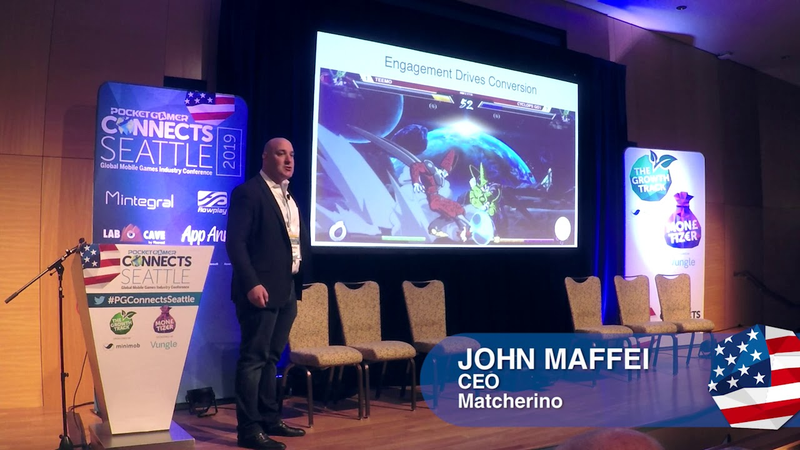
Monetisation for esports
The esports industry is experiencing rapid growth, with fan bases now rivaling major traditional sports leagues like the NFL and NBA.
- Esports monetization currently averages $4 per user, significantly trailing traditional sports like the NBA at $35 and the NFL at $55 per fan, indicating substantial room for revenue growth.
- Esports fans are three times more likely to make e-commerce transactions and two and a half times more likely to retain in a game, making esports a high-value channel for publishers.
- Increasing prize pools directly correlates with viewer engagement; for example, raising a prize pool to $10,000 can increase viewership from 25,000 to 200,000 by incentivizing higher-tier competition.
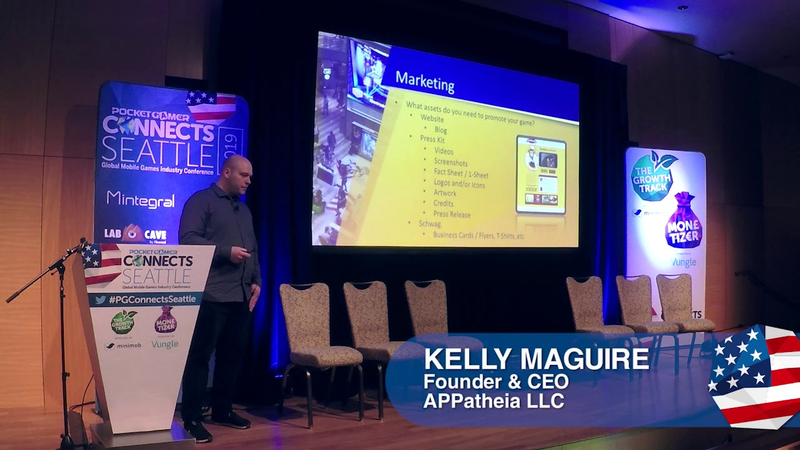
Marketing and business on a budget for indie developers
Indie game development requires a shift in perspective from viewing a project as a creative passion to treating it as a commercial product.
- Indie developers must treat marketing and monetization with the same level of rigor and resource allocation as the actual game development to succeed in a competitive market.
- Marketing strategy should focus on identifying a unique selling proposition and communicating it through concise, digestible content tailored to short attention spans.
- Paid acquisition should leverage sophisticated targeting on platforms like Facebook, Instagram, and Google, while utilizing cost-per-install networks and micro-influencers for scalable growth on limited budgets.
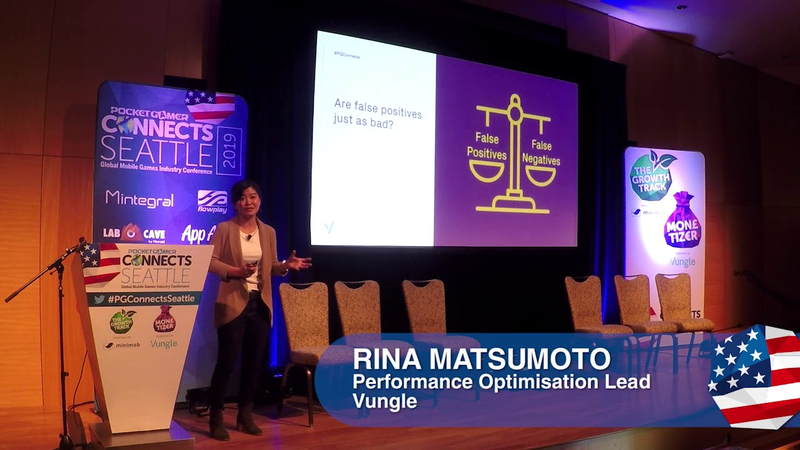
Which mobile fraud solution is right for you?
Mobile ad fraud remains a persistent and evolving challenge for the gaming industry, with recent data indicating that approximately 25 to 30 percent of paid app installs globally are attributed to fraudulent activity.
- Approximately 25 to 30 percent of global paid app installs are currently attributed to fraudulent activity.
- Fraud prevention solutions should prioritize real-time blocking capabilities over retrospective reporting to prevent budget loss before it occurs.
- Advertisers should focus on publisher-level data rather than device-level reports, as the latter often lacks the statistical significance needed to identify and act on fraudulent patterns.
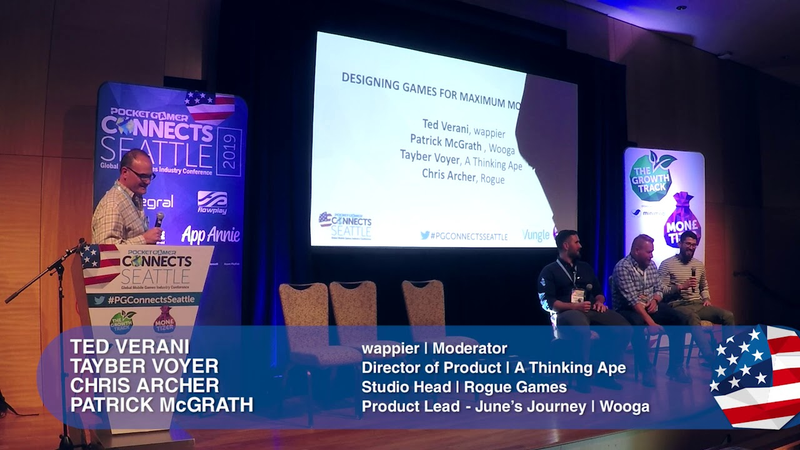
Designing games for maximum monetisation
Successful mobile game monetization requires a strategic shift away from aggressive, progress-blocking tactics toward a model rooted in long-term player retention and genuine value perception.
- Prioritize long-term retention and social engagement, such as guilds and communication tools, over aggressive, progress-blocking monetization tactics to build a more resilient and profitable player base.
- Focus development efforts on mid-game engagement rather than solely optimizing the top of the funnel to increase both active participation and player spending.
- Avoid deceptive pricing and 'pay-to-bypass' mechanics, as these practices erode user trust and negatively impact long-term retention.
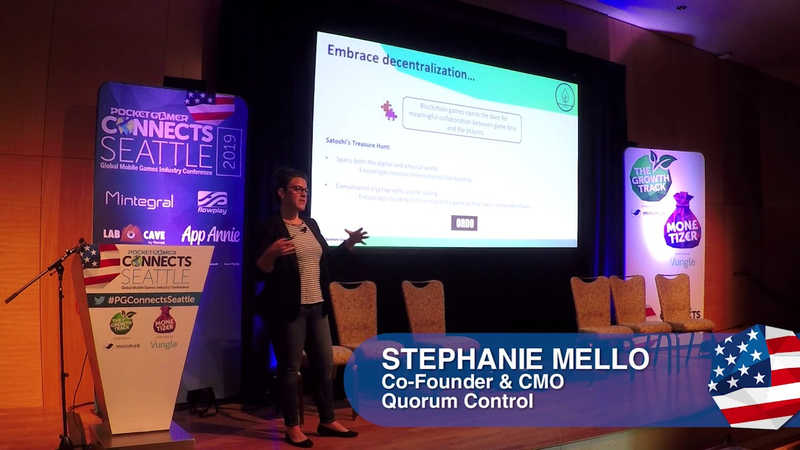
The golden cohort: How to create and engage your super user
Blockchain technology serves as a foundational shift in game development, moving the industry away from centralized control toward decentralized, player-centric ecosystems.
- Blockchain technology shifts game development from centralized control to decentralized ecosystems, enabling true digital scarcity and verifiable asset ownership.
- Decentralization allows players to treat in-game assets as portable, long-term investments, which increases player commitment compared to traditional, restrictive models.
- Trustless infrastructure facilitates secondary markets and cross-game interoperability, providing developers with real-time, market-driven data on virtual item value.
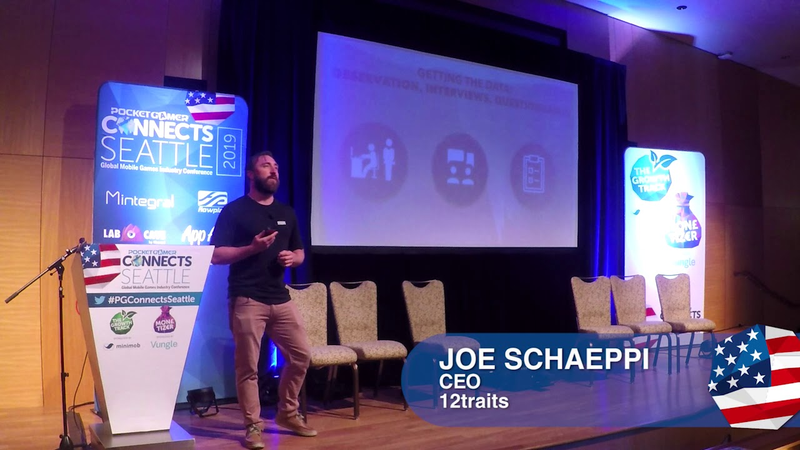
Hyper-personalisation fueled by psychometrics: The ultimate power-up for retention and monetisation
The mobile gaming industry faces significant challenges in maintaining player retention and monetization due to extreme market saturation, with over 800,000 games on the iOS store and 1,000 new titles released daily.
- Integrating psychometric data with behavioral analytics can drive a 400% increase in revenue and a 200% improvement in player retention.
- With 85% of mobile players churning within seven days and 1,000 new games released daily, developers must move beyond traditional behavioral metrics to combat market saturation.
- Psychographic data, such as personality traits and values, provides a more stable foundation for player modeling than behavioral data alone by explaining the 'why' behind player actions.
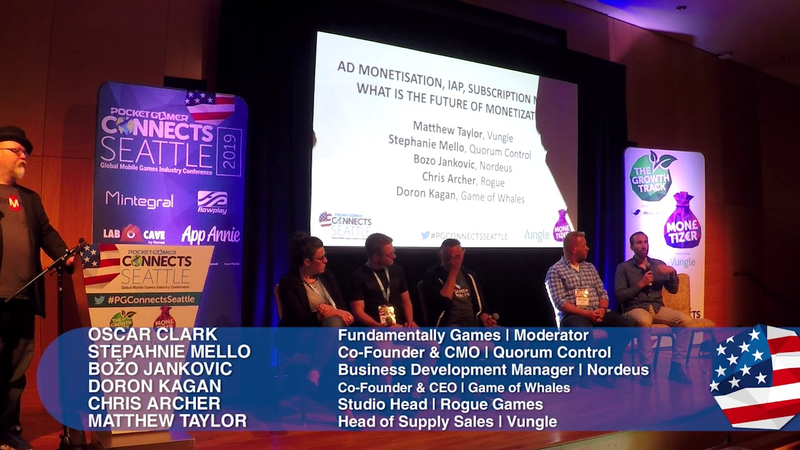
Ad Monetization, IAP, Subscription Model – What is the Future of Monetization?
Modern game monetization has evolved into a sophisticated, data-driven discipline that necessitates the integration of in-app purchases, subscriptions, and advertising into a unified lifetime value strategy.
- Successful monetization requires a unified strategy that integrates in-app purchases, subscriptions, and advertising based on behavioral segmentation rather than a monolithic approach.
- Data indicates that removing advertisements for high-value users often leads to a net decrease in total revenue, suggesting that these players remain valuable targets for both ads and purchases.
- Hybrid monetization models are increasingly standard in mid-core games, where ads supplement in-app purchase revenue without negatively impacting long-term retention.
Custom-made games with machine learning and big data
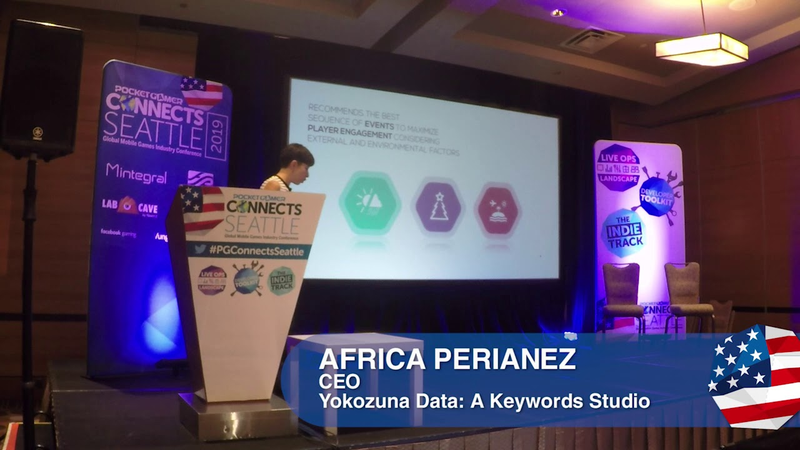
The application of machine learning and big data in game development offers significant potential for optimizing player experiences, increasing monetization, and improving retention.
- Machine learning models can predict individual player behavior, including churn probability, expected lifetime value, and specific virtual item preferences, allowing for automated, personalized retention strategies.
- Data-driven interventions can significantly impact revenue: increasing VIP retention by 10% for one month can generate $1.3 million, while converting potential payers can add $4 million in monthly sales.
- Optimizing game levels identified as 'friction points' where players frequently quit can lead to an estimated $8 million annual increase in revenue.
Idle games – Games for everyone
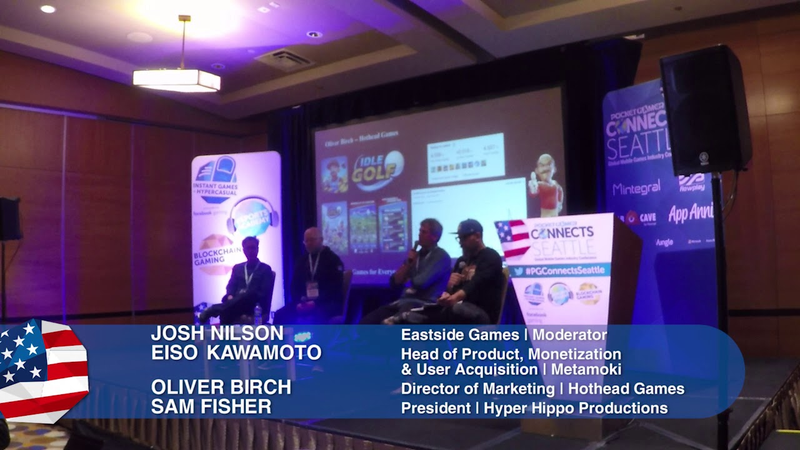
Idle games have evolved from simple, secondary entertainment loops into sophisticated, core lifestyle habits that command significant player time and investment.
- Rewarded video advertisements generate over 55 percent of total revenue in the idle genre, serving as a value-add for progress acceleration rather than an intrusive disruption.
- The idle genre has transitioned from simple secondary loops into sophisticated, community-centric platforms that prioritize long-term retention through persistent world-building and character collection.
- Monetization strategies rely on a hybrid model that successfully captures spend from a hardcore player base willing to invest in both premium content and ad-skipping mechanics.