1 free read left. Create a free account for unlimited reading + AI research.
Create free account
Hyper-personalisation fueled by psychometrics: The ultimate power-up for retention and monetisation
Key insights
6 takeaways- 01Integrating psychometric data with behavioral analytics can drive a 400% increase in revenue and a 200% improvement in player retention.
- 02With 85% of mobile players churning within seven days and 1,000 new games released daily, developers must move beyond traditional behavioral metrics to combat market saturation.
- 03Psychographic data, such as personality traits and values, provides a more stable foundation for player modeling than behavioral data alone by explaining the 'why' behind player actions.
- 04Effective hyper-personalization requires a multi-faceted data collection approach that combines observational analysis, interviews, and validated questionnaires.
- 05Developers should utilize established psychological frameworks like the OCEAN model to create adaptive game systems that adjust difficulty, marketing, and in-game offers in real time.
- 06To maintain ethical standards and user privacy, studios can use machine learning to infer psychographic profiles from behavioral patterns rather than collecting sensitive personal information.
Ask AI about this video
Transcript
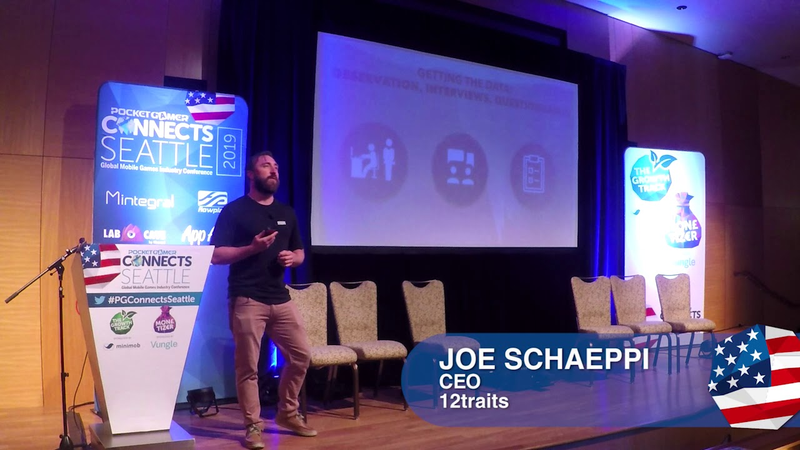
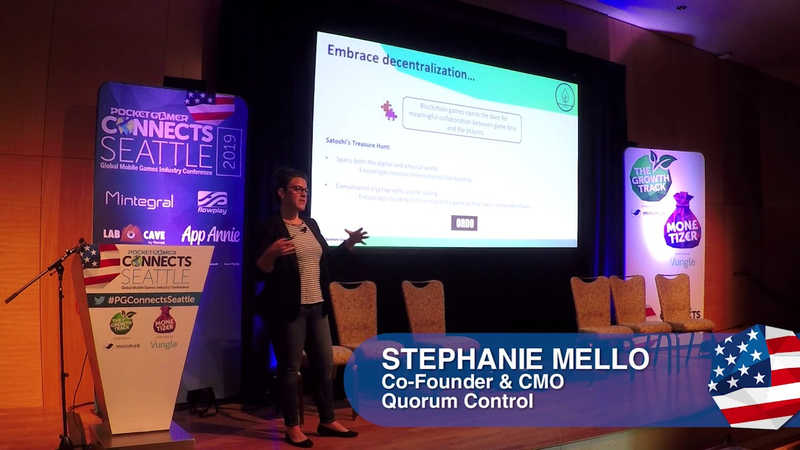
so I'm the CEO and co-founder of a company called twelve traits in a past life I used to head up a lot of the UX efforts for big fish games right here in Seattle so recognize this guy over here for the clicker here we go so is it just the play button so today I'm gonna talk about why hyper personalization is incredibly important in the games that you have right now and why now out of all times why cycle metrics are also an integral part of that process and if you're just using behavioral data alone it's worthwhile but this is a huge missing piece and the type of impact that you can have as a result of this so you know what what is hyper personalization how is it different then maybe you might have thought of high personalization in the past a lot of companies use
segmentation you might hook into things like play fehb in the backend and you know segment around whales or different monetization groups or behavioral groups but when you're doing hyper personalization you're hooking in a lot of different data sources so historical data pay data present data from you know current behavior cycle metrics taking that all together and then moving it around that individual in real time so it's not just kind of a bucketed segment situation and what kind of results broadly speaking can you get from hyper personalization so Salesforce interestingly enough looked at multiple different apps and assessed about 150 different people saw 4x increase in session link within apps 4.6 X conversion rate and 5 5 X per sessions spend so when you look at those kind of numbers and you're thinking about your own games you're probably like that'd be I'd be nice to have so at this point in time the question isn't really how do we change or how do we start doing hyper
personalization it's more where do we start you know game companies are busy you have a lot of people doing a lot of things it's challenging to figure out like these dynamic systems and how do we create adaptive systems for our players the reality that we live in right now is gamers expect you to know their needs so as of 20 2015 literally expect before they even started playing your game that you're just gonna anticipate their needs it's challenging player preferences they're changing faster than ever before the more games are out the more things go into content the more content there is the more people are changing and wanting new things and people want personalized offers and experiences lastly just from a retention perspective and in games alone so Delta DNA with behavior data broke apart all their experiences where they were doing hyper personalization and saw an increase of about two hundred percent retention and forty percent revenue so that's just specific to the gaming industry so why hyper personalization and why
psychographics and why right now as soon as you are probably aware there's over 800,000 games just in the App Store alone right now makes up 70% of apples revenue and a thousand new games are released every single day it's a very different world than it was just five years ago it's a lot more competitive than it used to be on top of that there's this huge engagement problem that nobody really wants to talk about so you know last year about 15 billion dollars was spent acquiring new players and an average player leaves a game within seven days so 85% of users leave a game within 7 days if you look at those kind of numbers in other industries just doesn't cut it it's not great right on top of that we're looking at CPI's last year 28% more costly than the previous year so companies are starting to try to get more creative you talk to you a team's like all we're using snapchat we're doing an actual more formal marketing we're moving out of just pure you a spend so that's
that's a big challenge and just to kind of cap it all off Mike Capps the former former CEO of Epic Games said if I were to pick the 20 best developers I've ever worked with and someone gave me a 30 million 30 million dollars I couldn't even guarantee you a 10% chance of a hit it's so hard and so luck base at this point so you know this this world we live in there's more and more people and more personalization that's needed and how most companies are addressing it is through behavior alone and that's where a lot of the struggle comes from so might look similar to a lot of you guys and the companies you work with where you're looking at spend you're looking at fail completion demographics session duration clicks and taps using unity analytics or or you know play fab or game analytics or these other back-end tools and it's not bad like that that behavior stuff's really valuable and super necessary the challenges is that when you're pulling in behavior data it's only half of the picture you can
think of that in terms of like all of us today we're at PG connects in Seattle we're all in the gaming industry probably and so to Facebook or toward you know behavior based algorithm we'd probably all get the same offer leaving here if it was just segmenting us based on that the reality is who we are what we care about in life we probably have a lot of different interests and needs so the missing piece to really getting hyper personalization to work really really well is psychological data so what you need is actually the observable behavior that you've seen in the game they're these things like an individual's values their psychological traits their cultural attributes there's the the late Cambridge analytical that we all know about I mean they focused just on personality using the ocean model and that might have swayed an election so you know there's there's power behind this stuff and you know if power becomes you know there's
responsibility behind that of course but one of the things that I think is really value about understanding these sorts of things is when you do understand these things you can create experiences for your users that are more valuable to them too so the idea of shared value so if you're trying to get ahead in this space today just to summarize you're looking at behavior data combining with psychological data and personalizing content based on that and then gaining intelligence over time so working with your data scientists seeing if you can do machine learning and see if you can create feedback systems within your games where your users can train those algorithms Amazon does this a lot where they'll give you multiple different offers and see what you click on and then based on that they're continuing to hyper personalized to you based on once knew so there's multiple areas within games and we'll go over that a little bit where you can sort of create these hyper personalization loops but over time you're just gonna see uplift and retention and revenue period so now
we're on to understanding your players a lot of you guys probably work with UX teams or research teams or data scientists it's a hard process it takes a lot of time from just the beginning of recruitment or you already have players and then connecting all these things together you know I was doing some analysis on the average persona projects that I've done over my past career with companies like Intel Verizon and Microsoft gaming companies it's usually about 200 to one point 200k to 1.2 million depending on the project and usually by the time you get done really understanding players in depth especially in gaming a lot of the times the games have moved forward so it's a challenge to streamline these processes so just to break it down we're gonna dig into how you guys might be able to do that at that you could current companies so three main ways of understanding a person observation interviews questionnaires from observational perspective you know what you're what you're really looking for our friction
points all of the time where the most friction is happening as well we used to use like Affectiva a big fish they still do but one of the things we always found was that emotional labile like how labile emotions are up and down that's more of a sign of engagement not paying attention to just how this person was happy this person was sad this person said this thing sucked you want to see kind of that up-and-down curve so emotions and friction great from an observation perspective interviews will go into questions in a second and then questionnaires and then if you want to combine interviews with observation you don't have a lot of time contextual inquiry is a great source so you're gathering that data then you're doing psychographic data analysis pulling that together well that's really important compared to behavior data is psychographic clusters hold up a lot longer over time so how you behave changes a lot you're in Seattle now you might be somewhere else tomorrow you might fly out the next day etc where who you are
probably gonna be the same now that it is in a week ten days so if you're really looking to understand a person in real time and let that hold up over a period of time it's just a much more stable substrate and then you can let the behavior data play with that so you're doing your analysis connecting that to behavior data making sure you're doing reliability and validity testing a lot of game companies including very large ones with very big teams they'll they'll do questionnaires and they'll kind of say like oh we're trying to understand our audience and let's say you ask somebody yeah alright do you like to achieve X in a game and then you go and measure and you see that based on the behavior these players don't really achieve a lot in the game well that would tell you that question has very poor construct validity so it's called ecological validity is basically does this measure what it's what the person is doing in the real world so if you ask a question and it seems to measure achievement and these players also achieve a lot in the game probably a good question and then there's segmentation on the backside which you can play with that
but then digging into you know these three methods that you guys can use right now to really understand your players better so back to the observation side mentioning friction and and paying attention to those points as well as the emotional aspects beyond that you get into a lot of great area so I've seen game teams where people say oh like this didn't work very well and they'll go back to the team and they'll tell them when actually it's something that was really important for that game so taking those just with a grain of salt being there to observe and then in terms of interviews you know just to give you guys some like really valuable questions if you're trying to understand personality one great one is three words that a best friend would describe you 3 words to describe yourself 3 with your mom would use to describe you and start doing a 360 on the person and just don't give them time to think and you literally start getting a really clear picture of who this individual is I think it was the CEO of Toyota that another one he did was he would say who are you and you keep asking that
repetitively five times six times and these are kind of great interview questions to really get at psychographics because what you you're not giving people the time to really really think about it and you start to get more towards essence of who they are and on the other side just asking would you do this would you do last weekend so get an idea of how the person spends their life mistake that a lot of interviewers make when they're trying to understand users is they always bring it back to their game that's what behavior data is there for so oh how much do you like like our game when do you play our game these kind of questions are not really gonna work very well and then on the questionnaire side so this is where you can get really deep data from your users so developing things is pretty tricky one of the best models out there that's publicly accessible is just the ocean model have your openness extraversion it's probably heard of these things a lot of that's a lot of that's online but make sure you're always checking little iddat e
measures so things like construct validity ecological validity internal validity otherwise you can end up with questionnaires that are not really measuring anything but this is gonna help you also get at that core of those core elements of your players and I always recommend doing all three of these things together so what do you want to measure when you're looking at psychographics these are there's there's a lot of things you can measure you saw the screen earlier but these are think are the three better best to focus on we're gonna get the most uplift so culture that's things like people's habits us where they came from you can understand what sports they played when they were growing up thereafter the graphic background those sorts of things then opinions attitudes and interests that's kind of what what Facebook really loves to measure so you can if you really want it's great Facebook for it but you can just you can ask and the board you get two people's belief systems and what they really believe in in life that's that's more core to them so think of all this spectrum as what
are the things that are not going to change over time and the less likely that change over time that's when you know you're measuring the good stuff and then personality so back to some of the questions we asked earlier like those are great questions but digging into things like extraversion or we're grit these are the things that start to become relevant to games so how do you take this data then combine it with this whole hyper personalization thing and make it really work messaging and advertisements is a great place to start so one example I can give you guys right now will measure like the level of fantasy and in our customers players there's a game that had like forty five year old males typical demographic story they were making their art to be really realistic they thought it was kind of a blue-collar audience they were doing all their design based off of just pure behavior and demographic data and solve that their level of fantasy for their most engaged users was actually pretty high all they did was make the art in
the game more cartoony their CPI's went down by 400% quality of install went way up so that's all they did they didn't change the copy anything like that and then created multiple permutations of that and kept seeing the CPI drive further and further down so the permutations become more and more relevant there's a company called Stanley AI what they'll do is create just massive amounts of permutations of an ad and then serve them up accordingly based on a machine learning algorithm so that's one great way to do it then in game offers so a lot of people already do a/b testing hyper personalization a be testing are kind of like PB&J if you bring in a data scientist so when you're doing these and you kind of look let's say you understand that this user is more extroverted they see their self in a certain way and you take that into account when you're giving these personalization offers and then just start this is what Amazon does recording which ones people are clicking on or house or call at the time the amount of time the offer is on the screen before
they click there's got out of Harvard you did a lot of work on basically time to click so faster clicks happen usually means higher levels of engagement and then over time you can start to learn about that individual so connecting an intelligent system to that ID delta DNA can do a lot of that stuff on you and you're back inside a few if you work with them at all and then another huge one difficulty so we had one game company we worked with where all we did was optimize difficulty based on players level of grit and resilience that's all we did they had a machine learning algorithm already that they were using behavior to optimize difficulty for the game went from two to three million dollars in one month and sustained and nothing else was change so free to play games most your money is made from closed wins a lot of the time so that's that's a huge area where you can personalize and the reality is with hyper personalization adding psychographics where that's really important is different people have different capacities for difficulty you
know some days you have a bad day like I just want to win a few levels and close the game other days yeah you're up for a bigger task so if you understand for example cognitive load how much time people are able to recuperate from that stuff that's a great way to it's a tune and then the biggest one of all where you see the most uplift I sort of buzz around social and all this kind of stuff a few years ago which was hilarious because human beings are inherently social we like to talk but it's more about community right you want to feel like you belong something and psychographics I mean they're the why of all this so it's it's how does our brand or hard game fit into that person's life and one of the beautiful things you can do with hyper personalization combined with psychographics is if you have an ID and you have this data you can start to have these players bump into each other more and more and more so it's kind of like a place where if you had all your best friends that you met throughout your life but you just bumped into each other a lot earlier and what that does is create better communities and make you
feel more like you're part of something so just to tie this up there's 2.3 billion mobile gamers today or just a couple and a thousand games released every day so you know just to think how are you guys gonna stand out in that environment and hyper personalization with psychographics is a great way to start cool talk about grit and and open and all these other kind of ocean kind of elements this is that fundamental principle about getting under the bonnet of why we feel these ways or why we react in particular ways well it's incredibly important is it something that requires you to have large budgets and large amounts of data for you know these kind of indie teams to take advantage or is it more of a mindset I think it's it's both so on the mindset side of things Forrester this is an old study it was like 2010 but they looked at they looked at groups that took a lot of time to basically create personas and they found that this was
within fortune 500 companies mostly so outside of gaming but when people just made up personas and they're completely inaccurate basically there's still a 10 percent uplift in ROI where when they did it based off of research there's a 400 percent so and then there's that whole gradient in between where you know I mean in the past a lot of game design was I like this experience I'm kind of designing for me and there's a lot of Studios that we work with that are still trying to get their game designers to get out of that mindset I know actually I tend to use made-up percent is to stall when I kind of want to get a framework for a design and then populate it with data to see if I'm completely nuts or not yeah but that may be just my particular quirk any quick questions we've got time for just one really long quest really of course there's some irony in the fact that if I'm getting manipulated based on
my level of grit I'm having a more enjoyable time with the game but from the perspective of a player and consumer I intuitively am very averse to that idea being applied to me as a consumer and gamer and the problem with hitting that bottom 80% of the iceberg is that you have to use questionnaires and inventories and it's not just behavioral observations so I inherently it's disruptive to me and and my ignorance to the fact that you're doing that to ask me those things so how do you work with that catch-22 so it's so I guess I could speak to how we as a company work which is we avoid a lot of those things I think for for if you're just an average game studio like gdpr double-triple optin you know making sure that the people you know that's per like the person what they see is about 25 percent of people who want personalization will opt in for it so that's still a huge amount of your audience so and then that number keeps going up year on year on
year so just there yeah just say hey would you like to like o'the does it online you might have seen them before they'll explain what they're doing very simply would you like the personalization to be a part of it so that's the easiest way to do it and it's not not super disruptive questionnaires most large game studios do a lot of them anyway so like the questionnaire that we use to build all of our intelligence off of I mean it's 60 questions and we would get like 20,000 users and one day to fill that out so it's but that questionnaire took like six years to develop and using a lot of Fortune 500 companies that you know gamers are much more engaged than than someone who uses Intel for example but on our end like what we do is so we have an basically machine learning and now we can do deep learning to intelligence the background where we can understand behaviors across multiple games at a time and then in real-time we can map these things that you or I as human beings couldn't understand map back to a psychometric and then we can start to allow games to adapt to those IDs so we actually don't
know anything about any player we have zero personal data on the person other than than their ID and that and we can learn about that and then you could think of it as like it's basically doing what a game designer does spending all this time tuning trying to figure out how to you know like think of candy crush that's like built on a house of cards of a very timely you know finely tuned system so yeah I mean we basically just do that same thing but I mean we're starting to innovate on the basically being able to deduce it from behavior so that's where we're like working with like the the NIH I mean it's a serious science and has huge implications and there's definitely ethical aspects to it that we have to have to consider the good news is is every American citizen who works with us though they've like the GDP are like a lot of people don't know this but if you're a citizen you're in the u.s. you're still covered by the law so even Americans still get covered by that within our our system so hey let's just not talk about brexit one thing I would add to that just a simple thing though is that the key thing here is it's not
then it's not our job to manipulate our job is to understand and make a better game a lot of people get worried about this stuff because they we the kind of language we tend to use about you know the psychology and their motivations and all this other stuff is it's not to make you do things you wouldn't naturally do it's for us to understand why you do them so we can make a better game so fair absolutely yeah I don't know no thank you very much [Applause]
Summary
The mobile gaming industry faces significant challenges in maintaining player retention and monetization due to extreme market saturation, with over 800,000 games on the iOS store and 1,000 new titles released daily. With 85% of players churning within seven days and rising customer acquisition costs, developers must move beyond traditional behavioral analytics. The core thesis is that integrating empirically based psychometrics—such as personality traits, values, and attitudes—with behavioral data enables hyper-personalization, which can drive substantial improvements in key performance indicators, including a 400% increase in revenue and 200% improvement in retention.
Methodologically, effective hyper-personalization requires a multi-faceted approach to data collection, combining observational analysis, interviews, and validated questionnaires. While behavioral data tracks what a player does, psychographic data explains why they do it, providing a more stable, long-term foundation for player modeling. Developers are encouraged to use established psychological frameworks, such as the OCEAN model, while ensuring high construct and ecological validity to avoid the pitfalls of inaccurate persona creation. By applying this data to adjust game difficulty, marketing creative, and in-game offers, developers can create adaptive systems that anticipate player needs in real time.
The scope of this approach spans the global mobile gaming market, emphasizing that even smaller studios can leverage these insights by adopting a data-driven mindset. Ethical considerations remain paramount, particularly regarding user privacy and consent. By utilizing opt-in models and focusing on machine learning to infer psychographic profiles from behavioral patterns without collecting sensitive personal information, developers can foster deeper community engagement. Ultimately, the goal is not manipulation, but rather the creation of more resonant, personalized experiences that align with individual player preferences and psychological profiles.






















Comments