1 free read left. Create a free account for unlimited reading + AI research.
Create free account
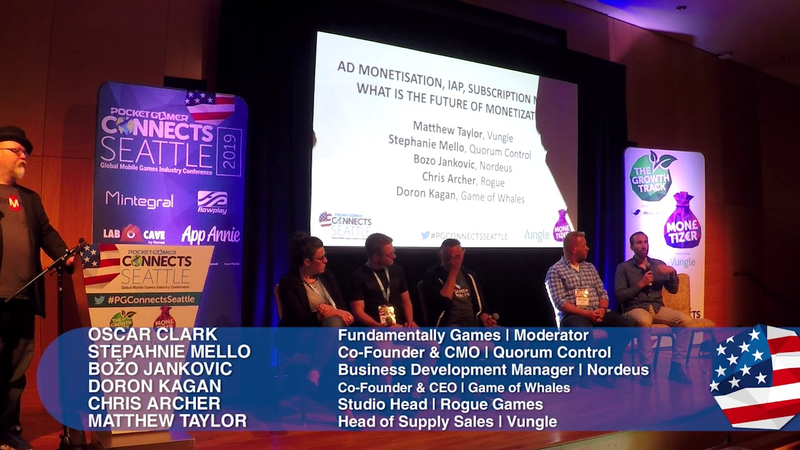
Ad Monetization, IAP, Subscription Model – What is the Future of Monetization?
Key insights
6 takeaways- 01Developers should utilize cluster-based modeling to distinguish between non-paying users and highly engaged players, allowing for targeted experiences like rewarded videos that enhance the core gameplay loop.
- 02Hyper-casual titles continue to rely on aggressive ad placements to maximize revenue during shorter player retention windows compared to other genres.
- 03Hybrid monetization models are increasingly standard in mid-core games, where ads supplement in-app purchase revenue without negatively impacting long-term retention.
- 04Strategic ad placement is most effective when synchronized with positive psychological moments in gameplay, such as immediately following a victory.
- 05Data indicates that removing advertisements for high-value users often leads to a net decrease in total revenue, suggesting that these players remain valuable targets for both ads and purchases.
- 06Successful monetization requires a unified strategy that integrates in-app purchases, subscriptions, and advertising based on behavioral segmentation rather than a monolithic approach.
Ask AI about this video
Transcript
as the lazy moderator I'm going to ask my panelists to introduce themselves just get them to tell me where they sit in the in this sort of sphere of monetization so yes I think hopefully we're all okay and obviously we have to share with the mics so hopefully all be good so I mean obviously we've had yours is already but do a quick kind of like two second summary of I am Stephanie Melo from 45 minutes ago I am co-founder in CMO of a company called quorum control and we make Tupelo which is a blockchain platform sort of purpose-built for games I am born Kovich working at nor dias we are probably best known for our soccer management game top
11 I work as a business development manager taking care of other things about our ad monetization so I probably coming from mostly from that angle today hi dawn we have two operations one is a studio that self-publish we have 220 million downloads the main title is racing game called trial extreme and the other hat is a platform that we created for game developers that basically came from our board and with data I be testing etc so we were developing something that will replace all this with AI and machine learning so basically optimizing the ads and in a purchase LTV the company's game of oil I'm Chris Archer I am the studio head for rogue games a new mobile publisher I'm Matt Taylor I had the supply team of vongole and we are an ad provider so we
help publishers and developers monetize their apps through advertising so I want to try and paint a picture of kind of where we are in the industry and and go to what our biases are let's sort of start with the idea of what are we thinking about when we first look at monetization so what's the most important consideration to get started I mean it's definitely want to start sure I think that you know I come from a retention background and I think that a lot of emphasis is is placed on the channels by which we acquire users but I don't think a lot of time is spent in understanding how those users are different and so I think there's a really big opportunity in early game monetization to create that that long tail retention in sort of a concept of understanding leads by channel but I don't think that people spend a lot of time really putting strategic rigor behind but you know it's not that Facebook doesn't convert on day zero there therefore it's just volume and
it's crap and and you know you don't spend much money there it's it's there's a huge potential that you've you realize that Facebook takes about four days longer to convert and you can invest you're kind of retentive and monetization tactics appropriate for that kind of lead quality as opposed to treating everybody the same regardless of where they came in and I kind of argue based on stuff we were just hearing from Joe that it's not just about the quality it's also what the motivations are for that segment 100 percent yeah I mean we we know that you know from one of the earlier plant panels and this is sort of wildly hell is that is that everything is cumulative every action we take is some cumulative response to the world we live in and treating things ignoring that accumulation ignoring that concept of human behavior sheckles you and you make these really sort of half informed decisions and I think that channels acquisition channels is is a classic example of how we as marketers do that all the time
so I would say that for us it's we're trying to focus on game on gamers experience so we're trying you know if a user is ready to pay why not offer him various types of you know discounts and offers and try to segment the users to try to give them what they actually want but we are we we do realize that most of our users are never going to convert on purchases and that's where we have responsibility to offer something else for them to to make sure that they can get the most out of the game without actually paying and that's where we offer rewarded video ads and offer walls and we tried to keep the focus on this on these opt-in formats so we don't bombard the users with ads we are trying to you know give them the experience that they want to and by you know segmenting users this way we're we're basically trying to provide the most value for them but on the other hand you know try to monetize as many of them as possible so it sounds a bit to me like
you're focusing on the utility for the player that they would initially look at it sounds really focusing on the way the I ap element of that is and then giving other options to get to what that value is is that make yeah that's correct yeah what's your kind of main consideration I'll divide the answer to two parts I think the first part is the understanding of how the monetization revenue looks like and if we had the luxury in the last few years to separate in approaches from ads and subscription and to rely each one separately now we go to the time that optimization requires holistic view on the LTV that is consistent from in a purchase ads and subscription on a user level once you get to this understanding that's the first stage then the future or what needs to do in order to optimize the monetization is cluster based monetization strategy this bombarding
sentence means that if a user is predicted to be a pair no it doesn't need to see intrusive ads and if he's predicted to play endlessly without paying he can see intrusive ads and banners etc because the game publisher needs to treat the every cluster differently as this cluster requires but Brimley requires quite a lot of data to be able to have enough confidence you know not only false positives or false negatives what kind of scale of data you need for that to work not a lot actually it's it's not even a question of the yes of course a more complicated game will easier to analyze and predict and match three or bubble shooter will be tougher task but achievable but it's not a question of how much data you need the less data you have the more time you need to analyze but if you flag your main decision based on behavioral segmentation then you win because never
mind what channel they came from in the user acquisition maybe they came from Google maybe they came from Facebook or up 11 or whatever two separate people that came from two different user acquisition segments can behave in the same way that will lead to the same prediction and the same game experience once you have the data and can match them into a specific cluster and deal with them in the optimized way you win what about yourself I'm gonna take it back a little bit because everybody's talking about sort of after the product is shipped and sort of what we do after from a design point of view before it even hits hits the shelves so to speak it's all about player engagement so it's all about getting them engaged in the game experience how we're going to keep them engaged for a long period of time and if we don't do that then we're not even talking about how we can get them to even look at the product anymore so so every single little thing that we add to our games has to have something to do with player engagements almost our mantra it's like it has to engage a player and that could be everything from
incentivized ads right because that can be engaging as well - you know core game loop stuff I mean for me I mostly get that but I feel like there's a need to look at the whole lifecycle because I think the need states of players changes dramatically in different phases is that your experience well no it's that so true I just thought that we shouldn't leave out sort of the you know where we start designer point of view from the game designer point of view as in from the way that we design and craft the context loop of the game so you know if you think about the mechanic as the things we do in the context there's a reason why we keep doing it and the metagame is the environment in which the game is played through either social and cultural context that to me is sort of kind of that means that we have to pay attention even in day one when we're thinking about how progression or a sense of purpose or sense of unfinished business is gonna happen if we're not incorporating that
into our business model absolutely I couldn't agree more yeah I mean that's exactly think about it 1/2 percent right the retention is part of the score the game gets so if you add everything together and retention churn is a big part of that you had retention to conversion to adds are put 2 in a purchase era put 2 conversion rate to our poopoo if you score everything together then it doesn't matter if the user churn after a week when he monetized $200 or churn after 5 years when he monetized $10 at the end of the day you need the score and retention is part of this core so from an odd point of view obviously we talked a lot about my ap I think we talked about kind of heuristic game play point of view is there any specific considerations when you're looking at ads and I'm obviously gonna with my background I'm gonna think being a reward a video but you know it's our wider thinking yeah the things that we consider are obviously retention but the big aspects I would say are three
things there's rewarded versus interstitial video over 60% of our business now is interstitial video I started fungal 5 years ago I think it was 10% of our business so that's been a big shift this second piece is what genre is your game card games if you if you launched a card game with us I know the exact advertisers that should be be in there I know they set up the price points that you should be setting up in your game if you're launching a builder game it's a different set of advertisers and we're gonna be working with our demand team to make sure that they get in there the last piece I would say the demographic data if you are on the publishing side you should let your ad network know who is your target audience male female are they 18 to 30 or they 30-plus where are your users it really helps us know which advertisers to go out and get at fungal we have a whole different team
that is working with people who are spitting that information to us we want 35 year old women in Nebraska and on the publishing side I can say I've got that for you so those are the three things that we really focus I think I make sense I mean I'd add a slightly addition of kind of a way of looking it I think there's a way of looking at this in terms of friction it'll come back to something you said about interstitial in a second because I think it leads into the hyper casual conversation generally but if you look at kind of the way complexity of games seems to work so from a habit casual through kind of like a casual golf clash or or so guns a boom or even all the way up to something like as complicated as engaging as an EVE Online there's an increasing kind of potential for retention that comes through that increasing complexity but it comes at a price but the scale of that audience reduces and for me understanding kind of how that scale retention potential balance works combined with understand the friction
the player friction and I think if you look at a hyper casual game we already know the long term retention isn't necessarily going to be there so the net impact of having an interstitial isn't as big is that a fair assumption how degree so in terms of how important has been this hyper casual trend is it something is bucking the norms of game design or is an extension of this knowledge that if you're going to have low retention it's not as much of an impact having these more intrusive style advertising the thing that hyper casual publishers do better than most is they lead with atomization being a core revenue stream 10 that makes my life a lot easier so thank you to hyper casual people here but with that they lead knowing hey we're not gonna we're not gonna have it there's gonna be no whales in my game there's no one buying anything we know people are gonna stick around so we have ads we know that
people are going to be in here for maybe a week like maybe and we need to hit them with some ads and those stick around for that week but we need to make sure that we get some form of revenue in that short period of time so Chris I mean does this freak you recognize this I mean do you feel this is a kind of familiar territory or is there something more kind of complex where as you get more sophisticated in gameplay you know I don't think it's that complex and actually it would take you I would say it's not even a week it's probably three days you know like and so you know it's in those cases it to me it's a gold rush it's like you know you put out a simple product that's very addictive isn't very deep right you don't spend a lot against building it right it comes out quickly and you have to monetize it in some way and really the only way to monetize that is to you know slam the player with ads as much as possible and try to make it before they leave it's not necessarily it doesn't sound sexy right it doesn't it is a
business and and so we have a couple of those titles ourselves and you know we try to be a little bit nicer about it and and and and have more incentivize oriented ads but there's no other way to monetize it do you think there's any lessons though for other types of games from the way that we've seen hyper casual work or is it its own thing I don't think that it would be acceptable on any other case but but that's just you know my own opinion is alright because it's totally acceptable in a pack I mean like I think that more than taking lessons away from hyper casual it there are lessons in how it's done in a pack like how you know games with a huge life cycle or it's culturally embedded that there's gonna be lots of bells and whistles and noises and and so like okay well maybe the argument is like yes they're saturated with messaging and and and offers and so the performance on all is inherently deflated because there's there's you know cannibalism but I think
that the lessons are more in what works well there and how that can be incorporated into a strategy an RPG or something a little bit more mid core but I think it comes like the expectations you set with your with your players yeah yeah an AIPAC is very much the exception and I should have probably included that but I couldn't even in some of the casual titles that we have which you know retainer or don't retain as well I couldn't see doing you know using the same tactics and so that's sort of the point I was making was that you know at least in in the West you know it looks like that's its own kind of niche and it doesn't belong in other games but you know stranger things have happened right yeah so I do agree with Chris like in the Western world I don't see that you know this hyper casual model of showing ads and
being as proactive as they are in you know showing interstitials and everything else that it would work for a developer who's more on a mid core Kanchana of course it depends on the audience and everything but I just don't feel that through you know retention will still be there if you just you know bombard the users with tons and tons of ads and I think that retention thing questions what in my head because I'm kind of each of the monetization tools as it's not just having a revenue model but also having a friction component and that friction being basically a drag on their longtime lifetime value and so unless you have the right frequency of play you end up seeing players churn to earlier that's where I look at it so I mean I'm little biased because I do some work for this company out in MO who's in-game world that network so that's about placing ads inside the game where they're observed by the player and not in necessarily interacted with so that's incredibly low friction it's one
component compared to like opt-in outs you know we're you know of assessment a lot of time talking about those and the power of getting people to want to watch an ad is incredibly interesting I also think there is the thing that I think is an important distinction here is because when we say interstitials we're making an assumption on this panel that they are third-party ads but there is actually a way to monetize in your game even in an aggressive way when you're talking about selling your own wares right or promoting your own things and so a lot of what one of the strategies when we were launching The Walking Dead was it's go plea was that we we were up against kind of players expectations of the game and and what they and their expectations of the franchise and so we had to do a lot of message testing just in general which meant that you know we had to have lots of different lives in game interstitials running in different a/b splits for a long period of time so that we could
figure out players how players that are just fans of the franchise play and how players that are just fans of the genre play and and what we found was that it was never so much conversion was never impacted negatively with the amount of content showed even the disruptive kind the fullscreen interstitials or the toasts that it was very much content based because they weren't third-party ads and so I totally I think that what we've said here collectively is the assumption that we're talking about these third-party ads but but there is a way to actually communicate and monetize using even invasive interstitials in your game in a different way when you're talking about like your first parties but she's slightly different from date drive saying but it's not completely out I mean it's like you know I worked on games that were literal skids like just they coated even the bugs right like they just took everything and just slapped a new skin on it and and the tests yielded different results right so
so it's tricky because you when your message testing at least for first party ads when your message testing it's got to be super relevant to the thing that you're building for us so a PvP tournament or a gotcha event or whatever it is it's gonna be super relevant and then you've got to start testing things like when we say a helpful hint is is too pithy words a helpful hint is it is a big explainer and testing those things but but you're using that at the end of the day like the user is experiencing an interstitial ad so I think as builders we have a tendency to talk about the delivery mechanism and the thing is as different but for the user they are the same but I do think that there's an air of behavioral experience that that changes when you're talking about third-party ads versus first pro yards yeah I think to me it comes down to smart use of the rotator again no I think the number of times and obviously most examples I'm thinking of are where you've got this kind of institutional
moment but it's tutorial or onboarding or or something like that and there there is obviously some different measures there if you're looking forward to seeing something that's a different thing as well so don't from from the data point view how much tracking of this kind of stuff matters I mean in Stephanie's example of a of a non ad in this dish or moment are you seeing that that has an impact on the long term lifetime of a game player or yeah I'll start with the head side because what we saw in the last couple of years since the hyper casual trend is something that happened to the how to call them other companies that are not hyper casual and all the rest of the world the normal people so what happened is that ad monetization became legit so before that when you would when you spoke with the serious game company and you would speak
with them about in intrusive ads I mean the sticker banners from third party they would say evil no of course not we care a lot about our user experience who respect our 1% that are paying in the game so we don't show ads to anybody and what happened in the photo ketchup days that they were sitting and looking at companies becoming from nowhere to hundreds of million billions whatever a lot of zeros just by showing ads so somebody in the set of cro set and said okay so when you approach these companies with the ability to cluster users by prediction in advance and to say okay we might not know exactly who are the 98 percent that are not going to convert but these 60 percent there not going to convert and you see companies even in the gambling side in the slot machine side that are more open to put intrusive ads for these kind of users because it's going towards the future of cluster based monetization so
if this user is not going to pay why not to maximize the 30 days that is going to play so with this idea kind of like segmentation and analysis and actually I think Matthew something you said earlier about you know having the right companies advertising for that right game how much and intelligence is there out there for you know people to use now and do you think it's gonna get richer or more complicated right now I would say you have I'm speaking strictly from fungals point of view speak to your point of contact there if you launch I'll just use the card game example and you start guessing on all the price points you should be setting up I want I want to set up a $20 price point and I want to capture as much money there and a 15 dollar price point capture as much money there and trick all the way down you're kind of guessing but if you're speaking to me I can tell you what
mobility where does I'm not gonna tell you exactly what they do but I'm gonna tell you to a point what does their waterfall look like what does Zynga's waterfall look like what ASCO pls waterfall look like and I can help you get parity with those type of companies now I think in the future it's gonna be a little bit more self-serve when you launch a game with fungal this is forward-looking and you put in a little a few points of reference for us we're gonna be able to better inform you of how you should be set in a bad monetization with us so it is very manual right now I mean it's pretty good but it's manual in the future we want to get that too you don't need to speak to anyone in order to monetize your app in terms of taking that a little further are there ways where we can think about though game design in a way that attracts that maybe that programmatic audience or even the header information within the programmatic to be more effective so that our game is gonna be the one that's going to pop out with those automatic self-service systems one more time so you know how
programmatic is increasing and sometimes people are starting to look at the header information to be able to focus more effectively what can we as game designers do to increase our chances for us to be the ones that pop out let me think on that one I I don't have an answer that I mean this is where I'm just trying to get to really is I think this self-service models are increasingly important and it's getting more sophisticated and I can kind of understand it from the purchasing point of view if you use requisition point of view but from one has a ssin point of view we tend to be quite passive now yes and I feel like one of the things that I'm interested in trying to do is find ways where as a designer I can ensure my games in the best position yeah the best target for that advertiser I mean I forget who said it earlier what was interesting was if you launch a midcourt game people the assumption is that you
can't show interstitial ads in a mid core game yeah I would a child how to challenge that assumption one of our biggest partners is a mid core game that for they've had interstitials the whole life of their game they shut off interstitial ads to see will retention get better will in-app purchases change they just lost a bunch of money they lost all of their interstitial revenue for a month and we're like we got to get this thing back on so if I was a game designer and a and in-app purchases the core revenue stream for you I would just think about how could I incorporate ad monetization and they're more effectively I don't think you need to show 15 ads per user per session but there's probably a middle ground that you could get to yeah I can I can concur I concur that like me we saw nothing but we saw nothing but but a negative impact when we made rash decisions like all or nothing it really really is I mean we're
marketers its strategic testing is is our livelihood right and the idea that it's all or nothing or the idea that you subscribe to this idea that people don't want something that it's invasive or whatever might be true in 80% of your audience but it's never all or nothing it we we totally were impacted quite negatively revenue-wise from a do this you seem to be one of people who want to really make sure you have being a good guy quote-unquote whatever is it more about timing than it is all or nothing is it about because I feel like it's like there's a rest and relief moment I hit the wrong place you then screw up your experience say the answer is probably a simple answer is yes there is a time and a place but if you're thinking about mid-quarter and I would add a little bit more to what you guys were talking about we do have mid core titles we do have advertisements in those mid core titles and I would say that a year or two ago that would have been sacrilege which is
basically what you were saying because you wouldn't want to run off a customer that was you know it's a paying game and so don't put ads in it when we when we do opt in ads and reward ads they're very powerful especially for people that are on the cusp people that might pay and so this you know like you said at the right time and so if we can identify a player that's very engaged and needs a few extra gems we can offer them that even a dual offer where one is a purchase and one as an opt-in and so we can do that dynamically and that's that's exciting because you get it somebody that's just right there and then they get they get their payer and then obviously once they're a pair we can you know they're gonna be a pair we saw the most success with that when we did timing testing on that so people just lose a really pun in a punishing way or they're about to leave and they haven't taken X action so but yes you have to have the attack or the data intelligence to do those kind of hyper targeted moments but timing really is
critical and you can run anything anywhere well we see game and we see our even some of some of our own games that when we when we get them and we start working on them actually do it you know the inverse right they're actually you lose and then all of a sudden you're seeing an ad and you know we found very clearly that when you win if you're doing ads at all and you win a few matches that throwing them an ad after they've won is a much better place to put it then when they've lost because you've just basically said you're no good at this go over there no we had a lot of success with stoking you know motivation the stoking the competitive edge would be like I can't believe you're just gonna leave and let that guy do that to you right like I can't believe you just did that it's crazy there's here's some you know watch this ad and get whatever so you can go fight about yeah at least if you do that use cross promo and put them into one I can add late the point for that because we discovered something really interesting lately we are now controlling who see
ads who doesn't see ads by prediction etc and a B test automatically to know what's the impact of not showing ads and showing ads and in some games it's not conclusive it's not all games behave the same in some gays removing interstitial ads from people that are predicted to become payers showed less good performance than showing interstitials absolutely I've seen this happen so many times thank you whenever I see the pay money to get rid of the ads I absolutely gotta get really angry because every time I've seen every time I worked in a product did that it had less money and I keep trying to explain people don't people do that because the people you're getting rid of are the very people who spend or the very people that advertisers want and you're actually not just removing the ability to fulfill the ad value of the game that your work making you're also making the value of the ads that you get less because the people aren't as interesting it also
screws up your analysis on payers millions of people that did $4.99 you're like these aren't real yeah I I wanted to add something on this you know ads versus no ads I actually read every morning messages from our avail users and you know carrying their thoughts and stuff and one of the things that I often come come about is they're saying show us more ads we want more ads we want more reward video because of course they are incentivized but yeah it was something that that was truly interesting for us that when for the first time we saw that people actually want to see it because they see value in it if it's implemented the right way I think that influence the right way is a really critical thing as well one thing I learned when I was doing the unit CI stuff was the coins was effective something like a trial I get free use of something it was way more valuable and had at least got a footpath between showing the user that
this thing had some it was a reason why it cost money to buy it and it was good and I got value from watching an ad that was above and beyond what I would have expected otherwise so Matthew you've seen patterns like this yourself in terms of like what offers people put alongside for example rewarded ad how that impacts you know yeah winning lists of you yes there is testing around that a lot of publishers don't share that information with us that much I'd actually probably call and Stephanie but yeah I mean there's there's many times we'll see fluctuations on rewarded performance with a given publisher and then we'll ask you know what happened here and there they're toggling with what they're giving with what what does that user getting from watching the video ad so I I can't give you the magic answer to that but I think it's really important
that you test it around talk to other publishers or in the same genre ask them what they're doing seeing what's working yeah that would be my answer it's a quick question from the audience does anyone want to add something at this point I'm going to note so I'm gonna go straight to my given the timing I'm gonna go straight to my self last thing well what's sort of one piece of advice sorry what's this or anything is the wrong panel here I have so many panels to run today so what's the thing that you think people should be looking out for right now what's the one thing they should be focusing on it to improve their monetization in the next 12 months invest in understanding the data I mean invest in really truly understanding what your players are
doing in the game in order to deliver things that drive those motivations because you hear like dynamic content you hear all of this but it really is about creating a curated experience that that is an experience it's bigger than the things you're selling them or the the PvP or events you're running for them and be and don't be afraid to kill your darlings I think we're a lot of smart people and we make really you know we a lot of people in the industry been doing it for a long time and they're just convinced that this feature will drive high monetization or they're they know that red is the color that will drive people to watch this ad and it's kill your darlings and understand your data okay so +1 on this on this plus I would say that you know there's no one size fits everyone but I guess that maybe you know whatever you're not doing right now or you haven't done so far maybe it's
time to try it out so if you have no ads whatsoever in your game and you're focusing solely on in-app purchases maybe try maybe it's time to actually try it if you're doing in-app purchases the way it's been done for like last 10 years and you're not creating any dynamic offers you're not segmenting users you're not targeting them at specific times maybe it's right time to try that out and in general like we see some new trends with the subscriptions and everything I think that what I'm trying to say is that maybe it's time for developers to diversify their revenue streams to see what's fit what fits them best and to create multiple touch points so they monetize the users in different ways not only rely on a single solution plus one plus one and just to give a bottom line it's after you understand the data and you understand that not all users needs the same treatment its cluster based
monetization strategy short and sweet I'm gonna keep adding to this because I think from an even higher level we're talking about play the relationship with the player right so not just data but also talking to the community during beta is really listening a lot of testing and and sort of you know there's there's got a role element so this is well it's not just the data and so I love the data we all live data every single day but you know I also want to see developers having a better player relationship you repeat the question there's great answers the question was what's the one piece of advice you would give to be yes focus on yes the one thing I would advise you to do is talk to your ad providers see what's working with similar companies if that you would kind of calm pure self next to and if things aren't working latch on to
your ad partner and figure out why it's not working there's always a reason it's not working and there's a little bit of a risk that we like to share with you to make it work so yeah just asset ask us the more help you can ask and we can provide to you the better so plus one plus one plus one there's lots of plusses I've had this it should be about what players love what oscillation is about asking somebody to give us their valuable time and money and eyeballs to our game and only thing that we put into our game has to make the experience better so if I see a billboard in the world that happens to be something as real there's a brand that should make the world that I'm playing in feel more real if I'm gonna choose a rewarded video add the reward I'm getting needs to make my game more deeply engaging if I'm gonna buy something that needs to make sure that I
am feeling that I'm getting value an excitement and if I don't provide that anticipation desire and fear of missing out - no one's gonna buy anything thank you
Summary
Modern game monetization has evolved into a sophisticated, data-driven discipline that necessitates the integration of in-app purchases, subscriptions, and advertising into a unified lifetime value strategy. Rather than applying a monolithic approach to all players, successful developers now utilize behavioral segmentation and cluster-based modeling to tailor experiences to individual intent. By distinguishing between non-paying users and highly engaged players, studios can deploy targeted ad experiences—such as rewarded videos for active participants—that enhance rather than disrupt the core gameplay loop.
The strategic implementation of these models varies significantly by genre and lifecycle expectations. While hyper-casual titles continue to rely on aggressive ad placements due to shorter player retention windows, mid-core games are increasingly adopting hybrid models. These frameworks prove that ads can effectively supplement in-app purchase revenue when placed during positive psychological moments, such as immediately following a victory. This nuanced timing ensures that monetization efforts do not compromise long-term retention or community sentiment.
Contrary to the assumption that ads alienate potential spenders, empirical testing indicates that removing advertising for high-value users often results in a net decrease in total revenue. Because these users frequently represent the most valuable demographic for advertisers, developers must avoid binary monetization choices. Instead, the industry is shifting toward a model where every ad or purchase offer is designed to provide genuine utility. Sustained success in this landscape requires a commitment to continuous testing, deep behavioral analysis, and the maintenance of strong community relationships to ensure that revenue optimization remains aligned with the overall player experience.























Comments