1 free read left. Create a free account for unlimited reading + AI research.
Create free account
The golden cohort: How to create and engage your super user
Key insights
6 takeaways- 01Blockchain technology shifts game development from centralized control to decentralized ecosystems, enabling true digital scarcity and verifiable asset ownership.
- 02Prioritizing long-term community health over artificial scarcity helps cultivate a 'golden cohort' of super users motivated by the agency of a player-driven economy.
- 03Studios can reduce development resource burdens by leveraging community-built tools and player-led collaborations to expand game worlds.
- 04The alignment of developer and player interests through shared digital infrastructure creates more sustainable and transparent gaming experiences.
- 05Trustless infrastructure facilitates secondary markets and cross-game interoperability, providing developers with real-time, market-driven data on virtual item value.
- 06Decentralization allows players to treat in-game assets as portable, long-term investments, which increases player commitment compared to traditional, restrictive models.
Ask AI about this video
Transcript
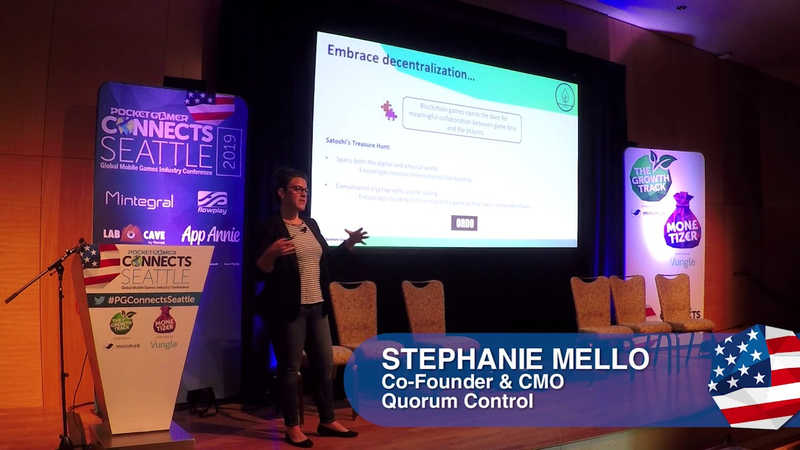
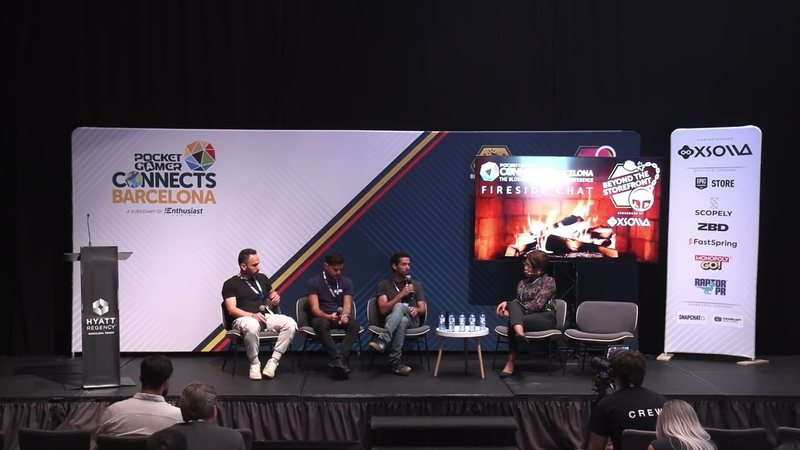
so I know this is the monetizing track and it's not the blockchain track but I am going to be talking about engaging and building your cohort blockchain Games edition first who the hell is this lady I am co-founder and CMO of coram control we are building a permissionless proof of stake blockchain platform that's sort of purpose-built for things like games I cover a little bit of an end-to-end concept on our platform in this top but given time constraints and because that's not really the focus of this talk I won't go into too many details but I would love to show I would love to geek out on that with anybody who's interested after you can come find me and come find you I've been in the digital marketing space for just under 20 ish years and spent just over the last decade specifically in games first
in web and then mobile I built out and led these strategy and teams for the retention side at both Kabam and skully two of the larger mobile game publishers so I've been doing the sort of very specific retention and engagement for post acquisition users for a number of years it's it's my wheelhouse it's what I love blockchain is sort of the next natural evolution of platforms you know web the mobile came along there was this big disruption and people were sort of scrambling to adapt and I feel like that's a lot what's happening now and so jumping in to tackle that challenge has been something I'm interested so what this talk isn't this talk isn't going to talk about the strategies and tactics for engaging and building a cohort in the traditional gaming space the principles are largely the same but the strategies and tactics by which you go about them are different because we might have a little bit of time after the talk because the person after me isn't here I'm happy to answer questions about that again it's a world that I
come from specifically is going to be watching I'm sure everybody's familiar with it it's it's kind of the new hotness buzzword but it is games built on a secure and transparent decentralized p2p computer network why do players love it items have real verifiable value we talked a lot the panel before me spoke about this we talk a lot about perceived value and making sure users feel like they're getting an experience and feel like they're getting value in blockchain games it sort of frees you up to build some really cool because items have actual real verifiable value and embracing that means that you can create exclusivity real digital scarcity and you can really leverage that you're no longer shackled by this perceived value that we always put ourselves in in addition the players get a little bit more control over those they they have trade value so they're
able to invest in things that they wouldn't normally invest in because there's no immediate use for them and so users players or thinking differently about how they purchase and when they purchase and what they purchased to a level that doesn't happen in traditional games so then why isn't everybody on the black party well there are some challenges for the purpose of this talk we're gonna focus on the builders the players getting the Builder challenges solved solving the player challenges falls on the builders build it for players there's it's mostly about demystifying the tech helping them understand cryptocurrency and how you make trades and and and getting them to sort of rally around this new world order for games on the pillar side there's three pretty big challenges the first two are technical challenges the first two are kind of the impetus for two below the platform that we're building a quorum control the impetus for sort of why we exist there's this scalability issue that's sort of
plaguing option to compute the transactions on blockchain requires a massive amount of energy and what happens is that simple and innocuous seeming transactions then become burdened with long wait times heavy processing times and then that offsets costs dramatically it's just very difficult to scale the second is this development learning curve a lot of traditional platforms have complicated nuanced things like smart contracts that require understanding a completely new piece of technology the first two are technical challenges and not what we'll really focus on here but they are sort of purposeful they are sort of the impetus for why to blow exists so if you guys want to talk through in detail kind of these challenges I would love to show you how our platform is solving for them the third is what this talk will really focus on and this is not technical this is cultural as builders we've got this fear of giving up our centralized control I mean how can we make a game
and then not control every part of it not hold our data close to our you know clutch our data like their pearls and and it's a really cultural shift that hopefully after the stock you'll feel a little bit more empowered to kind of give that a try and experiment well damn that doesn't sound hard but why would anybody do it well the opportunities are huge especially right now there is a massive amount of investment in finding the the one or the two there is just in this last three months 200 million dollars in funding small indie projects to go and experiment with this technology investment in this space the likes of which we in this industry have never seen levels the playing field this means that indie developers smaller developers developers that haven't traditionally been able to keep up with the monolith you know giant IP the
Hollywood driven titles have a chance to build something really cool potentially meaningful because investment is kind of free-for-all right now it is largely held belief that this technology is coming and that games will be the critical driver for mass adoption make sense right games are where the DA use our games are are what the most amount of people are doing together in this digital space and it's a kind of adapter parish this is a really good quote from from Dean Takahashi it I believe it was a popper gamer in LA but his point is is correct is that a lot of players a lot of big players are just kind of sitting by and waiting to see what happens with this tech or there they're not fully invested in that it's not just hype and you know they will perish or they'll be in a position where they've got to make some serious acquisitions or be acquired and we really believe that and we think that the critical takeaway here is that decentralization levels is playing field
in a way that very few platforms ever have especially in gaming so how do we then rally around this cultural shift building blockchain games fundamentally changes the way that we as builders must think about our community and our product it doesn't mean that we can't monetize it doesn't mean that we have to give up Gacha systems or give up it you know subscription passes or get or give up any of the things that we've spent years honing all of the talks ear or helping sharpening it just means that we have to be creative we have to think differently because this tech is fundamentally different for the players so I'm going to walk through what I believe are the critical drivers to making this cultural shift and in sort of embracing this new technology the first is that is this real world value
idea is that builders must design with this in mind it is no longer the idea that we are you know sort of one of the points at Oscar made earlier was that subscription models are great but they you have to have room for upsell and that's the tricky bit right is that once you you as the maker of this sort has decided its value it's arbitrary depending on who's using it but these items aren't the people that own these items in game they aren't they have real verifiable value they are motivated completely differently they will invest in different things that might yield them more money that are that are powerful for their gameplay but there's it opens up the possibility for so many more purchase motivators airdrops are a thing that we see a lot in the space and they're used to sort of stoke engagement but they are very short-term thinking they're not long-term strategy a lot of builders coming into it think that just dropping
a lot of the currency or token is the best way to sort of drive that engagement but they really should just be used sparingly they're really just as stoke we're talking about building long-term real invested players and the third which is you know which is something I can't say enough is that builders have the opportunity to create real digital scarcity and exclusivity you know we're no longer spending you know as a as a retention marketer I can't tell you how many times I've tested creative to make something sound super important and super exclusive in a way that didn't sound like total and and this technology is like I said it frees us up to actually make cool immersive experiences because when we say this is a completely unique cat with completely unique DNA you own it and it has XY and Z power in this game
and it's yours and yours alone to do whatever you want with it that's a powerful message that even I can't screw up so once you've designed the train in mind it breathes decentralization if you leave only remembering one thing about this whole talk I really want it to be this concept this is what is going to drive that cultural shift in building these games blockchain games open the door for real meaningful collaboration between other builders and your game the next point sort of ties into this as well but a great example of this if anybody's familiar is satoshis treasure hunt so so toasties treasure hunt is this huge treasure hunt where the tank is a million dollars obviously that is a very compelling motivator but what it's done and it's a puzzle solving and so you have to there's a thousand keys and you have to find four hundred of them in
order to win and in order to win you have to solve these super complex puzzles it spans both the digital world and the real world and what what's happening is it's forcing these massive international alliances because you know if one of the keys if you've unlocked all the puzzles and you know that one of the keys is in a coffee shop in Taiwan but it's you and your buddy and you're in San Francisco and guess what you missed out on that key so it's really forcing these huge communities of motivated puzzle solvers code breakers to work together on an international scale for this technology that's a really big deal so right off the bat you know we all we know we know that in free-to-play gaming people that join an alliance within the first four days have a 30% chance a 30% greater chance of staying past day 45 in your game which is a lifetime and mobile free-to-play and so what's happening is that these alliances on this scale and in this
collaborative way are are generating massive participation group participation in a way that the game doesn't even have to do anything a game just exists and just by existing people are forced into these collaborative efforts the other thing that they're doing really well is that they've got these complicated cryptographic puzzles to solve and that's not something that everybody can do especially you know especially just casual gamers that aren't part of a developer community which is the the brace decentralisation piece is that it's encouraging builders to build tools to make the game more immersive and a lot of developers they hear this they would think oh Jesus you know like I don't want players building stuff that touches my game well in this case you do because to build chat features to build Alliance tools to build all of those things that game developers have to build in addition to all of the features
that they want to build on their game is a massive resource suck and indie developers don't have that and so they make they make choices about what should go in there and those choices mean that your players aren't going to get a great chat or you're gonna have lots of third-party SDKs plugged in and that's gonna slow down your game what's happening and so the best example of this is this tool called Ordo and or doe is built in conjunction it's built on top of this game it has nothing to do with the crew that is building the Satoshi's treasure and it's built it you can go you can find alliances you can work with your alliance you can chat you can they have tools for for helping with these cryptographic puzzles and it's and it's built in tandem to this game and all it does is support and boost the engagement and the immersion of of the gate of the core game itself and that means if it should toast you treasure guys can focus on really really hard puzzles I mean they are people are vying for a million dollars and any deviation any distraction from the core concept of
how do we make this game as fun and challenging as possible they don't have to worry about building a chat or they don't have to worry about we need to have an alliance feature otherwise people won't join an alliance and then people won't play anymore because they can't solve a puzzle that's in a cafe in Taiwan and that's not happening with us so this idea of embracing decentralisation what's possible I mean what fuels your passion into this game as gamers when you want from other games a lot of that is made possible in through this technology the third is tied to embracing decentralisation is that it blockchain games you're not just moderating your community you're participating there is an opportunity for the makers of the game and the players of the game to really be immersed in the same world one really great example of this and the bonus is the pre-sale engagement one really great example of this is blockade games is running a neon district's boss auction now they were in a boss option for the most powerful asset in the game before the
asset even launched at last check I think they were up to $20,000 before the asset even launched and people bid for the opportunity to own this asset because they know that when it's the most powerful object in the game once they're in the game they happen it is unique to them it is the only one in existence it has digital scarcity in addition they also gave players the opportunity to participate in creating the world they're going to play in they got to be involved in design decisions character decisions world decisions that kind of community partnership we hear the idea a lot that community is a two-way street and and I think the Community Managers in traditional games have a really really difficult job and there they are put in a very difficult position to make that feel genuine to make that two-way street feel genuine because they are in service to they are there to moderate and participating becomes tough once you're in service to the organization that you represent and
the left is I think it's the elephant in the room I think what I hear a lot from traditional game developers is this idea that like their data is life you know these centralized databases are their shackles they they not having every possible player action collected in a single database for you to then run your ad strategy or test different shards or whatever you're doing with your central database is is jarring to builders but they're not seeing is that you have to think differently about your data source because it is decentralized because these things are open-source you have access to an entire ecosystem a shared ecosystem of player behavior and not just limited to the game you've made but their actual behavior in other games what items do they care about another games what are people who aren't playing your game care about what items don't
people care about what has surprising value and and there's lots of tools that you can tap into to get access to an entire ecosystem of information so while you're giving up the concept of I've collected your player information I know who you are so I can target this messaging what you were getting in return is a better view into player behavior to make more informed decisions so just over arching those are sort of the critical elements that you need in order to engage these users on this platform well cool sounds reasonable but what does that look like now give me a little bit of time so I can walk through this more slowly than I thought but I do want that this gets published and shared and so everybody will have access to it and so I encourage everybody to sort of look more closely at it to what we're not able to cover here but end-to-end concepts we think about this a lot on to blow and while to blow is is technically technology as industry agnostic it is
really built with things like games in mind because we're built on a foundation of ownership and ownership transfer we're not built on sort of the currency foundation of traditional deities which is more like a Wall Street model and so and and concepts we've really thought through how this could work for a developer building on our platform and so it starts simply this is mostly for people who aren't familiar with the sort of world of blockchain but this cross game portability you've got this really bad a sort and you want to take it into every game that you play you want to use it everywhere the idea that this sort has real verifiable tradable value well damn that is a way badass way more badass sword and that's the sort I want what can i trade my total piece of crap for and then this idea of look at my inventory I take pride in the things I purchased until I am ready to trade and
sell them this idea of giving users the opportunity to show off what they have to flaunt what they have and to sell what they have so concept one is this flexible and portable data structure which enables improved inter game portability so why to blow is different is that we are not built on one central blockchain we are actually built what we call chain trees and it change for uses every object and every everything has its own chain tree and that means that it makes for easier inter game portability now again I don't want to go through these in detail just because this talk isn't about the tupolev platform but I do want I do want you guys to see how we've thought about and and these concepts of how you provide or how you design with this trade value in mind how you provide that value how you embrace the decentralization and and then how users can engage with it so taking your item you've got this badass
or taking it everywhere you go to wield it everywhere concept to is that they can be used to supercharge your marketplace a marketplace is a really hard thing for traditional games to build well because it always feels like the game is selling you something and that users have arbitrary participation in that marketplace doctrine marketplaces have the potential to be lively marketplaces where users can exchange where users can negotiate on their own behalf because the items are there's this lively marketplace has the potential to drive huge engagement we know that users that engage in chat or engage in other shared functions in traditional games stay a lot longer it makes sense right you're investing now you've got a personal attachment to this these marketplaces are doing that accept users are in control without sort of feeling like the the value is arbitrary and then beyond marketplaces a way for
players to show what they have you know collectors collectors love features like this you know in the free-to-play model we see a lot of release of skin or release a frame for your for your avatar and and those things have huge value to them in in other sort of non gameplay ways and these these brag wallets amplify that they they showcase things not just because I've amassed this collection and I'm so proud of it but they showcase it them the way that now the user is the seller so summary like I said if you could only take away one thing from this whole talk embrace decentralization it's coming and games will be the mass driver for this there are so many ways that builders especially indie developers can build immersive amazing games without the distraction of of having to serve other
punishing elements that exist in the free-to-play space right now a shared ecosystem is a huge advantage especially for smaller developers and like I said there's so much money and so much investment in this space right now targeting any developers who are resourced to experiment but you know it it almost feels it's tough right because you're a small developer and you don't have the resources to build your game let alone start experimenting with other tech but the investment right now in this space has just never it's just never been like this in this space and the more of us that rally around experimenting the more opportunity there is for us to level the playing field and this last one which is a really really critical point I think that it comes up a lot it came up in that last panel a lot this idea of players feeling like they're participating in blockchain space they're actually they're invested
in the experience they're not just buying things for their gameplay they're invested in the world that their help helping to build and that's a really big deal and I think that that those opportunities are sort of really electrifying in the blockchain space right now so I know I breezed over a couple parts and like I said I know this is blockchain and it's not the blockchain track so I'm happy to answer questions about free-to-play and traditional but I would love to sort of field any questions anybody has about this specifically we got questions already I was gonna say Asha this is an area I find personally fascinating just for general I am personally fast managed just general information is that yeah who knew you got on stage as well having worked on reality clash a lot of the stuff that you'll be talking about is very very familiar to me so we have a lot of fun trying to work out how to make token items like a weapon how do you make a weapon one of the key things that I learned was that you don't just
use linear improvement you've got to think about scissor paper stone style you know normally any ribbon so don't just have a plus 1 hat of wonder have you know a red hat and a blue hat and have them do different things and that kind of design thinking is actually incredibly important yeah yeah absolutely I think that you know one of the challenges that we came up against we heard of the other talk the idea that like consistency is key right so once you start having events once you start offering things to your players you've got to keep that consistency going and but at the end of the day like that yes they are digital items but they're humans making them and you you know designers can only design tweaks so much and marketers can only sell those tweaks as so much value before players start calling we see happen all the time in gotcha we see it happen all the time in loot bags you know like and then there's a pressure to create
sort of a made-up value because you're you've hit the limit of what this thing can do and so now you've got a go to the next thing and you've got to make that seem like really important well this is what killed you all not killed but it made life very difficult in the early days of something I imagine the gathering because they started off just making monsters more difficult and it broke the system they had to kind of reset everything and you know makes the job harder actually quick before I go to question people actually done blockchain stuff in their game so far anyone ok anyone who's scared blockchain [Laughter] any way I block chain first question hey I'm Chris yeah I have a question around the decentralization while maintaining the accountability loop that we still inevitably have so for example there are two aspects that I'm primarily interested in you talked about players
working on a chat system that you as a developer don't have to work about but as soon as you then have a chat system you have to worry about the accessibility aspect of it to be compliant to even legal aspects to it and then if you allow players to create content on their own that is not owned by your company and I aware that user-generated content is already a thing you still have to maintain accountability for things like age ratings and you know age appropriate contents what's your take on that aspect and I will say that I'm not the most deeply familiar person with blockchain but like licensing is another aspect to it to just maintain those compliances sure answers on this but decentralization as a forum is designed to actually limit the risk of those
things it's much much harder to do dubious stuff in a decentralized environment and so traditionally a lot of that is we learn as we go kind of on the enforcement of things but a lot of that is code of conduct and relying on the systems and rules that you're decentralized system is in place to moderate it's much much harder to lie or get away with things when you've got 50 people spread across the world that are there to verify before you can move forward or verify before something you know becomes part of that world and so things like things that are built an accessory to blockchain like chat apps and things like that you know the logistics of who manages that and who ultimately is responsible for that it's something I don't have the answer to it's something in practice that I don't know that is technically regulated right now that said the the idea of a
decentralized world is inherently just much much much harder to do dubious things in I think that is in some ways the word decentralized is kind of missing the point it's non trusted in my head this is the kind of the what made it work so when we were working out about things like if somebody creates a a gun and we want to sell that gun well the token actually knows who made it and who is going who currently owns it and the history of who has owned it so by building all of that all that information into the adjacent fire that's then securely round we have no need to trust who made it because it's got to be a cluster of different servers that will verify it and that active verification means that it's still traceable because it's locked in assuming you've designed it right who made it so they are still accountable
for having made that thing available and if they didn't have the IP rights etc then they would still be accountable for creating something which then distributed because they're the ones who would be responsible for its act of creation and its availability the technology serves to be a more transparent view into an entire system so for example in other industries and Conflict Minerals developers are using it to verify the source of gold or tungsten or things that are traditionally you know rife with fraud and and and this technology serves as a transparent view into that system and so it's not trusted is it like it's not trustworthy it's not trusted in that like you don't you know right now and using centralized systems you agree to trust Facebook and you agree to trust the game that you play
and you agree and the game makers agree to trust the database you know MongoDB that they're not gonna do anything with there and and their systems the contracts in place and that protects everybody but this is a system that does away with those things so it's trustless though it's not it's still trustworthy trustworthy yeah it's just it's designed so that the the existence of things is remove trust right being an issue I suppose there's what kind of it it's difficult to get head round I took me ages to get my head around it I think particularly also the other thing I had problem with is I then assumed that that meant that I have to go through wallets and and it is to a certain extent true but anyone try to use a blockchain wallet it's horrible isn't it it's just the worst experience and you kind of go you're gonna put 50 quid into this thing is Oh where's my only gun I mean we are fundamentally different
and we saw a lot of the of the challenge there we're open source we you can install locally right now if you go to quorum control com backslash build encourage everybody to try to play around with it and because our system is unique in that way another thing su that's an important thing it's a this is something that I think a lot of people like yourselves have understood is really important but we've got to have a good customer experience this is kind of where I was going was more about where blockchain ends up as a monetization tool is not necessarily in the traditional way that we assume the wallet for example it might be the back end of how we manage our assets it might be the back end of how different games collaborate on shared assets between them it might be there's a common set of of rules so for example in the tokens I designed we've got standard stats about you know the damage your weapon does arrange its free reloading speed and so on and so forth which would be done in these broad percentages so any game could choose to
use that number and then feed that into their game they don't have to use us at all if you've got that gun right now that's not something everybody's gonna do but that's the mindset that we had when we tried to do it yeah there's this feeling that like so few games have unlocked the centralized version of monetization that the idea of relinquishing any part of that is is terrifying but it's very much like what the panel before was saying is that you can't go into blockchain expecting to monetize the same way you did in web the same way you do in mobile it's it's in it the principles will always be the same is that give the player an experience that they that's curated to their motivations and again I can talk at length about that but the tactics have to be different and that cultural shift needs to happen with the builders because the money is there and there's so much money for you guys to just take and go build but that cultural shift is something that we really need to solve
for because some of the smartest minds in DLT right now are solving for the technical challenges things that struck me as well as a lot of people particularly in the console or space worried about the fact that their assets are now available and can be used by anyone else so someone could buy a sword in the game and then go and sell that sword in for somebody else and the other person comes back into your game have Midas loss to sale no you haven't the reason you haven't the same reason why secondary purchase was so successful for PC and console games you know in the last few decades because we create a secondary market and that boosts the willingness of people to spend money in the primary market so the initial game right and shared ecosystem view allows you to understand how many people even want that sword in the first place and what the value of that store it is and allows you to set the price at first purchase with this trade in mind and you could even go further where the guys at
Forte I did I was hosting a block training event in the week of GDC and the guy thought I was saying exactly this but actually you can actually take a market a kind of review of what how much the value of that sword is a new game is so a lot of time we have this command model we decide what the value of a gold coin is what a value of a gem is in our game well actually if we let the market decide what there is then they we actually get more accurate in terms of what the actual value or that gameplay element is absolutely in the experience yeah like I was saying earlier is that you can make more informed decisions about the design about about what you're putting out you're not forced into this the punishing a digital asset deliverable on on Yahtzee I so I built the retention team for scope Leon Yahtzee one of the biggest challenges is people loved these dice masters they didn't do anything in the game they were just collectibles and
people loved them and we couldn't create enough a variety fast enough to leverage that value and and it forced us into this punishing cycle of resources that should have been spent on core game mechanics that wasn't it was instead on this idea of delivering faster better more no it's oh I see Zack our next speaker is that she turned out more than I thought I thought that's good so yeah I mean absolutely this is this is the kind of crux of it so understanding the role it plays into your game and how that works let's do one last question before we would kick off anyone else got one last question we filled your need for a blockchain tilde I really do the blockchain track tomorrow some incredible people speaking and come find me I'm happy to talk about this and our chief product officers here as well if anybody actually wants to start building on it today we can help and there's no
need to be scared about it it's just a different way of securing elements in your game rather than having to have a server it's just that basically a database that's done through you know distribution say it's the 90s utopia we were all promised for the Internet [Applause]
Summary
Blockchain technology serves as a foundational shift in game development, moving the industry away from centralized control toward decentralized, player-centric ecosystems. By establishing true digital scarcity and verifiable asset ownership, developers can transition from being sole moderators of a closed environment to active participants in a collaborative, transparent marketplace. This evolution empowers players to treat in-game assets as portable, long-term investments, fostering a deeper sense of ownership and commitment that traditional, restrictive models fail to capture.
The integration of trustless infrastructure provides a robust backend for managing shared assets and cross-game interoperability. This technical framework allows for the creation of secondary markets that not only enhance player engagement but also provide developers with real-time, market-driven data regarding the actual value of virtual items. By leveraging these insights, studios can refine their monetization strategies to align more closely with player behavior, ultimately reducing the resource burden on independent developers who can now rely on community-built tools and player-led collaborations to expand their game worlds.
This paradigm shift necessitates a fundamental change in development culture, prioritizing long-term community health over short-term, artificial scarcity. By embracing decentralization, studios can cultivate a golden cohort of super users who are motivated by the real-world value and agency inherent in a verifiable, player-driven economy. This approach not only enhances accountability and transparency but also creates more immersive, sustainable gaming experiences where the interests of the developer and the player are intrinsically linked through shared digital infrastructure.

















Comments