1 free read left. Create a free account for unlimited reading + AI research.
Create free account
Monetisation for esports
Key insights
7 takeaways- 01Esports monetization currently averages $4 per user, significantly trailing traditional sports like the NBA at $35 and the NFL at $55 per fan, indicating substantial room for revenue growth.
- 02Increasing prize pools directly correlates with viewer engagement; for example, raising a prize pool to $10,000 can increase viewership from 25,000 to 200,000 by incentivizing higher-tier competition.
- 03Esports fans are three times more likely to make e-commerce transactions and two and a half times more likely to retain in a game, making esports a high-value channel for publishers.
- 04Publishers can boost revenue and game longevity by empowering third-party organizers to host tournaments, often by providing virtual currency or in-game items to support prize pools.
- 05Sponsors require clear ROI and KPI tracking, such as driving gym memberships or website visits, to justify continued investment beyond simple brand exposure.
- 06Mobile esports consumption is a major growth driver, with more mobile content hours watched on YouTube and Twitch than all other professional sports combined.
- 07Local esports growth is expected to accelerate as major retailers like GameStop and Walmart begin utilizing their physical footprints to host community-level tournaments.
Ask AI about this video
Transcript
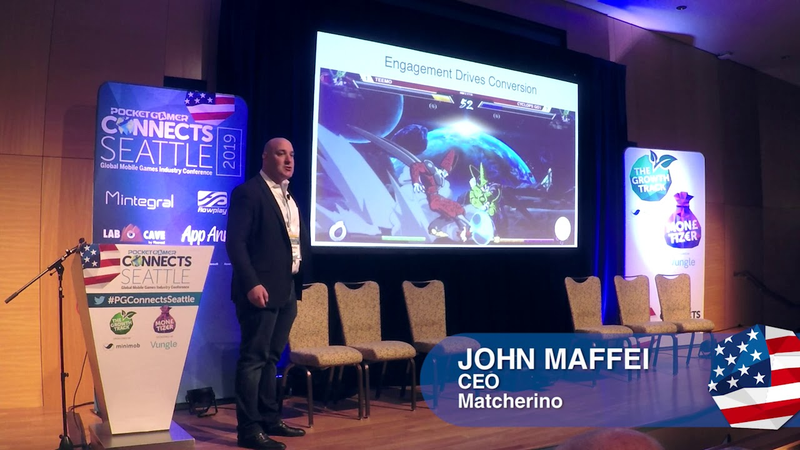
all right well this looks good all right I'm John maffei I work for a company called Matt Rina on the CEO of Matt Reno we are an esports platform I'm here to talk about how to monetize your eSport events companies been around for about four years we've had 5,000 different tournaments take place on our platforms we've had a lot of experience on eSports and how to monetize it so I think everyone who follows eSports at all knows that there is massive growth quick antidote I was listening to a talk from the CEO of super evil see Pleader mega Corp it's an awesome name by the way he comes out nice show it's Netflix some 10k Netflix is putting on competitors they weren't listening HBO they weren't listing Showtime they were listing fortnight there's a competitive threat around people playing games and moving away from watching videos so clearly
extremely popular we see this massive growth besides the eSports fans are now bigger than major league baseball bigger than hockey soon-to-be taking on that of NBA and NFL monetization think of traditional sports out there today 75% of the 15 billion dollars that comes in from the NFL is from advertising so it makes sense that advertising will play a big sports and big part of these ports there's another challenge with eSports that isn't had in traditional sports you think about you go to an event you go to a football game you go to Wimbledon you go to any event you buy a $300 ticket you buy a $250 ticket 99% of all activity around fans is online today that may change there's certainly some small venues that are out there and the Barclays centers for example is doing the overwatch League valves
international was that key Center it was in Vancouver last year but most of the events are not in physical locations they're viewed online so advertising is even more important so when you think about eSports monetization for everyone but the publisher advertising is probably the key driver just a little bit more to that so we have up to 500 million eSports fans by 2022 according at last graphic by Goldman Sachs but really really low monetization so we're monetizing about $4 a user now eSports relatively new five years old maybe older if you go but it's kind of people use that $4 lots of room for growth the NFL has been around for a hundred years they monetize it fifty five dollars of fan the NBA has been around for 71 years they monetize it $35 of fan so how is it that we can bridge that gap how can you make more money in esports ecommerce is a big part we'll
talk about DLC sales and specifically those people who've been 6-ounce from it we've talked about advertising but merchandising and ticketing will be another part as well too and then just should make sense to everyone the bigger the prize pool the better that people who want to actually win that prize so think about like a tennis tournament do you want to go watch Roger Federer do you want to watch a college player you know for eSports the bigger the prize pool the better the players these players have big followings people want to go follow them so in general what we've seen is that if you can raise a prize pool you know just to slightly moderate level to $10,000 doesn't seem like a very big prize pool we've seen an event without kind of monetization has you know 25,000 viewers but when they go and they make that prize pool significantly bigger by monetized again and being part of the proceeds to it it jumps to 200,000 so here's the model for the International so valve dota 2 event puts
on the International this is probably seen as the most popular best eSports example for North America ten teams go and participate for a it's up to an hour a thirty forty million dollar prize pool but what valve does is they sell a hundred and thirty hundred and forty million dollars of virtual items and they give twenty percent of those proceeds to the prize pool they also do some advertising there's fan donations there's sponsorships they sell some tickets this does take place in the physical arena but if you think about that the one thing is think about getting prize pools bigger and monetizing as being driven by community so how do you get your users to go and contribute one very big way is get them to participate in these ecommerce that's a model that definitely will need to move forward to drive that up from $4 so I'll quickly go through everybody and everybody in the ecosystem has different needs if you're a fan what do you want
to do you really want to make sure there's more content coming up and that's kind of the biggest thing which is how do you make sure there's more content well make sure that event is successful think of if you couldn't watch your next favorite Netflix show if a lot of people didn't watch it an upvote it same kind of idea there but fans vote with their pocketbooks they actually contribute money they make donations they buy items so it's successful gamers they want to make more money everyone wants to be a professional gamer they want to get paid quickly if you're an organizer you've got two tasks how do you actually make the event occur so can I run an event there's a lot of actual things you have to do to make it take a gov and happen you have to have bracketing you have to have leaderboards you have to have social media and the other thing you have to drive the financial part of this which is how do you get advertisers to go fund your event how do you work with publishers so lots of tools needed for managing your financials managing the backend but how do you go and actually get a revenue stream to make the prize pool bigger publishers it's really
simple if your fan participates in eSports there are three times as likely to make a commerce transaction two and a half times more likely to retain on your game if you can get a big audience of people playing eSports you're going to be more successful and finally sponsors everybody wants to be involved with this audience the biggest challenge that people run into is okay I want this audience I think the eSports audience is important so 13 to 35 year old demo they're seen as the influencer demo everyone wants to know what's my return on investment for my eSports fans spend so if I'm gonna go and sponsor tournament for $50,000 how much money do I make at the end of the day so Connie that's going through a little of these so if you are putting on an eSport event one of the most important things is letting your fans be actually a donate so taking fan donations and making that as easy as possible the second thing you have to think about is how do we pay out
people if you have lots of winners you're an epic and you have to pay out tens of thousands of users that's a fairly complex thing but P you're using clear winners quickly they'll be much more happy they'll come back to your events and then you actually have to do tax compliance so you can't ignore the fact that if you pay someone over six hundred dollars you have to actually go generate tax forms for them and if they're international you have to remit their taxes to the foreign governments hold back part of their winnings and remit those so ecommerce is a very big way to drive eSports monetization so selling of DLC is the simplest thing to kind of ways to think about this most often publishers put on their own tournaments that's the easiest they own their own in-game items they can sell in-game items fans love in-game items they can give a portion of that to the prize pool they can take the lion's shares from themselves that's the model the valve is proving out you see that all across Asia clearly a good
model the second one is think about that what I talked about that eSports fans monetized three times as three times as much we retain two and a half times if you're a publisher you want as many third parties as possible throwing tournaments around your event so Blizzard is a great example in this they will take Starcraft and they will I say we want as many third party organizers doing this and they'll actually give virtual currency or downloadable items for those tournaments to sell so they can make more money and they can create a bigger event and have bigger prize pools advertising remains one of the biggest and hardest things about this industry so look at all the brands are investing Mercedes is supporting League of Legends you'll have t-mobile imploding the overwatch league you have Comcast supporting your overwatch League you have people putting you know
basically now going and back in teams so you see lots of NFL Jerry Jones as a team lots of people who own different professional franchises are getting involved in this today eSports advertising is a lot about getting your brand out there and that is a great thing and everyone wants to get their brand out there but it comes back to what are the complaints that people have well what are they going to write the next cheque which is how did I Drive like api's that matter the most to our business so what does every cm I want to know how did the dollar I just invest learn drive extra revenue there needs to some be some sort of ROI tracking for it to go to the next level ideally someone wants to go and drive their kpi's we work with 24-hour fitness for example in Nigeria now they're an advertiser 24-hour Fitness knows our business perfectly if they can get someone to buy a gym membership that means that someone's going to stay basically worth five hundred dollars for them over the course the next few years people stay on for two years they know very clearly
that if they get someone to download a free pass they have a very high conversion rate from that person to a trial member into a paying member for them so having an ability to understate so if we're 24-hour Fitness is pretty simple the KPI they want to drive is download free passes subway wants to drive people into their restaurants what's the most important thing they want you to join their affinity program when you join their affinity program every day they send you a coupon to your phone saying hop off of 12 and sub or buy one get one free that's their metric every business has their own metrics they want to drive how do you if you're involved in eSports help drive the help drive those the other issue have happened is that gamers really don't like advertising and traditionally have been very not a fan of actually they think that people who are you know bringing in brand sponsors or sellouts well they also love their communities
they want their events to be bigger and successful so how do you create a positive feedback loop for fans actually do want to engage with a brand are they getting some benefit out of their engagement they do get one benefit and they say hey the tournament is going to be more successful but can they get offered some sort of value you know a discount some sort of thing that they can use finally sponsors have to way to today sponsors have very Cadillac oriented solutions to go and get into eSports so for example they can go back the overwatch league but to get a team into the overlaps League it's expensive its costs twenty million dollars to get a team in is there a way for them to go and get exposure to eSports fans across multiple tournaments is an ask that they ask for and is there a way where they can do it on a cost performance level so one of the things to think about is take a brand like 24 hour fitness what do they wanted arrived they want to get people to join their social media they
want to get people to join their visit their website but they really want people to go and download passes you can take any brand you can figure out what are the key things that are driving them and then as if you're running an eSports tournament how do you help them establish these KPIs so here's a quick example this is just - people are praying Dragonball Z a caster might say hey please go visit our sponsors make the prize pool bigger you'll get some sort of benefit so in this case they go and they pick an action in this case they visit the 24-hour special offers page a donation would be made to the prize pool and there's a feedback loop and mechanism where the fan gets credit they also might get a free 7 day pass so when we think about how do we get more fans actually want to go engage you know part of his exposure does a fan at hey the opportunity to go exist but another one is consumer motivation so why would
that fan go and do that are they helping the prize pool get bigger are they helping make the tournament more successful are they getting some sort of consumer benefit so that's it if anyone has any questions I think I've got a few minutes left yes any questions books right away either super insightful thank you um quick question about the form factor of mobile devices and the growth of the audience base are there any limitations around consumption all the opportunities that you stated around how players engage or how users interact and engage or just curious sort of how you view that growth and adoption relative to an audience on a mobile device so two different things we're talking about there though this is a game and specific so if you look at this market he sports his only PC and
console with the exception of supercell you know having a little traction with clash Royale it's just but if you look at Asia it's completely opposite so mobile adoption as eSports in terms of mobile games we assume it's coming we assume it's coming in a huge wave if you think that the United States market or the Western markets five years behind in terms of mobile adoption that wave is coming consumption of streams and of viewing habits if you go back to my first slide we're talking how big the audience is it's almost up to two-thirds now being involved on a mobile factor including tablets so as I look across the room it looks like a younger demographic but if anyone has a kid who's 10 or 11 they walk around the house all day long staring at their screen watching YouTube watching twitch so clearly fan engagement and fan watching of eSports is very mobile
mobile driven we think that will only continue just a quick aside there's more mobile content hours watched on YouTube and twitch than all other professional sports combined the guy behind you James first and now get a quick question I know you recently touched on the overwatch league and how traditional sports actually investing into over archly I was wondering what your opinion is on especially in the overwatch Lea a lot of play people are actually building arenas for spectator viewing and how do you think monetization within spectator will be for eSports specifically massive growth of land center is occurring so one will open every other weekend it depends where that land center is so there's a big one in the Luxor there's ones in Vegas they're not going away there are
only be more of them I think land centers are popping up the challenge of running a land center is just an occupancy challenge so how can you get as many throughput as possible seven days a week when big of we we did a ninja Vegas event it was in Luxor we sold out 500 tickets in 18 minutes we could have sold 25,000 tickets to that there's an example of a highly popular event how do you keep it how do you keep it busy Monday Tuesday Wednesday Thursday and Friday okay I'm James I run against media business I've got two questions first of all I didn't technically have a marina map distribute is distributed it like an overlay secondly I don't recognize the naipes and adblock start where did you get that so I will if I get your address I will get you that but we've gotten research reports saying that 90% of gamers actively use adblock so that it would be just straight from you know
everyone has them in their browser I'm sure that if you looked across the room 90% of people here probably are using an ad blocker the over so overlays we have different things depending on what medium you do we have overlays that work on different ones and certainly not exclusive to us everyone should be overlays to using overlays to engage fans and show activities that could take one popular overlay is how engaged or fans who's making donations how big is the prize pool and we see that constantly as a positive feedback loop which is used not just for eSports but used across all streaming services but not exclusive us millions of them have them yeah and they're also a few services that do in game world ads for the developers I happen to help one of them out so I mean you had a question know this be the last one I move on what do you think are some of the largest hurdles keeping local local areas that
are lacking in the eSports scene this team way overdue for one from being monetized I think specifically Seattle seems extremely behind in terms of what it ought to be for a local eSports scene what do you think's keeping the growth from happening well I would argue that the growth is going to come quickly because Walmart is opening up gaming centers and a bunch of their stores GameStop has 4,000 retail locations which are begging for eSports tournaments locally Magic the Gathering I heard a stat that there's a million Magic the Gathering tournaments ie annually that number is wild and you know it's that's from them that they say that just in local card shops occurring there will be a local eSports scene it just hasn't developed yet a big level but if you think magic is the you know eggs shining example then then it's coming
Summary
The esports industry is experiencing rapid growth, with fan bases now rivaling major traditional sports leagues like the NFL and NBA. Despite this expansion, the sector faces a significant monetization gap, with current revenue per user estimated at approximately $4, compared to $55 for the NFL and $35 for the NBA. The primary thesis for closing this gap lies in shifting from a reliance on traditional advertising toward community-driven monetization models, including e-commerce, virtual item sales, and performance-based sponsorship integrations.
The industry currently relies heavily on online viewership, as 99% of fan activity occurs digitally rather than in physical venues. Because approximately 90% of gamers utilize ad-blocking software, traditional display advertising is increasingly ineffective. Consequently, successful monetization strategies must prioritize direct fan engagement. Models like those employed by Valve for The International demonstrate the efficacy of selling virtual items and allocating a portion of proceeds to prize pools, which incentivizes community participation and increases overall event viewership.
For organizers and publishers, the objective is to create a positive feedback loop where fans feel their contributions—whether through donations or purchasing in-game content—directly enhance the quality and scale of the tournament. Sponsors are encouraged to move away from high-cost, broad-exposure models toward performance-based KPIs, such as driving app downloads, website traffic, or affinity program sign-ups. By aligning sponsor goals with tangible consumer actions, organizers can provide measurable return on investment while offering fans genuine value, such as discounts or exclusive access.
Looking forward, the industry is poised for a significant shift toward mobile-driven consumption, particularly as Western markets catch up to the mobile-first habits already prevalent in Asia. Furthermore, while large-scale arenas are growing, the next phase of development involves localizing esports through retail partnerships and community-based gaming centers. By leveraging existing retail footprints, the industry aims to replicate the high-frequency, grassroots tournament models seen in traditional tabletop gaming, ultimately driving deeper engagement and sustainable revenue growth.














Comments