Monetization reports and market data
Documents
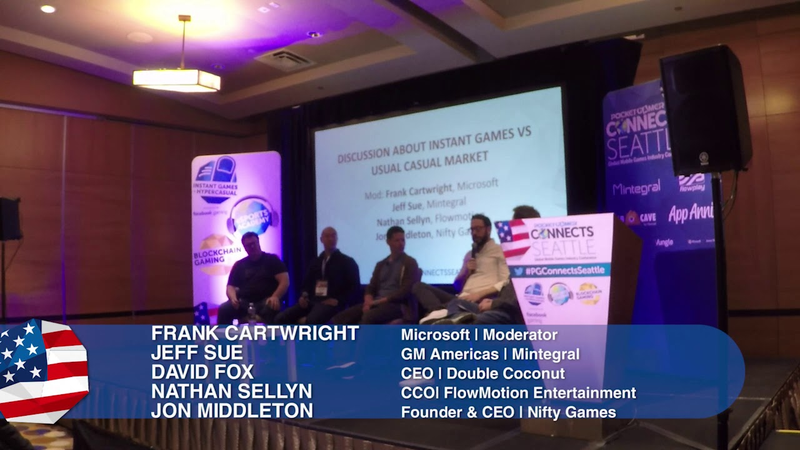
Panel: Instant Games versus the hyper-casual market
Hyper-casual games and instant games represent distinct approaches to mobile engagement, with the former prioritizing stripped-back, core-mechanic loops and the latter focusing on social-first, viral experiences.
- Instant games must evolve from simple marketing funnels into standalone experiences that leverage the social infrastructure of platforms like Facebook, Snapchat, and WeChat to drive long-term retention.
- The industry is shifting toward a 'super-app' model where games function as lightweight, integrated social utilities rather than isolated applications to capture massive, pre-existing audiences.
- Key barriers to growth include poor content discovery mechanisms and the difficulty of integrating gaming into messaging environments without appearing intrusive to users.
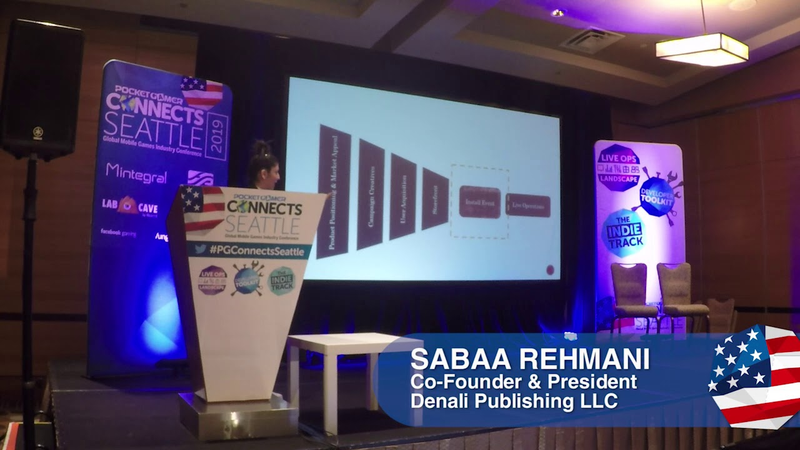
Publishing 101: A crash course in navigating today’s mobile marketplace
The mobile game publishing landscape is characterized by extreme saturation and high competition, requiring developers to adopt a systematic, data-driven approach to achieve scalability.
- Achieving scalability requires maintaining a positive delta where the lifetime value (LTV) of a user consistently exceeds the cost to acquire (CAC) that user.
- Developers must prioritize product stability and retention metrics before scaling acquisition, as poor user experience renders marketing spend ineffective by creating a 'leaky bucket' scenario.
- Success in a saturated market depends on a data-driven, iterative cycle that uses attribution partners and analytics SDKs to distinguish between organic and paid traffic performance.
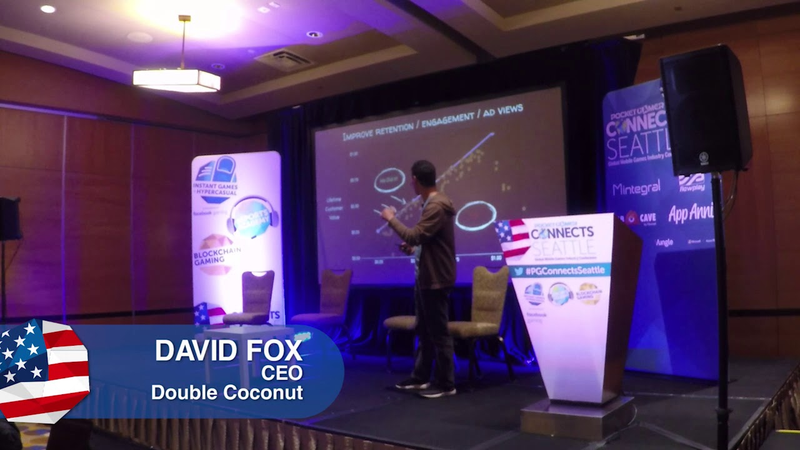
Hyper-casual math
The hyper-casual mobile gaming sector has evolved into a high-volume, data-driven industry that functions similarly to the pop music business.
- Hyper-casual profitability relies on a strict mathematical threshold where user acquisition costs must remain lower than the lifetime value generated by rewarded video ads.
- The industry operates on a volume-first strategy, where publishers like Voodoo crowdsource hundreds of prototypes to rapidly identify and scale titles with mass-market appeal.
- Between 2014 and 2019, the sector transitioned from a market of accidental viral hits to a sophisticated, publisher-led ecosystem driven by data and aggressive marketing.
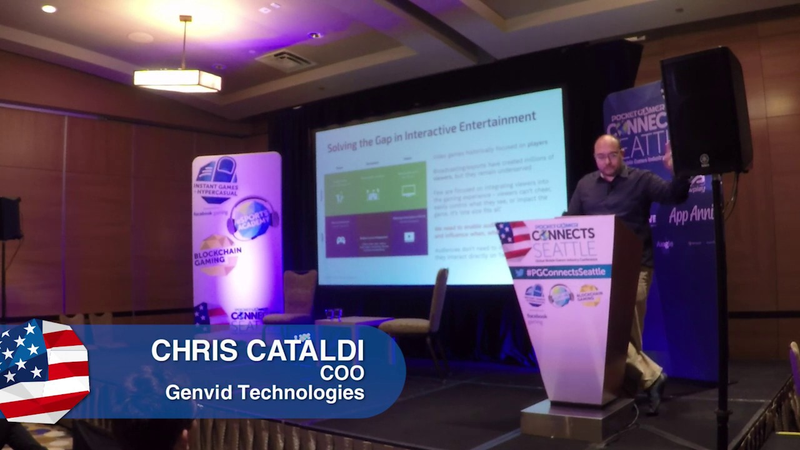
Interactive livestreaming and the future of esports
The future of esports lies in the evolution of interactive streaming, where game developers shift their focus from exclusively serving players to intentionally designing experiences for viewers.
- Game developers currently prioritize the player experience over the spectator experience, often disabling advanced camera tools and data access in live builds to prevent potential cheating or distraction.
- Interactive streaming technology, such as Genvid’s overlays, allows viewers to access real-time game data—like weapon loadouts, hitboxes, and win-loss probabilities—that is typically hidden from players to maintain competitive integrity.
- Future esports growth requires shifting from a player-only focus to a 'digital stadium' model where the broadcast medium is designed to be viewer-friendly for non-players, similar to how traditional sports evolved alongside radio and television.
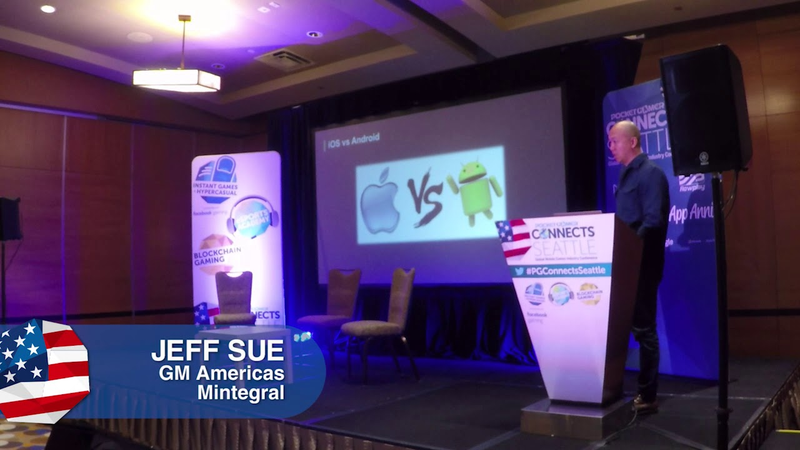
Tips on making your hyper-casual game a success in China
The Chinese mobile gaming market presents a significant opportunity for hyper-casual developers, characterized by a mobile-first user base and a high propensity for ad-based engagement.
- China’s mobile gaming market is massive, with 782 million smartphone users and a projected size double that of the United States by 2022.
- The Chinese ecosystem is dominated by super-apps like WeChat, which allow developers to reach users directly through integrated mini-programs.
- While iOS allows for self-publishing, the fragmented Android market requires partnerships with local publishers to manage distribution and complex licensing requirements.

AskGM #2: How to Compete Against Clash of Clans? | Sand Forge Games with CEO Khaled Alroumi
The mobile strategy market remains dominated by established titans, necessitating a strategic shift for new entrants like Sand Forge Games.
- New entrants in the mobile strategy market cannot displace established leaders like Clash of Clans through incremental mechanical refinements alone; they require a distinct market identity driven by unique narrative depth or innovative meta-systems.
- Simplifying core loops, such as removing troop training overhead and adopting energy-based systems, is a baseline requirement that can help achieve a 35% Day 1 retention rate.
- Sand Forge Games is utilizing a data-driven framework for their title Warfronts, focusing on telemetry to monitor D7 retention, monetization efficiency, and install-per-impression rates.
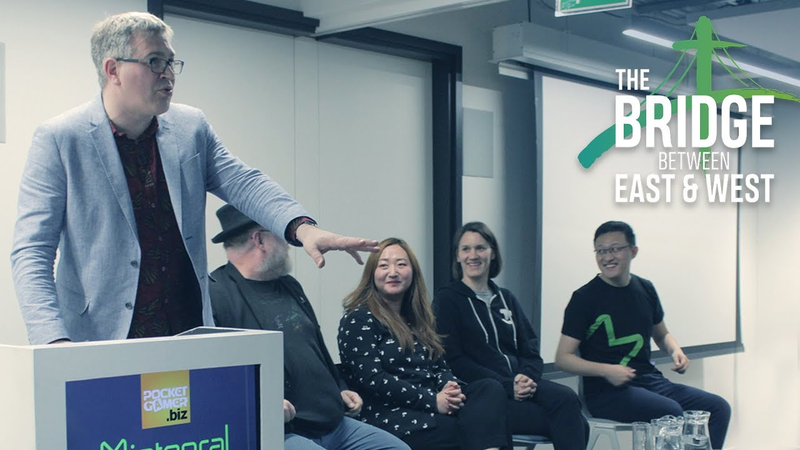
Opportunities in China's hyper-casual market
The Chinese hyper-casual mobile gaming market represents a significant growth opportunity for Western developers, provided they can navigate a complex, fragmented ecosystem.
- Entering the Chinese market requires deep localization of creative assets, including the integration of Chinese music, cultural themes, and localized video content to resonate with local player expectations.
- The Chinese Android market is highly fragmented, requiring developers to navigate numerous third-party app stores rather than relying on a single global storefront like the Google Play Store.
- Hyper-casual games in China are increasingly adopting engagement mechanics and depth similar to mid-core titles, moving beyond simple loops to include features like asynchronous multiplayer and tournament systems.

Hyper-casual in China: Games, players and lessons learned
The hyper-casual gaming market in China represents a significant, albeit distinct, opportunity for international developers.
- China represents a massive market opportunity with 242 million iOS devices, a figure comparable to the entire U.S. smartphone market across both iOS and Android platforms.
- While Day 1 retention should serve as a baseline metric of at least 40% to validate core gameplay, increasing Day 7 retention by just 1% yields 10 times the impact on long-term lifetime value.
- The Chinese hyper-casual market is distinct from the West, as it evolved from a core-gaming-first culture; consequently, games require more than simple mechanics to succeed and must incorporate socially-minded, competitive, or culturally relatable elements.
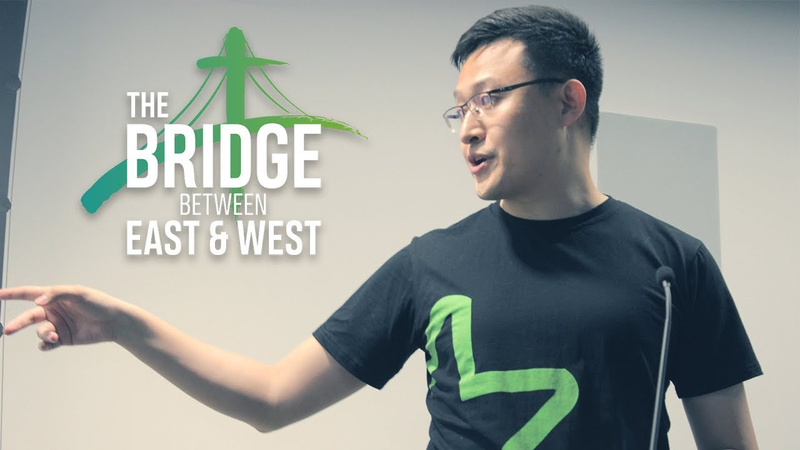
Tips on making your hyper-casual game a success in China
The hyper-casual gaming market in China represents a significant growth opportunity for international developers, driven by a massive mobile user base and evolving consumer habits.
- China is the world's largest mobile game market, with projections estimating 120 billion downloads and $62.4 billion in consumer spending by 2022.
- The Chinese market is shifting from hardcore games to hyper-casual titles, driven by users with fragmented leisure time and a growing female gaming demographic.
- Publishing on Android in China is highly complex and generally discouraged for foreign developers due to licensing requirements (ISBN) and a lengthy approval process that can take one to two years.
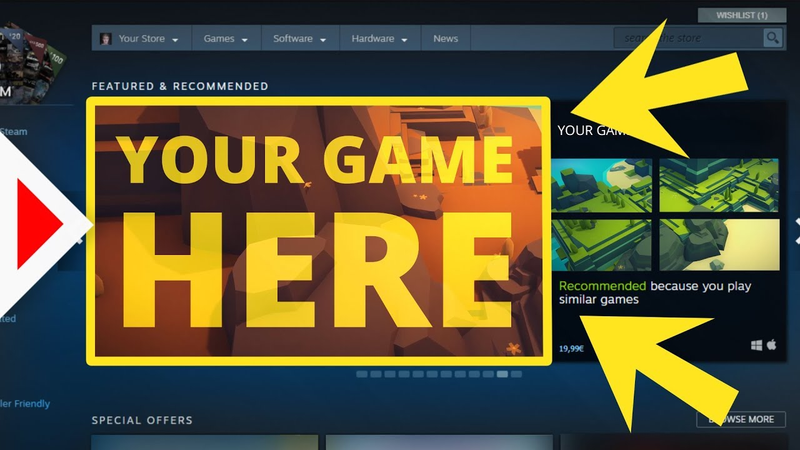
How to Sell Your Game on Steam!
Publishing a game on Steam has become significantly more accessible through the Steam Direct program, which allows developers to distribute titles by creating a Steam account, paying a $100 fee, and completing the necessary legal and administrative documentation via the Steamworks portal.
- Developers can access the Steam marketplace by paying a $100 fee and completing legal documentation through the Steam Direct program.
- Steam waives its revenue share on retail keys generated by developers for sale on third-party platforms or personal websites.
- Technical integration of Steam features like achievements and leaderboards is typically handled via the Steamworks API, often using wrappers such as Steamworks.NET for Unity.
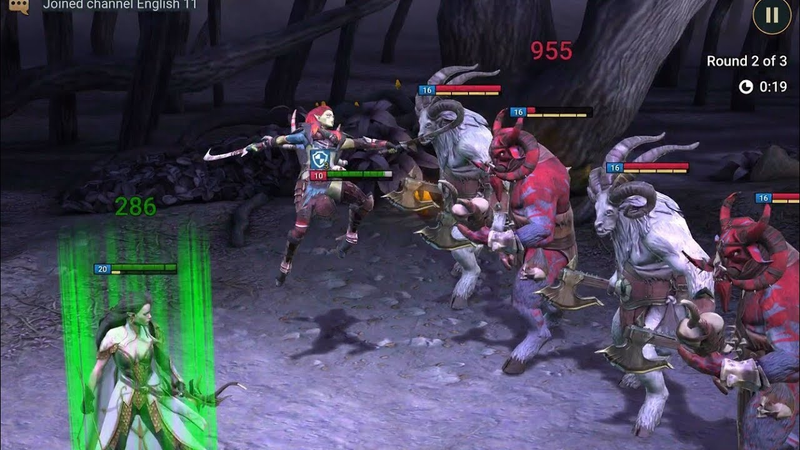
RAID: SHADOW LEGENDS | Gameplay
Raid: Shadow Legends is a squad-based mobile RPG developed by Plarium, a studio historically recognized for its expertise in 4X strategy titles.
- Plarium, a studio historically focused on 4X strategy, entered the character-collection RPG market with Raid: Shadow Legends to compete with established titles like Star Wars: Galaxy of Heroes and Marvel Strike Force.
- The core gameplay loop centers on managing a squad of four champions through turn-based combat, utilizing an energy-based system to progress through campaign missions, dungeons, and PvP arena modes.
- The game prioritizes meta-game progression over twitch-based reflexes, offering auto-battle modes with speed multipliers to facilitate the systematic grinding required for character optimization.

RAID: SHADOW LEGENDS | Metagame
Raid: Shadow Legends, developed by Plarium, represents a strategic shift for the studio from its traditional 4X strategy roots toward a squad-based, turn-based RPG.
- Plarium shifted its development focus from 4X strategy games to squad-based, turn-based RPGs with Raid: Shadow Legends to prioritize high-fidelity character design and complex progression loops.
- The game’s economy is built on a four-currency system—energy, silver, gems, and shards—that integrates directly into every player action to drive monetization.
- Monetization is driven by a tiered rarity system and a summoning mechanic, where players purchase shards to unlock higher-tier champions required for advanced campaign, dungeon, and arena progression.