Mobile reports and market data
Documents

Bringing Live Events to Games PG Connects Digital #2
The integration of live music events into virtual social platforms represents a transformative shift in digital entertainment, leveraging the massive scale of the gaming industry to create high-impact, shared experiences.
- The gaming industry now possesses a larger global reach than the combined music and film sectors, with one-third of the world's population participating in gaming.
- Successful live events in virtual worlds like Avakin Life—featuring artists such as Hayley Kiyoko and Blasterjaxx—demonstrate that embedding concerts into live operations pipelines effectively drives user traffic and engagement.
- Financial models are shifting away from traditional minimum guarantees toward revenue-sharing structures based on the sale of in-game digital memorabilia and virtual merchandise.
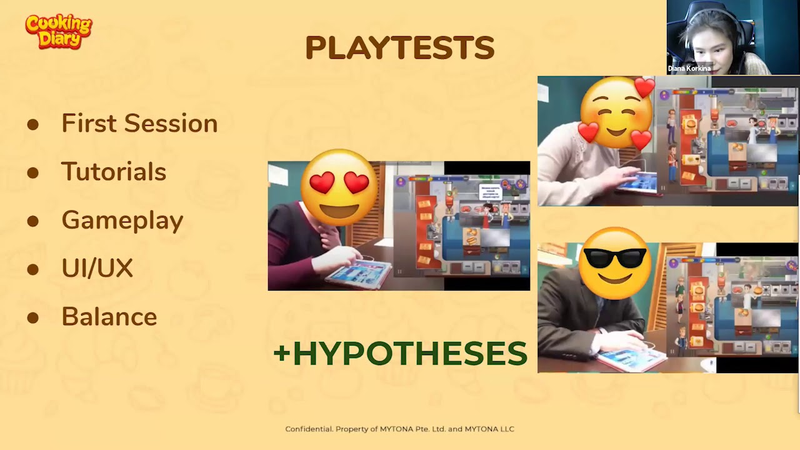
Let’s Work Together! How to Improve Your Game With Your Players. Cooking Diary Case Study. PGCD #2
The primary objective of this analysis is to demonstrate how developers can improve mobile game performance and player retention through a data-driven, collaborative approach with their user base.
- Developers should prioritize empirical data over internal intuition by segmenting player cohorts based on behavior, spending habits, and progression to filter out feedback noise.
- MyTona’s case study on Cooking Diary demonstrates that integrating player feedback into the development lifecycle is essential for sustained growth and improved player retention.
- Effective game refinement requires a multi-faceted approach that combines quantitative analytics to identify weak spots with qualitative insights from playtests, reviews, and questionnaires.
Live Ops in Small Teams PG Connects Digital #2
The presentation outlines a strategic framework for implementing Live Ops within small game development teams, emphasizing that success relies on iterative product development, data-driven decision-making, and a commitment to long-term sustainability.
- Koron Studios achieved a 40 percent increase in average daily revenue per update by transitioning to a structured, monthly, objective-focused release schedule.
- Small teams can achieve profitability by prioritizing disciplined, objective-based updates over simple content expansion to balance revenue growth with cost management.
- The post-launch phase requires defining specific key performance indicators (KPIs) to accurately assess product health before initiating design iterations.
Got Games on Your Apple Watch? PG Connects Digital #2
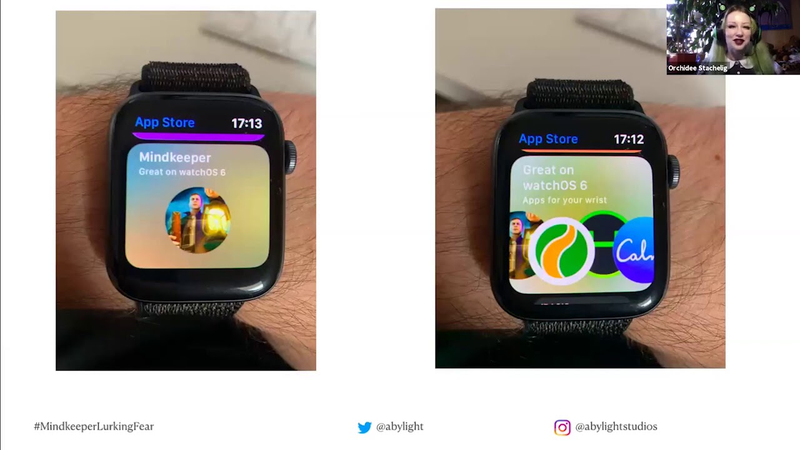
Abylight Studios, a Barcelona-based developer established in 2004, highlights the potential for high-quality 3D gaming on the Apple Watch through the development of their title, Mind Keeper: The Lurking Fear.
- The Apple Watch represents an underutilized market for standalone 3D gaming, offering indie developers a less crowded platform to reach dedicated audiences.
- Abylight Studios developed the 'Providence Engine,' a custom lightweight visual editor, to bypass the limitations of standard tools like Unity when building for the Apple Watch.
- Successful Apple Watch game design requires building standalone experiences that do not rely on an iPhone, specifically optimizing for the device's unique hardware constraints.

The Evolution of Dynasty Games PG Connects Digital #2
Toplitz Productions is redefining the simulation genre by integrating deep narrative and life-management mechanics into traditional functional gameplay.
- Toplitz Productions is evolving the simulation genre by blending traditional functional tasks like farming and logging with deep narrative, social interaction, and decision-tree mechanics.
- The 'Dynasty' series, specifically 'Medieval Dynasty' built on the Unreal 4 engine, serves as the primary example of combining open-world sandbox structures with survival and village-building progression.
- The studio utilizes an incremental development philosophy, breaking complex projects into manageable layers to refine foundational mechanics based on direct community feedback.
Mobile Gaming: Conquering the Esports Market PG Connects Digital #2
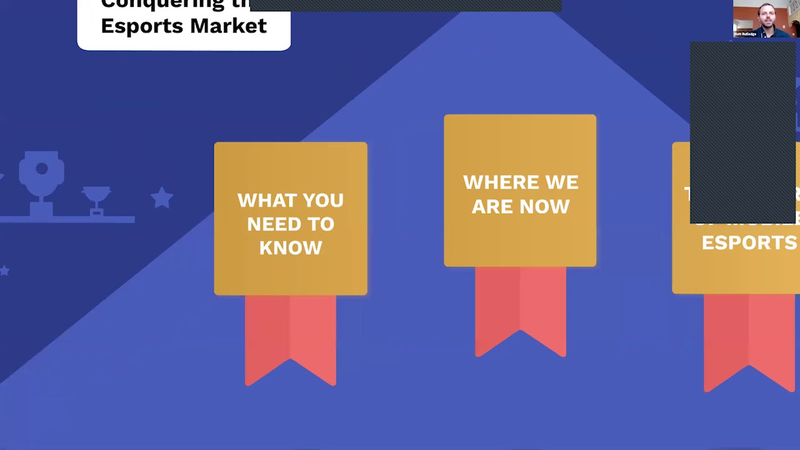
Mobile esports represents a significant, under-leveraged sector within the broader gaming industry, characterized by high accessibility and deep social integration.
- Mobile esports is a major growth sector that has already achieved massive scale in Brazil, India, and Southeast Asia, while remaining an under-leveraged 'sleeping giant' in Western markets.
- Mobile devices currently account for over 70% of total gaming watch time on YouTube, demonstrating a powerful synergy between mobile gameplay and content consumption.
- Competitive mobile titles like PUBG Mobile, Call of Duty: Mobile, and Free Fire have reached hundreds of millions of downloads and millions of daily active users, proving that mobile is no longer limited to casual gaming.
Critical Force & Mobile Esports: Now & Next PG Connects Digital #2
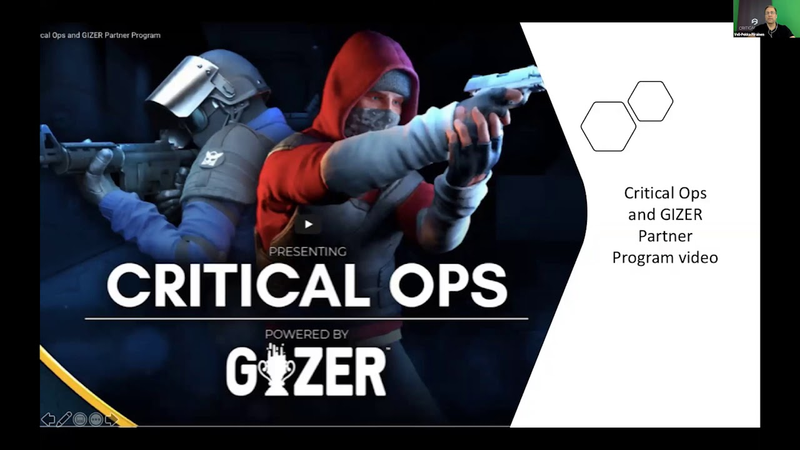
Critical Force, a Finnish game developer, has established a significant presence in the mobile esports sector through its flagship title, Critical Ops.
- Critical Force has scaled its grassroots esports model significantly, growing from 15 community events in 2018 to over 1,500 in 2019 through a partnership with Geyser.
- The studio’s flagship title, Critical Ops, has achieved over 80 million downloads since 2012 and currently maintains approximately 5 million monthly active users.
- Growth for Critical Ops is driven primarily by organic community management and influencer engagement rather than heavy investment in paid user acquisition.

How Grassroots Organisers are Fueling Mobile Esports PG Connects Digital #2
The mobile esports landscape is undergoing rapid expansion, driven primarily by grassroots tournament activity and the high engagement levels of Gen Z audiences.
- Mobile gaming in Southeast Asia is a primary global growth engine, currently accounting for 70% of the region's total gaming revenue with a 17.4% year-over-year growth rate.
- Grassroots tournament platforms are replacing manual management tools like spreadsheets with mobile-first solutions, such as those provided by Bash, to aggregate millions of fans and thousands of matches.
- The mobile esports sector is shifting away from traditional media toward streaming platforms to engage a global audience of approximately 500 million fans.
Superstar Session: Levelling the Playing Field: Mobile Esports Driving Diversity PGCD#2
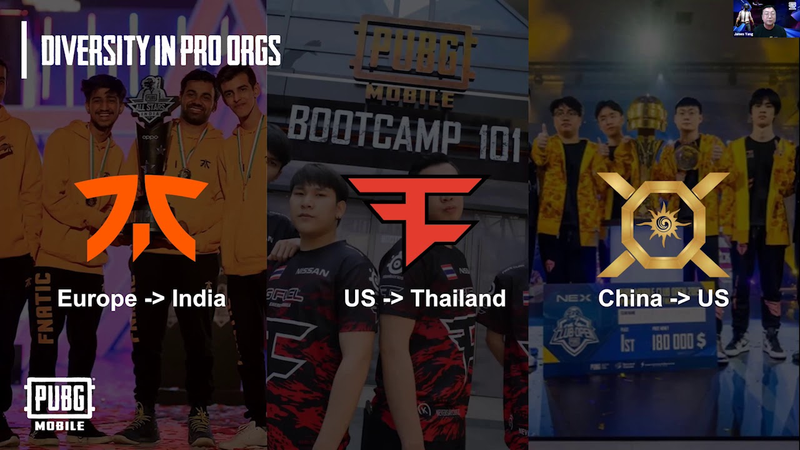
Mobile esports serves as a primary catalyst for global inclusivity, fundamentally democratizing competitive gaming by lowering the financial and technical barriers associated with traditional PC-based platforms.
- Mobile esports democratizes competitive gaming by removing the high financial and technical barriers inherent in traditional PC-based platforms.
- The sector experienced rapid growth between 2019 and 2020, with viewership reaching 56 million and total prize pools doubling to $5 million.
- To maintain competitive integrity, developers must strictly decouple monetization from performance by limiting in-game purchases to cosmetic items only.
When Gameplay met Narrative - A Love Story on a Budget PG Connects #2
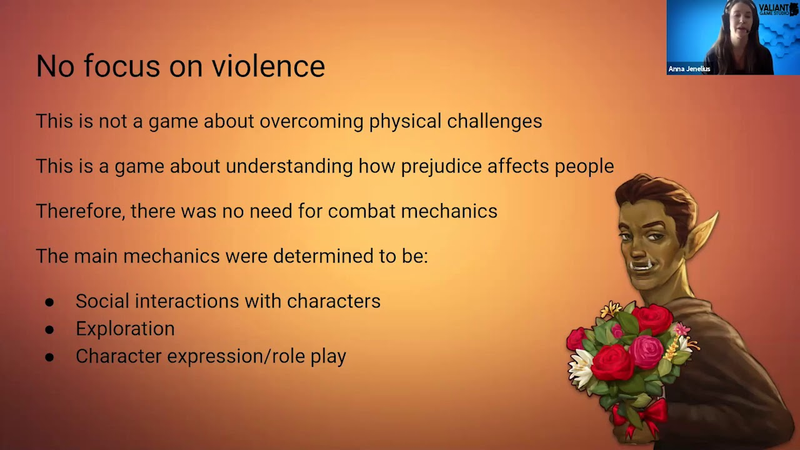
Establishing a cohesive guiding idea at the onset of production is essential for ensuring that gameplay mechanics and narrative themes remain unified.
- Establish a single, cohesive guiding idea at the start of production to ensure all gameplay mechanics, UI design, and narrative themes remain unified.
- Anchor development in a central thematic message to prioritize core systems, which helps small studios manage budget constraints by eliminating extraneous or disconnected features.
- Utilize a modular, episodic development model to maintain financial viability while allowing for iterative content expansion.

Fireside Chat: Lessons we Learned as a Publisher PG Connects Digital #2
Modern game publishing has evolved from simple product distribution into a complex, long-term partnership model defined by live service operations.
- Modern game publishing has shifted to a long-term partnership model where publishers provide strategic support to mitigate risks for projects with budgets frequently exceeding $2 million.
- Publishers utilize rigorous internal checklists based on historical failure data to identify and resolve product weaknesses well before global launch.
- Operational success relies on deep genre expertise, specifically in RPG and sports titles, supported by regional offices that interpret diverse market preferences.

Hypercasual 2.0 PG Connects Digital #2
The evolution of the mobile gaming sector is currently defined by the transition toward Hypercasual 2.0, a strategic shift that merges the accessibility and low acquisition costs of traditional hypercasual titles with the sophisticated retention mechanics and monetization depth of mid-core and hardcore RPGs.
- The mobile gaming sector is shifting to 'Hypercasual 2.0,' a model that combines traditional hypercasual accessibility with the retention and monetization depth of mid-core and hardcore RPGs.
- This transition is a direct response to declining profit margins and unsustainable user acquisition costs associated with purely ad-based revenue models.
- Publishers are extending player lifetime value by integrating complex meta-game content, in-app purchases, and subscription models into formerly simple titles.
Writers
Games and companies
Games