1 free read left. Create a free account for unlimited reading + AI research.
Create free account
How Grassroots Organisers are Fueling Mobile Esports PG Connects Digital #2
Key insights
6 takeaways- 01The mobile esports sector is shifting away from traditional media toward streaming platforms to engage a global audience of approximately 500 million fans.
- 02Sponsorship remains the primary revenue stream for the esports industry, but the focus is transitioning from high-budget, developer-led leagues to more frequent, third-party ecosystem engagements.
- 03Brands can overcome high entry costs and infrastructure barriers by leveraging grassroots platforms to execute cost-effective, trackable micro-influencer and community-level activations.
- 04Grassroots tournament platforms are replacing manual management tools like spreadsheets with mobile-first solutions, such as those provided by Bash, to aggregate millions of fans and thousands of matches.
- 05Mobile gaming in Southeast Asia is a primary global growth engine, currently accounting for 70% of the region's total gaming revenue with a 17.4% year-over-year growth rate.
- 06Mobile esports offers a more dynamic competitive environment than PC or console gaming due to faster title release cycles and lower hardware entry barriers for participants.
Ask AI about this video
Transcript
next up though we've got alvin wong from um alwyn wong from capsule he's going to be talking about how grassroots organizers are fueling mobile esports so i don't know if alwyn is here there he is coming in now hi alwyn how are you all right he's just connecting the audio always takes a second oh there we go yeah there we go cool let me just yeah no worries well yeah it looks like you're ready to go so um yeah if you're ready to chat i'll i'll leave you too but as long as you're all right feeling good um yeah yeah yeah um you know hi everyone uh if you guys if you're on the other side
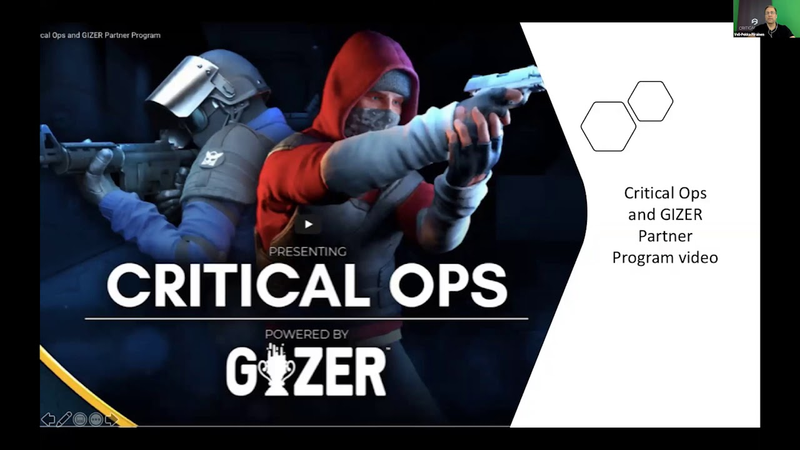
of the earth uh good morning cool so i'm just gonna begin um so i'm alwyn from capsule and today i'm going to talk about how grassroots organizers are fueling mobile esports um i just tuned in like five minutes ago and i heard a little bit about what mo was saying about uh whoever can dominate mobile uh would would be uh you know the next generation of esports and i completely agree with that because that's exactly uh what capsule is doing with bash um so uh going to my speech um you know what's fueling mobile esports is actually grassroots tournaments and our product bash is the world's first mobile only esports tournament platform and i'm going to talk about how bash could help developers brands influencers reach half a million half a billion esports fans via grassroots tournaments uh so a little bit about me this is my 10th year in mobile gaming i've been in business
development doing live ops doing marketing a small fun fact is that i'm a legendary ranked uh call of duty mobile player so uh let's first talk about the esports market right um i'm sure a lot of you already know um there's 500 million esports fans out there majority of them are very very young they're gen z is between ages 15 to 25. um and these young players they're unlike you know traditional sports they don't consume content on tv um two-thirds of them actually consume on streaming platforms like twitch mixer though yeah youtube facebook gaming right um and and these fans actually consume uh 30 more content on a weekly basis than average sports fans um in numbers that's roughly an hour or more on a weekly basis and this is why we are starting to see mainstream tvs adopting into esports for example uh why espn has
esports channels uh streaming like nba 2k league games this is why nascar has done an eye-raising campaign with over 1.2 million concurrent viewers on tv right and that's you know the whole market of esports including console and pc what about mobile right um mobile is a complete different beast and it's actually growing at a tremendous speed the the growth is actually led by southeast asia they have the largest yield over a year growth uh at 17.4 percent for the past three years um they're slightly higher than china's prime which was 15 uh for the rest of world uh it's actually just 13.3 um and of which um four billion dollars what uh was the gaming revenue of uh southeast asia in 2019 um and actually 70 of that which is three billion um it came from mobile um so we can obviously tell that mobile
it's the biggest thing for all of southeast asia um and the the revenue that came from these games are actually very different as well um for example um i don't think anyone would argue in the mobile space that the biggest battle royale game on mobile was call of duty when they reported that they had over 100 million installs in 2019 however on the southeast asia's biggest battle royale game free fire um they just reported they had 80 million dau um that's you know completely you know just a total different level uh in terms of uh user base um you know and competitiveness in this social market so um with a massive market of competitive mobile gamers right where is the opportunity where do people make money from right how how is this market lucrative still um it's just like you know uh rest of the esports space sponsorship is still the biggest revenue stream
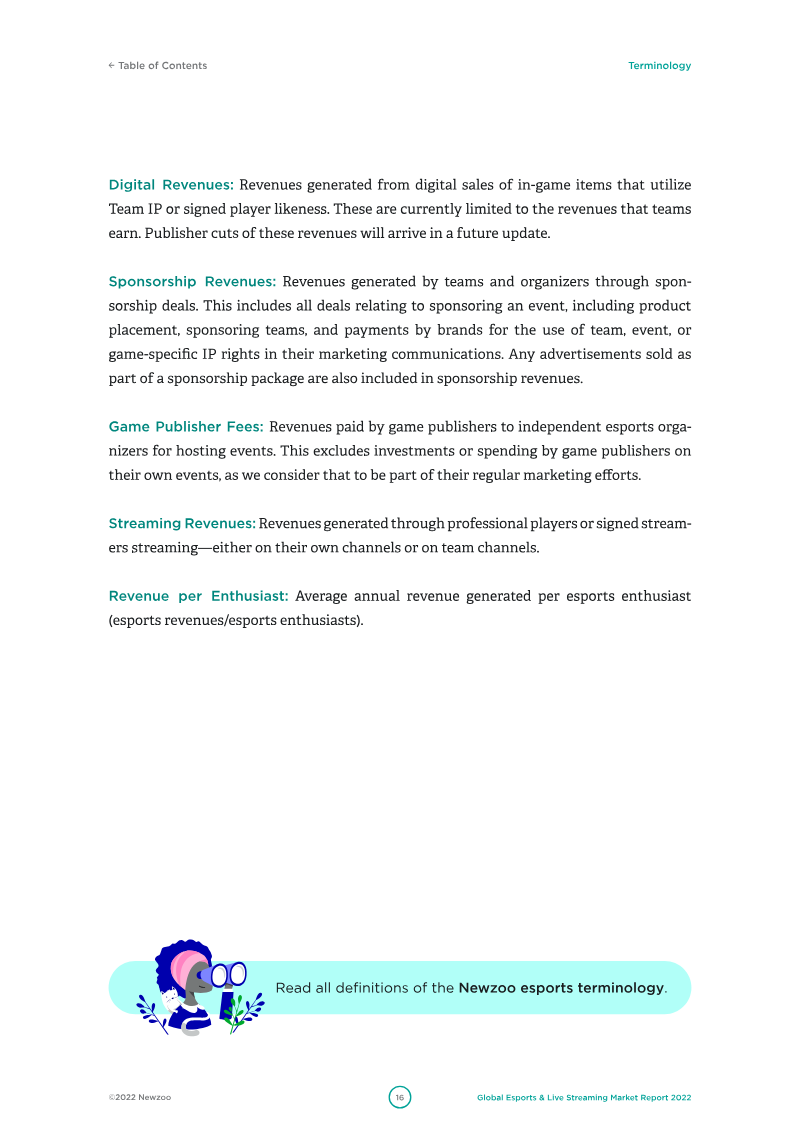
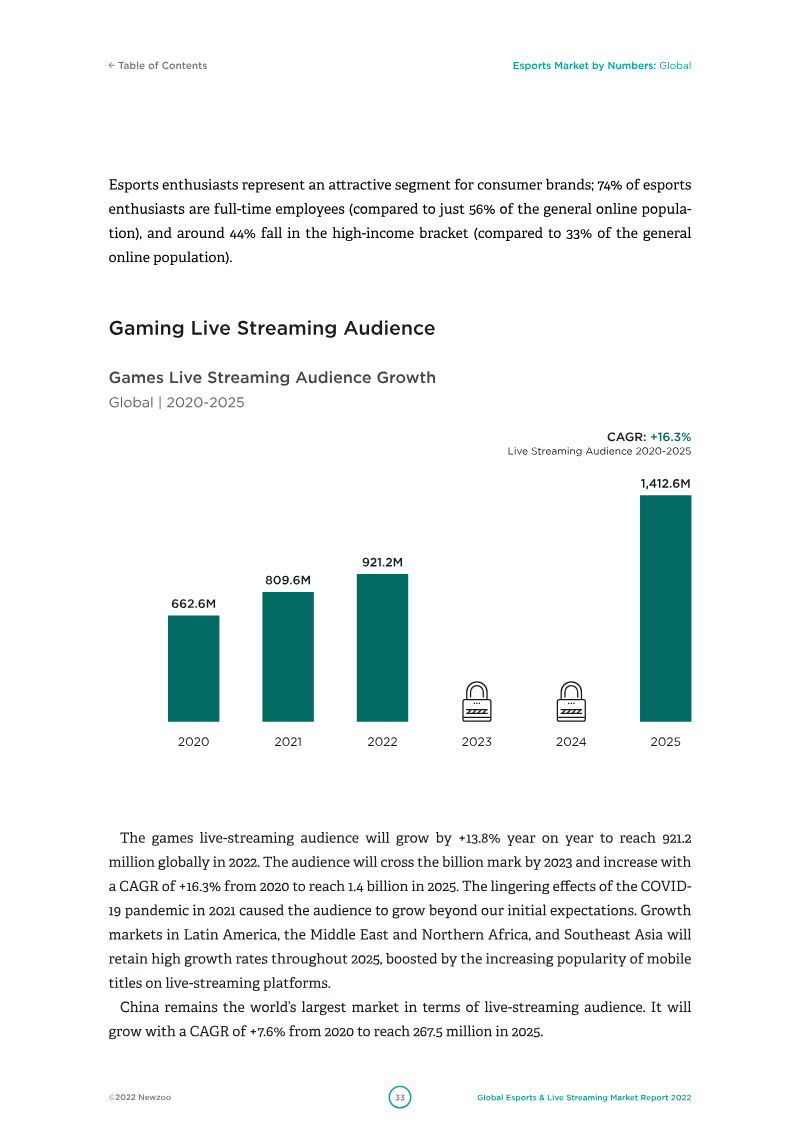
right and it counts for roughly 60 of all income generated in esports according to new zoo brands certainly don't want to miss out any opportunity to capture these young age groups when you can see that 655 million was spent uh sponsoring pro tournaments in 2019. um and i have to agree this is money well spent um you know mastercard sponsorship for worlds is a very very good example um worlds generated the peak concurrent views of 44 million right while during the same year the nba finals generated 20.5 million concurrent views and i'm pretty sure the price to sponsor mba is much much higher than sponsoring worlds right so obviously brands are very very interested right however that being said not everyone has that kind of budget to sponsor worlds right so what can smaller brands do and how do they how should they do it
um so apparently there's actually a sea of underserved community level tournaments which are collectively engaging and also they have a huge number of esports fans participating in and brands are actually missing a cost-effective opportunity to grow deep brand awareness with these young generations at an early stage um and they can engage them at a higher frequency with a lower cost due to grassroots tournaments you know um if we're borrowing uh the same situation just like if you consider looking at influencer campaigns a couple years ago many people went for the largest celebrity influencer and now a lot of people a lot of brands are steering towards using a dozen of micro influencers instead of just one um and the same should be uh for our mobile east sponsorship um however um creating esports tournaments is far more complex than creating just a social media post often
organizers spend 90 of their time doing preparation work for a tournament and miss out on opportunities to monetize their their uh tournaments that's because a lot of them are still using traditional tools such as microsoft excel such as pen and paper to facilitate their tournaments and this is why we exist so bash we focus on helping resolving these problems by number one simplifying the tournament creation process uh compared to our competitors we're 60 more effective at publishing tournaments um bash aims to be the one platform that supports multiple titles and multiple esports trends multi-million of esports fans correctly um and we're also trying to help brands uh reach and activate these high disposable income groups of genesees our ultimate goal is to help ignite the next generation of esports athletes
so with dash players can now participate in more tournaments when they're 60 more effective than using any of our competitive platforms organizers can now create premium mobile esports tournaments with just their mobile phones in one platform so they do not need to sit in front of a computer the whole day trying to play a tournament that's played on the phone um and streamers they can provide new streaming content with a much deeper engagement by introducing tournaments to to play with their fans and with batch brands can now reach millions of gaming fans that have high disposable income they can engage with their target audience more frequently at a lower cost and be able to echo with their potential target audience through mobile esports tournaments and again organizers can now they can
publish premium tournaments much much more effectively and frequently so that they can focus on other important things such as growing their community and also monetizing their tournaments via sponsorship through that so um you know now that i've kind of introduced ourselves i want to talk about you know how what do we have done um with soft launch bash recently um and to date we have 250 plus tournament organizers that have signed up each tournament organizer will have their own community and fans and that accumulates to 12 million esports fans we held around well hold over 100 tournaments during soft launch and we have over 400 mass 400 matches played and this is a sneak peek we're very very excited to announce that
we are partnering up with one of the biggest esports game developer and publisher in the world who has recently ventured into mobile space after spending 10 years on pc we're going to introduce a series of tournaments of their latest uh you know tcg mobile title fun dash more announcement about this partnership will be available soon i can't make any announcement you know official announcements just yet so this is that's what it is so you feel free to guess and um when talking about you know the future of uh mobile esports or esports in general right we know for a fact that mobile esports will only continue to grow this is largely driven by you know the growth of global mobile adoption and we're very very excited to be a part of this amazing growth helping to ignite the next generation of esports athletes
and uh you know this is my short sharing session for today calling out to any brands developers pro team streamers or even esports agencies if you have any interest in mobile esports do reach out to me and that's it i'm happy to take any questions that anyone have hi alwyn yeah really really great talk and uh at the moment we're just saying to everyone like like you say um throw some questions into the q a if you've uh got any questions sometimes people can be a little bit shy to get started but obviously we've got like the the discord sections and and everything else like that so yeah um yeah definitely throw in your questions if you've got any um otherwise no it's a really great great chat and i think we're really exploring at the moment how the esports is really just helping us not
just grow gaming but like you say you know especially with things like getting brands involved and everything else like that i think it's just taking gaming up to that next stage i think it's yeah really you know we see in movies all the time about deals with brands and everything else like that and sometimes we kind of miss that in gaming so i think that's really important to to everyone yeah yeah i totally agree um we've discussed with a bunch of brands right and most of them are like yes i'm very interested to to you know do something in esports i just don't know how so we aim to help lower that entry barrier because we understand that um most people who are actually working in brands they don't they're not gamers yeah exactly we've actually got some questions coming in now which i think kind of are along similar lines but um yeah so um one of our attendees is just i think obviously because we were talking about the brands he's saying what's the biggest challenge in working with brands
right right right um i think the biggest challenge is like um the the basic concept is different um so it's uh much like my personal experience uh when i first started working in gaming right and all my families and friends they are not there they don't pretty much they don't even play games on their phones um and they were like what do you do in gaming right like uh what is that actually like um and sometimes brands come in and be like so what do i do what do i get out of you know sponsoring a tournament um and sometimes i understand it's actually very tough uh if you for example say uh sponsoring a streamer and put like an icon on their stream and how does that convert right um and it's really hard to be tracked uh we understand that um and so that's why with bash we we you know all the places that are possible for conversion will be trackable uh we aim to help you know resolve uh these kind of issues yeah i think that's yeah i mean i
suppose it's like a converging of two different worlds isn't it we have a certain way of doing things in the gaming industry and they're not used to that but it's about sort of trying to find that middle line and get everyone onto the same page right exactly yeah it's pretty much like how you said it yeah um so belly pecker's asking he says hello uh alwyn nice to meet you again uh when we spoke last time you said bash is available only in southeast asia is it now available in more regions or worldwide right um hello valley again and um you know right now we're still pretty much only in southeast asia at this moment um that's because um like i said earlier um it's the the market with the biggest growth um and and we want to capitalize on that um and i understand that you know north american and european regions they have uh they're very very involved in esports and a lot of opportunities and brand opportunities are there um however players are um i would say
less attract uh to mobile esports um even like maybe two one to two years ago uh some even looked down on mobile esports right they're like oh mobile ease was going nowhere um supercell was the only company driving it um going to now two years later actually it's very very different right and so uh we're definitely looking into expanding into different regions but at this very moment um maybe for the rest of 2020 at least we'll probably stay in southeast asia and greater china regions okay great yeah well that's really interesting and hopefully we'll be able to see things spread but you're right southeast asia does have a you know a key area of growth at the moment and you know we're seeing that through the talks and uh i've seen that just from being there myself yeah i mean like i think close to 70 of gaming revenue came from you know greater china and southeast asia so that's you know that's just how the mark this is where the market is right now yeah um so is that another question
we've got a few questions now i told you they always uh get going eventually um what are the main differences uh between pc console and mobile esports especially in terms of the work you're doing right uh accessibility right um so i i think um in in console and pc i would uh call it quote unquote premium uh esports um that's where like everyone has uh the budget to spend on like a two thousand dollar pc setup right or something uh or at least like a console and a tv right uh in mobile um you know all you get is your phone right um oh sorry you can't see my phone but but you know like uh a majority of our users especially in southeast asia region they're using like budget phones um and they're playing these tournaments um that could enable that could help them uh potentially win more cash or actually win like a smartphone that they can get an upgrade that is new smartphone for you know continue to proceed their esport career um
and that drive is actually what drives the market we feel that because people are uh you know kind of driven uh to to become better uh because they wanted to they're hungry for success um not saying you know people in pc and console are not hungry for success but we see that that's the biggest difference between uh you know pc and uh mobile yeah okay that's yeah that's really interesting i mean so a sort of you know saying on similar lines but sort of alternet at the same time is talking about you know growth in esports and especially with regions and everything like else like that um you know if one person's asked what has to happen in mobile esports you know we talk about accessibility and how it's accessible to all but what has to happen in mobile esports before it becomes mainstream i mean and do you think that mobile is the future of esports in general right um i
i think i kind of uh said the same that i feel that mobile is going to be the future um it may or may not be d mainstreamed but it's going definitely not a market to be you know like neglected um for for esports at least um and what has to happen um i i kind of feel that it's just like brand adoption um because um and i think this will happen um because on peace and console there's only so many um you know tournaments and titles that's good that's going on um it takes maybe three five ten years to develop a really really good console title um but for mobile a lot of times it's like one to three years right so you would continuously see great titles coming up and people moving from one title to one title and and due to more titles coming into the market um it's there's a higher chance that one
of them just hit and goes you know super viral and everyone will start competing and playing in uh in tournaments um as well i think um being providing a tournament structure is equally important um so i think like pc and console are very very well driven by companies like esl dreamhack um that that they have a strong esports scene for mobile we don't see a lot of that uh currently um esl is doing some uh mobile esports tournaments but right now at this moment for mobile a lot of that is driven by like the developers themselves for example like tencent bluehole they're running their own esports league right there's not much of a third party is mostly going on um that can help drive the whole eco environment the whole economy yeah that's good yeah it's really interesting i think you know i think you raised some good points there and you know just to try and get through the last two questions i think before you
know we run out of time is um how should mobile developers view and engage with esports is it possible to create a new esport you know if you've got a new developer right um i i think it's definitely possible and i think like even without the word quote-unquote esports a lot of mobile games are doing that already you know any game that has a ladder system that has a competitive system i think that's already a form of esports without putting that you know the name on top of it um i just feel that um like i was saying on the previous question like a a detailed structure of uh how to compete is needed um to uh facilitate that and i think you know that's kind of why bash exists because we provide that tournament structure yeah okay and then one of the questions that we've got here is um which is kind of connected to what we were talking about before like companies and you know brands and everything else like that isn't when and how will big money come into
esports uh this person thinks it still feels comparative comparatively smaller compared to the industry as a whole yes um yes it's small um that's that's you know i'm not going to argue about that it's definitely small but the thing is the frequency um so i think it's about it's a different approach and that's exactly what's happening in mobile esports so that's why we exist because like i was saying in my presentation not many brands have that kind of money to go all in on one championship right there's actually a ton of other brands they're trying to get into esports uh they have you know a smaller budget they want to sponsor some tournament right and they don't know how to do it um so this is exactly why we exist because we are connected to you know 250 different communities already um and that's just uh in the southeast asia we're not even talking about rest of the world and brands can already reach out to these you know uh
agency players um through us right or you know by all means if you can reach out to different communities yourself uh do that right because um being able to run like smaller campaigns and and be able to try and have a different experience with different um groups will be the key um for for a key brand adoption i wouldn't i i don't think it's entirely possible to like just wake up the next day and hear about like i don't know 10 million dollar mobile game tournament i just don't think that's realistic uh unless we do a you know uh fortnight right which i mean there's only one fortnight in the world yeah definitely um there was one other question actually that i i missed because it was placed into the chat rather than the q a but um alyosha has asked um are there all sorts of are there also performance channels for music and other similar things on the platform ah interesting so we support streaming um
so uh i i guess the easiest way to say you can consider us like a hub for streaming because we support uh basically with support like a streamlink where uh all of our organizers if they are hosting a tournament they will be able to stream on the platform of their choice um and you will basically be able to see it on our in one app so even for example say if there's just you're just watching one tournament uh where sophia and i are streaming on different channels um and uh viewers come in and they'd be like oh ellen is streaming on mixer i want to see what's he doing right and you you can see my screen and then like a few minutes later you'll be oh i want to see what sophia is doing and i tap on sofia and say sophia you're streaming on twitch um you will the screen will immediately change to your stream um so you can consider us as a hub a platform for uh streaming media as well uh yeah and we we kind of think that uh it helps with uh the players ins instead of having to need to log in multiple platforms uh or
if you're on the phone different apps to just watch different you know players that you like yeah well thank you so much oh there you go earlier she said cool so uh yeah thank you there from the chat so yeah but thank you so much and thank you for sticking around for the q a session as well that was uh yeah really interesting and yeah thank you so much for sharing your experience yes thank you for letting me speak no thank you i think i i think esports is such a fascinating area and i think the amount of the more and more we have especially platforms like yourself just helps create that critical mass to bring more and more people into esports and enjoying it yeah yeah it's fascinating i i hope i'll be able to share again sometime in the future about you know how enthusiastic about the players are in southeast asia yeah definitely well thank you so much and i hope you enjoy the rest of your day thank you and thanks everyone for watching no thank you so much
you
Summary
The mobile esports landscape is undergoing rapid expansion, driven primarily by grassroots tournament activity and the high engagement levels of Gen Z audiences. With approximately 500 million esports fans globally, the sector is shifting away from traditional media consumption toward streaming platforms. Southeast Asia serves as a critical growth engine for this trend, reporting a 17.4% year-over-year growth rate in mobile gaming, which accounts for 70% of the region’s total gaming revenue. This surge is fueled by the accessibility of mobile devices, which allow a broader demographic to participate in competitive gaming compared to the high entry costs associated with PC and console setups.
The primary thesis is that grassroots tournament platforms are essential for bridging the gap between brands and the mobile esports community. While sponsorship remains the largest revenue stream in esports, many brands struggle to enter the space due to high costs and a lack of infrastructure for smaller-scale activations. By utilizing platforms that simplify tournament creation and provide trackable engagement metrics, brands can reach high-disposable-income audiences through micro-influencers and community-level events. This approach offers a more cost-effective and frequent engagement strategy than traditional, high-budget tournament sponsorships.
The industry is currently characterized by a transition from developer-led leagues to more robust third-party tournament ecosystems. Platforms like Bash are addressing the operational inefficiencies of grassroots organizers—who often rely on manual tools like spreadsheets—by providing mobile-first solutions for tournament management and streaming integration. With a focus on Southeast Asia and Greater China, these platforms are successfully aggregating millions of fans and facilitating thousands of matches. The future of the industry lies in continued brand adoption and the rapid development of new mobile titles, which allow for a more dynamic and accessible competitive environment than the slower-paced release cycles of the PC and console markets.
















Comments