1 free read left. Create a free account for unlimited reading + AI research.
Create free account
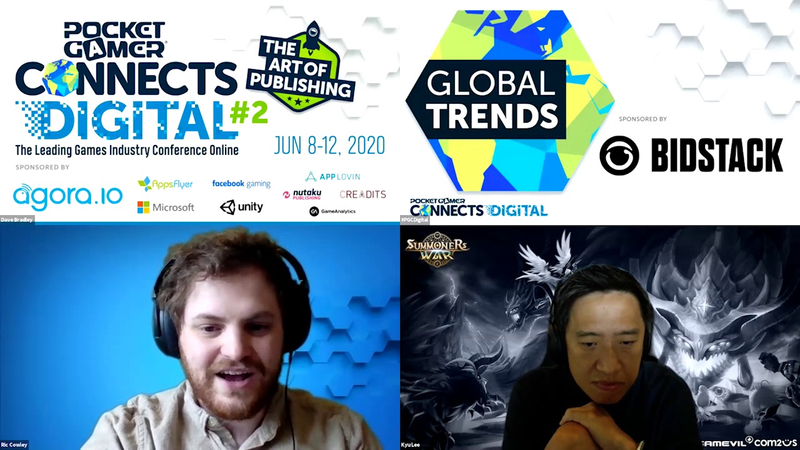
Fireside Chat: Lessons we Learned as a Publisher PG Connects Digital #2
Key insights
6 takeaways- 01Modern game publishing has shifted to a long-term partnership model where publishers provide strategic support to mitigate risks for projects with budgets frequently exceeding $2 million.
- 02Publishers utilize rigorous internal checklists based on historical failure data to identify and resolve product weaknesses well before global launch.
- 03Operational success relies on deep genre expertise, specifically in RPG and sports titles, supported by regional offices that interpret diverse market preferences.
- 04The industry is balancing the need for globalized technical stability with the rapid iteration cycles typically found in the hyper-casual gaming sector.
- 05To maintain quality and technical consistency, developers now prioritize extensive internal focus groups, closed betas, and soft launches over regional price differentiation.
- 06Large organizations with over 1,000 employees are decentralizing operations through studio acquisitions and experimental sub-brands to recapture the agility of smaller teams.
Ask AI about this video
Transcript
I'd like to welcome to the stage now cue leaf from a game will come to us USA who will be our chatting with Rick Cowley the editor of Pocket Gamer dot biz do we have you guys here we do our welcome welcome thank you very much being part of the global trends track let's just get get you folks fired up Rick is the editor of Pocket Gamer dot biz who's busy this week he's gonna be available in discord and like the journalists bar during the course of the week and also I think hosting some roundtables and things but Rick I'm gonna hand over to you now and I'll catch you I'll catch you in a few minutes time and help you curate some of these questions but over to you guys awesome thank you very much Dave yes as previously mentioned my name is
Rick Carelli I am the editor of baka game adopt biz and I am here with of games will come to us Q if you want to introduce yourself - sure hi hi everyone I'm Cooley from Greenville come to us we're one of the oldest mobile game publishers that's still living around we started our mobile business since 2000 and I ran the u.s. office for the company and I also mostly interact as a business development person for the Western counterparties and it's very nice to meet you it's nice to be so we're going to talk about some of the lessons that you've learned as a publisher come to us and one of the things I want to ask first though is is what do you think that the role of a publisher is or should be currently in 2020 well I think our role of the
publisher has never really been fixed in in certain way because you know all the developers that we work with are all like different you know so they all have their strengths than their they have their weaknesses and I think to be being a good partner is probably to complement complement their weaknesses and also boost their strengths you know and I think that's one of the key for areas you know as a publisher one of the key things that I recon stand our self is like we really have to add value you know that's why publisher can exist if we don't add value you know there's no point of working with a developer with a publisher as a developer so I think we try to not really come up with a fixed solution for everybody but more like a customer approach to all of the developers that we work with cool and I
had a question here about how that role has changed because because the pandemic and stuff I don't think that it really has some base of what you're saying but has it changed in any sort of notable ways over the over the years and yeah yeah sure I think at the beginning you know most of the developers that we worked with were really smaller shops you know and the total development budget of the game was like even less than a million dollars you know which which which is amazing to me right now you know because it was the good old days have all passed you know so we used to develop games using maybe 100,000 200,000 and even that as a publisher that's probably the financial support that we had to give to the developers but now like I think our minimum project size is coming up at at least two million dollars to even launch at products okay and I think I think so over the time I
think that's one of the biggest changes that we've noticed the amount of choices that we can make on who we're working with have significantly reduced so we've been much more carefully careful on picking who who were working with instead of like spreading out all the dollars and also another big change is that games everything is like live services you know we're no longer in the era of pushing out products you know we're pushing out services and which means it's not like a 6 to 1 1 1 year relationship that we're building you know our game summoners war it's been live for six years so you know I think I think the the relationship is going to be is much more longer term than before and for those reasons I think the role of the publisher has changed and I think since Cove it'd some
of the biggest changes that we've noticed is that we we have multiple outlets in how how we're reaching our customers and one of them were the offline meetings and we also have an eSports event where we gather a lot of fans to our event and I think it's unfortunate that this year that we're probably going to transition all of that online and we've also changed a lot of our offline meetings into like zoo meetings just like this yeah cool and I'd say you've got all these years of experience you've seen how the role has changed the title of this talk is the lessons you learned as a publisher what would you say is the most important lesson that you've learned in in publishing oh you know I think um the relationship part is a very important part that I think you know some people go after the financial supports that
they need some people go after the monetization help that they need or the live operation help that they need but at the end of the day it's um it's just like recruiting a person for you you know it's just like um it's a it's it's a relationship business and I think that's and what and then I asked ourselves what is the most important part of the relationship I think it's being very transparent in and communicating very well with your partner you know you there's a lot of partners that you meet within within your lives and you know I think working with a publisher is me being your work partner you know it's just like the co-worker and I think with just like with coworkers I think it's very important to be very transparent and upfront with the needs many times when you work with a publisher it's you're not working with
always with the best team in that company - I think there's the publisher just like the developers have multiple teams you know the publishers also have multiple teams and I think if you're uncomfortable with a certain partner that you have I think you should always be a front talking to the publisher or whoever you are comfortable there and you know tell them that you're not comfortable you're not happy with this partner and you know because because we have a lot of other resources I think those are the changes that we could make you know and also I think I think being like I think a lot of developers and just like us we also self defend ourselves in a lot of ways you know we don't want to show our weak spots but I think it comes it's the same with the developers I think a lot of the developers are not a front with the with their weak spots you know and I think and that's why ish problems happen between developers and publishers because we really don't know the needs
that both parties have I think those are some of the lessons that we've learned you know we try to keep every I think everybody's cool and then they want to keep everything business but I think it's a relationship it's um it's a another form of relationship and it's one of the most important relationships for the developers and I think it's very important for them to be upfront and transparent with all of the communications that they're happy cool it's interesting you say that because in my sort of in my mind I imagine that the publisher sort of has like there's there's a power dynamic almost between publisher and developer and the publisher in a way is like almost a gateway to getting your game released and being successful and from what you're saying is kind of why it's no it's developer and publisher needs to work together and find a synergy rather than the developer needing to you know have reverence to the publisher if you will yeah I think I think it also has to
you know like in the traditional space where the publishers handle all of the and all of that you know they were actually basically controlling a bigger part of the revenue share like and I think only a small chunk went to the developer but since everything is mobile everything is digital and since we're running everything as a service you know most of our deals are done at a 50/50 deal with the developer and it's equal partnership you know and I think of course we'd be happy to be in the driver's seat but also we'd be happy to be in the passenger you know depending on what what type of strengths the the developers have you know and so when we work with like console game developers I think they're they're excellent in their graphics and you know how how they make their the core of the game interesting but you know for us I think we're we're
we're better in in the monetization front or the live operation front and you know so I think everybody has to represent their their their strengths you know to build the strongest game possible for the for the consumers cool and yes that's really interesting and so kind of moving away from that a little bit and so what one of the things we were sort of talking about was before before we settled down with this fireside chat was kind of like obviously your company's been around for a long long time and you've seen great successes such as summoners war which you know fantastic background by the way but also also like in in that time you sort of bound to have some failures as well and a lot of developers they kind of everybody should learn from failure but one thing I wanted to know from you is like how do you learn from failure what what do you what do you look for in the failures to go okay this is what
we'll do better next time yeah yeah so every time we fail you know we've failed much much more times than we've success to succeed and I think I think that's very common in the video game industry we're very hit driven industry but I also feel like yeah we've we felt a lot we failed a lot and I think one of the key things that we've been we've been telling ourselves is well we can't think this is like a lottery ticket it's never a lottery ticket you know we have to have a method or approach you know that that we can continuously approve ourselves and and cover our weakness I think it's very hard you know I think one of the things it's very hard to find the formula to on how to succeed but I think it's not that hard to find a formula on how not to
fail you know so I think that's what we've been trying to build over the years you know we have we have a huge checklist you know we work with a lot of partners we've we've done a lot of our internal game we've launched more than 115 you know ourselves and every every game has has a different lesson you know it also helps us you know there's a lot of times where our processes were wrong there there's there are a lot of times where we didn't have enough checkpoints within the launch and there were a lot of times also that we we chose a wrong partner you know maybe there were there were times that we funded them less maybe where we should have funded them more you know and so I think yeah there's there's so many failure examples I can i can't list all of them but you
know our checklist has been getting stronger and stronger and I think that that is actually one of the benefits that you when working with a with a publisher you know as a developer you probably don't have that many launch experiences you know we we won't we won't fail a launch because we you know we haven't done the obvious things you know through the submissions or you know even through the launch processes I or on the server side check you know but I think most of the good thing in the early days most of most of the failures had to do with a lot of those technical type of issues but I think we've overcome that and it really boils down to the game you know and and I think a lot of the time so we we knew this was a the weak point for the game but we still continue to launch the game and it turned out that was the reason why I failed so and we learned how to control ourselves you know on not not
doing that in the future too so I think I think as a developer having that knowledge experience with you it's probably very helpful and that could be one of the main reasons why you want to work with a publisher hmm I've got to take a question from the audience just cuz this one I've just seen feeds quite well into that and that relationship between publisher and developer Dan glasses odd asks what lessons have helped you decide what game to publish and what tools do you have now to judge the viability of a developer I think this was mentioned also in previous talks too but I think there's definitely a comfort zone for for our company you know so I think like since we have been launching a lot of RPG games I think we've tried almost every type of RPG that's out there and I think when you
when you really know the users of the user base that you're talking to I think it makes things so much easier and we know the channels at how we have to communicate with the users we also know what KPIs that we have to look for and I think as as a publisher you know there is a cup there's definitely a comfort zone and for us I think the RPG or sports category has has been a comfortable zone for us and um yeah I think I think and I think every every publisher has different colors you know and I think it's important to choose a public I don't think there's there's ever such thing as like this is this is the best publisher and the and this is the worst publisher I think there's the publisher and there's a wrong publisher but I don't think there's a best and worst publisher so I think it's very important to find if you are a really
good fit with that publisher or not that makes a lot of sense yeah so if you just go back to my questions we do have another one which I'm just gonna move into and because it also sort of feeds onto that so an anonymous question asker asks as a company that has both Asian and Western knowledge what is your preference when choosing who to work with in terms of developers so I guess do you prefer working with Western developers or developers in the east so well I think I think like for summoners war I think we're we were very lucky that we were one of the first games in in the market and I and I think that's one of the key reasons why it resonated so well in the West and also in the East my job is primarily focused on working with more Western developers but I I do and I think we we do have a mission that
we want to be much more global than we were but I think most of but we're definitely much more comfortable working with with the Asian developers because you know we know how they work and we know you know a lot of the decisions are also made from our headquarters and they're much more comfortable when they see a game that they like you know so if you've come to us with a match three game you know we probably ask ourselves to them can we really pull this pull this out and then can we can we really make it a success you know is it's gonna be a big question mark for us where if you come with a RPG game to us you know I think we'll probably know like how well it will do in the market so so I kind of want to do both because because we want to improve ourselves in the West but I definitely feel like we've been better working with Eastern developers
so far and so this actually leads into something that I wanted to ask about as well as what would you say have been the biggest differences that you found between publishing in in the west and the east like other any major sort of differences between the two I think um in the early days um if you look at the app store charts you know they were all like pretty much similar in a lot of ways but nowadays I think even in Asia every single market is different you know the top charts are not the same it's really hard to find common games and the top chart sing from Korea it's Japan to China and even Southeast Asia so I think what's and and that's that's exactly the reason why we have offices in all of those separate regions you know we I think as a publisher if you want to publish a game globally I think having local presence in the key markets is
extremely important and we have more than 10 10 offices around the world and and every time we come with a new game you know we ask all of those offices if it's a game that they like or not you know and and their answers all are always different too so I think it's becoming much much more difficult to create a game that resonates everywhere around the world I think you know when we we used to pick games that will do well globally just because the market size globally only made sense but since each of the markets have grown so much individually you know even though it doesn't work anywhere around the world and if you can be a top 10 game in Japan you got to do it so yeah I think yeah
the the markets have matured so much and there's there's so much more opportunity even just going after an niche segment of the market that you don't really have to do something on a global basis every time cool and do you have another question from the audience that I will jump to and another another anonymous question like snow as your preference is working with RPGs and the markets and tastes are so diverse how do you balance the right game to the right market without stretching the teams I feel this would probably lead into having your separate the different offices around the world sort of working on these games kind of thing I imagine yeah so one of the things that we still haven't done is to you know we we're still like one most I think almost all of our games are still one built global launch you know so we do live operations differently in in
each of the regions but we don't separate the build I know there are a couple of companies that separate their builds you know they do a separate launch forged China they do a separate launch for Korea they do a separate Lodge for Japan and they do a separate one for the Western market but but I think you know by doing that you actually have to increase the size of your development team according to the markets that you address if you are splitting the builds so even though on a live operational level we may do things differently we still try to do and we may stagger the launches differently but we still maintain one build across all of the countries and I think that's very important if you if you want to work with a development team that can't scale as big you know say and even for most of our internal games we can't we we can't make 50 men teams to a hundred or two
hundred men teams you know so I think for most of our games we think there even though there are sacrifices to be made just focusing on some of the core markets that you have is it's more important and then just do your best for the other markets but if it doesn't happen you know just give give up that opportunity is has been the right approach for us you know because we think speed is very important when it comes to the development and if you're trying to address the whole world you know it will slow everybody down yes really interesting because one of the things I one of the things I'm really interested in is is soft launch and you know the soft launch in game testing it in different markets and stuff and from what you're saying you kind of like will put a game out and see how it's working in different markets and then focus on those and does that process happen during your soft launch is that is a
soft launch like important to your publishing process yes so we do you know so we do we first do focus group test you know we our company itself has about a thousand more than a thousand employees ourselves and you know and when we get everybody to test our own games we get about a couple hundred of responses and we also get basic KPI space off of that too you know we we hold internal contests you know we'll give out like the the latest iPhone will give out a lot of these employee perks to play and test our own games and based off of that I think I think we do focus so we do a focus group test and when required we also do close beta test we open it more to the broader audience when we feel like our company it's a
company's opinion itself is also skewed and then we and then based off of the data that we have from there we choose which soft launch countries make sense for the games and then we do self launches and then we start adding countries on top of that you know because I think one of the mistakes that we we've done in the past was like just simply pressing the global launch button and then find out that we had a couple of errors that we could have addressed and then regret that we can't go back and yeah because I think a lot of things happen when you do the global launch you know you give the users your first impression you really don't you really don't get a second chance you know when you when you just go ahead you know and also like if Apple's happens to love your game you know and they give you tremendous amount
of feature and they see that your game had a bug all the people rushed in never come back you know so so we we've seen we've experienced that before too and I think it's it's it's very painful on going through those type of experiences so I think it's very important to do you know just soft launch is not only to look at user feedbacks but also to even look at the technical stability of your games yeah I'm gonna the quite a few questions from the audience now just great to see and it's a really interesting one so gonna throw this one at you and nonnamous person would like to ask do you approach monetization of your games differently in different regions sort of leading on from everything else we're talking about no right now I think it's it's pretty much the same we try to strike the right balance is what we're what we're trying to do and but but it's not like always a
hundred percent been like that but for most of our key games it's always been like because the global community they talk so much you know like on this court you know it's not like a certain country these are based just coming in you know they'd all talk to each other and then they'll start complaining to you you know like how come you you gave this pack for so so so cheap in this region and you're charging us this much you know it's not fair so what the users will check the will say there's a there's a big backlash when we do that we've thought we've done that and I think for that reason we've tried to do everything the same I think there were a couple of occasions where we we've released like micro packs you know sub dollar packs in certain regions just to try out but mentally I think we think the world is
flat enough you know right now that that you can't really treat different regions differently go another question here have you ever had a game land on your desk that you've passed on and then it's gone on to be a success with another publisher yes but you know like you know if you go to conferences you probably meet all of the every every every developer meets all of the publishers you know and it's not as I think it's not a secret that you know that you know we've we've test on so many success to you know and yeah of course we will talk about that internally but I think when we make a decision we don't make decisions based off of our gut I think
our decision making is very processed and we try to fix our process if we find something like that but yeah yeah you know there's there's so many great developers and and it's a shame that we can't work with all of them and yeah every everybody if you're a good developer everybody every publisher knows knows that you're a good publisher a good developer so yeah they won't just let you go another anonymous question here we talked a lot about your experience in RPGs and obviously founding success in there someone would like to know have you considered re-entering the hyper casual space and is there an opportunity for a skipping stone remake in oh yes yes I think I think as we've as our game has the games have become bigger and bigger we feel like you know we're kind of losing where
we started from you know we're trying to copy all of those triple-a Studios out there but that's not where we started you know and that's not where all the fun is is what we've been telling ourselves and and you know there's too many politics is what we're also telling ourselves you know our company it used to be so much more fun when we were just less than 100 people now we have more than thousand people you know so how can we innovate if if our company is this big is the question that all of our executives ask ourselves and so yeah and I think great things can be small or big you know so and we've we've we've caught you know there's a lot of experiences that experiments that we're doing we're doing under different brands you know so you may not notice but yes we're we've been we've been going back and looking at hyper casual games and yeah a lot of
if you if you've been following a lot of acquisitions that we've been doing lately we've been acquiring a lot of small small studios with great ideas I think we've just about hit time so I see dave is unmuting and appearing so I'm popping back either window thank you guys yeah we're at we're out of time there which is a shame cause I'm sure you could have gone our that was absolutely fascinating thank you thank you very much and Rick thanks for hosting there I'm gonna give you guys a round of applause you have to imagine it coming from the all the rest of the people listening to me in person when the current situation is passed but thank you very much cutely and Rick for hosting we'll hope you'll stick around and see the the next panel but but thanks again you
Summary
Modern game publishing has evolved from simple product distribution into a complex, long-term partnership model defined by live service operations. As project budgets frequently exceed $2 million, the publisher’s primary function is to provide strategic support that complements a developer’s specific capabilities. Success in this environment relies on transparent, collaborative relationships that prioritize technical stability and risk mitigation. By utilizing rigorous internal checklists derived from historical failures, publishers help developers navigate critical pitfalls, ensuring that product weaknesses are addressed long before a global launch.
The operational strategy for global success centers on deep expertise in RPG and sports genres, supported by a network of regional offices that interpret diverse market preferences. To maintain quality, the development process incorporates extensive internal focus groups, closed betas, and soft launches. While maintaining a unified global build maximizes resource efficiency, the industry has moved away from regional price differentiation to avoid community backlash in an increasingly interconnected digital landscape. This approach balances the need for technical consistency with the realities of a globalized player base.
As organizations scale beyond 1,000 employees, maintaining the agility and creative innovation characteristic of smaller teams becomes a significant challenge. To counter the stagnation often associated with large-scale corporate structures, firms are increasingly decentralizing their operations. By acquiring smaller studios and launching experimental sub-brands, established publishers aim to recapture the creative focus and rapid iteration cycles found in the hyper-casual gaming sector. This shift reflects a broader industry trend toward balancing the stability of large-scale publishing with the entrepreneurial spirit required to remain competitive in a fast-moving market.













Comments