1 free read left. Create a free account for unlimited reading + AI research.
Create free account
Live Ops in Small Teams PG Connects Digital #2
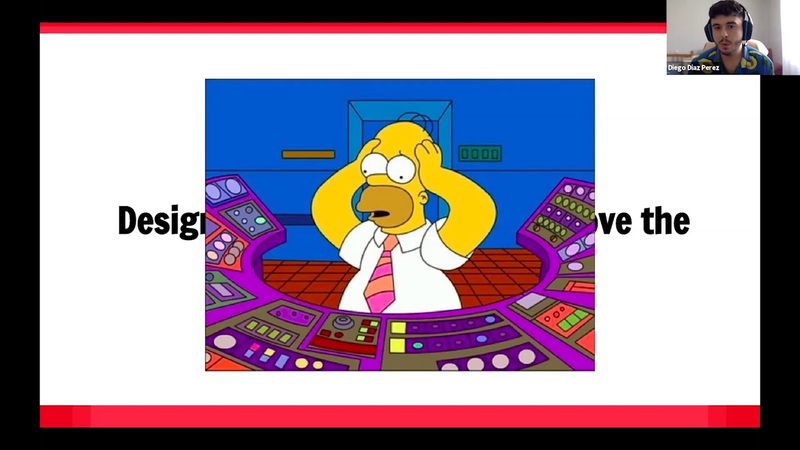
Key insights
6 takeaways- 01The post-launch phase requires defining specific key performance indicators (KPIs) to accurately assess product health before initiating design iterations.
- 02Live Ops success relies on a three-phase methodology: post-launch health assessment, data-driven design iteration, and the deployment of time-limited special events.
- 03Persistent refinement of underperforming titles, rather than abandonment, can transform them into profitable assets through iterative testing of monetization and user experience metrics.
- 04Koron Studios achieved a 40 percent increase in average daily revenue per update by transitioning to a structured, monthly, objective-focused release schedule.
- 05Small studios possess a competitive advantage through their ability to test rapidly and pivot based on market response and player feedback.
- 06Small teams can achieve profitability by prioritizing disciplined, objective-based updates over simple content expansion to balance revenue growth with cost management.
Ask AI about this video
Transcript
diego um from um uh coron studios um diego i mean actually i think you're going to answer some of the questions that came up earlier so for example how to do live ops in small teams um so uh diego are you there uh hopefully he's got his hand raised uh he i'm sure catherine will be um bringing him on board any second now it just takes a little time hey hey how's things so i'm gonna let you introduce yourself so diego over to you sir okay and go to here you can see you can see my slides yeah that looks good okay
i'm diego i'm i'm really happy to be here thank you so much so still media for for trust me um i'm going to talk about a small light bulbs but in the small teams and i think the the first question is who i am i'm diego diaz i'm ceo of coroner studios and this is my profile my my email and my skype profile and the second question is who we are current studios cora studios is a small studio basically in seville in the in the south spain and we are specialized in other games we have right now three products in the market and it's really good for this stock because we are really a small team with what we are for people right now and it's a little bit crazy we have three products and we work in all of our products of portfolio and we we believe in iterative products and improve the product and make profitability with the with the liveops process and i'm going to put all the time a real example for for us and what the things that we
worked with for us or not okay i think uh before we begin with the talk i want to put uh three important rules because my i think it's the most important rules of my mindset of life ops in small teams and works really good this rule for all the content of the of the talk the the first it's a in my opinion there there is no perfect label process it depends a lot but the the perf you can get the perfect lightbulb process for your team and right now i'm going to talk about the drivers process of coron and probably you can bring exactly and you can bring the process uh and fit good for your company but i hope that you can bring some ideas or process and put your process and work good and the second is every product is completely different i'm really sure of that
and i like this because we have three products in the in the same germ and for example death tycoon i'm going to talk more about i think in the next slide and idol fishing are really similar products but we need to think really specific for for each game um in my opinion you need to to have questions in your iterations and if you bring something for for the another game you need to adapt then up for your game i think it's really important um three the most important thing for me in in the light box process in in small teams is i think to grow you you have to test means and that means fail a lot of times to achieve one goal and if you have a lot of resources probably you can test a lot of things and you don't have any problem but if you have a few resources like a small team like current studios for example you need to take risks and in my opinion
i prefer take risk and that's something i never achieve the goal and then never test anything and you don't know exactly what is the potential of the process of your product okay i'm going to talk a specific with the old lipops in corn and in my opinion it's not just adding content because we we work in we have a mentality that will launch a product we believe in a product and we believe in iterative product to to make a profitable a profitability and for for me i'm going to pass really fast in this slide because it's like the means of live ops is a rate approach to achieve maximum profitability and remember that when joe achieved the probability you have two parameters what is this the revenue and the other is the the cost and in current for us is really important and i think in small teams very important
increase the revenue but uh decreasing the cost too we work a lot in in the in the two aspects in the same time in our process and i'm going to talk about uh what is the the process of koran the the process of corn i like to to talk about three different faces or really different phases the first phase is the moment of the worldwide launch and it's it's no it's time to start working for us and to be honest we're a small team and when we launch a game pro we did a soft launch in other countries and we know more realistic apis of the product but we have a lot of questions really honestly when we launch a game worldwide we have a lot of questions in the beginning and it's really difficult for us uh no the will be the behavior the
product of the product in the market and the first phase for for current studios labor process is solve some questions and in this in this phase more or less during one month in in in our process and the the first step is define the metrics for us this is really important i think in the beginning of the company we didn't know but more or less we we have three four kpis that we need to to make a profitable product this is our kpis that right now we we work and with what this when we have this kpis more or less we can we can make a profitable product and or either games and the question obviously a what is the state of their products in the beginning and i'm going to put a real cases uh for example i remember that idol death tycoon in the beginning was really bad really really really really bad and
and right now it's our main project and i'm going to talk about the in the the last phase and idol fishing a difference is uh really better in the in the in the beginning and i think is what this is the reason of of the of the growth of the of the growth of the game because grow faster than than that taken and what is the key for me in this in in this phase is like knowing the key here and in small teams you need to knowing what you need to make a profitable product obviously and to be honest in the beginning of the company of coron we didn't know but right now when we know more or less the or kpis or basic kpas we grow really really faster the next step in in the process and it's i'm going to talk on focusing game design game design live ops because
i think it's really important in a small team and in the next step for us is design an updates plan to improve the product if you believe in the products you need to to have a plan for iterate the product and i think that's a really really complicated thing because in in labour's process and the game design lifebops you can change so you can iterate a lot of things of the game you can change the balancing you can change the monetization you can change and the first implode for example or the retention mechanic and what is better i don't know i don't know exactly but i'm going to talk about the good things about things that we did in this in this phase and the final i'm going to put a real case that works really good for us and the fair the bad things the the real example is the death tycoon in the first year in 2019 in the first year that they gone
we invested a lot of time in in a lot of game design iteration we but i think the the the problem uh of this process in the thick one is like we didn't have a clear objective because in the beginning of the company we didn't know exactly and we analyze a lot of data a lot and it's and you think it's good but if you don't have any clear objective in small teams probably you don't get a good results um this is the graphic in the in this graphic is a daily daily average revenue the real daily average revenue of the first year of the tycoon and you can see the many updates it is the bubbles of the of the screenshot and the screen and we had a lot of a lot of features in in the game a lot of things a lot of iteration but we don't we don't get any results
because i think the problem is they didn't have a clear opportunity and i'm going to talk right now about good things and the example it's really clear for us idol idol fishing it's really important to we spend much less time and grow faster more or less six months but right now right now we're working on in some design iteration of idle fishing probably we spent the next months and and the next two months but i'm going i want to talk about the updates i think in small teams we change our it's really important and and we change a lot uh the the methodology of updates uh idol fishing than death tycoon and it's really for us right now we we pack the updates one one per month and we have three important updates in the in the last
six months and we have a really clear objectives in the in the updates and we achieved this subject these objectives more or less we we increase 40 percent per update the the average daily daily revenue and with these objectives i think it's really really good to for the product for the growth product and what is the keys that i will learn in this in this phase of light bulbs of design different things of the game and to improve in my opinion analyze your competitors is completely mandatory it's a you need to have passion for your competitors or for your chair and i think in my opinion in a small team you need to love your competitors and have this knowledge it's completely mandatory the second is focusing monetization kpis in my opinion this is the most important for me because if you have a really good company
you you can analyze a lot of data you can it's really good for for you but if you are a small team probably if you improve the the one system uh in the game for example mission you can improve a little bit more the engagement of the of the of the game but i think the the better way for small teams is focusing rotation kpis in the beginning and if you grow the company you can in the future analyze more specific things of your game and improve more specific things with your game and the third is game design creativity i think it's really important it's really have a really relation with the third rule of the of the talk uh the test um in my opinion if you have a crazy idea of your game you can test with a lot of tools and it's really cheap for for small teams and i recommend and work for us works really good uh test these ideas because
you know a lot uh your game you are the owner of your game and probably your ideas your ideas works more or less good um for for understand this phase i'm going to put a real example of one design game design iteration that works really good in for us this is a special fishing system and i'm going to explain a little bit more in idle fishing it's an idol game that you manage an aquarium in in you collect different fishes and collect fishes it's a really good look mechanic really really cold look because you you can it's your business your aquarium and you collect the fishes is the the basic of the game and in the first version you can see in the in the first screenshot you buy the fishes by soft currency by a simple list and we thought okay i think that is not attractive it's not direct for the players because it's really important for us collecting fishing and with a simple list
we thought that isn't is is an attract for for this real attract for a really good loop mechanic and we thought a lot in in user experience and we changed we needed to change this um you can see in the second person in the second screenshot more or less the new the new system and i think the key here is like we we thought in user experience for our players but we had a more we focus in monetization mechanic and we had a new mechanic a new new magnification mechanic it's really simple it's like we add special fishes with different varieties you can see in the description and you can eat you can buy these fishes by video rewarded or hard currency but it's more or less the same and it's a really good look for us but we are and we focus in monetization and what is the results the real results of this here we have the same users in the in the game and we increase more or less
100 percent at impression in the game and i think this is the really good example in my mind of the game design iteration phase of current studios um okay we what happened when when we don't have any more good design ideas we we we go to a special album methodology for us is really important i think in all the games uh neither games fits really good and then right now i'm going to focus in idle death tycoon is our oldest product then we talk a little bit in two minutes ago and what is the keys for in my opinion to to get a special event design with too good special event design obviously you can adapt this system for all the germs in my opinion and another games works really really good but have the same keys in in all the things you know the you know
the product one of this is time limit it's really important you you add content with a time limit other thing for me it's new and fresh dynamic for the players new things you can propose new things for the players to to within with a time limit new first dynamic meal and in the in the last it's like exclusive rewards it's really important it's exclusively wasn't digging the players loves exclusive requests in my opinion and organ [Music] okay i'm going to talk about the in a specific case or or or special event system in the tycoon the second is another idle game capital is either game and you manage a food franchise in the mexican land of forgotten and you can expand your franchise and you can go to all the other parts of the world and this is a screenshot of the map of
the map of the third unreal map and right now we have a independent american independence day special event and it's a new world it's the same more or less new world with a limit time um what is the the new for the players what is the new and first dynamic for for the players uh really the game is really similar it's a more or less you can manage your franchise exactly but you travel to the to the special eleven world and have a different aesthetics but and i think it is the key in the dynamic we have a special element missions and you can you can get a special reward in the in the final of the event and i think this is the the players love this system and play a lot with the window and special events and obviously we have special rewards in that second we have cards in the you can collect different cards
and very special event we we add new new cashback in the game and you can bring for for the deathtaker normal exclusive content that stands forever in the game okay and what are the result of all of this uh it's uh i think it's a really good because uh for us works really good and we have passed all the process in the beginning we start really bad with the tycoon and we don't we did really bad work in the game design iteration but we believe in a product and right now the what is the results in this is the daily daily average revenue of the stay and we increase a lot the first year to to this year and we find the the key for our players because we your players lost a special element and i think if you achieved a different
objective you can make a really profitable product right now that tycoon we spent much less time and we have a really high incomes and for us it's a a really profitable approach and what is the the keys for me in this in this process of all the process uh i repeat in the in the chat in the in an early talk believe in a product is our way to work and for us it's really important because we have a small team in if you don't believe in your products in my opinion you can't grow you can grow really good um the other thing is probably if that tycoon we we only think in the present and in the last years we probably closed the company but we're always thinking about
long-term strategies and i think it's really important and right now i think we'll have two years in the market and we have a lot of ideas for that one for improve the game for for for adding more content for all more players because we think a lot in our players and i think this is a really good way in my opinion for small teams to to grow and to make profitable products and i think it's it's uh that's all it's the the content of the of the talk i hope that the content for good for you and if you have have any question i'm really happy to to to answer and give your feedback and and thank you so much sister media hey diego that was great thank you very much for that i think this is uh for me it's really important to anybody making a game to think about what happens after launch and like you say uh i think the um uh
the the work does start once you hit operations but it's interesting for me though is um when is the point you start thinking about how operations are gonna work you know is is launch too late i mean that's my opinion but what do you think yeah it's it's a really really good question in my in it's a really really weird question i don't know exactly what is the moment uh but in coron always say what's good for us uh think this is the if the launch is the moment that we we start to think in a life operation all the time but uh i don't know exactly exactly what is the the better the best moment i think it's depend of the team of the side of the team of the mentality of the of the team i think it also depends on what you're thinking about so for example for me i think that at par at concept stage when you think okay what do we want this game to do and if we don't think about what the
shadow of the game is so what you know what the shadow of launch looks like we're not really thinking about what the game is and and i think when you and that doesn't mean you have a live ops team don't get me wrong i think what it means is you've got this kind of process going on where you're you're putting the game into context thinking about what the audience wants and what the needs of running it because i think if you don't think about it then you don't build the tools that you're going to rely on later and i think retrospectively building that stuff because it's so much more expensive especially for a small team yeah yeah because it's i'm completely completely in your opinion and i think is it's really important uh i think before and have a really good process to to to make uh in small teams but this depends of the of the real of the business model in my opinion because a lot of small teams don't believe in the products and make a
lot of products it's really good for it's really good too but in my opinion i prefer belief and working in the improve the the game because we think that you can make a profitable product if you analyze the market or improve the game with uh design updates plan yeah i mean i think if it doesn't start with passion doesn't start with desire um or how if you don't have that you how do you respect your player because if you don't respect your own game while you're making but i think it goes up it goes beyond that i think a lot of the things you were talking about are really relevant because they don't have to be huge they can be specific moments that are intended to get you know some fresh moment for the player some sense of of achievement and ongoing uh reward that the just the feeling that the game is still alive uh and it's not you know gonna just gonna rot away that that you're you're still part of it you're still engaged with it i think those things
can any developer can do yes yeah i think it's a if you have a product alive you need to to add new friends and content new fresh content because it's mandatory in my opinion in your market right now and i think there's an interesting kind of school of thought because if you look at hyper casual games you could say oh they're just going to do a simple thing they're going to test it maximize it and then players are going to play it for a week if you're lucky and they're just going to get lots of bad views and who cares whereas if you talk to some of those hyper-casual teams whether it's kowali or a kind of um oh i forget all the different names all the different teams um we were talking to um a team based out in asia earlier on in the week and all of them are thinking about what the how to maintain it because if you've got a game that captures someone's imagination sustaining that imagination and that that delight sustaining interest in playing maximizes the revenue because if i get more ad views per person as a
hyper casual game then i'm going to increase my value you know my return on investment so i think it matters regardless of the game type that you think at least what live experiences feel like complete you for example in coron it we don't we don't do um hypercastle games we i have more more deep idle games like for example the like idol minor or or of games like this but we have always to the app revenue for us is really important too but we have a little bit different mentality we we can bring something good things for the hyper casual games too for us but we have a little different mentality because we try to keep more the users and keep the the they have a probability for for more for more days now for only one week yeah yeah exactly sorry i got distracted
there's um trying to sort out speakers for later uh yeah so absolutely that and i think this is the thing this is the difference between a living game uh to to quote uh jagex's uh coined phrase um and on a kind of um a product and i think in this space the the the focus on audience the focus on sustainability the focus on saying hang on we put all this work into this thing that we passionately love why would we stop uh you know why would we not find a way to keep it alive and to ensure that the most people can play and enjoy it and i think a lot of people get stuck on some of the language we use in live ops around revenue about monetization about maximizing audience that makes it sound like we're we're kind of being too clinical i mean yes there is a clinical part to it there is a data part there is a monetization part but that's so that we can fulfill our objective of entertaining players in my opinion um
and i think if you lose sight of the combination the balance between what's the revenue and what's the audience feel uh i think people you know make big mistakes i mean have you have you had situations where it's been difficult to explain to players why you're trying to make the game work particularly with an idol game because you're they're not they're kind of not playing it if you know what i mean yeah yeah i think uh the they try to explain of of or players um i don't i don't have this i don't have this situation more or less um don't we for example we we heard a lot of audience of our audience but uh in my opinion when we we do something that is not really correct or or really bad uh yeah i think in a small team you need to do to hear a lot your feedback of the
players and ha and have a really fast methodology to to correct or to to have the mentality to okay i'm going to test i don't know what is really good for me or not i'm going to hurt the players i'm going to to give to give feedback and if you are your idea is not good the in my opinion it's like okay i don't know i need to to change this because in my in two months ago i think it's really good but the market and the players uh show me that no is it isn't isn't good for the game but your your situation i i need a feel i think yeah i i think that's good i mean that's a that's a great sign that you're actually focusing on player experience which is really why i guess you guys are being so successful so on that note i'm going to say thank you very much uh that was a great talk
you
Summary
The presentation outlines a strategic framework for implementing Live Ops within small game development teams, emphasizing that success relies on iterative product development, data-driven decision-making, and a commitment to long-term sustainability. Based on the experiences of Koron Studios, a four-person team based in Seville, Spain, the core thesis posits that small studios can achieve profitability by balancing revenue growth with cost management through disciplined, objective-based updates rather than merely adding content.
The methodology focuses on three distinct phases: the post-launch period, game design iteration, and the implementation of special events. During the initial launch phase, teams must define specific key performance indicators (KPIs) to assess product health. The subsequent design phase requires a structured update plan, where developers analyze competitors, prioritize monetization metrics, and test creative ideas to improve user experience. The final phase utilizes time-limited special events—featuring exclusive rewards and fresh dynamics—to drive engagement and long-term retention.
Key findings indicate that while early iterations may fail, persistent refinement based on player feedback and clear objectives can transform underperforming titles into profitable assets. For instance, the studio reported a 40 percent increase in average daily revenue per update by shifting to a monthly, objective-focused release schedule. The analysis concludes that for small teams, the ability to test rapidly and pivot based on market response is a competitive advantage. Ultimately, the strategy emphasizes that Live Ops is not just a clinical revenue-generation tool but a necessary process for maintaining player interest and ensuring the longevity of a product that the developers are passionate about.














Comments